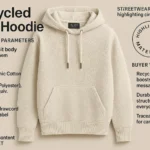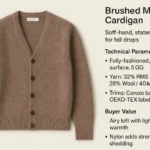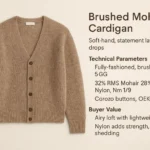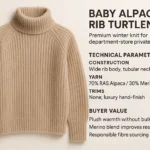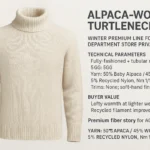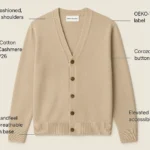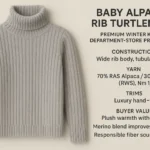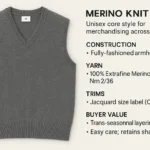


When you buy a hoodie, the material is important. Some fabrics feel soft and let air in. Others are strong or keep sweat away. You will see cotton, polyester, and blends a lot. The table below shows what makes each hoodie material special. It also shows if it is comfy, good for sports, or better for the planet.
Material | Characteristics | Consumer Appeal |
|---|---|---|
Cotton | Soft, breathable, hypoallergenic | Everyday comfort |
Polyester | Durable, moisture-wicking, resists shrinking | Athletic and performance use |
Blended | Combines comfort and durability | Multi-functional wear |
Others | Wool, bamboo, recycled fibers, unique benefits | Eco-conscious options |
Key Takeaways
Pick the best hoodie material for what you need. Cotton feels soft and lets air in. Polyester lasts long and keeps sweat away.
Think about the weather when you pick a hoodie. Wool and fleece keep you warm. Cotton and bamboo help you stay cool when it is hot.
Try cotton-polyester blends for comfort and strength. These hoodies do not shrink much. They keep their shape after you wash them.
Take care of your hoodie to make it last longer. Wash it in cold water and let it air dry. Do not use strong soaps.
Check out eco-friendly choices like organic cotton and recycled polyester. These are better for the earth and feel good to wear.
Types of Hoodie Materials
Cotton
Cotton is the most common hoodie material in the world. It makes up 36.2% of the market. Cotton feels soft and light when you touch it. It is gentle on your skin and good for people with allergies. Cotton soaks up sweat and lets air move through. This helps you feel good in hot or cool weather. You can wear cotton hoodies every day, for relaxing, or for light exercise.
Key Properties of Cotton:
Softness: Feels smooth and gentle.
Absorbency: Pulls in sweat to keep you dry.
Breathability: Lets air move so you do not get too hot.
Property | Description |
|---|---|
Softness | Cotton feels soft and gentle on your skin. It is great for sensitive skin. |
Breathability | Air moves through cotton, so you stay comfy in any weather. |
Moisture Absorption | Cotton can soak up a lot of sweat. This helps control your body temperature. |
Cashmere
Cashmere gives you a fancy and soft feeling. It is much softer and warmer than cotton. Cashmere hoodies trap heat and keep you warm in cold weather. Cashmere is about eight times softer than fleece. It is a top pick for softness and warmth. People wear cashmere for special days or when they want to feel extra cozy.
Mohair
Mohair comes from Angora goats. Mohair hoodies keep their shape because they stretch well. They do not wrinkle easily, so they look neat after many wears. You should wash mohair by hand in cold water and dry it flat. Keep it in a dry place and use a wool shaver to remove fuzz balls. Mohair hoodies are good if you want something special and long-lasting.
Mohair stretches, so the hoodie keeps its shape.
It does not wrinkle and stays looking nice.
Wash by hand in cold water and dry flat.
Store in a bag that lets air in to keep it safe.
Fleece
Fleece is loved for being soft and warm. Fleece hoodies are great for cold days or outdoor fun. This material keeps heat in and feels nice on your skin. Fleece is popular because it is warm but not heavy. It does not let air move as well as some other fabrics, so it can feel hot if you are very active.
Polyester
Polyester is a man-made fiber that makes hoodies strong and easy to clean. Polyester hoodies do not shrink or wrinkle much. They pull sweat away from your skin, so they are good for sports. Polyester does not let air move as well as cotton. It can feel less comfy in hot weather.
Advantages | Disadvantages |
|---|---|
Strong | Not good at letting air in |
Controls sweat | Does not soak up much |
Does not shrink or wrinkle | Can get too hot |
Colors stay bright | |
Costs less |
Acrylic
Acrylic is a fake fiber that acts like wool. Acrylic hoodies keep you warm and cozy. They do not cost much and keep their color well. Acrylic does not let air move as well as real fibers. It can get fuzzy over time.
Feature | Acrylic | Natural Fibers (e.g., Wool, Cotton) |
|---|---|---|
Warmth | Keeps you warm and cozy | Wool is even warmer |
Breathability | Does not let air move well | Lets air move easily |
Moisture Management | Okay, but can feel damp | Great at handling sweat |
Longevity | Lasts long but can get fuzzy | Lasts long and stays smooth |
Cost | Costs less | Usually costs more |
Bamboo
Bamboo is a green choice for hoodies. Bamboo grows fast and does not need chemicals. It takes in more carbon dioxide and gives off more oxygen than many plants. Bamboo hoodies feel soft, pull sweat away, and do not smell bad.
Bamboo grows fast without chemicals.
It takes in more carbon dioxide and gives off more oxygen than most plants.
Silk
Silk makes your hoodie feel fancy. You will notice the soft and smooth feel right away. Silk-lined hoodies feel nice and special. Silk lets air move and pulls sweat away, so you stay cool and dry. If you want a hoodie that looks and feels different, silk is a good pick.
Cotton-Polyester Blends
Cotton-polyester blends mix the best parts of both fibers. Cotton makes the hoodie soft and lets air move. Polyester makes it strong and helps it keep its shape. These blends do not wrinkle much and are easy to wash. You can find them in many styles, from casual to sporty.
Soft and lets air move.
Strong and lasts long.
Does not wrinkle much.
Easy to wash in a machine.
Colors stay bright.
Costs less than all-cotton.
Works for many types of hoodies.
French Terry
French terry is a knit fabric with loops on one side and a smooth side on the other. It lets air move, which helps control your body temperature. French terry lets sweat out, so it is good for workouts or warm days. The fabric feels soft and a little bumpy, so it works for both casual and sporty hoodies.
French terry lets air move and keeps you cool.
It lets sweat out when you are active.
The fabric feels soft and a bit bumpy.
Jersey Knit
Jersey knit is soft, stretchy, and comfy. You can move easily in a jersey knit hoodie. This fabric lets air move and keeps its shape after many washes. Jersey knit comes in many weights and colors, so you can find a hoodie for any season.
Feature | Description |
|---|---|
Softness | Feels soft and comfy on your skin. |
Stretchability | Stretches for a close fit, great for moving. |
Breathability | Lets air move, good for all seasons. |
Durability | Keeps its shape, even with lots of use. |
Versatility | Comes in many weights and colors for different looks. |
Tri-Blend
Tri-blend fabric mixes polyester, cotton, and rayon. These hoodies are light, soft, and bend easily. Polyester makes them strong and helps with sweat. Cotton lets air move and feels comfy. Rayon gives a silky feel. Tri-blend hoodies are good for both casual and sporty wear.
Nylon
Nylon is a man-made fiber known for being stretchy and good at moving sweat. Nylon hoodies keep you dry during workouts because they pull sweat away from your skin. Nylon does not let air move as well as cotton, but it is good for sports hoodies.
Nylon pulls sweat away well.
It is stretchy and strong.
Does not let air move as well as some fabrics.
Sherpa Lining
Sherpa lining makes hoodies extra soft and warm. You will feel the fluffy inside as soon as you put it on. Sherpa keeps your body heat in and protects you from the cold. It is perfect for winter or chilly days.
Sherpa lining is soft and warm.
It keeps your body heat in.
Great for cold days.
Wool or Merino Wool
Wool and merino wool are natural fibers that keep you warm and comfy. Wool hoodies do not wrinkle or smell bad. Wool helps control your body temperature, so you feel good in any weather. Merino wool is softer than regular wool and feels gentle on your skin. Wool is also good for the planet because it is renewable and breaks down naturally.
Wool is natural, breaks down, and can be used again.
It does not wrinkle or smell.
Wool helps control your body temperature.
Tip: Think about what you need when picking a hoodie material. Some keep you warm, others help you stay cool or dry. The right material can change how you feel and how long your hoodie lasts.
Hoodie Material Features
Warmth
You want your hoodie to keep you warm on cold days. Some fabrics do this better than others. Wool, brushed fleece, and sherpa fleece stand out as the warmest material for a hoodie. These fabrics trap heat and keep you cozy in winter. The table below shows how different materials compare for warmth:
Material | Warmth Level | Description |
|---|---|---|
Wool | High | Excellent insulation, breathable, moisture-wicking, ideal for winter wear. |
Brushed Fleece | High | Soft, cozy, traps warmth, perfect for comfort in cold weather. |
Sherpa Fleece | High | Ultra-soft, mimics lambswool, bulkier but much warmer, great for winter. |
Breathability
Breathability helps you stay cool and dry. Cotton, bamboo, and jersey knit let air move through the fabric. These materials work well for everyday wear and light activity. Polyester and nylon do not let as much air in, so you may feel hot during exercise.
Durability
You want your hoodie to last a long time. Polyester and polyester blends resist shrinking, wrinkling, and fading. Nylon is also very strong and holds up well in many weather conditions. These materials keep their shape and color after many washes.
Polyester and blends: Great for durability and easy care.
Nylon: Strong, lightweight, and tear-resistant.
Comfort
Comfort depends on how the hoodie fits and feels. Many people like lightweight, moisture-wicking fabrics for sports and outdoor use. A good fit matters too. The hoodie should drape well and not feel too tight or loose. Ribbed cuffs and waistlines should feel snug but not restrictive.
Choose a hoodie material that feels soft and fits well.
Look for ribbed cuffs and waistlines that do not pinch.
Make sure the hoodie moves with you and feels good during wear.
Care and Maintenance
Proper care keeps your hoodie looking new. Always read the care label first. Use cold water and a gentle cycle to prevent shrinking. Turn your hoodie inside out before washing to protect the outside. Use mild detergent and air dry to avoid heat damage. Fold your hoodie for storage to keep its shape. Try not to wash it too often.
Wash in cold water and use gentle cycles.
Turn inside out before washing.
Use mild detergent and air dry.
Fold for storage and avoid frequent washing.
Tip: Each hoodie material needs special care. Following these steps helps your hoodie last longer and stay comfortable.
Why Essentials Uses a Cotton-Polyester Blend in Their Hoodies

Brand Philosophy and Material Choice
Essentials wants you to feel comfortable every day. The brand picks materials that are soft and strong. When you wear an Essentials hoodie, it feels nice and fits well. Essentials uses a cotton-polyester blend for their hoodies. Cotton makes the hoodie soft. Polyester makes it last longer. This blend helps the hoodie keep its color and shape after many washes.
Benefits of Cotton-Polyester Blends
You might ask why mixing materials is better. Look at the table below to see how cotton and polyester are different:
Benefit | Cotton | Polyester |
|---|---|---|
Durability | Not as strong | Stretches and does not shrink |
Moisture | Holds water | Dries fast |
Color retention | Fades with time | Colors stay bright |
Comfort | Soft and lets air in | Pulls sweat away for comfort |
A cotton-polyester blend uses the good parts of both. Your hoodie feels soft, dries fast, and keeps its color.
Impact on Comfort and Durability
Choosing a cotton-polyester blend gives you comfort and strength. Here is what you get:
Cotton lets air in and feels soft.
Polyester makes the hoodie strong and helps it keep its shape.
The blend does not shrink or get fuzzy, so it looks new.
You can wash your hoodie many times and it still fits and looks good.
This mix means you get comfort and durability in one hoodie.
Consumer Appeal and Market Trends
Many people want hoodies that last and feel nice. Some people care about the planet too. More shoppers look for brands that use safe materials and dyes. Essentials pays attention to what people want. Their cotton-polyester blend gives you comfort, style, and easy care. Essentials also tries eco-friendly choices for modern hoodies.
How Fabric Weight Influences the Quality of Essentials Hoodies
Understanding Fabric Weight
Fabric weight tells you how thick and dense a hoodie feels. You measure fabric weight in GSM, which stands for grams per square meter. A higher GSM means the fabric is heavier and thicker. Essentials hoodies often use heavyweight fabrics. These usually fall between 351 and 450 GSM. You can check the GSM to know if a hoodie will feel light or heavy.
GSM shows how dense the fabric is.
Heavier hoodies have a higher GSM.
Essentials hoodies often use heavyweight fabric in the 351-450 GSM range.
Impact on Comfort and Warmth
Fabric weight changes how a hoodie feels on your body. A heavier hoodie keeps you warmer in cold weather. You might choose a lightweight hoodie for mild days or indoor use. Heavyweight hoodies trap heat and block wind. You stay cozy when the temperature drops. Lighter hoodies let air move and help you stay cool.
Durability and Longevity
Thicker fabric lasts longer. You get more wear from a heavyweight hoodie. The dense weave resists stretching and tearing. Polyester blends add extra strength. Your hoodie keeps its shape and color after many washes. Lightweight hoodies may wear out faster, especially if you use them often.
Aesthetic and Fit Considerations
Fabric weight affects how a hoodie looks and fits. Heavyweight hoodies drape smoothly and hold their shape. You see a structured look that feels premium. Lighter hoodies fit closer to your body and move easily. You might notice more wrinkles or stretching in thin fabrics. Essentials hoodies use the right weight to balance style and comfort.
Essentials’ Approach to Fabric Weight
Essentials chooses fabric weight to match their brand values. You get comfort, durability, and style in every hoodie. The brand uses heavyweight fabrics for warmth and long life. You see hoodies that look good and feel soft. Essentials blends materials like cotton and polyester to create hoodies that last and stay comfortable. You can trust that each hoodie meets high standards for quality.
Sustainable Materials in Essentials Hoodies
Essentials’ Commitment to Sustainability
More brands care about the planet now. Essentials wants you to feel proud of your hoodie. They try to use less energy and fewer chemicals. Essentials picks materials that help nature. Your hoodie feels soft and lasts long. It also helps keep the world clean.
Types of Sustainable Materials Used
Essentials uses eco-friendly fabrics for their hoodies. You might see organic cotton, recycled polyester, bamboo, and hemp. Organic cotton grows without bad chemicals. Recycled polyester comes from old bottles and helps cut waste. Bamboo grows fast and does not need much water. Hemp grows quickly and needs few pesticides. These materials help Essentials protect the environment.
Benefits of Eco-Friendly Fabrics
Eco-friendly fabrics have many good points. Organic cotton saves water and keeps soil healthy. Hemp grows fast and uses less land. It fights pests, so farmers use fewer chemicals. Hemp and organic cotton break down on their own. They do not add to landfill waste.
Picking eco-friendly fabrics helps keep air clean, water safe, and stops pollution.
Here is a table that shows how these fabrics help the earth:
Eco-Friendly Fabric | Environmental Benefit | Description |
|---|---|---|
Hemp | Fast-growing plant | Grows quickly and uses less land. |
Natural Resistance | Needs fewer pesticides and fertilizers. | |
Biodegradable | Breaks down naturally and makes less trash. | |
Organic Cotton | Soil Health | Keeps soil healthy and uses no bad chemicals. |
Water Conservation | Needs less water than regular cotton. | |
Chemical-Free Processing | Safer for people and the earth because it has no harmful chemicals. |
Challenges and Future Directions
Not all hoodies use green fabrics yet. Essentials faces some problems. Eco-friendly materials can cost more and are hard to find. Recycled polyester needs special steps to make. Essentials tries to improve how they get materials. The brand wants to use more green fabrics and find new ways to make clothes. Essentials will keep looking for better choices and tell you about their progress.
How to Care for Your Essentials Hoodie to Maintain Its Quality
Washing Guidelines
Use cold water and gentle cycles
You should wash your Essentials hoodie in cold water. Cold water helps keep the fabric soft and stops colors from fading. Choose a gentle cycle on your washing machine. This cycle protects the fibers and keeps your hoodie looking new.
Turn the hoodie inside out before washing
Turn your hoodie inside out before you put it in the wash. This step protects the outside from rubbing against other clothes. You help prevent pilling and keep the print or logo safe.
Avoid harsh detergents and fabric softeners
Pick a mild detergent for your hoodie. Harsh detergents can damage the fibers and fade the color. Do not use fabric softeners. These products can coat the fabric and make it less breathable.
Tip: Always check the care label on your hoodie. Some Essentials hoodies may have special instructions.
Drying and Ironing Tips
Air dry flat to prevent stretching
Lay your hoodie flat on a clean towel to dry. Air drying helps keep the shape and stops stretching. You avoid wrinkles and keep the fabric smooth.
Avoid tumble drying to reduce shrinkage
Do not use a tumble dryer. High heat can shrink your hoodie and weaken the fibers. Air drying is safer and helps your hoodie last longer.
Use low heat if ironing is necessary
If you need to iron your hoodie, use the lowest heat setting. Place a thin cloth between the iron and the fabric. This step protects the material and keeps it soft.
Storage Recommendations
Fold hoodies instead of hanging to maintain shape
Fold your hoodie neatly and place it in a drawer or on a shelf. Hanging can stretch the shoulders and change the shape.
Store in a cool, dry place away from direct sunlight
Keep your hoodie in a cool, dry spot. Sunlight can fade the color and weaken the fabric over time.
Maintaining Appearance and Comfort
Remove pilling with a fabric shaver
If you see small balls of fuzz, use a fabric shaver to remove them. This tool helps your hoodie look smooth and fresh.
Spot clean stains promptly
Clean stains as soon as you notice them. Use a damp cloth and mild soap. Quick action stops stains from setting.
Avoid over-washing to preserve fabric integrity
Wash your hoodie only when needed. Too much washing can wear out the fabric and fade the color.
Note: Bleach and high heat can damage your Essentials hoodie. Always follow the care label for best results.
Choosing the Best Fabric Material for a Hoodie
Climate and Activity
You should think about your local weather before picking a hoodie. If you live in a cold area, wool, fleece, or sherpa lining will keep you warm. For hot or humid places, cotton, bamboo, or jersey knit help you stay cool. If you plan to wear your hoodie for sports or outdoor activities, look for polyester or nylon. These materials wick away sweat and dry fast.
Tip: Match your hoodie material to your main activity. You will feel more comfortable and get better performance.
Personal Preferences
Your style and comfort matter when you choose a hoodie. Some people like soft and smooth fabrics, such as cashmere or silk. Others want a classic look with cotton or French terry. If you want a hoodie that feels light and stretches, try a tri-blend or jersey knit. You can pick bright colors, bold prints, or simple designs. Think about how the fabric feels on your skin and how you want your hoodie to look.
Soft feel: Cashmere, bamboo, cotton
Stretchy fit: Jersey knit, tri-blend, nylon
Classic style: Cotton, French terry
Longevity and Care
You want your hoodie to last. Polyester blends and nylon resist shrinking and fading. Cotton-polyester blends keep their shape after many washes. Wool and cashmere need gentle care, so you should wash them by hand. If you want easy care, choose machine-washable fabrics. Always check the care label for best results.
Material | Care Level | Durability |
|---|---|---|
Cotton-Poly Blend | Easy | High |
Wool/Cashmere | Gentle | High |
Polyester/Nylon | Easy | Very High |
Bamboo | Easy | Medium |
Check With Azknit to Find Out Best Material
If you still feel unsure, you can ask experts for advice. Azknit helps you find the best fabric material for a hoodie. They know about new trends and can suggest what works for your needs. You can share your climate, style, and care preferences. Azknit will guide you to the right choice.
You do not have to guess. Get help from professionals and enjoy a hoodie that fits your life.
What Materials Are Used for Hoodies?
Popular Choices
There are many fabrics used to make hoodies. Some materials feel soft and keep you warm. Others last a long time or work well for sports. The table below lists the most common hoodie materials and what makes each one good:
Material | Description | Best For |
|---|---|---|
Cotton | Soft, breathable, and natural comfort; popular for everyday wear. | Everyday hoodies, lightweight, breathable. |
Fleece | Warm and cozy; ideal for colder regions. | Durable cold weather hoodies. |
French Terry | Mid-weight, breathable, and versatile for all-season wear. | All-season wear, athletic and casual. |
Jersey Knit | Lightweight and stretchy; great for summer or layering. | Summer hoodies, layering pieces. |
Polyester Blends | Durable, moisture-resistant; combines softness with resilience. | Performance wear, sports hoodies. |
Superior insulation; ideal for luxury collections. | Premium fashion hoodies, sustainable lines. |
Cotton feels soft and is good for daily use. Fleece keeps you warm when it is cold outside. French terry works for cool or warm days. Jersey knit is light and stretches, so you can move easily. Polyester blends make hoodies strong and help them last longer. Wool gives extra warmth and feels fancy.
Tip: For sports, pick polyester blends. These hoodies dry quickly and keep their shape.
Specialty and Eco-Friendly Options
Some people want hoodies made from special or green fabrics. These materials are becoming more popular. Organic cotton feels soft and uses fewer chemicals. Recycled polyester comes from old bottles and helps cut down on trash. Bamboo fabric feels smooth and does not smell bad. Hemp grows fast and needs little water, so it is good for nature.
Some brands use wool because it is warm and keeps you dry. You can also find hoodies made from tri-blend fabrics. These mix cotton, polyester, and rayon for a soft and stretchy feel.
There are many materials used for hoodies. Each one has something special. You can choose a hoodie that fits your style, needs, and what you care about.
You have many choices when it comes to hoodie material. Each fabric offers something different. Cotton feels soft and works for daily wear. Polyester gives you strength and dries quickly. If you want warmth, try fleece or wool. Think about your climate, style, and how much care you want to give your hoodie. Pick the fabric that matches your needs. The right choice will help you stay comfortable and happy with your hoodie.
Tip: Always check the label before you buy. This helps you find the best fit for your lifestyle.
FAQ
What is the best material for a hoodie if you want warmth?
You should pick wool, fleece, or sherpa lining for warmth. These materials trap heat and keep you cozy in cold weather. Wool also helps control your body temperature.
How do you keep your hoodie from shrinking?
Wash your hoodie in cold water. Use a gentle cycle. Air dry it flat. Avoid high heat from dryers. Always check the care label for special instructions.
Is polyester a good choice for sports hoodies?
Yes, you should choose polyester for sports. It dries quickly and pulls sweat away from your skin. This material also resists shrinking and keeps its shape after many washes.
Can you machine wash all hoodie materials?
No, not all hoodies can go in the machine. Wool, cashmere, and mohair need gentle hand washing. Always read the care label before washing your hoodie.
How do you remove pilling from your hoodie?
Use a fabric shaver to remove pilling. Gently run the shaver over the surface. This keeps your hoodie looking smooth and new.