
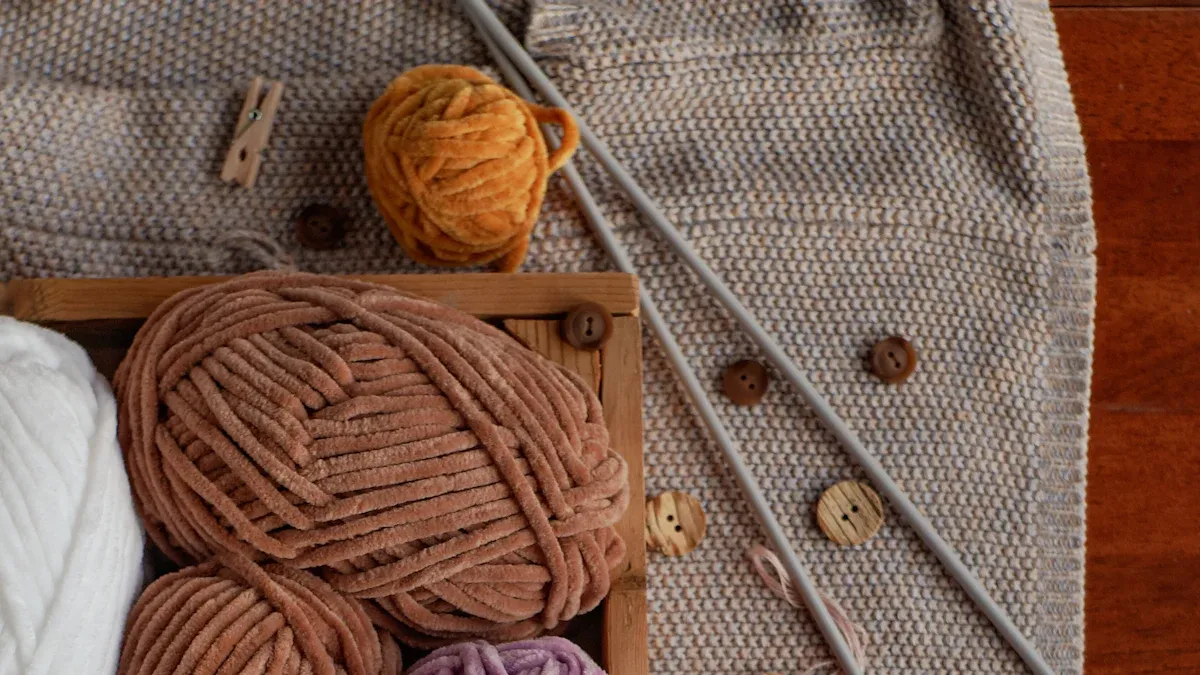
Wondering how do I choose between wool for your next project? You might look at comfort, price, or how easy it is to care for each yarn. Wool keeps you warm, cotton feels soft and breathes well, and acrylic yarn is budget-friendly and easy to wash. Many people love cotton for sensitive skin, while others pick acrylic for its durability. Wool stands out for eco-friendliness, but its cost can be higher.
Here’s a quick look at market shares for different yarn types:
Segment | |
|---|---|
Apparel | 67.3 |
Artificial Yarn | 61.9 |
You’ll find the best yarn depends on what matters most to you—comfort, cost, or care. Let’s make your choice simple and fun!
Key Takeaways
Wool is very warm and stretchy. It works well for winter clothes like hats and scarves. Cotton feels soft and lets air through. It is great for summer clothes and things for babies. Acrylic costs less and is simple to wash. It is good for blankets and charity work. Think about what your project needs. Do you want it warm, airy, or easy to clean? If you have sensitive skin, pick cotton or acrylic. This helps stop itching and allergies. Always read the care instructions. This keeps your finished items nice. Try different yarns to see what you like best. Mixing yarns can make cool textures and looks. But make sure they need the same care.
How Do I Choose Between Wool, Cotton, and Acrylic?
Key Differences
You might wonder, how do i choose between wool, cotton, and acrylic for your next project? Each yarn has unique properties that make it special. Wool comes from sheep and feels warm and springy. Cotton grows from plants and feels soft and cool. Acrylic is made in factories and feels light and smooth. These different types of yarn work best for different projects.
Let’s look at a table that shows the main differences:
Parameter | Wool Yarn | Cotton Yarn | Acrylic Yarn |
|---|---|---|---|
Softness | Can be soft or itchy | Naturally soft, smooth | Usually soft, synthetic |
Durability | Strong, elastic | Strong, weakens with use | Very durable |
Moisture Absorption | Absorbs, wicks moisture | Absorbs, holds moisture | Low absorption, dries fast |
Warmth | Very warm, insulates | Not as warm | Warm, insulates well |
Breathability | Good | Excellent | Less breathable |
Weight | Medium | Heavier when wet | Lightweight |
Allergenic Potential | Can cause allergies | Hypoallergenic | Hypoallergenic |
Eco-Friendliness | Biodegradable | Biodegradable | Not biodegradable |
Texture Options | Many | Natural variations | Many |
Dyeing | Takes dye well | Earthy tones | Vibrant colors |
Machine Washability | Needs care | Needs care | Easy to wash |
Shrinkage Risk | Can shrink | Can shrink | Rarely shrinks |
Cost | Expensive | Can be costly | Inexpensive |
Availability | Easy to find | Easy to find | Very easy to find |
Best Use | Winter wear, felting | Summer wear, towels | Blankets, toys, accessories |
You can see that wool, cotton, and acrylic each have their own strengths. Wool keeps you warm, cotton keeps you cool, and acrylic is easy to care for. If you want to know how do i choose between wool and other yarns, think about what you want your project to do.
Best Yarn for Common Needs
You may ask, how do i choose between wool, cotton, and acrylic when you want the best yarn for a certain project? Here’s a quick guide to help you match your needs with the right yarn:
For warmth: Wool and acrylic both keep you cozy. Wool is best for hats, scarves, and sweaters in winter. Acrylic works well for blankets and accessories.
For summer or hot weather: Cotton is your friend. It breathes well and feels cool on your skin. Use it for tops, baby clothes, and towels.
For easy care: Acrylic wins. You can toss it in the washing machine and not worry. It’s great for busy families or charity projects.
For sensitive skin: Cotton and acrylic are both gentle. Cotton is natural and soft, while acrylic is hypoallergenic.
For eco-friendly projects: Wool and cotton are biodegradable. Choose organic cotton or local wool for the best environmental impact.
For beginners: Medium-weight cotton or acrylic yarn is easy to handle and shows your stitches clearly.
Tip: Don’t pick yarn just because you like the color or how it feels. Think about what you want your finished project to do.
Quick Decision Guide
If you want a fast answer to how do i choose between wool, cotton, and acrylic, use this checklist:
Do you want something warm and cozy? → Try wool or acrylic.
Do you want something cool and soft? → Pick cotton.
Do you need easy washing? → Go with acrylic.
Do you care about the environment? → Choose wool or cotton.
Are you new to knitting or crochet? → Use medium-weight cotton or acrylic.
Here’s a simple table to help you decide:
Need/Project | Best Yarn Choice |
|---|---|
Winter Garments | Wool or Acrylic |
Summer Clothes | Cotton |
Baby Items | Cotton or Acrylic |
Blankets | Acrylic or Wool |
Eco-Friendly Crafts | Wool or Cotton |
Easy Care | Acrylic |
Beginners | Cotton or Acrylic |
You might still wonder, how do i choose between wool and other yarns if you have a special project. Always check the pattern and think about the pros and cons of each yarn. Remember, different types of yarn have different properties, so your choice will change how your project looks and feels.
If you want to avoid common mistakes, keep these in mind:
Don’t choose just by color or texture.
Think about the season and how you’ll use your project.
Check the yarn’s twist and structure.
Follow the pattern’s yarn suggestion.
Make sure you buy enough yarn for your project.
Choosing the right yarn can feel tricky, but you can do it! Ask yourself, how do i choose between wool, cotton, and acrylic for what I want to make? Match your needs to the yarn’s properties, and you’ll love your finished project.
Wool Yarn Overview
What Is Wool Yarn
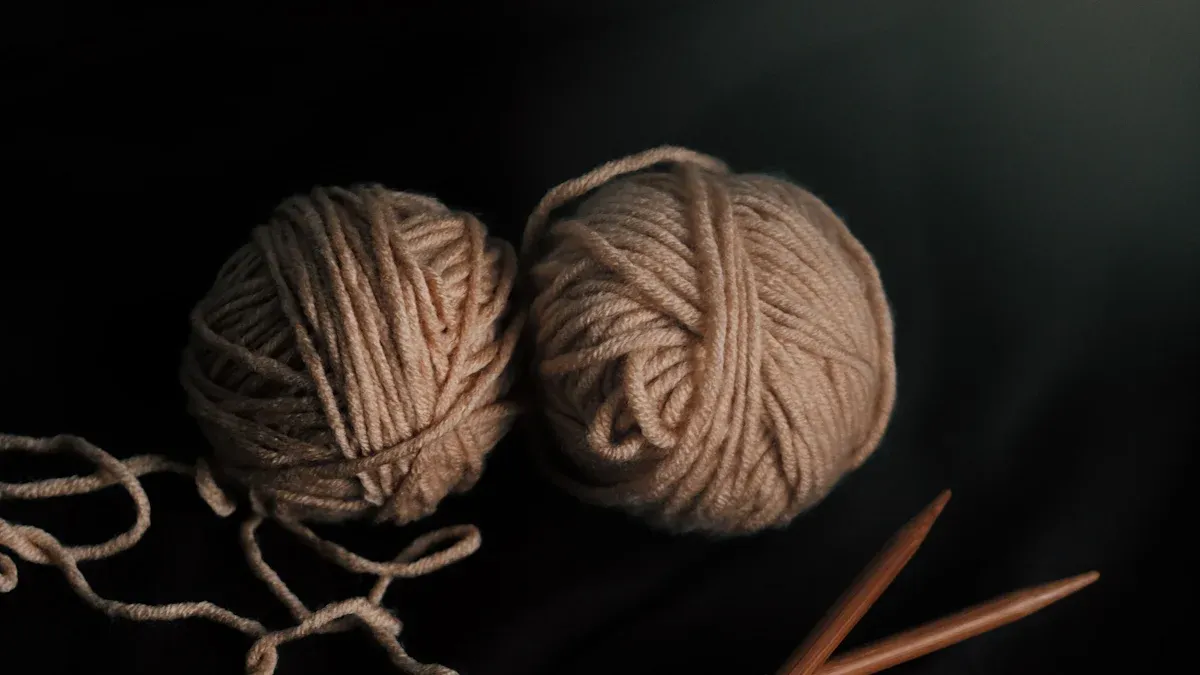
Wool yarn comes from the fleece of sheep. You get this natural animal fiber through a careful process. First, farmers shear the sheep to collect the fleece. Then, workers clean the wool to remove dirt and oils. Next, they card and comb the fibers to line them up and remove short pieces. After that, the wool is spun into yarn and conditioned with steam. Finally, the yarn is wound into skeins for you to use. Wool is a natural fiber, which means it comes straight from animals and breaks down in the environment. You will find two main types of wool yarn: worsted, which feels smooth and strong, and woollen, which feels soft and fluffy. Wool stands out because it is durable, renewable, and biodegradable.
Wool Yarn Pros
Warmth
You will love wool if you want to stay warm. This fiber traps air and keeps your body heat close. That makes it ideal for winter clothing like hats, scarves, and sweaters. Wool works well for cold weather because it insulates even when wet.
Elasticity
Wool has great stretch. You can pull it, and it bounces back into shape. This makes your projects last longer and look neat. Wool resists wrinkling, so your finished items keep their shape.
Moisture Wicking
Wool absorbs moisture but does not feel wet. It can soak up to 20% of its weight in water before it feels damp. This helps you stay dry and comfortable. Wool also lets your skin breathe, so you do not get too hot.
Natural Fiber
You might choose wool because it is a natural fiber. It is made from keratin, just like your hair. Wool is 100% renewable and biodegradable. Many people like that it comes from a natural source and breaks down safely in the environment.
Wool Yarn Cons
Itchiness
Some people think wool feels itchy. In fact, 43% of people avoid wool because they worry about itchiness. The texture depends on the type of wool and how it is processed. Softer wools, like Merino, feel gentle on your skin.
Allergies
About 9% of people say they avoid wool because of allergies. Most reactions come from the fiber’s texture, not a true allergy. If you have sensitive skin, test a small piece before starting a big project.
Care Needs
Wool needs special care. You should wash it gently by hand or use a delicate cycle. Hot water or rough washing can shrink or felt the fiber. Always check the label for care instructions.
Price
Wool can cost more than other yarns. The price comes from the careful process of making wool yarn and its high quality. You pay more, but you get a strong, long-lasting natural fiber.
Wool Yarn Uses
Cold Weather Wear
You probably reach for wool when you want to stay warm in winter. Wool traps heat close to your body, so you feel cozy even when the temperature drops. Merino wool has a special crimp that forms tiny air pockets. These pockets act like built-in insulation, keeping you warm without making your clothes bulky. If you love winter sports or spend time outside, wool helps you stay comfortable. Wool terry cloth can hold up to 80% air, which stops heat from escaping. You also stay dry because wool wicks moisture away from your skin. The fibers let vapor escape, so you don’t feel sweaty.
Here’s a quick look at why wool works so well for cold weather:
Characteristic | Description |
|---|---|
Insulation | Wool terry cloth holds air, creating a layer that keeps heat in. |
Moisture-wicking | Wool moves moisture away from your skin, so you stay dry and warm. |
Comfort | Merino wool’s crimp traps heat, giving you warmth without extra weight. |
Accessories
You can make so many accessories with wool. People often choose wool for mittens, socks, sweaters, and scarves. Mittens and socks last longer and keep your hands and feet warm because wool is strong and durable. For socks, you might use fingering weight yarn, sometimes mixed with nylon for extra strength. Sweaters made from merino wool feel soft and keep you warm. Scarves come in different weights, like aran or DK, so you can pick what works best for chilly days.
Here are some popular wool projects:
Mittens
Socks
Sweaters
Scarves
Mittens and socks stand out because wool gives them both warmth and durability. Sweaters and scarves made from wool feel comfortable and look great in cool weather.
Felting
You might want to try felting if you enjoy crafts. Wool is perfect for felting because the fibers lock together when you add heat, moisture, and friction. You can make felted bags, slippers, hats, or even toys. Felting with wool lets you create sturdy, thick items that hold their shape. Many crafters love how easy it is to turn wool yarn into felted art.
Who Should Choose Wool
Wool is a smart choice if you want warmth, durability, and natural fibers. You should pick wool if you make winter clothes, cozy accessories, or felted crafts. Wool works well for people who spend time outdoors or need clothes that keep them warm and dry. If you care about the environment, wool is biodegradable and renewable. You might also choose wool if you want your projects to last a long time. Wool suits you if you like working with natural materials and want your finished items to feel special.
Tip: If you want soft wool, look for merino or blends made for sensitive skin. You can always test a small piece before starting a big project.
Cotton Yarn Guide
What Is Cotton Yarn
You might wonder where cotton yarn comes from. Cotton yarn starts with cotton plants. Farmers harvest the fluffy bolls, and machines clean the cotton to remove dirt and seeds. Workers card the fibers to line them up, then separate them by length and strength. Next, spinning machines twist the fibers into yarn. Sometimes, several threads get twisted together to make the yarn stronger. This process gives you a smooth, soft, and reliable plant-based fiber for your projects.
Cotton Yarn Pros
Durability
Cotton yarn stands out for its strength. You can use it for dishcloths, hot pads, and bags. It holds up well to washing and daily use. However, cotton yarn is softer than acrylic, so it may not last as long for items that get stretched or pulled often.
Shape Retention
You will notice that cotton yarn keeps its shape. Your stitches look crisp and neat. Finished projects stay flat and don’t stretch out easily. This makes cotton yarn perfect for home decor, like coasters and placemats.
Softness
Cotton yarn feels gentle on your skin. You can use it for baby blankets, summer tops, and washcloths. Many people with sensitive skin choose cotton yarn because it doesn’t itch or irritate.
Breathability
You’ll love how cotton yarn lets air flow through your projects. It keeps you cool in warm weather. Cotton yarn absorbs moisture, so it works well for towels and summer clothes.
Hypoallergenic
Cotton yarn is a safe choice if you have allergies. It rarely causes skin reactions. You can use it for baby items or gifts for people with sensitive skin.
Tip: If you want a yarn that feels soft and stays cool, cotton yarn is a great pick for you.
Cotton Yarn Cons
Low Elasticity
Cotton yarn doesn’t stretch much. If you make fitted clothes, they might not bounce back after wearing. Wool yarn stretches more, so it works better for socks or hats.
Can Be Heavy
Cotton yarn gets heavy when wet. Your towels or blankets might feel heavier after washing. This can make large projects harder to handle.
Shrinking
You need to watch out for shrinking. Cotton yarn can shrink in hot water or a hot dryer. Always check care instructions before washing your finished items.
Environmental Impact
Cotton yarn is natural, but growing cotton uses a lot of water. Take a look at this table to see how cotton compares to wool and acrylic:
Fiber Type | CO2 Emissions (kg CO2 eq.) | Water Usage (liters) |
|---|---|---|
Cotton | 16.4 | 10,000 |
Wool | 73.8 | 800 |
Acrylic | 21.1 | N/A |
You can see that cotton yarn uses much more water than wool or acrylic. If you care about the environment, look for organic cotton or recycled cotton yarn.
Cotton Yarn Uses
Summer Wear
You want to stay cool when the weather gets hot. Cotton yarn helps you do just that. The open fiber structure lets air move through your clothes. This makes cotton breathable and ideal for summer clothing. You will not feel sticky or sweaty because cotton absorbs moisture and dries quickly. Many people love making knit tanks, t-shirts, tunics, shells, pullovers, and cardigans with cotton. These pieces feel light and comfortable on your skin. You can wear them all day and still feel fresh.
Tip: Choose lighter colors for your summer projects. They reflect sunlight and keep you even cooler.
Baby Items
If you plan to make something for a baby, cotton is a smart choice. Babies have sensitive skin, so you want a yarn that feels soft and gentle. Cotton yarn is hypoallergenic and does not cause irritation. It keeps babies comfortable because it wicks away moisture and allows air to flow. You can create baby blankets, clothes, booties, and layettes with cotton. These items feel cozy and safe for little ones.
Here are some popular baby projects you can make with cotton:
Baby blankets
Baby clothes
Booties
Layettes
Parents appreciate these gifts because they are easy to wash and gentle on delicate skin.
Home Decor
Cotton yarn works well for home decor projects. You can make rugs, pillows, towels, carrying bags, washcloths, pot holders, and dishcloths. Cotton holds its shape and stands up to daily use. Your finished items look neat and last a long time. Many people use cotton for kitchen and bathroom accessories because it absorbs water and dries fast. You can also add color and texture to your home with handmade cotton pieces.
Here is a quick table of common cotton yarn projects:
Project Type | Examples |
|---|---|
Clothing | Tanks, t-shirts, cardigans, pullovers |
Baby Items | Blankets, clothes, booties, layettes |
Home Decor | Rugs, pillows, towels, bags, dishcloths |
Who Should Choose Cotton
You should choose cotton if you want a yarn that feels soft and gentle. Cotton is perfect for people with sensitive skin or allergies. If you live in a warm climate or want to make summer clothes, cotton keeps you cool and comfortable. You will also like cotton if you enjoy making baby gifts or home accessories that need to be washed often. Cotton yarn gives you crisp stitches and a neat finish. If you care about using natural fibers, cotton is a great option for your next project.
Note: Cotton yarn comes in many colors and weights. Try different types to find what you like best for your projects.
Acrylic Yarn Basics
What Is Acrylic Yarn
You might see acrylic yarn everywhere in craft stores. This yarn is made from petroleum-based materials, so it comes from oil and natural gas. Manufacturers use a process called polymerization to turn these materials into fibers. Here’s how it works:
China produces over 30% of the world’s acrylic fiber.
India has some of the largest acrylic fiber manufacturers.
Turkey is a big producer with growing capacity.
Other Asian countries like Thailand, Indonesia, and South Korea also make a lot of acrylic.
The production steps look like this:
Polymerization starts with acrylonitrile, a petroleum product.
The polymer dissolves in a solvent to make a spinning solution.
The solution gets pushed through spinnerets to form fibers.
Workers stretch and texturize the fibers for strength and bulk.
The fibers are dried, crimped, and cut into usable lengths.
Acrylic yarn is synthetic, so it doesn’t come from plants or animals. You get a yarn that’s light, smooth, and easy to find in many stores.
Acrylic Yarn Pros
Affordable
If you want a budget-friendly yarn, acrylic yarn is a great pick. You can buy more for less money, so it’s perfect for big projects or when you want to try new patterns. Many crafters choose acrylic because it lets you make gifts and charity items without spending a lot.
Durable
Acrylic yarn stands up to wear and tear. You can wash it many times, and it keeps its shape. This yarn resists fading and stretching, so your projects last longer. You don’t have to worry about your blanket or scarf falling apart after a few uses.
Easy Care
You’ll love how easy it is to care for acrylic yarn. Toss it in the washing machine and dryer without special instructions. It dries quickly and doesn’t shrink, so you spend less time worrying about laundry.
Color Variety
Acrylic yarn comes in almost every color you can imagine. You’ll find bright shades, pastels, and even sparkly options. The dye sticks well to acrylic, so your projects stay vibrant after many washes.
Beginner Friendly
If you’re new to knitting or crochet, acrylic yarn is an excellent choice for beginners. It’s smooth, easy to work with, and shows your stitches clearly. You can practice different techniques without worrying about ruining expensive yarn. Many teachers recommend acrylic as a beginner-friendly yarn.
Acrylic Yarn Cons
Less Breathable
Acrylic yarn doesn’t breathe as well as natural fibers. Items made with acrylic can feel warmer or less comfortable, especially in hot weather. Take a look at this table:
Feature | Acrylic Yarn | Natural Fibers |
|---|---|---|
Breathability | Low | High |
Comfort | Can feel warm | Cooler |
Can Be Scratchy
Some people find acrylic yarn scratchy. It might feel rough against your skin, especially if you have sensitive skin. Natural fibers like cotton or wool often feel softer.
Yarn Type | Texture | Comfort Level |
|---|---|---|
Acrylic Yarn | Can be rough | May cause itching |
Cotton/Wool | Usually soft | Comfortable |
Not Biodegradable
Acrylic yarn is not biodegradable. Since it’s made from petroleum, it doesn’t break down in the environment. This means acrylic yarn can contribute to long-term waste.
Yarn Type | Biodegradable | Environmental Impact |
|---|---|---|
Acrylic Yarn | No | Higher |
Cotton/Wool | Yes | Lower |
Pilling
You might notice small balls of fiber, called pills, forming on your acrylic projects after washing or wearing. Pilling can make your items look worn out faster, so you may need to trim them to keep things neat.
Tip: If you want a yarn that’s easy to use and care for, but don’t mind a little extra maintenance, acrylic yarn is a solid choice.
Acrylic Yarn Uses
Acrylic yarn opens up a world of creative projects for you. You can use it for almost anything, but some projects really shine with this yarn. Let’s look at the most popular ways you can use acrylic.
Blankets
You might love making blankets with acrylic. This yarn feels soft and keeps you warm. It is lightweight, so your blanket won’t feel heavy on your lap. Acrylic is also machine washable, which means you can toss your blanket in the wash without worry. If you want to make a big, cozy throw or a baby blanket, acrylic is a smart choice. It holds up well to lots of use and washing. You can pick from many colors to match your room or make a fun gift.
Toys
Acrylic works great for toys, especially amigurumi. Amigurumi are small, stuffed animals or dolls that you crochet or knit. Acrylic yarn gives these toys structure, so they keep their shape. It is non-allergenic, so it is safe for kids and people with sensitive skin. You can wash toys made from acrylic, which is important if little hands play with them often. The yarn comes in bright colors, so your toys look cheerful and fun.
Charity Projects
If you want to give back, acrylic is perfect for charity projects. Many groups ask for hats, scarves, and blankets made from acrylic. This yarn is affordable, so you can make more items without spending a lot. Acrylic is also durable and easy to care for, which is important for people who may not have time for special washing. You can help others by making warm, washable items that last.
Here’s a quick table to show you how acrylic fits different projects:
Project Type | Yarn Characteristics |
|---|---|
Amigurumi | Stiff acrylic yarn suitable for structural projects. |
Garments | Soft and drapey yarn, not suitable for amigurumi. |
DK Weight Projects | Low pill acrylic that works well for various projects. |
Bulky Knits | Great for oversized blankets when some structure is OK. |
Heirloom Baby Items | Amazingly soft yarn that withstands extra washing. |
You can see that acrylic yarn works for many types of projects. It is especially good for items that need to be washed often or used by many people.
Why choose acrylic for these projects?
Non-allergenic, so it’s safe for sensitive skin.
Fully machine washable and dryable.
Durable and resists shrinking or stretching.
Cost-effective, so you can make more for less.
Who Should Choose Acrylic
You should choose acrylic if you want a yarn that is easy to care for and budget-friendly. If you are new to knitting or crochet, acrylic helps you practice without worry. You can wash your projects in the machine, and they will still look good. Acrylic is a great pick if you make gifts, toys, or items for charity. You will also like acrylic if you want lots of color choices for your projects. If you have allergies or sensitive skin, acrylic is a safe option. Try acrylic for your next project and see how easy and fun it can be!
Yarn Comparison: Wool vs Cotton vs Acrylic
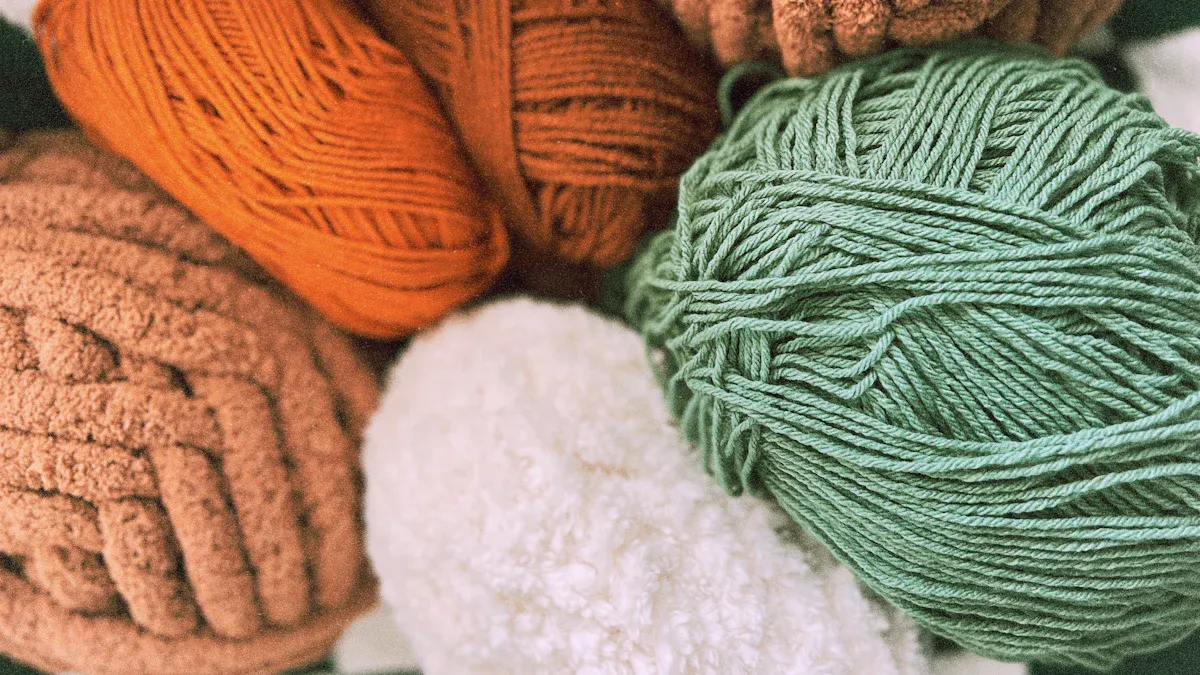
Comfort & Feel
When you pick yarn for your project, comfort matters a lot. You want your finished item to feel good against your skin, especially if you plan to wear it as clothing. Each type of yarn gives you a different experience.
Wool feels soft and breathable. Many people love how cozy it is, especially for sweaters and scarves. Merino wool is extra gentle, so it works well for sensitive skin.
Cotton is also soft and lets air flow through. You might notice it feels cool and smooth. Sometimes cotton can be slippery, and it does not stretch much.
Acrylic is less soft than wool or cotton. Some people think it feels scratchy, but it is hypoallergenic and easy to care for. If you have sensitivities, acrylic is a safe choice, though you should check for reactions to dyes.
You can see that wool and cotton are both comfortable for most users. Acrylic is a good option if you want something easy to wash and safe for allergies.
Tip: If you want the softest yarn for clothing, try merino wool or high-quality cotton. Always touch the yarn before you buy it to check how it feels.
Durability & Shape
You want your projects to last. Durability means your yarn can handle wear and washing without falling apart. Shape retention is also important, especially for clothing that needs to look neat after many uses.
Here’s a table to help you compare:
Yarn Type | Shape Retention | Elasticity |
|---|---|---|
Wool | Good shape retention | |
Cotton | N/A | N/A |
Acrylic | Tends to lose shape | Excellent elasticity |
Wool yarn holds its shape well and resists stretching out. You can use it for sweaters and hats that need to look tidy. Cotton yarn does not stretch much, so it keeps stitches crisp, but it can lose shape over time, especially with heavy use. Acrylic yarn has excellent elasticity, which means it bounces back after stretching. However, it may lose shape faster than wool, especially after many washes.
If you want a highly durable yarn, wool is a strong choice for long-lasting projects. Acrylic also stands up to lots of wear, making it a good pick for blankets and toys. Cotton works well for items that need crisp stitches, like dishcloths or summer tops, but it may not last as long as wool or acrylic.
Note: For projects that need to keep their shape, wool is your best bet. Acrylic is great for items that get used a lot, but you may need to reshape them after washing.
Ease of Use
You want your yarn to be easy to work with, especially if you are new to knitting or crochet. Some yarns are smoother and show your stitches clearly, while others can be tricky.
Wool is easy to handle and forgiving. It stretches, so you can fix mistakes. Many people find wool pleasant to knit or crochet.
Cotton can be slippery. It does not stretch, so you need to keep your tension even. Cotton shows off your stitches, which is great for patterns.
Acrylic is smooth and slides easily on your needles or hook. It is budget-friendly and perfect for beginners. You can wash it without worry, and it comes in many colors.
If you want a yarn that helps you learn new skills, acrylic is a smart choice. Wool is also easy to use, especially for textured patterns. Cotton is best if you want crisp stitches and are ready to pay attention to your tension.
Tip: Try a small project with each yarn to see which one feels best in your hands. You might find that you prefer one type for learning and another for advanced projects.
Cost
You probably want to know how much you will spend on your project. Cost can make a big difference when you choose between wool, cotton, and acrylic. Wool usually costs the most. You pay more because it comes from animals and takes more work to produce. Cotton sits in the middle. It is not as expensive as wool, but it can still cost more than some other types. Acrylic is the most budget-friendly. You can buy a lot of acrylic yarn for less money. This makes it a great choice if you want to make big projects or gifts for many people.
Here is a quick look at how the price compares:
Wool: Most expensive, but high quality.
Cotton: Mid-range price, good for many uses.
Acrylic: Least expensive, perfect for large or practice projects.
If you want to save money, try acrylic. If you want something special and do not mind spending more, pick wool. Cotton gives you a nice balance between price and quality.
Tip: Watch for sales at your local craft store. You can sometimes find high-quality yarn at a lower price.
Care & Maintenance
Taking care of your yarn projects helps them last longer. Each type of yarn needs different care. You want to keep your items looking nice, so it is important to follow the right steps.
Here is a table to help you remember how to care for each type:
Yarn Type | |
|---|---|
Acrylic | Machine wash on gentle with cold or warm water. Use mild detergent. Air dry or use low heat. Avoid high temperatures. Store in a cool, dry place. |
Cotton | Wash in cold water. Use mild detergent. Air dry or tumble dry on low. Store in a dry place. |
Wool | Hand wash in cold water with wool detergent. Lay flat to dry. Store in breathable bags to keep moths away. |
Acrylic yarn is the easiest to care for. You can wash it in the machine and dry it quickly. Cotton is also simple, but you should use cold water to stop shrinking. Wool needs the most care. You should wash it by hand and dry it flat. This keeps it from shrinking or losing its shape.
If you want a project that is easy to clean, choose acrylic. If you do not mind extra steps, wool or cotton can give you a special feel.
Note: Always check the label on your yarn for the best care instructions.
Environmental Impact
You might care about how your yarn affects the planet. Each type has a different impact. Wool and cotton are natural fibers. They break down in the environment, so they are biodegradable. Wool comes from animals and is renewable. Cotton comes from plants, but it uses a lot of water to grow. Some cotton farms use chemicals, which can harm the earth. You can look for organic cotton if you want a better choice.
Acrylic is made from oil and gas. It is a synthetic fiber, so it does not break down easily. This means acrylic can stay in landfills for a long time. Making acrylic also uses energy and creates pollution.
Here is a simple way to compare:
Wool: Biodegradable, renewable, but can use resources for farming.
Cotton: Biodegradable, but uses lots of water and sometimes chemicals.
Acrylic: Not biodegradable, made from fossil fuels, and can pollute.
If you want to help the environment, try to use wool or organic cotton. You can also reuse yarn from old projects or look for recycled options.
Tip: Every small choice helps. Even using leftover yarn for small crafts can make a difference.
Allergies & Sensitivities
You might wonder if yarn can cause allergies or skin problems. The answer is yes, especially with certain types. Wool is the most likely to cause issues. About 20% of people feel itchy or uncomfortable when they touch wool. Some people even get rashes or redness. This usually happens because of lanolin, which is a natural oil in wool, or from tiny bits of animal dander. In rare cases, someone might have a strong reaction, like flu-like symptoms or chest congestion, after working with wool. If you know you have sensitive skin, always test a small piece of wool yarn before starting a big project.
Cotton yarn is much less likely to cause allergies. Most people can use it without any problems. It feels soft and gentle, so it’s a good choice if you have sensitive skin or want to make something for a baby.
Acrylic yarn is also considered hypoallergenic. It doesn’t come from animals or plants, so it usually doesn’t cause skin reactions. However, some people might react to the dyes or chemicals used in making acrylic. If you have allergies, try to choose yarns labeled as safe for sensitive skin.
Tip: If you ever feel itchy, sneezy, or uncomfortable while working with yarn, stop and wash your hands. Try a different type next time to see if it feels better.
Best Yarn for Projects
Choosing the right yarn for your project can make a big difference. You want your finished item to look good, feel nice, and last a long time. Here’s how you can match yarn to your project:
Garments
When you make clothes, think about the weather and how the item will be worn. Wool is great for winter sweaters, hats, and scarves because it keeps you warm. Cotton works well for summer tops and light cardigans since it feels cool and lets your skin breathe. Acrylic is a good pick for everyday wear because it’s easy to wash and comes in many colors. Always check if the yarn is soft enough for your skin, especially for things like socks or hats.
Home Items
For things like blankets, dishcloths, and pillows, you want yarn that is strong and easy to clean. Cotton is perfect for kitchen items because it absorbs water and stands up to lots of washing. Acrylic is a smart choice for blankets and pillows since it’s durable and machine washable. Wool can be used for cozy throws, but remember it needs special care.
Gifts
If you plan to give your project as a gift, think about who will use it. Choose yarn that is soft and not likely to cause allergies. Cotton and acrylic are both safe bets for most people. Pick machine-washable yarn so your gift is easy to care for. Light colors show off your stitches and look cheerful.
Beginners
If you’re just starting out, pick yarn that is smooth and easy to see. Light-colored yarn helps you spot your stitches. Cotton, wool, and acrylic all work for beginners, but many people like acrylic because it’s affordable and forgiving. Try a simple project like a scarf to practice. Use medium or thick yarn so you can finish quickly and see your progress.
Here’s a quick checklist to help you choose:
Think about the climate—cotton for warm weather, wool for cold.
Pick machine-washable yarn for things you’ll use every day.
Match the yarn weight to your pattern.
Always make a small swatch to test how the yarn looks and feels.
Start with simple shapes and smooth yarn if you’re new.
Note: The right yarn can make your project easier and more fun. Don’t be afraid to try different types until you find your favorite.
Tips for Choosing the Right Yarn
Assess Your Project
Start by thinking about what you want to make. Every project needs something different. A scarf for winter needs to feel warm and soft. A dishcloth should be strong and easy to wash. Ask yourself these questions:
What will you use the item for?
Who will use it?
Does it need to be washed often?
Should it feel soft or sturdy?
If you want to make a sweater, pick a yarn that feels cozy and keeps you warm. For a summer top, choose something light and cool. When you plan to make a gift, think about what the person likes and if they have allergies.
Tip: Write down your project goals before you shop. This helps you stay focused and pick the best yarn for your needs.
Consider Preferences
Your likes matter! You might love bright colors or prefer soft, natural shades. Some people enjoy working with thick yarn because it knits up fast. Others like thin yarn for detailed patterns. Think about what feels good in your hands. Do you want something smooth or a little fuzzy? Do you like a shiny look or a matte finish?
You can also think about how much time you want to spend. Thick yarn makes projects go quickly. Thin yarn takes longer but gives a delicate look. Try touching different yarns at the store. See which one makes you smile.
Note: There is no wrong choice. Pick what makes you happy and excited to start your project.
Balance Cost and Quality
You do not have to spend a lot to make something beautiful. Look at your budget before you buy yarn. Sometimes, a cheaper yarn works well for practice or big projects like blankets. If you want to make a special gift, you might spend more for a soft or fancy yarn.
Here is a simple table to help you decide:
Project Type | Good Yarn Choice | Budget Tip |
|---|---|---|
Practice Swatch | Inexpensive acrylic | Buy small balls |
Gift for Friend | Soft cotton or wool | Wait for sales |
Everyday Blanket | Durable acrylic | Buy in bulk |
You can mix different yarns in one project. Use a fancy yarn for a border and a basic yarn for the main part. This saves money and still looks great.
Tip: Always check the label for care instructions. Some yarns cost less but need special washing.
Try Different Yarns
You might feel unsure about which yarn to pick. That’s normal! The best way to find your favorite is to try different yarns. Every yarn feels different in your hands. Some yarns slide easily on your needles or hook. Others feel soft and squishy. You might love the look of one yarn but not enjoy working with it. You won’t know until you try.
Start with small projects. Make a dishcloth, a granny square, or a simple scarf. Use wool, cotton, and acrylic. Notice how each yarn acts. Does it split? Does it stretch? Does it feel nice against your skin? Write down your thoughts in a notebook. You can even rate each yarn with stars or smiley faces.
Tip: Ask your local yarn store for sample swatches. Many shops let you touch or even test a little bit before you buy a whole skein.
Mix things up! Try a thick yarn for a chunky hat. Use a thin yarn for a lacy scarf. You might discover that you like working with one type for blankets and another for clothes. Don’t worry if you make mistakes. Every project teaches you something new.
Here’s a simple table to help you track your yarn experiments:
Yarn Type | Project Tried | What You Liked | What You Didn’t Like | Would Use Again? |
|---|---|---|---|---|
Wool | Beanie | Warm, stretchy | A little itchy | Yes/No |
Cotton | Dishcloth | Soft, easy to wash | Not stretchy | Yes/No |
Acrylic | Blanket | Bright colors, cheap | Pills after washing | Yes/No |
Swap yarn with friends. You can trade leftovers or buy small balls to test. Join a knitting or crochet group. Ask others what they like. You might get to try yarns you never thought about before.
Don’t forget to check how your finished project looks after washing. Some yarns change shape or feel. Wash your swatch and see what happens. This helps you avoid surprises later.
Note: There’s no “perfect” yarn for everyone. Your hands, your style, and your projects are unique. The more you try, the more you’ll know what works for you.
Keep an open mind. Yarn is fun! Every new skein is a chance to learn and create something special.
You now know how to pick the right yarn for your project. Wool, cotton, and acrylic each have their own strengths. Think about what matters most to you—comfort, cost, or care. Try new yarns and see what you like best. Every project helps you learn.
Tip: Don’t be afraid to mix things up! Share your favorite yarn stories or questions in the comments. I’d love to hear from you! 😊
FAQ
Can I mix wool, cotton, and acrylic in one project?
Yes, you can mix them! Just check that the yarns have similar thickness and care needs. Mixing fibers can give your project a unique look and feel. Always make a test swatch first.
Which yarn is best for people with allergies?
Cotton and acrylic work best for sensitive skin. Wool can cause itchiness or reactions for some people. If you have allergies, try a small patch test before starting your project.
How do I stop my yarn project from shrinking?
Use cold water and gentle washing. Always check the yarn label for care instructions. Lay your project flat to dry. Cotton and wool shrink more than acrylic, so handle them with extra care.
What yarn should I use for baby items?
Choose soft cotton or baby-friendly acrylic. Both feel gentle and wash easily. Avoid wool if you worry about allergies or itchiness. Look for yarns labeled “baby” or “hypoallergenic.”
Is acrylic yarn safe for the environment?
Acrylic yarn is not biodegradable. It comes from petroleum, so it can stay in landfills for a long time. If you want an eco-friendly choice, pick organic cotton or local wool.
How do I pick the right yarn weight?
Check your pattern for the recommended yarn weight. If you don’t have a pattern, think about your project. Use thicker yarn for blankets and hats. Choose thinner yarn for summer tops or baby clothes.
Can I dye my own yarn at home?
You can dye wool and cotton at home using fabric dyes. Acrylic does not take dye well. Always wear gloves and follow safety instructions when dyeing yarn.