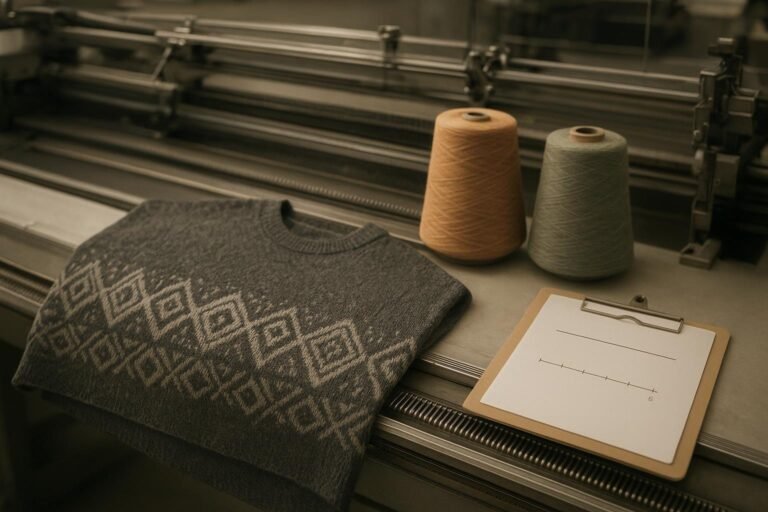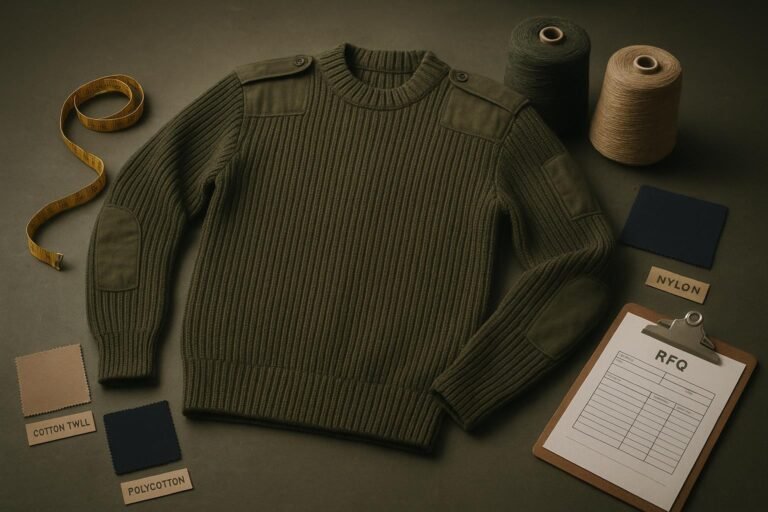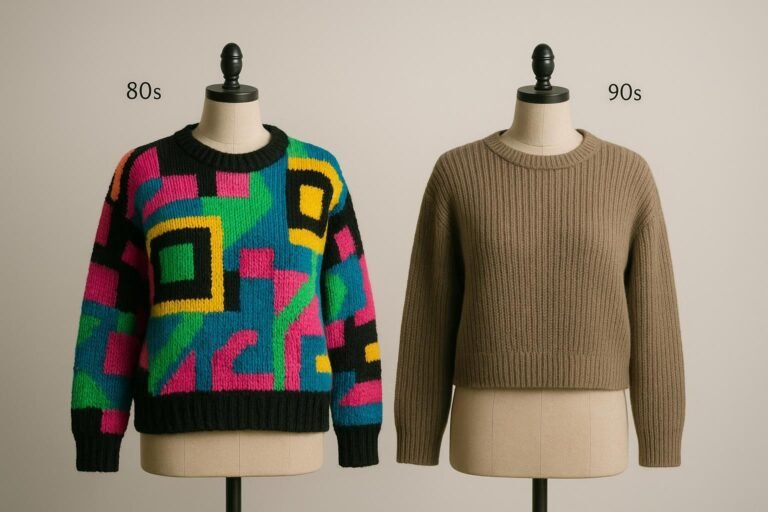


Ever wondered, how do I design a cropped knit sweater for production? You start with a vision and a handful of yarn, but you need more than just creativity. Swatching helps you test ideas before you commit. You must think about the silhouette, fit, and materials from day one. Modern design tools let you share your ideas with manufacturers. When you work together, your sweater comes to life in the best way.
Key Takeaways
Begin with a simple idea. Know who will buy your sweater. Find out what styles they like.
Test your yarn before making sweaters. This lets you check how it fits. You can also see if the color is right.
Think about the shape and fit of the sweater. Pick styles that look good on your buyers. Try peplum waists or necklines that are not even.
Try different necklines, textures, and colors. This makes your design special.
Pick yarn that feels good and lasts long. Think about if you want natural or fake yarn.
Pick how you will make the sweaters. Full fashioning is exact. Cut-and-sew is faster for many sweaters.
Draw clear sketches and make charts with sizes. This helps the maker know how to make the sweater fit right.
Talk clearly with the maker while making the sweater. Working together well gives better sweaters.
How Do I Design a Cropped Knit Sweater for Production?
Define Your Concept and Target Market
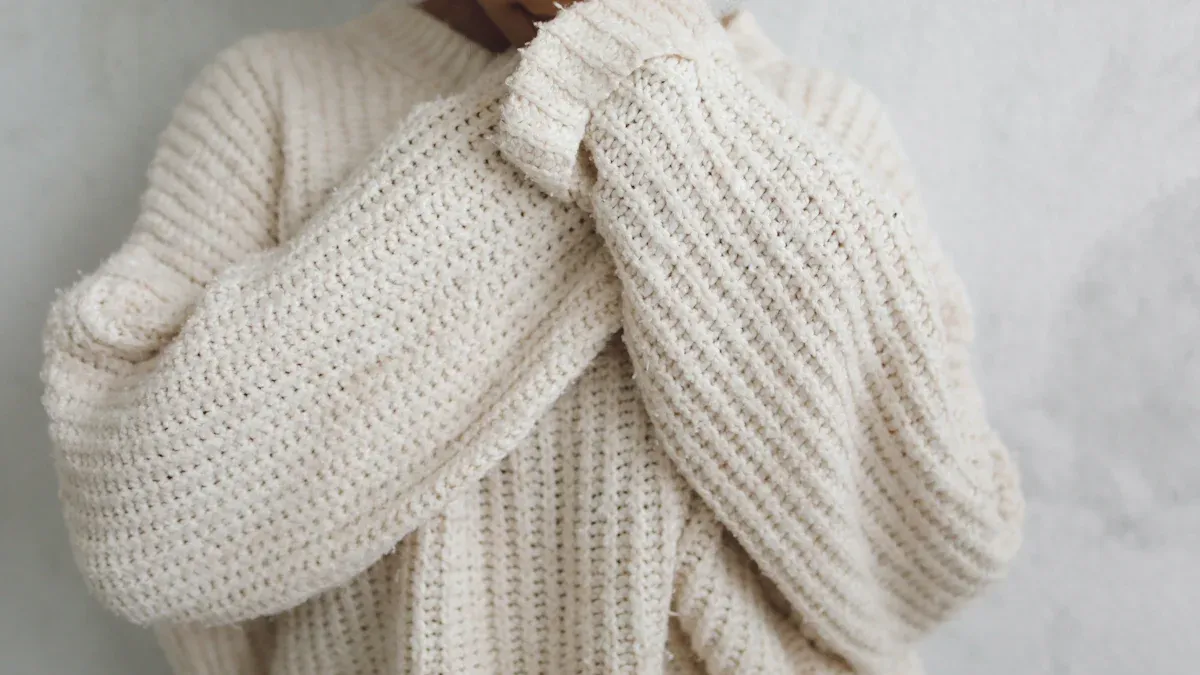
You want your cropped knit sweater to stand out. Start by asking yourself, how do I design a cropped knit sweater for production? Think about who will wear your sweater. Most cropped knit sweaters appeal to younger people, like Millennials and Gen Z. They love comfort but also want something stylish. Look at what is trending. Structured silhouettes, peplum waists, and bold details like puffed sleeves or asymmetrical necklines are popular right now.
Tip: Check out social media and fashion reports to see what your target market likes. This helps you make a sweater design that people want to buy.
When you know your audience, you can focus your knit sweater design on features they love. This step sets the stage for the rest of your production journey.
Swatching and Calculating Stitches
Before you start full production, you need to swatch. Swatching means knitting a small sample with your chosen yarn and needles. This helps you see how your yarn behaves and lets you check your gauge. Gauge is the number of stitches and rows per inch. It is super important for sweater design because it affects the fit and size.
Here’s how you can get it right:
Knit a swatch using your yarn and needles.
Measure how many stitches and rows fit in one inch.
Use a gauge comparison calculator to see if your swatch matches your pattern.
Try a yarn yardage calculator to estimate how much yarn you need for your cropped knit sweater.
Keep checking your project size as you knit, so your sweater matches your plan.
Note: If you need to shape a neckline, use this formula to figure out how many stitches to bind off: =MROUND(neck width in sts/2,2). This helps you get a neat, even neckline.
Swatching also lets you test color accuracy, yarn texture, and the overall finish. You want your knit sweater to look and feel great before you move to production.
Plan Silhouette, Fit, and Length
Now, let’s talk about the look and feel of your cropped knit sweater. Ask yourself again, how do I design a cropped knit sweater for production? The silhouette is the shape of your sweater. Do you want it fitted, boxy, or with a peplum waist? Maybe you want sculptural details like puffed sleeves or exaggerated shoulders. These choices make your sweater design unique.
Here are some popular options for cropped knit sweaters:
Structured silhouettes
Peplum waists
Asymmetrical necklines
Puffed sleeves
Fitted shapes that show off the body
Think about the length, too. A cropped knit sweater usually sits above the waist. Make sure you plan the fit so it flatters your target market. Use your swatch and gauge to calculate the number of stitches and rows for each part of your sweater. This helps you keep your design on track for production.
Table: Common Knitting Machine Gauges for Sweater Production
Equipment Type | Description |
|---|---|
3.5 mm | Fine gauge (300 needles) |
4.5 mm | Standard gauge (200 needles) |
6.0 mm | Mid-gauge (150 needles) |
9.0 mm | Bulky/chunky (110 needles) |
Choosing the right gauge helps you get the look and feel you want for your knit sweater. It also makes production smoother.
Remember, every step you take now makes your sweater design easier to produce later. Focus on your concept, swatch carefully, and plan your silhouette. This is how you answer the question, how do I design a cropped knit sweater for production?
Consider Neckline, Texture, and Colorwork
Now it’s time to add personality to your cropped knit sweater. You can do this by playing with the neckline, texture, and colorwork. These details help your sweater stand out and feel modern.
Neckline Choices
The neckline changes the whole vibe of your sweater. You can pick from many styles. Here are some popular options for 2025:
Crew Neck: Classic and easy to wear. This works for almost everyone.
V-Neck: Makes the neck look longer. It feels a bit dressier.
Mock Neck: Gives a trendy, cozy look without being too high.
Boat Neck: Shows off the collarbones. This style feels fresh and feminine.
Asymmetrical Neckline: Adds a bold, fashion-forward twist.
Tip: Open necklines, like V-necks or boat necks, look great on cropped sweaters. They balance the shorter length and make the sweater feel light and wearable.
Texture Adds Depth
Texture makes your sweater interesting to touch and see. You can use different stitches or yarns to create texture. Here are some ideas:
Ribbing: Use ribbed hems or cuffs for stretch and shape.
Cables: Add chunky cables for a cozy, classic look.
Seed Stitch or Moss Stitch: These give a bumpy, modern texture.
Lace Panels: Try openwork for a lighter, airy feel.
Bouclé or Slub Yarn: These yarns add texture without extra stitches.
You can mix textures, too. For example, use a smooth body with chunky ribbed edges. This makes your design pop.
Colorwork for Visual Impact
Color grabs attention. You can use colorwork to show off your brand or follow trends. Here are some ways to use color in your cropped knit sweater:
Stripes: Simple and bold. Try wide or skinny stripes for different moods.
Blocks: Use big blocks of color for a modern look.
Ombre: Fade from one color to another for a soft, dreamy effect.
Intarsia: Add shapes or graphics, like hearts or logos.
Fair Isle: Use small, repeating patterns for a classic touch.
Note: When you plan colorwork, think about how the colors will look after washing. Test your yarns for colorfastness so your sweater stays bright.
Quick Reference Table: Neckline, Texture, and Colorwork Ideas
Feature | Trendy Options for 2025 | Why It Works |
|---|---|---|
Neckline | Asymmetrical, Boat, Mock | Feels fresh and fashion-forward |
Texture | Chunky cables, Seed stitch | Adds depth and visual interest |
Colorwork | Bold stripes, Ombre, Intarsia | Makes your sweater stand out |
You don’t have to use all these ideas at once. Pick the ones that fit your vision and your target market. Try sketching a few versions or making mini swatches to see what you like best.
Pro Tip: Show your neckline, texture, and colorwork ideas to your manufacturer early. This helps them plan the best way to produce your sweater.
When you focus on neckline, texture, and colorwork, you turn a simple cropped knit sweater into something special. These choices help your design shine in a crowded market.
Yarn and Material Selection
Picking the right yarn is very important. The yarn you choose changes how your cropped knit sweater feels and looks. It also affects how long your sweater will last. Let’s look at what you should know.
Choose Yarn Type and Fiber Content
You can pick natural yarns or synthetic yarns for your sweater. Each one has good and bad points. Look at this table to help you choose what works best for you:
Aspect | Natural Yarns | Synthetic Yarns |
|---|---|---|
Eco-Friendliness | Biodegradable, lower environmental footprint, renewable sources | Made from non-renewable resources, less eco-friendly |
Comfort | Breathable, moisture-wicking, good temperature control | Less breathable, can feel hot |
Durability | Some are strong (like wool), others wear out faster (like cotton) | Very durable, resist wear and tear |
Cost | High-quality can be pricey | Usually more affordable for big production runs |
Care Requirements | Often need special care (hand wash, dry clean) | Easier to wash and care for |
Allergens | Some people may react to animal fibers | Less likely to cause allergies |
Environmental Impact | Can use lots of water and chemicals to produce | Can pollute, not biodegradable |
You might want your knit sweater to feel soft and cozy. Or maybe you need it to be strong for lots of use. Think about who will wear your sweater and how they will use it. If you want to help the planet, natural yarns like organic cotton or wool are a good choice. If you need to make many sweaters, synthetic yarns can save money.
Assess Yarn Weight and Texture
Yarn weight changes how your sweater hangs and feels. Light yarns make a soft, light sweater. Heavy yarns make a thick, bold sweater. Texture is important, too. Smooth yarns show off colors and patterns. Textured yarns, like bouclé, make your sweater interesting without extra work.
Tip: Always knit a swatch with your yarn before you start making many sweaters. This lets you see if the yarn works for your design.
Color fastness is also important. You want your sweater to keep its color after washing. Ask your yarn supplier about dye choices. Test your yarn to make sure your sweater stays bright.
Sustainability and Sourcing for Production
If you want your sweater to be special in 2025, think about where your yarn comes from. Many brands now care about sustainability. Here are some good ways to help the planet:
Organic farming uses fewer chemicals and keeps soil healthy.
Efficient processing saves water and cuts down on waste.
Sustainable dyeing uses natural dyes and saves water.
Supporting local communities helps small farmers and keeps old skills alive.
Ethical animal care means animals are treated well.
When you pick yarn for your sweater, ask your supplier about these things. This helps you make a sweater that is good for people and the planet.
Knitting Methods for Production
Full Fashioning vs. Cut-and-Sew
When you design a cropped knit sweater for production, you need to pick a method that fits your goals. You have two main options: full fashioning and cut-and-sew.
Full fashioning means you shape each piece of your sweater as you knit it. The machine creates the exact shape you want for the body, sleeves, and neckline. You get clean edges and less waste. This method works well if you want a high-quality finish and a sweater that fits just right.
Cut-and-sew works differently. You knit large panels of fabric first. Then, you cut out the shapes for your sweater and sew them together. This method is fast and good for big production runs. You can make many sweaters at once, but you might see more waste and less precise shapes.
Tip: If you want a sweater with special shapes or details, full fashioning gives you more control. If you need to make lots of sweaters quickly, cut-and-sew might be better.
Impact on Fit, Finish, and Cost
Your choice of method changes how your sweater looks, feels, and costs. Full fashioning gives you a smooth fit and neat seams. The edges look clean, and the sweater feels comfortable. You use less yarn, so there is less waste. This method can cost more because it takes longer and needs special machines.
Cut-and-sew is faster and cheaper for large production. You can make many sweaters with one big piece of fabric. The seams might feel thicker, and the fit can be less exact. You may see more leftover fabric, which adds to waste.
Here’s a quick look at both methods:
Method | Fit & Finish | Cost | Best For |
|---|---|---|---|
Full Fashioning | Smooth, clean, precise | Higher | High-quality sweaters |
Cut-and-Sew | Bulkier seams, faster | Lower | Large production orders |
Think about what matters most for your sweater. Do you want perfect fit and finish, or do you need to keep costs low for big production?
Blocking and Seaming Techniques
After you finish knitting your sweater pieces, you need to block and seam them. Blocking helps your sweater keep its shape and look neat. Seaming joins all the pieces together.
Here are some blocking methods you can use:
Method | Best For | How It Works |
|---|---|---|
Wet Blocking | Wool, cotton, most natural fibers | Soak in water, squeeze out, roll in towels, pin to shape, dry flat |
Steam Blocking | Cotton, acrylics, ribbing, seams | Use a steamer on the wrong side, pin to shape, let cool |
Spritz Blocking | Delicate fibers, novelty yarns | Mist with water, pin to shape, let dry |
Follow these steps for the best results in production knitting:
Wet block your finished sweater pieces to the right size and let them dry.
Pin baste your pieces to hold seams in place.
Align both edges of your sweater and sew them together.
Note: Blocking before seaming helps your sweater keep its shape and makes sewing easier. Always check your blocked pieces before you start seaming.
When you use the right blocking and seaming methods, your sweater will look great and last longer. Good finishing makes a big difference in production.
Technical Specs and Pattern Development
Create Technical Sketches and Measurement Charts
You want your cropped sweater to fit real people, not just look good on paper. Start by drawing technical sketches that show every detail of your design. These sketches help you explain your ideas to manufacturers. You can use simple pencil drawings or digital tools. Make sure you show the front, back, and side views.
Next, build measurement charts for your sweater pattern. These charts list the key measurements for each size. You might design for petite, plus-size, or tall women. Always include notes about ease. Ease means how loose or tight the sweater feels. Negative ease gives a snug fit. Positive ease makes the sweater oversized. Your chart should show body measurements and how much extra space you want in the garment.
List measurements for bust, waist, hem, sleeve length, and neckline.
Add notes about ease for each size.
Adjust charts for different body types.
Tip: Clear sketches and charts make it easier for your manufacturer to understand your vision.
Develop Patterns and Grading
Once you finish your sketches and charts, you need to create the actual sweater pattern. This pattern is the blueprint for your cropped knit sweater. You start with one size, then use grading to make more sizes. Grading means adjusting the pattern so every size fits well.
Grading is all about scale and proportion. You want the neck drop, sleeve width, and hem to look right on every size. Pay attention to body shapes and how the sweater sits on different people. Shaping is part of the design, so you can tweak it for each size.
Here’s how you can grade your sweater pattern:
Copy the fit of your sample at each key point for every size.
Think about the weight of the sweater and how it changes across sizes.
Identify key fit points like bust, waist, and sleeve, then grade each one to keep the same ease.
A good grading process helps your sweater look and feel great, no matter who wears it.
Specify Construction and Stitch Details
You want your cropped sweater to look the same every time it’s made. That means you need to write clear construction and stitch details. These details go into your tech pack, which is like a recipe for your sweater pattern.
List the seam types, such as flat seams or overlock.
Specify stitch lengths and thread types.
Include instructions for finishing edges and joining pieces.
These details help your manufacturer make sweaters that match your design. They also act as checkpoints for quality control. If you spot a problem, you can fix it before production starts. A well-written tech pack saves time and money. It keeps everyone on the same page and helps you get the best results.
Note: The more details you include, the fewer mistakes you’ll see in production.
Design Software and Tech Packs
Use Tools Like Knitter for Design
You have many great tools to help you design your cropped sweater. These tools make it easy to plan, draw, and share your ideas. Some of the most popular design software for knitwear pattern development include:
Stitchmastery: This charting software lets you create detailed stitch charts. It works on both Windows and Apple computers. You pay once, and you get lots of options, but it takes some time to learn.
Stitch Fiddle: This tool is easy to use and has both free and paid versions. Many designers love it for making charts.
Google Sheets: You can use this free tool to organize stitch counts and notes. All you need is a Google account.
Inkscape: This free design tool helps you make clear schematics. It takes a little practice, but your results will look great.
Google Slides: This is a simple way to make schematics and graphics for your pattern.
Tip: Try a few different tools to see which one fits your style. You might like using more than one for different parts of your design.
Build Comprehensive Tech Packs
A tech pack is like a recipe for your sweater. It tells the manufacturer exactly how to make your design. When you build a strong tech pack, you help everyone stay on the same page. Here’s what you should include in your tech pack:
Yarn selection: type, weight, and gauge.
Stitch patterns and construction details.
Measurements and sizing information.
Care instructions for washing and wearing.
A good tech pack keeps your project running smoothly. It gives clear guidelines and helps avoid mistakes. You save time and money because you do not need to go back and forth with questions. Your brand stays strong because every sweater looks and feels the same.
Note: Consistency is key, especially if you plan to make many sweaters or want to keep your brand’s quality high.
Communicate Clearly with Manufacturers
You need to talk with your manufacturer at every step. Good communication helps you get your sweater made right, on time, and with the quality you want. Start by asking your manufacturer about yarn and trims before you finish your design. After you draft your design, talk about materials, any tricky parts, and how long things will take.
Work closely with the people making your sweater. This includes merchandisers, technicians, and factory workers. If your design is complex, teamwork is even more important. When you finish a sample, send it to your customer with a quote and a timeline. Always answer questions quickly and clearly.
Remember: Clear and open communication helps you avoid problems and keeps your knit project on track.
Production Equipment and Sampling
Select Knitting Machines and Gauge
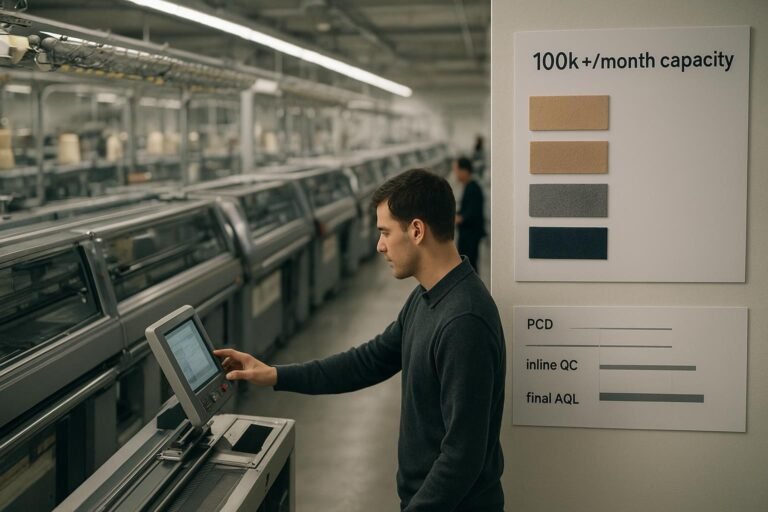
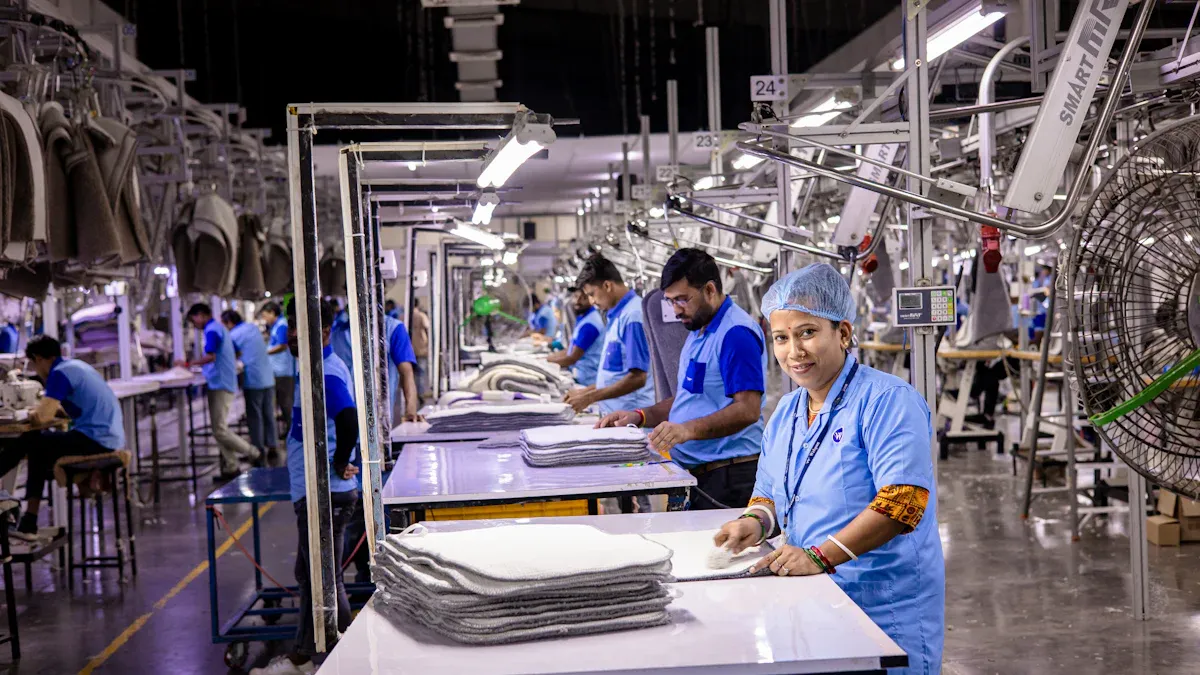
When you start making your design, you need good equipment. The knitting machine you pick changes how your cropped knit sweater looks. Some machines, like SHIMA SEIKI computerized flat knitting machines, are used all over the world. They have many models and let you talk to experts. These machines are great for cropped sweaters because they give you lots of control.
You can also use Caydo sweater knitting machines. These machines are simple to use and help you work faster. Beginners and experts can use them. You can make many kinds of knit items, like cropped sweaters.
Here’s a table to help you compare machine types:
Machine Type | Features | Suitability for Cropped Sweaters |
|---|---|---|
SHIMA SEIKI Computerized Flat Knitting Machines | Global standard, variety of models, consultation available | High |
Caydo Sweater Knitting Machines | Easy to use, efficient, good for all levels | Medium |
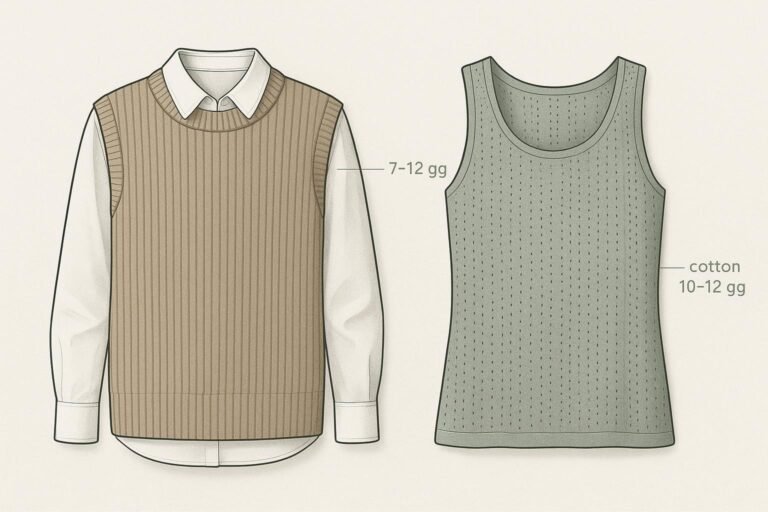
Gauge is important, too. Gauge means how many needles are in one inch on your machine. It changes how thick or thin your fabric is. Look at this table to see how gauge affects your sweater:
Gauge Type | Fabric Characteristics | Yarn Compatibility |
|---|---|---|
Chunky (1.5GG–5GG) | Thick fabric, lower stitch density | Works with thicker yarns |
Mid-gauge (7GG–10GG) | Balanced fabric thickness and stitch density | Versatile for various yarns |
Fine-gauge (12GG–18GG) | Thin fabric, higher stitch density | Best for fine yarns |
Pick your machine and gauge to get the look you want for your cropped knit sweater. This helps your production go smoothly.
Prototype and Fit Testing
Before you make lots of sweaters, you need to make samples. Samples help you see if your design works. Here’s how you test your design:
Sampling Development: Make a sample sweater with your machine and yarn. This helps you check the fit and design.
Evaluation of Fabric Quality: Touch the fabric and stretch it. Make sure it feels nice and is strong.
Customer Approval: Show your samples to buyers or your team. Get their opinions and change things if needed.
You might need to make a few samples before you get it right. Each time you test, you learn what works best.
Tip: Always test the fit. A good fit makes your cropped knit sweater special and keeps people happy.
Wear, Wash, and Quality Tests
You want every cropped knit sweater to look and feel good after it’s made. You need to test your samples for wear, wash, and quality. Here are some tests you can do:
Stretch and recovery test
Pilling resistance test
Shrinkage test
Colorfastness test
Workers also check each sample for these things:
Inspection Point | What Workers Check For | Why It Matters |
|---|---|---|
Appearance | Color, stains, evenness | Looks good and matches brand |
Construction | Seams, edges, stitching | Lasts longer and feels smooth |
Fit | Measurements, shape | Fits you well |
Comfort | Softness, no scratchy spots | Feels good on your skin |
Labels & Tags | Correct info, placement | Gives you care and brand info |
During the last check, workers look for loose threads and missed stitches. They also check the color and softness of your samples. If you find problems, you can fix them before making lots of sweaters.
Remember: Careful testing and checking help you make a high-quality cropped knit sweater every time.
Refine for Mass Production
You’ve made your first sample. You’ve tested it for fit, comfort, and quality. Now, you need to get your cropped knit sweater ready for mass production. This step is all about refining your process so every sweater looks and feels just right.
Factories usually rush the first sample. Mistakes happen, and that’s normal. You shouldn’t worry if the first version isn’t perfect. Instead, you use this sample to spot problems and make improvements. Your feedback matters a lot here. When you give clear comments on the first sample, you help the factory understand what needs to change.
Here’s how you refine your production process:
You review the first sample and write down everything that needs fixing. Maybe the neckline sits too high, or the sleeves feel tight. You note every detail.
The factory makes a second sample based on your feedback. You check this new version for improvements.
You repeat this process as many times as needed. Each round brings you closer to your ideal sweater.
You test each sample for wear, wash, and comfort. You want to make sure the sweater holds up and feels good.
You approve the final sample. This version becomes your Pre Production Sample. It sets the standard for every sweater in your bulk order.
Tip: Always give detailed feedback. The more specific you are, the better your final product will be.
You might feel impatient during this stage. Factories sometimes want to move fast, but you need to slow down and check every detail. Rushing can lead to mistakes in the final product. Take your time and make sure every change is right.
Here’s a quick checklist to help you refine your sweater for mass production:
Step | What You Do | Why It Matters |
|---|---|---|
Review Sample | Check fit, color, seams, and comfort | Spot problems early |
Give Feedback | Write clear comments and suggestions | Guide factory improvements |
Test Again | Try new samples, repeat tests | Ensure quality and durability |
Approve Final Sample | Confirm all changes are correct | Set the standard for production |
Note: The Pre Production Sample is your blueprint. Every sweater in your order should match this sample.
When you refine your process, you make sure your cropped knit sweater meets your standards. You help the factory avoid mistakes and keep your brand strong. This step takes patience, but it pays off when you see your finished sweaters looking perfect.
Final Tips for Successful Production
Manage Timelines and Schedules
You want your project to go well. Good planning helps you avoid problems. Make a list of every job you need to do. Give each job a deadline that makes sense. Use a Time and Action Calendar to track your work. This calendar shows important steps and keeps everyone on time. Check your progress often to catch problems early. Teach your team why the calendar is important. Talk to your suppliers so you know what is happening.
Here are some ways to stay organized:
Make clear lists of tasks
Set fair deadlines
Use tracking calendars
Plan regular check-ins
Teach teams about tracking
Talk with suppliers often
Planning ahead and working with good partners helps you finish on time. Technology helps you watch your tasks and deadlines. Talking clearly helps everyone work together.
Tip: If you plan early and check often, your sweater project stays on track and you avoid last-minute problems.
Quality Control Essentials
Quality control helps every sweater meet your standards. You need to check each step, from fabric to finished sweater. Pick good suppliers first. Look at the fabric for problems before you start. Test samples to see if they are good enough. Make rules for what is okay. Teach your workers what to look for. Check during production to find mistakes early. Do a final check before you ship sweaters. Ask customers what they think and use their ideas to get better. Keep records so you can fix problems later.
Here is a table with two important quality checks:
Quality Control Measure | Description |
|---|---|
Take Garment Measurements | Use measuring tape to check sizes are correct. |
Check Packaging and Labeling | Make sure packaging and labels are right and match what you need. |
Follow these steps for strong quality control:
Pick good suppliers
Check fabric
Test samples
Set quality rules
Train workers
Do final checks
Get feedback from buyers
Keep improving and keep records
Note: Careful checks help you make sweaters that look good and last longer.
Manufacturer Collaboration
Working with your manufacturer helps you make better sweaters. Share your ideas and listen to their advice. You can make a virtual sample first. The manufacturer can change it to make it better before you say yes. Another way is to send a tech pack. The manufacturer makes a virtual sample for you to look at. You can ask for changes before making lots of sweaters.
Here are two ways to work together:
The design team makes a virtual sample, and the manufacturer improves it before you approve.
The apparel team sends a tech pack, and the manufacturer makes a virtual sample for you to review and change.
Good teamwork means you get better sweaters and fewer mistakes. You build trust and make things easier.
Pro Tip: Listen to feedback and talk often with your manufacturer. This helps you fix problems and make your sweater the best it can be.
You now have a clear path to design a cropped knit sweater for production. Start with a strong concept. Swatch your yarn and test your ideas. Focus on fit, silhouette, and technical details. Work closely with your manufacturer. Use modern tools to stay organized.
Keep learning and try new trends. The more you practice, the better your sweaters will get!
Swatch and test early
Plan every detail
Communicate with your team
Embrace new tools and ideas
FAQ
How do I pick the best yarn for my cropped knit sweater?
You want to choose yarn that feels soft and holds its shape. Try a few swatches first. Ask your supplier about durability and colorfastness. If you care about the planet, look for organic or recycled yarns.
What is the easiest neckline to knit for beginners?
A crew neck is the easiest. You knit it in the round or flat, and it does not need much shaping. This style looks good on most people and works well for cropped sweaters.
How can I make sure my sweater fits well?
Always knit a swatch and measure your gauge. Use a measurement chart for your size. Try on your sample as you go. Adjust the pattern if it feels too tight or loose.
Do I need special machines to make cropped sweaters?
You do not need fancy machines for small batches. For big orders, use flat knitting machines like SHIMA SEIKI. These machines help you get a smooth finish and even stitches.
How do I stop my sweater from shrinking?
Wash your yarn before you knit. Follow care instructions for the fiber. Test a sample by washing and drying it. Tell your customers how to care for their sweaters.
Can I use more than one color or texture in my design?
Yes! Mixing colors and textures makes your sweater unique. Try stripes, blocks, or cables. Always test your yarns together first to see how they look and feel.
What should I include in my tech pack?
Include:
Yarn type and color
Stitch patterns
Measurements
Construction details
Care instructions
This helps your manufacturer make your sweater just right.