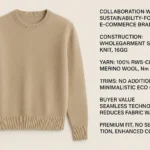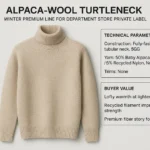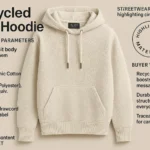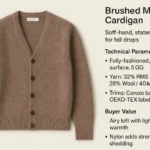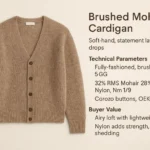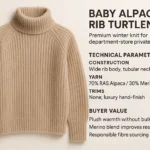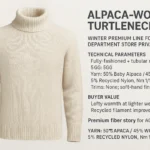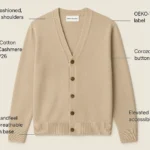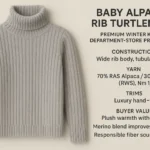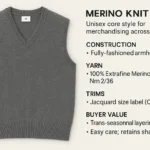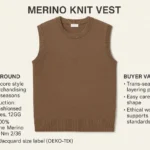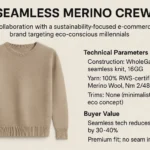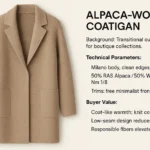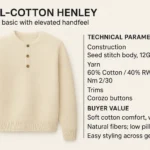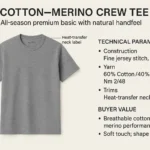

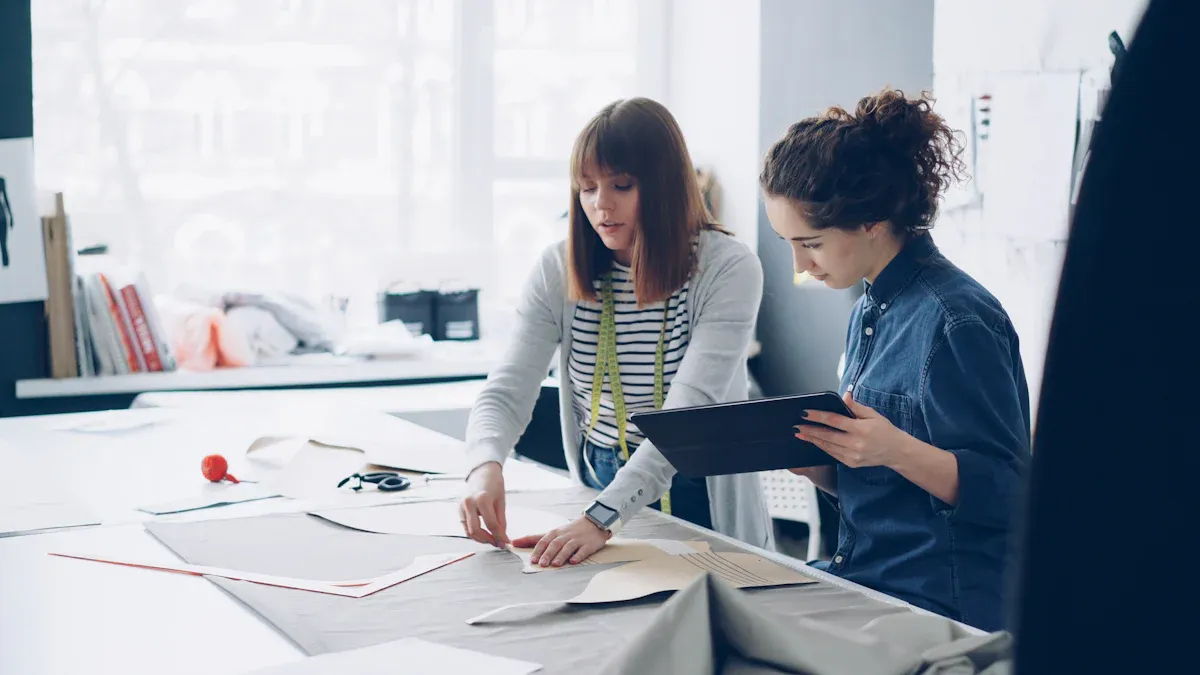
If you’re looking to learn how to choose a reliable knitwear manufacturer for your fashion brand, it’s essential to find a partner who understands your vision and consistently delivers high-quality products. Reputation plays a crucial role in this process. For instance, MAXHOSA AFRICA is a well-regarded fashion brand celebrated for its innovative knitwear. Effective communication, clear quality standards, and fair business practices are vital for helping your business grow and thrive. By knowing how to choose a reliable knitwear manufacturer that meets your needs, your fashion brand can truly shine and remain resilient in a competitive market.
Key Takeaways
Make sure you know what knitwear you need. This helps you find a manufacturer that matches your brand.
Ask about minimum order quantities early. This helps you plan your budget and your first collection.
Set clear quality rules and share them. This helps stop mistakes and keeps products the same.
Look up manufacturers’ reputations and experience. This makes sure they can make good products.
Think about sustainability and ethical practices when you choose a manufacturer. This helps you get customers who care about the environment.
Use industry networks and online lists to find manufacturers. Compare your choices before you pick one.
Talk often with your manufacturer. This builds trust and helps fix problems fast.
Take your time when you choose a manufacturer. Rushing can hurt your brand’s reputation.
Define Your Knitwear Needs
Before you look for a knitwear manufacturer, you should know what your brand needs. This step helps you stay organized. It also makes it easier to find a partner who fits your goals.
Production Volume
Minimum Orders
Each manufacturer has a minimum order amount. You should ask about this early. Some factories want big orders from large brands. Others take small batches, which helps new brands. Knowing the minimum order helps you plan your first collection. It also helps you manage your budget.
Scalability
Think about how your brand might grow. Can the manufacturer make more products if you need them? You want a partner who can handle bigger orders. This means they have enough space, staff, and equipment. Ask if they can grow with you.
Product Details
Materials and Yarn Types
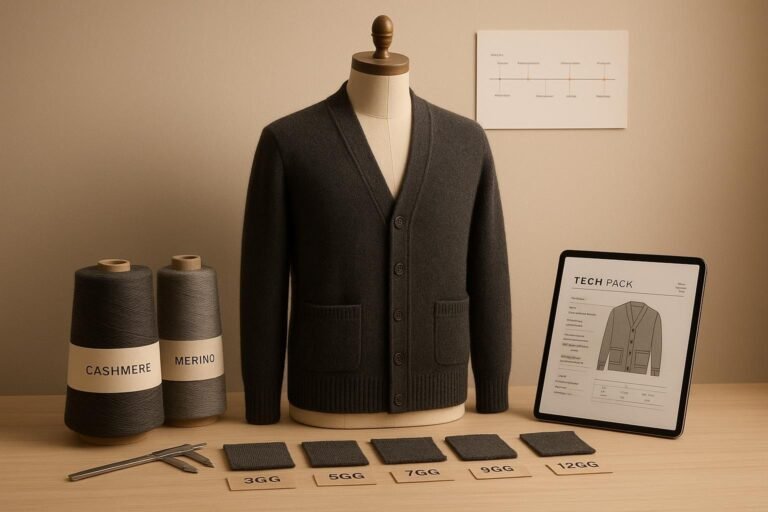
The fabric you pick changes your brand’s style. Decide if you want high quality fabrics like cashmere, merino wool, or cotton. Some brands use premium fabrics to stand out. Ask the manufacturer what yarn types they have. Make sure they can get the materials you want for your designs.
Design Complexity
Not every factory can make complex patterns or special techniques. Show them your sketches or samples. Ask if they have made similar designs before. This helps you avoid problems with quality later.
Quality Standards
You need to set clear quality standards from the start. Top fashion brands focus on:
Using high quality materials like cashmere and merino wool
Certifications such as GOTS and OEKO-TEX for ethical and eco-friendly sourcing
Careful stitching and strong construction for durability and style
Transparency in production so you know where your fabric and labor come from
Ethical sourcing that treats workers and animals fairly
Certifications
Certifications show that a manufacturer meets certain rules. Look for labels like GOTS or OEKO-TEX. These prove the factory follows ethical and sustainability rules. They also use safe materials.
Consistency
Quality is not just about one good sample. You want every piece to meet your standards. Ask how the factory checks for consistency. Do they inspect each batch? Good partners have strong quality control systems.
Tip: Write down your quality standards and share them with your manufacturer. This helps everyone understand and avoid mistakes.
Budget and Timeline
Cost Breakdown
You need to know how much money to set aside before you start working with a knitwear manufacturer. Costs can add up quickly, so breaking them down helps you stay on track. Here’s a simple table that shows the average budget range for launching a knitwear line:
Component | Cost Range |
|---|---|
Materials and samples | $5,000 – $10,000 |
Pattern making | $300 – $8,000 |
Prototyping | $500 – $5,000 |
Total startup costs | $5,800 – $131,300 |
You might spend more or less depending on your design choices and order size. Materials and samples often take up a big part of your budget. Pattern making and prototyping can get expensive if your designs are complex. Always ask your manufacturer for a clear price list. This helps you avoid surprise fees later.
Tip: Make a checklist of all the costs you expect. Update it as you get quotes from different factories. This keeps your budget realistic and helps you compare options.
Lead Times
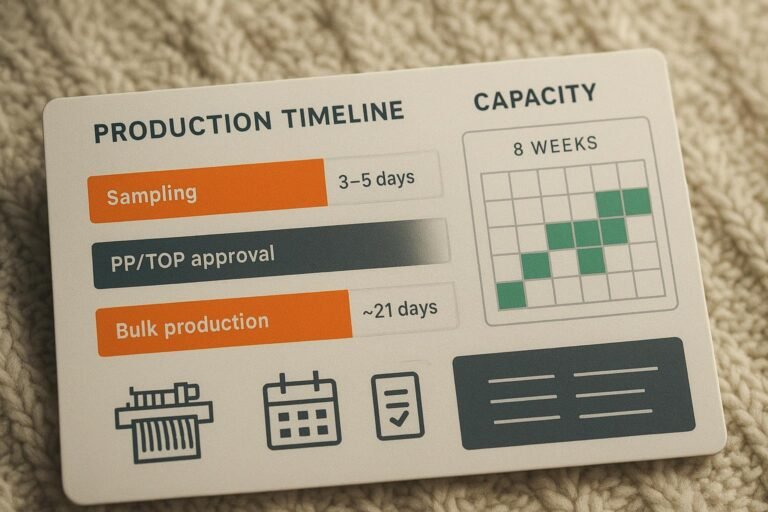
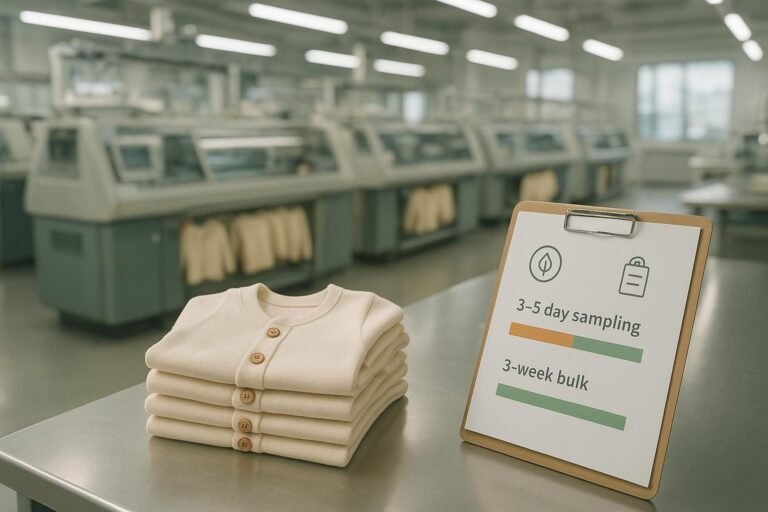
Time matters when you launch a new fashion line. You want to know how long it takes to get your products made and delivered. Most manufacturers need several weeks to finish a batch. Some might take longer if you order special yarns or request detailed patterns.
Ask each manufacturer for their average lead time. Find out if they can meet your deadlines for photoshoots, launches, or pop-up events. If you plan ahead, you can avoid delays and keep your brand on schedule.
Sustainability and Ethics
Eco Materials
Many customers care about eco-friendly fashion. You can choose yarns made from organic cotton, recycled fibers, or sustainable wool. These materials help reduce your brand’s impact on the environment. Ask your manufacturer if they offer eco options. Some factories have certifications like GOTS or OEKO-TEX, which show they follow strict rules for safe and green production.
Note: Using eco materials can cost more, but it helps your brand stand out and attract loyal customers who value sustainability.
Fair Labor
Ethical practices matter just as much as quality. You want to work with partners who treat their workers fairly. Look for manufacturers that pay fair wages and provide safe working conditions. Some factories share details about their labor policies or hold certifications that prove their commitment to fair treatment.
If you care about ethics, ask for proof. You can request reports or visit the factory if possible. Building a brand with strong values helps you earn trust and respect in the fashion world.
How to Choose a Reliable Knitwear Manufacturer

Picking the right manufacturer can seem hard. You want someone who understands your ideas. They should make good clothes every time. Here’s how you can choose a reliable knitwear manufacturer.
Reputation and Experience
Skilled Craftsmanship
Start by looking at the manufacturer’s reputation. If people trust them, they likely make good clothes. Good manufacturers pay close attention to details. Ask to see their samples. Check for neat stitches and strong seams. Smooth finishes show they care about quality. If you want your brand to be special, pick someone who works carefully.
Years in Business
Experience is important. Manufacturers with many years know how to fix problems. They keep things running well. They have made clothes for many brands. This helps them make good products every time. Working with experienced manufacturers builds strong partnerships. If you pick someone with less experience, you might have more problems.
Tip: Ask how long they have made knitwear. Brands with more years often have better ways to check quality and help customers.
Reliable Garment Manufacturer Criteria
Portfolio Review
Always look at the manufacturer’s portfolio. It shows what they can make. Find styles that look like yours. If their work matches your ideas, that’s good. Reliable manufacturers are proud to show their best clothes.
References and Reviews
Don’t forget to ask for references. Read reviews from other brands. Good reviews mean they keep their promises. If you see bad reviews, look for someone else. Reliable manufacturers make their clients happy.
Here are some things to check when you pick a manufacturer:
Supplier compliance and certifications (like GOTS or OEKO-TEX)
Production capacity and lead times
Quality control and assurance measures
Pricing and cost negotiations
Ethical and sustainable sourcing
Supplier reputation and industry experience
Communication, transparency, and after-sales support
Logistics, shipping, and risk management
Note: Talking clearly helps stop mistakes and delays. Make sure your manufacturer knows what your brand needs.
Reliable Clothing OEM Factory Options
Local vs. Overseas
You can choose local or overseas clothing oem factory partners. Both have good and bad sides. Local manufacturers are easy to visit. You can check quality yourself. You can talk to them in person. They know your market and can deliver faster. Overseas clothing oem factory partners often cost less. But shipping takes longer and quality is harder to check.
Here’s a table to help you compare:
Aspect | Local Manufacturers | Overseas Manufacturers |
|---|---|---|
Accessibility | Easy to visit | Harder to visit |
Market Knowledge | Knows local trends | May not know local trends |
Turnaround Time | Fast shipping | Slow shipping |
Cost | Usually higher | Usually lower |
Quality Control | Easier to monitor | Harder to monitor |
Ethical Practices | Easier to check | Harder to check |
Tip: If you want more control, pick local clothing oem factory partners. If you need to save money, overseas oem clothing manufacturer options might be better.
Scalability
Think about your brand’s future. Can your clothing oem factory grow with you? Ask if they can make more clothes as you get bigger. Good clothing oem factory partners have enough workers and machines. They have space to help your brand grow. You don’t want to change manufacturers every time you need more clothes.
What Fashion Startups Value Most
When you choose a reliable knitwear manufacturer, remember these things:
Quality
Minimum order quantity (MOQ)
Communication level
Unit cost
Good working conditions
Fabric quality
Garment construction quality
Garment durability
Sustainability and ethics are very important now. Many startups want manufacturers who use eco-friendly materials. They want fair treatment for workers. You can ask for proof of certifications. You can visit apparel factories if you want.
Note: Write down your quality standards. This helps your manufacturer know what you expect for fabric, stitching, and durability.
Why Reliability Matters
Reliability is very important when you pick a manufacturer. You want someone who delivers good clothes on time. If you choose a reliable garment manufacturer, you save money and avoid problems. Your brand will stand out. Reliable clothing oem factory partners help your business grow. They keep your customers happy.
If you follow these steps, you will know how to choose a reliable knitwear manufacturer for your fashion startup. You will find a clothing manufacturer who shares your values and helps your brand do well in oem apparel production.
Finding Potential Partners
Industry Networks
You can begin your search by using industry networks. These groups help you meet people in the fashion business. You might join groups like the American Apparel & Footwear Association (AAFA). AAFA connects more than 1,000 brands and manufacturers. You get help from experts who know about supply chains and trade rules. You also find events where you can meet reliable knitwear partners.
Here’s a quick look at how industry networks help you:
Contribution of Industry Networks | Description |
|---|---|
Connecting Businesses | You meet people who help you make products. |
Attracting Clients | You find new clients and grow your business. |
Sharing Best Practices | You learn new ideas and better ways to work. |
Some companies, like Ohio Knitting Mills, work with designers to create new ideas. When you join these networks, you get advice and support. You also hear about best ways to work and new trends. You might even find a mentor who helps you through the process.
Tip: Go to local meetups or join online forums. You can ask questions and get advice from other fashion founders.
Online Directories
Online directories help you find manufacturers easily. You can search by location, product type, or specialty. These sites let you compare choices and contact factories directly.
Here are some popular online directories for finding knitwear manufacturers:
MFG.com – Connects you with factories all over the world, including apparel makers.
ThomasNet – Lists manufacturers from many industries, including clothing.
Kompass – A global B2B directory with apparel factories in the USA and other countries.
Sourcify – Helps brands find manufacturing partners quickly.
Apparel Search Directory – Simple directory for connecting with apparel manufacturers and designers.
You can also use Google, Alibaba, and Maker’s Row. These sites let you filter by minimum order quantity (MOQ), location, and what they can do. Make a list of your favorites. Contact them and share your needs. Compare their answers and see who matches your brand best.
Note: Always check reviews and ratings before you contact a manufacturer. This helps you avoid unreliable partners.
Trade Shows
Trade shows are great places to meet manufacturers in person. These events are perfect for networking. You walk around, see samples, and talk to factory representatives. You get to see their products and ask questions right away.
Trade shows give you chances that online searches do not. You might find new suppliers or spot trends before others. Some shows have online showrooms, so you can join from anywhere. This mix of in-person and online events helps you meet more partners.
You build trust faster when you meet people face-to-face.
You see the quality of their work up close.
You get instant feedback on your ideas.
Tip: Bring your sketches or samples to trade shows. Show them to manufacturers and ask if they can make your designs.
If you use industry networks, online directories, and trade shows, you will find many possible knitwear partners. You get to compare choices and pick the best one for your fashion startup.
Referrals
Referrals help you find a reliable knitwear manufacturer faster. When you ask people you trust, you get honest advice. You learn from their real experiences. This means you skip guessing and avoid mistakes.
Start by talking to people you know. Think about friends in the fashion world. They might be designers or boutique owners. Some may have worked with manufacturers before. You can also ask mentors or teachers. People at industry events can help too. Even a quick message on LinkedIn or Instagram can lead to a good referral.
Here are ways to use referrals to find the right partner:
Ask Directly: Don’t be afraid to reach out. Send a short message or email. Say you need a reliable knitwear manufacturer. Ask if they know anyone good.
Join Online Groups: Many fashion founders join Facebook groups or forums. These places are full of people who share advice and contacts.
Attend Meetups: Local meetups or workshops have people who share their favorite suppliers.
Follow Up: If someone gives you a name, thank them. Ask for more details. Find out what they liked and if there were any problems.
Tip: Always ask about the good and the bad. You want to know if the manufacturer delivers on time. See if they keep promises and fix mistakes quickly.
When you get a referral, do your own research. Check the manufacturer’s website. Look for reviews online. Ask for samples before you decide. Even the best referral might not fit your brand, so take your time.
Here’s a simple checklist for using referrals:
Step | What to Do |
|---|---|
Get the referral | Ask your network for recommendations |
Research | Look up the manufacturer online |
Contact | Reach out and introduce your brand |
Find out about their process and experience | |
Request samples | See their work before making a decision |
Referrals save you time and help you avoid risky choices. People like to share good experiences, so don’t be shy. You might find your perfect knitwear partner just by asking around.
Evaluating Manufacturers: Quality Control and Standards
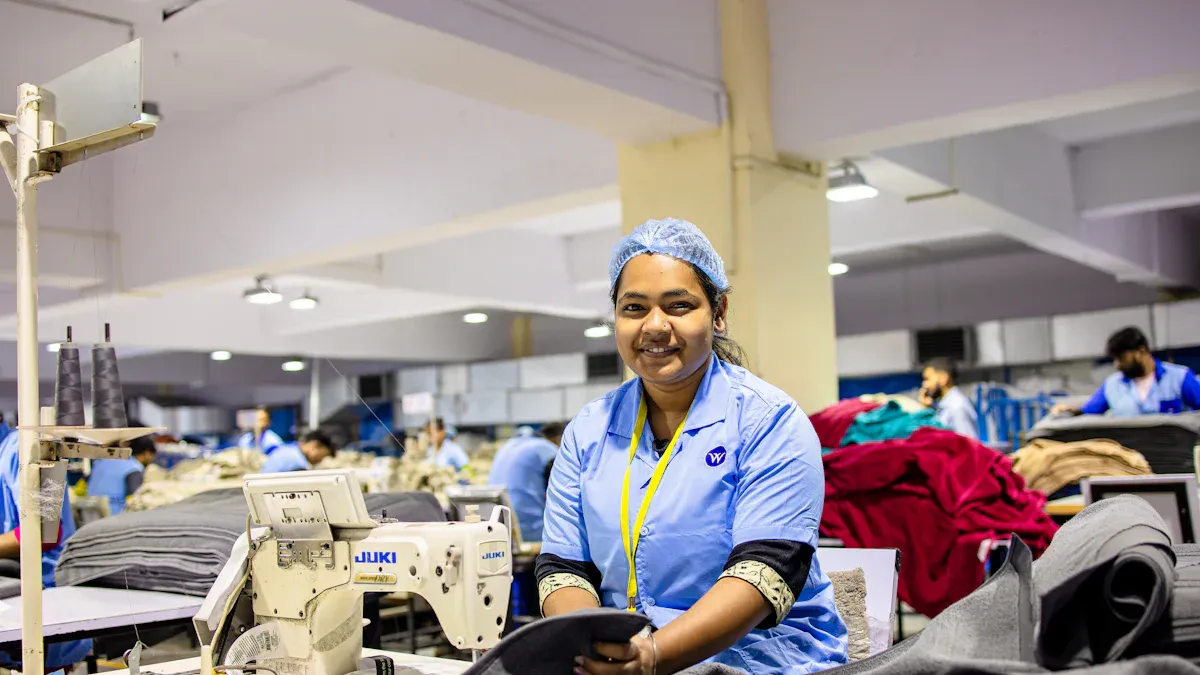
Picking a knitwear manufacturer is more than just finding someone to make your designs. You need to check if they meet your quality needs every time. Here’s how you can check their quality control, standards, and how they talk with you before you choose them.
Quality Control Processes
You want a partner who checks quality at every step. The best manufacturers use many steps to find problems early. This keeps the quality high. Here’s what you should look for:
They test raw materials before making anything. This helps find weak yarns or colors that might fade.
They check for mistakes while making the clothes.
They do a final check on finished products. This makes sure every piece meets your standards.
Some companies have directors who watch over testing and inspections. Others have managers who make sure every order is right. Quality control happens at every stage, from yarn to sweater.
Inspection Protocols
Ask your manufacturer how they check their products. Do they look at raw materials, half-made clothes, and finished garments? Checking at each step helps find problems early. This keeps your brand’s reputation strong and saves money.
Sample Testing
Never skip sample testing. Always ask for samples before you order a lot. Samples let you see the quality up close. You can check the stitching, feel the fabric, and try the fit. If the sample is good, you can order more with confidence.
Tip: Visit the factory if you can. Seeing the process helps you understand how they check quality.
Quality Standards Assessment
You want to know if your manufacturer follows strict rules. Many top factories have certifications that show they care about quality and ethics.
Certifications
Look for certifications like ISO 9001, GOTS, Fair Trade, OEKO-TEX, and SA8000. These show the factory cares about quality, safety, and fair labor. Some focus on chemicals, others on organic materials or fair work. The more certifications, the more you can trust their quality.
Consistency Checks
Consistency is important. You want every sweater to look and feel the same. Good manufacturers check quality at every step. They might use organic fibers or recycled materials to keep standards high. Always ask for prototypes and samples before big orders. This helps you find problems before they get big.
Communication and Reliability
A reliable manufacturer does more than just make clothes. They keep you updated and fix problems fast. Here’s what to look for:
Communication Practice | Description |
|---|---|
Make sure the factory knows what you need before they start. | |
Minimizing Errors & Delays | Regular updates help avoid mistakes and keep things on track. |
Transparency | Progress reports build trust and show they are professional. |
Effective Problem-Solving | Quick answers help fix issues right away. |
Relationship Building | Good communication leads to trust and working together again. |
Responsiveness
You want a partner who answers your questions fast. Quick replies show they care about your business and quality. If they answer slowly, you might have delays or problems.
Understanding Brand Vision
Your manufacturer should know your brand’s style and values. Share your ideas and ask if they have worked with brands like yours. When they understand your vision, they can make the quality you want.
Note: Good communication and strong quality checks go together. When you visit the factory and look at samples, you see how they work and build trust.
If you follow these steps, you make sure your knitwear partner meets your quality needs and helps your brand grow.
Securing the Partnership
Negotiating Terms
When you work with a knitwear manufacturer, you must talk about important things. Good talks help you avoid problems later. Both sides need to know what will happen.
Contracts
A strong contract keeps your brand safe. It sets clear rules for everyone. Here’s what you should have:
Element | Description |
|---|---|
Production Schedule | List all deadlines and steps for making your products. |
Pricing Structure | Show prices for each item and discounts for bigger orders. |
Set when you pay, like deposits and final payments. | |
Quality Standards | Write your quality rules and how the factory will check products. |
Regulatory Compliance | Make sure the factory follows all laws, like labor and safety rules. |
Termination Clauses | Explain what happens if someone wants to end the contract early. |
You should also write the number of pieces, delivery dates, and material types. This helps everyone stay honest and stops surprises.
Payment Terms
Money is very important for your fashion startup. You want payment rules that help you save money. Try to ask for a lower deposit. Ask about discounts for big orders or simple designs. If your designs are hard, costs may be higher. Always link payments to delivery and quality checks. This way, you only pay for good work.
Tip: Good supply chain management keeps your products on time and high quality. Bad management can hurt your brand’s name.
Setting Expectations
You must set clear rules with your manufacturer. This helps you get what you want.
Timelines
Share your launch dates and deadlines. Ask the factory for a full production schedule. Make sure they can meet your dates for photoshoots or events. Get updates often so you can spot delays early.
Quality Benchmarks
Quality is very important for your brand. Every piece should pass a careful check. Look for loose threads or bad stitches. Only good clothes should go to packaging. You can ask for audits using 2.5 AQL standards. Write down every problem on a computer. Practice audits before big checks help you get ready. Being open builds trust and lets you see every step.
Best Practice | Description |
|---|---|
Conduct audits following 2.5 AQL | Makes sure quality is good and buyers trust you. |
Document every defect digitally | Helps you track problems and make better products. |
Pre-inspection mock audits | Gets you ready for real checks and keeps you prepared. |
Full production transparency | Lets you see every step and builds trust. |
Note: Keep talking clear and often. Pick one person as your main contact to stop confusion.
Trial Orders
Initial Runs
Before you order a lot, start with a small test order. This lets you see if the manufacturer does good work. You can find problems early.
Evaluation
Use trial orders to check quality and delivery times. If you see problems, you can fix them before making bigger orders. Trial orders help you know if this manufacturer is right for your brand.
Tip: Always check samples from your trial order. Make sure they meet your standards before you order more.
Ongoing Communication
Staying in touch with your knitwear manufacturer is key to building a strong partnership. You want to know what’s happening at every stage. Good communication helps you avoid surprises and keeps your production on track. Let’s look at how you can make ongoing communication work for your brand.
Updates
You should ask for regular updates from your manufacturer. These updates show you how your order is moving along. You can spot problems early and fix them before they get bigger. Most successful brands set up a simple schedule for updates. For example, you might ask for weekly progress reports or photos of finished samples.
Tip: Pick one main contact at the factory. This person can send you updates and answer your questions quickly.
Here are some ways to keep updates flowing smoothly:
Request a timeline for each step, like knitting, finishing, and shipping.
Ask for photos or videos of your products during production.
Use email or messaging apps to keep records of every update.
Set up short calls to talk about progress and next steps.
You might run into some challenges with communication. Here are a few common problems:
Inefficient information flow can cause shipment delays and business losses.
Outdated communication tools make it hard to get quick answers.
Cross-cultural differences and language barriers can lead to misunderstandings about your requirements.
If you notice any of these issues, talk to your manufacturer right away. You can suggest better tools or clearer processes to help everyone stay on the same page.
Problem Solving
Problems can pop up at any time. Maybe a shipment gets delayed, or a batch doesn’t meet your quality standards. You need a plan for solving these issues fast. When you keep communication open, you can fix problems before they hurt your brand.
Here’s what you can do:
Stay calm and explain the problem clearly.
Ask your manufacturer for their side of the story.
Work together to find a solution, like redoing a batch or speeding up shipping.
Write down what you agree on, so everyone remembers the plan.
Note: Quick problem solving builds trust. Your manufacturer will see that you care about working together, not just placing orders.
You can also use video calls or instant messaging to talk through problems. These tools help you get answers faster and avoid confusion. If you work with overseas partners, try to learn a bit about their culture. This helps you avoid misunderstandings and shows respect.
Strong ongoing communication makes your partnership last. You get better products, fewer delays, and a team that wants to help your brand grow.
Avoiding Common Pitfalls
Miscommunication
Miscommunication can cause big problems in your production. You may think you explained your design well, but the manufacturer might miss something. Even a small mistake can slow things down or cost more money. You could get products that do not match your ideas. This is very frustrating.
Clear communication helps you get what you want. If you leave out details or use confusing words, you might get the wrong yarn or color. The fit could be off too. Sometimes, miscommunication can mess up prices or make deliveries late. It can also cause quality problems. You might end up with sweaters that do not look or feel right.
Here are some things that can go wrong if you do not communicate clearly: 1. You might lose money if costs get mixed up. 2. Customers could be upset if delivery dates are missed. 3. Quality can drop if the specs are not clear.
Tip: Always use a tech pack with sketches, measurements, and yarn info. Ask the manufacturer to confirm everything before they start. Get regular updates to catch mistakes early.
Hidden Costs
Hidden costs can surprise you and hurt your budget. You may see a low price at first, but extra fees can show up later. These can be for samples, shipping, rush orders, or changes to your design. If you do not ask about every fee, you might spend more than you planned.
Many startups forget to check all the costs. They do not ask for a full list of charges. You need to know what you are paying for. If you skip this, you could run out of money before your collection is ready.
Here is a simple table to help you spot hidden costs:
Cost Type | What to Watch For |
|---|---|
Sampling Fees | Charges for making prototypes |
Shipping Costs | Delivery fees, especially overseas |
Rush Orders | Extra charges for fast turnaround |
Design Changes | Fees for edits after production starts |
Packaging | Costs for labels, tags, and boxes |
Note: Always ask for a detailed quote. Compare prices from different manufacturers. This helps you avoid surprises and keeps your budget safe.
Quality Issues
Quality problems can hurt your brand’s reputation. You want every piece to look and feel great. If you do not check quality, you might get sweaters with loose threads or bad stitches. The colors could be wrong too. Weak quality control can lead to returns and bad reviews. You could lose customers.
Some startups pick general garment factories instead of knitwear specialists. This can lead to poor results. You should find factories with strong sampling and strict quality checks. Not checking certifications or yarn sources can also cause problems.
Here are some common quality mistakes: – Picking the wrong manufacturer – Not using a tech pack – Forgetting to check fabric and supplies – Not getting expert help – Weak quality control
Tip: Visit the factory if you can. Ask for samples and check every detail. Make sure the manufacturer follows your standards and has the right certifications.
If you watch out for miscommunication, hidden costs, and quality issues, your brand will do better. Stay alert, ask questions, and keep your standards high. Your knitwear line will thank you!
Rushed Decisions
You might feel excited to launch your fashion brand. Sometimes, you want to move fast and pick the first knitwear manufacturer who says yes. Rushed decisions can lead to big problems. You could end up with poor quality, missed deadlines, or even wasted money. Taking your time helps you avoid mistakes that hurt your brand.
Let’s look at what happens when you rush:
You skip important research.
You miss red flags in contracts.
You forget to ask for samples.
You ignore reviews from other brands.
You settle for a manufacturer who does not match your needs.
Tip: Slow down and make a checklist before you choose a partner. This helps you stay organized and spot problems early.
Here’s a simple table to show the risks of rushing:
Rushed Action | Possible Problem | Better Approach |
|---|---|---|
No sample order | Bad quality or wrong design | Always test with samples |
Quick contract sign | Hidden fees or weak terms | Read and review carefully |
Ignoring reviews | Missed warning signs | Check feedback online |
No factory visit | Poor working conditions | Visit or request photos |
You want your brand to stand out. If you rush, you might get sweaters that look cheap or fall apart. Customers notice these things. They might leave bad reviews or stop buying from you. You lose trust and money.
Ask yourself these questions before you decide:
Did you see samples and check the quality?
Do you understand the contract and payment terms?
Did you talk to other brands about their experience?
Did you check the factory’s certifications?
Do you feel confident about the manufacturer’s communication?
If you answer “no” to any question, take more time. You can always ask for more information or request another sample. Good manufacturers want you to feel sure before you order.
Note: Your first decision sets the tone for your brand. Careful choices help you build a strong reputation and avoid costly mistakes.
Try these steps to avoid rushing:
Make a timeline for your decision process.
Write down your must-haves and deal-breakers.
Compare at least three manufacturers.
Ask for clear answers to all your questions.
Sleep on your decision before you sign anything.
You control your brand’s future. Careful planning and smart choices help you grow. Don’t let excitement push you into a rushed decision. Take your time, trust your process, and choose a partner who helps your brand shine.
Building Long-Term Relationships
Trust and Transparency
You want your partnership with a knitwear manufacturer to last a long time. Trust and transparency help you build a strong base. When you trust your manufacturer, you feel sure about each order. You know they will give you what you expect. Transparency means you both share information honestly. You talk about your needs, your timeline, and your budget. Your manufacturer tells you about their process, costs, and any problems.
Trust and transparency make everyone responsible. Everyone knows what will happen. If something goes wrong, you work together to fix it. This teamwork helps you avoid ethical problems and keeps your brand moving toward sustainability. When you stay open and honest, you build a partnership that lasts for years.
Here are some easy ways to build trust and transparency:
Treat your manufacturer kindly. Don’t use mean words or talk down to them.
Be ready and clear. Share your ideas and what you want.
Show trust to get trust. Believe in your manufacturer’s process.
Pay on time and respect their money needs.
Talk to your production managers often. Regular chats help you keep track and make friends.
Tip: If you keep talking clearly and kindly, your manufacturer will want to work with you again.
Continuous Improvement
Long partnerships need growth. You should always look for ways to make your products and process better. Ask your manufacturer for feedback. Find out what works well and what needs fixing. You can share your ideas for new designs or better materials. Your manufacturer might suggest new techniques or faster ways to make your knitwear.
Successful brands listen and learn. You can set up regular meetings to talk about quality, timelines, and new trends. If you see a problem, work together to solve it. Celebrate wins, like a batch with perfect stitching or a new eco-friendly yarn. When you focus on improvement, your brand gets stronger and your partnership grows.
Here’s a simple table to help you track improvement:
Area to Improve | How to Take Action |
|---|---|
Product Quality | Ask for feedback and samples |
Production Speed | Check timelines together |
Sustainability | Try new eco materials |
Communication | Plan regular check-ins |
Note: Small changes add up. If you keep improving, your brand will stand out.
Scaling Together
As your fashion startup grows, you want your manufacturer to grow too. Scaling together means you both get more chances for bigger orders. Share your plans for future collections. Ask if your manufacturer can handle more products or harder designs. If you need to expand, see if they have enough staff and equipment.
You can make new deals as your needs change. Maybe you get better prices for bigger orders. You might try new yarns or add more styles. When you scale together, you build a partnership that helps your dreams.
Talk about your goals for next year.
Ask your manufacturer about their space and workers.
Plan for new launches and bigger batches.
Celebrate big moments, like your first big order.
Tip: If you grow together, you build a partnership that lasts. Your manufacturer becomes part of your brand’s story.
You have what you need to find a good knitwear manufacturer for your fashion startup. Talk clearly with your partners. Make sure they use fair and safe ways to get materials. Check that they have strong quality control. Look for certifications like ISO or GOTS. Try to visit factories if you can. Pick partners who use 3D technology to help with design. The knitwear market is getting bigger quickly. If you follow these steps, your brand will stand out. Start now and make something great!
Talk often and make sure everyone understands
Look for certifications that show they care about the planet
See if they can make enough products as you grow
Visit their buildings if you are able
Make sure workers have safe places to work
Choose manufacturers who use 3D technology
Look for chances to grow in the market
FAQ
How do you know if a knitwear manufacturer is reliable?
You can read reviews and ask for references. Look at what they made before. Try to visit their factory if you can. Good partners answer your questions fast. They also explain their process clearly.
What is a tech pack, and why do you need one?
A tech pack is a file with your designs and measurements. It also lists the materials you want to use. You give it to your manufacturer to show what you need. This helps stop mistakes and keeps your orders the same.
Can you start with a small order?
Yes, many manufacturers let startups order small amounts. Always ask about their minimum order quantity, or MOQ. Small orders help you check quality without spending too much money.
How long does production usually take?
Production time is different for each order. Most knitwear takes four to twelve weeks to make. If your design is hard or uses special yarn, it might take longer. Always ask for a timeline before you order.
What certifications should you look for?
Look for certifications like GOTS, OEKO-TEX, or Fair Trade. These show the manufacturer cares about safety and fair work. Certifications help your customers trust your brand.
How do you handle problems with your manufacturer?
Stay calm and say what the problem is. Work together to fix it. Good manufacturers want to help you quickly. Keep notes of your talks in case you need them later.
Is it better to choose a local or overseas manufacturer?
Local Manufacturer | Overseas Manufacturer |
|---|---|
Easy to visit | Costs less |
Fast shipping | More choices |
Costs more | Takes longer |
Pick the one that matches your needs and budget.