
You hold the power to turn your creative vision into a thriving business. The knitwear industry offers you a world of opportunity and growth. Take a look at the numbers below to see how the market continues to expand:
Year | Market Size (USD) | CAGR (%) |
|---|---|---|
2023 | 5.83 | |
2030 | 165.92 Billion |
With determination and heart, you can start a clothing brand that stands out. If you want to know how to start your own knitwear brand, this step-by-step guide will help you bring your ideas to life. Remember, when you start a knitwear brand, passion and planning lead to success.
Key Takeaways
Find your niche and audience. Make products that customers like.
Study your competitors. Look for gaps in the market. Create a unique selling point.
Pick high-quality, sustainable materials. This helps build trust. It attracts eco-conscious buyers.
Write a brand story. Show your mission, values, and vision.
Make a collection that fits together. Show your creativity. Meet customer needs.
Create a business plan. List your goals. Add market analysis and financial projections.
Build an online presence. Make a good website. Use social media often.
Pay attention to customer feedback. Use it to improve your products. Grow a loyal community.
Find Your Niche and Audience
You want your knitwear brand to stand out. First, find your special spot. Connect with people who will like your products. When you know your audience, you can make things they want.
Unique Selling Point
Market Gaps
To find your place, do these things:
Analyze Online Marketplaces: Go to sites like Etsy and Amazon. Look for knitwear with good reviews and steady sales. If there are not many sellers, it is a good sign.
Leverage Customer Feedback: Read what buyers say about other products. Notice what they do not like or wish was better. These ideas can help you make your own products.
Monitor Social Media Trends: Check TikTok and Instagram for popular knitwear. Watch for hashtags and new styles. These can show you what is trending.
Tip: Write down what you find in a notebook or on your computer. You will start to see patterns as you look more.
Personal Passion
Your passion is important. Think about what you love in knitwear. Maybe you like bright colors or eco-friendly yarns. You might enjoy making warm winter things. If you build your brand around what you love, people will notice your excitement.
Customer Research
Demographics
You need to know who will buy your knitwear. Ask questions like:
How old are your customers?
Where do they live?
What do they do every day?
Use interviews and online surveys to learn more. Watch people and take notes. This helps you make products they will want.
Personas
Make pretend customers to help you plan. Give them names and ages. Think about what they like to do. For example, “Emma is 28 and likes eco-friendly fashion.” These pretend people help you remember real buyers.
Use tools like Google Analytics 4 to learn about your audience.
Try Canva Pro to make pictures for your pretend customers.
Use HubSpot or Mailchimp to keep track of your customers.
Competitor Analysis
Differentiation
Look at other knitwear brands. See what makes them different. Find ways to be unique, like using green materials or making custom designs. The knitwear world changes fast, so watch for new styles and tools.
Industry Leaders
Watch top brands in the knitwear world. See how they follow fashion and help their customers. Many big brands care about the planet and make creative things. You can learn from them and find your own way.
Remember: When you know your niche and audience, you are ready to start your own knitwear brand. This helps you make good choices and connect with your customers.
Research Materials and Suppliers
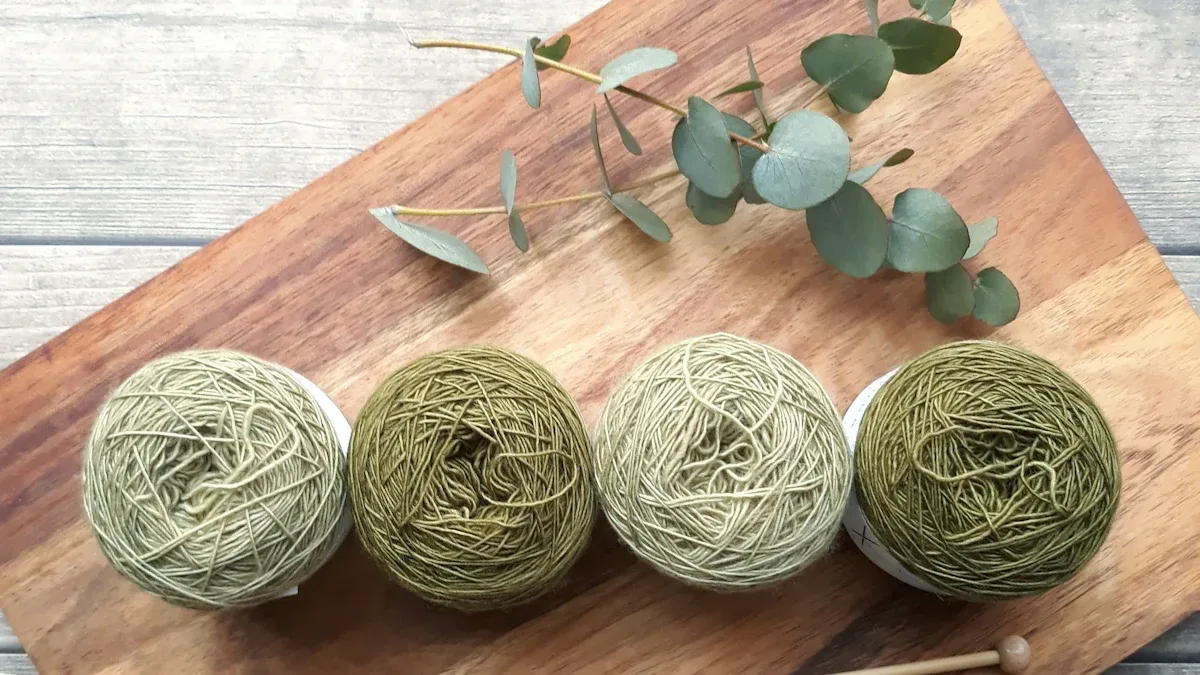
You want your knitwear brand to stand out. Good materials and trusted suppliers help you earn trust. Picking the right yarns and partners helps your brand grow strong.
Yarn and Fabric Choices
Natural vs. Synthetic
Begin by looking at yarn choices. Natural fibers like wool, cotton, and alpaca feel soft. They let air pass through and keep you warm. These fibers last a long time. Synthetic fibers like acrylic or nylon cost less. They come in many colors. They dry fast and do not shrink. Think about what your buyers want most—comfort, price, or easy care.
Sustainable Options
Many people care about the earth. You can pick organic cotton, recycled yarns, or bamboo blends. These choices use less water and fewer chemicals. They help farmers work fairly. Using eco-friendly materials shows you care. This brings in buyers who care about the planet.
Supplier Search
Local vs. Global
You can find suppliers near you or far away. Local suppliers ship faster and are easy to talk to. Global suppliers have more choices and lower prices. Ask for samples before you choose. Check the yarn for softness, color, and strength.
Quality and Ethics
Good suppliers help you avoid trouble. Use this table to see if a supplier is right for you:
Criteria | Description |
|---|---|
Compliance and Certifications | Follows labor laws, environmental rules, and ethical practices. |
Ethical and Sustainable Sourcing | Uses eco-friendly fabrics, pays fair wages, and ensures safe working conditions. |
Quality Control | Passes many quality checks to guarantee strong, lasting products. |
Supplier Reputation | Has good reviews and a strong history with other brands. |
Transparency | Allows audits and shares proof of certifications. |
Look for suppliers who:
Pay fair wages and keep workers safe
Do not use child or forced labor
Use eco-friendly farming and production
Have supply chains you can track
Respect local customs
Material Budgeting
Cost Calculation
Plan your budget carefully. For a small knitwear line, material costs are about half of all costs. Yarn is the biggest part, about 43–47%. Trims and extras, like buttons and labels, add 6–7%. Special details, like embroidery, add 1–2%. Each item may cost about $3.15 for materials.
Order Quantities
Order only what you need at first. Small batches help you test your ideas and waste less. As your brand grows, you can order more. Watch your spending and change your orders as you learn what sells.
Tip: Use online guides to learn about sweater making. Many sites have free patterns, yarn calculators, and supplier lists.
You can pick the best materials and partners for your brand. Every smart choice helps you reach your dream.
Build Your Brand Identity
Your brand identity is the heart of your business. It tells your story and helps you connect with people who love your products. When you build a strong brand, you give your knitwear a voice and a purpose.
Brand Story
A great brand story shares where you started, what you believe, and why you do what you do. Your story makes your brand feel real and helps customers trust you.
Mission & Vision
Start by thinking about your mission. What do you want to change or inspire with your knitwear? Your vision shows where you hope to go in the future. Maybe you want to bring warmth to every home or make fashion more eco-friendly.
Every great brand narrative has its roots in a captivating origin story. Share the tale of how your fashion brand came to be, incorporating elements that evoke emotion and authenticity.
Values & Voice
Your values guide every choice you make. Do you care about the planet, fair work, or bold designs? Your voice is how you speak to your audience. Use words that match your values. Stay friendly, honest, and clear. When you build a strong brand, you show people what you stand for.
Understand your brand’s origins
Define your mission and values
Know your audience
Make your story relatable
Keep your message consistent
Share challenges you have overcome
Celebrate customer success stories
Use a clear and concise narrative
Logo and Visuals
Your logo and visuals help people remember you. They set the mood for your brand and make your products stand out.
Colors & Fonts
Pick colors that match your brand’s personality. Soft colors feel cozy, while bright colors feel bold. Choose fonts that are easy to read and fit your style. Try different ideas until you find what feels right.
Cohesive Look
Keep your look the same everywhere—on your website, tags, and social media. This helps people recognize you. Follow these steps to create a strong visual identity:
Define what makes your brand unique and the feelings you want to share.
Look at other brands for inspiration.
Choose a design style that fits your brand.
Decide on a logo type that matches your goals.
Pick fonts that show your brand’s personality.
Sketch different logo ideas.
Ask your audience for feedback.
Improve your design based on what you learn.
Create a digital version of your logo.
Make sure your logo looks good in all sizes.
Brand Name
Your brand name is the first thing people see. It should be easy to say, easy to remember, and fit your style.
Trademark Check
Before you choose a name, make sure it is unique. Search for other brands with the same name. Pick the right trademark class for your products. Fill out the application with the USPTO to protect your name.
Audience Appeal
Think about your audience. Will they remember your name? Does it make them feel something? A good name helps you stand out and makes it easier for people to find you when they want to know how to start your own knitwear brand.
Tip: When you build a strong brand, you create a lasting impression that keeps customers coming back.
Design Your Collection

You can make your dream collection real. This is where your ideas start to grow. Each piece you design can make someone feel happy and special.
Product Line Planning
Knitwear Types
Begin by picking what items you want to make. You could choose sweaters, cardigans, scarves, hats, or socks. Each item has its own look and use. Think about what you like most. Your excitement will show in your work.
Variety vs. Focus
You can make lots of different products, or just a few. If you focus, your brand gets strong. If you offer many things, you reach more people. Decide what fits your brand best. Listen to yourself and your buyers.
Sketches & Prototypes
Design Tools
Drawing your ideas helps you see them better. Now, you can use cool digital tools to make your designs. Here is a table of popular software that helps you create and test your designs:
Software | Key Features | Applications | Sustainability Benefits | Pricing |
|---|---|---|---|---|
Best Fabric Design Software | Vector illustration tools, Advanced color management | Creating repeating patterns, plaids, motifs | Reduces need for physical samples, eco-friendly production | $269/year or one-time purchase |
Procreate | Extensive brush library, Intuitive interface | Designing hand-drawn patterns, motifs | Reduces reliance on physical materials | $12.99 one-time purchase |
CLO 3D | Real-time 3D visualization, Fabric simulation | Designing digital prototypes | Minimizes fabric waste through virtual fitting | Starts at $50/month |
Browzwear | Realistic 3D simulation, Virtual fitting | Designing 3D garments | Reduces fabric waste and carbon footprint | Contact for quote |
Optitex | 2D/3D pattern design, Photorealistic rendering | Creating patterns, grading | Supports sustainable production practices | Contact for quote |
TUKAcad | 2D pattern-making, Audio/video support | Creating sewing patterns, grading | Optimizes fabric cutting to minimize waste | Starts at $19/month |
These tools help you save time and materials. You can try colors, shapes, and fits before making real samples.
Tech Packs
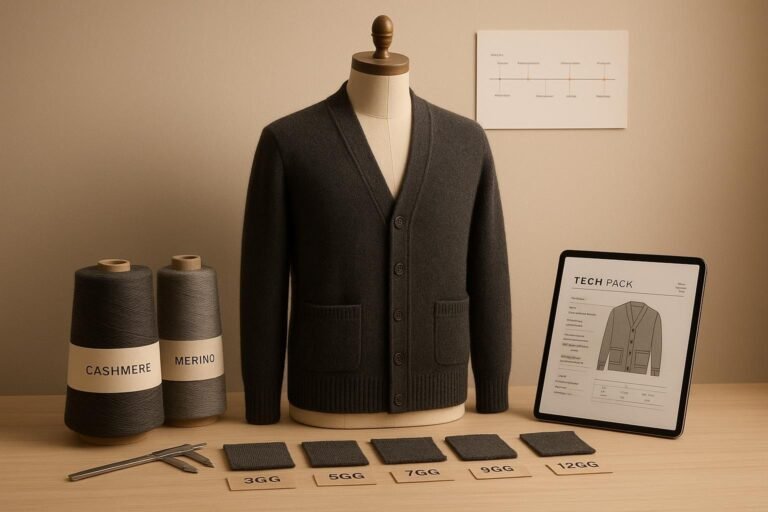
A tech pack is a guide for your designs. It has drawings, sizes, materials, and steps. When you share a tech pack, your team knows what you want. This helps you avoid mistakes and keeps your work on track.
Patterns & Samples
Pattern Makers
You need clear patterns to make your ideas real. Here is an easy process you can follow:
Start the sample or send it to a sample knitter.
Book the tech editor.
Finish the sample for photos.
Update the pattern draft.
Send the pattern for tech editing.
Ask for test knitters.
Begin test knitting.
Update the pattern draft again.
Make the final pattern.
Sample knitters use your yarn to make finished pieces for pictures and ads. Test knitters use their own yarn and tell you if your instructions are clear.
Fit Testing
Fit testing makes sure your knitwear feels good and looks nice. Ask people to try your samples. Listen to what they say. Make changes until you are proud of every piece. This helps you earn trust from your customers.
Tip: Every collection starts with one sketch. Keep working, and your ideas will become real.
Clothing Business Plan & Production
You can shape your future by starting a clothing brand. A good business plan helps you know what to do next. It also helps you avoid big mistakes. Use the table below to see the main parts of a strong plan for your knitwear brand.
Key Component | Description |
|---|---|
Executive Summary | Shares the brand’s mission and who you want to reach. |
Product Descriptions | Tells about your products, where you get them, and prices. |
Market Analysis | Shows research and looks at other brands to find chances to grow. |
Financial Projections | Sets money goals and helps you plan for growth. |
Marketing Strategy | Explains how you will tell people about your brand and products. |
Operations Plan | Lists how you will make products, keep track of them, and help customers. |
Production Scale
You need to pick how many items to make and where to make them. This choice affects how your brand grows and what people think of it.
Small Batch vs. Large
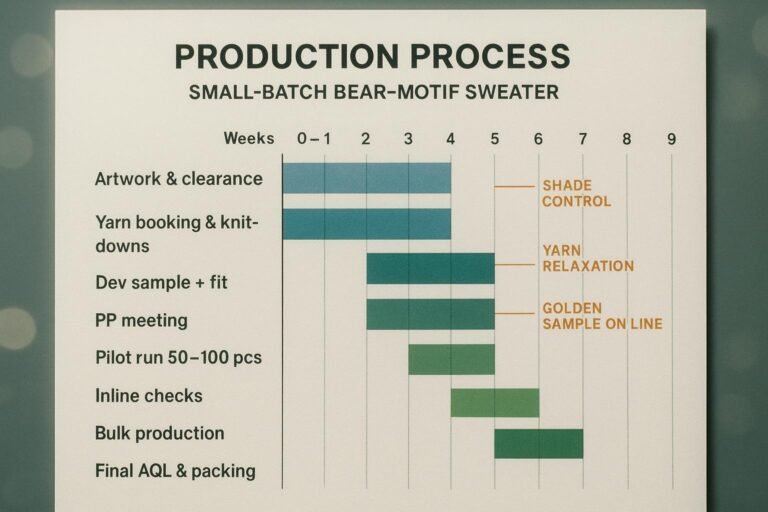
Making small batches lets you try new ideas and spend less money. You can order between 50 and 200 pieces. This helps you not make too much and saves money. You make less waste, which is good for the earth. Small batch brands often care about fair work and show how they make things. People trust brands that help the planet and talk to them online. You also get better quality because you check every piece.
Making lots of items works best when you know people will buy them. You can make each piece cost less, but you might have too many left over. This can waste money and materials.
Tip: Start with a small batch and grow when you know what your customers like. This helps you build trust and stay flexible.
In-House vs. Outsourced
You can make your products yourself or ask other factories to help. Making things yourself gives you control over quality and time. You can change things fast and keep your brand special. Outsourcing helps you make more items quickly and lets you focus on design and selling. You need to pick partners who care about the same things you do and meet your standards.
On-Demand Production
You can use on-demand production to match what your customers want. This way, you stay flexible and do not waste materials.
Custom Orders
On-demand production means you make items only when someone orders them. You can offer special colors, sizes, or designs. Customers feel happy because they get something made just for them. You keep your brand new and can follow trends fast.
Inventory Risk
On-demand production helps you not have too many items left over. You do not have to guess what will sell. You use sales data to help you decide. This keeps your money safe and stops you from losing money on unsold items. You build a brand that listens to customers and stays strong.
Quality Control
You need to check every step to make sure your products are good. Quality control keeps your brand’s reputation safe and makes customers happy.
Inspection
You can use many checks to find problems early. The table below shows the best ways to check quality when making knitwear.
Quality Control Measure | Description | Importance | Common Issues Detected | Best Practices |
|---|---|---|---|---|
Yarn Check | Check yarn for color, strength, and other things. | Good yarn is needed for good knitwear. Bad yarn ruins the whole piece. | Color problems, dirt, weak yarn | Match colors, test yarn strength, track where yarn comes from. |
Pre-Production Sample Evaluation | Check a sample for how it is made, how it fits, and if the design is right. | Makes sure everything is correct before making more. | Wrong tension, wrong size | Use same yarn, check with tech pack, ask different teams to help. |
Size Set Checking | Check samples in all sizes. | Makes sure all sizes fit well. | Sizes not even, fit problems | Try samples on mannequins, follow tech pack rules. |
Inline Panel Check on Machine | Check knitted panels while making them. | Finds problems early and saves materials. | Missed loops, holes | Look at panels while making, teach workers to spot mistakes. |
Final Panel Checking Post Knitting | Check finished panels after knitting. | Finds mistakes before putting pieces together. | Wrong size, color problems | Use bright lights to check, keep records of mistakes. |
Final Quality Check | Check cleaned and pressed clothes inside the company. | Last chance to find mistakes before shipping. | Stains, holes, wrong labels | Use many checks, add checklists to computer systems. |
Final Inspection | Check boxes of clothes using AQL rules. | Makes buyers trust you and stops returns. | Mixed sizes, not matching rules | Follow AQL rules, write down mistakes on computer. |
Note: You build trust when you check every item and fix problems before sending them out.
Returns & Defects
You need a clear way to handle returns and mistakes. Customers want quick help and fair answers. You can offer easy returns and fast refunds. You learn from mistakes and make your products better. You show customers you care about their experience.
You can start your clothing brand with confidence if you plan your production and quality checks. Every step you take helps you reach your dream.
Pricing Strategy
You want your knitwear brand to grow and succeed. A smart pricing strategy helps you reach your goals and build a strong business. When you set prices, you show customers the value of your work. You also make sure your brand stays profitable and ready for the future.
Cost-Plus
Start with the cost-plus method. This means you add up all your costs for each item, then add a markup to make a profit. You include yarn, trims, labor, packaging, and shipping. You also count your time and effort. After you know your total cost, you decide how much extra to add.
Many brands aim for a minimum profit margin of 50%. This gives you room for discounts and sales.
You can set different markups for direct-to-customer (DTC) and wholesale. DTC often uses a 50% markup. Wholesale usually uses 25–30%.
Plan for markdowns and discounts before you set your prices. Strong full-price margins help you stay profitable, even when you run sales.
Tip: Track your costs and update them often. Prices for yarn and shipping can change. When you know your numbers, you make better choices.
Profit Margins
Profit margins show how much money you keep after paying your costs. You want strong margins to grow your brand and invest in new ideas. You also want to stay competitive and fair.
Here is a table to help you see common pricing strategies:
Strategy | Description |
|---|---|
Baseline Profit Margin | Aim for a minimum profit margin of 50% to ensure profitability. |
Competitive Landscape | Align pricing with competitors to maintain value; avoid pricing too low for premium brands. |
Sales Strategy | Use different pricing for DTC and wholesale; 50% markup for DTC, 25–30% for wholesale. |
Regular Price Reviews | Review prices every six months or year to adjust for costs and sales. |
Promotional Pricing | Use seasonal sales and discounts to boost sales without hurting your brand value. |
You can also look at your product categories. Essentials, like basic sweaters, often have tighter margins because buyers watch prices closely. Trend-led pieces, like special designs, can have higher markups. Accessories, such as hats and scarves, often bring the highest margins and help balance your profits.
Product Category | Margin Strategy |
|---|---|
Essentials | Tighter margins due to higher price sensitivity. |
Trend-led Pieces | Stronger markups because of higher value and less competition. |
Accessories | Highest margins, which help balance lower-margin items. |
Track key numbers like sell-through rate and gross margin for each item.
Adjust your prices when you see what sells best.
Review your pricing every season to stay on track.
Remember: A strong pricing strategy is a key part of your clothing business plan. When you know your costs and set smart prices, you build a brand that lasts. You inspire trust and loyalty in your customers. You also give yourself the freedom to grow and dream bigger.
Start a Knitwear Brand with Manufacturers
You are now ready to find a manufacturer. The right partner helps you make your designs real. They turn your ideas into products that people want to buy.
Manufacturer Search
Domestic vs. Overseas
You can pick a manufacturer near you or in another country. If you choose one close by, it is easier to talk and visit. You might get your products faster and fix problems quickly. If you pick one far away, you may pay less and have more options. But shipping takes longer. For example, shipping from China to the U.S. by boat takes about 14–21 days. Shipping from Mexico by truck or train takes only 3–7 days.
Samples & Quotes
Always ask for samples before you order a lot. Samples show you the quality and if the manufacturer understands your style. Ask for prices for different amounts. Compare the prices, but also look at the quality and service. Use this table to help you pick the best manufacturer:
Criteria | Description |
|---|---|
Quality and Craftsmanship | Look for high-quality yarns and skilled craftsmanship, ensuring compliance with international standards. |
Customization Options | Ensure the manufacturer can provide bespoke designs and flexibility in sample production. |
Production Capacity and Lead Times | Assess the maximum production capacity and standard lead times for different order sizes. |
Sustainability Practices | Opt for manufacturers using eco-friendly materials and sustainable production processes. |
Building Partnerships
Communication
Good communication helps you work well with your manufacturer. Share your ideas, goals, and when you need things done. Ask questions and listen to their answers. Use email, video calls, or messages to stay in touch. Talking often helps you avoid mistakes and keeps your project moving.
Expectations
Set clear rules from the start. Write down what you want for quality, delivery, and payment. Make sure you both agree on everything. When you do this, you build trust and avoid problems.
Tip: Treat your manufacturer like a teammate, not just a supplier. Celebrate wins together and fix problems as a team.
Production Timeline
Lead Times
Plan your schedule carefully. Manufacturers near you often finish in 7–14 days. Shipping takes another 3–14 days. If you use an overseas manufacturer, it takes longer. For example, shipping from India can take 28–35 days. Here is a table to show how long things take:
Stage | Estimated Time |
|---|---|
Production | 7–14 days |
Shipping – Economy | 7–14 days |
Shipping – Express | 3–5 days |
Total Timeline | 2–4 weeks |
Delays
Sometimes things slow down. Weather, customs, or busy times can cause delays. Always add extra time to your plan. Stay in touch with your manufacturer and ask for updates. If you plan for delays, your business will run better.
Remember: Every great knitwear brand starts with good partners and smart planning. You can make something special if you take it step by step.
Set Up Your Online Presence
You can show your knitwear to people everywhere. Building an online store helps you find new customers. Your website is the face of your brand. Make it look nice and easy to use.
Website Build
Your website is like a shop window. It should look good and work well for everyone.
E-commerce Platforms
Pick a platform that works for you. Shopify, WooCommerce, and BigCommerce are good choices. These platforms help you add products and take payments. You can choose a theme that fits your brand. Add new features as your business grows.
Key Features
A good knitwear website does more than sell things. It gives people a fun shopping experience. Make sure your site has:
Ways to pick size, color, and style
Easy returns and order tracking
Mobile-friendly design with clear photos
Shopping tools like filters and wishlists
AI style tips for full outfits
Virtual try-on or fit preview
Real-time product updates by location
Outfit builder for mixing styles
Alerts for back-in-stock and sizes
Live shopping or style sessions
Gallery with customer photos
Pre-order and drop features for new items
Smart search with visual filters
Tip: These features make shopping simple and fun. Customers will trust you and want to come back.
Social Media Setup
Social media helps you share your brand story. Pick the best platforms to show your knitwear.
Platform Choice
Here is a quick guide to top platforms for knitwear brands:
Platform | Key Features | Audience Engagement |
|---|---|---|
Shows off texture and style | Many people find fashion here | |
TikTok | Short videos for trends and behind-the-scenes | High engagement with new trends |
Inspires with looks and patterns | Crafters save and share ideas | |
Builds community and shares stories | Reaches older buyers | |
YouTube | Long videos for tutorials and stories | Craft fans watch and learn |
Branding Consistency
Keep your brand look the same everywhere. Use the same logo, colors, and style on your website and social media. This helps people remember and trust you.
Store Policies
Clear rules show you care about your customers. They help people feel safe and loyal.
Shipping & Returns
A good return policy makes shoppers feel safe. You can offer:
Returns for refunds within a set time
Free returns with no shipping cost
Money-back guarantees if customers are unhappy
These choices make shopping easy and worry-free.
Customer Service
Great service makes buyers happy. Answer questions quickly and kindly. Help with orders, returns, and sizing. When you listen and solve problems, people trust your brand.
Remember: Your online presence is your chance to shine. Take care with each step, and your knitwear brand will grow strong.
Promote and Market Your Brand
You can help your brand get noticed. Promotion and marketing help you find new customers. These steps help your business grow. When you start a clothing brand, you need a good plan. This plan helps you share your story and show why your brand matters.
Brand Message
Your brand message is very important. It tells people who you are. It also explains why your products are special.
Storytelling
Share your journey and what inspires your designs. Storytelling helps people feel close to your brand. When you talk about how you make things or what each collection means, you invite customers to join your story.
Storytelling helps customers feel connected to your brand. Sharing what inspires your collections or how you make things gives your products more meaning.
Value Communication
Show what makes your products unique. Talk about fully knitted designs and how you make things in a good way. Use high-quality photos to show your work. Explain how your brand helps people feel happy and look nice. Customers want to know why your products are different.
Content & Campaigns
You can use many tools to share your message. These tools help you excite your audience.
Social Calendar
Plan your posts and campaigns with a social calendar. This keeps you organized and helps you share new content often. Use Instagram, TikTok, and Pinterest to show your knitwear. Direct traffic, SEO, and paid search like Google Shopping ads work well for knitwear brands.
Write product descriptions that make customers excited.
Use social media to get seen and talk to people.
Tell stories to help people feel close to your brand.
Email Marketing
Email marketing lets you talk to your audience directly. Send updates, special deals, and behind-the-scenes stories. Use email to show new collections and ask for feedback. This helps build loyalty and keeps customers coming back.
Use email marketing to talk to your audience.
Collect customer reviews to show social proof.
Influencer Partnerships
Working with influencers helps you reach more people. It also helps you build trust.
Collaborators
Pick influencers who fit your brand and talk to your audience. Focus on quality, not just how many followers they have. Work with yarn dyers and other designers to reach more people. Micro-influencers often help you connect with real fans.
Find influencers who are right for your brand.
Work with yarn dyers and other designers.
Partnership Structure
Set clear goals for each partnership. Decide what you want and how you will measure success. Make campaigns that fit each influencer’s style. Ask for real content that feels natural. Use different platforms to reach more people. Track results and build long-term relationships for steady growth.
Influencer Partnership Tips | Description |
|---|---|
Set Specific Goals | Know what you want from each campaign. |
Tailor Content | Match the influencer’s style and audience. |
Promote Authenticity | Let influencers share your brand in their own way. |
Measure Performance | Use analytics to see what works best. |
Build Relationships | Work with influencers over time for lasting impact. |
Tip: When you start a clothing brand, strong marketing helps you grow faster. You can reach your dream customers. If you want to know how to start your own knitwear brand, share your story and build real connections.
Launch and Feedback
Launch Event
You have finished all the steps. Now it is time to show your knitwear brand to everyone. A launch event is your big day. You can have it online or in person. Both ways are exciting and special.
Online vs. In-Person
Online events let people join from anywhere. You can show a fashion show on video. You can do a live Q&A or show your new designs on social media. In-person events feel more personal. Guests can touch your knitwear and see models wear your clothes. They can join fun activities. Both types help you meet your audience.
Pre-Launch Buzz
Get people excited before your launch. Share sneak peeks on Instagram and TikTok. Work with influencers who like your brand. Send emails to invite your followers. Use PR to tell more people about your event. When you create buzz, people want to see your new collection.
Tip: After your event, keep sharing online. Post photos and videos. Thank your guests with notes. Give special deals to help people buy for the first time.
Customer Feedback
Your customers help you get better. Listen to what they say and use their ideas to improve.
Surveys & Reviews
There are many ways to get feedback. Try website surveys after someone buys something. Add a button so people can share ideas anytime. Send email surveys after orders arrive. Use short surveys in live chats for quick answers. If you have an app, add surveys there for fast feedback.
Method | Description |
|---|---|
Website & in-product surveys | Show surveys after people buy or on important pages. |
Feedback button | A button that is always there for sharing ideas. |
Email & link surveys | Send surveys after delivery for honest reviews. |
Chat surveys | Run quick surveys during live support. |
In-app messaging surveys | Small surveys that pop up when people use your app. |
Online surveys reach lots of people fast.
Interviews and focus groups give you deeper answers.
Website surveys help you make your store easier to use.
Product Improvement
Use what people say to make your knitwear better. Look for things that come up a lot in reviews. If many people talk about sizing, change your sizes. If they want new colors, add them next time. Show your customers you listen and care.
Note: When you use feedback, people trust you more and want to come back.
Loyalty Building
You want your customers to shop with you again. Loyalty programs and building a community help you keep them coming back.
Loyalty Programs
Give rewards to people who shop with you. Offer points for every order. Give discounts or let them see new items first. Celebrate birthdays with special gifts.
Community Engagement
Ask your customers to join your brand’s story. Host knit-alongs or design contests. Share customer photos on your website and social media. Reply to comments and messages. When you build a community, people want to support your brand.
Callout: Every launch helps you learn and grow. You can use feedback for new ideas and build loyal fans. Your journey as a knitwear business owner starts with listening and connecting.
You now have a clear path to launch your own knitwear brand.
Find your niche.
Choose quality materials.
Build your brand identity.
Design your collection.
Plan your business.
Connect with manufacturers.
Create your online store.
Promote your brand.
Listen to feedback.
Every successful brand started with one step. You can do this. Take action today. Your dream knitwear business is waiting for you!
FAQ
How much money do I need to start a knitwear brand?
You can start small with $500–$2,000 for materials, samples, and a basic website. Begin with a small collection. Grow as you learn what your customers love.
Do I need to know how to knit to launch my brand?
You do not need to knit every piece yourself. You can design your collection and work with skilled knitters or manufacturers. Focus on your vision and let experts help you.
How do I find reliable suppliers?
Start by researching online and reading reviews. Ask for samples before you buy in bulk. Build trust by communicating clearly. Reliable suppliers help your brand shine.
What makes my knitwear brand stand out?
Your story, values, and unique designs set you apart. Use quality materials and share your passion. Customers notice when you care about every detail.
Can I run my knitwear business from home?
Yes! Many successful brands start at home. Use your space for design, storage, and shipping. Grow your business step by step.
How do I price my knitwear products?
Add up your costs, then include a fair profit margin. Check what similar brands charge. Adjust your prices as you learn what works best for your customers.
What if I get negative feedback?
See feedback as a gift. Listen, learn, and improve your products. Every brand grows stronger by turning challenges into opportunities.
How can I build a loyal customer community?
Share your journey and invite customers to join. Offer rewards, host events, and celebrate their stories. A strong community helps your brand thrive.