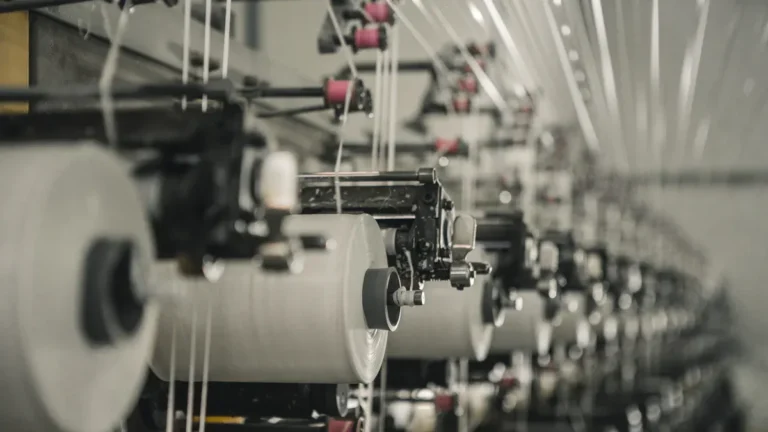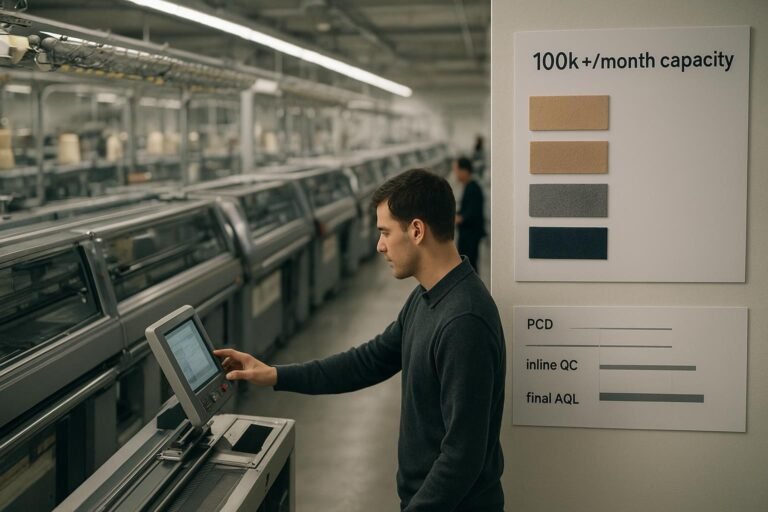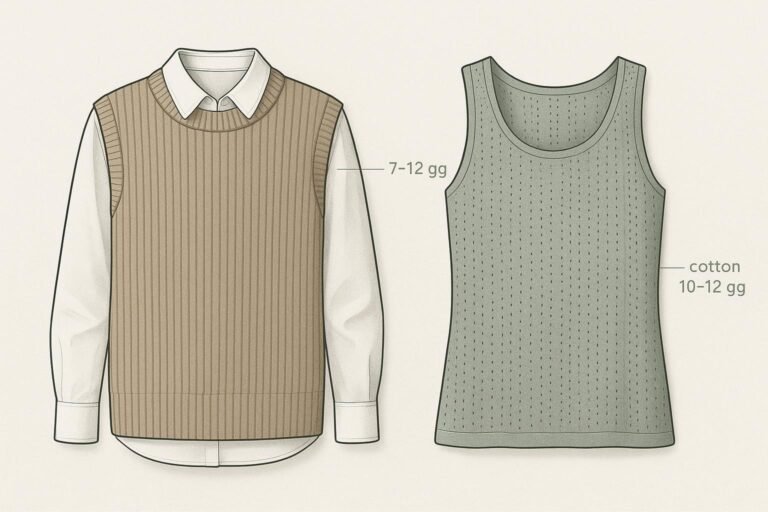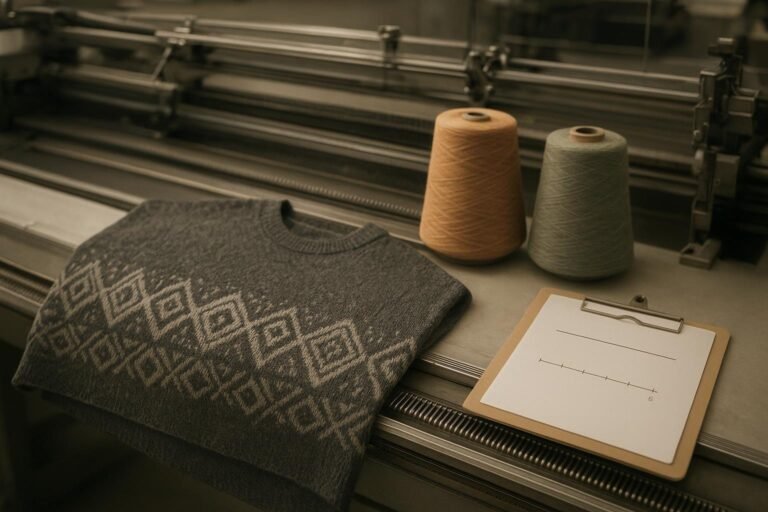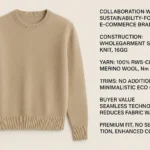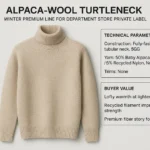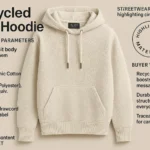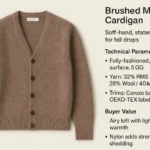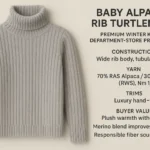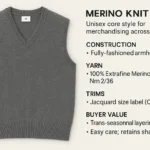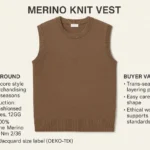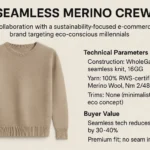

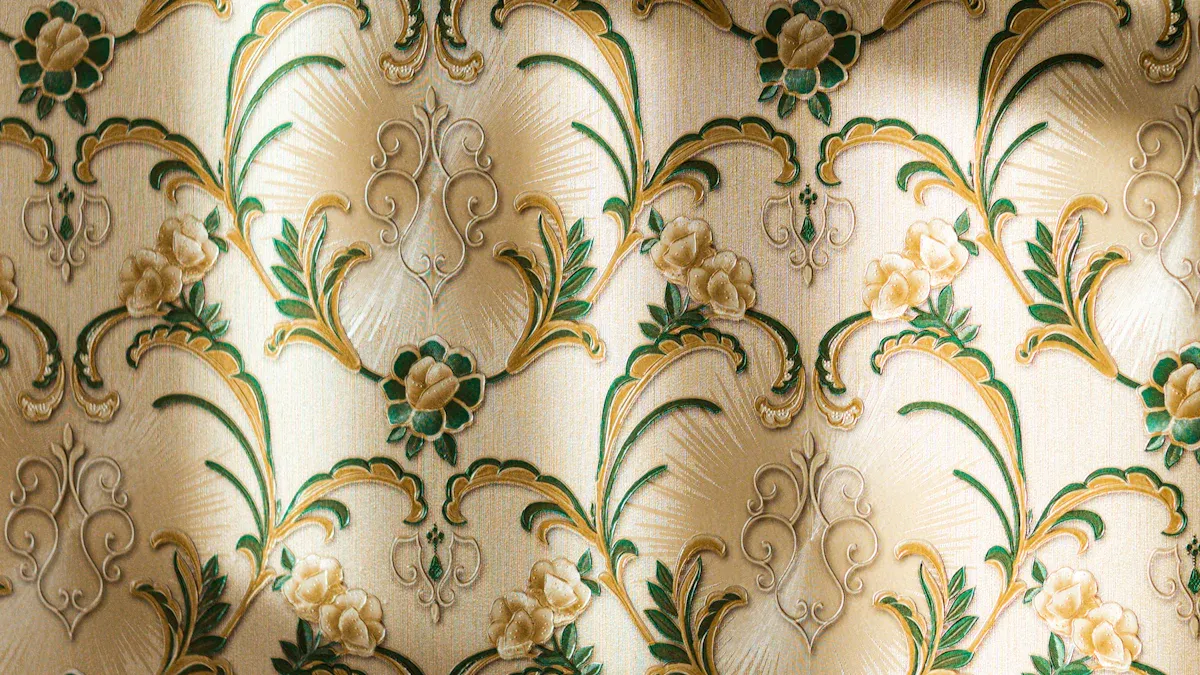
You can find jacquard pattern development for brand collections in many fancy fashion brands. These patterns are special because they are woven into the fabric rather than just printed on the surface. Many brands have their own teams dedicated to jacquard pattern development for their collections, which helps them create new styles and test samples quickly. Today, computerized looms and digital tools assist in making detailed patterns very accurately. This technology speeds up the process, reduces costs, and allows for easy experimentation with new styles and textures.
Key Takeaways
Jacquard patterns are woven into the fabric, not printed. This makes them last longer than printed designs.
Picking fibers like wool or silk changes how strong and soft the fabric is.
Digital tools like CAD software help designers work faster. They also make it easy to change designs.
Making prototypes lets designers see how patterns look and feel on clothes.
Electronic jacquard looms let designers change patterns quickly. This helps them follow new fashion trends.
Treatments after weaving make the fabric look better and last longer.
Using eco-friendly materials and methods cuts down on waste. This also helps the environment.
Jacquard patterns can be made special for custom orders. This makes collections more unique.
Material Selection
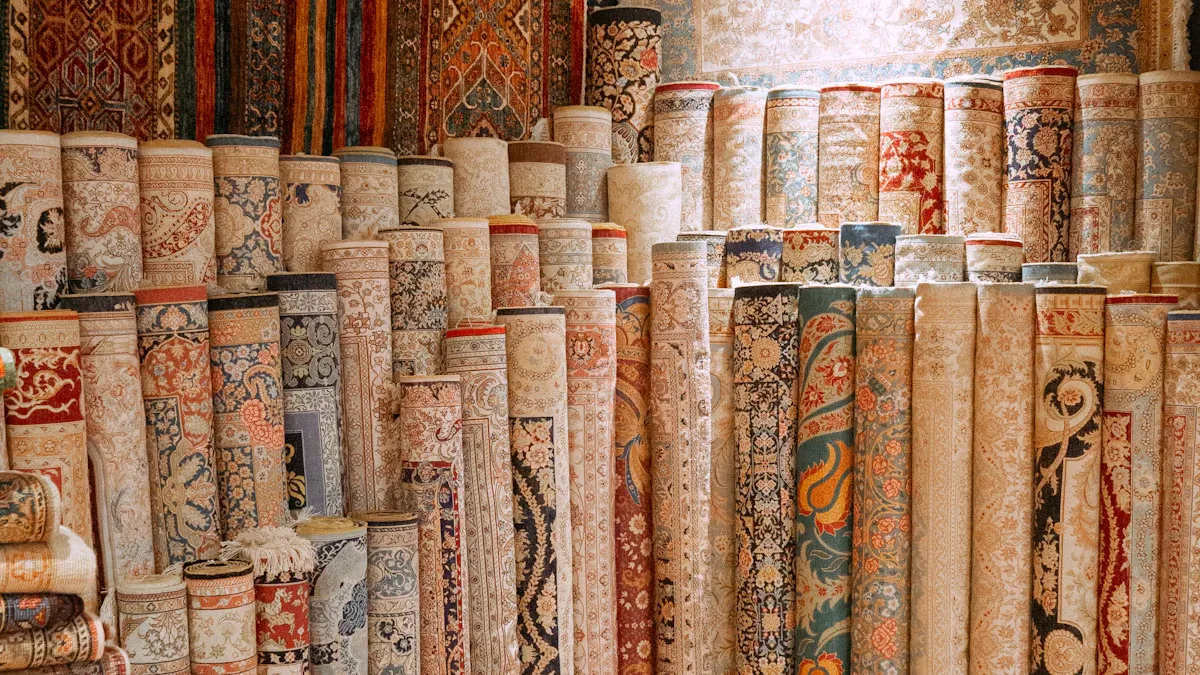
Picking the right materials is the first thing to do. You have to think about which fibers and yarns will work best. The material you choose changes how strong, soft, and nice the fabric looks.
Fiber and Yarn Choices
Natural and Synthetic Fibers
Jacquard weaving can use natural or synthetic fibers. Wool, cashmere, and silk are natural fibers. They feel soft and fancy. Polyester and acrylic are synthetic fibers. They are strong and easy to clean. Here is a table with some common fiber and yarn types used for jacquard patterns:
Fiber/Yarn Type | Description |
|---|---|
Wool | Soft, smooth, and feels fancy. It stretches and bounces back well. |
Cashmere | Very fancy, warm, and soft. |
Silk | Smooth and hangs nicely. |
Superfine Wool | Light and soft, makes jacquard cloth smooth. |
Pure Virgin Wool | Strong, lets air through, warm, and keeps water away. |
Cotton is good if you want the fabric to breathe. You can also mix fibers to get the best features from each one. The fiber you pick changes how the fabric hangs and feels. Brocade is heavy and looks rich. Cotton jacquard is light and feels airy.
Color and Texture
Color and texture are important in jacquard design. You can pick yarns in lots of colors for bold or soft patterns. Texture comes from the yarn type and how you weave it. Silk makes the fabric smooth. Wool makes it warm and thick. Mixing yarns can give special looks that fit your brand.
Preparation Steps
Dyeing
Dyeing comes before weaving. You dye the yarns to get the colors you want. This step lets you control how bright or dark each color is. You use different dyeing ways for different fibers. Good dyeing keeps colors bright and stops fading.
Quality Control
Quality control checks if your materials are good before weaving. You should look at yarns for strength, evenness, and color. This step helps you avoid problems later. It makes sure your jacquard fabric looks and feels nice. Strong yarns mean patterns will not fade or peel. This is great for things like bedding and towels.
Tip: Try dyeing a small batch of yarn first. This helps you find problems early and keeps your jacquard fabric looking good.
Making jacquard patterns for fashion needs careful picking and preparing of materials. When you choose the right fibers, colors, and textures, you help make beautiful and strong fabrics.
Jacquard Pattern Development for Brand Collections
Design Preparation
Inspiration and Brand Identity
When you start making jacquard patterns, you should think about what makes your brand different. Your patterns should show your brand’s story and style. Designers often get ideas from art, nature, or city life. These ideas help you make patterns that are special for your collection. You need to picture how the pattern will look on real clothes. Think about how a flat pattern will look on a dress or jacket. This helps you make sure your pattern matches your brand. You also need to put logos and special designs in the right places. Good placement helps people know your brand right away.
You should imagine how flat fabric turns into clothing. This helps your designs fit your brand’s look.
Logos and patterns need to be placed so they stand out. This helps people remember your brand.
Luxury brands care a lot about where logos go, even on small things like neckties. Some companies use special jacquard looms for very detailed patterns. These looms can weave with 0.5cm accuracy. This detail helps keep your brand’s good name.
Computer-Aided Design
You can use digital tools to make jacquard patterns faster and better. Computer-aided design (CAD) software lets you draw and change your patterns before making fabric. These tools help you see what your design will look like when finished.
Here is a table of popular software used in jacquard pattern development for brand collections:
Software | Description |
|---|---|
NedGraphics | Leader in textile design software, offering tools for design operations and waste reduction. |
WveCAD | Provides a digital platform for creating intricate woven patterns and 3D visualizations. |
Pointcarre | Enables visualization of complex weave structures and simulates fabric appearance with high accuracy. |
These programs help you make detailed jacquard patterns for your collection. You can try out different colors, textures, and shapes on the computer. You get to see your ideas before you start weaving. This saves time and helps you avoid mistakes.
Prototype Creation
After your digital design is done, you make a prototype. This is a sample that shows how your jacquard pattern will look and feel. You can touch the fabric, check the colors, and see if the pattern matches your brand’s style.
Assessment and Improvement
You need to check your prototype carefully. CAD software turns your design into instructions for the jacquard loom. Real-time simulation tools show you how the fabric will look before you make it. This helps you make changes quickly and waste less material.
Designers use CAD software to make detailed jacquard patterns. The software gives digital instructions to the loom.
Real-time simulation tools let you see the fabric before it is made. You can change things fast and save materials.
Making a prototype can take different amounts of time. In the past, making jacquard patterns could take weeks or months. Now, new technology lets you make a sample in hours or weeks. This helps you add new jacquard designs to your collection faster.
Without technology, the process can take weeks or months.
The average time for making samples in fashion is about 17.6 weeks. Some brands may need 1-2 years.
With new technology, you can finish a sample in less than 5 hours. Sometimes, you can go from idea to sample in 2-3 weeks, if you have the supplies.
Tip: Always test your jacquard sample before making a lot of fabric. This helps you find problems early and make your collection better.
Making jacquard patterns for brand collections lets you create special fabrics for your brand. You use digital tools, careful planning, and fast samples to make sure every design fits your style. This helps your collection stand out in the market.
Jacquard Weaving Technology
Jacquard Looms
Mechanized vs. Electronic
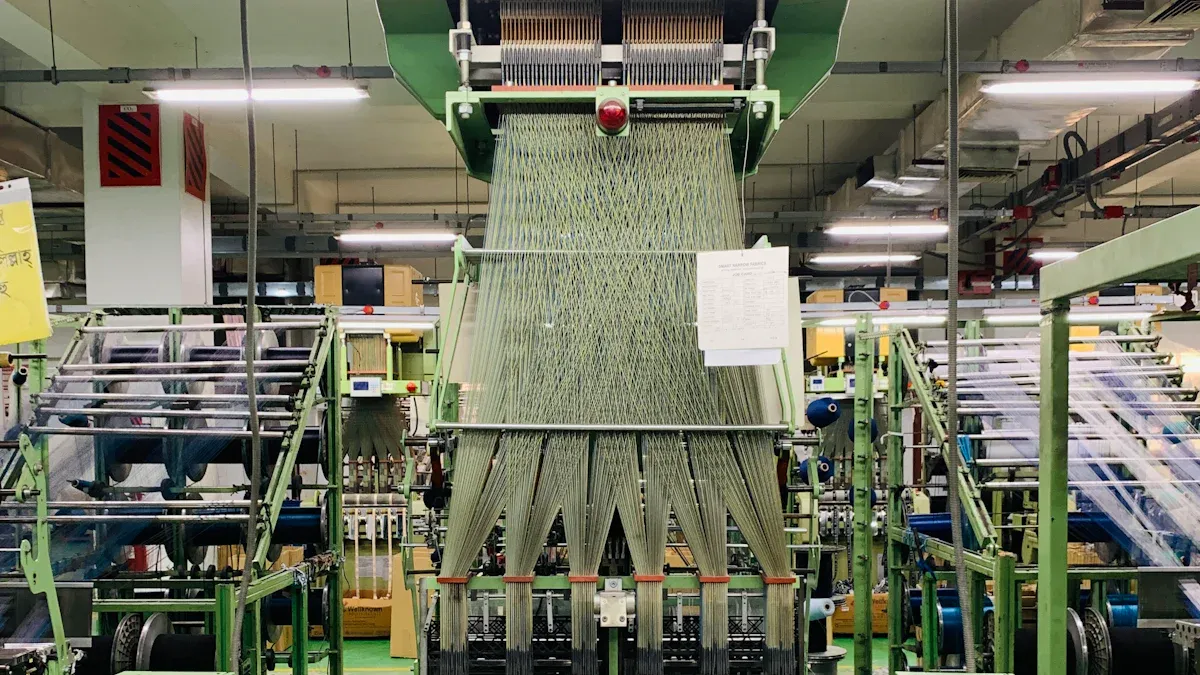
There are two main types of jacquard looms. One is mechanized, and the other is electronic. Mechanized jacquard looms use punch cards. The punch cards have holes that guide the loom. These holes tell the loom how to move the threads. You must set up the punch cards by hand. This takes a lot of time. It is hard to change designs quickly with this method.
Electronic jacquard looms use computers. You can upload new patterns with a computer. This makes it easy to switch designs. These looms help you keep up with new fashion trends. You get the same quality every time. You can make custom orders faster. Electronic looms also help you save money. They make it easier to try new ideas.
Here is a table that shows how mechanized and electronic jacquard looms are different:
Feature | Mechanical Jacquard Looms | Electronic Jacquard Looms |
|---|---|---|
Pattern-Making Capabilities | Limited to traditional patterns; slow to change | Can handle complex patterns; quick to modify |
Speed and Efficiency | Slower operation; sequential movement | Faster operation; rapid control of threads |
Cost | Lower initial cost; higher long-term costs | Higher initial cost; lower long-term costs |
Applications | Used for traditional fabrics; artisanal products | Used in mass production; trendy clothing items |
Durability and Reliability | Durable with proper maintenance; many moving parts | Fewer moving parts; generally lower maintenance needs |
Electronic jacquard looms can make very detailed patterns. You do not need to change the machine for new designs. You can upload new patterns fast. The loom uses threads carefully, so you waste less. You also spend less money on labor because there is less setup.
Programming Patterns
At first, people used punch cards to program jacquard patterns. The cards were linked together in a chain. Each card had holes to show which threads to lift. This let you save and repeat designs across the fabric. Punch cards made it possible to weave detailed patterns. But you had to change the cards for new designs.
Now, electronic jacquard looms use software. You make patterns on a computer. You send the design straight to the loom. This lets you make complex patterns fast. You can change your design with just a few clicks. It is easy to try new ideas and improve your collection.
Weaving Process
Direct Pattern Integration
Jacquard weaving is special because the pattern is part of the fabric. You do not print or sew the design after weaving. The loom weaves each thread to make the pattern. This makes the fabric stronger. The designs do not fade or peel off. The fabric feels rich and looks fancy.
Patterns are woven into the fabric, so they last longer.
This method makes the fabric feel thicker and richer.
The fabric looks deeper and more stylish.
Production Speed
Modern jacquard looms make fabric quickly. Electronic controls let you change patterns fast. You can make hard designs in less time. New weaving machines, especially electronic ones, have changed how fabric is made. These machines are very exact and work fast. You can make more fabric for fashion and home use. You also waste less and make better fabric. This helps the planet.
Tip: Use electronic jacquard looms to keep up with new fashion trends. You can make new designs fast and keep your collection exciting.
Jacquard weaving technology helps you make strong, pretty, and special fabrics. You use new looms and weave patterns right into the fabric. This makes your brand stand out.
Finishing Techniques
After you finish weaving jacquard fabric, you need to make it look and feel its best. Finishing techniques help you get the right texture, color, and strength. These steps make jacquard fabric ready for use in fashion collections.
Post-Weaving Treatments
Washing and Setting
You start by washing jacquard fabric. This step removes dust, oils, and loose fibers from weaving. Clean fabric feels softer and looks brighter. You use water and gentle soap to wash jacquard. Sometimes, you add special chemicals to help set the colors. Setting means you lock the colors into the yarns so they do not fade. You use heat or steam to set jacquard fabric. This step helps the fabric keep its shape. You want jacquard to stay smooth and strong after many washes.
Tip: Always test a small piece of jacquard before washing the whole batch. This helps you avoid damage and keeps your patterns sharp.
Surface Enhancements
You can add special touches to jacquard fabric after washing. These enhancements make jacquard stand out in fashion. Some common surface treatments include:
Brushing: You use brushes to make jacquard soft and fuzzy.
Calendering: You press jacquard between rollers to make it shiny and smooth.
Embossing: You use heat and pressure to create raised designs on jacquard.
Coating: You add a thin layer to make jacquard water-resistant or stain-proof.
Each treatment changes how jacquard looks and feels. You pick the right one for your collection’s style.
Quality Assurance
You must check jacquard fabric for quality before you use it in fashion. Quality assurance helps you find problems early. You look for things like:
Uneven patterns
Loose threads
Color fading
Holes or weak spots
You use machines and your eyes to check jacquard. Some brands use special lights to see hidden flaws. You test jacquard by pulling, stretching, and washing it. Good jacquard fabric keeps its pattern and color after many uses.
Quality Check | What You Look For | Why It Matters |
|---|---|---|
Pattern Accuracy | Clear, even jacquard designs | Keeps your brand’s reputation |
Color Fastness | No fading or bleeding | Makes fashion last longer |
Strength | No breaks or holes | Ensures durability |
Note: High-quality jacquard helps your fashion brand stand out. Customers notice the difference in look and feel.
You finish jacquard fabric with care. You use washing, setting, and surface treatments to get the best results. Quality checks make sure your jacquard is ready for the spotlight in any fashion collection.
Fashion Applications of Jacquard Patterns
Jacquard patterns help your brand look different. You can use jacquard for special clothes and accessories. Jacquard denim makes bold styles and cool textures. Many brands use jacquard in new collections. It adds style and depth to each item.
Signature Pieces
Jacquard helps you make clothes that get noticed. You can use jacquard denim for dresses and jackets. These clothes often become the best part of a collection. You can mix colors and textures to fit your brand.
Dresses and Jackets
Jacquard denim is used in dresses and jackets with detailed designs. These clothes look fancy and feel special. You can pick puff sleeves or A-line shapes for more style. Many brands use jacquard denim to make their collections stand out.
Description | |
|---|---|
Point Puff Sleeve Jacquard Sweater | A sweater with puff sleeves. |
Point A-line Panel Skirt | An A-line skirt with jacquard design. |
Point Classic Jacquard Cardi | A cardigan with jacquard patterns. |
Jacquard denim in jackets makes bold styles. These jackets have detailed designs that match your brand. You see these jackets in many collections. They help your brand get noticed.
Accessories
Jacquard denim is great for accessories. You can make bags, ties, scarves, and wallets with jacquard patterns. These items add luxury to your brand. Jacquard denim gives accessories cool textures and colors.
Application Type | Description |
|---|---|
Used for stylish bags, clutches, and wallets. | |
Accessories | Found in handbags, ties, and scarves with unique patterns. |
Accessories | Used for scarves, ties, and shawls. |
Jacquard denim in accessories makes your collection complete. These items often sell well because they are different.
Collection Integration
Jacquard denim helps you build strong collections. You can use it for special editions and brand stories. You can make pieces that show your brand’s values.
Limited Editions
Jacquard denim is good for limited edition items. These pieces have rare patterns and colors. You can launch them at special times. Many brands use jacquard denim to get people excited.
You can make limited edition bags, jackets, or scarves with jacquard denim. These items help your collection get attention.
Storytelling
Jacquard denim helps you share your brand’s story. You can weave logos or symbols into the fabric. You can use patterns that show your brand’s history. Many brands use jacquard denim to connect with customers.
Tip: Use jacquard denim to create a theme for your collection. This helps your brand look strong.
Jacquard denim gives you many choices for fashion. You can use it for special clothes, accessories, and limited editions. You can build strong collections and share your brand’s story. Jacquard denim helps your brand stand out.
Innovation and Sustainability
Eco-Friendly Materials
Sustainable Fibers
You can help the earth by picking sustainable fibers for jacquard designs. Many brands use fibers that break down or are recycled. These fibers disappear faster and do not hurt nature. You can choose organic cotton, recycled polyester, or bamboo. These choices cut down on pollution and save resources. Using these fibers shows your brand cares about the planet.
Here is a table that explains how using better fibers and weaving methods helps the environment:
Evidence Type | Description |
|---|---|
Optimized Yarn Usage | New weaving machines use less yarn, so you waste less. |
Recycling of Clipped Fibers | You can reuse leftover threads to make new products. |
Sustainable Fiber Selection | Using fibers that break down or are recycled helps the planet. |
Energy and Water Efficiency | Using less energy and water protects nature. |
Pattern Engineering for Waste Reduction | Seamless jacquard designs mean you waste less fabric. |
Integration with Circular Economy | Closed-loop systems let you reuse waste, which is rare in regular textiles. |
Waste Reduction
You can waste less by making smart patterns. Seamless jacquard designs help you save fabric. You can also recycle extra threads and use them again. Many factories use closed-loop systems now. These systems collect waste and turn it into new yarns. This helps the earth and saves money too.
Tip: Try to make patterns that use all the fabric. This helps you waste less and makes your brand greener.
Technological Advances
Digital Weaving
Digital weaving has changed how jacquard patterns are made. You can use computers to control looms and make cool designs. This technology lets you make detailed patterns with great accuracy. You can test ideas on a screen before weaving. This saves time and materials. Digital weaving works well with recycled yarns, so it is better for the planet.
Here are some new things that help you make better jacquard fabrics:
Looms that use less energy help the planet.
Automated weaving with AI makes things faster and reduces mistakes.
Sensors and monitors catch errors early, so you waste less.
3D simulation lets you see your design before making it, saving resources.
Customization
You can give customers more choices with digital weaving. This technology lets you make special jacquard patterns for each person. You can change colors, shapes, and textures fast. Designers use digital software to make quick samples and test new ideas. You can try different styles and make your fashion collection stand out.
Digital weaving lets you make fancy and custom patterns.
You can create textiles that fit each customer’s style.
Quick samples help you test new designs and improve your collection.
Note: Using digital weaving and sustainable fibers helps your brand be a leader in new ideas and caring for the earth.
You use clear steps to make jacquard patterns for your brand. Each part, like picking materials or finishing, changes how special your collection is. The table below explains what makes jacquard patterns important:
Factor | Description |
|---|---|
Fiber Type | Natural fibers like silk and wool feel fancy and cost more. |
Design Complexity | Hard patterns need special skills, so they cost more to make. |
Manufacturing | Eco-friendly ways can cost more because they take more work. |
Durability | Patterns and texture last a long time, so it is worth the price. |
Timeless Appeal | Special designs stay in style for many seasons. |
Long-Term Investment | Good quality pieces last, even if they cost more at first. |
Technology and skill help you make strong and beautiful jacquard fabric. Many brands like Tom Ford, Marc Jacobs, and Dolce & Gabbana use jacquard to make their clothes unique. You can see the creativity and new ideas jacquard brings to fashion.
FAQ
What makes jacquard patterns different from printed designs?
You see jacquard patterns woven into the fabric. Printed designs sit on top. Jacquard patterns last longer and do not fade or peel. You get richer texture and deeper colors.
Can you use jacquard fabric for everyday clothing?
You can wear jacquard fabric every day. It feels comfortable and looks stylish. Many brands use it for shirts, dresses, and jackets. You get strong fabric that holds up well.
How do designers create new jacquard patterns?
Designers use computer software to draw patterns. You can change colors and shapes quickly. Digital tools help you see the design before weaving. You get more choices and faster results.
Is jacquard fabric easy to care for?
You can wash most jacquard fabrics at home. Use gentle soap and cool water. Always check the care label first. Some jacquard needs dry cleaning. You keep the fabric looking new with proper care.
Why do fashion brands choose jacquard for collections?
You see fashion brands pick jacquard for its unique look. The patterns help your clothes stand out. Jacquard adds luxury and style to collections. You get strong fabric with lasting designs.
Can jacquard patterns be customized for special orders?
You can ask for custom jacquard patterns. Digital weaving lets you change colors and designs. Brands offer special patterns for events or limited editions. You get fabric that matches your style.