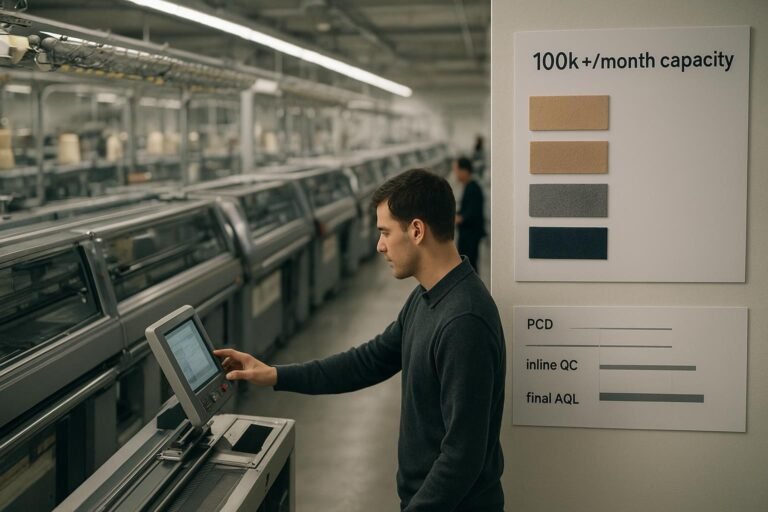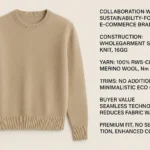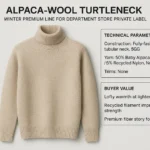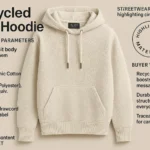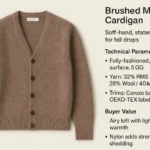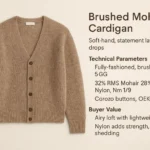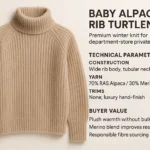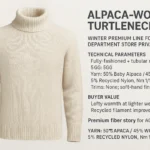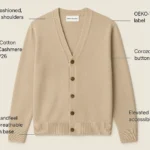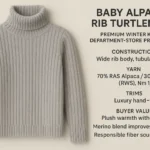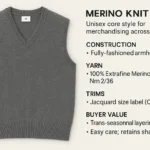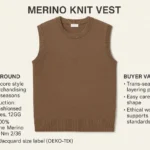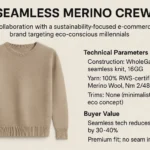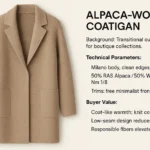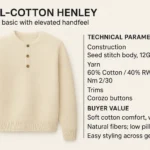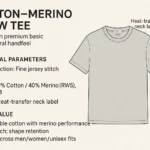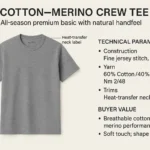

At AZKnit, we make many new styles each month. We create over 500 new styles every month. Your design process helps your brand do well in business.
Case | Description |
|---|---|
Case 1 | Your design team makes a virtual sample. You and your manufacturer improve it before you say yes. |
Case 2 | You give a tech pack. The manufacturer makes a virtual sample for you to check and change. |
On-demand manufacturing helps you follow trends fast. It also helps you control your inventory better.
You make less waste.
You earn more money and help your business grow with OEM Knitwear Development.
Key Takeaways
Work closely with your OEM manufacturer during design talks. This helps them understand your idea and make it right.
Pick the best yarn for your knitwear. This makes it look good, feel nice, and last longer. You can choose natural or synthetic yarn.
Use clear technical details and tech packs. This stops confusion and helps make your designs correctly.
Check quality carefully at every step of making. This keeps standards high and makes customers happy.
Use on-demand manufacturing to cut down waste. It helps you react fast to new trends and manage your stock better.
OEM Knitwear Development Steps
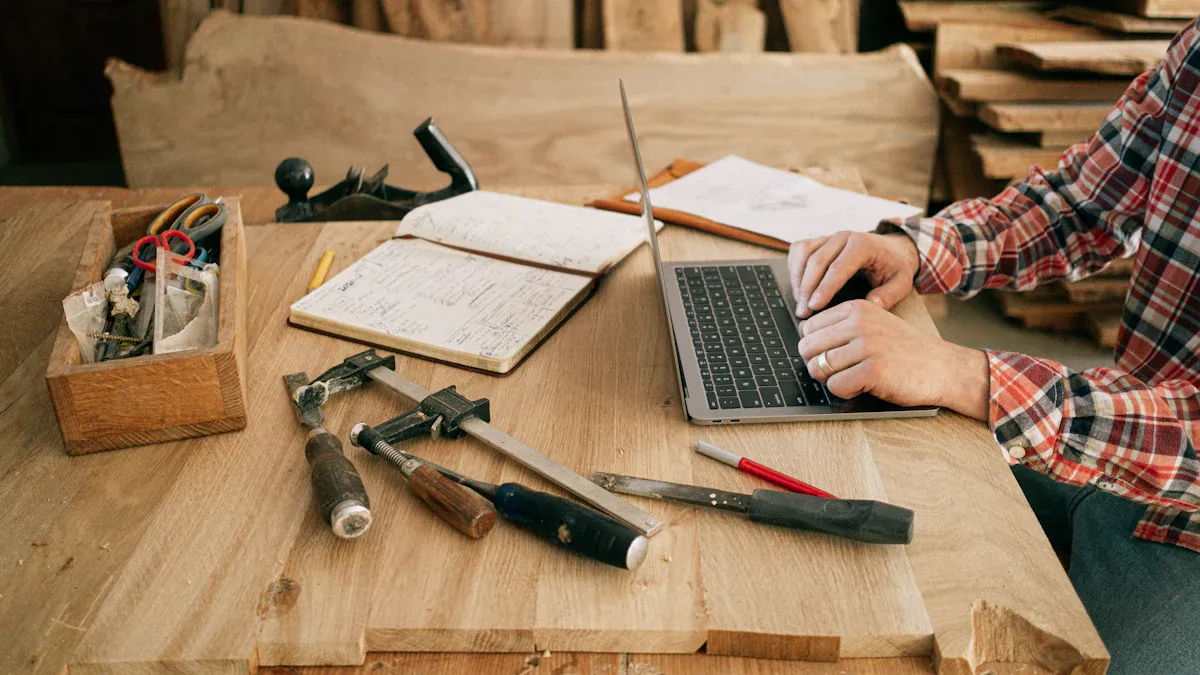
The oem knitwear development process turns your ideas into real products. There are clear steps to follow. You work with oem clothing manufacturers at each step. This helps your idea become a real item. Here is how the process works:
Design Consultation
You begin with a design meeting. This helps you figure out your brand’s style and who will buy your clothes. You show your first ideas, drawings, or pictures to the oem team. The manufacturer listens to what you want. They give tips about style, fit, and what is popular. You talk about colors, shapes, and special things you want. Working together here is important for the whole oem knitwear development process.
Tip: Bring clear notes and samples to your first meeting. This helps oem clothing manufacturers know what you want and stops confusion.
Yarn Selection
Next, you pick the yarns for your project. The yarn you choose changes how your knitwear looks and feels. Oem clothing manufacturers help you look at choices like cotton, merino wool, or cashmere. You think about softness, strength, and price. The right yarn makes your design work and keeps customers happy.
Knitting Methods
You and your oem partner pick the best knitting method. There are many ways to make knitwear. Each way has its own good points. Here is a table that shows some common knitting methods:
Knitting Method | Characteristics | Applications |
|---|---|---|
Jersey Knitting | Makes light fabric, drapes well, uses many fibers. | T-shirts, dresses |
Rib Knit | Makes fabric with ribs, can be used both sides. | Cardigans, sweaters, camisoles |
Double Knit | Thicker than single knit, same on both sides. | Sweaters, heavier garments |
Interlock | Reversible, thicker, smooth surface. | Needlework, creative fabric painting |
Lace Knit | Looks pretty, but hard to clean. | Clothing |
Mesh Knit | Strong, light, and see-through. | Various lightweight garments |
Pile Knit | Has a soft, raised surface. | Carpets, plush fabrics |
Knitted Sweater | Woven tight for comfort, many styles. | Sweaters |
You pick the method that fits your design and what you want it to do. Oem clothing manufacturers use special machines and skilled workers for good results.
Cutting and Assembly
After knitting, the fabric goes to cutting and assembly. This part needs to be very exact. Oem clothing manufacturing teams use computers and laser cutters for accuracy. Good marking and cutting save fabric and money. The team numbers and bundles each piece. This makes sewing and putting things together easier.
Good cutting makes sure your clothes are the right size.
Bundled pieces help keep quality high during assembly.
Finishing
The last step in oem knitwear development is finishing. This means washing, steaming, and pressing your clothes. Oem clothing manufacturers check every item for quality. They compare them to your approved samples. They test for color, strength, and fit. Only the best items get packed and shipped.
Note: Quality checks happen at every step. Oem manufacturers look at materials, stitching, and shape before, during, and after making your clothes. This makes sure your knitwear is the best it can be.
The Complete OEM Knitwear Development Workflow
You can see the whole oem knitwear development process in these steps:
First idea
Find out who your customer is
Brainstorm
Make creative designs
Make technical designs
Find materials
Make samples
Start production
You and your oem clothing manufacturers work together at each step. You check samples, say yes to test items, and make changes if needed. This teamwork helps you avoid mistakes and makes sure your product is just right.
Lead Times and Efficiency
How long oem knitwear development takes depends on where you make it. Here is a table that shows the times:
Country | Sample Lead Time | Bulk Production Lead Time |
|---|---|---|
China | 10-14 days (first round), 7-10 days (revised), 20-40 days (Proto/SMS) | 15-45 days |
Bali | 30-40 days (first round), 10 days (revised), 20-40 days (Proto/SMS) | 90 days |
India | 25-40 days (first round), 10 days (revised), 20-40 days (Proto/SMS) | 90 days |
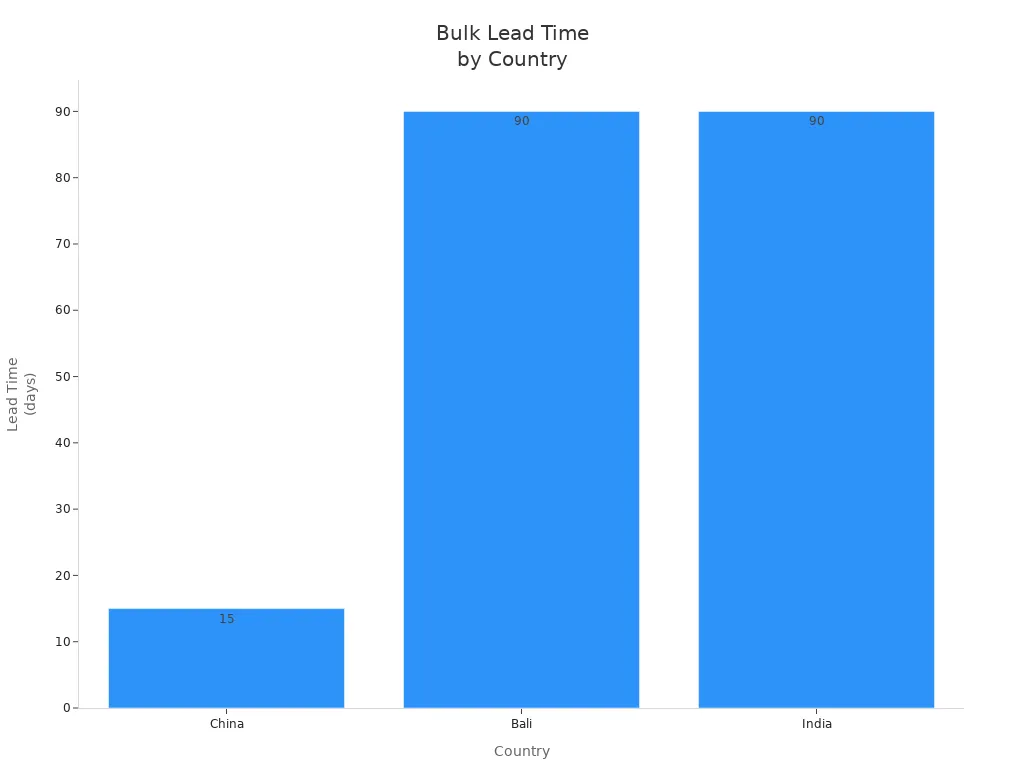
You can make knitwear faster by picking oem clothing manufacturers who use digital tools. These tools let you see updates right away and spot problems early. On-demand manufacturing lets you order small amounts, follow trends fast, and waste less.
Pro Tip: Use one trusted oem clothing manufacturer for all your work. This makes things simpler and helps you avoid delays from using many manufacturers.
Knitting Techniques
Hand Knitting
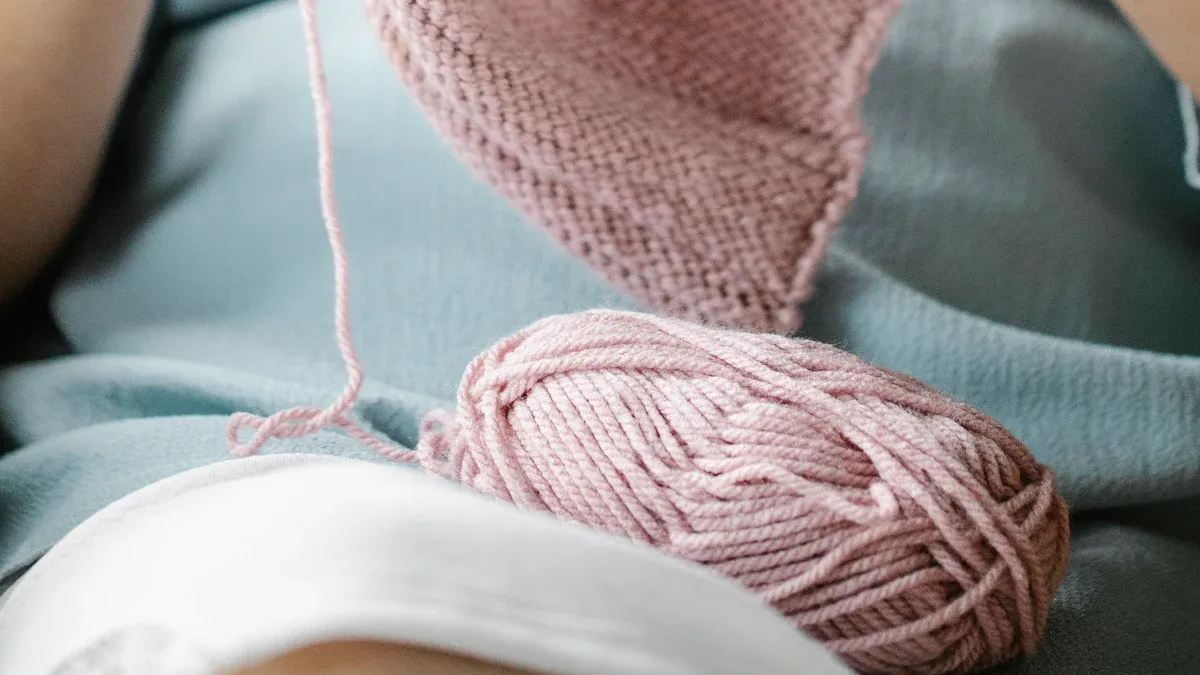
Hand knitting lets you make special knitwear. You can create pieces that are one-of-a-kind. You control each stitch and can add your own style. This method is slow, but the results are personal. Many oem manufacturers use hand knitting for small orders. You can see the knitter’s skill in every piece. If you want a unique look or feel, hand knitting is a good choice.
Hand knitting gives you lots of creative choices.
You can make different patterns and textures.
It is slow, so it works best for small orders.
The quality depends on how skilled the knitter is.
Tip: If you want something custom, ask your oem partner about hand knitting.
Machine Knitting
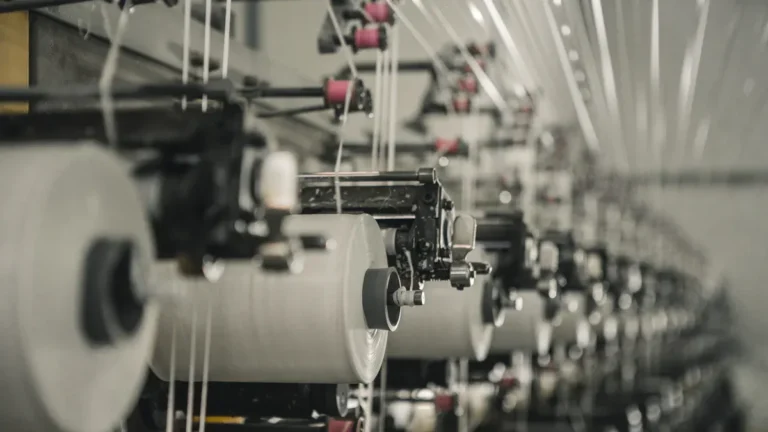
Machine knitting helps you finish things fast. You use machines to make many pieces at once. oem manufacturers use machines for speed and even results. You can make patterns quickly and change styles easily. Machines use different settings to change how thick or thin the knitwear is. You get even stitches and fewer mistakes. oem manufacturers use single-system jacquard machines for small orders. They use multi-system machines for big orders. Whole garment machines make knitwear without seams, which saves work and makes it stronger.
Machinery Type | Best Use Case | Features |
|---|---|---|
Single-System Jacquard | Small batch orders | Precise, intricate patterns |
Dual-System Jacquard | Mid-to-large production | Speed, versatility |
Multi-System Jacquard | High-volume production | Rapid style switching |
Whole Garment Jacquard | Seamless knitwear | Reduces labor, enhances durability |
Digital programming lets oem manufacturers change patterns fast. Multi-yarn machines let you use many yarns without stopping. Sensors help catch mistakes, so your knitwear is high quality.
Machine knitting is quick and saves time.
You get the same quality in every piece.
oem manufacturers can make big orders easily.
Automatic features help keep prices low.
Note: Ask your oem team which knitting method and machine is best for you. This helps you pick what works for your brand.
Material Choices
Yarn Types
When you begin a project with oem clothing manufacturers, you must pick the right yarn. The yarn you choose changes how your knitwear feels and looks. It also affects how well it works. Many oem clothing manufacturers have lots of yarns to pick from. You can choose natural fibers like cotton, merino wool, or cashmere. You can also pick synthetic yarns. Every yarn type has good and bad points for oem clothing manufacturing.
Yarn Type | Applications | Advantages | Disadvantages |
|---|---|---|---|
Polyester Spun Yarn | Apparel, home textiles, industrial textiles | Soft, durable, cost-effective, moisture-wicking | Less eco-friendly, high energy consumption |
Draw Textured Yarn (DTY) | Knitted fabrics, sportswear, upholstery | Excellent elasticity, softness, bulkiness | Higher production costs, less eco-friendly |
Partially Oriented Yarn (POY) | Precursor for DTY and FDY, weaving, knitting | Cost-effective, base material for other yarns | Requires additional processing, high energy use |
Fully Drawn Yarn (FDY) | High-quality fabrics, industrial applications | High strength, smooth texture, excellent dyeability | More expensive than POY, precise manufacturing needed |
Polyester Sewing Thread | Garment manufacturing, footwear, upholstery | Strong, durable, abrasion and chemical resistant | Less biodegradable, can irritate sensitive skin |
You should think about how your yarn choices affect the planet. The yarn you pick changes the whole life of your knitwear. Some yarns use more energy and chemicals when oem clothing manufacturers make them. Eco-friendly ways help lower waste and use safer materials. Many oem clothing manufacturers now follow rules to avoid bad chemicals and cut water pollution.
Tip: Ask your oem partner about yarns that are better for the earth. This helps you make products that help the environment.
Stitch Styles
Stitch style changes how your knitwear looks and works. You have many choices when you work with oem clothing manufacturers. Each stitch style gives your product a special texture and performance.
Stitch Style | Characteristics | Performance |
|---|---|---|
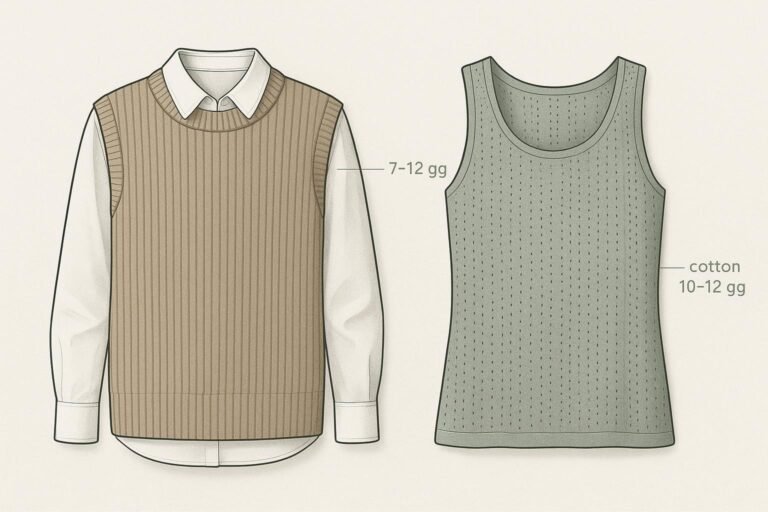
Rib Knit | Enhanced stretch, shape retention, snug fit | Great for form-fitting garments, keeps shape and elasticity |
Jacquard Knit | Intricate patterns, luxurious appearance | Heavier, less flexible, used for high-end textiles |
Rib knit fabrics let air move through and help control moisture. The ribs go up and down and keep you cool. Rib knits last long and keep their shape after many washes.
Jacquard knit fabrics let you add fancy patterns and cool designs. These stitches make your knitwear look special and high-end. Jacquard is often used in luxury products.
You can ask oem clothing manufacturers for other stitch styles like links-links or cable. Each stitch changes how your product feels and looks. Picking the right stitch style helps your knitwear get noticed.
Note: Your choices in yarn and stitch style help decide the quality and earth-friendliness of your knitwear. Good choices help you reach your brand’s goals and make your customers happy.
OEM Collaboration
Sample Development
You begin by showing your ideas to oem clothing manufacturers. The oem team listens to what you want. They look at your technical details. You get advice about materials and styles. They also help you pick knitting methods. This step helps you improve your design. You choose the best options for your brand.
The oem clothing manufacturers make a sample for you. You check if the sample looks good and fits well. You can ask for changes in stitching or size. You may want different materials. The oem team fixes the sample and sends it again. This happens until you like the final sample. You avoid mistakes by talking clearly with the team. You look at fabric swatches and samples before they go to the factory. This way, you keep quality high and stop errors in making knitwear.
Tip: Always get real samples and swatches from oem clothing manufacturers before making lots of products. This helps you find problems early.
Technical Specs
You need clear technical specs for oem clothing manufacturing to work well. Tech packs and CAD files are very important. These papers show every part of your design. Tech packs help you find problems that drawings miss. You save time and money by stopping confusion. Good documents help you work better with oem clothing manufacturers.
Tech packs let you see your design in detail.
You spend less money and work faster.
You talk better with the manufacturers.
You give your tech pack and CAD files to the oem team. The oem clothing manufacturers use these files to make exact samples. You check the samples and make sure they are right. You keep notes about changes and approvals. This way, oem clothing manufacturing meets your needs and gives you great knitwear.
Note: Good technical specs and teamwork with oem manufacturers help you get the best results in knitting and knitwear production.
Avoiding Common Sampling Mistakes
Sampling mistakes can slow your project and cost money. You need to work with oem clothing manufacturers to stop these problems. Here are some common issues and ways to prevent them.
Incomplete or Vague Tech Packs
You must give oem tech packs that are clear and complete. If your tech pack is missing details, oem clothing manufacturers might not get your design. This can cause mistakes in knitting and making your product. A full tech pack helps manufacturers follow your plan. It helps you get samples that look how you want.
Tip: Always add measurements, materials, color codes, and finishing details to your tech pack.
Benefit of Detailed Tech Packs | Description |
|---|---|
Samples look like your design. | |
Quality Control | Manufacturers use tech packs to check each piece. |
On-Time Production | Clear instructions help oem finish on time. |
Miscommunication Between Brand and OEM
Miscommunication can lead to mistakes in knitting and sample approval. You need to talk often with oem and write down every change. If you forget to update your tech pack, manufacturers might use old info. This can slow your project.
Write notes for every change.
Check all updates with oem clothing manufacturers.
Ask for feedback after each sample.
Overlooking Yarn and Material Differences
Yarn and material choices change how your knitwear looks and feels. If you ignore these differences, your samples may not be right. Always ask oem for real swatches before making lots of products. This helps you find problems early.
Common Mistakes | Prevention Strategies |
|---|---|
Not knowing how important sampling is | Make sure you talk clearly with manufacturers about samples. |
Not telling oem about small changes | Always share design edits fast and give an updated tech pack. |
Not ready for shipping | Get all documents and samples ready before shipping. |
Ignoring Fit and Sizing Adjustments
Fit and sizing are important for happy customers. If you skip fit checks, your knitwear may not fit well. Review samples with oem and test sizing on real people. This helps you avoid returns and unhappy buyers.
Note: Always check sample measurements with your tech pack before you say yes to production.
Rushing the Approval Process
If you rush sample approval, you might miss important details. Take time to look at each sample from oem. Give feedback and ask for changes if needed. Keep notes of all approvals and edits. This helps manufacturers follow your instructions and keeps your project moving.
Look at real samples and swatches.
Give time for changes and feedback.
Keep notes of all approvals.
By following these steps, you help oem clothing manufacturers make great knitwear. You avoid mistakes and keep your brand strong.
Case Study: Boutique Cardigan Development
Initial Concept and Brand Vision
You have a clear idea for your boutique cardigan. You want it to show your brand’s style and values. You care about how it looks, feels, and helps the planet. Your goal is to make a cardigan that is different from others.
Description | |
|---|---|
Develop Your Brand Identity | Choose your brand’s look, voice, and what it stands for. |
Design Your Collection | Make a main group of cardigans that are stylish and useful. |
Create Tech Packs for Production | Make detailed tech packs to show oem manufacturers your designs. |
Find the Right Manufacturer | Pick oem manufacturers who care about quality and share your values. |
Market Your Brand | Plan ways to tell people about your cardigan and get them excited. |
Design Collaboration with the OEM Manufacturer
You work with oem manufacturers to turn your ideas into real cardigans. You show them your sketches, mood boards, and tech packs. The oem team looks at your plans and gives advice. You talk about every part, like fit and small details. Working together helps you avoid mistakes and makes sure your cardigan is just right.
Key Factor | Description |
|---|---|
oem manufacturers use their skills to make more cardigans and find eco-friendly materials. | |
Commitment to Sustainability | oem manufacturers offer fabrics that are good for the earth and match your brand’s values. |
Customization Capabilities | oem manufacturers let you pick fabric blends, trims, and packaging to make your cardigan unique. |
Yarn and Material Selection
You pick yarns that match how you want your cardigan to look and feel. oem manufacturers help you choose from cotton, wool, or cashmere. You think about how soft, strong, and easy to care for the yarn is. The right yarn makes your cardigan comfy and last a long time.
Yarn Type | Advantages | Disadvantages |
|---|---|---|
Cotton | Soaks up water, soft, lets air in, easy to dye | No big problems listed |
Linen | Soaks up water, shiny, cool, easy to wash | Not very soft, wrinkles, color fades |
Silk | Soft, smooth, bright, fancy, soaks up water | Not good with light, wrinkles easily |
Wool | Handles moisture, stretches, keeps shape, colorful | Shrinks, bugs can eat it |
Cashmere | Fluffy, soft, soaks up water, feels nice | Gets little balls of fuzz |
Trend Yarn | Tough, does not wrinkle, dries fast | Not soft, does not soak up water well |
Sample Development and Prototyping
You start making samples with oem manufacturers. The steps are simple:
Pick yarn with help from oem.
Make a first version using your tech pack.
Try on the sample and check it with oem.
Change things and make the final sample.
You look at each sample for fit, color, and quality. You give feedback and ask for changes. oem manufacturers use your notes to make the next sample better. This way, your cardigan turns out just how you want.
Approval and Production Launch
You say yes to the final sample after checking it closely. You make sure it matches your idea and tech pack. oem manufacturers then start making many cardigans. They use special knitting machines and check quality at every step. You keep talking with oem to watch how things go and fix problems fast. Your cardigan is ready on time and fits your brand’s promise.
Tip: Always write down every change and approval with oem manufacturers. This keeps things clear and helps your launch go smoothly.
Every step in the oem knitwear process helps you turn your idea into a finished product. You work with oem teams to shape your vision, select materials, and check quality. Expert oem guidance supports you at each stage. See how oem teams help you succeed:
Description | |
|---|---|
Collaboration on Tech Packs | You and oem create clear tech specs for smooth production. |
Material Sourcing | Oem helps you find the best yarns for your design. |
Quality Control | Oem checks every detail to keep your product top-notch. |
Effective Communication | Oem keeps you updated and answers your questions fast. |
You get better results when you trust oem for technical support. Start your sampling with our oem development team and see how expert oem guidance leads to success.
FAQ
What is the minimum order quantity for OEM knitwear?
Most OEM knitwear manufacturers have a minimum order. You usually need to order 100 to 300 pieces for each style. Some factories let you order fewer pieces for samples or special projects.
How long does it take to develop a new knitwear style?
Making a sample takes about 2 to 6 weeks. After you approve the sample, bulk production takes 4 to 8 weeks. The time depends on how hard your design is and how busy the factory is.
Can I use my own yarn or fabric?
Yes, you can bring your own yarn or fabric. Talk to your OEM partner about this early. The manufacturer will check if your materials work with their machines and meet their quality rules.
How do I ensure my design stays confidential?
Ask your OEM partner to sign an NDA.
Keep your design files and tech packs safe.
Pick a manufacturer known for keeping client information private.
What quality checks happen during production?
You get quality checks at every step. The OEM team looks at yarn, knitting, assembly, and finishing. They compare each batch to your approved sample. You can ask for extra checks or audits for more safety.