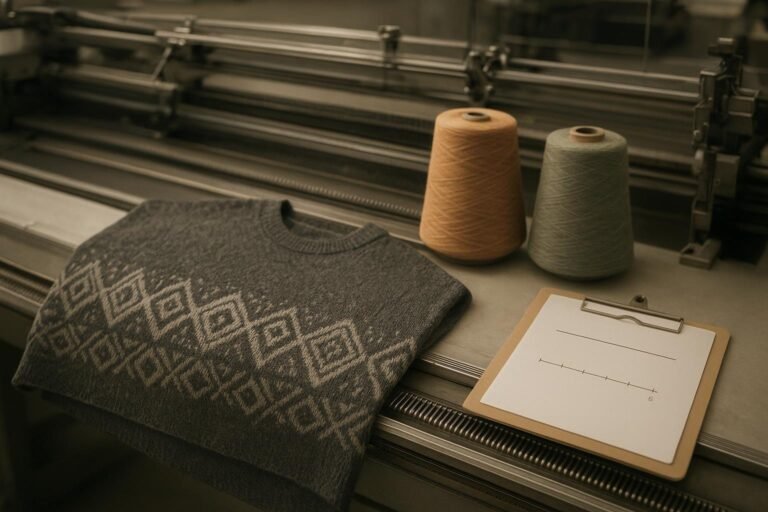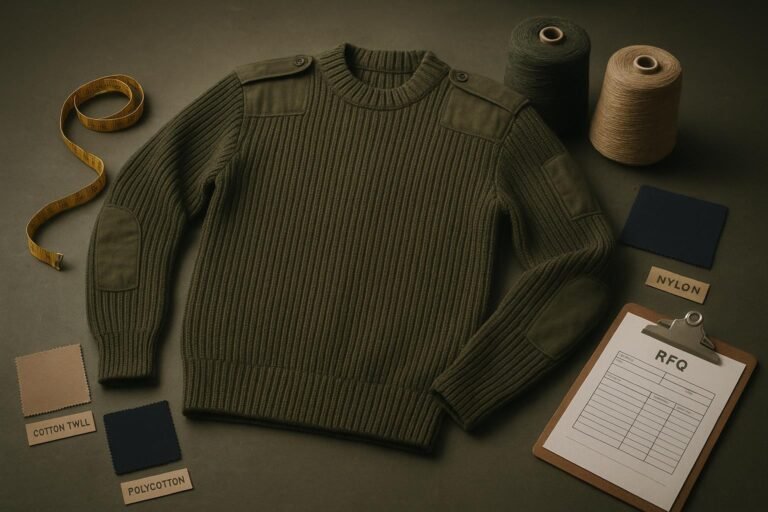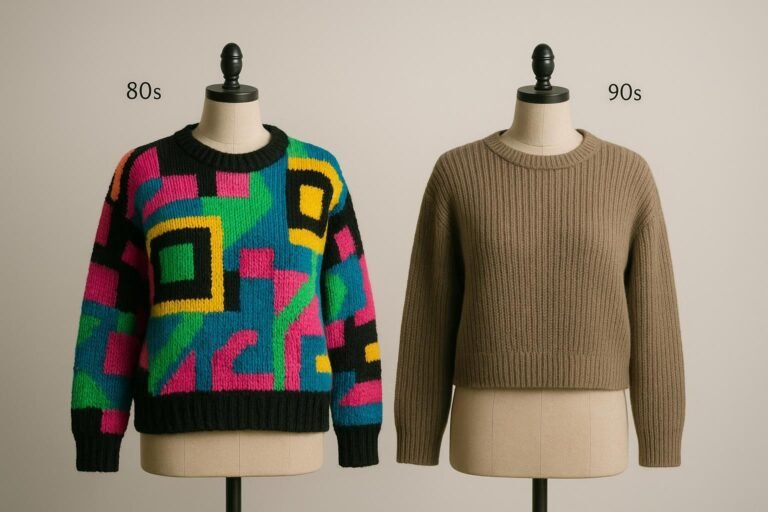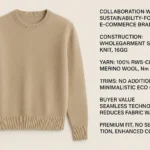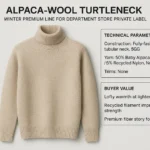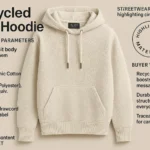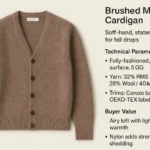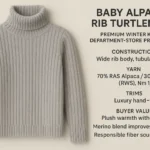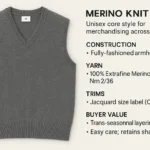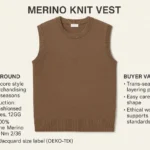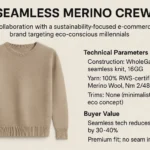

You may wonder about the oversized sweaters manufacturing details and how your favorite oversized sweater is made. Every step in the manufacturing process helps make it comfy and stylish. It all starts with design and planning. Next, workers select the yarn. Then, they knit the sweater. After knitting, they finish the sweater. Quality control checks for mistakes to ensure high standards. Finally, the sweater gets packaged. Here are the usual steps for making oversized sweaters:
Step Number | Description of Step |
|---|---|
1 | Design and Planning |
2 | Yarn Selection |
3 | Knitting |
4 | Finishing |
5 | Quality Control |
6 | Packaging |
Key Takeaways
Making oversized sweaters has many steps. These steps are design, yarn picking, knitting, finishing, checking quality, and packing. Picking the best materials, like wool or cotton, changes how comfy the sweater is. It also changes how it affects the planet. Knitting can use machines to go faster. It can also be done by hand for special details. Both ways have good points. Checking quality is very important at every step. This makes sure the sweater is good and lasts a long time. Digital tools and computer machines help make patterns and cut fabric better. They make the work faster and more exact. Using eco-friendly packaging helps cut down on trash. It also makes people who care about the earth happy. Fast and safe shipping is needed for happy customers. It also helps the business grow. Knowing how sweaters are made helps people value the hard work behind them.
Oversized Sweaters Manufacturing Details
When you look at how oversized sweaters are made, you start with the raw materials. The quality of these materials affects how soft, strong, and nice your sweater will be. You can pick natural fibers like wool and cotton or synthetic ones like acrylic and polyester. Each type has its own good points and problems.
Raw Material Selection
Wool and Cotton Sourcing
Wool and cotton are often used to make oversized sweaters. Wool comes from sheep, including merino sheep, which give soft and strong fibers. Merino wool feels nice on your skin and keeps you warm. Cotton is light and lets air through, so it is good for sweaters in hot places.
Wool is a natural fiber that breaks down in nature without hurting the earth. Sheep grazing for wool can help the land grow better. Cotton needs a lot of water and chemicals. It grows on 3% of the world’s farms but uses 24% of insecticides and 11% of pesticides.
Here is a quick look at how these materials affect the environment:
Material | Environmental Impact |
|---|---|
Wool | Can help the land through good grazing. |
Cotton | Uses lots of water and chemicals, including many pesticides and insecticides. |
You can see that wool, especially merino, is a greener choice for making oversized sweaters.
Synthetic Fiber Options
Synthetic fibers are also important in making oversized sweaters. Acrylic, polyester, and nylon are used a lot. These fibers cost less and bugs do not eat them. Acrylic yarn is soft and easy to wash, but it does not let air through as well as wool. Polyester and nylon make your sweater stronger and stretchier.
Let’s look at the market share of materials used in oversized sweaters:
Material Type | Specific Materials |
|---|---|
Natural | Wool (Cashmere, Sheep Wool, Merino) |
Cotton | |
Others (Bamboo, Silk, etc.) | |
Synthetic | Polyester |
Acrylic | |
Nylon | |
Others (Spandex, etc.) | |
Blended | Various combinations of the above |
Cotton makes up 45% of oversized sweaters. Synthetic fibers make up 38%.
Fiber Type | Percentage |
|---|---|
Cotton (Natural) | 45% |
Synthetic | 38% |
Yarn Production
After picking the materials, you move to making yarn. This step turns raw wool, merino, or cotton into yarn for knitting.
Shearing and Cleaning
First, workers shear sheep to get wool, including merino wool. The wool is cleaned to take out dirt and grease. Clean wool feels soft and looks bright, which helps make a better sweater.
Spinning and Dyeing
Next, the wool or cotton is spun into yarn. Spinning twists the fibers together to make them strong and smooth. Sometimes, merino wool is mixed with other fibers for special looks.
Dyeing adds color to the yarn. Top-dyed yarn gets colored early, so the color goes deep into each strand. This makes bright colors that last through many washes and sunlight. Top-dyed yarn also keeps its color even, so your oversized sweater looks good for a long time.
Here are the main steps in making yarn for oversized sweaters:
Confirm order
Order bulk yarns
Inspect and store yarns
Fix and grade pattern sizes for production
Knit the sweater
Over-lock seams
Link pieces together
Hand stitch details
Wash and dry the garment
Iron for shape
Add labels
Inspect for quality
Mend any flaws
Package the finished sweater
Wool fibers, especially merino, stay strong and keep their shape. Acrylic yarn is soft and cheap, but it can pill and lose shape faster. Wool soaks up water but does not feel wet, while acrylic does not let air through as well.
You see that wool lets air through and keeps you warm. Merino wool feels nice and helps control temperature. Acrylic is easier to wash and costs less, but it does not last as long as wool. Wool sweaters look good longer if you take care of them.
Sweater Manufacturing Process: Knitting
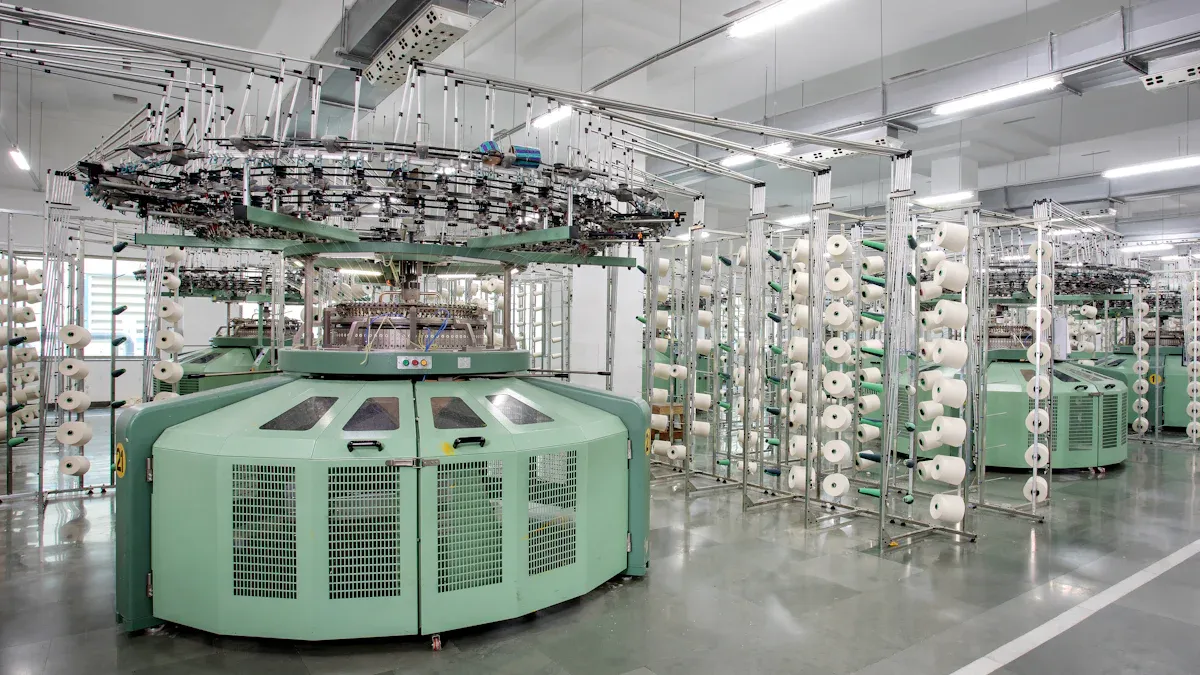
Knitting is the main part of making sweaters. This step gives the oversized sweater its shape and soft feel. You start with yarn and use knitting to make fabric. Knitting can be done by machines or by hand. Each way has good and bad points.
Knitting Techniques
You can pick machine knitting or hand knitting. Both ways turn yarn into the fabric for your sweater.
Machine Knitting
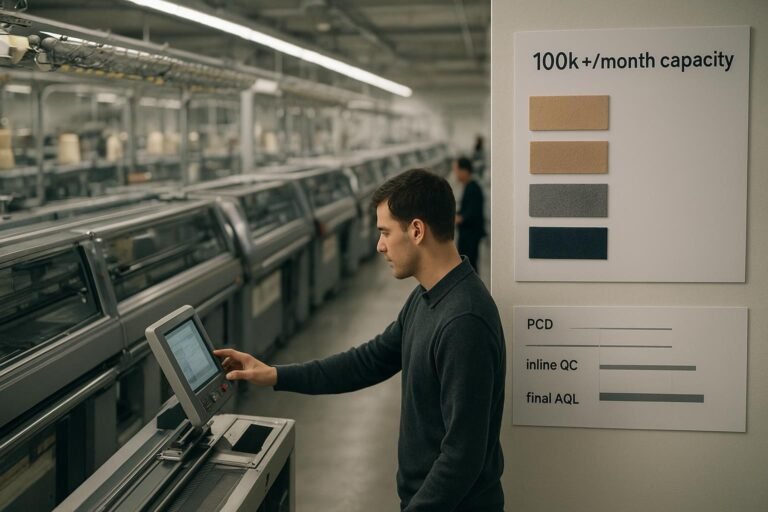
Machine knitting uses special machines to work fast. These machines are found in big factories. They can make a sweater in about two hours. This helps companies make many sweaters quickly. Machine knitting also saves money when making lots of sweaters. You must buy the machines first, but you save money later.
Here is a table that shows how machine knitting and hand knitting are different:
Method | Production Speed | Cost Considerations |
|---|---|---|
Machine Knitting | ~2 hours | Cheaper for big orders because it is fast. You pay a lot for machines at first. |
Hand Knitting | Much longer | Takes more time and work. Cheaper at first, but costs more for labor later. |
Hand Knitting
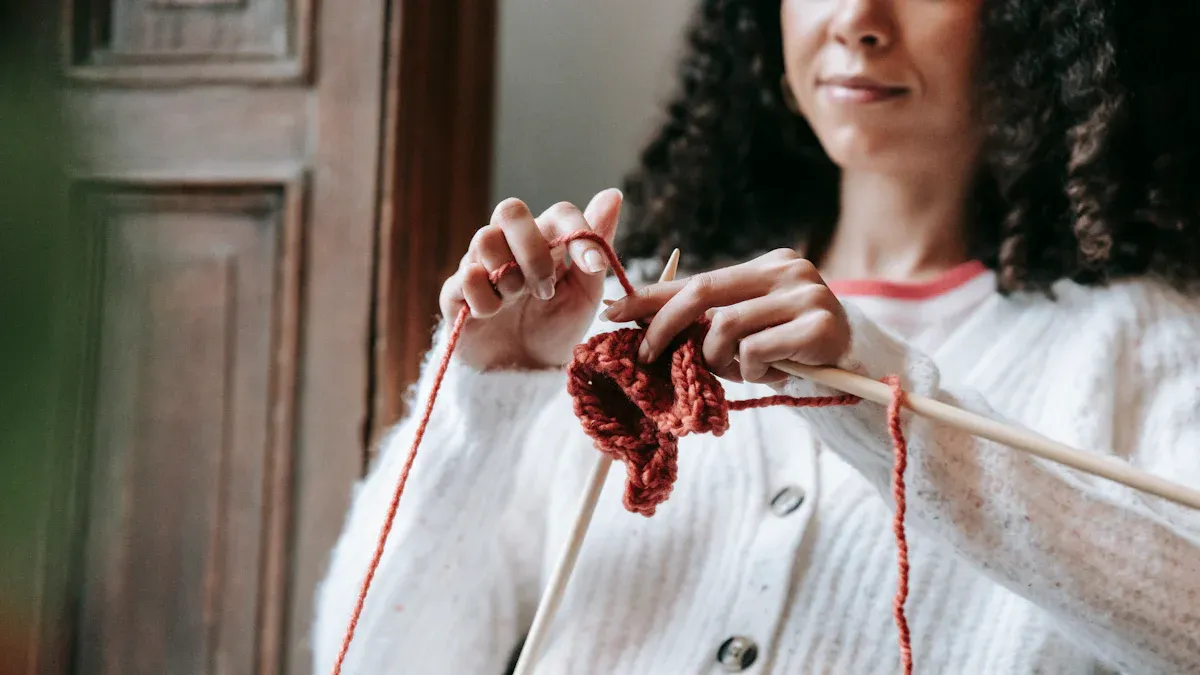
Hand knitting uses needles and yarn. You make each stitch by hand. This way takes much longer than machine knitting. It can take days or weeks to finish one sweater. Hand knitting lets you add special touches. You do not need machines, but you spend more time. Hand knitting is good for custom sweaters or small batches.
Creating Knit Fabric Sheets
After picking your knitting way, you make big sheets of knit fabric. These sheets are the main parts of the sweater. You use yarn to make these sheets. Computer-guided knitting machines can help make better fabric.
Computer-Guided Knitting
Computer-guided knitting machines help you make sweaters with great care. You put a pattern in the machine, and it follows the design. These machines can make many pieces at once. This makes work faster. You can change styles by changing the computer program. This helps you keep up with new trends and seasons.
Here is a table that shows what computer-guided knitting machines can do:
Feature | Description |
|---|---|
The machine can make many pieces at the same time. This makes work faster. | |
Flexible Style Switching | You can change patterns fast to make new styles. |
High-Precision Knitting | The machine makes even stitches and fewer mistakes. This keeps the quality high. |
You get even stitches and fewer mistakes with these machines. This helps make sweaters that look and feel nice.
Quality Control
Quality control is very important in making sweaters. You want every sweater to be good. During knitting, you check the fabric many times.
You look for spots, bad stitches, or wrong patterns.
You test if the fabric stretches and goes back to shape.
You do not use sweaters that do not pass the checks.
These steps help you make sweaters that last and look nice.
Tip: Always check the fabric for even stitches and strong seams. This helps your sweater stay comfy and last longer.
Knitting shapes how your sweater looks and feels. You need good yarn and careful work. The sweater making process uses these steps to make cozy, stylish sweaters.
Pattern Design and Cutting
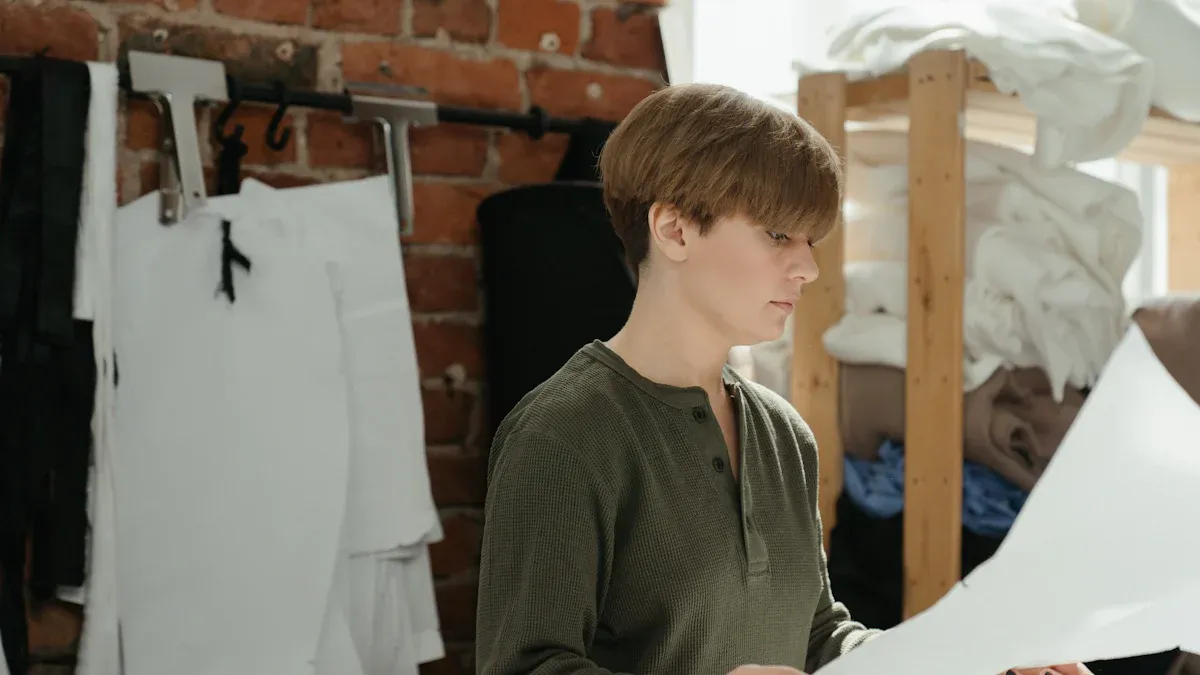
Oversized Fit Patterns
Style and Comfort
When making an oversized sweater, comfort and style matter most. Oversized fit patterns use lots of positive ease. This means the sweater does not stick to your body. The fabric hangs down from the shoulders. This gives a relaxed look. These sweaters feel roomy and soft. Designers sometimes add up to 2 inches of negative ease at the bust. This keeps the sweater comfy but still oversized. This makes it easy to move and keeps the sweater cozy.
The shape can make your body look more straight.
Yarn and how you make the sweater are important for the look.
Tip: For extra cozy sweaters, pick styles with more positive ease and a loose fit.
Digital Pattern Making
Digital pattern making helps make designs faster and more exact. AI-powered tools turn hand-drawn sketches into digital patterns. These tools show the best way to lay out fabric. This helps you use less fabric and waste less. Automated pattern conversion lets you change designs fast. You can make many sweaters or custom ones quickly. This gives you better-fitting sweaters and saves time.
Evidence Type | Description |
|---|---|
AI-Powered Digital Pattern-Making | Changes hand-drawn sketches into digital patterns. |
Predictive Layout Optimization | Shows the best way to cut fabric and waste less. |
Automated Pattern Conversion | Lets you change designs fast for big or small orders. |
Greater accuracy | Makes sweaters fit better. |
Reduced design iteration time | Cuts down the time needed for design changes. |
Scalability and adaptability | Makes it easy to make many sweaters or just a few. |
Cutting Fabric Pieces
Precision Cutting
Cutting fabric for oversized sweaters needs to be exact. Automatic fabric cutting machines use smart software. This makes sure each piece matches the pattern. These machines can cut many layers at once. This makes the work faster and helps you finish on time. Each piece fits together well, so the sweaters are high quality.
Note: Precision cutting keeps the sweater’s shape and style, even when making many at once.
Pattern Adjustments
You often change patterns to make new sweater styles. You can add or take away stitches to change the size. You might make the body or sleeves longer or shorter. Moving the waist helps the sweater fit better. You can change the gauge to make it bigger or smaller. Some people pick a size by measuring their bust. You can change the neckline’s height or shape. You can use a new stitch pattern for texture. You can mix sizes in one sweater. You can turn a pullover into a cardigan or the other way around.
Add or take away stitches to change the size.
Make the body or sleeves longer or shorter.
Move the waist for a better fit.
Change the gauge to adjust the size.
Pick a size by bust measurement.
Change the neckline’s height or shape.
Use a new stitch pattern for texture.
Mix sizes in one sweater.
Change a pullover into a cardigan or the other way.
Pattern design and cutting are important steps. These steps help you make sweaters that look good and feel nice.
Production and Assembly
When you get to production, your sweater starts to come together. This part means sewing pieces, making seams stronger, and adding cool details. Each step helps make a strong and good-looking sweater.
Sewing Sweater Pieces
You need to join all the sweater parts. There are different ways to make seams neat and comfy. The most used methods help line up and hold the fabric.
Technique | Description |
|---|---|
Used for side-to-side seaming, creating an invisible seam between two pieces of fabric. | |
Pin Basting | Helps align edges properly before sewing, ensuring accurate assembly of oversized pieces. |
Steam Blocking | Flattens pieces before seaming, making it easier to align edges and achieve a neat finish. |
First, you line up the fabric edges with the right sides facing. Pin basting keeps the edges in place. You use mattress stitch to hide the seams. Steam blocking makes the pieces flat and easy to put together. You weave in all yarn ends before you start. You sew up the sides, beginning at the bottom.
Seaming Methods
Mattress stitch is used for most seams. This way makes a smooth join that does not show outside. Pin basting keeps edges straight. Steam blocking gives you flat pieces that fit well. These ways help make oversized sweaters faster and look better.
Reinforcement Techniques
You want your sweater to last long. Tighter stitching gives more support to the fabric. You focus on spots that get worn out, like underarms and cuffs. Closely knit fabric stops pilling and snagging. You fix weak spots before finishing. These steps help your sweater stay strong and look new.
Tighter stitching makes sweaters last longer.
Repair methods protect places that wear out.
Closely knit fabric stops pilling and snagging.
Adding Details
Details make your oversized sweater special. You pick features that add comfort and style.
Collars and Cuffs
Many sweaters have cuffs that keep you warm and look nice. Slouchy turtlenecks give a relaxed fit and high neck. These features make your sweater cozy and stylish.
Cuff sleeve sweaters keep you warm and comfy.
Slouchy turtlenecks are cozy and look polished.
Embellishments
You can add decorations to make your sweater stand out. Appliqué and patches show off brands and make cool styles. Fancy buttons and beads turn a plain sweater into a fancy one. These details make your sweater more popular and wanted by buyers.
Appliqué and patches make cool styles.
Buttons and beads make sweaters look fancy.
Every step in making and putting together your sweater matters. Careful sewing, strong seams, and smart details help your sweater last and look great.
Finishing and Quality Checks
When you finish assembling your oversized sweater, you need to make sure it looks and feels its best. The final steps in the process focus on cleaning, shaping, and checking every detail. These steps help you deliver a sweater with high quality and comfort.
Washing and Blocking
Cleaning Processes
You start by cleaning the sweater pieces. This step removes any dust, oils, or loose fibers from earlier stages. You want the sweater to feel soft and fresh. Follow these steps to clean and prepare your sweater for blocking:
Soak each knitted piece in lukewarm water for at least 20 minutes. You can add a no-rinse fiber wash to help clean the fibers.
Lift the pieces out gently. Let the water drain away. Press the pieces between towels to remove extra moisture. Do not twist or wring the fabric.
Lay the damp pieces on a blocking mat. Use the measurements from before soaking to shape each piece evenly. Pin them in place so they keep their shape.
Wait for the pieces to dry completely. Make sure they lay flat and any patterns look clear.
Tip: Always let the sweater dry naturally. Rushing the drying step can change the shape and lower the quality.
Shaping Sweaters
Blocking helps you shape the sweater so it fits well and looks neat. You use pins and mats to stretch the fabric gently. This step sets the final size and smooths out any wrinkles. You check the edges and seams to make sure everything lines up. Proper blocking gives your sweater a clean look and helps it keep its shape after drying.
Final Inspection
After washing and drying, you move to the quality inspection stage. You want every sweater to meet high standards before shipping.
Sizing Consistency
You measure each sweater to check if it matches the size chart. You look at the length, width, and sleeve size. You compare these numbers to the pattern. This step helps you catch any mistakes early.
Key Aspect | Description |
|---|---|
Measurements and Fit | Garments are measured to ensure they align with size specifications and checked for overall fit. |
Quality Assurance | Catches defects missed in earlier stages, ensuring high-quality products are shipped. |
Flaw Detection
You look for problems that could lower the quality. You check the stitching for evenness. You make sure the color matches across all parts. You test buttons, zippers, and trims to see if they work well. You want every detail to be strong and neat.
They look for consistent stitching and proper color matching.
Fasteners and trims are tested for durability.
Note: Careful quality inspection helps you avoid returns and keeps customers happy.
You finish the process by making sure every sweater passes the final checks. High quality means your sweater will last longer and look better. Drying, blocking, and inspection all work together to give you a product you can trust.
Packing and Shipping
When your oversized sweater is finished, you need to pack it. Packing keeps the sweater safe until it gets to the customer. You can pick from many packaging and shipping choices. Each choice changes how the sweater looks, how safe it is, and how it affects the earth.
Packaging Methods
You want your sweater to look great when it arrives. Good packaging keeps it safe and makes people happy. Here are some ways people pack clothes:
Cardboard boxes are strong and good for big sweaters.
Custom poly mailers fit small clothes and keep them dry.
Kraft paper bags are tough, can be recycled, and work well in stores.
Cardboard inserts stop sweaters from getting creased or bent.
Folding cartons are easy to use and fit small clothes.
Padded envelopes protect sweaters that are easy to damage.
Pouches show off clothing accessories.
Fabric bags look fancy, can be recycled, and are used for luxury sweaters.
Eco-friendly packaging is popular with brands that care about the earth.
Eco-Friendly Options
Eco-friendly packaging helps the earth and your brand. Using recyclable or compostable materials makes less trash and lowers pollution. This helps the earth’s resources get reused. Customers like brands that care about nature. You help the planet and make people trust your brand.
Eco-friendly packaging makes less trash, lowers pollution, helps reuse resources, and builds trust with customers.
Branding
Packaging does more than protect your sweater. You can use it to show your brand. Put your logo, colors, or a message on the box or bag. Custom packaging makes your sweater special and gives buyers a good feeling. When people see your brand, they remember you.
Distribution
After packing, you need to send the sweater to the buyer. You can use different ways to reach more people.
Distribution Channel | Description |
|---|---|
Online | |
Offline | Regular stores still matter for selling. |
Specialty Stores | Special shops sell unique styles to certain people. |
Retail and Direct Shipping
You can sell sweaters in stores or ship them straight to buyers. Online sales let you reach people everywhere. Regular stores let people touch and see the sweater before buying. Specialty stores sell special styles to shoppers who want something different.
Logistics
Logistics means moving the sweater from the factory to the buyer. Fast and safe shipping is important. Customers want their sweater quickly. Good shipping keeps buyers happy and makes your business work well. If you ship on time, people trust you and come back.
Fast and safe shipping helps keep customers happy and helps your business grow.
Packing and shipping are the last steps before your sweater gets to its new owner. Picking the best packaging and shipping keeps your sweater safe, helps the earth, and makes customers happy.
You need to follow each step to make a good sweater. Each part is important, from getting the yarn ready to checking for mistakes. The table below shows how every stage helps make the final sweater:
Stage | Contribution to Quality |
|---|---|
Yarn Preparation | Makes sure yarn has the right color and quality. This helps the sweater stay strong and look nice. |
Knitting | Changes how the sweater fits and looks. Good knitting keeps stitches clear and the sweater strong. |
Linking | Needs skill to join pieces well. Bad linking can mess up the sweater even if the knitting is perfect. |
Washing | Makes the sweater soft and keeps its shape. Washing also stops shrinking. |
Quality Control | Checks for problems at every step before packing. This makes sure the sweater is good. |
You notice new styles like unisex sweaters and eco-friendly materials. These trends change how sweaters are made. Careful work and new machines help you make sweaters that last and feel nice.
FAQ
How do you choose the best yarn for oversized sweaters?
You look for yarn that feels soft and stays strong. Wool and cotton work well for warmth and breathability. Synthetic yarns offer easy care. Always check the yarn label for thickness and fiber content.
What makes oversized sweaters different from regular sweaters?
Oversized sweaters use patterns with extra room. You get a relaxed fit and more comfort. Designers add positive ease, so the sweater hangs loosely instead of fitting close to your body.
Can you wash oversized sweaters in a machine?
You can wash some oversized sweaters in a machine. Always read the care label first. Use cold water and gentle cycles. Lay the sweater flat to dry. This helps keep its shape and softness.
Why do some sweaters pill or lose shape quickly?
Sweaters pill when fibers rub together. Acrylic yarn pills more than wool. Loose stitches can stretch out. You keep sweaters looking new by washing them gently and storing them flat.
What is the production recipe for making an oversized sweater?
You start with yarn selection, then knit the fabric, cut the pieces, sew them together, and finish with washing and inspection. Each step in the production recipe helps you create a high-quality sweater.
How does the process of blocking improve sweater quality?
Blocking shapes the sweater and smooths out wrinkles. You soak the pieces, pin them to size, and let them dry flat. This process helps the sweater keep its fit and look neat.
Are eco-friendly materials used in oversized sweaters?
You find brands using recycled fibers, organic cotton, and sustainable wool. Eco-friendly materials help reduce waste and pollution. Look for labels that mention green practices or certifications.
Can you customize the fit of an oversized sweater?
You can adjust the pattern, change sleeve length, or pick a different neckline. Many brands offer custom sizing. You get a sweater that fits your style and comfort needs.