
You might wonder why pockets in fashion and garment design matter so much. Pockets do more than hold your keys or phone. Each pocket can add style or change how you use your clothes. Some pockets help you carry important items. Others make your outfit look unique. Many designers now use new materials and technology to create pocket designs that help protect the planet. Pockets shape the way you experience fashion.
Key Takeaways
Pockets are important in fashion. They give style and are useful. Pockets help you carry things like phones and keys.
Different pocket types have special uses. Patch pockets are easy to see and look nice. Inseam pockets are hidden and make clothes look neat.
Picking the right pocket can make clothes more comfy. It also makes them more useful. Think about what you need when you pick clothes with pockets.
New materials and smart designs change how pockets are made. Eco-friendly choices are better for the earth.
Pockets can show your personal style. Some pockets are for looks, and some are for use. They help you show who you are.
History of Pockets in Fashion

Early Origins
You can trace the idea of the pocket back thousands of years. When you look at the story of Ötzi, a mummy from 5,300 years ago, you see that he carried a pouch attached to his belt. This pouch worked much like a pocket, letting him keep important items close. Artists also captured early pockets in their work.
A painting from around 1550 by Giovanni Battista Moroni shows a neatly lined pocket in the hose of Count Alborghetti’s son.
This painting gives you one of the first artistic views of pockets in clothing.
Evolution in Men’s and Women’s Clothing
As you move through history, you notice that pocket design changed a lot for men and women. By the late 1600s, men’s clothing often had pockets sewn right into coats and trousers. You could use these pockets for coins, watches, or small tools. Women, on the other hand, used separate pouches tied around their waists. These pouches stayed hidden under skirts. In the 1840s, some women’s dresses started to include a pocket, but usually only one. By the mid-1870s, small pockets appeared in bodices. When women began working more during World War I, designers started to add more pockets to women’s clothing. You can see how the pocket became a symbol of changing roles and needs.
Social and Style Impact
You might wonder why some clothes have many pockets and others have none. Social rules and style trends shape these choices. Designers often leave pockets out of women’s clothing to keep a smooth look or to save money. Many people expect women’s clothes to look stylish, not practical. This pressure means you sometimes find yourself without a pocket when you need one.
When you choose your clothes, you see how pockets reflect both your needs and the world’s ideas about style and gender.
Main Types of Pockets

You see many types of pockets in modern clothing. Each pocket style has a special purpose and look. Some pockets help you carry things. Others make your clothes stand out. You can find the main types of pockets in almost every wardrobe. The table below shows the most commonly used pocket types and their features:
Pocket Type | Description |
|---|---|
Patch Pocket | Sewn onto the outside of a garment. Comes in many shapes like square or rectangle. |
Inseam Pocket | Hidden in the seam of the garment. Hard to see from the outside. |
Inset Pocket | Set into the garment, often with a neat edge or welt. |
Flap Pocket | Has a flap that covers the opening. Often used in formal wear. |
Cargo Pocket | Large, expandable pocket with pleats or folds. Used for extra storage. |
Kangaroo Pocket | Large pocket across the front of a hoodie or sweatshirt. |
Bellows Pocket | Expands with a central pleat. Used in outdoor and utility clothing. |
Zippered Pockets | Closed with a zipper. Keeps items secure. |
Coin Pocket | Small patch pocket, often found in jeans. |
Utility Pocket | Patch pocket with extra compartments. Used in work or military clothing. |
Patch Pockets
You notice patch pockets on many shirts, jackets, and pants. A patch pocket sits on the outside of the garment. You can spot it easily because it looks like a patch sewn onto the fabric. Designers use patch pockets in both casual and workwear. You often see them on denim jackets, cargo pants, and children’s clothing. Some patch pockets have a square shape. Others look round or even have pointed corners. You can use a patch pocket to carry small items or just to add style to your outfit.
Tip: Patch pockets make it easy for you to reach your things. They also let designers play with color and fabric for a bold look.
You find patch pockets in many professions. For example, chefs and artists use patch pockets to hold tools. Patch pockets also appear on uniforms and outdoor gear. You can see how this pocket style mixes function and fashion.
Pocket Type | Construction Description | Visibility |
|---|---|---|
Patch Pocket | Sewn onto the exterior of a garment. | More visible |
Inseam and Hidden Pockets
Inseam pockets stay hidden in the seams of pants, skirts, or dresses. You might not notice them at first glance. These pockets give you a clean look while still letting you carry small items. You often find inseam pockets in dresses and trousers. Hidden pockets work in a similar way. They keep your valuables safe and out of sight.
Pocket Type | Construction Description | Visibility |
|---|---|---|
Inseam Pocket | Integrated into the seams of the garment. | Less visible |
You can use inseam pockets when you want a smooth, simple look. Designers choose inseam pockets for formal wear and evening dresses. You get the storage you need without changing the shape of your clothes.
Inset, Welt, and Bound Pockets
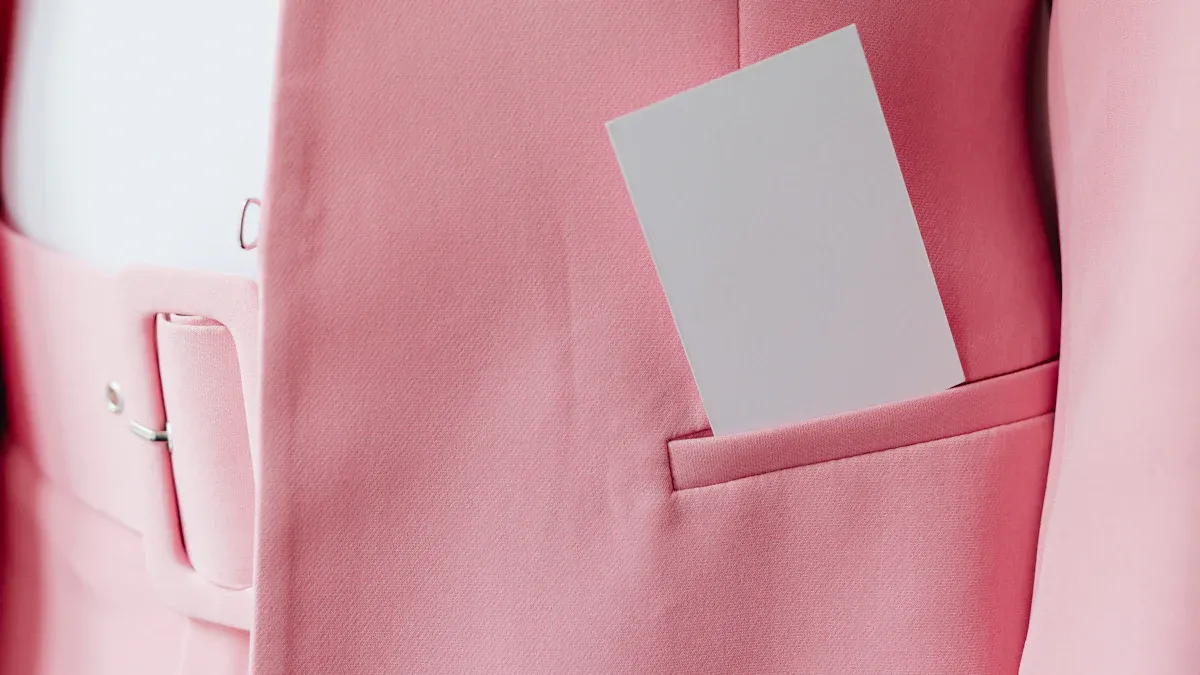
Inset pockets, also called welt or besom pockets, sit inside the garment with only a neat edge or welt showing. You see inset pockets on blazers, suit jackets, and dress pants. This pocket style gives a sharp, clean finish. A welt pocket uses a strip of fabric to cover the opening. A bound pocket has edges finished with fabric for extra strength.
You find inset pockets in formal and business clothing. They keep your look tidy and professional. You can use them for small items like tickets or cards. Inset pockets do not add bulk, so your clothes keep their shape.
Note: Inset pockets often appear on the chest of jackets or at the hip of trousers. They show off careful sewing and attention to detail.
Flap, Slash, and French Pockets
A flap pocket has a piece of fabric that covers the opening. You see flap pockets on coats, blazers, and uniforms. This pocket style keeps your items safe and adds a formal touch. You can tuck the flap inside for a different look.
Slash pockets angle into the garment from the side. You find them on trousers and coats. They let you slide your hand in easily. French pockets are a type of slash pocket with a neat, tailored finish. You see them in dress pants and tailored skirts.
You use flap pockets when you want both style and security. Slash and French pockets give you quick access and a smooth look.
Cargo, Kangaroo, and Bellows Pockets
Cargo pockets stand out for their size and shape. You see cargo pockets on cargo pants, shorts, and jackets. A cargo pocket uses pleats or folds to expand, giving you lots of space for tools or gear. You find cargo pockets in outdoor, military, and work clothing. People who need to carry many items choose cargo pockets for their practicality.
Kangaroo pockets stretch across the front of hoodies and sweatshirts. You can warm your hands or store your phone in a kangaroo pocket. This pocket style feels cozy and casual. You often see kangaroo pockets in sportswear and children’s clothes.
Bellows pockets have a pleat in the center. This lets the pocket expand when you fill it. You find bellows pockets on hunting jackets and safari shirts. They give you extra room without making the garment bulky.
Bellows pocket: Used in hunting jackets and sportswear.
Callout: Cargo pockets, kangaroo pockets, and bellows pockets help you carry more. They also give your clothes a rugged, practical look.
Specialized and Decorative Pockets
Some pockets serve a special purpose or add decoration. A coin pocket is a small patch pocket in jeans. Utility pockets have extra compartments for tools or gadgets. Zippered pockets keep your valuables safe. You find zippered pockets in sportswear, jackets, and travel gear.
Decorative pockets do not always hold items. They make your clothes look interesting. Designers use decorative pockets to add contrast, shape, or detail. In high fashion, these pockets can become the main feature of a garment. You might see them made from shiny fabric or with special stitching. Decorative pockets show off the latest trends and creative ideas.
Decorative pockets catch your eye. They turn a simple jacket or dress into something special.
You can see that the different types of pockets each have a role. Some pockets help you carry things. Others make your clothes look unique. When you choose pocket styles, you shape both the function and the fashion of your wardrobe.
Roles of Pockets in Fashion and Garment Design
Function and Storage
Pockets do more than just look nice on clothes. They help you carry things you need every day. You can put your phone, keys, or wallet in them. This lets you move around easily and stay neat. Many people think pockets mean freedom and choice, especially for women. Good pockets keep your things safe, even in busy places. If you like to carry less, pockets help you skip big bags. Different pockets, like utility or inseam pockets, help you stay ready and comfy.
Pockets let you keep your hands free.
They make sure your things are safe and close by.
Utility pockets are great for people who are active.
Tip: Picking clothes with useful pockets can make your day easier and help you do things faster.
Decorative and Style Elements
Pockets also make clothes look cool and different. Designers use pockets to make clothes stand out or show new styles. Sometimes, women’s clothes have small or fake pockets because they fit tight. Fashion has often cared more about looks than use, but now more people want pockets that work. Designers put pockets in places that make clothes look better or add fun details. A utility pocket can be the main part of an outfit, mixing style and use. Pockets can change how a jacket or dress looks and help you stand out.
Pockets can follow new styles and show who you are.
Fancy pockets might use bright fabric or cool stitching.
Placement and Personalization
Where a pocket sits on your clothes changes how comfy they feel. Dresses with big side pockets let you carry things and keep your hands free. Hidden pockets in fancy clothes give you help without changing the look. Where pockets go can show you are growing up, like in kids’ clothes. You see new ideas like big utility pockets on cargo pants or secret pockets for safety. Some clothes now have pockets for phones or pockets you can move or take off.
Cargo pants and vests use big pockets for style and storage.
Secret pockets keep your things safe and clothes smooth.
Tech pockets help with modern life.
Removable pockets let you change your clothes.
Decorated pockets help you show your style.
Note: Good pocket spots can make your clothes feel better and show who you are.
Construction and Selection
Sewing Techniques
You can use different sewing techniques to make each pocket strong and stylish. For in-seam pockets, you sew them into the seams, so they almost disappear. Welt pockets have a neat border and often appear in tailored garments. Built-in pockets become part of the garment’s shape and size. Patch pockets are simple patches of fabric stitched to the outside. If you want a more finished look, you can add top-stitching to patch pockets. Pleated patch pockets give you extra space and a unique look. Each method changes how the pocket feels and works.
In-seam pockets: Hidden in seams for a clean look.
Welt pockets: Reinforced edges, common in tailored garments.
Patch pockets: Sewn on the outside, easy to spot.
Pleated patch pockets: Extra room and style.
Tip: Try top-stitching for patch pockets if you want a professional finish.
Choosing Pocket Types
When you pick a pocket for your clothes, think about who will wear it and what they need. Some pockets hold things, while others just look nice. The size and spot of a pocket can make it easy or hard to use. Younger people might like fun shapes, but adults may want something simple. Boys and girls sometimes like different pocket styles. The shape of the person wearing the garment can also change which pocket looks best. Your own style and personality matter too.
Factor | Description |
|---|---|
Purpose of the pocket | Is it for use or just for decoration? |
Size and placement | Does it fit what you want to carry? |
Style | Does it match the look you want? |
Age of the wearer | Kids may like playful pockets. |
Sex of the wearer | Some styles fit boys or girls better. |
Shape of the wearer | Pick pockets that flatter your body. |
Personality of the wearer | Show your own style with your pocket choice. |
Impact on Garment Fit and Use
The pocket you choose can change how your clothes fit and look. A jetted pocket gives you a smooth, sharp look, perfect for tailored garments. Patch pockets make clothes look more relaxed and casual. Flap pockets add a touch of class and still work well. Slanted pockets give a modern feel and make it easy to reach inside. The right pocket can help your clothes fit better and match your style. When you pick pockets, you shape both the use and the look of your fashion.
Note: The right pocket can turn simple clothes into something special and useful.
Sustainability and Technology
Eco-Friendly Materials
You can help the earth by picking eco-friendly materials for pockets. Many brands use materials that are good for the environment. These choices support sustainability. Some popular options are eucalyptus bio-film and glassine paper. Eucalyptus bio-film blocks oxygen and moisture. Glassine paper stops grease and moisture. These materials work well in eco-friendly clothes and dresses.
Eucalyptus bio-film keeps things dry and fresh.
Glassine paper gives a smooth and shiny look.
You also see new materials like compostable laminate, reLaminate, and BioLaminate. These use layers of natural or recycled stuff to make strong, eco-friendly pockets.
Material Type | Description |
|---|---|
Compostable Laminate | Kraft paper and compostable sealant make strong layers. |
reLaminate | A green choice for many pocket uses. |
BioLaminate | Made from bio-based stuff for eco-friendly packaging. |
Tip: Picking eco-friendly pockets helps you protect the environment.
Technological Innovations
Technology changes how pockets are made and designed. Pattern-making software and 3D modeling help you make perfect pocket shapes. You can test pocket ideas on computers before sewing. This saves fabric and time. New machines use lasers to cut pocket pieces exactly. Some machines fold pocket edges without ironing. You can program custom pocket shapes with XY coordinates.
Feature | Benefit |
|---|---|
Makes designs more accurate | |
Exact measurements down to the millimeter | Helps with precise production |
Consistent grading across all sizes | Keeps sizes even |
Precise fabric consumption calculations | Cuts down on wasted material |
Faster design iterations | Speeds up making new designs |
You also see pockets with smart features like wireless charging or removable styles. These new ideas make pockets more useful and cool in fashion today.
Reducing Waste in Pocket Design
You can help cut waste by using smart pocket design. Zero-waste pattern cutting uses all the fabric. Upcycling turns old clothes into new pockets. Many designers use organic cotton and recycled polyester for eco-friendly pockets. These steps lower textile waste in making clothes.
Zero-waste pocket design uses every bit of fabric.
Upcycling gives old materials a new purpose.
Eco-friendly materials help stop pollution.
Note: Every pocket you make with sustainability in mind helps keep the earth safe for the future.
Pockets change how your clothes look and work. You can pick from many pocket styles to fit your needs. Brands now put useful pockets in dresses and pants. Some pockets work for everyone and focus on being helpful. Multi-functional pockets let you use your clothes in more ways. When you shop, pick pocket types that fit your life:
Pocket Type | Description |
|---|---|
Flat Patch Pocket | Good for daily use and very simple |
3D Patch Pocket | Grows bigger to hold more stuff |
Hidden Pocket | Keeps your important things safe |
Accordion Pocket | Holds big things but does not look bulky |
You help the earth by choosing pockets made with green materials. RFID pocket tags help with recycling and using old things again. Pockets can stand out and make your outfit special. Pick pocket spots that feel good and show your style. You help by picking strong pockets that last and support slow fashion.
FAQ
What is the difference between a patch pocket and a welt pocket?
You see a patch pocket sewn on the outside of your clothes. A welt pocket sits inside the fabric with only a narrow edge showing. Each pocket gives your clothes a different look and use.
Why do some clothes have fake pockets?
Designers sometimes add fake pockets to keep the shape of your clothes smooth. You may notice these in tight pants or jackets. Fake pockets can look stylish, but you cannot use them for storage.
How do you choose the right pocket for your needs?
You should think about what you want to carry. If you need space, pick a cargo pocket or a kangaroo pocket. For a clean look, choose an inseam pocket. Your choice changes how your pockets work and look.
Are pockets important in modern fashion?
Yes! Pockets help you carry things and show your style. Many people want more pockets in their clothes. You see pockets in almost every part of fashion today. A good pocket can make your outfit both useful and cool.