
Comparing Comfort, Durability, and More
Explore the key differences between polyester and cotton hoodies.
Features | Polyester Hoodie | Cotton Hoodie |
|---|---|---|
Material Feel | Smooth and sometimes slippery. | Soft and natural feel. |
Warmth | Traps heat, good for cold. | Breathable, ideal for warmth. |
Durability | More durable, withstands washes. | High-maintenance, can be durable. |
Environmental Impact | Non-biodegradable, high fossil fuel use. | Biodegradable, lower environmental footprint. |
Cost | Generally cheaper to produce. | Usually more expensive due to natural fibers. |
Breathability | Limits airflow, can overheat. | Naturally breathable, allows air circulation. |
Shrinkage | Minimal shrinkage after washing. | Can shrink significantly after washing. |
Color Retention | Holds color well after washes. | May fade over time. |
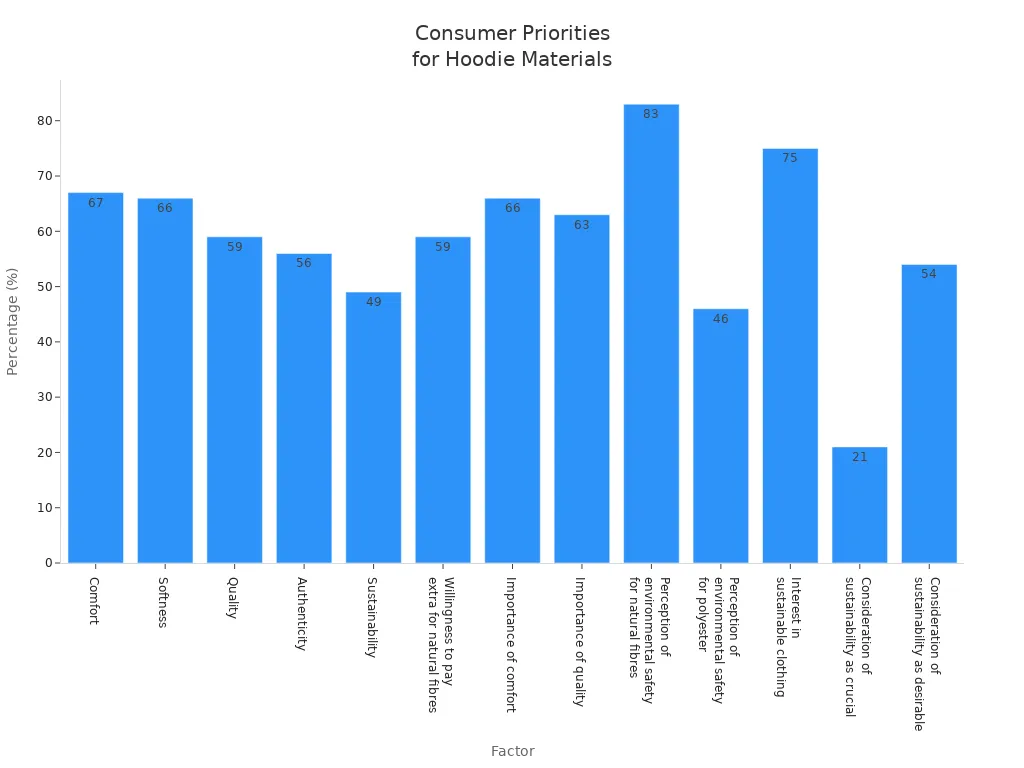
Choosing between a polyester hoodie vs cotton hoodie often comes down to what matters most to you. Most people put comfort, softness, and quality at the top of their list when picking a hoodie. Take a look at this quick table to see what shoppers care about most:
Factor | Percentage (%) |
|---|---|
Comfort | 67 |
Softness | 66 |
Quality | 59 |
Authenticity | 56 |
Sustainability | 49 |
If you want a fast answer, check out the quick comparison below. This guide will help you find the hoodie that fits your needs best.
Key Takeaways
Comfort is very important when picking a hoodie. Cotton feels soft and cozy. Polyester feels smooth and light.
Polyester hoodies are good for cold days because they keep heat in. Cotton hoodies are better for warm days because they let air in.
Durability is important too. Polyester hoodies last longer and do not wear out fast. Cotton hoodies need more care to stay nice.
Think about the environment. Cotton breaks down in nature and is better for Earth. Polyester takes a long time to break down.
For sports or being active, polyester is best. It moves sweat away and dries fast. Cotton is good for light activities and daily comfort.
Prices are different. Polyester hoodies usually cost less. Cotton hoodies can cost more but feel more comfortable.
Blended hoodies mix both materials. They give comfort and last long for daily use.
Always read the care label. Washing and drying the right way helps your hoodie last longer, no matter what it is made of.
Polyester Hoodie vs Cotton Hoodie Overview

When you compare a polyester hoodie vs cotton hoodie, you might wonder which is better for you. Both have good things about them. You can tell them apart if you know what to check. Let’s look at the details so you can pick the right one.
Quick Comparison Table
Here is a table that shows the main features of polyester and cotton hoodies:
Feature | Polyester | Cotton |
|---|---|---|
Insulation | Traps heat, good for colder climates | Breathable, ideal for warmer weather |
Comfort | Can be uncomfortable in warm weather | Soft, gentle on skin, hypoallergenic |
Durability | Generally more durable and cheaper | High-maintenance but can be durable with treatments |
Environmental Impact | Non-biodegradable, high fossil fuel dependency | Biodegradable, lower environmental footprint |
You can see that polyester and cotton are different. Polyester keeps you warm and is tough. Cotton feels soft and lets your skin breathe.
Key Differences
Let’s look closer at what makes polyester and cotton hoodies different:
Material Feel: Polyester feels smooth and sometimes slippery. Cotton feels soft and natural. If you want a cozy feel, you may like a cotton hoodie.
Warmth and Breathability: Polyester holds in heat, so it is good for cold days. Cotton lets air move, so it helps you stay cool.
Durability: Polyester lasts longer for most people. It can go through more washes before it looks old. Cotton can last too, but you need to take care of it. Look at this chart to see how many washes each can handle:
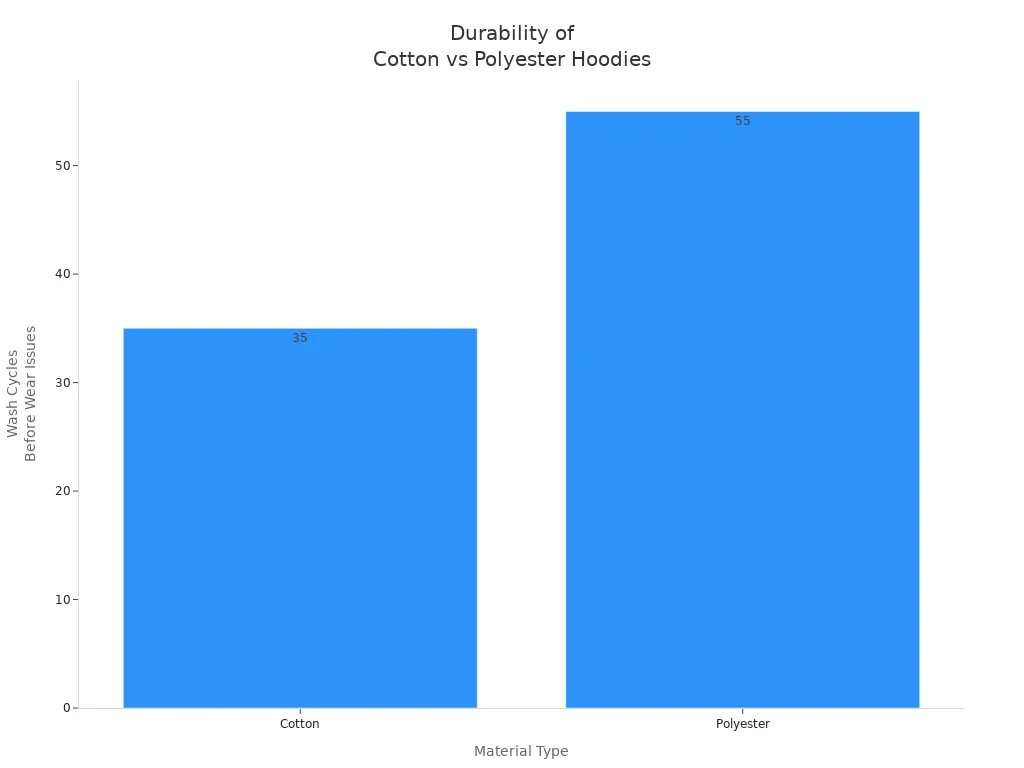
Lifespan: Most polyester hoodies last about 3 to 4 years. Most cotton hoodies last 2 to 3 years if you care for them.
Environmental Impact: Polyester is made from fossil fuels and does not break down fast. Cotton breaks down and is better for the earth.
Cost: Polyester and cotton hoodies do not cost the same. Polyester is usually cheaper. Cotton can be a good deal if you want comfort.
Tip: Think about how you will use your hoodie. If you need one for sports or being outside, polyester may be best. If you want something soft for every day, try cotton.
When you look at polyester and cotton hoodies, you see both are useful. Your choice depends on what you care about most—warmth, softness, how long it lasts, or helping the planet.
Comfort
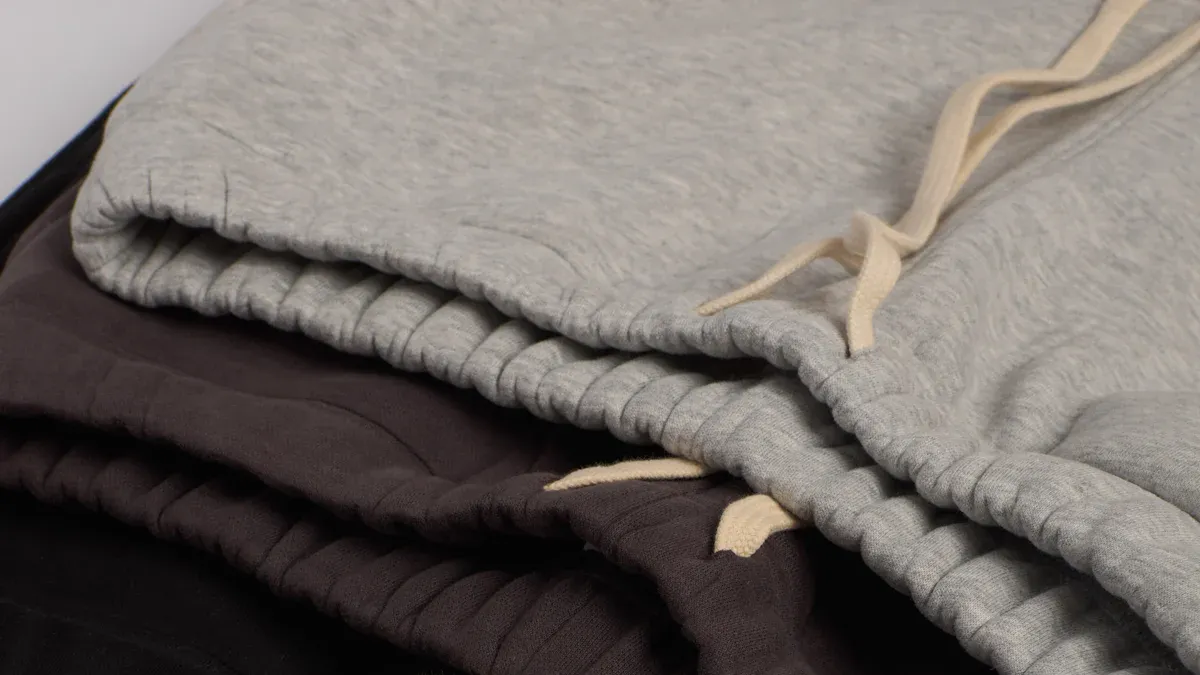
When you pick out a hoodie, comfort is probably the first thing you notice. You want something that feels good, fits well, and keeps you happy all day. Let’s break down how polyester and cotton hoodies stack up when it comes to comfort.
Feel and Softness
The way a hoodie feels against your skin can make or break your day. If you like a smooth, sleek touch, you might enjoy a polyester hoodie. It has a soft, almost silky texture that some people love. On the other hand, a cotton hoodie gives you that classic, cozy feel. Cotton feels gentle and natural, which many people find comforting.
Here’s a quick look at how each type feels:
Feature | Polyester Hoodie | Cotton Hoodie |
|---|---|---|
Smooth texture, may feel less natural | Soft hand feel, gentle on skin | |
Breathability | Limits airflow, can cause overheating | Naturally breathable, allows air circulation |
If you want a hoodie for lounging or relaxing, cotton might be your top pick for comfort. If you want something that feels light and smooth, polyester could be the way to go.
Weight
The weight of your hoodie can change how comfortable it feels, especially if you wear it for long periods. Polyester hoodies usually weigh less than cotton ones. This lighter weight can boost your comfort, especially if you move around a lot or need a hoodie for active days.
Material | Weight Range (grams) | Weight Range (pounds) |
|---|---|---|
Polyester | 0.66 to 1.1 | |
Cotton | 450 to 680 | 1 to 1.5 |
A lighter hoodie can improve your performance during workouts or outdoor activities. If you want a hoodie that feels sturdy and warm, cotton gives you that extra heft.
Skin Sensitivity
Comfort also means not having to worry about itchy skin or irritation. Some people notice that polyester hoodies can cause skin issues, especially if you have sensitive skin. Polyester traps moisture, which can lead to discomfort or even skin problems for some.
Polyester clothing is linked to a higher chance of skin irritation and allergies.
The non-breathable nature of polyester can trap sweat, which may cause skin issues.
Cotton is usually more skin-friendly and less likely to cause irritation.
If you have sensitive skin or allergies, a cotton hoodie may offer better comfort. Its breathability helps keep your skin cool and dry, making it a great choice for everyday wear.
Tip: Think about your daily routine and skin needs. The right hoodie can boost your comfort and performance, whether you’re relaxing at home or heading out for a run.
Breathability
When you pick out a hoodie, you want to know how well it lets your skin breathe. Breathability is all about how much air can move through the fabric and how it handles sweat. Let’s see how a polyester hoodie and a cotton hoodie compare.
Airflow
Airflow is the first thing you notice when you put on a hoodie. If you feel stuffy or sweaty, the fabric might not let enough air in. Polyester and cotton work very differently here.
Take a look at this table to see how each material handles airflow:
Material | |
|---|---|
Polyester | Tightly woven synthetic fibers limit airflow, trapping body heat. |
Cotton | Naturally breathable with plant-based fibers allowing air circulation. |
A polyester hoodie uses synthetic fibers that are packed close together. This design keeps wind and cold out, but it also means less air gets in. You might feel warmer, but sometimes too warm, especially if you wear it indoors or on a mild day.
A cotton hoodie feels different. Cotton fibers come from plants and have tiny gaps that let air move through. You get a steady flow of air, which helps you stay cool and comfortable. If you want a hoodie for warm days or indoor use, cotton gives you better airflow.
Tip: If you plan to wear your hoodie in a hot or stuffy place, cotton is your friend. For chilly weather, polyester keeps you warmer by blocking airflow.
Moisture Control
How your hoodie handles sweat can make a big difference, especially if you’re active. Polyester and cotton have their own ways of dealing with moisture.
Polyester stands out for its moisture-wicking abilities. This means it pulls sweat away from your skin and helps it dry fast. You stay dry, even during a workout or a long walk. But there’s a catch—polyester can trap heat, so you might feel hot if you wear it for too long.
Cotton works in another way. It absorbs sweat instead of moving it away. This can make the fabric feel damp if you sweat a lot. On the bright side, cotton’s breathability helps your body cool down. You get better temperature control, especially if you move between different climates.
Here’s a quick list to help you decide:
Choose polyester if you want to stay dry during sports or outdoor activities.
Pick cotton if you want a hoodie that keeps you cool and comfortable all day.
Note: For high-intensity workouts, polyester helps you stay dry. For everyday comfort, cotton’s breathability and softness win.
Both polyester and cotton have strengths when it comes to breathability. Your choice depends on where and how you plan to wear your hoodie.
Durability
When you buy a hoodie, you want it to last. Durability is important if you wear it a lot or wash it often. Let’s see how polyester and cotton do with wear, shrinking, and color.
Wear Resistance
You want a hoodie that can handle daily use. Polyester is strong and tough. You can wear it for sports or travel, and it keeps its shape. Polyester does not stretch or tear easily. It still looks good after many months.
Cotton hoodies feel soft and cozy. But pure cotton can wear out faster. High-quality cotton lasts longer. Cotton blends mix cotton and polyester. These blends are stronger and last longer.
Feature | Polyester Hoodie | Cotton Hoodie |
|---|---|---|
Wear Resistance | Strong, resists damage | Soft, may pill or fray |
Longevity | Lasts through many washes | Needs gentle care |
Best For | Active use, travel | Everyday comfort |
Tip: Pick polyester for rough use. Choose high-quality cotton for soft, daily wear.
Shrinkage
Shrinkage can make your hoodie fit differently. Polyester does not shrink much, even after many washes. You can dry it in the dryer and it stays the same size. Cotton reacts to heat and water. Pure cotton hoodies often shrink after washing, especially with hot water or high heat.
100% cotton hoodies shrink a lot after washing. This happens because cotton fibers get smaller with heat or water.
Cotton blends have polyester in them. They keep their size better and shrink less after many washes.
If you want a hoodie that stays the same size, pick polyester or a cotton blend. High-quality cotton may shrink less if you follow the care rules, but you still need to be careful.
Color Retention
No one likes a faded hoodie. Polyester keeps its colors bright after many washes. The fibers hold dye well, so it looks new for longer. Cotton hoodies can lose color over time. The natural fibers do not hold dye as well, so you may see fading after many washes.
Polyester hoodies keep their bright colors longer than cotton.
After many washes, polyester fades less than cotton.
Cotton may lose color over time because of its natural fibers.
Polyester blends fade less, so they are easier to keep looking new.
If you want a hoodie that stays colorful, polyester is best. High-quality cotton looks great at first, but it may fade as time goes on.
Note: For the best color and quality, look for hoodies made with polyester or a blend of good cotton and polyester.
Durability depends on what you want. Polyester is strong, does not shrink much, and keeps its color. Cotton is comfy, but you must take care of it. If you want both, try a blend of cotton and polyester.
Use Cases for Hoodies
When you pick out a hoodie, you probably think about where and how you’ll wear it. Some people want a hoodie for sports, others for relaxing, and many need one for travel. Let’s look at how polyester and cotton hoodies fit into these different parts of your life.
Activewear
If you love to move, you need a hoodie that keeps up. Polyester hoodies shine in active settings. They handle sweat well, dry quickly, and resist wear and tear. You can take them hiking, running, or to the gym. They don’t get heavy when wet, so you stay comfortable even during tough workouts.
Polyester hoodies work best for:
Hiking and outdoor adventures
Running and jogging
Gym workouts and sports practice
Cotton hoodies feel soft and cozy, but they soak up sweat and take longer to dry. Many people still like cotton for light exercise or stretching. In fact, surveys show that 68% of people prefer cotton or cotton blends for athletic wear, and 70% would pick cotton over polyester if everything else was the same. If you want a hoodie for yoga or a walk in the park, cotton is a good choice.
Tip: For high-intensity activities, polyester keeps you dry and ready to go. For gentle movement, cotton gives you that soft touch.
Everyday Wear
Most people reach for a hoodie when they want everyday comfort. Cotton hoodies stand out here. They feel warm, soft, and gentle on your skin. You can wear them at home, to school, or while hanging out with friends. Cotton lets your skin breathe, so you stay cool and relaxed.
Cotton hoodies are perfect for:
Lounging at home
Running errands
Layering in mild weather
Polyester hoodies also work for daily wear, especially if you want something lightweight and easy to care for. They resist stains and wrinkles, so you can toss them in your bag or locker without worry. If you want a hoodie that looks neat all day, polyester is a smart pick.
Travel
Travelers need a hoodie that can handle anything. Polyester hoodies pack down small, dry fast, and don’t wrinkle much. You can wash them in a hotel sink, hang them up, and wear them again in no time. They’re great for long trips, camping, or when you need to save space in your suitcase.
Polyester hoodies are great for:
Backpacking and camping
Long flights or road trips
Unpredictable weather
Cotton hoodies give you that homey feel when you’re far from home. They keep you cozy on chilly planes or buses. If you want a hoodie that feels familiar and soft, cotton is the way to go.
Note: Think about your main use. For adventure and travel, polyester is tough and easy to care for. For relaxing and daily life, cotton brings you comfort.
Climate Suitability
When you pick a hoodie, you want to know if it will keep you comfortable in your local weather. Polyester and cotton hoodies each have their own strengths, depending on the season. Let’s see how they compare for warm weather, cold weather, and all-season wear.
Warm Weather
You probably want to stay cool and dry when the sun is out. Cotton hoodies shine in warm weather. The natural fibers let your skin breathe and help sweat evaporate. You feel less sticky and more comfortable, even on hot days.
Here’s what thermal comfort studies show:
Fabric Composition | Thermal Comfort in Warm Weather |
|---|---|
100% Cotton | |
80%/20% Cotton/Polyester | Less thermal comfort compared to 100% Cotton |
Polyester can feel stuffy in the heat. It traps body warmth and may cause you to overheat.
Cotton is soft and gentle, making it a favorite for summer or mild climates.
Tip: If you live somewhere hot or plan to wear your hoodie in the summer, cotton is your best bet for staying cool.
Cold Weather
When the temperature drops, you want a hoodie that keeps you warm. Polyester hoodies work well in the cold. The fabric traps heat and acts as a strong insulator. Even if you get caught in the rain or snow, polyester keeps you warm because it dries fast and holds heat.
Check out this quick comparison:
Material | Insulation Properties | Moisture Effect |
|---|---|---|
Polyester | Efficiently traps heat, making it a strong insulator for cold weather activities. | Maintains warmth even when wet. |
Cotton | Provides moderate insulation, keeping warmth but loses heat retention when wet. | Less effective in damp or freezing conditions. |
Cotton hoodies feel cozy at first, but they lose warmth if they get wet. Polyester keeps you warmer and drier in winter or rainy weather.
Note: For outdoor adventures or chilly days, polyester hoodies help you stay comfortable and warm.
All-Season
Maybe you want a hoodie you can wear all year. Polyester hoodies are a smart choice for all-season use. They last a long time, dry quickly, and work for many activities. You can wear them in spring, fall, or even on cool summer nights.
Cotton hoodies feel great in mild weather, but they struggle in damp or cold conditions. If you want the best of both worlds, try a blend. Hoodies with about 70% cotton and 30% polyester give you comfort and performance. They adjust well to changing temperatures and keep you feeling good no matter the season.
Looking for a hoodie you can grab any time? Go for a polyester hoodie or a cotton-poly blend for year-round comfort and versatility.
Polyester vs Cotton Hoodies: Sustainability
When you compare polyester and cotton hoodies, you might ask which is better for the earth. Let’s look at how each material affects nature, how long they last after you throw them away, and what choices you have as a shopper.
Environmental Impact
How a hoodie is made can change how it affects the planet. Polyester and cotton have different impacts. Check out this table to see how they match up:
Material | Water Usage (liters) | Energy Usage | Notes |
|---|---|---|---|
Cotton | 2,700 | High | Needs lots of water and energy for farming and care |
Polyester | Less than cotton | Energy-intensive | Uses less water, but needs more energy and fossil fuels |
Cotton uses a lot of water. One cotton hoodie uses enough water to keep someone hydrated for two years! Polyester needs less water, but it takes more energy to make. Making polyester uses petroleum and gives off more CO₂. When you wash polyester, tiny microplastics can get into the water. Cotton, especially if grown in a green way, is better for the environment and breaks down over time.
If you care about saving water, cotton uses more. If you worry about energy and fossil fuels, polyester has a bigger effect.
Biodegradability
How long does your hoodie stay around after you toss it? This is where polyester and cotton are very different.
Organic cotton breaks down in 1 to 5 months.
Regular cotton takes longer if it has chemicals.
Polyester is man-made. It can take up to 200 years to break down in a landfill.
Natural fabrics like cotton disappear much faster than man-made ones like polyester.
If you want a hoodie that won’t last forever in a landfill, cotton is best. Polyester hoodies can stay in landfills for many years, but cotton hoodies go back to nature much faster.
Ethics
You may also wonder how your hoodie was made. Many brands now offer green choices for both polyester and cotton hoodies. Here are some things to look for:
Eco-friendly materials help lower harmful chemicals and reduce pollution.
Fair-trade hoodies make sure workers get fair pay and safe jobs.
Strong, high-quality materials mean you buy fewer hoodies, which helps the planet.
When you look at polyester and cotton hoodies, you see both can be made in good ways. Pick brands that care about nature and treat workers well. Your choice matters!
Picking a hoodie isn’t just about how it feels or looks. You can help the earth and people by choosing the right material and brand.
Cost
When you shop for a new hoodie, price often plays a big role in your decision. You want something that fits your budget but also gives you good value. Let’s see how cotton and polyester hoodies compare when it comes to cost.
Price
You’ll notice a difference in price when you look at cotton and polyester hoodies. Cotton hoodies usually cost a bit more. This is because cotton comes from natural fibers, and growing cotton takes time and resources. You pay for that soft, natural feel and the comfort that comes with it.
Polyester hoodies often have a lower price tag. Polyester is a synthetic material, so it costs less to produce. You can find these hoodies at many stores, and they fit most budgets. If you want something affordable, polyester is a good choice.
Here’s a quick table to help you compare:
Hoodie Type | Average Price Range (USD) |
|---|---|
Cotton | $30 – $70 |
Polyester | $20 – $50 |
Cotton hoodies may cost more up front, but many people feel the extra comfort is worth it. Polyester hoodies give you a budget-friendly option, especially if you need more than one for sports or travel.
Value
Price is just one part of the story. You also want to know if your hoodie gives you good value for your money. Many shoppers look at comfort, fit, and how long the hoodie lasts.
Customers often give high ratings to both cotton and cotton/polyester blend hoodies. They mention how soft the fabric feels and how well the hoodies fit. Some reviews say, “This is the best hoodie in its class. The others at this price are lightweight or rough.” Others point out, “The price was great and perfect fit,” and “Good quality in material, color, and fit.” One shopper even said, “These sweatshirts are perfect fit for everyone!”
You can see that cotton hoodies get a lot of love for their comfort and quality. Cotton/polyester blends also get top marks for being soft and lasting a long time. One store owner shared, “Great Product, sells well in my retail stores. Year round sweatshirt.”
Here’s what you get with each type:
Cotton hoodies: Soft feel, natural fibers, higher price, great comfort.
Polyester hoodies: Lower price, lightweight, dries fast, easy to care for.
Cotton/polyester blends: Mix of comfort and durability, good value, high customer satisfaction.
Tip: Think about what matters most to you. If you want a soft, cozy hoodie, cotton is a great pick. If you want something affordable and easy to care for, polyester works well. Blends give you a bit of both.
No matter which you choose, you can find a hoodie that fits your budget and your needs.
Hoodie Blends
When you shop for a hoodie, you might notice that many options are not just pure cotton or pure polyester. Blended fabrics have become super popular because they combine the best parts of both materials. Let’s look at what these blends are and how they stack up.
Common Blends
You’ll see a few main types of blends when you check hoodie labels. The most common ones mix cotton and polyester in different amounts. Here’s a table to help you compare the most popular blends and how they feel:
Fabric Type | Properties | Advantages | Disadvantages |
|---|---|---|---|
100% Cotton | Soft, breathable, absorbent | Great for casual wear, gentle on skin | Can shrink, wrinkles easily |
100% Polyester | Durable, quick-drying, wrinkle-resistant | Keeps shape and color, dries fast | Less breathable, can feel less natural |
50/50 Cotton-Polyester | Balanced comfort and durability | Easy care, keeps shape, good for daily use | Less airy than pure cotton, may cling |
65/35 Cotton-Polyester | Moisture-wicking, activewear-friendly | Softness with extra strength | Not as cool as 100% cotton in hot weather |
A cotton polyester hoodie gives you a nice mix of softness and strength. The 50/50 blend is a classic choice for school sweatshirts and team gear. If you want something for sports, the 65/35 blend works well because it wicks away sweat but still feels soft.
Pros and Cons
Blended hoodies offer a middle ground between pure cotton and pure polyester. Here’s how they compare:
Pros of Blended Hoodies:
You get the comfort of cotton with the toughness of polyester.
They hold their shape after washing, so you don’t have to worry about shrinking.
Blends dry faster than pure cotton, which helps if you’re active or on the go.
They resist wrinkles, so you look neat without much effort.
Cons of Blended Hoodies:
They don’t breathe as well as 100% cotton, so you might feel warmer in hot weather.
Some blends can build up static because of the polyester.
If you want a hoodie that feels totally natural, a blend might not be your top pick.
A cotton and polyester hoodie is a smart choice if you want something that lasts and feels good. Many people like blends for school, work, or travel because they are easy to care for and stay looking new. If you want the softest feel, pure cotton is still the winner. If you need something for sports or rainy days, polyester or a cotton polyester hoodie will serve you well.
Tip: Always check the label before you buy. The right blend can make your hoodie your favorite piece of clothing!
Hoodie Care
Taking care of your hoodie helps it last longer and keeps it looking fresh. Polyester and cotton hoodies need different care routines. Let’s break down the best ways to wash, dry, and maintain each type.
Washing
You want your hoodie to stay soft and keep its shape. The way you wash it matters. Cotton and polyester blends need special attention. Here’s a quick table to show you the best washing methods:
Fabric Type | Recommended Washing Method |
|---|---|
Cotton Hoodies | Wash in cool water with a mild detergent; avoid bleach to prevent damage. |
Polyester Blends | Use cold or warm water; turn inside out before washing; avoid high heat to prevent melting and misshaping. |
Cotton hoodies do best with cool water and gentle soap. Bleach can ruin the fibers and fade the color. Polyester blends handle cold or warm water, but you should turn them inside out. This protects the outside from wear and keeps colors bright.
Tip: Always check the care label before you wash. This helps you avoid mistakes that could damage your hoodie.
Drying
Drying your hoodie the right way keeps it from shrinking or losing its shape. Cotton and polyester need different drying methods:
Cotton hoodies should be dried on low heat or air-dried. High heat can shrink cotton and make it fit tighter.
Polyester hoodies can go in the dryer on a low setting. They resist shrinking, but high temperatures can still change their shape.
If you want to play it safe, lay cotton hoodies flat to dry. This stops them from stretching out. Polyester hoodies are more forgiving, but you should still avoid hot dryers.
Note: Air-drying helps both types last longer and keeps them looking new.
Maintenance
Good maintenance keeps your hoodie looking sharp and feeling comfortable. Here are some easy tips for both cotton and polyester hoodies:
Fold heavyweight cotton hoodies instead of hanging them. Hanging can stretch the fabric.
Lay cotton hoodies flat to dry. Hanging while wet can stretch them out.
Skip the bleach. It damages cotton fibers and fades colors.
Store cotton hoodies in clean, dry places to keep pests away.
If you spill something, blot the spot. Wiping spreads the stain.
Zip up zippers before washing. This stops snags and tears.
Wash only when needed. Too much washing wears out the fabric.
These steps help you get the most out of your hoodie, no matter the material. With the right care, you’ll enjoy comfort and style for years.
Remember: A little extra care goes a long way. Your hoodie will thank you!
You have learned the main ideas about polyester and cotton hoodies. Here is a simple table to help you remember:
Feature | Polyester | Cotton |
|---|---|---|
Comfort | Can keep in heat | Soft and lets air in |
Durability | Lasts longer, costs less | Not as tough, but soft |
Environment | Hurts nature more | Better for earth, breaks down |
Climate | Great for cold | Best for warm |
When you look at polyester and cotton hoodies, think about what you want most. If you like soft and airy clothes, pick cotton. If you want something strong or cheap, polyester is a good choice. Blends give you a mix of both.
Here are some easy tips:
Pick a hoodie with more cotton if you want comfort in hot weather.
Choose more polyester if you play sports or it is cold.
Wash cotton hoodies in cool water and hang them up to dry. Use low heat for polyester hoodies.
The best hoodie is the one that fits your needs. Use these tips to help you choose the right one for you.
FAQ
Which hoodie is warmer, polyester or cotton?
Polyester hoodies keep you warmer. The fabric traps heat, so you stay cozy on cold days. Cotton hoodies let more air in, which helps you stay cool but may not keep you as warm in winter.
Are polyester hoodies or cotton hoodies better for working out?
You’ll find polyester hoodies work best for workouts. They wick sweat away and dry fast. Cotton hoodies absorb sweat and can feel heavy when wet. For sports or running, polyester gives you more comfort.
Do cotton hoodies shrink more than polyester hoodies?
Yes, cotton hoodies shrink more. If you wash them in hot water or dry them on high heat, they can get smaller. Polyester hoodies keep their size better, even after many washes.
Which hoodie lasts longer, polyester or cotton?
Polyester hoodies usually last longer. The fabric resists stretching, shrinking, and fading. Cotton hoodies feel soft but may wear out faster, especially if you wash them often.
Are cotton hoodies more eco-friendly than polyester hoodies?
Cotton hoodies are more eco-friendly. Cotton comes from plants and breaks down faster in nature. Polyester is made from plastic and takes much longer to decompose.
Which hoodie is softer, polyester or cotton?
Cotton hoodies feel softer and more natural on your skin. Polyester hoodies feel smooth and light, but many people say cotton gives the coziest comfort.
Can I wear a polyester or cotton hoodie in summer?
You can wear both, but cotton hoodies work better in summer. They let your skin breathe and help you stay cool. Polyester hoodies trap heat, so you might feel too warm on hot days.