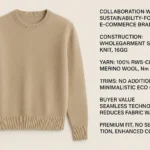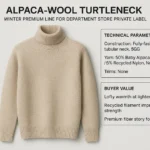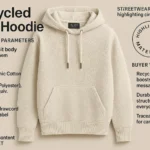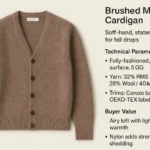

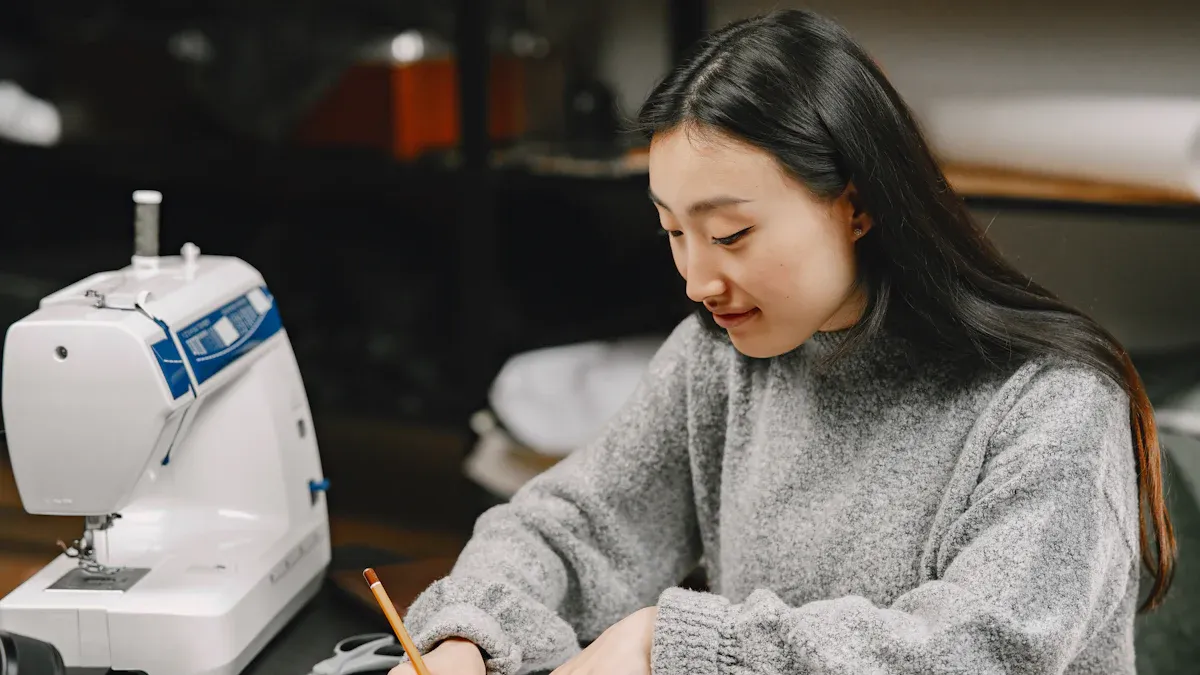
You might wonder how you make a custom knit dress step by step. The answer is simpler than you think. With clear guidance, you can create a custom piece that fits your body and shows off your style. Many people choose custom knit dresses because they want something made just for them. You get to pick the fabric, color, and design. This custom process brings more happiness and confidence. If you pay attention to planning, material selection, and details, your custom creation will feel special. Use this custom knit dresses manufacturing guide to start your journey.
Custom clothing fits your body shape and boosts comfort.
You choose custom fabrics, colors, and designs for self-expression.
Custom choices make you feel motivated and happy.
Key Takeaways
Custom knit dresses fit well and feel good. They are a good choice for showing your style.
Pick colors, patterns, and styles that you like. This helps your dress show your personality.
Take careful body measurements for a good fit. Go slow to make sure you measure right.
Choose the best yarn type and weight for your dress. This helps your dress feel and last how you want.
Swatching lets you try fabric and stitch ideas first. You can test before making your final design.
Use good cutting and shaping methods for your dress. This helps your dress fit and look nice.
Add embellishments in a smart way. This makes your dress look better but still feel comfortable.
Follow care steps to keep your dress looking good. This helps your custom knit dress last longer.
Custom Knit Dresses Manufacturing Guide
Design Concept
You start your custom knit dresses manufacturing guide by thinking about your design. This is the fun part! You get to imagine how your custom knitwear will look and feel. Do you want something classic or trendy? Maybe you want a dress that hugs your body or flows loosely. Your design sets the mood for your whole project.
Many people love custom knitwear because it lets them show off their style. You can choose colors, patterns, and textures that match your personality. Some designers use advanced technology, like 4D knit dresses or heat-activated yarns, to create unique looks. These new ideas help you get a better fit and even change your dress over time. Sustainability is also a big trend in custom knitwear design. You can make a dress in one piece, which helps reduce waste.
Here’s a quick look at some popular design features in custom knitwear:
Feature | Description |
|---|---|
4D Knit Dress | Uses advanced technology for a perfect fit and cool style. |
Heat-activated yarns | Changes shape with heat, so your dress fits you better. |
Robotic activation | Lets you control the shape and fit with heat. |
Sustainability | Makes dresses in one piece to cut down on waste. |
Customization | Lets you change your dress style over time with heat. |
Style and Silhouette
When you plan your custom knitwear, you need to pick a style and silhouette. Do you want a fitted dress or something loose and comfy? Maybe you like a straight shape, or you want a flared skirt. Your choice affects how your custom knit dress will look and move.
Think about your favorite custom knit sweaters. Do you like how they fit your body? You can use those ideas for your dress. Some people want a dress that shows off their curves. Others want something easy to wear every day. You get to decide!
Neckline and Sleeves
Next, you choose the neckline and sleeves for your custom knitwear. Do you want a round neck, V-neck, or maybe a turtleneck? Each neckline gives your dress a different vibe. Sleeves are important too. You can pick long sleeves, short sleeves, or even go sleeveless.
Look at your custom knit sweaters for inspiration. Do you like how the sleeves fit? You can use the same style for your dress. Some people mix and match necklines and sleeves to create a unique design. You can do that too!
Essential Measurements
Getting the right measurements is key in your custom knit dresses manufacturing guide. If your measurements are off, your custom knitwear won’t fit well. You want your dress to feel comfortable and look great. Accurate measurements help you get a custom fit that matches your body.
Body Measurements
You need to take several measurements for your custom knitwear. Here’s a simple list to follow:
Bust: Wrap the tape around the fullest part of your bust. Make sure it’s flat across your back and underarms. Wear the bra you’ll use with the dress.
Waist: Find your natural waistline. It’s usually the narrowest part of your torso. Wrap the tape evenly around your waist.
Hips: Measure around the fullest part of your hips and buttocks. This is usually 7-9 inches below your waist.
Shoulder Width: Measure from one shoulder tip to the other across your back.
Dress Length: Start at the top of your shoulder and measure down to where you want the hem.
These measurements help you create a custom knit dress that fits just right. You can use the same steps for custom knit sweaters if you want to make matching pieces.
Measurement Tips
Here are some tips to make sure your measurements are accurate:
Don’t measure over bulky clothes. This adds extra inches.
Keep the tape snug but not tight. Loose tape gives wrong measurements.
Stand straight when measuring. Slouching changes your body shape.
Let your knit fabric rest for about 8 hours before measuring. This stops stretching errors.
Always adjust the scale’s tare weight before weighing your yarn or fabric.
Measurement Error | Description | Prevention |
|---|---|---|
Fabric Relaxation | Fabric stretches if not rested before measuring | Let fabric rest and calibrate your tools |
Tare Weight Adjustment | Wrong grammage if tare weight isn’t set | Adjust tare weight before weighing |
Tip: Take your time with measurements. Rushing can lead to mistakes. Double-check everything before you start knitting.
If you want your custom knitwear to look professional, you need to avoid common mistakes. Miscommunication about design details can mess up your pattern. Last-minute changes can cause errors. Rushing through your custom knit dresses manufacturing guide can hurt quality. Slow down and check your work.
You can use these steps for custom knit sweaters too. Good measurements make every custom piece fit better.
Custom Knitwear Materials & Fabric Development
Choosing the right materials sets the foundation for your custom knitwear. You want your knit fabric to look great, feel comfortable, and last a long time. This section helps you select yarn and materials, test your ideas, and gather the tools you need for custom fabric development.
Yarn Selection
Fiber Types
You have many options when you pick yarn for your custom knitwear. Each fiber type changes how your knit fabric feels and wears. Check out this table to compare popular yarns for custom dresses:
Yarn Type | Durability Features | Comfort Features |
|---|---|---|
Wool (Merino, Shetland) | Strong, resists wrinkles, retains warmth | Soft, breathable |
Alpaca Blends | Strong when blended, warm, silky | Soft, luxurious feel |
Cotton Blends | Strong when blended, breathable | Soft, comfortable |
Acrylic | Soft, affordable, resistant to pests | Easy to care for |
Nylon | Increases strength and elasticity | Durable, maintains shape |
Polyester Blends | Resilient, resistant to shrinking | Maintains shape, easy to care for |
Wool-Acrylic Blends | Combines warmth and affordability | Soft, machine-washable |
Wool-Nylon Blends | Adds strength without losing warmth | Durable, retains warmth |
Cotton-Acrylic Blends | Resists stretching better than pure cotton | Lightweight, comfortable |
You can see how each yarn brings something special to your knit fabric. Wool keeps you warm, while cotton blends breathe well. Acrylic and polyester blends make your custom knitwear easy to care for.
Yarn Weight
Yarn weight changes the look and feel of your custom knitwear. Lighter yarns make your knit fabric soft and drapey. Heavier yarns give structure and warmth. If you want a playful dress, try a medium-weight knit fabric. It holds its shape but still moves with you. Avoid stiff yarns, or your dress might feel rigid.
Different yarns affect texture, warmth, and durability.
Blended yarns give smoother knit fabric and more color choices.
Yarn weight shapes the silhouette and drape of your custom knitwear.
Easy-care yarns help your custom dress last longer.
Custom Fabric Development
Swatching
Before you start your custom knitwear, make a swatch. Swatching lets you test your knit fabric for texture and color. Try different stitch techniques and yarns. Use short-rowed fabrics for borders or special areas. Count your rows and segments to keep your knit fabric even. Weights can help, but watch out—they might stretch your stitches.
Technique | Description |
|---|---|
Short-rowed fabrics | Use in borders or special areas for unique knit fabric effects. |
Stitch techniques | Try different stitches to see how your knit fabric looks and feels. |
Yarn choice | Test how each yarn changes the knit fabric’s color and texture. |
Row counting | Track rows for even knit fabric. |
Use of weights | Control slits, but don’t overstretch your knit fabric. |
Texture and Color
Custom fabric development lets you play with texture and color. Try new stitches or blend yarns for a unique look. Swatching helps you see how your knit fabric will turn out. You can even try 3D knitting technology for seamless custom knitwear. Smart fabrics and sustainable materials are new trends in custom fabric development. They make your knit fabric fit better and last longer.
Tools and Notions
Needles
You need the right tools for custom knitwear. Start with knitting needles. Pick the size that matches your yarn and pattern. Cable needles help you make twists and cables in your knit fabric.
Accessories
Other tools make custom fabric development easier:
Stitch holders keep your stitches safe.
Scissors and darning needles help you finish your knit fabric.
Stitch markers track your patterns.
Measuring tape checks your fit.
Blocking mats and pins shape your finished knit fabric.
A digital scale and calculator help you plan your yarn use.
Tip: Gather all your tools before you start. This keeps your custom knitwear project smooth and fun.
Knitting & Fabric Processing
Knitting Techniques
Hand vs. Machine Knitting
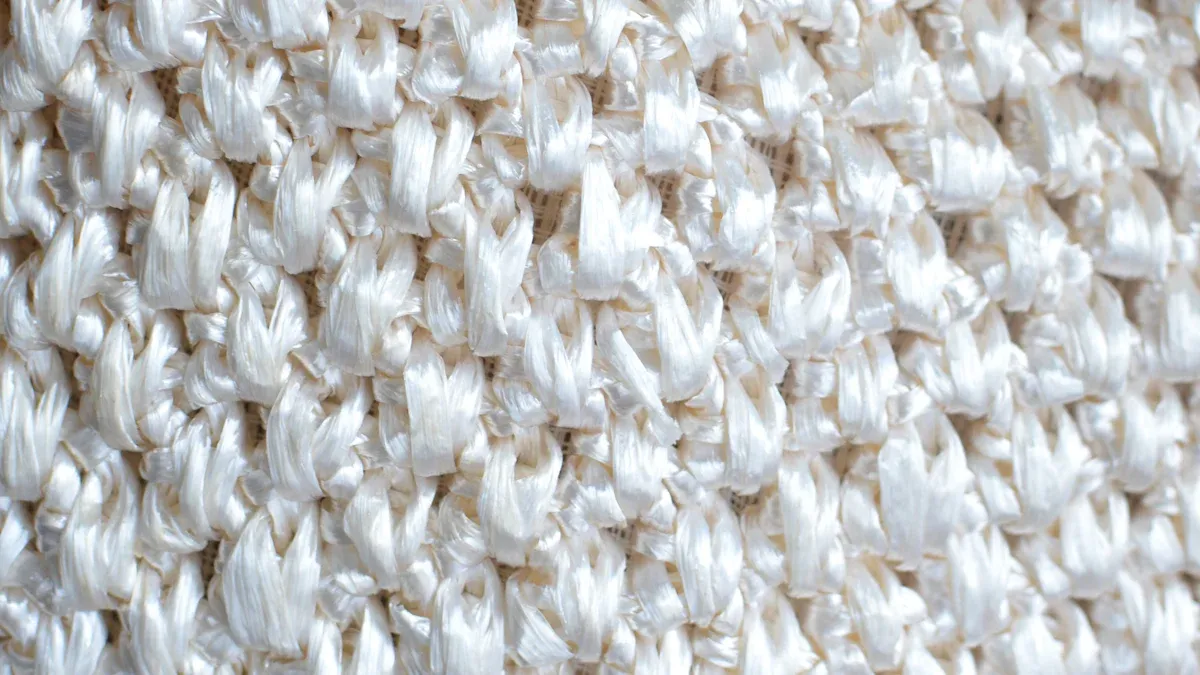
You can pick hand knitting or machine knitting for your custom knitwear. Each way changes how you make your dress and how it looks. Hand knitting lets you add your own style and try new things. You can make special pieces that show your ideas. Machine knitting is much faster and gives the same results every time. This is good if you want to make more than one dress or finish quickly.
Here’s a simple chart to help you choose:
Aspect | Hand Knitting | Machine Knitting |
|---|---|---|
Speed | Slow, big projects take weeks | Fast, big items done in hours |
Cost | Cheaper to start, but takes more time | Costs more at first, but saves time later |
Quality | Depends on skill, each piece is unique | Always the same, can be as good as hand-knit |
Creativity | Easy to change and try new designs | Can make cool designs, but less personal |
Physical Demand | Hard work for big projects | Easier for big jobs, less tiring |
Ideal For | Special, one-of-a-kind dresses | Making lots of dresses at once |
Some people like the slow and calm feeling of hand knitting. Others like how fast and easy machine knitting is for making custom knitwear.
Pattern Following
Patterns help you make your dress step by step. You can use a pattern you find or make your own for a special look. Patterns help you keep track of stitches and rows. They also help you repeat designs you like. If you want to try new ways of knitting, patterns show you how.
Different knitting structures change how your dress looks and feels. Here is a table with some ideas:
Knitting Structure | Characteristics | Ideal Uses |
|---|---|---|
Single Jersey Knit | Light, stretchy, smooth | T-shirts, dresses, casual clothes |
Interlock Knit | Thick, strong, very stretchy | Sportswear, leggings |
Loop Knitting | Soft, bumpy texture | Sweaters, blankets |
Piqué Knit | Raised patterns, lets air in | Polo shirts, sportswear |
Drop Needle Knit | Open, airy look | Cool, breathable clothes |
Waffle Knit | Grid texture, keeps warmth in | Thermal wear |
Purl Knitting | Bumpy surface, many patterns | All kinds of clothes |
Ottoman Fabric | Heavy, ribbed feel | Fancy fashion clothes |
Popcorn Knitting | Raised, bumpy shapes | Fun, textured designs |
Jacquard Knitting | Fancy patterns, many colors | Sweaters, scarves, textiles |
You can mix these styles to make a dress that is different from others.
Dyeing and Treatment
Color Application
Color makes your custom knitwear stand out. Dyeing is an important part of making your dress. You want your colors to stay bright and not wash out. Use high-temperature disperse dyes for colors that last longer. Before dyeing, treat your fabric with mercerizing, singeing, or scouring. These steps help the dye stick and stop colors from running. Softeners make your fabric feel nice and help colors stay. Fixing agents keep the color in, but you must pick the right one for your dye.
Tip: Always test your dye on a small piece before coloring your whole dress.
Fabric Finishing
Finishing makes your custom knitwear look and feel great. The right finish can make your dress last longer and feel better. Thermal finishes stop shrinking and help your dress keep its shape. Aesthetic finishes like printing or special dyes make your dress look cool. Performance finishes add things like stain resistance or stop germs. Durable press finishes keep your dress from wrinkling. Water repellent finishes protect your dress from rain. Flame retardant finishes make your dress safer. Softening finishes make your dress extra soft.
Pick the finishing steps that fit your style and needs. This is the last step before your custom dress is ready to wear.
Shaping, Assembly & Finishing
Shaping and Cutting
Cutting Knit Fabric
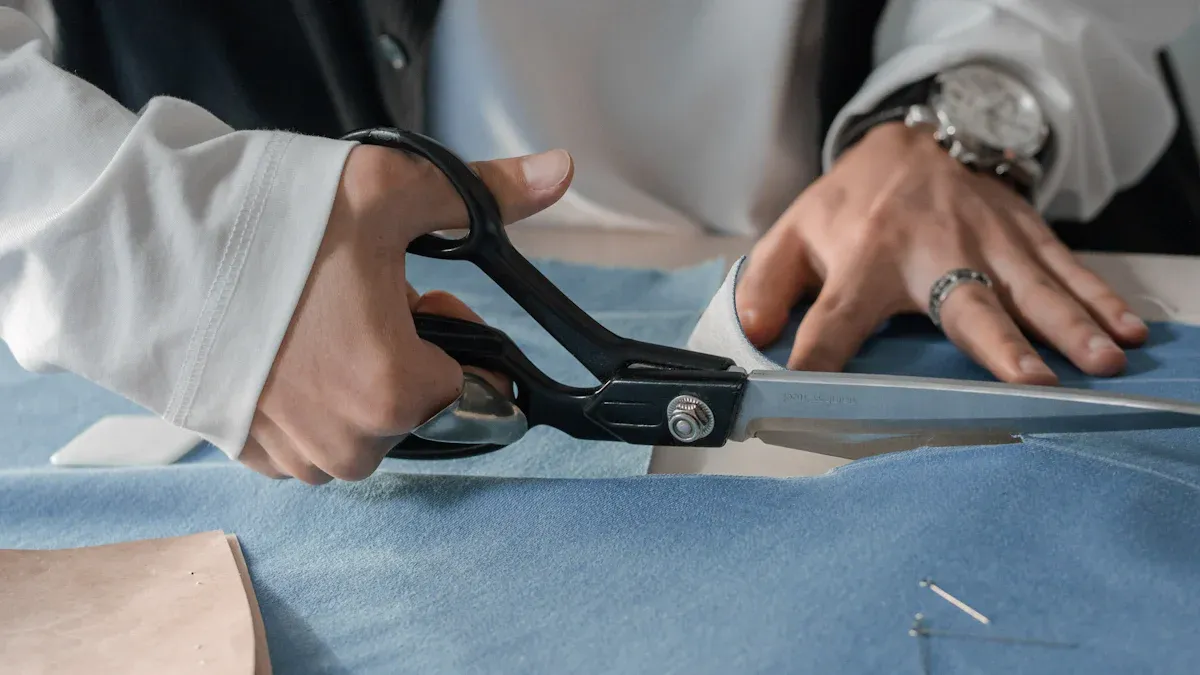
You want your custom dress to fit perfectly, so cutting the knit fabric is a big step. Lay your fabric flat and smooth out any wrinkles. Use sharp scissors or a rotary cutter for clean edges. Always follow your pattern closely. If you rush, you might stretch the fabric or cut uneven lines. Take your time and check your work as you go.
Tip: Place weights on the fabric instead of pins. This helps keep the knit fabric from shifting while you cut.
Shaping for Fit
Now, shape your dress for the best fit. You can use darts, curved seams, or gentle shaping along the sides. Try the pieces against your body or dress form. Adjust as needed. If you want a more tailored look, add shaping at the waist or hips. For a relaxed style, keep the lines straight and simple. Custom shaping makes your dress unique and comfortable.
Assembly
Seaming
When you assemble and finish your custom dress, strong and invisible seams matter. You want the inside to look as good as the outside. Professional knitwear makers use special techniques to get the best results.
Technique | Benefit |
|---|---|
3D-Knitting | |
Cover Stitch | Durable, flexible seams and hems |
Flatlock | Flat seams for comfort and flexibility |
Double-Needle | Better functionality and appearance |
Cover stitch machines work well with stretchy materials. They make seams and hems that last.
Flatlock machines join pieces so the seam stays flat on both sides. You see this in sportswear and underwear.
Double-needle machines help your dress look neat and feel strong.
Try these methods for your custom project. You get a dress that feels good and lasts longer.
Attaching Components
Next, attach the neckline, sleeves, and any extra pieces. Use matching thread and careful stitching. Check that each part lines up with your pattern. If you add pockets or trims, sew them on before you close the side seams. This keeps everything neat. You can use hand sewing for small details or a machine for bigger sections.
Finishing Touches
Trimming and Labels
Trim any loose threads and tidy up the edges. Add a label to show your custom work. Labels make your dress look professional. You can sew in a care tag or a brand label. If you want, add decorative trims or buttons for a personal touch.
Quality Checks
Before you wear or deliver your custom dress, do a quality check. Look for missed stitches, uneven seams, or fabric flaws. Here’s a simple checklist:
Inspect the fabric for defects and make sure the dye matches.
Check your work during assembly to catch problems early.
Compare your pattern pieces to your design plan.
Monitor stitch density and seam strength.
Examine the finished dress for any sewing mistakes.
A careful quality check helps you feel proud of your custom creation. Your customer will notice the difference.
Note: If you find a mistake, fix it right away. Small changes can make a big impact on the final look.
You can assemble and finish your custom knit dress with confidence. Careful shaping, strong seams, and a final quality check lead to a dress you’ll love to wear.
Customization, Troubleshooting & Care
Personalization
Embellishments
You can make your custom knit dress stand out with the right embellishments. Many people add embroidery, beads, or even sequins to show off their style. Embellishments let you express your artistic side, but you need to balance them with comfort. If you add too many decorations, your dress might feel heavy or scratchy. Always think about how the dress will feel when you wear it. When embellishments match your comfort level, they make your custom dress look and feel special.
Embellishments boost artistic expression.
Comfort matters more than decoration.
Well-chosen details make your dress unique.
Adjusting Fit
You want your custom dress to fit perfectly. Sometimes, you need to make small changes after you try it on. You can adjust the waist, hem, or sleeves to get the look you want. Many customers ask for oversized or cropped styles, so you might need to change the length or width. If you notice the dress feels too tight or loose, you can add or remove stitches. Picking high-quality materials helps your dress keep its shape and feel good. Patterns and colors also let you show your personality.
Tip: Always check the fit before adding final touches. Small adjustments can make a big difference.
Troubleshooting
Fixing Mistakes
Knitting mistakes happen, but you can fix them. If you knit in the wrong direction, just unpick back to the mistake and start again. Sometimes stitches cross over each other or drop off the needle. Use a crochet hook to pick up dropped stitches and unravel crossed ones. If your cast on or bind off feels too tight, redo that part for a better finish. Gripping your needles too tightly can make your stitches uneven, so relax your hands and take breaks. If you see extra stitches or holes, knit two together or rip back to fix it. Problems with gauge can change the size of your custom dress. Practice to keep your stitches even, and start over if the gauge is way off.
Unpick and re-knit mistakes.
Use a crochet hook for dropped stitches.
Relax your grip for even tension.
Fix extra stitches by knitting two together.
Practice for better gauge.
Pattern Adjustments
You might need to change your pattern to get the best fit. Experts often adjust patterns for rounded backs or move between sizes for a smoother look. You can choose different fronts or add links to sewing techniques for help. Watching video demonstrations can show you how to make these changes. Start with basic pattern work, then make small adjustments as needed. This helps you create a custom dress that fits your body and style.
Adjustment Step | What You Do |
|---|---|
Rounded Back | Add extra fabric for comfort |
Move Between Sizes | Blend sizes for a better fit |
Choose Different Fronts | Pick the style you like most |
Use Tutorials | Watch videos for step-by-step help |
Care Instructions
Washing and Drying
Taking care of your custom knit dress keeps it looking new. Always wash your dress with cold water and use a gentle cycle. If you want the best results, handwash your dress and soak it instead of scrubbing. Pick fragrance-free detergents made for delicate fabrics. You can use natural softeners like wool washes or gentle hair conditioners. After washing, lay your dress flat on a clean towel and reshape it while damp. Never use a dryer or hang your dress, because this can stretch the fabric.
Note: Use a mesh laundry bag if you wash your dress in a machine. This protects the knit and keeps it from snagging.
Storage Tips
Storing your custom dress the right way helps it last longer. Fold your dress carefully to avoid pilling and stretching. Place acid-free tissue paper in the folds to prevent creases. Keep moth repellents like lavender or cedar nearby to protect natural fibers. For long-term storage, use breathable cotton garment bags instead of plastic. Make sure your dress is dry before you put it away. These steps keep your custom knit dress soft and beautiful.
Fold, don’t hang, to keep the shape.
Use tissue paper to prevent creases.
Store with moth repellents for protection.
Choose cotton bags for long-term storage.
Tip: Always check your dress for moisture before storing. Damp fabric can lead to mold or damage.
You can keep your custom knit dress looking and feeling great with these simple care steps.
You’ve learned how to create a custom knit dress from start to finish. Here’s a quick look at the process timeline:
Stage | Estimated Time |
|---|---|
Production | 7–14 days |
Shipping – Economy | 7–14 days |
Shipping – Express | 3–5 days |
Total Timeline | 2–4 weeks |
When you make a custom dress, you design, shape, and finish each panel for a seamless look. You wash and dry every custom piece for softness. Attention to detail and patience at every custom step lead to professional results. Mistakes happen, but you learn and improve with each custom project. Ready to start your own custom dress? Share your journey or ask questions below!
FAQ
How long does it take to make a custom knit dress?
You can usually finish a custom knit dress in two to four weeks. This time includes design, knitting, assembly, and finishing. If you use express shipping, you might get your dress even faster.
What is the most important step in the fabric production process?
You need to focus on swatching and testing your yarn. This step helps you see how the fabric will look and feel. Swatching also lets you check the fit before you start the full dress.
Can I use any yarn for my custom knit dress?
You can use many types of yarn, but some work better than others. Choose yarn that feels soft and holds its shape. Wool, cotton blends, and acrylics are popular choices for custom dresses.
What does sampling and prototyping mean in knitwear?
Sampling and prototyping means you make a small version or test piece of your dress. You use this step to check the fit, style, and fabric before making the final dress. It helps you avoid mistakes.
How do I fix a mistake if I drop a stitch?
You can use a crochet hook to pick up the dropped stitch. Gently pull the stitch back into place. If you notice the mistake late, you might need to unravel a few rows and re-knit them.
Is custom knitwear part of textile manufacturing?
Yes, custom knitwear is a part of textile manufacturing. You create fabric from yarn and then turn it into a finished dress. This process uses both hand and machine techniques.
How do I care for my custom knit dress?
You should wash your dress in cold water and lay it flat to dry. Avoid hanging it, because this can stretch the fabric. Store your dress folded with tissue paper to keep it looking new.