Velvet Fabric is soft and looks fancy because it has a thick pile and a smooth top. For a long time, people thought it showed wealth, since it was made from pricey silk. Now, velvet is in many homes and shops because new fabric-making methods changed things:
Early velvet used just silk, so it was rare and expensive.
Factories began using cotton, wool, and fake fibers, so it got cheaper.
The Industrial Revolution let machines make velvet fast, so more people could buy it.
Key Takeaways
Velvet fabric feels soft and fancy. People like to use it for clothes and home decorations.
There are many kinds of velvet. Crushed velvet and stretch velvet feel different and have special uses.
You should pick velvet based on what you need. Think about how it feels, its color, and how to take care of it.
Some velvet is better for the planet. Recycled velvet and organic velvet help protect nature while you enjoy the fabric.
Take care of velvet the right way. Clean it gently and keep it away from sunlight. This helps velvet stay nice for a long time.
What Is Velvet Fabric
What Makes Velvet Unique
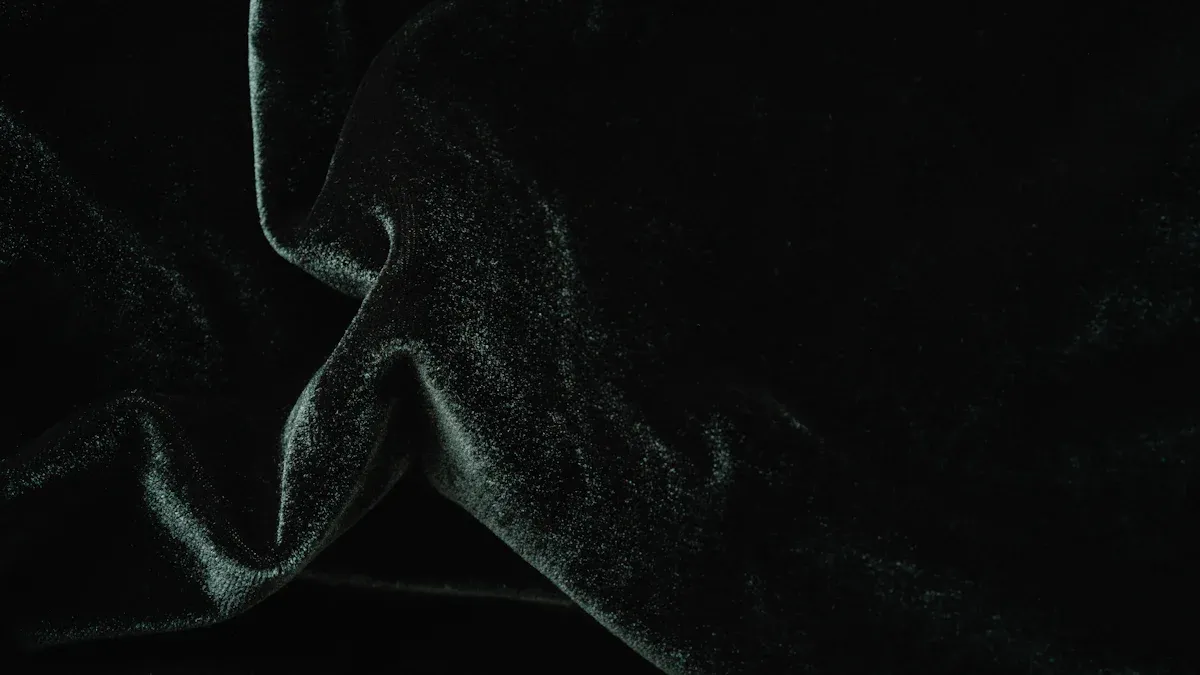
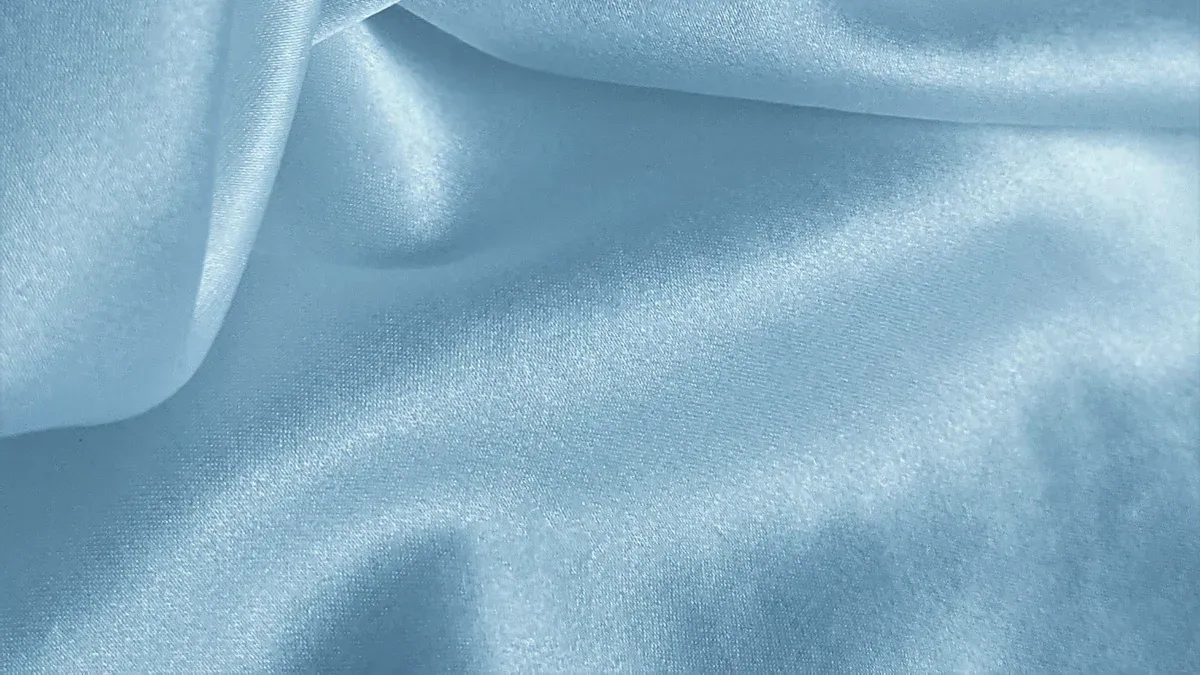
Velvet Fabric feels soft and looks fancy. It stands out from other pile fabrics for many reasons. Velvet is a cut pile fabric. Makers cut yarn loops to make a soft top. The pile is short and thick. This gives a plush feel when you touch it. Velvet has a special nap. Brushing it in different ways changes how it looks and feels. The fabric shines and looks bright. Light bounces off, making colors look deep and rich. Velvet Fabric can be made from cotton, silk, or synthetic fibers like polyester. Each kind feels and looks a bit different. The texture stays smooth and soft. The nap helps give velvet its special feel.
When you touch Velvet Fabric, you feel the thick pile. This makes it feel plush. Light hitting the fabric changes how it looks. It gives velvet a rich shine and depth. You see the color glow and shift in different light. This is why velvet looks so nice.
Key Features & Visual Appeal
Velvet Fabric grabs your attention with its fancy look. Designers and homeowners pick it for its style. Here are some things that make velvet stand out:
Smooth texture that shines in the light
Deep, rich colors that look special
Soft surface that feels nice to touch
Shiny luster that adds beauty
Thick pile gives a cool texture
Velvet brings luxury to any room
You see velvet in clothes and home design because it looks fancy. The surface changes with the light, making colors pop. Velvet Fabric makes clothes, curtains, and furniture look and feel unique.
Tip: If you want a fabric that feels and looks special, choose velvet. Its soft texture and shine make it great for bold pieces.
Historical Background
Velvet Fabric has been around for a long time. People first made it in ancient places like the Middle East and Byzantium. Making velvet was hard, so it showed wealth and luxury.
Origin of Velvet | Association with Luxury |
|---|---|
Symbol of wealth because it was hard to make |
Velvet was used in royal clothes, palace decorations, and big events. New ways to make velvet helped more people get it. But velvet still feels fancy and special.
Making Velvet Fabric
Weaving and Structure
You might wonder how velvet gets its soft, shiny surface. The secret lies in the weaving process. Velvet stands out because you weave two layers of fabric at the same time. This method creates a dense pile and a smooth nap, which give velvet its signature texture and sheen. After weaving, you split the layers and roll them up. For velvet, you use vertical threads, while velveteen uses horizontal ones. If you want silk velvet, you spin threads from silkworm cocoons. Today, most velvet uses synthetic materials like polyester. Factories dye or treat the fabric to make it look better and last longer.
Step | Description |
|---|---|
1 | |
2 | Split the layers and roll them up. |
3 | Use vertical threads for velvet, horizontal for velveteen. |
4 | Spin silkworm cocoons into threads for silk velvet. |
5 | Make synthetic velvet from man-made materials like polyester. |
6 | Dye or treat the fabric to improve its look and strength. |
Pure silk velvet is rare and expensive today. Most Velvet Fabric you see now comes from cotton or synthetic fibers. These new materials make velvet more affordable and easier to care for.
Types & Variations of Velvet
You can find many types of velvet, each with its own look and use. Here are some of the main types:
Crushed Velvet – Fashion uses this for its unique, wrinkled look.
Embossed Velvet – Home decor and fashion love its textured designs.
Stretch Velvet – Sports clothing like leggings and leotards use this type.
Plain Velvet – Clothing, accessories, and home decor all use this versatile fabric.
Hammered Velvet – High-end fashion chooses this for a luxurious feel.
Lyons Velvet – Outerwear like hats and coats often use this thick velvet.
Panne Velvet – Eveningwear and dresses feature this shiny, pressed velvet.
Utrecht Velvet – Eveningwear sometimes uses this, though it is less common now.
Voided Velvet – Designers use this for special patterns in home decor and fashion.
Tip: When you pick a type of velvet, think about how you want it to look and feel. Each kind offers something special for your project.
Composition & Material Choices
Natural Velvets — Silk, Cotton, Wool
Natural velvet uses silk, cotton, or wool fibers. Each fiber makes velvet feel and look different. Silk velvet feels very soft and shines a lot. It costs more because silk is rare. Cotton velvet feels soft and lets air pass through. You see it in clothes and home items. It is strong and costs less than silk. Wool velvet feels thick and warm. People use it for winter clothes and heavy curtains.
Silk velvet: very soft, shiny, and expensive
Cotton velvet: soft, strong, and more affordable
Wool velvet: warm, thick, and good for cold weather
Synthetic & Blended Velvets — Polyester, Nylon, Rayon, Viscose
Many velvet fabrics today use synthetic fibers. Polyester, nylon, rayon, and viscose are popular choices. These fibers make velvet cheaper and easier to clean. Some velvets mix cotton or silk with polyester. Spandex is used for stretch velvet in sportswear. Synthetic velvet can look shiny and smooth. It may not feel as soft as natural velvet.
Here are some materials used in velvet today:
Polyester
Nylon
Rayon
Viscose
Acetate
Bamboo fibers
Spandex (for stretch velvet)
How Fiber Choice Affects Softness, Sheen, and Cost
The fiber you pick changes how velvet feels, looks, and costs. Silk gives the softest feel and a bright shine. It costs the most. Cotton feels soft and lets air move through. It has a medium shine and price. Polyester and blends cost less and are easy to wash. They may not feel as fancy.
Softness | Sheen | Cost | |
|---|---|---|---|
Silk (100%) | Unmatched softness | Luxurious sheen | High |
Cotton (90%) | Soft, breathable | Moderate sheen | Moderate to High |
Polyester (80%) | Less luxurious | Good sheen | Low |
Cotton-Polyester (60/40) | Practical softness | Moderate sheen | Moderate |
Silk-Polyester (80/20) | Good softness | Enhanced sheen | Moderate |
Tip: Pick silk velvet for the softest and shiniest feel. Cotton or blends give comfort and save money. Polyester velvet is easy to clean and costs less.
Properties & Performance
Texture, Sheen, and Touch
When you touch Velvet Fabric, it feels soft and smooth. The thick pile makes the fabric feel plush. Light bounces off the surface and makes it shine. This shine helps colors look bright and deep. Velvet keeps you warm when it is cold outside. All these things work together to make velvet special. You can see how these features work in the table below:
Property | Description |
|---|---|
Softness | Velvet feels very soft and gives comfort and a fancy feel. |
Lustrous Sheen | The fabric shines and makes any design look more stylish. |
Warmth | Velvet keeps heat in, so it is good for cold weather. |
Durability | Good velvet is strong and lasts for many years. |
Color Depth | The thick pile lets colors look bright and stay nice for a long time. |
Durability, Strength, and Longevity
Velvet Fabric may look delicate, but it can last a long time. If you take care of it, velvet stays nice for years. Strong velvet made from good fibers can handle daily use. Performance velvet is both pretty and tough. You can clean it easily and use it every day. Leather is stronger and needs less care, so it works better in busy places. Velvet needs more care, but you can enjoy its soft feel for a long time.
Velvet lasts if you pick the right kind and care for it.
Performance velvet is easier to clean and stronger than regular velvet.
Leather is tougher and needs less work to keep clean.
Care & Maintenance
You can keep Velvet Fabric looking nice with easy steps. Use a soft brush on your vacuum to clean off dust. Wipe up spills right away with a clean cloth. Try cleaning products on a hidden spot first. Use a fabric spray to help stop stains. For deep cleaning, call a pro or use a gentle steam cleaner. Brush crushed pile with a soft brush, going with the pile. Keep velvet out of the sun and away from damp places so it does not fade.
Clean up spills fast so they do not leave marks.
Dab stains with a dry, clean cloth.
Use a fabric spray to help block stains.
Get a pro to clean velvet for the best results.
Comparison with Similar Fabrics
You might wonder how velvet is different from velour and velveteen. Velvet feels fancy and has a shiny, thick pile that does not stretch. Velour is softer and can stretch, so it is used in comfy clothes and furniture. Velveteen has a shorter pile and feels smoother. It is often made from cotton blends. The table below shows how they are different:
Fabric | Characteristics | Applications |
|---|---|---|
Velvet | Feels fancy, shines, thick pile, does not stretch | Fancy clothes, pretty home decor, drapes |
Velour | Medium pile, stretches, looks a bit shiny | Comfy clothes, tight outfits, furniture |
Velveteen | Short pile, smooth feel, made from cotton or blends | Kids’ clothes, furniture, home decorations |
Tip: Pick velvet if you want a rich look and soft feel. Choose velour or velveteen if you want comfort and easy care.
Uses and Applications
Fashion and Apparel
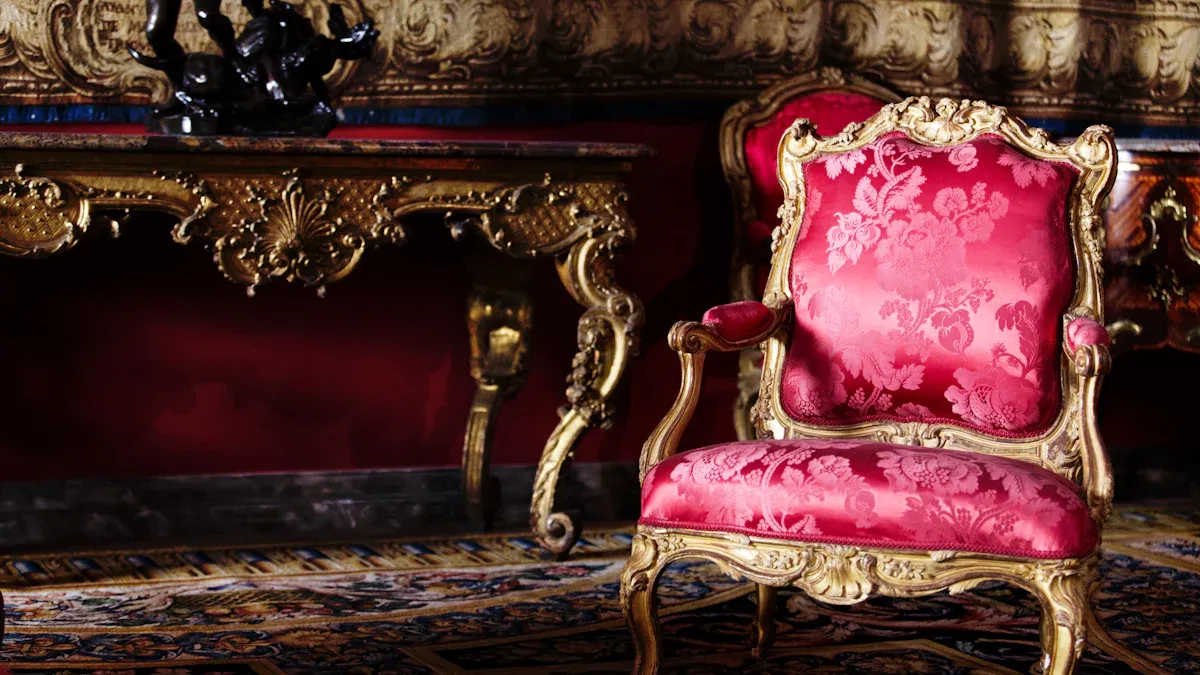
Velvet Fabric is used in many cool clothes. Designers pick it for fancy dresses and suits. Velvet makes robes and costumes look rich. You also see velvet in things like handbags and shoes. Hats, scarves, and gloves can be made with velvet too. The fabric feels soft and looks shiny. Stage costumes use velvet because it looks great in bright lights.
Common Fashion Uses of Velvet:
Evening gowns and dresses
Jackets and suits
Robes and costumes
Handbags and shoes
Hats, scarves, and gloves
Velvet helps you look special at big events. Its soft feel and shine make outfits stand out.
Home and Upholstery
Velvet can make your home look nice and feel cozy. People use velvet for sofas, chairs, cushions, and headboards. The fabric feels soft when you sit or rest. Velvet is strong and lasts a long time. You can clean velvet easily because it does not stain fast. This is good for homes with pets or kids. Velvet comes in lots of colors and patterns. You can match it to your room style.
Benefits of Velvet in Home Furnishings:
Softness for comfort
Elegant style for any room
Stain resistance for easy cleaning
Item | Why Choose Velvet? |
|---|---|
Sofa | Soft, durable, stylish |
Chair | Comfortable, easy to clean |
Cushion | Cozy, colorful |
Headboard | Elegant, long-lasting |
Other Uses
Velvet is used in many other places too. Bedding like bedspreads and pillows often use velvet. Velvet is found in curtains, blankets, and table linens. Theater sets and costumes use velvet for a bold look. Some fancy cars have velvet inside. People use velvet for wrapping gifts and making crafts.
Home decor: curtains, drapes, table linens
Theater: costumes, draperies, props
Automotive: luxury car interiors
Crafts: gift wrapping, decorations
Velvet can add comfort and style to many things in your life.
Sustainability
Environmental Impact
Velvet fabric can affect the environment in different ways. The effect depends on what fibers are used and how factories make it. If you pick velvet made from cotton or silk, it can break down in nature. But growing cotton uses lots of water and chemicals. Factories that dye or finish velvet can also pollute the air and water.
Velvet made from polyester or nylon comes from oil. These fibers do not break down fast. If you throw away this velvet, it can stay in landfills for a very long time. As it breaks down, it can let out harmful gases. Factories also make waste like fabric scraps and packaging. This adds to the trash in landfills.
Waste Generation: Making velvet creates scraps and packaging waste. Velvet that does not break down adds more trash.
End-of-Life Disposal: Synthetic velvet stays in landfills for years. It can give off bad gases as it sits there. Natural velvet breaks down faster but can still pollute if it has chemicals.
Sourcing of Raw Materials: Cotton needs lots of water and chemicals to grow. Synthetic fibers come from oil, which is bad for nature.
Tip: To help the planet, learn about the fibers and how your velvet is made.
Eco-Friendly Options
You can pick velvet that is better for the earth. Some companies make recycled velvet. This kind uses old plastic bottles or fabric scraps. When you choose recycled velvet, you help cut down on trash.
Organic velvet is another good choice. It uses cotton or silk grown without harsh chemicals. This helps keep soil and water clean. Upcycled velvet uses old velvet items in new ways. You can find upcycled velvet in crafts or home decorations. This keeps old fabric out of landfills and saves resources.
Recycled Velvet: Made from old bottles or fabric scraps. Helps lower waste.
Organic Velvet: Uses cotton or silk grown without bad chemicals. Helps keep farms healthy.
Upcycled Velvet: Uses old velvet again. Saves materials and cuts down on trash.
Eco-Friendly Velvet | How It Helps the Environment |
|---|---|
Recycled Velvet | Cuts down on landfill trash |
Organic Velvet | Keeps soil and water safe |
Upcycled Velvet | Lowers waste and saves resources |
Picking eco-friendly velvet lets you enjoy something nice and help the earth. Try to buy recycled, organic, or upcycled velvet when you shop.
Buying & Quality Guide
How to Choose the Right Velvet for Your Project
When you pick velvet for your project, you want to make sure it fits your needs. Here are the main things you should consider:
Purpose: Think about what you will use the fabric for. Clothing and upholstery need different types of velvet.
Texture: Pick a texture that matches your design. Plush velvet feels soft and cozy. Structured velvet gives a crisp look.
Color: Choose a color that fits your style. Remember, lighting can change how velvet looks.
Care: Check how to clean and care for the fabric. Some velvets need special cleaning.
Sustainability: Look for eco-friendly options, like recycled or organic velvet, if you want to help the planet.
Tip: Always match the velvet’s features to your project’s needs for the best results.
Evaluating Quality & Price Factors
You can spot high-quality velvet by its dense pile and even shine. Velvet with a thick, soft surface usually costs more. The place where the fabric comes from also affects the price. Imported velvet or fabric with special patterns often costs extra. Durability and how easy it is to care for the fabric can change the price, too.
Factor | What to Look For | Impact on Price |
|---|---|---|
Pile Density | Thick, even surface | Higher |
Sheen | Consistent shine | Higher |
Origin | Imported or domestic | Varies |
Design Complexity | Simple or custom patterns | Higher for custom |
Easy to clean, long-lasting | Higher for durable |
You can also check reviews, talk to other crafters, and ask for samples before you buy.
Tips for Sampling and Testing
Before you start your project, test your velvet sample. Try marking the fabric with your tools to see if it leaves marks. Hand-baste seams to avoid pressing marks into the pile. Use fine silk thread for hand sewing, since it slides through velvet and comes out clean. If you use a sewing machine, adjust the needle so it does not crush the fabric. Always finish raw edges with a serger to stop fraying and keep the fabric smooth.
Note: If you need to remove stitches, do it right away and use steam to help the fabric recover.
AzKnit Velvet Expertise
AzKnit offers a wide range of velvet fabrics for every need. You can find natural, synthetic, and eco-friendly velvets in many colors and textures. AzKnit’s team helps you choose the right fabric and gives advice on care and use. You get quality velvet that fits your project and budget.
AzKnit supports you from picking samples to finishing your project, making sure you get the best results every time.
Velvet started long ago and showed people were rich. Now, velvet comes in many types and styles. The table below shows the main facts:
Aspect | Details |
|---|---|
Origin | Started in ancient times, meant high status |
Composition | Made from silk, cotton, fake fibers, or mixes |
Structure | Has two layers and a soft pile |
Properties | Feels soft, shines, and lasts a long time |
Varieties | Crushed, velour, panne, and other kinds |
To keep velvet nice, follow these tips: Brush and vacuum gently with the nap. Store it flat and keep it out of the sun. Dab up spills fast and do not fold the fabric.
Velvet looks fancy and feels comfy. There are new earth-friendly choices too. People still love velvet for clothes and homes. It will stay popular as more people want stylish and green options.
FAQ
What makes velvet fabric feel so soft?
Velvet feels soft because it has a thick pile. The pile is made by cutting yarn loops on the surface. You touch the pile and feel the plush texture.
Can you wash velvet at home?
You can wash some velvet at home. Use cold water and gentle soap. Always check the care label first. Dry the fabric flat to keep its shape.
Does velvet fade in sunlight?
Velvet can fade if you leave it in strong sunlight for a long time. You should keep velvet out of direct sun to protect its color and shine.
Is velvet good for people with allergies?
Velvet does not trap dust easily if you clean it often. You should vacuum with a soft brush. This helps keep the fabric fresh and safe for people with allergies.
How do you remove stains from velvet?
Blot stains with a clean, dry cloth. Do not rub the fabric. Use a gentle cleaner on a hidden spot first. For tough stains, ask a professional for help.