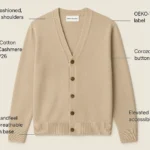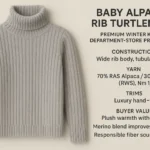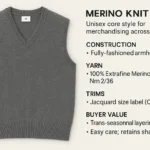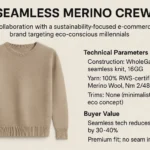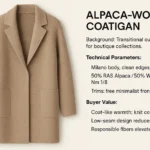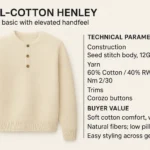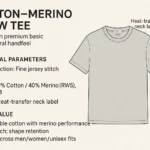

To create custom knitwear, you need to provide clear technical specifications, as understanding what information factories need for custom knitwear is crucial. If you overlook important details, mistakes can occur in the final product, leading to issues with quality and fit. Factories may have variations in their products, and communication delays or errors in the process can arise. These challenges often stem from a lack of knowledge about what information factories need for custom knitwear. A detailed tech pack helps eliminate guesswork, ensuring your knitted sweaters turn out exactly as you envision. By understanding how custom knitwear is made, you can communicate more effectively with factories, resulting in reliable sweaters every time.
Key Takeaways
Give a clear tech pack to stop mistakes in custom knitwear orders.
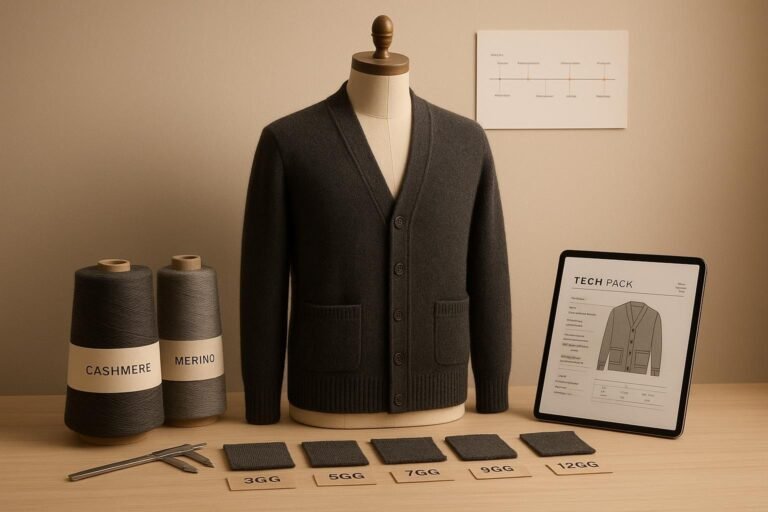
List the yarn fiber content and blend ratios for the right comfort and strength.
Tell the exact gauge and yarn thickness to control how the knitwear looks and feels.
Use Pantone codes for color matching and say which dye methods to use for even color.
Add certifications in your tech pack to make sure the production is ethical and good for the planet.
Make simple technical drawings and notes to help factories follow your design.
Give exact sizing details and tolerances so the knitwear fits well.
Check quality at every step to keep high standards and make customers happy.
Knitwear Yarn Specs
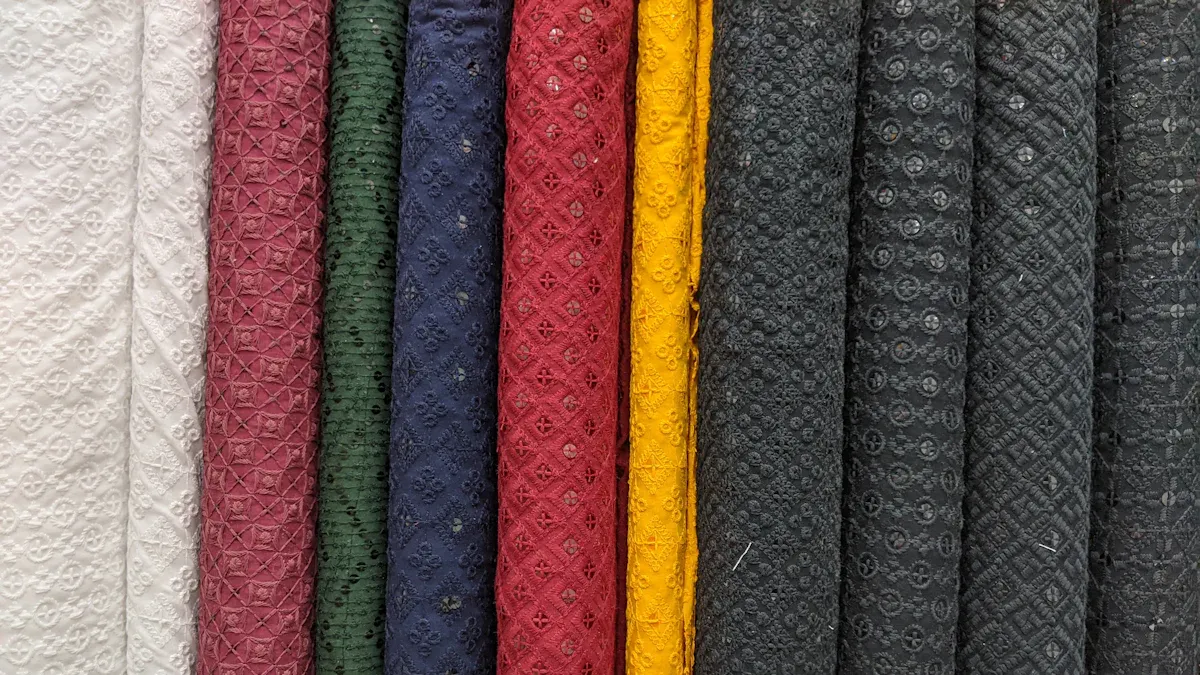
Fiber Content
Natural vs. Synthetic
When picking yarn for custom knitwear, you have two main choices. You can use natural fibers or synthetic fibers. Natural fibers come from plants or animals. Some examples are cotton, wool, and cashmere. These fibers are soft and let air pass through. Synthetic fibers are made in factories. Acrylic and polyester are two common types. They usually cost less money and do not shrink easily. Sometimes, people mix both types together. This gives the knitwear the best features of each. What you pick changes how comfy, strong, and easy to care for your knitwear is.
Blend Ratios
Factories must know the exact blend ratios in your yarn. For example, you might want 80% cotton and 20% polyester. This mix changes how the knitwear feels and works. Blends can make the knitwear stretch more, feel warmer, or be softer. Always write the percentage of each fiber in your tech pack. Clear blend ratios help factories find the right yarn. This makes sure your knitwear matches what you want.
Yarn Weight & Gauge
Gauge (Stitches per Inch)
Gauge tells how many stitches fit in one inch of fabric. This number shows the factory how tight or loose the knitwear should be.
The knit gauge is a very important measurement in sweater making. It tells how many stitches and rows are in a piece of fabric. Gauge changes how thick, stretchy, and nice the sweater looks and feels.
A higher gauge means more stitches in each inch. This makes the fabric finer and thicker. A lower gauge means fewer stitches, so the fabric is chunkier. You need to tell the factory the gauge you want. This helps them make knitwear with the right look and warmth.
Yarn Thickness
Yarn thickness works with gauge to change the final product. Thicker yarns make knitwear heavier and warmer. Thinner yarns make lighter and softer pieces.
Yarn weight and knitting gauge are very important for knitwear quality and strength. The knitting gauge shows how thick the fabric is. This changes how the garment hangs, how warm it is, and how it looks. A higher gauge makes the fabric finer and thicker. A lower gauge makes it chunkier. The yarn you pick, with its fiber type and weight, also changes how soft and strong the knitwear is. For example, heavier yarn gives more warmth and strength. Lighter yarn gives more air flow and a softer feel.
Knitting gauge changes how thick the fabric is. This affects how strong and warm it is.
Yarn weight changes how thick and warm the fabric feels.
Picking the right yarn and gauge lets you control how the garment turns out.
You should always say what yarn thickness you want in your tech pack. This helps the factory pick the right materials and keep the quality the same.
Color & Dyeing
Pantone Codes
Factories need to know the exact color you want for your knitwear. Pantone codes are used all over the world to match colors in textiles.
Color System | Description |
|---|---|
Pantone TCX | Made for fashion and textile designers, with color codes for fabric. |
Pantone TPG | Paper version used for making color standards, so colors stay the same. |
Pantone Color Standards are used by over 10 million designers and makers around the world. They have about 2500 color choices for easy picking. Pantone TCX is made for textiles, so colors look right on different materials.
Dye Method
You must tell the factory how you want your knitwear dyed. Some common ways are yarn dyeing, piece dyeing, and garment dyeing. Each way changes how the color looks and lasts. Yarn dyeing colors the yarn before knitting. Piece dyeing colors the fabric after it is made. Garment dyeing colors the finished sweater. Clear steps help factories get the color and quality you want.
Certifications
When you buy custom knitwear, you should think about certifications. Certifications prove your knitwear follows certain rules. These rules can be about the environment, worker safety, or animal care. Many brands and buyers want proof that knitwear is made responsibly.
Sustainability
Sustainability is important in making knitwear. You want yarns that protect the earth and treat people well. Many countries ask for special certifications for sustainable yarns. These certifications show your products meet world standards.
Here is a table with common certifications for sustainable knitwear yarns:
Certification | Description |
|---|---|
GOTS | The Global Organic Textile Standard is the top rule for organic fibers. It checks that production is responsible from start to finish. |
GRS | The Global Recycled Standard needs recycled materials. It also checks for good social and environmental actions. |
Fair Trade Certified | This certification makes sure workers are treated fairly. It cares about workers and the environment in textiles. |
RWS | The Responsible Wool Standard makes sure sheep are treated kindly. It also checks land care and social welfare in wool making. |
Ask your factory what certifications they have. If you want to sell in green markets, these certifications help you meet buyer needs. They also show customers you care about the earth and the people who make your knitwear.
Tip: Always list the certifications you need in your tech pack. This helps the factory pick the right yarn and stops delays.
Supplier Info
Knowing your yarn supplier matters as much as picking certifications. You should know where your yarn comes from and how it is made. Good supplier info lets you trace your knitwear back to its source. This builds trust with customers and helps you follow laws in some places.
Ask your factory for the name and address of the yarn supplier. You can also ask for papers that prove the yarn meets your rules. Some brands visit suppliers to check working conditions and quality. When you have clear supplier info, you can avoid problems with quality and ethics.
If you want a strong brand, you must care about every step in making knitwear. Certifications and supplier info help you make smart choices and create products you feel proud of.
Design & Stitch Details

Technical Drawings
Technical drawings help the factory see your design ideas. You should give clear pictures that show every part of your knitwear. These drawings help the factory make your patterns and keep the quality good.
File Formats
Factories usually want digital files. You can use PDF, AI, or JPEG files. These file types keep your design clear and easy to see. Before you send files, check if the factory can open them. This step helps stop mistakes and delays in your order.
Annotation
Annotations are notes you add to your drawings. You can show special parts, like which way stitches go or where trims are. Use arrows, labels, and short notes. These details help the factory follow your directions and keep your knitwear looking the same each time.
Stitch Type & Tension
Stitch type changes how your knitwear looks and feels. You can pick from many stitch types. Each one has its own look and strength. The right stitch type helps your designs stand out.
Stitch Type | Appearance | Strength | Use Case |
|---|---|---|---|
Lockstitch | Clean, flat | Very strong | Shirts, trousers, dresses |
Chainstitch | Slightly elastic | Moderate | Denim seams, decorative topstitching |
Overlock | Neatly finishes raw edges | N/A | Knitwear, performance wear |
Flatlock | Creates a flat seam with minimal bulk | N/A | Athleticwear |
Coverstitch | Often seen on hems of T-shirts and leggings | N/A | High-stretch fabrics |
Tension settings are important too. If tension is too tight, your knitwear might pucker or look strange. If tension is too loose, the fabric can sag. You need to set tension for each yarn and pattern. This step keeps your sweaters neat and fitting well.
Tip: Always test tension before making lots of pieces. Good tension helps your knitwear keep its shape and style.
Texture Requirements
Texture makes your knitwear more interesting. You can ask for smooth, ribbed, or chunky textures. Factories need clear directions about texture to match your design. Texture changes how your patterns feel and look.
Tension Standards
You should set tension standards for each design. Write these rules in your tech pack. This helps the factory keep your knitwear quality high. Tension standards also help your sweaters fit the same every time.
Patterns & Embellishments
Patterns make your knitwear special. You can pick from stripes, checks, or your own designs. Factories need clear pictures and directions for each pattern.
Jacquard, Cable, Intarsia
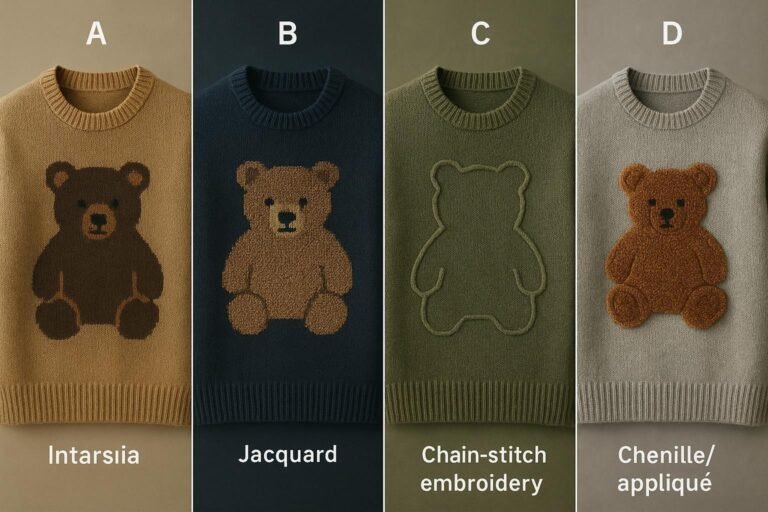
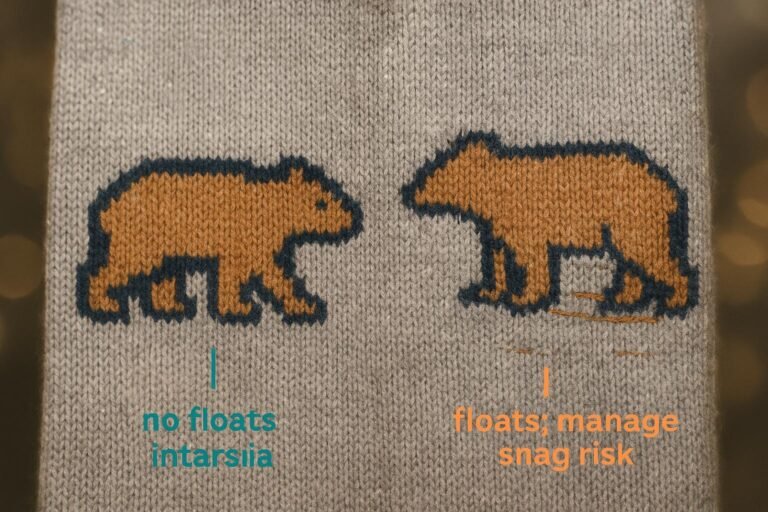
You can use special patterns like jacquard, cable, or intarsia. Jacquard makes detailed pictures or shapes. Cable adds raised lines for a classic look. Intarsia uses blocks of color for bold designs. These patterns help your knitwear stand out.
Placement
Placement tells the factory where to put each pattern or decoration. You should mark placement on your drawings. Common decorations are beading, sequins, and fur. You can use these to add sparkle or texture to your knitwear. Clear placement instructions help the factory put your design in the right spot.
Beading
Sequins
Fur
Patterns and decorations change the look and quality of your knitwear. You should plan each detail to get the best results.
Sizing & Measurements
Getting the right size is very important in making custom knitwear. If you give clear sizing details, factories can make clothes that fit well and look nice.
Size Range
You have to pick if you want standard sizes or custom sizes for your knitwear. Standard sizes use common charts, so making them is easier. Custom sizes let you make special fits for your brand or for certain customers.
Standard vs. Custom
Factories usually have a list of standard sizes for different products. Here is a table that shows the smallest order you can make for each knitwear item:
Product Type | Minimum Order Quantity |
|---|---|
Baby Sweater Clothes | 50 pieces |
Checkered Jacquard Cardigan | 30 pieces |
Girls Sweaters with Patchwork | 50 pieces |
Thick Crochet Twist Outwear | 3 pieces |
Handmade High Quality Cotton Sweater | 5 pieces |
Custom Striped Pattern Sweater | 5 pieces |
Fashion Kids Knitted Jacquard Sweaters | 50 pieces |
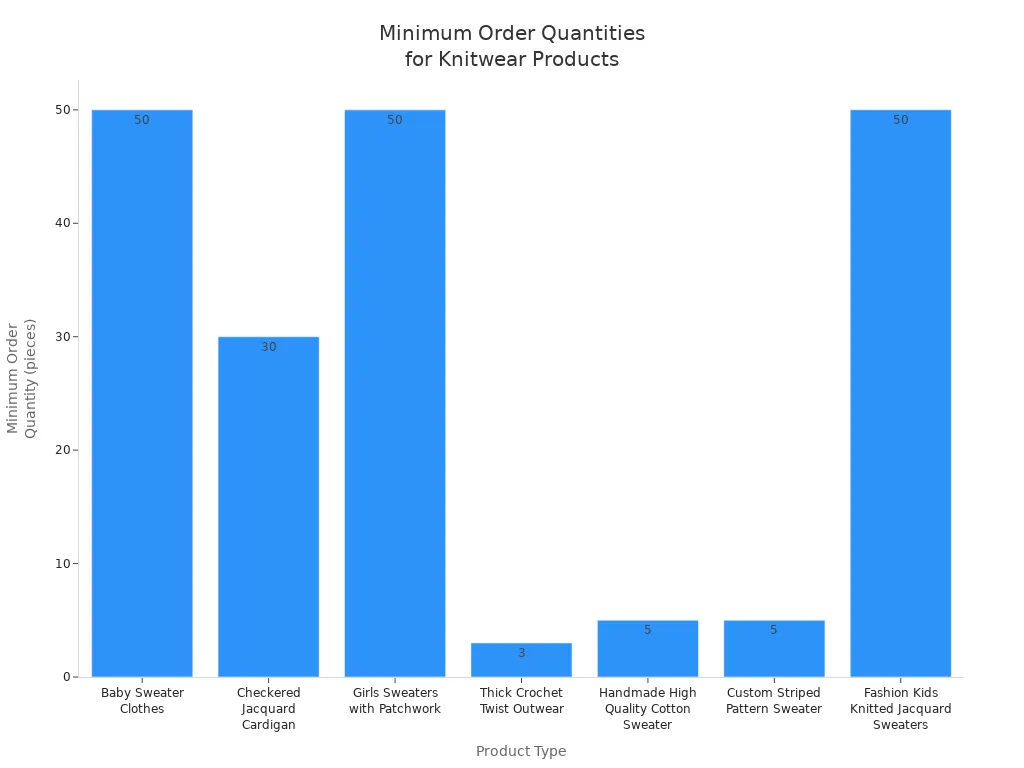
If you want custom sizes, you must give the factory the measurements for each size.
Grading
Grading means changing your knitwear pattern to make different sizes. You need to give a grading chart that shows how each measurement changes from one size to the next. This helps the factory make sure every size fits the way you want.
Measurement Points
Factories need to know where and how to measure your knitwear. You should add a technical sketch with arrows that show each measurement spot. This sketch is called a POM (Point of Measurement) sketch.
Body & Garment
Here are the main things you should put in your tech pack:
Key Element | Description |
|---|---|
POM Sketch | Flat drawing with arrows for each measurement location. |
POM Description and Techniques | Details about how to measure (straight, curved, half circumference). |
Measurement Chart | Table with sample size and graded measurements, using clear POM codes. |
Tolerances | Allowed margin of error for each measurement. |
Fit Comments | Notes about garment construction and fit. |
Tip: Always check your measurement points before you send your tech pack to the factory. This helps stop mistakes and saves time.
Tolerances
Tolerances are small changes that are okay in your knitwear measurements. You need to set these limits so factories know what is fine.
Shrinkage
Knitwear can get smaller after washing. You should tell the factory how much shrinkage is okay. Here is a table with normal shrinkage rates:
Fabric Type | Acceptable Shrinkage |
|---|---|
Cotton | 2–3% |
Polyester | <1% |
Cotton Blends | 1–2% |
Knit Fabrics | Up to 5% |
Natural fibers like cotton and wool shrink more than synthetic ones. Always test your fabric before you start making lots of pieces.
Stretch
Stretch is also important in knitwear. You should set limits for how much your garment can stretch and still look good. Factories use these limits to check the fit and quality.
Note: If you set clear limits for shrinkage and stretch, you will get knitwear that is always good quality.
Knitwear Production Techniques
If you know how knitwear is made, you can make better choices. You can pick machine knitting or manual chunky knitting. Each way changes how your knitwear looks and feels. It also changes how fast it gets made.
Machine Knitting
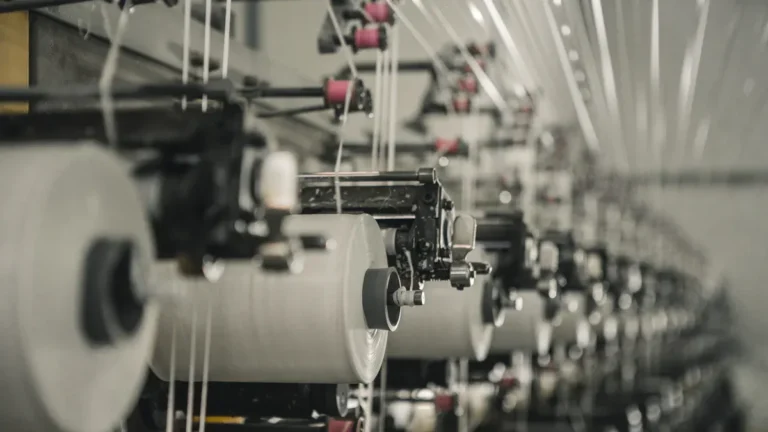
Factories use machines to make most custom knitwear. Machines work quickly and make the same thing every time. There are two main machine types: flat and circular.
Flat vs. Circular
Flat knitting machines make fabric panels. Workers sew these panels together. This way is good for sweaters and cardigans. Circular knitting machines make tubes with no seams. These tubes are used for hats, socks, and seamless sweaters.
Circular knitting machines make seamless clothes very fast.
Machines finish big jobs faster than hand knitting.
Machine Type
You need to tell the factory which machine you want. Some machines use thin yarn for light knitwear. Others use thick yarn for chunky styles. The machine you pick changes how your knitwear feels and looks. If you want a special style, ask what the machine can do.
Here is a table that shows how machine knitting and manual knitting are different:
Feature | Machine Knitting | Manual Knitting |
|---|---|---|
Production Speed | Makes patterns in minutes | Slower, takes more time |
Design Consistency | Keeps designs the same | Can have more changes |
Creative Control | Less creative freedom | More creative freedom |
Manual/Chunky Knitting
Manual or chunky knitting uses hands or simple tools. Skilled workers knit each piece by hand. This way gives more creative control and special textures.
Hand Techniques
Hand knitting lets you use special stitches and patterns. You can make unique designs. This way is good for small batches or luxury knitwear.
Special Specs
You should give clear directions for hand-knit items. Tell the factory about yarn, stitch type, and tension. Hand knitting can look different each time, so details help keep quality high.
Here is a table that compares quality:
Quality Aspect | Machine Knitting | Manual Knitting |
|---|---|---|
Design Flexibility | Not as flexible for hard designs | More flexible for detailed patterns |
Fabric Consistency | Very consistent because of machines | Changes with knitter’s skill |
Minimum Order Quantity
Factories set a minimum order for custom knitwear. The number depends on how it is made.
Technique Impact
Machine knitting needs bigger orders. Factories must set up machines and buy lots of yarn. Manual knitting can do smaller orders but takes longer.
Manufacturer | |
|---|---|
Baagh Enterprises | 20 sets per design |
Zega Apparel | 50 pieces per design |
Appareify | Smaller than others |
Order Planning
Plan your orders based on what you need and how knitwear is made. If you want things fast, machine knitting is best. If you want special pieces, pick manual knitting. Always ask your factory about their minimums and how long it takes. This helps you avoid delays and control your budget.
Tip: Talk clearly with your factory about how you want things made and how many you need. This helps you get better custom knitwear.
Finishing & Packaging
Washing & Blocking
Wash Instructions
You need to give clear wash instructions for your knitwear. Factories often wash each piece before packaging. This step removes oils and dirt from the yarn. It also helps the garment keep its shape. You should tell the factory if you want hand wash, machine wash, or dry clean only. Always test a sample first to see how the knitwear reacts to water and soap.
Tip: Use gentle detergents and cold water to protect the fibers and colors in your knitwear.
Blocking
Blocking is an important step for custom knitwear. It shapes the garment and sets the final measurements. Factories block knitwear to:
Achieve accurate gauge, so the garment fits as planned.
Smooth out uneven tension and remove lines from needle changes.
Prevent curling at the edges, making the piece easier to wear.
Enhance the appearance by cleaning and letting the yarn bloom.
Prepare the knitwear for sewing or adding embellishments.
You should include blocking instructions in your tech pack. This helps the factory finish each piece to your standards.
Trimming & Labeling
Label Placement
You must tell the factory where to place labels on your knitwear. Most brands put the main label at the back neck or side seam. Some also add a small logo tag on the hem or sleeve. Clear label placement keeps your branding consistent.
Care Labels
Care labels give washing and drying instructions to your customers. These labels help people keep their knitwear looking new. You should list fiber content, washing method, and country of origin. Factories can sew or heat-press care labels inside the garment.
Label Type | Common Placement | Purpose |
|---|---|---|
Main Label | Back neck, side seam | Brand identity |
Care Label | Side seam, lower hem | Washing and care instructions |
Logo Tag | Hem, sleeve | Extra branding |
Packaging
Folding
Always fold knitwear instead of hanging it. Folding helps keep the shape and stops stretching. Factories should fold each piece neatly along the seams. This keeps the garment looking fresh when it arrives.
Shipping
Proper packaging protects knitwear during shipping and storage. You can follow these steps:
Fold your knitwear neatly to keep its shape.
Place it inside a glassine bag to protect from dust and moisture.
Add tissue or kraft paper for extra cushioning.
Slip the package into a biodegradable mailer or small box.
Seal with a branded sticker or tape.
Include a thank you card for a personal touch.
You can also use breathable storage bags made from cotton or linen. Store knitwear in a cool, dry place to avoid mold and mildew.
Note: Good packaging keeps your knitwear safe and makes a strong impression on your customers.
Quality Control Standards
When you order custom knitwear, you want every piece to be high quality. You can do this by using strict quality control steps. These steps help you find problems early. They make sure your knitwear looks and feels good.
Inspection
You need to check your knitwear at different times. Inspections help you find mistakes before shipping. Factories use many types of inspections to keep quality high.
Description | |
|---|---|
Pre-shipment Inspection | Checks done before the items are shipped |
Final Random Inspection | Most common type of inspection |
Container Loading Check (CLC) | Checks during loading into containers |
Social Compliance Audit | Makes sure social rules are followed |
Initial Production Check | Checks at the start of making products |
Random Product Sampling | Random checks of some products |
During Production Check (Durpro) | Checks while products are being made |
Color differences and shifting | Looks for color changes or problems |
Stitches | Checks if stitching is neat and strong |
Measurements & size checks | Makes sure sizes are correct |
Fabric defects checking | Finds any problems in the fabric |
Packaging, logos, labels, markings | Checks if packaging and labels are correct |
Order specs | Checks if products match your order |
Special requirements & on-site testing | Extra checks for special needs |
Visual Checks
You should always look for color changes, loose stitches, and fabric problems. These checks help you see issues that change how your knitwear looks and feels. You also need to check labels, logos, and packaging. This makes sure they match what you ordered.
Sample Approval
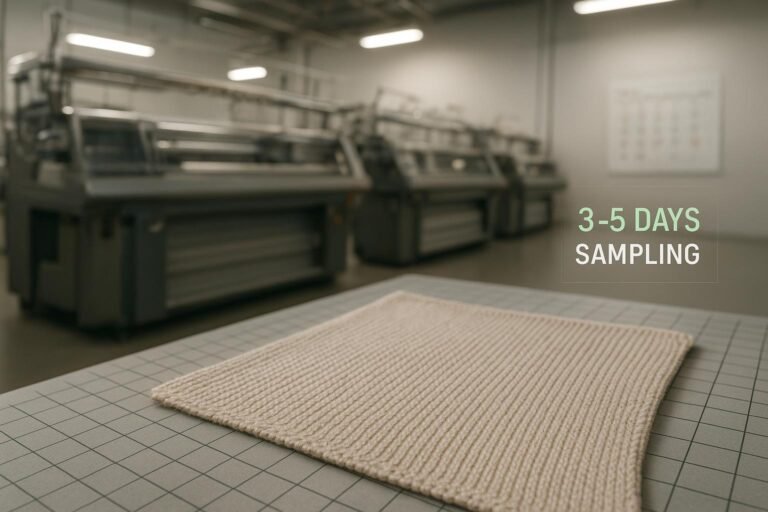
Before making all your knitwear, ask for a sample. Check the sample for fit, size, and quality. If the sample is good, you can approve it. This step helps you avoid mistakes in the final group.
Performance Testing
Testing your knitwear shows how well it will last. You want your products to keep their color, shape, and softness after washing and wearing.
Test Type | Purpose |
|---|---|
Abrasion Testing | Checks how well fabric stands up to rubbing |
Strength Testing | Tests how strong the fabric is |
Pilling Testing | Checks if fabric gets fuzz balls |
Color Testing | Sees if fabric keeps its color |
Shape Testing | Makes sure fabric keeps its shape |
Stitching quality
Colorfastness
Colorfastness
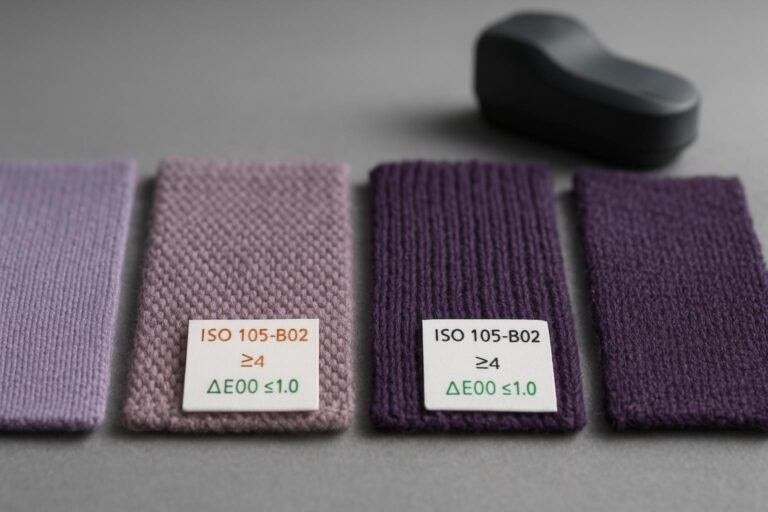
Colorfastness tests show if your knitwear keeps its color after washing or rubbing. This test is important because it stops fading. It also keeps colors from staining other clothes. You want your knitwear to look new for a long time.
Pilling
Pilling tests show if your knitwear will get fuzz balls after wearing. You want to avoid pilling because it makes knitwear look old. Good results mean your knitwear will stay smooth and soft.
Tip: Always ask your factory for test reports. These reports show your knitwear meets world quality standards and will last longer.
Compliance
You must follow rules and laws when you make and sell knitwear. Buyers often want proof that your products are safe and made fairly.
Regulatory
Many countries need special certifications for knitwear. Some common ones are:
GOTS for organic textiles
OEKO-TEX® Standard 100 for chemical safety
WRAP for fair labor
SA8000 for worker care
CPSIA for children’s clothes
These certifications show your knitwear is safe and follows all rules.
Third-Party Testing
You can use outside labs to test your knitwear. These labs check for bad chemicals, fabric safety, and social rules. Third-party testing gives you and buyers more trust in your quality.
Note: Following rules helps you sell your knitwear in more places. It also builds trust with your customers.
By using inspections, testing, and rule checks, you make sure your knitwear is high quality. These steps protect your brand and keep your customers happy.
What Information Factories Need for Custom Knitwear Orders
When you order custom knitwear, you must give the factory all the details. If you forget something important, your sweaters might not fit or look right. Factories use your instructions to make your ideas real. Knowing what to tell the factory helps you avoid mistakes and waiting longer. This part explains what you should include, how to talk with your factory, and how to check your order.
Tech Pack Essentials
A tech pack is the main guide for your knitwear order. It tells the factory what you want, like yarn, patterns, and finishing. You need to add every detail so the factory does not have to guess. Here are the main things to put in your tech pack:
Cover page with your brand and order info
Design sketches and technical drawings that show all parts and patterns
Specification sheet with size charts, grading, and measurement points
Bill of materials listing all yarns, trims, and extras
Construction details for seams, stitch types, and special patterns
Packaging and labeling instructions
Cost sheet for planning and budget
You should also add fabric samples and clear artwork files for custom designs. These files help the factory match your colors and patterns. When you include all these things, you answer what the factory needs and make the process easier.
Tip: A full tech pack helps stop mistakes, saves time, and keeps your order on track.
Communication & Timeline
Talking clearly with your factory is just as important as your tech pack. You need to explain your ideas, answer questions, and check samples before making many pieces. Good talking helps you fix problems early and keeps your order on time.
Some good ways to talk with your factory are:
Ask for samples before making a big order to check fit and patterns
Use pictures and tech packs to show every detail, like yarn and sweater patterns
Make sure the factory uses yarn from the same batch for color matching
Give clear steps for making, finishing, and packing
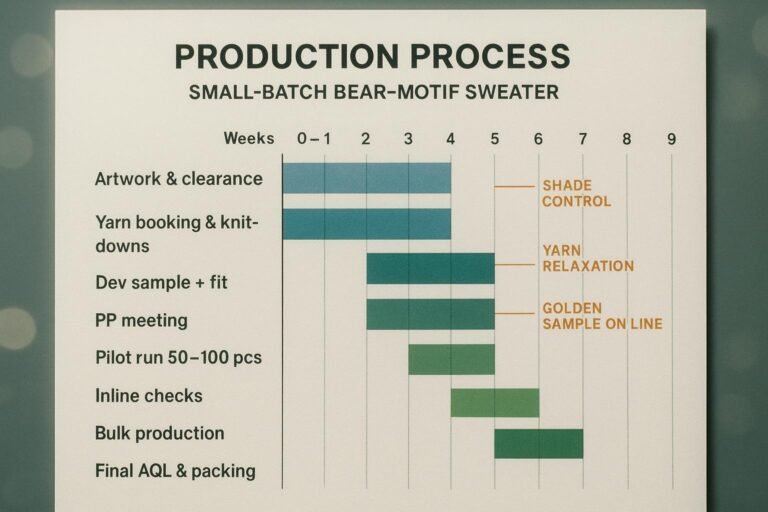
You should also talk about how long your order will take. Most orders take 30-60 days from start to finish. Harder styles or big orders can take 4-9 months. Always plan ahead and set clear dates with your factory. This helps you avoid waiting and keeps your sweaters coming on time.
Note: Tech packs help you and the factory understand each other, even if you speak different languages or come from different places.
Specification Verification
You must check that your factory follows your rules at every step. Factories use different ways to check details before, during, and after making your order. This keeps your brand safe and makes sure your knitwear is strong, fits well, and looks good.
Some common ways to check are:
Pre-production checks to look at raw materials, yarn, and patterns
In-process checks to find problems and make sure the factory follows your steps
Final checks to see if the finished knitwear matches your tech pack
Factories may use random checks or special computer programs to find color or fabric problems. Standard rules help stop mistakes and keep checks fair.
If you find any problems, work with the factory to fix them before shipping. Always ask for test reports and check results. This step helps you get knitwear that matches your design and quality goals.
Remember: Giving all the right info and checking every step helps you get knitwear that fits, lasts, and looks great.
By following these steps, you answer what the factory needs for custom knitwear and make sure your designs, patterns, and materials turn into great sweaters. You also learn how knitwear is made and how to manage the whole process.
When you give factories all the technical specifications, your brand does better. This helps factories trust you and makes your brand look good. It also helps the planet and shows you care about making things the right way. Over time, your brand’s reputation gets stronger and you help the environment.
You get:
Better support for the planet
Stronger loyalty and a better name
A checklist makes it easier to share every detail, like design drawings and how to pack items. This helps factories finish your custom knitwear on time.
Component | Description |
|---|---|
Design sketches | Clear pictures that show the clothing from different sides. |
Bill of materials | A list of all fabrics, trims, and other parts used in the clothing. |
Measurement specs | A size chart with exact measurements and what small changes are okay. |
Construction details | Notes about stitching, seams, and how to put the clothing together. |
Labeling and packaging | Where to put tags, care labels, and what packaging to use. |
You can talk with factories or change your tech packs to make each order better.
FAQ
What is a tech pack and why do I need one?
A tech pack is a document with all your design details. You need it to show factories exactly what you want. This helps you avoid mistakes and get the right product.
How do I choose the right yarn for my project?
You should think about how you want your item to feel and look. Ask your factory for samples. Test them for softness, strength, and color before you decide.
What is the difference between flat and circular knitting machines?
Flat machines make panels that workers sew together. Circular machines make seamless tubes. You pick the machine based on the style you want.
How can I make sure my sizes are correct?
Give the factory a clear size chart with measurements. Ask for a sample before full production. Try it on or measure it to check the fit.
Why do factories need color codes like Pantone?
Factories use color codes to match your colors exactly. Pantone codes help everyone use the same shade, so your items look the way you want.
What is the best way to check quality before shipping?
Ask for a sample and do a visual check. Look for color, size, and stitching. You can also ask for test reports from the factory.
How do I keep my knitwear looking new?
Wash gently with cold water. Lay flat to dry. Store folded in a cool, dry place. This helps your knitwear keep its shape and color.