
Knitwear certification shows you have skills and know about knitwear. Brands and customers trust you more when you are a certified knitwear designer. Many employers want to hire people with knitwear certification, so you get noticed and can find more jobs in knitwear design. If you want to get better as a designer, certification helps you learn more about knitwear and makes your reputation stronger.
Key Takeaways
Knitwear certification shows you know how to design knitwear. It helps brands and customers trust you more.
There are different certifications for design, knitting skills, and material safety. These help you get noticed when looking for a job.
Certification keeps your brand’s good name safe. It makes sure your knitwear is safe and high quality.
Using certified materials helps the planet and is fair to people. This brings in customers who care about the Earth.
Keep track of what you need for certification. This makes things easier and helps you get better as a designer.
Knitwear Certification Overview
What Is Knitwear Certification
Knitwear certification shows you have the right skills for knitwear design. It proves you know how to make knitwear and follow the rules in the industry. You do not need a college degree to get knitwear certification, but it helps you stand out from others. Many designers use knitwear certification to show they understand yarn, knitting machines, and how to design knitwear. You can learn these skills by taking knitwear design classes or working with skilled knitters.
Types of Certification
There are different types of knitwear certification you can get. Some programs teach you about knitwear design, while others test your knitting skills. Designer certifications check if you can plan and make knitwear collections. Knitter certifications look at your skills with knitting machines and hand knitting. Some certifications are for teaching knitwear design classes. Here is a table that lists well-known certifications:
Certification Name | Organization |
|---|---|
Master Hand Knitting | The Knitting Guild Association (TKGA) |
Professional Knitter Certification | The Knitting Guild Association (TKGA) |
Certification for Knitwear Designers | The Knitting Guild Association (TKGA) |
Certified Instructors Program | Craft Yarn Council (CYC) |
Various Support for Textile Professionals | The Textile Society |
Standards in Textile and Coloration | American Association of Textile Chemists and Colorists (AATCC) |
Research and Education in Textile Fields | International Textile and Apparel Association (ITAA) |
Training and Certification for Machine Use | Knitting Machine Manufacturers (e.g., Shima Seiki, Stoll) |
What Is Assessed
Knitwear certification exams test your skills in many areas. You learn about wool, how yarn is made, and the history of knitting. You study the design process and how to use knitting machines. You also learn about knitted structures, how knitwear is made, and garment parts. Knitwear design classes teach you about body shapes, neck cuts, trims, and accessories. Here is a table of important skills:
Core Competencies | Description |
|---|---|
Role of Wool | Explain the role and benefits of wool as a raw material for knitwear. |
Yarn Production | Outline the processes involved in producing wool yarn for knitwear. |
History of Knitting | Provide a high-level overview of the history of knitting and its evolution. |
Design Process | Appreciate the key elements of the design process. |
Knitting Machines | Describe the main types of knitting machines and their basic actions. |
Knitted Structures | Explain the key knitted structures and techniques used to create knitwear. |
Manufacturing Routes | Outline the key manufacturing routes for modern knitwear. |
Design and Make Processes | Outline the key elements involved in the ‘design and make processes’. |
Body Shapes | Appreciate the classic body shapes and garment components. |
Neck Cuts and Trims | Outline a range of common neck cuts and trims for knitted garments. |
Classic Trims | Describe classic trims and pocket styles for cardigans. |
Knitwear Accessories | List popular knitwear accessories and their production processes. |
Difference Between Certification, Standard, and Test Report
You might see words like certification, standard, and test report in knitwear design classes. Certification means you finished a program and showed your skills in knitwear design. A standard is a rule that tells you how to make safe and good-quality knitwear. A test report gives you lab results about knitwear, like yarn strength or color staying the same. It is important to know these differences when you work with suppliers or plan your own knitwear collection.
Tip: You can grow your career in knitwear design by picking the right knitwear certification and learning through knitwear design classes.
Key Knitwear Certifications Designers Should Know
Designers need to know which certifications are important. These certifications help you pick safe materials. They also help you follow good rules and use animal fibers the right way. You can use these standards to build trust with brands and customers. Here are the main types of certifications you should learn about.
Fiber and Material Safety Standards
You want your knitwear fabrics to be safe to wear. Safety standards check for bad chemicals and test material quality. Here are some safety standards you should know:
OEKO-TEX® Standard 100: This certification checks that knitwear fabrics do not have harmful substances. You can use it to show your products are safe for skin contact.
Forest Stewardship Council (FSC): This standard certifies that materials come from forests managed in a responsible way.
Bluesign: This system looks at the environmental impact and safety of textile production.
The Higg Index: This tool measures how sustainable your knitwear is.
ASTM Textile Standards: These standards test the physical and chemical properties of knitwear fabrics. You can use them to make sure your materials meet safety and quality rules.
OEKO-TEX® Standard 100
OEKO-TEX® Standard 100 proves your knitwear fabrics are free from bad chemicals. This certification checks every part of your product, from yarn to finished garment. Many brands want this label when they buy knitwear.
REACH Regulation (EU)
REACH is a rule in Europe. It controls chemicals used in knitwear fabrics. You must follow REACH to sell knitwear in Europe. This rule keeps people and nature safe from dangerous substances.
GOTS
GOTS means Global Organic Textile Standard. You use GOTS to show your knitwear fabrics are organic and made in a good way. This certification checks everything, from growing cotton to making the final knitwear.
Sustainable and Ethical Manufacturing Certifications
You want your knitwear to be made fairly and responsibly. These certifications help you prove your products support workers and protect the planet.
Fashion Revolution: This group checks that workers get fair pay and that you can trace where your knitwear comes from.
EcoCert: This certification looks at organic farming for materials used in knitwear.
Global Organic Textile Standard (GOTS): You use GOTS to show your knitwear fabrics are organic and made with respect for workers.
Fairwear Foundation: This group focuses on labor rights and safe working conditions for people making knitwear.
Here is a table with more certifications and what they focus on:
Certification Name | Key Focus Areas | Importance to Brands |
|---|---|---|
GOTS | Organic cotton, ethical production | Trustworthy certification ensuring ethical and sustainable processes |
Bluesign Standard | Worker safety, ecological footprint | High ranking for worker and environmental safety |
Regenerative Organic Certified (ROC) | Soil health, animal welfare, social fairness | Supports regenerative practices and social equity |
OEKO-TEX®: STANDARD 100 | Safety of materials | Ensures textiles are free from harmful substances |
MADE IN GREEN by OEKO-TEX® | Environmental sustainability, social responsibility | Offers traceability and compliance assurance |
Global Recycled Standard (GRS) | Recycled materials | Confirms the use of recycled content in products |
Leather Working Group (LWG) | Sustainable leather sourcing | Ensures leather is sourced sustainably through audits |
Better Cotton Initiative (BCI) | Cotton sustainability | Largest cotton sustainability program ensuring ethical practices |
Fair Trade Certified
Fair Trade Certified shows your knitwear supports fair pay and safe work. This label helps you prove your knitwear is made in a way that respects workers.
WRAP
WRAP means Worldwide Responsible Accredited Production. This certification checks that your knitwear is made with good labor practices. You use WRAP to show brands and buyers you care about workers’ rights.
SEDEX / BSCI Audits
SEDEX and BSCI audits help you prove your knitwear comes from factories that follow good social and environmental rules. These audits check for fair treatment of workers and safe workplaces.
Animal-Derived Fiber Certifications
If you use wool, mohair, or other animal fibers, you need to make sure your materials come from good sources. These certifications help you pick fibers that protect animals and nature.
Certification Name | Fiber Type | Key Focus Areas |
|---|---|---|
Wool | Animal welfare, land management, social responsibility | |
Woolmark | Wool | Quality assurance and sustainability |
Soil Association | Wool | Organic standards and environmental impact |
ZQ Merino Standard | Merino Wool | Ethical sourcing and animal welfare |
Climate Beneficial by Fibershed | Various | Sustainable grazing practices |
Kering Standard on Cashmere | Cashmere | Ethical sourcing and environmental impact |
Sustainable Fibre Alliance (SFA) | Cashmere | Sustainable practices in cashmere production |
Good Cashmere Standard® (GCS) | Cashmere | Animal welfare and sustainable practices |
Responsible Alpaca Standard (RAS) | Alpaca Wool | Animal welfare and sustainable grazing |
Global Recycled Standard (GRS) | Recycled Wool | Traceability and sustainable production |
Recycled Claim Standard (RCS) | Recycled Wool | Certification for recycled materials |
You can use these certifications to show your knitwear uses fibers that meet high standards. They help you prove your knitwear supports animal welfare and sustainability. Many customers look for these labels when they buy knitwear.
RWS (Responsible Wool Standard)
RWS checks that wool in your knitwear comes from farms that treat sheep well and protect the land. You use RWS to show your knitwear supports animal welfare and good farming.
RMS (Responsible Mohair Standard)
RMS is for mohair. You use RMS to show your knitwear uses mohair from farms that care for goats and the environment.
RCS / GRS (Recycled Content & Global Recycled Standard)
RCS and GRS help you prove your knitwear uses recycled fibers. These certifications check that your knitwear fabrics come from recycled materials and meet strict rules for quality and traceability.
Tip: When you pick certified knitwear fabrics, you help protect people, animals, and the planet. You also build trust with brands and customers who care about safety and ethics.
Benefits for Knitwear Designers
Protecting Brand Reputation and Consumer Trust
Your reputation is important as a knitwear designer. Knitwear certification helps protect your brand and builds trust. It shows you care about safety, quality, and doing the right thing. Customers want to know knitwear is safe and made well. Brands want designers who follow the rules.
They help manufacturers sell in other countries.
Brands can keep a good name by showing products are safe and fair.
With knitwear certification, buyers feel sure about your products. You show you know good design and responsible making. This trust helps you stand out from others.
Ensuring Compliance for Export and Retail Partnerships
Many countries and big stores have strict knitwear rules. You must follow these rules to sell in places like Europe or the U.S. Knitwear certification proves your products meet these rules. This helps you work with top brands and stores.
Here is a table that shows how some certifications help you meet export and retail requirements:
Certification/Standard | Purpose | Importance in Compliance |
|---|---|---|
BSCI | Social compliance | Almost a standard requirement for many European apparel companies |
SLCP | Social standards convergence | Helps ensure compliance with various social standards and regulations like CSDDD |
Having the right certifications gives you more job chances. It also makes brands trust you and use your designs.
Supporting Sustainable Fashion Narratives
Sustainability is very important in fashion now. Many people want knitwear that is good for the earth and people. Knitwear certification helps you support this idea. You can show your knitwear comes from safe places and is made in a kind way.
Knitwear certifications make sure you use eco-friendly methods.
They support fair treatment of workers.
Certifications help shoppers find green products and push brands to do better.
Using certified knitwear helps your brand join the green fashion movement. You also attract customers who care about the planet.
Reducing Return Rates Through Verified Quality
Quality is very important in knitwear design. If your knitwear is not good, people may return it. Returns can hurt your business and your name. Knitwear certification proves your products are safe and strong. You can show your knitwear is tested and meets high standards.
Fewer returns save you money and keep customers happy. You also show you care about every step, from yarn to finished product.
Gaining Access to Premium Retail Channels
Top stores want knitwear designers who prove their products are safe and high-quality. Knitwear certification lets you work with these stores. You can show your knitwear meets strict rules. This helps you reach more customers and grow your business.
Certification also shows you know the latest trends and how to make knitwear. This makes you more wanted by brands and recruiters.
Tip: Knitwear certification can help your career and make your brand stronger. You can use your skills to make better products and get more jobs.
Knitwear Design Certification Process
What to Request from Your Supplier
When you begin the knitwear design certification process, ask your supplier for important papers. You need proof that the knitwear fabrics are safe and good quality. Ask for certificates that show the materials follow rules for recycled content, organic fibers, or animal welfare. You also need test reports to make sure the knitwear fabrics are safe for skin. Always check if the supplier can give you current records for each batch of yarn or finished knitwear.
Requirements
Groups that give out knitwear certifications want certain documents. You must gather these before you apply for certification. Here is a table that lists the most common requirements:
Certification Standard | Description |
|---|---|
Content Claim Standard (CCS) | Checks the material in the final product and keeps the supply chain honest. |
Recycled Claim Standard (RCS) | Follows recycled materials for products with at least 5% recycled content. |
Organic Content Standard (OCS) | Sets rules for third-party checks of organic materials. |
Responsible Down Standard (RDS) | Covers all steps after the slaughter site in the supply chain. |
Responsible Animal Fiber (RAF) | Includes rules for wool, mohair, and alpaca after the farm stage. |
Global Recycled Standard (GRS) | Checks recycled material at every step in the supply chain. |
Keep these documents neat and easy to find. This helps you show your knitwear design meets the right standards.
Tips for Success
You can make the knitwear design certification process easier by following some tips:
Stay up to date by reading and going to events.
Make knit samples often to test your ideas.
Set up a space just for knitwear design.
Double-check your measurements and yarn amounts.
Keep a record of every project and write down what you learn.
Share your knitwear design work online, using videos if you can.
Enter design contests to help your brand grow.
Try new techniques and give yourself time to experiment.
Explore your ideas before you finish a pattern.
Think about what works and what does not to get better next time.
Look for inspiration in art, design, and culture.
Make a time plan that fits how you like to work.
Tip: Being organized and having a good routine help you do well in knitwear design certification. You will make better knitwear and improve your skills faster.
Case Study — Certified Knitwear OEM for Global Fashion Labels
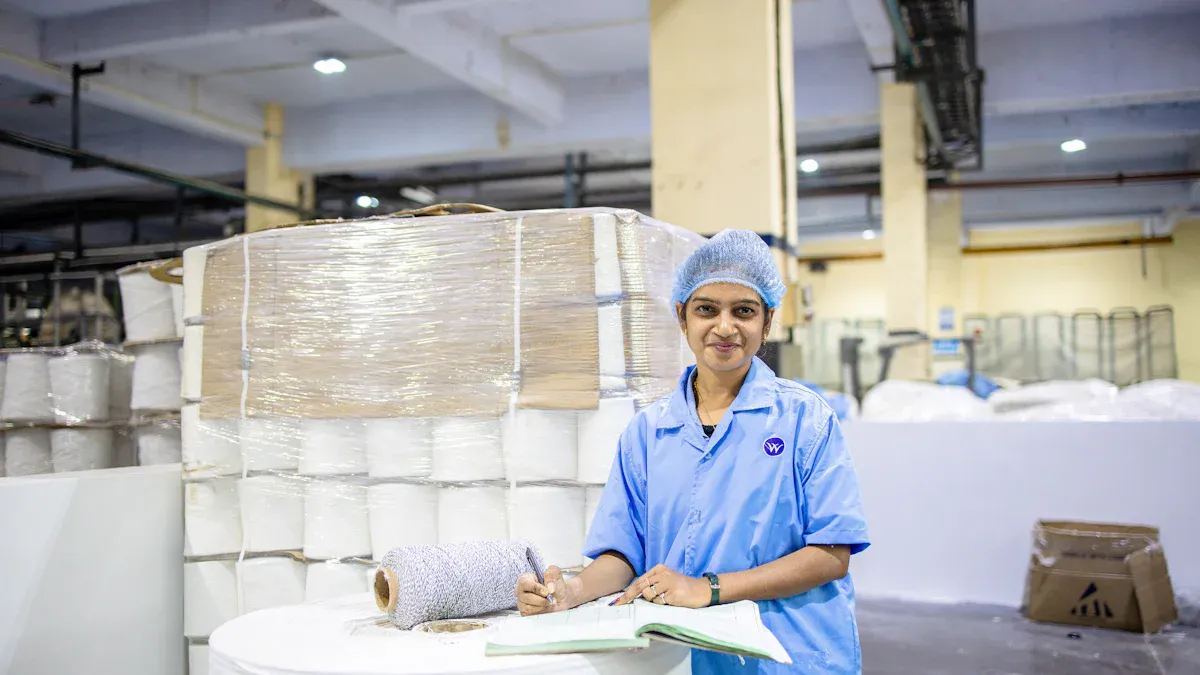
Example: How a Certified Factory in Dongguan Meets EU & U.S. Standards
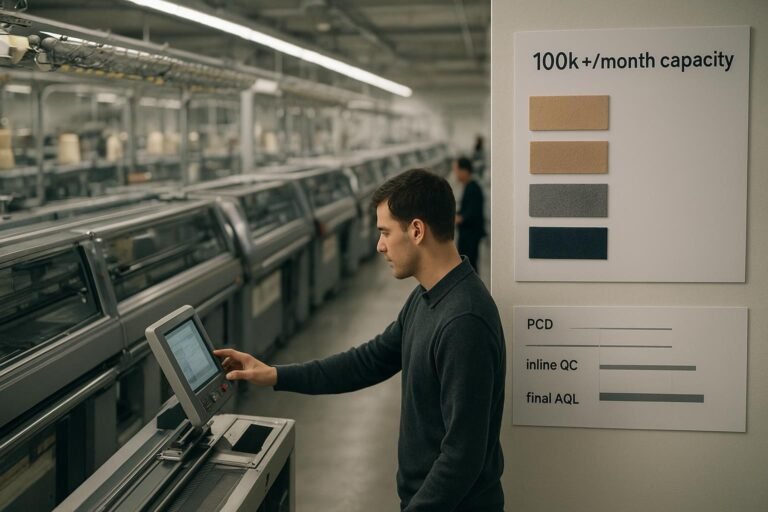
H&J Clothing in Dongguan is a good example of a certified knitwear factory. This company makes activewear and athleisure. They use strong fabrics and new sewing machines. H&J Clothing is known for making high-quality products. They also focus on new ideas and follow EU and U.S. rules. If you work with this factory, your knitwear will fit what big brands want.
H&J Clothing makes activewear and athleisure.
They use strong fabrics and new sewing machines.
The company is known for quality, new ideas, and following EU and U.S. rules.
Typical Workflow: From Yarn Selection to Final Compliance Check
A certified knitwear factory uses a clear process to make sure every product is good. You can see the steps in the table below:
Step | Description |
|---|---|
Yarn Selection | Raw materials get checked for quality and where they come from. |
Production Process | Machines make the fabric. Quality is checked at each step. |
Labs test the fabric for strength and color. | |
Final Compliance Checks | Teams check every batch before it ships out. |
Here are more steps in the process:
Pre-Production Inspection checks materials and samples.
In-Process Quality Control checks quality while making products.
Post-Production Inspection looks at finished knitwear.
Fabric and Material Checks find problems early.
Sample Testing checks small batches before making big orders.
How Certification Shortens Buyer Quality Audits
When a knitwear factory has certifications, buyer audits are faster and easier. Certification sets up clear ways to check quality. This helps the factory work better and waste less. Buyers trust certified factories, so they do not need to check every order as much. You save time and build better relationships with big brands.
Tip: Picking a certified knitwear partner helps you follow strict rules and makes your business more appealing to top buyers.
Designer’s Checklist
During Yarn Selection
You begin by picking yarn for your knitwear. This choice is important for quality and certification. You must check if the yarn meets animal welfare, environment, and worker safety rules. The table below lists what to check for in popular certification standards:
Key Factors Considered | |
|---|---|
Responsible Wool Standard (RWS) | Animal welfare, land health, worker safety |
Global Organic Textile Standard (GOTS) | Environmental impact, labor practices |
You should also remember these things: Make sure the yarn follows animal welfare rules. Check how the yarn affects nature. Look at how workers are treated when making yarn.
Tip: Always ask your supplier for proof of certification before you buy yarn for your knitwear.
During Sampling
When you make samples, you try out your ideas. Use certified yarn and write down every batch you use. This helps you know which materials pass safety and quality checks. Label each sample with where the yarn came from and its certification. If you find problems, fix them before you go on. Sampling lets you see how your knitwear looks and feels. It also helps you find issues early.
Before Mass Production
Before making lots of knitwear, check a few things. You need to know what each certification means. GOTS, Oeko-Tex, and Fair Wear all have different rules. Make sure every factory working on your knitwear gets checked by a certification group every year. Watch how much organic material is in your products to meet the rules.
Learn what each certification covers.
Make sure all factories get checked every year.
Track the amount of organic materials in your knitwear.
Pre-Shipment Testing
Before you send out your knitwear, test it one more time. Send samples to a lab to check for bad chemicals and make sure colors stay bright. Look at all certificates and test reports. This step helps you find any last problems. You can then ship your knitwear knowing it meets all safety and quality rules.
Note: Careful testing before shipping protects your brand and keeps your customers happy.
Future Trends
QR-Based Supply Chain Visibility
You can now find out where your knitwear comes from. Brands use QR codes and digital tools to track each step. When you scan a QR code on a label, you see details about the yarn, the factory, and how it was made. This helps you check if the materials are safe and certified. The table below explains how these tools work:
Aspect | Description |
|---|---|
Supply Chain Mapping | You can trace materials back to trusted sources. This helps everyone follow the rules. |
Digital Traceability Tools | QR codes and RFID tags let you track materials and suppliers right away. |
Blockchain Technology | You get safe records that cannot be changed, so the history is true. |
Production Tracking Software | You can watch every step in making knitwear. This helps teams work together and stay honest. |
Centralized Operations | Digital platforms help you avoid mistakes and follow a product’s life quickly. |
Blockchain-Verified Yarn Provenance
Blockchain technology helps you prove where your yarn comes from. You get a digital record that shows the path of each yarn batch. This record cannot be changed, so you know it is real. Here are some good things and some problems you should know:
You can see where every textile product starts and its quality.
You make sure everyone in the supply chain does the right thing.
You can track inventory right away, which helps stop waste.
You can automate moving products, which saves time and money.
You help support fair labor and ethical sourcing.
There are some problems too:
The technology is still new and keeps changing.
It can be hard to connect blockchain with old systems.
Most companies are just starting to use blockchain, so it will take time.
You need teamwork and clear rules for everyone in the industry.
Blockchain lets you trace everything from start to finish. You can show your knitwear is real and made with care. This helps stop fake products and builds trust with buyers.
How Digital Tags Help Designers Build Transparent Collections
Digital tags make your knitwear collections more open and honest. You can add a digital product passport to each piece. This passport tells the story of the knitwear, like what it is made of, how it was made, and its effect on the environment. Some brands, like Target, use QR codes on clothing tags. When you scan the code, you see product details and learn about the company’s actions. These digital tags help you and your customers make better choices. You support circular fashion and eco-friendly habits by sharing clear information.
Tip: Using digital tags and QR codes helps you build trust and show you care about being open in knitwear design.
Challenges in Knitwear Certification
Cost and Accessibility
Getting knitwear certification can cost a lot. You pay more for labor and for sustainable materials. Factories that follow ethical rules charge higher prices. If you are new, these costs can be hard to handle.
Here are some ways to spend less and make certification easier:
Use cheaper materials in your designs.
Buy more knitwear at once for better deals.
Try new materials or methods that save money.
You can look for grants or scholarships to help pay for certification. Online classes often cost less than going in person. Joining designer groups lets you share tips and resources.
Navigating Requirements
There are many rules for knitwear certification. Each certification has its own steps and paperwork. You need to keep track of test reports and certificates. Sometimes, rules change and you must learn new things.
To make things easier, you can:
Use checklists to remember what you need.
Ask your supplier to help with paperwork.
Join online groups where designers share advice.
You can talk to certification agencies for clear instructions. Staying organized helps you avoid mistakes and delays.
Overcoming Skill Gaps
You might not feel ready for knitwear certification at first. Some designers do not know how to use knitting machines or read reports. You may need to learn about new materials or safety rules.
You can get better by:
Taking online classes about knitwear design.
Watching videos to learn new techniques.
Practicing with sample projects to build skills.
You can ask experienced designers for help. Designer groups offer workshops and mentoring. If you keep learning, you will feel more confident and ready for certification.
Tip: You can beat most challenges in knitwear certification by staying organized, asking for help, and practicing your skills.
You can grow your career as a knitwear designer by getting knitwear certification. This helps you prove you know about knitwear design. You also learn new skills that make you better at your job. When you show what you know, people notice you in the fashion world.
Brands and customers trust you more
You can find better jobs in knitwear design
Take some time to look at different certification choices. You can begin working on your professional goals right now.
FAQ
What is the main benefit of knitwear certification for designers?
You show brands and customers that you know how to make safe, high-quality knitwear. Certification helps you stand out in the job market and builds trust in your skills.
Do you need a college degree to get knitwear certification?
No, you do not need a college degree. You can earn certification by learning through classes, workshops, or hands-on experience. Many programs welcome beginners.
How long does it take to get certified in knitwear design?
Most programs take a few weeks to several months. The time depends on the course and your learning speed. Some online courses let you learn at your own pace.
Can you use certified yarns from different suppliers in one collection?
Yes, you can mix certified yarns from different suppliers. Always keep records and check that each yarn meets the needed standards for your collection.
What happens if your knitwear does not pass certification tests?
If your knitwear fails, you must fix the problems and test again. Certification groups will tell you what to improve. You can learn from mistakes and try again.