

You might wonder, what questions should i ask a knitwear supplier? Finding answers can protect your brand and help you avoid costly mistakes. When you talk with a clothing supplier, you need to dig deeper. What questions should i ask a knitwear supplier? You set clear expectations and keep everyone on the same page. What questions should i ask a knitwear supplier? You make sure the supplier matches your goals and quality standards. What questions should i ask a knitwear supplier? You prevent delays and avoid quality issues. What questions should i ask a knitwear supplier? You stop miscommunication before it starts.
Asking the right questions leads to:
Fewer delays and financial losses
Better alignment with your business
Key Takeaways
Ask how long the supplier has worked in knitwear. More years often means they are reliable and skilled.
Ask which brands the supplier has helped before. A good client list shows they make quality products.
Learn about how they make their products. Find out if they do it themselves or hire others. This can change how well they check quality.
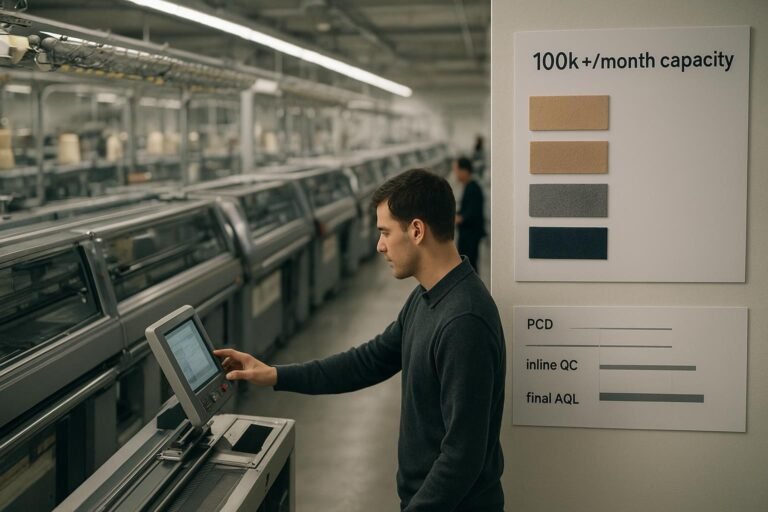
Ask how much they can make each month. Make sure they can grow with your business.
Talk about ways to change materials. This helps you make special products for your brand.
Set up clear ways to talk with them. Having one contact person helps you get updates and fix problems fast.
Ask for samples before you order a lot. This lets you check quality and fit before buying many items.
Ask about their ethical rules and green actions. Picking a good supplier makes your brand look better.
Supplier Experience
Years in Knitwear Business
Reliability and Expertise
You want a knitwear supplier who knows the ropes. Ask how many years they have been in business. Long-standing suppliers have seen trends come and go. They know how to handle challenges. Experience means fewer surprises for you.
Take a look at some well-known knitwear suppliers and how long they have been around:
Supplier Name | Year Established | |
|---|---|---|
Straus Knitting Mills | 106 | 1917 |
Binghamton Knitting Company | 96 | 1927 |
Royal Apparel | 30+ | Early 90s |
Unionwear | 30+ | N/A |
Blankstyle | 30+ | N/A |
Artex Knitting Mills | 97 | 1926 |
Buck Mason Knitting Mills | 10 | 2013 |
When you see numbers like these, you know you are dealing with experts. A supplier with decades of experience can guide you through the process. They can help you avoid common mistakes. You get peace of mind when you choose a reliable partner.
Brands Worked With
Proven Track Record
You should also ask which brands your supplier has worked with. This question helps you see if they have handled projects like yours. If a supplier has worked with well-known brands, that is a good sign. It shows they can meet high standards.
Here are some things you might learn when you ask about brand partnerships:
Leading fashion brands often choose top knitwear suppliers for their skill and quality.
These partnerships push for better sustainability and new ideas, like recycled fibers and plant-based dyes.
Some brands work with suppliers to create repairable designs, which helps the environment.
The knitwear market keeps growing, so suppliers must stay sharp and ready for change.
A wholesale supplier with a strong client list shows they can deliver. You want someone who has proven they can handle big orders and special requests. When you check their track record, you lower your risk. You also set your business up for success.
Tip: Always ask for references or case studies. This helps you see real results from past projects.
Production Capabilities
In-House vs Outsourced
Impact on Quality Control
You want to know where your knitwear gets made. Ask your supplier if they handle production in-house or if they outsource to other factories. This question matters because it affects how much control you have over quality.
When a supplier makes everything in-house, they can watch every step. They see the yarn, the machines, and the workers. They can fix problems right away. If they outsource, they trust another company to do the work. This can work well, but you need to know how they check the quality.
Here’s a quick look at the differences:
Aspect | In-House Production | Outsourced Production |
|---|---|---|
Direct and complete control over quality. | Quality control depends on third-party manufacturers but can be managed with proper oversight. | |
Consistency of Quality | More control but needs skilled workers and strict checks. | Experienced manufacturers often lead to better quality control due to established systems and expertise. |
If you want steady quality, ask how the supplier checks their products. Do they have a team for inspections? Do they visit the factories often? You need to know who takes charge if something goes wrong.
Tip: Always ask for details about their quality control process. You want to see if they use checklists, regular audits, or third-party inspectors.
Monthly Capacity
Scalability for Growth
You need to plan for the future. Maybe you start with small orders, but your business could grow fast. Ask your supplier about their monthly production capacity. This means how many pieces they can make each month.
Some suppliers can handle big orders. Others work best with small batches. If you want to launch new styles or run a big promotion, you need a supplier who can keep up.
Here are some questions you can ask:
How many units can you produce each month?
What is your maximum capacity during busy seasons?
Can you scale up if my orders increase?
If a supplier cannot grow with you, you might face delays or miss sales. You want a partner who can handle your needs now and in the future.
Note: Ask for examples of how they managed large orders before. This shows they can deliver when your business takes off.
When you check both production methods and capacity, you protect your brand. You make sure your supplier can deliver quality products on time, every time.
Fabric and Material Sourcing
Sourcing Specific Materials
Customization Options
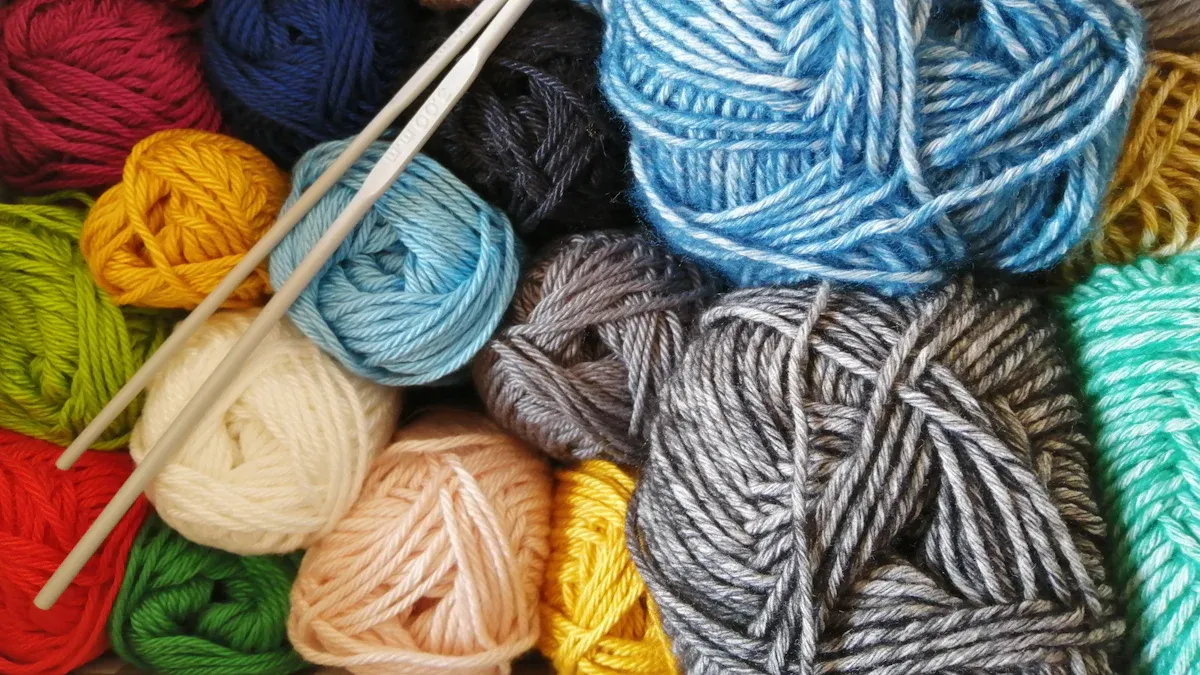
When you work with a knitwear supplier, you should ask how they get their materials. You might want special yarns or eco-friendly choices for your brand. Ask if your supplier can give you tech packs for custom orders. This lets you see what is in your products.
Many suppliers try to help the environment. They use machines that save energy and sometimes use solar power. You can ask if they have eco-friendly and ethically-sourced materials. Some suppliers let you pick from many kinds of fibers and yarns. This gives you more control over how your knitwear looks and feels.
Here are some things you might find when you ask about customization:
Access to recycled fibers and organic yarns
Custom yarn development and dye processes
You want a supplier who helps your brand stand out. Using sustainable fibers can attract customers who care about the planet. You also get to choose from many materials, which helps you be creative.
Check out this table to see the types of fibers suppliers might offer:
Fiber Type | Description |
|---|---|
Natural and Organic Fibers | Includes Alpaca, Merino, Cotton, Organic Cotton, Silk |
Recycled Fibers | Uses both synthetic and natural recycled materials |
Custom Development | Offers custom yarn development and dye processes |
If you want something special, ask if they can get unique yarns. You can ask for certain colors, textures, or blends. Suppliers who offer these choices help you build a strong brand.
Supplier Network
Access to Quality Fabrics
You should also ask where your supplier gets their fabrics and materials. Where they get them can change the quality, price, and delivery time. Some suppliers have a big network, so they can offer more choices.
Key countries sourcing materials for knitwear include:
China: Largest exporter with strong fiber and yarn production
Turkey: Leader in organic cotton and cotton production
Pakistan: Known for cotton production
Bangladesh: Major player in knitwear imports to the EU
Vietnam and Myanmar: Fastest growth in imports, showing new sources
A supplier with a good network can get high-quality fabrics. You get more choices for your designs. You also lower the risk of running out of materials when it gets busy.
When you talk to your supplier, ask how often they get new fabrics and materials. You want to keep up with trends and keep your products new. Suppliers who work with top mills and global sources help you stay ahead.
Tip: Always ask for samples of materials before you place a big order. This helps you check quality and make sure it matches your brand.
Sampling and Prototyping
Sample Process
Quality Evaluation
You want your knitwear to look and feel just right. That’s why you need a clear sample development process. When you start, you should ask your supplier how they handle sampling. This step helps you see the quality before you order a big batch.
Here’s what usually happens during sample development:
Pre-production inspections help you spot problems before production starts.
You pick suppliers who understand your quality needs.
You check the yarn and fabric for defects.
You test samples to make sure they meet your standards.
You monitor production to catch issues early.
You play a big role in sample development. You need to give your supplier all the details. For example, you should share the yarn content, like 100% cashmere. You also need to suggest a yarn size and show a close-up image. If you have a physical reference sample, send it to your supplier. This helps them match your vision.
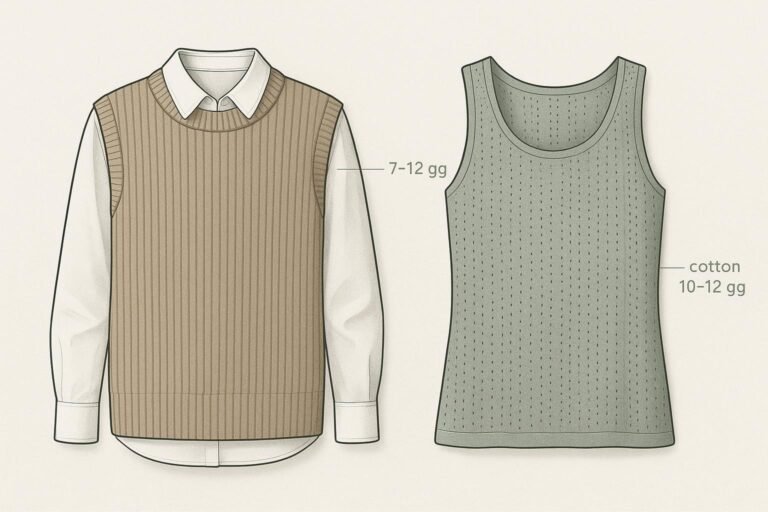
Sample development also means picking the right stitch type and gauge. You can provide a knitting graph or a clear photo. The more details you give, the better your sample will turn out. This step saves you time and money later.
Tip: Always ask about the sampling fee and timeline. Most suppliers charge around $350 per sample, which includes international shipping. You can expect to receive your sample in about three weeks after you provide all the materials and information.
Sample development lets you check the quality up close. You can touch the fabric, see the color, and test the fit. If you find any problems, you can ask for changes before you move to bulk production. This step gives you peace of mind.
Prototyping Timeline
Speed to Market
You want your products to reach customers fast. That’s why you should ask about the prototyping timeline during sample development. A clear timeline helps you plan your launch and avoid delays.
Most suppliers need about three weeks to finish sample development once they have everything they need. This includes your yarn, images, and any special requests. If you need changes, the process might take a bit longer. Good communication with your supplier keeps things moving.
Sample development is not just about making one piece. It’s about testing ideas and making sure your design works in real life. You can try different yarns, stitches, or colors. You can see what looks best and what feels right.
Note: Fast sample development means you can react to trends and customer feedback. You stay ahead of the competition and keep your brand fresh.
When you understand the sample development process and timeline, you can plan better. You avoid surprises and keep your business on track. Always ask your supplier for updates and stay involved at every step.
Quality Control
Assurance Measures
Preventing Defects
You want your knitwear to look nice and last a long time. That is why you need good quality control steps. When you talk to a supplier, ask how they stop mistakes in your orders. Good suppliers use many checks to find problems early.
Here’s a table that shows the most common quality control steps used by top knitwear suppliers:
Inspection Type | Description |
|---|---|
Initial Production Inspection | Checks quality at the start of production. |
Final Random Inspection | Ensures quality before shipment. |
Preshipment Inspection | Final checks before products leave the factory. |
Social Audit | Evaluates ethical compliance of the factory. |
Factory Assessment | Audits factory facilities for compliance. |
Random Product Sampling | Tests random samples from production batches. |
Production Monitoring | Monitors quality during production. |
During Production Inspection | Identifies quality issues early in production. |
Container Loading Supervision (CLS) | Ensures proper loading of products for shipment. |
You should also ask about how they check things at the factory. These steps help stop problems before your products are shipped. Suppliers often look for color changes, bad stitching, wrong sizes, and loose threads. They also check for stains, bad smells, and packaging mistakes. Some even rub and wash the fabric to make sure it is strong.
Tip: Ask your supplier if they have a clear rule for defects and returns. This helps you feel safe if something goes wrong.
References and Samples
Verifying Standards
You want to make sure your supplier can give you good products. The best way is to ask for references and samples. This lets you see their work and test their quality control.
Here’s an easy way to check standards with samples:
Talk about costs and shipping times with your supplier.
Set a clear date for when you will get the sample.
Check the fabric, color, and details to see if they match your design.
Try the sample to see if it fits and feels good.
Look at the packaging to make sure it is good.
Tell your supplier what you think about the sample.
You can also ask for references from other brands. This helps you learn what others think about the supplier’s quality control. If you see good reviews and nice samples, you know the supplier is good.
When you do these steps, you lower your chance of getting bad products. You also build trust with your supplier and set clear rules for every order.
Lead Times and Delivery
Production Timeline
Planning Inventory
You want your knitwear to show up when you need it. You should know how long it takes to make each order. If you plan well, you will not run out of stock. You also will not have too much left over. Different places take different times to make knitwear. Here is a table that shows how long it usually takes:
Country | |
|---|---|
Indonesia | 21–29 |
Pakistan | 28–35 |
Turkey | 20–28 |
If you pick a supplier in Turkey, you may get your order in about three weeks. Suppliers in Pakistan might need up to five weeks. Always ask your supplier how long they need to finish your order. This helps you set good launch dates and keep your customers happy.
You should also talk about shipping choices. Some suppliers can ship fast. Others use regular shipping. Ask if they can rush your order or send it in parts. This helps you control your stock and react to changes.
Tip: Add extra time to your plan. If something is late, you will not let your customers down.
Handling Delays
Managing Rush Orders
Sometimes, delays happen when making knitwear. You should know what causes delays and how your supplier fixes problems. Here are some common reasons for delays and what good suppliers do:
Slow supply chains make everything take longer. On-demand manufacturing can make things faster.
Using many factories can be confusing. One supplier makes things easier.
Big order rules can slow you down. On-demand lets you order less at a time.
Rigid systems cannot keep up with new styles. Flexible systems help you launch new looks quickly.
No digital tracking means more mistakes. Digital tracking shows you where your order is.
Bad planning can leave you with no stock or too much. Using data and talking clearly helps you plan better.
If you need your order fast, ask your supplier how they handle urgent requests. Some can work quicker or ship faster. You should also ask how they tell you if something goes wrong. Good updates help you fix problems before they get worse.
Note: Ask for updates often while your order is being made. This helps you stay informed and manage your stock well.
Minimum Order Quantity (MOQ)
MOQ Per Style/Color
Inventory Risk
It is important to know the minimum order quantity. This number tells you the smallest amount you can buy for each style or color. If your brand is small or you want to try new designs, this matters a lot. You do not want to end up with too much stock or spend more than you want.
Here is a table showing the usual minimum order quantity for knitwear styles:
Style Type | Minimum Order Quantity |
|---|---|
Basic styles | 300 pieces |
Structured blazers | 500 pieces |
Detailed dresses | 400 pieces |
Basic styles usually have a lower minimum order quantity. Harder items, like structured blazers, need bigger orders. If you want many colors, ask if the minimum is for each color or for the whole order. This helps you avoid problems and control your inventory risk.
If you order too much, you pay more for storage. You might not sell all your items. If you order too little, each piece costs more. You need to find the right amount for your business.
Tip: Ask your supplier if the minimum order quantity can change for new styles or colors. This helps you try new things without big risks.
Flexibility on Orders
Negotiation Tips
You may think suppliers only work with big brands. That is not always true. Many knitwear suppliers can change their minimum order quantity, especially for new businesses. Some manufacturers let you order small amounts or even have no minimum. This helps small brands start new products.
Here are some ways suppliers can be flexible:
Knitwear suppliers sometimes lower minimum order quantities for new or small brands.
Some manufacturers let small businesses order less, which helps them.
Small brands like suppliers with low MOQs for their first orders.
You can ask your supplier about sample runs or small batches. This lets you test your ideas before making a big order. If you work well together, you might get better deals later.
When you talk about your order, tell your supplier what you need. Say if you want to start with a small order. Ask if they can lower the minimum for your first time. Sometimes, suppliers agree if they see you want to grow.
Negotiation tip: If you cannot reach the minimum, ask if you can mix styles or colors in one order. This helps you meet the number without getting too much stock.
A supplier who understands your needs can help you save money and lower your risk. You get more control over your inventory and can change quickly when your customers want something new.
Pricing and Payment Terms
Pricing Structure
Cost Transparency
You want to know exactly what you are paying for when you work with a knitwear supplier. Ask for a clear cost breakdown before you agree to anything. This helps you see each part of the cost, like materials, labor, and shipping. You can spot hidden costs and avoid surprises later. A good supplier will give you a full cost estimation for every order. This makes it easier to plan your budget and set your prices.
When you get a cost breakdown, you can compare different suppliers. You see who gives you the best value. Some suppliers may offer a low price at first, but add extra costs later. Others include everything in one simple cost estimation. You want to know if the cost covers labels, tags, or special packaging. If you need changes, ask how they affect the cost. This helps you make smart choices for your business.
Tip: Always ask for a written quote with a full cost breakdown. This protects you if there are questions later.
You should also talk about how often prices change. Yarn prices can go up and down. Shipping costs can change, too. Ask your supplier how they handle these changes. This helps you avoid problems with your cost estimation and keeps your business safe.
Payment Methods
Aligning with Business Practices
You need to pick a payment method that works for you and your supplier. Different suppliers accept different ways to pay. Each method has its own risks and benefits. Here are some common payment methods you might see:
International wire transfers move money fast and are secure, but they can cost a lot and you might lose money if exchange rates change.
Checks do not cost much and you do not have to worry about exchange rates, but they are slow and can get lost or stolen.
Global ACH payments are cheaper than wire transfers and still safe, but they take longer and not all suppliers accept them.
Cash-in-advance means you pay before you get your order. This removes credit risk for the supplier, but it can hurt your cash flow and make you less competitive.
Letters of credit protect both you and the supplier. The bank only pays when both sides meet the terms of payment, but this method can cost more and takes extra paperwork.
Documentary collections use banks to help with payment. This gives some safety, but not as much as a letter of credit.
You want to choose a payment method that matches your business needs. If you want fast delivery, you might use a wire transfer. If you want to save on costs, you might try global ACH. Always ask your supplier which methods they accept and what works best for both sides.
Note: Make sure you understand all the costs and risks before you agree to any payment method.
When you talk about payment, ask about the terms of payment. Find out if you need to pay a deposit or pay in full before shipping. Some suppliers let you pay part now and the rest later. This can help you manage your cash and grow your business.
A clear talk about pricing and payment helps you avoid problems. You get the best deal and keep your business strong.
Communication
Main Contact Person
Consistent Updates
You want to know who you can talk to at your knitwear supplier. Having a dedicated main contact person makes everything easier. You do not have to guess who will answer your questions. You get clear updates and fast answers. This person helps you avoid confusion and keeps your project moving.
Here’s why a main contact person matters:
They share information with all departments at the supplier.
They make sure your requirements are clear.
They help solve problems during production.
They keep samples on track and meet deadlines.
You can ask your supplier, “Who will be my main contact?” This question helps you set expectations. You want someone who knows your project and can give you updates. If you have a question or a problem, you know who to call or email. You do not waste time waiting for answers.
A good contact person helps you feel confident. You get updates about your order. You learn about any changes or delays right away. You can ask for photos, reports, or even videos of your products. This keeps you in control and helps you plan your next steps.
Tip: Ask your supplier how often you will get updates. Weekly emails or calls work well for most brands.
Response Time
Issue Resolution
You need fast answers when you work with a knitwear supplier. Slow replies can cause problems. You might miss a deadline or make a mistake. You should ask your supplier, “How quickly do you respond to messages?” This helps you know what to expect.
Here’s a quick look at the average response time in the knitwear industry:
Feature | Value |
|---|---|
Average Response Time |
Most suppliers reply within nine hours. This means you do not have to wait long for answers. If you have an urgent question, you can get help quickly. Fast response times help you fix problems before they get worse.
You should also ask how your supplier handles issues. If something goes wrong, you want to know how they will solve it. A good supplier will tell you what happened, how they will fix it, and when you can expect a solution. You can ask for a clear process for handling problems. This helps you stay calm and focused.
Note: If your supplier takes longer than a day to reply, you might want to look for someone else. Fast communication keeps your business strong.
When you choose a supplier with a dedicated contact person and quick response times, you build a strong partnership. You get the support you need and keep your projects on track.
Ethical and Sustainable Practices
Labor Standards
Certifications
You want your knitwear supplier to treat workers well. Ask them about their labor standards and how they prove it. Many suppliers have certifications to show they follow fair rules. These certifications help you trust their factories are safe and fair.
Here’s a table with two common certifications in knitwear:
Certification | Purpose |
|---|---|
Makes sure workers have fair conditions and rights. It also checks for ethical supply chain management. | |
SEDEX | Shows the supplier is open, sources responsibly, and follows global rules. |
You can also look for other certifications from outside groups. These include GOTS, bluesign®, and OEKO-TEX® Standard 100. These groups check factories to make sure they follow fair and green rules. Suppliers test their products and materials to meet these standards. Audits help find and fix problems. Some suppliers use systems to track chemicals and wastewater. This keeps the supply chain safe and clean.
Tip: Always ask your supplier for copies of their certifications. This helps you see they care about fair and green manufacturing.
Sustainability Initiatives
Responsible Sourcing
Caring for the planet is important. You want your knitwear supplier to help the environment. Ask what they do to lower their impact. Many suppliers use solar power in their factories. One company saved 5.9 tons of CO2 by using solar panels. This is a big step for the planet.
Some suppliers use electric presses instead of old fuel machines. This cuts down on harmful gases. You can also look for certifications like GOTS, RAF, and GRS. These show the supplier uses organic fibers, cares for animals, and uses recycled materials. These steps prove they follow green and fair rules.
Here’s a table with common green actions:
Initiative | Description |
|---|---|
Use of Solar Energy | The company saved 5.9 tons of CO2 by using solar panels. This helps lower carbon in the air. |
Electric Press | They use electric presses instead of old fuel ones. This lowers harmful gas emissions. |
Certifications (GOTS, RAF, GRS) | These certifications show they use organic fibers, care for animals, and use recycled materials. |
You should ask your supplier where they get their materials. Responsible sourcing means they pick suppliers who care about the planet and fair rules. Ask if they use recycled yarns or organic cotton. You can also ask if they check their supply chain to make sure every step is green.
🌱 Picking a supplier with strong green actions helps your brand stand out. Customers like products made with care for people and the planet.
When you focus on fair and green practices, you protect your brand and help the world. You show your customers you care about more than just fashion.
Value-Added Services
Custom Labeling
Branding Opportunities
You want your knitwear to be different from others. Custom labeling lets your brand have its own style. Ask your supplier how you can make your products special. Many suppliers do more than just put on a simple tag. They help you create a look that fits your brand’s story.
Here’s a table with some popular ways suppliers can help you customize:
Customization Service | Description |
|---|---|
Personalized Fabric Choices | Suppliers let you pick from many nice fabrics. You can choose materials that match your brand. |
Design Assistance | Their teams help you with design so your product looks like your idea. |
They check every product to make sure it is high quality. | |
Unique Decorations | You can add special decorations to make your brand stand out. |
You can ask for special labels, hang tags, or even embroidery. Some suppliers give you ideas if you want to try something new. They help you from picking fabric to adding decorations. This makes it easy to make custom designs that show your brand’s style.
Tip: Custom labeling is more than just looks. It helps people remember your brand and trust it when they buy.
Packaging Options
Enhancing Product Appeal
Nice packaging makes your knitwear feel special before it is worn. You can pick from many packaging choices that keep your products safe and look great. Many suppliers now have eco-friendly packaging, so you can help the planet and impress customers.
Here are some packaging choices you might like:
Recycled Kraft Paper Mailers: These are light, break down easily, and you can make them your own. They are good for small clothes.
Compostable Poly Mailers: Made from materials that break down. They keep clothes dry and are good for soft items.
FSC-Certified Paper Boxes: These boxes are strong and good for the earth. You can put your brand on them.
Minimalist Wrapping: Uses less material but still looks nice. Good for small orders or special items.
Reusable Packaging Solutions: Customers can use these again. Great for subscription boxes or fancy clothes.
Custom Tissue Paper & Wrapping: Makes opening the package more fun and looks fancy.
You can use more than one kind of packaging to fit your brand. For example, you can put custom tissue paper inside a recycled box. This makes your custom designs feel even more special. When customers open their package, they see you care about every detail.
Note: Good packaging keeps your knitwear safe and helps your brand get noticed.
When you pick the right labeling and packaging, you make your brand stronger. Your custom designs look better, feel important, and people will remember them.
Inventory Management
Product Line Updates
Staying Competitive
You want your knitwear brand to stand out. One way to do this is by keeping your product line fresh and exciting. Ask your supplier how often they update their product lines. This question helps you see if they follow the latest fashion trends or stick with old designs.
Leading knitwear suppliers know that fashion changes fast. They refresh their collections often to keep up with what’s popular. You might notice that brands like Zara, H&M, and Mango always have something new in their knitwear sections. They do this by:
Regularly launching new styles that match current trends.
Using seasonal color palettes to keep products looking modern.
Taking inspiration from influencers and social media.
If your supplier updates their product line often, you can offer your customers the latest looks. This helps you stay ahead of your competition. You also get to test new ideas and see what your customers like best.
Tip: Ask your supplier if they can share a calendar of upcoming product launches. This helps you plan your own releases and marketing.
Stock Availability
Supply Chain Reliability
You need to know that your products will be in stock when you need them. Reliable stock availability keeps your business running smoothly. When you talk to a supplier, ask how they manage their inventory and prevent shortages.
Top knitwear suppliers use smart systems to track and manage their stock. Here are some ways they do it:
Advanced forecasting methods help them predict how much stock they need. They look at past sales, seasonal trends, and what’s happening in the market.
Inventory management systems give them a clear view of all their products. These systems track every item from the factory to your warehouse.
Automated reordering makes sure they never run out. When stock gets low, the system orders more right away.
Asset tracking systems show where each product is at any time. This helps them move stock quickly and avoid delays.
When your supplier uses these tools, you get fewer surprises. You can trust that your orders will arrive on time. You also avoid the risk of running out of popular items or having too much unsold stock.
Note: Always ask your supplier how they handle sudden changes in demand. A good supplier will have a plan to keep your supply chain strong, even when things get busy.
If you choose a supplier with strong inventory management, you set your business up for success. You stay competitive, keep your customers happy, and grow your brand with confidence.
What Questions Should I Ask a Knitwear Supplier?
Questions to Ask Clothing Manufacturers
Key Supplier Vetting Points
When you start looking for a knitwear partner, you want to make sure you ask the right questions. These questions help you find a clothing manufacturer who matches your goals and keeps your quality high. You want to avoid surprises and build a strong relationship with your clothing supplier from the start.
Here’s a list of important questions to ask a clothing manufacturer before you make any decisions:
What is the main purpose of your knitwear program?
Who will wear the products you make?
What design and style options do you offer?
How do you source and produce your knitwear?
Do you follow any compliance or safety standards?
What is the budget for each project?
How do you handle distribution and inventory management?
What care and maintenance do your products need?
How do you collect and respond to feedback?
How do you measure the success of your program?
These questions help you see if the clothing manufacturer understands your needs. You also learn how they handle quality, safety, and customer service.
When you talk to a knitwear supplier, you should also ask questions that are unique to knitwear. Here are some key points to cover:
What types of knit fabrics do you offer? Ask about cotton, wool, and blends.
Do you make everything in-house, or do you outsource production? This affects quality control and delivery times.
Can you explain the GSM (grams per square meter) options? GSM tells you how heavy and thick the fabric is.
What customization options do you have for colors and patterns? This helps your brand stand out.
You should also ask questions that apply to any clothing supplier:
What is your monthly production capacity? This shows if they can grow with your business.
What quality standards do you follow? Good standards mean fewer problems later.
Which brands have you worked with before? This gives you an idea of their experience and reliability.
Tip: Write down the answers you get from each clothing manufacturer. Compare them before you choose your partner. This makes your decision easier and helps you avoid mistakes.
Asking these questions helps you find a clothing supplier who fits your business. You get better products, fewer problems, and a partner you can trust.
Questions to Ask a Clothing Supplier
Questions to Ask Clothing Manufacturers
Building Strong Partnerships
When you start working with a clothing supplier, you want to build a partnership that lasts. Asking the right questions helps you set the foundation for success. You need to know how to keep things running smoothly and avoid problems down the road.
Start by thinking about the questions to ask clothing manufacturers. These questions help you learn about their process, their values, and how they handle challenges. You want to know if they can meet your needs and if they care about quality.
Here are some smart questions to ask clothing manufacturers:
How do you handle changes in design or order size?
What steps do you take to make sure products meet my standards?
Can you share examples of how you solved problems for other brands?
How do you keep me updated during production?
What is your process for handling delays or supply chain issues?
How do you support new ideas or custom requests?
What are your payment terms and timelines?
How do you track and report performance?
What certifications do you hold for ethical practices?
How do you encourage innovation in your team?
You want to build trust with your supplier. Clear communication makes a big difference. Tell them what you need and ask them to do the same. Set expectations early so everyone knows their role.
Tip: Always honor your commitments. Pay on time and stick to agreed terms. This shows you respect your supplier and helps build reliability.
A strong partnership means you work together, not just place orders. You can recognize your supplier’s hard work and show appreciation. When you do this, you create goodwill and make your supplier want to go the extra mile for you.
Here are some strategies for building strong partnerships:
Set clear expectations for roles and responsibilities.
Build trust and mutual respect.
Recognize and appreciate supplier efforts.
Collaborate on new product ideas.
Monitor performance regularly.
Focus on long-term growth.
Keep communication open for feedback.
Address challenges with a plan.
Follow ethical practices.
You want your supplier to feel like part of your team. When you work together, you can solve problems faster and create better products. Asking the right questions to ask clothing manufacturers helps you find a partner who shares your goals and values.
A good clothing supplier will answer your questions honestly and help you grow your business. You can build a partnership that lasts and keeps your brand strong.
Choosing the right knitwear supplier starts with asking smart questions. When you vet suppliers carefully, you protect your business and set yourself up for success. Use these 12 questions as your checklist. Take notes and compare answers. You will see big benefits:
You keep quality high and your products consistent.
You support ethical and sustainable practices.
You lower risks from supply chain problems.
Stay open and clear with your suppliers. This helps you build a strong, reliable partnership.
FAQ
What is the typical lead time for custom knitwear orders?
Most suppliers need 3 to 6 weeks to finish custom knitwear. The time depends on how big your order is. It also depends on how hard the design is and if the materials are ready. Always ask your supplier for a clear timeline before you order.
Can I request samples before placing a bulk order?
Yes, you can ask for samples. Most knitwear suppliers give samples so you can check quality and fit. Some suppliers charge a fee for samples. This fee often goes toward your bulk order if you buy more.
How do I ensure my knitwear meets quality standards?
Ask your supplier about their quality control steps. You can ask for photos or videos during production. Check samples before they make a big batch. Good suppliers will show you how they inspect products and fix problems.
What happens if my order arrives with defects?
Tell your supplier right away if you find defects. Most good suppliers have a return or replacement policy for bad items. Always read these policies before you order.
Are sustainable materials more expensive?
Sustainable yarns and fabrics usually cost more than regular ones. But you can attract customers who care about the planet. This helps your brand grow stronger. Ask your supplier for a price chart to compare costs.
Can I change my order after production starts?
It is hard to change your order once production starts. Make sure all details are correct before you approve. If you need changes, contact your supplier quickly to see what can be done.
What payment terms do knitwear suppliers usually offer?
Most suppliers want a deposit first, usually 30% to 50%. You pay the rest before they ship your order. Some suppliers may offer better terms if you work with them often.
How do I track my order during production and shipping?
Ask your supplier for updates often. Many suppliers use digital tracking or send weekly reports. You can also ask for photos or videos to see how your order is going.