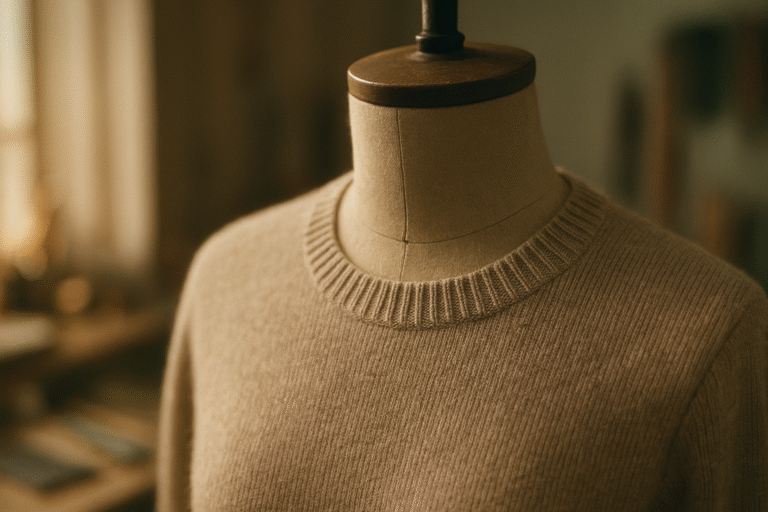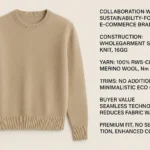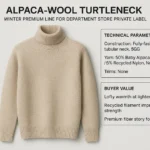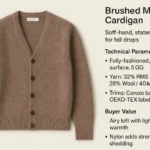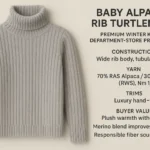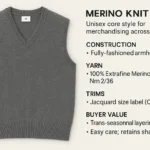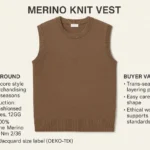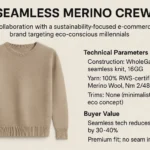

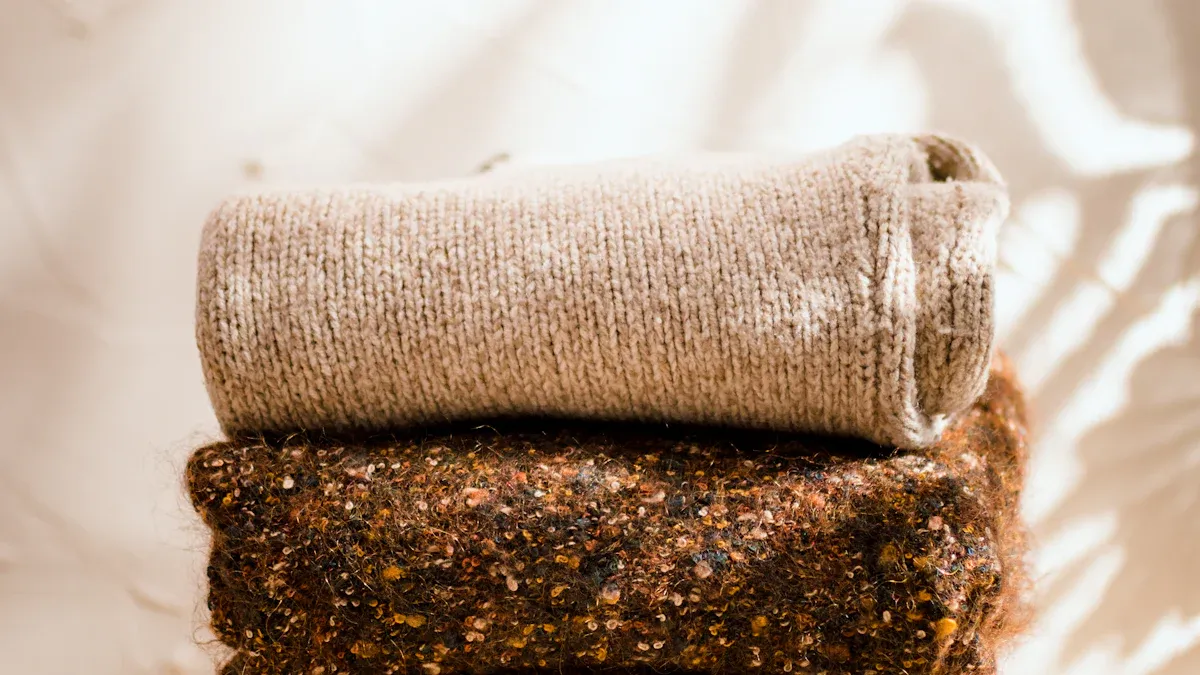
If you’re wondering what stitch types are best for luxury sweaters, Moss, Half Cardigan, and Guernsey stitches are leading choices for 2025. These stitch types are known for making luxury sweaters look elegant and feel incredibly soft. They add a rich, thick texture that keeps you warm and comfortable. The stitch you choose plays a big role in how your luxury sweater looks, feels, and performs. For even more options, fashion experts highlight Pointelle, Chunky Cable, and Jacquard Revival as popular stitch types for luxury sweaters.
Stitch Type | Characteristics |
|---|---|
Pointelle | Modern pattern design, breathable, and visually appealing |
Chunky Cable | Thick knits, bold textures, perfect for chilly weather |
Jacquard Revival | Vintage-inspired patterns, vibrant colors, smooth color transitions |
When deciding what stitch types are best for luxury sweaters, consider your personal style and comfort preferences. The right stitch type will help you create a luxury sweater that matches your taste and needs.
Key Takeaways
Moss, Half Cardigan, and Guernsey stitches are great picks for luxury sweaters in 2025. They look fancy and feel nice to wear. Moss stitch has a thick texture and looks interesting. It works well for old and new styles. Half Cardigan stitch feels soft and stretches easily. You can wear it with layers. It fits casual or fancy events. Guernsey stitch keeps you warm and lasts a long time. It is good for wearing outside. Stockinette stitch looks smooth but can curl at the edges. You can add ribbing to stop the curling. Ribbing patterns like 2×2 rib fit tightly. People use them for cuffs and collars on luxury sweaters. Always check if your yarn matches your stitch. This helps your sweater look and feel better. Swatching is important to see how stitches and yarns work together. It makes sure your sweater fits your style and feels comfortable.
What Stitch Types Are Best for Luxury Sweaters?
Moss Stitch
Versatility and Texture
When you ask what stitch types are best for luxury sweaters, Moss stitch stands out for its versatility and rich texture. This stitch pattern draws inspiration from the Carrageen moss found along the Irish coast. You can see how it adds both volume and visual interest to your sweater. Moss stitch patterns create a bumpy surface that feels soft and plush. Many designers choose this stitch pattern because it connects you to themes of abundance and growth. You get a sweater that looks beautiful and feels cozy. Moss stitch works well for both classic and modern luxury sweaters. If you want a sweater with a unique texture and a story behind it, Moss stitch is a top choice.
Tip: Moss stitch patterns look great in solid colors because the texture stands out more.
Half Cardigan Stitch
Softness and Stretch
If you wonder what stitch types are best for luxury sweaters, you should consider the Half Cardigan stitch. This stitch pattern gives your sweater a soft, substantial feel that is perfect for layering. You will notice that the fabric feels relaxed and slightly stretchy, which means you get comfort without losing shape. Many luxury sweater designers pick this stitch pattern for its unique texture and visual appeal. You can wear a Half Cardigan sweater for both casual and dressy occasions. The stitch pattern works well for cardigans and pullovers, making it a versatile option for your wardrobe.
The Half Cardigan stitch pattern offers:
A soft, plush texture that feels gentle on your skin.
Enough stretch for easy movement and comfort.
A structured look that keeps your sweater looking sharp.
You can see why this stitch pattern is a favorite for high-end garments.
Guernsey Stitch
Warmth and Structure
When you look at what stitch types are best for luxury sweaters, Guernsey stitch stands out for its warmth and structure. This stitch pattern has a long history of keeping people warm and safe in cold, rainy weather. You might know that sailors and outdoor workers have worn Guernsey sweaters for generations. The stitch pattern is famous for its weatherproof qualities. You get a sweater that protects you from wind and rain, which is important if you spend time outdoors. The structure of the Guernsey stitch pattern also helps your sweater keep its shape over time.
Note: A well-knit Guernsey sweater can help prevent hypothermia in harsh conditions, making it a practical and stylish choice.
If you want a luxury sweater that combines tradition, warmth, and durability, the Guernsey stitch pattern is an excellent answer to what stitch types are best for luxury sweaters.
Stockinette Stitch
Smooth Finish
You often see Stockinette stitch in luxury sweaters because it creates a smooth and classic look. This stitch forms a flat surface on the front and a bumpy surface on the back. Many people love how soft and even the fabric feels against the skin. You can use Stockinette stitch to make sweaters that look sleek and modern.
However, you should know about some challenges with this stitch:
Stockinette stitch tends to curl at the edges. This curling can make your sweater look less polished if you do not add a border or finishing edge.
The fabric has a very smooth texture. Some people may find it less interesting than textured stitches like Moss or Guernsey.
Keeping your stitches even can be tricky. If you do not pay attention, the fabric may show uneven rows or gaps.
Despite these challenges, Stockinette stitch remains a favorite for luxury sweaters. You can pair it with textured stitches or ribbing to add more detail. If you want a sweater with a clean, simple finish, Stockinette stitch is a strong choice.
Tip: To prevent curling, add a border of ribbing or another textured stitch to the edges of your sweater.
Ribbing Variations
Fit and Detailing
Ribbing gives your luxury sweater a snug fit and stylish details. You see ribbing most often at the cuffs, collars, and hems. This stitch pattern uses alternating knit and purl stitches to create raised lines, which help the fabric stretch and return to shape.
Many premium knitwear designers choose rib knit for finishing edges. About two-thirds of them use ribbing for collars and cuffs. The 2×2 ribbing pattern stands out in luxury winter fashion. Nearly half of high-end sweater lines use it for turtlenecks. This pattern keeps your neck warm and feels comfortable.
You can find several common ribbing patterns:
1×1 rib: One knit stitch, one purl stitch. This creates a tight, stretchy fabric.
2×2 rib: Two knit stitches, two purl stitches. This pattern gives wider ribs and a bold texture.
3×3 rib: Three knit stitches, three purl stitches. This style looks chunky and adds extra stretch.
The 2×2 rib pattern is especially popular. It stretches well, so your sweater fits many body shapes. The wider ribs add visual interest and comfort. You can use ribbing not only for edges but also for the whole sweater if you want a fitted look.
Note: Ribbing helps your sweater keep its shape and adds a touch of luxury to the design.
Key Factors in Stitch Selection
Drape and Texture
When you choose a stitch pattern for your luxury sweater, you need to think about drape and texture first. Drape describes how the fabric hangs and moves. A sweater with good drape feels soft and flows nicely over your body. Texture adds visual interest and makes your sweater stand out. Some stitch patterns, like Moss or Half Cardigan, create a bumpy surface that feels plush and cozy. Others, like Stockinette, give a smooth and sleek look.
If you want a sweater that feels light and elegant, pick a stitch pattern with a loose drape. For a chunkier, warmer feel, go for a denser stitch pattern.
Yarn selection plays a big role in drape and texture. Premium fibers like wool or cashmere make your sweater design look and feel luxurious. The right yarn and stitch pattern together create a garment that is both beautiful and comfortable.
Opacity and Coverage
You also need to consider opacity and coverage when picking a stitch pattern. Opacity means how much you can see through the fabric. Some stitch patterns, like lace or openwork, create holes and let light pass through. These work well for layering pieces or spring sweaters. If you want more coverage and warmth, choose a tighter stitch pattern.
Tighter stitch patterns keep you warm and make your sweater less see-through.
Open stitch patterns add style but may need a layer underneath.
The stitch pattern you select changes the look and function of your sweater design. Always balance visual appeal with comfort. You want a sweater that looks stylish and feels good to wear.
Stretch and Durability
Stretch and durability matter a lot for luxury sweaters. Some stitch patterns, like ribbing, stretch easily and snap back into shape. Others, like Guernsey, hold their form and give structure to your sweater. You should match the stretch of your stitch pattern to the fit you want. A fitted sweater needs a stretchy stitch pattern, while a boxy sweater can use a firmer one.
User feedback shows that cashmere sweaters, while delicate, keep their shape and do not pill much if you care for them. Mohair sweaters stretch well and stay shiny, even after machine washing. This makes them a good choice for sweaters you wear often.
Tip: Always check how your chosen stitch pattern reacts to washing and wearing. This helps your sweater design last longer and look great.
When you plan your next sweater, think about these key factors. The right stitch pattern will give you the perfect mix of style, comfort, and durability.
Yarn Compatibility
When you choose a stitch type for your luxury sweater, you need to think about yarn compatibility. The yarn you select can change how your stitches look and feel. Some yarns work better with certain stitch patterns. If you want your sweater to look sharp and last a long time, you should match your yarn to your stitch.
Yarn comes in many types. You see worsted spun yarns often in luxury sweaters. These yarns have fibers that line up in the same direction. This makes the yarn smooth and strong. When you knit with worsted spun yarn, your stitches look crisp and clear. Sweaters made with worsted spun yarn show off textured stitches like Moss or Guernsey very well.
Woollen spun yarns feel softer and fluffier. The fibers twist in different directions, so the yarn looks round and lofty. You get a sweater that feels warm and cozy. Woollen spun yarns make textured stitches stand out, but the stitches look less sharp than worsted spun yarns. If you want a sweater with a plush feel, woollen spun yarn is a good choice.
You also need to think about how many plies your yarn has. Plied yarns have two or more strands twisted together. This twist makes the yarn strong and helps your stitches stay even. Sweaters made with plied yarns keep their shape and show off stitch patterns well. If you use a single-ply yarn, your sweater may feel softer, but the stitches can look fuzzy or uneven.
Some luxury yarns have a halo. This means the yarn has tiny fibers that stick out and make the sweater look soft and fuzzy. Mohair and angora are examples of yarns with a halo. These yarns feel gentle on your skin, but the halo can hide the details of your stitch pattern. If you want your stitches to stand out, pick a yarn with less halo.
Tip: Always knit a small swatch before you start your sweater. This helps you see how your yarn and stitch pattern work together.
Here is a quick guide to help you match yarn types with popular luxury sweater stitches:
Yarn Type | Best For Stitch Patterns | Texture & Appearance |
|---|---|---|
Worsted Spun | Moss, Guernsey, Ribbing | Crisp, smooth, clear stitches |
Woollen Spun | Half Cardigan, Chunky Cable | Lofty, soft, plush texture |
Plied Yarn | Stockinette, Textured Cables | Strong, even, defined stitches |
Halo Yarn | Lace, Brioche, Puff Stitch | Soft, fuzzy, less definition |
You should always think about how your yarn will affect the final look of your luxury sweater. The right yarn makes your stitches pop and your sweater feel amazing. If you match your yarn and stitch pattern well, you get a sweater that looks and feels truly luxurious.
Classic Stitches
Seed and Moss Stitch
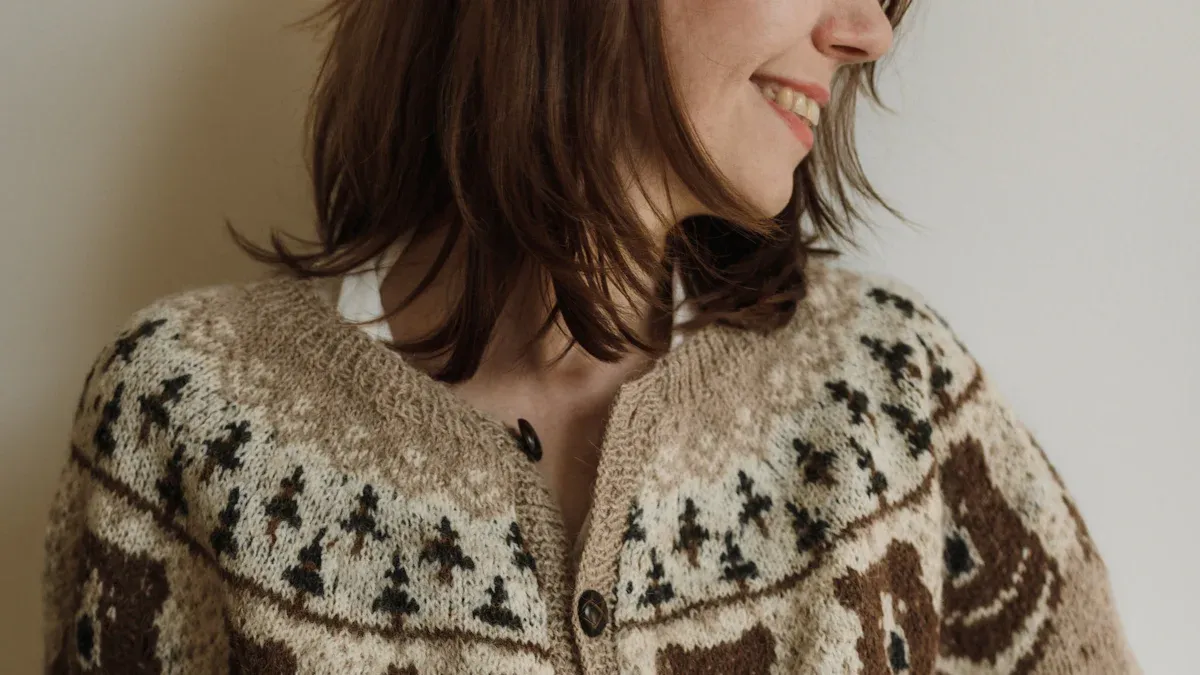
You often see Seed and Moss stitch in luxury sweaters. These stitches create a bumpy, textured surface that feels soft and looks elegant. Moss stitch has a special place in luxury knitwear. In Irish Aran sweaters, Moss stitch stands for abundance and growth. The pattern comes from Carrageen moss, a seaweed found on the Irish coast. When you use Moss stitch, you add both history and meaning to your sweater.
Seed stitch looks similar to Moss stitch but uses a different pattern. You alternate knit and purl stitches every stitch and every row. This creates a dense, pebbly texture. Many designers choose Seed and Moss stitch because they add volume and interest without making the fabric heavy. You get a sweater that feels plush and keeps you warm.
Tip: Solid colors show off the texture of Seed and Moss stitch best. Try using a single shade to highlight the pattern.
Ribbing (1×1, 2×2)
Ribbing is a classic stitch that you find in almost every luxury sweater. You make ribbing by alternating knit and purl stitches in columns. The most common types are 1×1 rib (one knit, one purl) and 2×2 rib (two knit, two purl). Ribbing gives your sweater stretch and helps it fit well. Cuffs, collars, and hems often use ribbing to keep their shape.
Rib knits have stayed popular in luxury fashion for many years. Designers love ribbing because it adds both comfort and style. The texture makes your sweater look neat and finished. Ribbing also helps sweaters last longer because it keeps the edges from stretching out.
Here is a quick look at the benefits of ribbing:
Ribbing Type | Stretch | Appearance | Common Use |
|---|---|---|---|
1×1 | High | Fine, subtle | Cuffs, necklines |
2×2 | Medium | Bold, textured | Hems, turtlenecks |
You can use ribbing for the whole sweater if you want a fitted look. Many luxury brands use ribbing to create sweaters that feel both classic and modern.
Stockinette
Stockinette stitch is one of the most basic and popular stitches in sweater design. You knit one row and purl the next. This creates a smooth surface on the front and a bumpy surface on the back. Stockinette gives your sweater a clean, simple look that never goes out of style.
You see Stockinette in both classic and modern luxury sweaters. The fabric feels soft and drapes well over your body. Many people like Stockinette because it works with almost any yarn. You can use it alone or mix it with textured stitches for more interest.
Note: Stockinette stitch can curl at the edges. Add a border of ribbing or Moss stitch to keep your sweater flat.
Classic stitches like Seed, Moss, Ribbing, and Stockinette have stayed popular because they focus on quality and timeless design. You can trust these stitches to give your luxury sweater both beauty and durability.
Guernsey
You might recognize the Guernsey stitch from classic fisherman sweaters. This stitch has a long history. People on the Channel Island of Guernsey first used it hundreds of years ago. They needed sweaters that could handle cold, wet weather. The Guernsey stitch gave them warmth and protection. Today, you still see this stitch in luxury sweaters because it offers both tradition and performance.
The Guernsey stitch stands out for its tight, dense fabric. You get a sweater that blocks wind and keeps you warm. The stitch pattern uses knit and purl combinations to create raised designs. These designs often tell stories or show family symbols. When you wear a Guernsey sweater, you wear a piece of history.
Why choose Guernsey stitch for your luxury sweater?
Warmth: The dense fabric traps heat. You stay comfortable even on chilly days.
Structure: The stitch helps your sweater hold its shape. You do not have to worry about sagging or stretching.
Durability: Guernsey sweaters last for years. The tight stitches resist wear and tear.
Heritage: The patterns connect you to a rich knitting tradition. You show off classic style with every wear.
Tip: If you want a sweater that looks timeless and feels sturdy, try the Guernsey stitch. It works well with both wool and modern luxury yarns.
You can find Guernsey stitch in many high-end brands. Designers use it for both men’s and women’s sweaters. Some use traditional navy blue, while others pick soft neutrals or bold colors. The stitch pattern looks great in solid shades because the texture stands out.
Here is a quick comparison of Guernsey stitch features:
Feature | Benefit |
|---|---|
Dense knit | Extra warmth and windproofing |
Textured patterns | Visual interest and tradition |
Strong shape | Long-lasting fit |
Storytelling | Unique, meaningful designs |
You do not need to be a sailor to enjoy a Guernsey sweater. You can wear it for outdoor walks, city outings, or cozy nights at home. The stitch gives you a sweater that feels both classic and modern.
If you want a luxury sweater that combines history, comfort, and style, the Guernsey stitch is a smart choice. You get a garment that stands the test of time and always looks elegant.
Modern Stitches for 2025
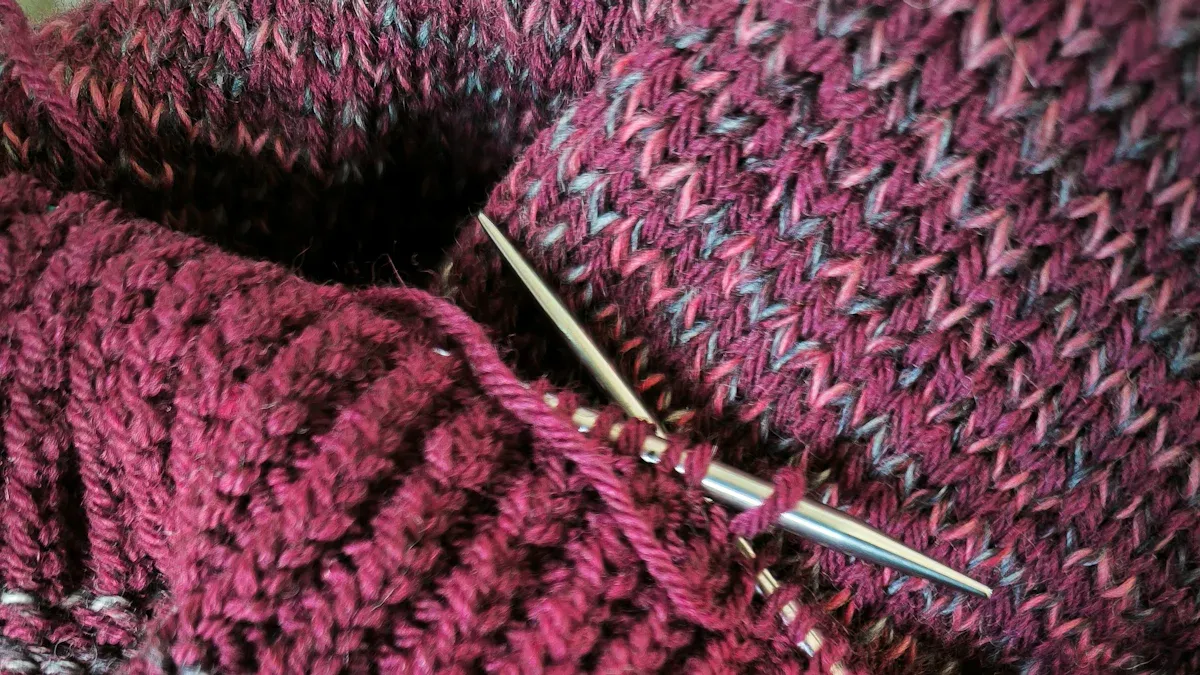
Half Cardigan
You see the Half Cardigan stitch in many luxury sweaters for 2025. This stitch gives your sweater a soft, plush feel. It uses a mix of knit and purl stitches to create a ribbed texture. The fabric feels stretchy and comfortable. You can wear a Half Cardigan sweater for both casual and formal events. Designers love this stitch because it holds its shape well and looks modern.
If you want a sweater that feels cozy but not too heavy, try the Half Cardigan stitch. The pattern works well with both light and thick yarns. You can use it for cardigans, pullovers, or even sweater vests. The stitch adds depth and style to your wardrobe.
Tip: Choose a solid color to show off the texture of the Half Cardigan stitch.
Fisherman’s Rib
Fisherman’s Rib is a top choice for luxury sweaters in 2025. You get a thick, squishy fabric that feels warm and soft. Many people like this stitch because it is easy to learn. You can knit a Fisherman’s Rib sweater even if you are a beginner. The fabric looks the same on both sides, so your sweater is reversible.
Recent collections show that Fisherman’s Rib creates a plush and cozy look. The stitch traps air, which keeps you warm in cold weather. You can wear a Fisherman’s Rib sweater for outdoor walks or relaxing at home. The ribbed texture adds style and comfort.
Here is a quick look at why you might choose Fisherman’s Rib:
Feature | Benefit |
|---|---|
Thick fabric | Extra warmth |
Reversible | Looks good both sides |
Beginner-friendly | Easy to knit |
Squishy texture | Soft and cozy feel |
Note: Use soft wool or alpaca yarn for the best results with Fisherman’s Rib.
Brioche
Brioche stitch stands out in luxury sweater design. You can create a thick, plush fabric that feels soft and looks elegant. Brioche stitch lets you use two colors at once, which adds depth and interest to your sweater. Many designers use Brioche for bold, modern looks.
You will notice that Brioche stitch makes your sweater stretchy and comfortable. The fabric is reversible, so you get two looks in one. You can play with color and texture to match your style. Recent luxury collections highlight Brioche for its color flexibility and cozy feel.
If you want a sweater that feels special and stands out, try Brioche stitch. You can use bright colors or soft neutrals. The stitch works well for both simple and complex designs.
Tip: Practice on a small swatch before starting your sweater. Brioche stitch can be tricky at first, but the results are worth it.
Textured Cables
You see textured cables in many luxury sweaters for 2025. These cables twist and cross over each other to create raised patterns on the fabric. You can spot them in both classic and modern designs. Textured cables make your sweater look rich and detailed. They show off the skill of the person who made the sweater.
Textured cables do more than add style. They give your sweater a three-dimensional look. You feel the raised lines when you touch the fabric. This makes your sweater stand out from flat knits. Many designers use cables to create bold shapes and unique patterns. You can find cables in chunky knits or fine, delicate sweaters.
Here are some reasons why you might choose textured cables for your luxury sweater:
They highlight craftsmanship and attention to detail.
Each cable pattern can tell a story or show a special meaning.
Cables add warmth and thickness to your sweater.
You get a garment that feels unique and personal.
You can pick from many cable designs. Some look like ropes or braids. Others form diamonds, honeycombs, or even hearts. You can mix cables with other stitches to create your own style. Many people love how cables look in solid colors. The texture stands out best when you use one shade.
Tip: If you want your sweater to look bold, try a chunky cable pattern. For a softer look, choose smaller, tighter cables.
Textured cables fit well with the trend for personalized and sustainable fashion. You can ask for a custom cable design or knit one yourself. This makes your sweater one of a kind. Many high-end brands now offer sweaters with special cable patterns. You see these in both streetwear and luxury collections.
Lace Patterns
Lace patterns bring a light and airy feel to luxury sweaters. You create lace by making small holes in the fabric. These holes form shapes like leaves, flowers, or waves. Lace patterns look delicate, but they can also feel strong and warm.
You might choose lace if you want a sweater that feels elegant and fresh. Lace lets air flow through the fabric. This makes your sweater comfortable in many seasons. You can wear lace sweaters alone or layer them over other clothes.
Lace patterns add value to your sweater in many ways:
They show off fine craftsmanship and skill.
Each lace design can reflect your personal taste.
The openwork makes every sweater look special and unique.
Lace fits well in both casual and dressy outfits.
You see lace patterns in many new collections for 2025. Designers use lace to create modern looks with a classic touch. Some sweaters mix lace with cables or ribbing for extra detail. You can find lace in soft pastels, bold colors, or classic neutrals.
Note: When you choose a lace pattern, pick a yarn that shows off the holes and shapes. Smooth, light yarns work best.
Lace patterns help you express your style. You can pick a simple lace for a clean look or a complex one for more drama. Many people love lace because it makes each sweater feel like a work of art. You get a garment that stands out and feels special every time you wear it.
Best Crochet Stitches for Luxury Sweaters
If you love to crochet, you have many options for making luxury sweaters. The best crochet stitches can help you create sweaters that feel soft, look elegant, and last a long time. When you start choosing crochet stitches, think about how each stitch changes the look and feel of your sweater. Some stitches give you a smooth surface, while others add texture or warmth. You can find a stitch that matches your style and comfort needs.
Crochet Moss Stitch
Crochet Moss Stitch gives your sweater a gentle, textured look. You work this stitch by alternating single crochet and chain stitches. The result is a fabric that feels soft and flexible. Many people like Moss Stitch because it creates a pattern that looks neat and modern. You can use this stitch for both light and heavy sweaters. The texture stands out best when you use a single color. Moss Stitch also helps your sweater keep its shape, so you can wear it again and again.
Tip: Try Moss Stitch with a soft merino or cashmere yarn for a truly luxurious feel.
Linked Double Crochet
Linked Double Crochet is a smart choice for luxury sweaters. This stitch helps you make a fabric that is strong and smooth. You link each double crochet to the next, which closes the gaps between stitches. Your sweater will look neat and feel sturdy.
Linked Double Crochet offers several benefits:
It removes holes between stitches, so your sweater has more coverage.
The fabric feels both sturdy and flexible, which makes it comfortable to wear.
You get a pleasing texture that looks professional.
You can use Linked Double Crochet for sweaters that need to be warm and durable. This stitch works well with both fine and chunky yarns. Many designers use it when they want a sweater that looks polished and lasts a long time.
Puff Stitch
Puff Stitch adds a soft, plush texture to your luxury sweater. You make this stitch by pulling up loops several times in the same space, then finishing them together. The result is a raised, puffy design that feels cozy and looks stylish. Puff Stitch works well for sweaters you want to wear in cold weather. The extra texture helps trap warmth and gives your sweater a unique look.
You can use Puff Stitch for the whole sweater or just as a detail on the sleeves or collar. Many people like to mix Puff Stitch with other stitches to create interesting patterns. If you want your sweater to stand out, Puff Stitch is a great option.
Note: Use a smooth, high-quality yarn to show off the shape of each puff.
When you explore the best crochet stitches for luxury sweaters, you open up many creative options. Each stitch brings something special to your project. Try different stitches and yarns to find the perfect match for your next luxury sweater.
Combining and Customizing Stitches
Luxury sweaters stand out when you combine and customize stitch patterns. You can create a sweater that feels unique and fits your style. Mixing different textures, changing patterns, and adjusting the fit all help you design a sweater that looks and feels special.
Mixing Textures
You can mix textures by using different stitch patterns in one sweater. For example, you might use Moss stitch for the body and Ribbing for the cuffs and hem. This adds depth and interest to your design. You can also try these ideas:
Use contrast colors to highlight textured areas.
Experiment with alternative filler stitches to enhance texture.
When you mix textures, always match your stitch with the right yarn. The right yarn makes your stitches stand out and feel soft. Swatching helps you see how the yarn and stitches work together. Try knitting a small sample before starting your sweater. This lets you check the texture and make changes if needed.
Tip: Swatching is not just for checking size. It helps you explore new ideas and see how different stitches look together.
Transitioning Between Patterns
Switching from one stitch pattern to another can make your sweater more interesting. You might want to change from Stockinette to Cables or from Ribbing to Lace. To do this smoothly, pay attention to the number of stitches in each pattern. Sometimes you need to add or remove stitches so the patterns line up.
You can also:
Replace buttons with a zipper for a modern touch.
Transform a pullover into a cardigan for more versatility.
Swatching different pattern transitions helps you see how the fabric will look and feel. You can use mini-garments or small samples to test your ideas. This way, you make sure all parts of your sweater work well together.
Note: Swatching lets you check the appearance and feel of your fabric before you knit the whole sweater.
Custom Fit Adjustments
Customizing the fit of your sweater makes it more comfortable and stylish. You can adjust ribbing length to personalize the fit or change sleeve lengths for a new silhouette. Try these adjustments:
Modify waist shaping for a tailored look.
Use different filler stitches to add or remove width.
Experiment with contrast colors for visual interest.
Swatching helps you test these changes before you start the full project. You can see how the fabric stretches and moves. This ensures your sweater fits well and feels luxurious.
Remember: Swatching and experimenting are key steps. They help you develop your ideas and create a sweater that matches your vision.
Combining and customizing stitches gives you endless options. You can create a luxury sweater that is truly your own by mixing textures, transitioning between patterns, and making custom fit adjustments.
Practical Tips and Trends
Swatching for Drape
You should always make a swatch before you start your sweater design. A swatch is a small sample of your chosen stitch pattern. This helps you see how the fabric will drape and move. If you want a sweater that feels soft and hangs nicely, you need to test your yarn and stitch pattern together. Knit or crochet a square that is at least 4 inches wide. Wash and dry the swatch as you would the finished sweater. This shows you how the fabric will behave over time.
Tip: Use the same needles or hook and yarn for your swatch as you plan to use for your sweater. This gives you the most accurate results.
When you check your swatch, look for stretch, thickness, and how the stitch pattern looks. If the fabric feels stiff, try a looser stitch pattern or a softer yarn. If it feels too loose, use a smaller needle or hook.
Care and Maintenance
Luxury sweaters need special care to stay beautiful. You should always read the care label on your yarn. Most high-end fibers like cashmere or alpaca need gentle washing. Hand wash your sweater in cool water with a mild soap. Do not twist or wring the fabric. Press out the water gently and lay the sweater flat to dry. This keeps the stitch pattern looking neat and prevents stretching.
If your sweater design uses textured stitches, you may need to reshape the sweater after washing. Lay it flat and gently pat it into shape. Store your sweater folded, not hung, to keep the stitch pattern from stretching out. Use lavender sachets or cedar blocks to keep moths away.
Note: Never use hot water or a dryer. These can shrink or damage your luxury sweater.
2025 Stitch Trends
In 2025, you will see many new trends in sweater design. Designers love to mix classic and modern stitch patterns. You might notice bold cables paired with airy lace or ribbing mixed with textured stitches. Many people choose oversized shapes with dramatic sleeves. Color blocking and gradient yarns also make each stitch pattern stand out.
Here are some top trends for 2025:
Combining two or more stitch patterns in one sweater
Using eco-friendly and recycled yarns for sustainable sweater design
Adding hand-sewn details like embroidery or patchwork
Choosing bright colors and bold contrasts
You can try these trends in your own projects. Experiment with different stitch patterns and yarns. Swatch new ideas before you start your sweater. This helps you create a sweater design that feels modern and unique.
Tip: Sewing techniques like mattress stitch or invisible seams give your sweater a clean finish. Practice these for a professional look.
By following these tips, you can make your luxury sweater last longer and look stylish for years.
Choosing the right stitch shapes your luxury sweater’s look, feel, and quality. You can try classic stitches for timeless style or explore modern patterns for a fresh touch. Match your stitch to your yarn and personal taste for the best results.
Test different stitches with swatches.
Think about how each stitch feels and looks.
Pick what fits your lifestyle.
The perfect stitch brings together beauty, comfort, and durability. Your sweater should feel as good as it looks.
FAQ
What stitch type gives the softest feel for luxury sweaters?
You get the softest feel from Half Cardigan and Brioche stitches. These patterns create plush, gentle fabrics. Try using cashmere or alpaca yarn for extra softness.
How do you stop sweater edges from curling?
You can add ribbing or Moss stitch borders to your sweater edges. These stitches help keep the fabric flat and neat. Swatch first to test the effect.
Which yarn works best with textured stitches?
Worsted spun yarn shows off textured stitches like Moss and Guernsey. You see crisp, clear patterns. Woollen spun yarn gives a softer, fluffier look.
Can you mix different stitch patterns in one sweater?
You can mix stitch patterns for unique designs. Combine textures like cables and ribbing. Swatch each combination to check fit and appearance.
What is the easiest luxury stitch for beginners?
Stockinette stitch is the easiest for beginners. You knit one row and purl the next. The fabric looks smooth and feels soft.
How do you care for luxury sweaters?
Hand wash your sweater in cool water with mild soap. Lay it flat to dry. Avoid twisting or wringing. Store folded to keep the shape.
Are crochet stitches good for luxury sweaters?
You can use crochet stitches like Moss, Linked Double Crochet, and Puff for luxury sweaters. These stitches add texture and warmth. Choose soft, high-quality yarn for best results.
What stitch trends are popular for 2025?
You see bold cables, mixed textures, and color blocking as top trends. Designers use eco-friendly yarns and combine classic with modern stitch patterns.