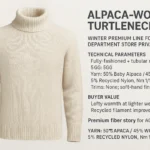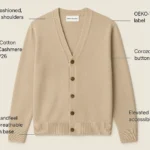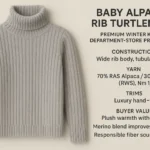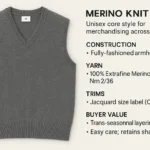

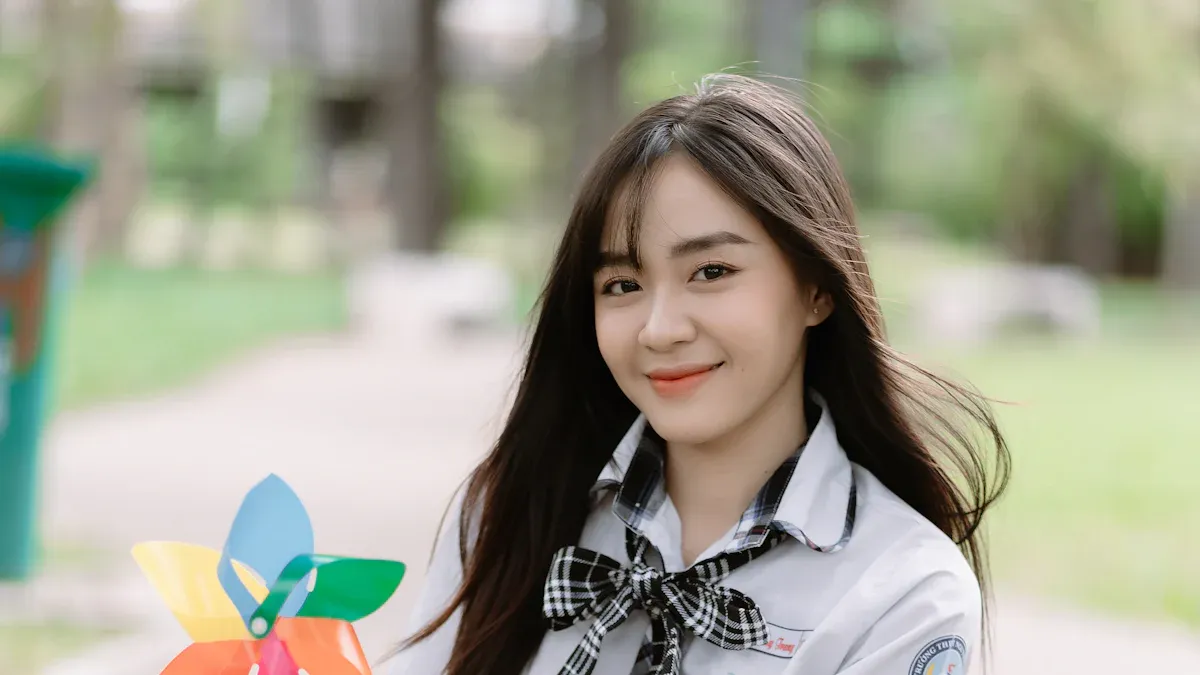
You might wonder what yarn is best for school uniforms? The answer often depends on comfort, durability, and easy care. If you choose the right yarn, you make uniforms that feel good and last through daily use. Over 75% of countries surveyed require students to wear a uniform, so picking a high-quality yarn matters. Premium yarn feels soft against the skin and resists wear from frequent washing. A tightly spun, high thread count yarn stands up to active school days and repeated laundering.
Key Takeaways
Pick yarn that feels good, lasts long, and is easy to wash for school uniforms. Cotton and rayon feel soft and let air through, so they work well for kids with sensitive skin. Polyester is strong and dries fast, which is good for students who move a lot. Poly-cotton blends are comfy and tough, so they are the best choice for most people. Wool keeps you warm when it is cold, but you need to take extra care of it. Always read the care tags so your uniform does not shrink and stays nice. Eco-friendly yarns like organic cotton and recycled polyester help the environment. Think about your weather and how active you are when you pick yarn for uniforms.
Key Qualities for School Uniform Yarn
Comfort & Softness
Comfort is very important when picking yarn for a school uniform. You want the uniform to feel soft on your skin all day. Cotton and rayon yarns are soft and let air flow, so they are good for sensitive skin. Polyester can feel scratchy unless it is treated, but it dries fast if you sweat.
Here’s a quick look at how common yarns compare for comfort:
Comfort Metric | Rayon | Polyester |
|---|---|---|
Softness | Medium to high (varies by finish) | |
Breathability | High | Moderate |
Moisture Handling | Absorbs sweat | Wicks sweat |
Thermoregulation | Cool and breathable | Warmer feel, traps heat |
Skin Sensitivity Suitability | Great for sensitive skin | Can irritate without treatment |
Many students think rayon feels cooler and softer, especially on hot days. Polyester is better if you play sports or move a lot, because it dries quickly and handles sweat well.
Durability & Longevity
You want your school uniform to last all year. Durability means the yarn can take lots of washing, running, and sitting without breaking. Polyester is strong because it keeps its shape and does not wrinkle much. Cotton-polyester blends are also good, since they are both soft and tough.
Polyester yarns keep uniforms looking neat after many washes.
Cotton-polyester blends are soft and strong, so uniforms do not rip easily.
Rayon feels nice but can wear out faster if you wash it a lot.
If you are busy at school, you need a uniform that can handle daily use and still look nice. Durable yarns help you save money because you do not need new uniforms often.
Easy Care & Washability
School uniforms get dirty quickly. You need yarn that is easy to wash and does not need much ironing. Many uniforms use “easy care” fabrics, so laundry is simple.
Tip: Always check the care label before you wash your uniform. Turn knitwear inside out and hang pleated clothes to dry. Do not use fabric conditioner, because it can ruin the easy care coating.
Here are some simple care tips for popular yarns:
Polyester and blends usually do not need ironing.
Cotton is soft but can wrinkle, so fold it right after drying.
Never wash uniforms with Velcro open, or you might ruin the fabric.
Pilling can happen if you use high heat, but it gets better after a few washes.
Easy-care yarns save you time and keep your uniform looking good, even after a long school day.
Pilling & Wrinkle Resistance
You want your school uniform to look neat and smooth, even after a long day at school. Pilling and wrinkles can make your uniform look old and messy. Pilling happens when tiny balls of fiber form on the surface of your clothes. This usually comes from rubbing against desks, backpacks, or even your own arms.
Pilling arises as a result of mechanical factors during the day-to-day use of fabrics, mainly friction that occurs when the fabric rubs against another surface. Resistance to pilling is desirable from the points of view of both fabric durability and aesthetics.
Uniforms made with polyester-cotton blends resist pilling better than those made from pure cotton or rayon. This means your uniform stays smooth and looks new for a longer time. Wrinkle resistance is also important. You probably do not want to spend time ironing your uniform every morning. Polyester-cotton uniforms keep their shape and stay neat, even after being folded in your backpack.
Here’s a quick look at how these qualities are tested in the lab:
Test Type | Description |
|---|---|
Pilling Test | Up to 18,000 Rotations Pilling Test to Check Pilling Resistance. |
Some schools switched to a 65/35 poly-cotton twill fabric. They saw shrinkage drop to just 1.8% after many washes. Wrinkle recovery improved, so students needed less ironing. Complaint rates dropped by 70%, and uniforms lasted longer.
You can see why wrinkle and pilling resistance matter:
Polyester-cotton uniforms stay smooth and neat, even after lots of wear.
Less pilling means your uniform looks polished, not fuzzy.
Wrinkle resistance saves you time and keeps you looking sharp.
High-quality blends can handle thousands of rubs before showing wear.
If you want a uniform that looks good all year, choose one with strong pilling and wrinkle resistance.
Daily Wear Suitability
School days can get busy. You run, play, sit, and move around a lot. Your uniform needs to keep up with you. Some yarns, like Merino wool, do a great job at managing moisture. They absorb sweat and help regulate your body temperature. This keeps you comfortable, even during gym class or on hot days.
Engineered fabrics can also adapt to moisture. They let air flow and help sweat dry faster. This is important if you are active or have long school days.
Uniforms go through a lot of movement and washing. Most school uniform yarns have seam efficiency values between 85% and 90%. This means the seams stay strong and do not rip easily. If the value drops below 80%, the fabric can get damaged. Washing uniforms often can wear them out, but high-quality yarns last longer.
Here’s what makes a yarn suitable for daily wear:
Good moisture management keeps you dry and comfortable.
Strong seams mean fewer rips and tears.
Fabrics that handle frequent washing stay looking new.
Airy and breathable yarns help you feel fresh all day.
When you pick a uniform, think about how much you move and how often you wash your clothes. The right yarn will keep up with your busy school life and help you look your best.
What Yarn is Best for School Uniforms?
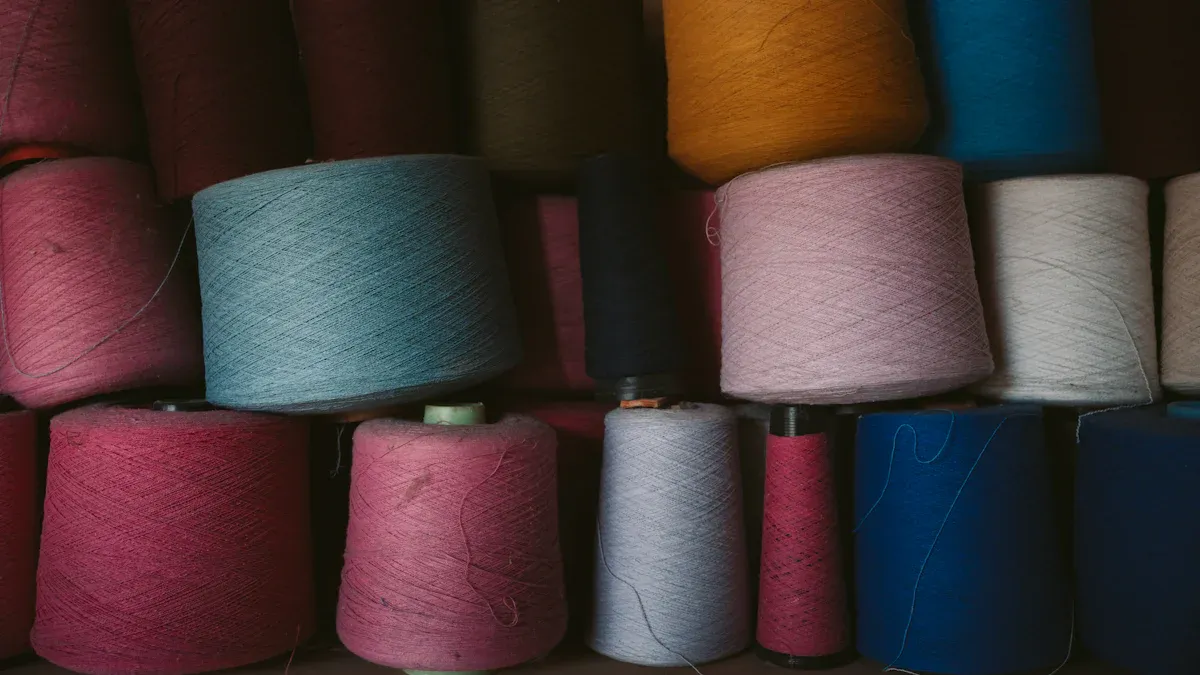
Choosing what yarn is best for school uniforms? can feel tricky. You want something that feels good, lasts a long time, and is easy to care for. Let’s look at the most popular options and see how they stack up for your daily school life.
Cotton Yarn
Cotton is a classic choice for school uniforms. You probably know it for its soft feel and breathability. Many schools pick cotton because it keeps you cool and comfortable, especially if you live somewhere warm.
Pros
Soft and Breathable: Cotton lets your skin breathe. You stay cool during hot days or after running around at recess.
Good for Sensitive Skin: If you have allergies or sensitive skin, cotton feels gentle and rarely causes itching.
Absorbs Moisture: Cotton soaks up sweat, so you feel dry even when you’re active.
Affordable and Durable: Cotton costs less than luxury fibers. It lasts through many washes, so you get good value for your money.
Easy to Dye: Uniforms in bright or deep colors often use cotton because it holds color well.
Tip: Cotton uniforms work best in warm climates or for summer terms. They help you stay cool and comfortable all day.
Cons
Wrinkles Easily: Cotton can wrinkle, so you might need to iron your uniform more often.
Can Shrink: If you wash it in hot water or dry it on high heat, cotton may shrink.
Not as Strong as Synthetics: Pure cotton can wear out faster than blends, especially at the seams.
Slower to Dry: Cotton takes longer to dry than polyester, which can be a problem in humid weather.
Here’s a quick look at how cotton compares to blends:
Evenness | Moisture Regain | ||
|---|---|---|---|
0:100 (Cotton) | Low | Low | High |
50:50 | High | High | Low |
65:35 | High | High | Low |
Cotton gives you comfort and breathability, but blends can boost strength and make care easier.
Wool & Wool Blends
Wool is famous for keeping you warm. If you live in a cold place or your school has a winter uniform, you might wear wool or a wool blend. Wool uniforms feel cozy and help your body stay at the right temperature.
Pros
Great for Cold Weather: Wool keeps you warm, even if it gets wet. You stay comfortable during chilly mornings or outdoor classes.
Natural Thermoregulation: Wool helps your body stay at a steady temperature. You won’t overheat or get too cold.
Odor Control: Wool and wool blends resist odors, so your uniform smells fresh longer.
Durable with Blends: Mixing wool with synthetic fibers makes uniforms tougher and helps them dry faster.
Less Pilling: Blends with wool often resist pilling and tearing better than pure wool.
Evidence Description | Key Points |
|---|---|
Wool’s thermoregulation | Wool performs well in cold conditions, maintaining warmth even when wet. |
Performance in activity | Wool is superior for thermoregulation during physical activity in cold weather. |
Drying times | Wool dries slower than synthetics, but blends improve drying times. |
Odor control | Wool blends control odor, especially in thin layers. |
Note: Wool uniforms are popular in places like New Zealand and Australia, where students spend lots of time outdoors and need protection from the weather.
Cons
Needs Special Care: Wool can shrink or lose shape if you wash it wrong. Always use cool water and gentle cycles.
Slower to Dry: Pure wool takes longer to dry, which can be tough in humid places.
Can Feel Itchy: Some people find wool itchy, but blends or softer types like Merino help with this.
Higher Cost: Wool costs more than cotton or polyester, so uniforms may be pricier.
If you want a uniform that keeps you warm and lasts, wool blends are a smart pick for cold climates.
Polyester & Poly-Cotton Blends
Polyester and poly-cotton blends are everywhere in school uniforms. They mix the best parts of cotton and polyester to give you comfort, strength, and easy care.
Pros
Very Durable: These blends resist rips, tears, and wear. Your uniform stays looking new, even after lots of washes.
Easy to Care For: You spend less time ironing. The fabric keeps its shape and dries quickly.
Strong Seams: Polyester adds strength, so seams don’t split easily.
Budget-Friendly: Poly-cotton blends cost less than pure wool and last longer than pure cotton.
Great for Active Kids: If you play sports or move a lot, these uniforms keep up with you.
Blend Ratio (PE/CT) | Evenness | Strength | Hairiness |
|---|---|---|---|
70:30 | Improved | Improved | Low |
30:70 | Moderate | Moderate | High |
Effect of Increasing Cotton | Effect of Increasing Polyester | |
|---|---|---|
Air Permeability | Improves | Decreases |
Wetability | Improves | Decreases |
Dimensional Stability | Decreases | Improves |
Crease Recovery | Decreases | Improves |
Tensile Strength | Decreases | Improves |
Abrasion Resistance | Decreases | Improves |
Callout: Poly-cotton uniforms are perfect for busy school days. They stay neat, dry fast, and handle rough use.
Cons
Less Breathable: Polyester does not let air flow as well as cotton. You might feel warmer in hot weather.
Can Feel Less Soft: Some blends feel scratchy, but higher cotton content helps.
Not Biodegradable: Polyester is synthetic, so it does not break down like natural fibers.
Can Trap Heat: In very hot climates, you may feel sweaty if the blend has too much polyester.
If you want a uniform that is tough, easy to wash, and looks sharp, poly-cotton blends are a top choice for most schools.
So, what yarn is best for school uniforms? It depends on your climate, how active you are, and how much care you want to give your uniform. Cotton works well for comfort and breathability. Wool is best for warmth. Poly-cotton blends give you strength and easy care. Pick the one that fits your school life best!
Merino & Worsted Yarns
Merino and worsted yarns bring something special to school uniforms. If you want to know what yarn is best for school uniforms?, you should look at these options for their comfort and performance. Merino wool stands out because it feels soft and never itchy. You can wear it all day without feeling uncomfortable. Worsted wool gives uniforms a neat, polished look that many schools love.
Pros
Merino wool keeps you comfortable in any weather. It helps your body stay warm when it’s cold and cool when it’s hot. The natural fibers let your skin breathe, so you never feel sweaty or sticky.
This wool absorbs moisture but never feels wet. If you run around at recess or have gym class, your uniform stays dry and fresh.
Merino and worsted yarns have natural odor resistance. You can wear your uniform longer without worrying about smells. This means you don’t have to wash it as often, which saves time and water.
The elasticity in merino wool makes uniforms flexible. You can move, stretch, and play without your clothes losing shape.
These yarns give uniforms a professional look. You always look sharp and ready for class.
Tip: Merino wool uniforms work well for students who have busy, active days and need something that keeps up with them.
Cons
Merino and worsted wool uniforms usually cost more than cotton or polyester. If you want a budget-friendly option, these might not be the best choice.
Wool needs gentle care. You have to wash it carefully, or it might shrink or lose its shape.
Some students may still find wool a little itchy, especially if they have sensitive skin. Merino is softer than regular wool, but it’s not perfect for everyone.
These uniforms can take longer to dry. If you live in a humid place, this might be a problem.
If you want a uniform that feels great, looks smart, and lasts a long time, merino and worsted yarns are a strong choice. When you ask what yarn is best for school uniforms?, think about your climate, your school’s dress code, and how much care you want to give your clothes.
Other Options (Fleece, Flannel, Twill)
Best School Uniform Fabrics Compared
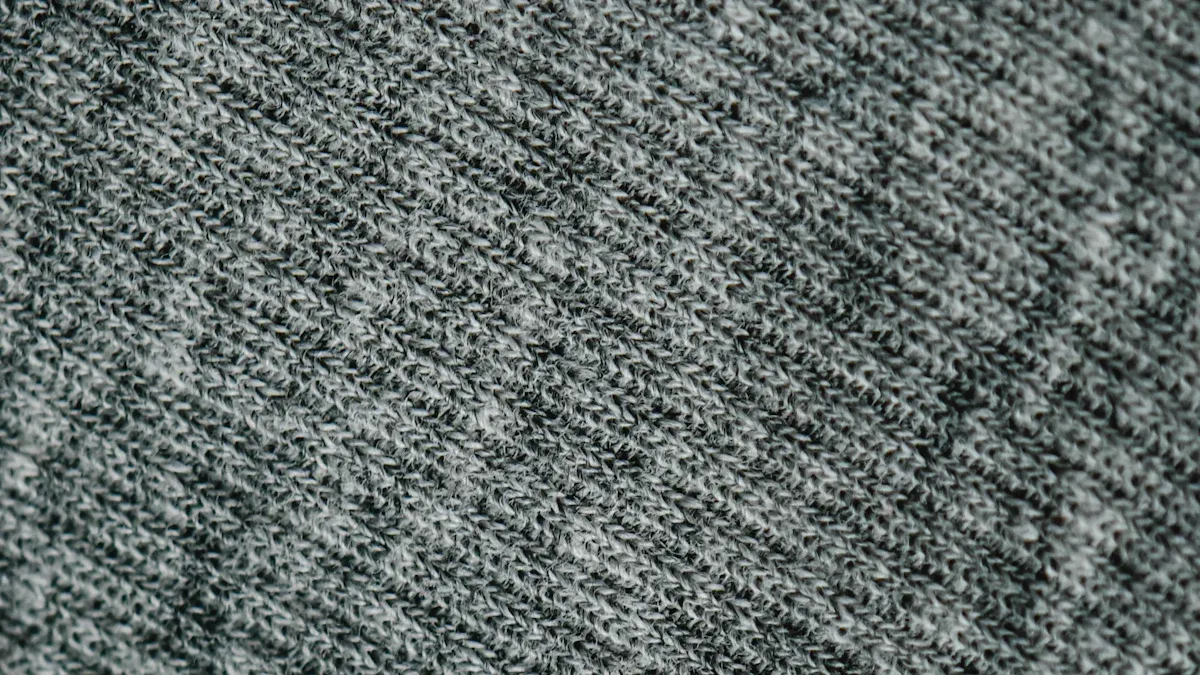
Head-to-Head Comparison
When you look at all the options for school uniforms, it helps to see how each fabric stacks up. Here’s a quick side-by-side look at the most popular choices:
Fabric Type | Advantages |
|---|---|
Cotton | Highly breathable, gentle on the skin, absorbs moisture, comfortable for long days. |
Strong, stain-resistant, low maintenance, keeps color after many washes. | |
Cotton-Polyester Blend | Breathable, wrinkle-resistant, durable, easier to care for, more affordable than pure cotton. |
Excellent for warmth, long-lasting, resists wrinkles, great for colder climates. | |
Rayon | Drapes nicely, absorbs moisture, lightweight, lets you move easily. |
Twill | Durable, comfortable, stain-resistant, keeps shape and color after frequent washing. |
Gabardine | Water-resistant, durable, polished look, holds up well over time. |
You can see that each fabric brings something special to the table. Some are better for hot days, while others keep you warm in winter. Some are easy to wash, and others look sharp all year.
Best for Comfort
If you want to feel good in your uniform all day, comfort matters most. Cotton stands out because it feels soft and lets your skin breathe. You won’t get sweaty or itchy, even if you wear your uniform for hours. Rayon is another great pick for comfort. It’s lightweight and moves with you, so you never feel restricted.
Cotton: Soft, breathable, gentle on sensitive skin.
Rayon: Lightweight, smooth, easy to move in.
Cotton-polyester blends: Mix comfort with a bit more strength and wrinkle resistance.
Tip: If you have sensitive skin or live somewhere hot, cotton or rayon uniforms will help you stay cool and comfortable.
Best for Durability
You want your uniform to last through the school year, no matter how many times you wash or wear it. Twill fabric is a top choice for durability. It keeps its shape, resists stains, and doesn’t wrinkle much. You can wash it over and over, and it still looks new. Polyester-cotton blends also do a great job. They resist tears and creases, so you don’t have to worry about rips or worn-out spots.
Twill: Stays strong, keeps color, resists stains and wrinkles.
Polyester-cotton blends: Tough, easy to care for, less likely to tear than pure cotton.
If you want the best school uniform fabrics for long-lasting wear, twill and poly-cotton blends are hard to beat. They handle busy school days and lots of washing without falling apart.
Best for Easy Care
You probably want a school uniform that makes laundry day simple. Some fabrics need a lot of attention, but others let you toss them in the wash and go. If you have a busy schedule or just want to spend less time ironing, easy-care fabrics are your best friend.
Polyester and poly-cotton blends stand out for easy care. These fabrics resist wrinkles, so you can skip the iron most days. They dry quickly, which helps if you need your uniform ready for the next morning. You do not have to worry about shrinking or losing shape. These uniforms keep looking sharp, even after many washes.
Cotton is soft and comfy, but it wrinkles more than polyester. You might need to iron cotton shirts or pants to keep them neat. Wool uniforms need special care. You have to wash them gently and dry them flat, or they might shrink. That takes extra time and effort.
Here’s a quick table to show how easy it is to care for each fabric:
Fabric Type | Wrinkle Resistance | Drying Speed | Special Care Needed |
|---|---|---|---|
Polyester | Excellent | Fast | No |
Poly-Cotton Blend | Very Good | Fast | No |
Cotton | Fair | Moderate | No |
Wool | Poor | Slow | Yes |
Rayon | Fair | Moderate | Sometimes |
Tip: If you want to save time, choose uniforms made from polyester or poly-cotton blends. You will spend less time ironing and more time doing what you enjoy.
Best for Budget
If you want to save money on school uniforms, you have some great options. Poly-cotton blends give you the best value for your money. These uniforms cost less than pure wool or high-end cotton. You can find them in almost any store that sells school clothes.
Here’s why poly-cotton blends help your budget:
Poly-cotton blends are very affordable and easy to find.
They balance comfort and cost, so you do not have to give up softness for savings.
These uniforms last a long time, even if you wear them every day.
Cotton uniforms can also be budget-friendly, but they may wear out faster and need replacing sooner. Wool uniforms look sharp and feel warm, but they usually cost more and need special care. That adds to the total price over time.
If you want to stretch your school uniform budget, look for poly-cotton blends. You get a uniform that feels good, lasts through the school year, and does not break the bank. That means more money for other school supplies or fun activities!
Top Recommendations
Best Overall Yarn
If you want the best yarn for school uniforms, you should look for a blend that gives you comfort, durability, and easy care. Poly-cotton blends stand out as the best overall choice. You get the softness of cotton and the strength of polyester. These blends resist wrinkles and pilling, so your uniform looks neat all year. You can wash them often, and they dry quickly. Poly-cotton blends also cost less than wool or pure cotton, which helps you save money.
Tip: Try a 65/35 poly-cotton blend for shirts and pants. This mix feels soft, lasts a long time, and needs little ironing.
If you want top-quality yarn for school uniforms, poly-cotton blends offer the best balance. You stay comfortable, and your uniform stays strong.
Best for Cold Weather
When winter comes, you need a uniform that keeps you warm. Wool and wool blends work best for cold weather. Wool traps heat and helps your body stay at the right temperature. You feel cozy, even on chilly mornings. Merino wool is a great option because it feels soft and does not itch. Wool blends, like wool-polyester, add extra strength and help the fabric dry faster.
Here’s a quick table to help you choose:
Yarn Type | Warmth Level | Care Needed | Comfort |
|---|---|---|---|
Wool | High | Gentle | Good |
Merino Wool | Very High | Gentle | Excellent |
Wool-Poly Blend | High | Easy | Good |
Note: Always wash wool uniforms in cool water and lay them flat to dry. This keeps them from shrinking.
If you live in a cold climate or your school has outdoor activities, wool and wool blends will keep you comfortable all day.
Best for Warm Weather
Hot days call for uniforms that help you stay cool. Cotton is the best yarn for warm weather. It lets air flow and absorbs sweat, so you feel fresh. Rayon is another good choice because it feels light and smooth. Poly-cotton blends also work well if you want easy care and some breathability.
Here are some options for warm climates:
100% Cotton: Soft, breathable, gentle on skin.
Rayon: Lightweight, cool, easy to move in.
Poly-cotton blend (with more cotton): Mixes comfort with easy care.
Tip: Choose lighter colors for summer uniforms. They reflect sunlight and help you stay cooler.
If you want a uniform that feels good in the heat, pick cotton or rayon. You will stay comfortable, even on the hottest school days.
Recommended Brands & Blends
When you shop for school uniform yarn, you want brands that deliver comfort, durability, and easy care. Some brands stand out because they use high-quality blends and have a good reputation among schools and parents. You can find yarns that make uniforms last longer, look better, and save you time.
Here are some top brands and blends you should check out:
Coats & Clark: This brand offers strong poly-cotton blends. You get yarn that resists wrinkles and pilling. Many schools choose Coats & Clark for shirts and pants.
Lion Brand: If you want soft cotton yarn, Lion Brand is a favorite. Their yarn feels gentle on your skin and works well for summer uniforms.
Patons: Patons makes premium wool and wool-blend yarns. You stay warm in winter and enjoy a polished look. Their Merino blends are especially popular for sweaters and blazers.
Red Heart: This brand gives you budget-friendly polyester yarns. You get easy-care uniforms that dry fast and keep their shape.
Bernat: Bernat offers soft acrylic blends. These yarns work well for knitwear and are easy to wash.
You might wonder how switching to better blends and brands can help. Schools that moved to recommended poly-cotton blends saw big improvements. Uniforms lasted longer, parents spent less time ironing, and costs dropped. Here’s a quick look at the changes:
Aspect | Before Transition | After Transition | Improvement |
|---|---|---|---|
Garment Lifespan | 12 months | 18 months | +50% |
Ironing Time | N/A | Reduced by 60% | N/A |
Fabric Costs | N/A | Dropped by 18% | N/A |
Parent Satisfaction | N/A | 72% reported lower maintenance | N/A |
You can see that picking the right brand and blend makes a real difference. Uniforms last longer, look better, and need less care. Parents feel happier because they spend less time and money.
If you want a premium option, try Merino wool blends from Patons or Lion Brand. These yarns feel soft and keep you warm. For budget-friendly choices, Red Heart and Bernat offer blends that are easy to care for and still look good.
Tip: Always check the label for blend ratios. A 65/35 poly-cotton mix gives you the best balance of comfort and durability.
You can find these brands in most craft stores or online. Pick the blend that fits your climate and school needs. You’ll get uniforms that work hard and look great.
Tips for Uniform Yarn Projects
Knitting & Crocheting Tips
You want your school uniform project to look neat and last a long time. Start by picking the right yarn for your pattern. Poly-cotton blends work well for sweaters and vests because they hold their shape and resist pilling. If you use wool, choose Merino for extra softness.
Here are some tips to help you knit or crochet a great uniform piece:
Use a tight stitch for extra durability. Loose stitches can snag or stretch out.
Try a swatch before you start. This helps you check the gauge and see how the yarn feels.
Pick smooth, medium-weight yarns. These are easier to work with and give a clean finish.
Use metal needles or hooks for polyester blends. They slide better and make your work faster.
Weave in ends securely. This keeps your uniform from unraveling after washing.
Tip: If you want crisp edges, block your finished piece. Lay it flat and shape it while damp. This helps your uniform look professional.
Care & Maintenance
You want your handmade uniform to stay fresh and last all year. Caring for yarn projects is easy if you follow a few simple steps. Always check the yarn label for washing instructions.
Here’s a quick table to help you remember how to care for different yarns:
Yarn Type | Wash Method | Drying | Ironing |
|---|---|---|---|
Poly-cotton Blend | Machine, cold | Air dry | Low heat |
Cotton | Machine, warm | Tumble/air dry | Medium heat |
Wool/Merino | Hand wash, cool | Flat dry | Steam only |
Acrylic | Machine, cold | Tumble dry | Low heat |
Wash uniforms inside out to prevent pilling.
Avoid high heat in the dryer. This keeps yarn from shrinking or losing shape.
Store uniforms folded, not hung. Hanging can stretch out the fabric.
Remove stains quickly with mild soap and cold water.
Note: If you see fuzz or pills, use a fabric shaver. This makes your uniform look new again.
Customizing for Fit & Comfort
You want your uniform to fit well and feel comfortable all day. Customizing your project helps you get the perfect size and style.
Measure yourself before you start. Write down your chest, waist, and sleeve lengths.
Adjust the pattern for your body. Add or subtract rows to change the length.
Use ribbed cuffs and hems. These stretch and help the uniform stay in place.
Choose soft yarns for collars and necklines. This prevents itching and irritation.
Add pockets or extra buttons for style and convenience.
Callout: If your uniform feels tight or loose, you can fix it. Try adding a stretchy panel or adjusting the seams with a simple whip stitch.
You can make your school uniform project unique and comfortable. With the right yarn and a few smart changes, you’ll look and feel your best every day!
Sustainability & Ethics
Eco-Friendly Yarn Choices
You might want your school uniform to help the planet. Good news! You can find yarns that are better for the environment. These yarns use less water, fewer chemicals, and create less waste. When you pick eco-friendly yarn, you help protect nature and keep the earth clean for future students.
Here are some top eco-friendly yarn choices for school uniforms:
Organic Cotton: Farmers grow this cotton without harmful pesticides. It feels soft and safe on your skin. You help reduce pollution when you choose organic cotton.
Recycled Polyester: Factories make this yarn from old plastic bottles. You help keep plastic out of landfills and oceans. Recycled polyester uniforms last a long time and dry fast.
Bamboo Yarn: Bamboo grows quickly and needs little water. This yarn feels smooth and cool. You get a uniform that is gentle on your skin and gentle on the earth.
TENCEL™ (Lyocell): This yarn comes from wood pulp. The process uses less water and energy. TENCEL™ feels soft and strong, perfect for daily wear.
🌱 Tip: Look for yarns with eco-labels like GOTS (Global Organic Textile Standard) or OEKO-TEX®. These labels show that the yarn meets strict environmental rules.
You can also check this table to see how some eco-friendly yarns compare:
Yarn Type | Water Use | Chemical Use | Biodegradable | Comfort Level |
|---|---|---|---|---|
Organic Cotton | Low | Low | Yes | High |
Recycled Polyester | Very Low | Low | No | Medium |
Bamboo | Low | Low | Yes | High |
TENCEL™ | Very Low | Very Low | Yes | High |
Choosing eco-friendly yarn helps you make a difference every day you wear your uniform.
Ethical Sourcing
You might wonder who makes your uniform yarn. Ethical sourcing means that workers get fair pay and safe working conditions. It also means that companies respect the environment and local communities.
Here’s how you can spot ethically sourced yarn:
Fair Trade Labels: These labels show that workers get treated fairly. You support families and communities when you buy fair trade yarn.
Transparent Brands: Some brands share where and how they make their yarn. You can check their websites for details.
No Child Labor: Ethical yarn companies promise not to use child labor. You help protect kids around the world by choosing these brands.
Animal Welfare: If you pick wool, look for brands that treat sheep kindly. Labels like “Responsible Wool Standard” mean animals get good care.
🧶 Note: When you choose ethically sourced yarn, you help make the world a better place for everyone.
You have the power to support good practices with every uniform you wear. Ask your school or supplier about their yarn sources. You can help create a kinder, greener world—one uniform at a time.
Common Mistakes & Troubleshooting
Mistakes in Yarn Selection
Choosing the right yarn for school uniforms can feel tricky. You might think all yarns work the same, but some choices can lead to problems. Here are some common mistakes you should watch out for:
Picking Yarn That’s Too Itchy: Some people grab the cheapest wool or synthetic yarn. These can feel scratchy and make you uncomfortable all day.
Ignoring Climate Needs: You might pick a warm yarn like wool for a hot climate. This can make you sweat and feel sticky. On the other hand, thin cotton won’t keep you warm in winter.
Not Checking Care Instructions: Some yarns need special washing. If you pick one that shrinks or felts in the wash, your uniform might not fit after a few weeks.
Choosing Low-Quality Blends: Cheap blends can pill, fade, or lose shape fast. You might save money at first, but you’ll need to replace uniforms sooner.
Overlooking Allergies: Some students have sensitive skin. If you don’t check for allergies, you could end up with rashes or itching.
Tip: Always touch and stretch the yarn before you buy. If it feels rough or flimsy, it probably won’t last.
Fixing Common Issues
Even if you pick the best yarn, problems can still pop up. Don’t worry! You can fix most uniform issues with a few simple tricks.
Problem: Uniform pills or gets fuzzy
Solution:
Use a fabric shaver or a sweater stone to remove pills.
Wash uniforms inside out on a gentle cycle.
Avoid high heat in the dryer.
Problem: Uniform shrinks after washing
Solution:
Always follow the care label. Use cold water and air dry when possible.
For wool, lay flat to dry. Never hang wet wool—it stretches out.
Problem: Uniform feels itchy
Solution:
Wear a soft undershirt or tank top.
Try washing the uniform with a gentle, fragrance-free detergent.
If the itch won’t go away, switch to a softer yarn like Merino or a cotton blend.
Problem: Uniform loses shape
Solution:
Store uniforms folded, not on hangers.
Reshape while damp after washing.
Avoid overloading the washing machine.
Here’s a quick table to help you troubleshoot:
Issue | Quick Fix |
|---|---|
Pilling | Fabric shaver, gentle wash |
Shrinking | Cold wash, air dry, flat dry wool |
Itchiness | Undershirt, softer yarn, gentle wash |
Losing Shape | Fold to store, reshape when damp |
🧵 Note: If you keep running into the same problem, try a different yarn blend next time. Sometimes, a small change makes a big difference!
You want a school uniform that feels good, lasts long, and is easy to care for. Poly-cotton blends give you the best balance for most needs. Cotton works well in hot weather, while wool keeps you warm in winter. Always think about your climate, school rules, and what feels best for you.
Try a swatch before you buy.
Ask local shops or experts for advice.
Tip: The right yarn makes your school days easier and more comfortable!
FAQ
What is the most comfortable yarn for school uniforms?
You will love cotton for comfort. It feels soft and lets your skin breathe. If you want something extra smooth, try rayon. Both work well for sensitive skin.
How do I stop my uniform from shrinking?
Wash your uniform in cold water. Dry it on a line or use low heat. Always check the care label. Cotton and wool shrink the most if you use hot water.
Which yarn is best for hot weather?
Cotton and rayon keep you cool. They let air flow and absorb sweat. Light poly-cotton blends also work if you want easy care.
Can I wash wool uniforms in the machine?
You should hand wash wool or use a gentle cycle with cold water. Lay it flat to dry. This keeps your uniform from shrinking or losing shape.
What yarn lasts the longest for uniforms?
Poly-cotton blends last the longest. They resist tears, wrinkles, and pilling. You can wash them often, and they still look good.
Are eco-friendly yarns good for uniforms?
Yes! Organic cotton, bamboo, and recycled polyester make great uniforms. They feel soft and help the planet. Look for eco-labels when you shop.
How do I keep my uniform from pilling?
Wash your uniform inside out. Use a gentle cycle. Avoid high heat in the dryer. If you see pills, use a fabric shaver to remove them.