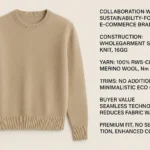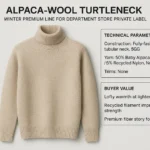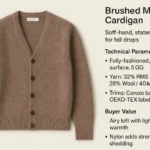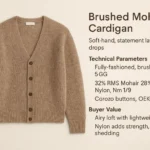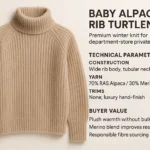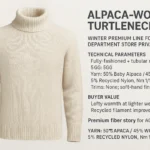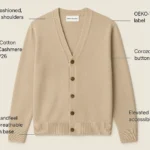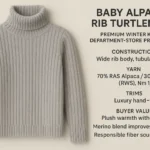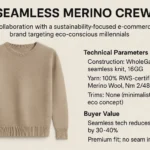

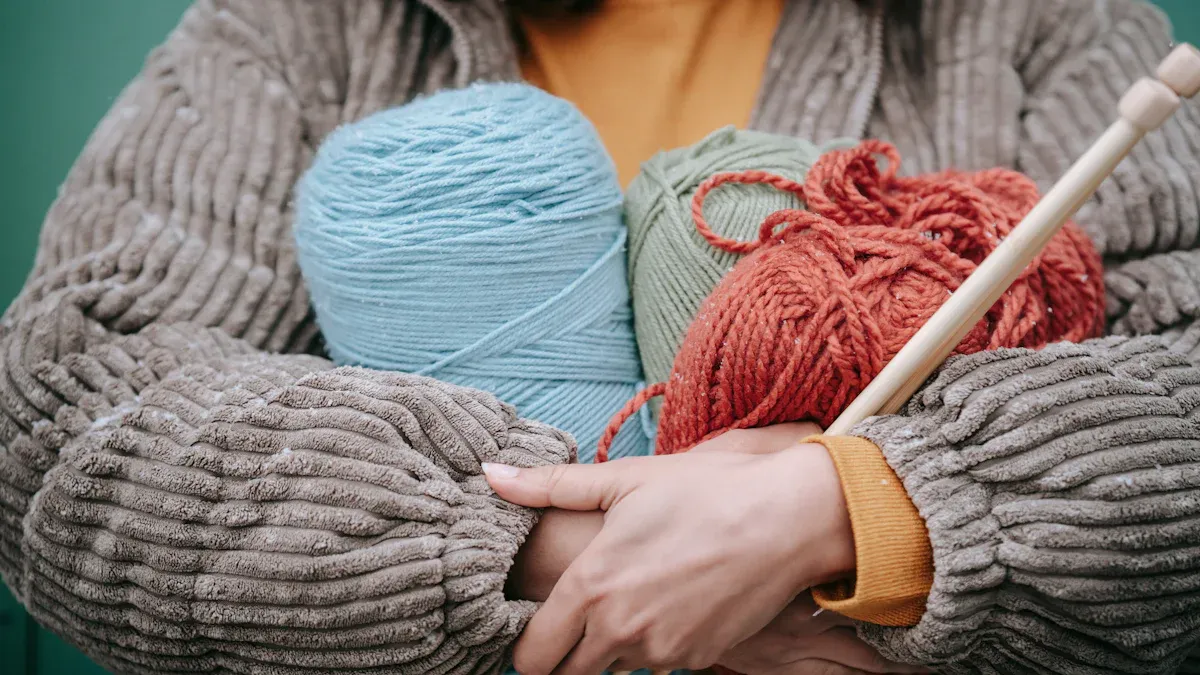
When you ask, what yarns are suitable for plus-size sweaters?, you want options that feel good, last long, and fit just right. Choosing the right yarn makes a big difference. Cotton yarn gives strength and keeps you dry, while wool adds warmth and stretch. Blends like wool-modal improve how long your sweater lasts by boosting both strength and flexibility. Acrylic yarn stands out for its durability and color that stays bright. Picking the best yarn helps your sweater look and feel great for seasons to come.
Key Takeaways
Choose yarn based on the season. Use cotton for warm weather and wool for cold days.
Select soft and durable fibers for comfort and long-lasting wear.
Consider the drape of the yarn. Lighter yarns provide a flowing fit, while heavier yarns can feel bulky.
Check the yarn’s fiber content. Wool holds its shape, while cotton can stretch out over time.
Always touch the yarn before buying. This helps ensure it feels good against your skin.
Use plied yarns for better durability. They resist pilling and maintain a neater appearance.
Estimate yarn amounts carefully. Use charts and buy an extra skein to avoid running out.
Make a gauge swatch before starting. This ensures your sweater fits just right.
Key Considerations
When you start a plus-size sweater project, you want to make sure it feels good, fits well, and lasts a long time. The yarn you pick can change everything about your sweater. Let’s break down what matters most.
Fit and Drape
Drape Importance
The way your sweater hangs on your body is called drape. You want your sweater to move with you and not feel stiff. Some yarns, like alpaca, give a soft and flowing drape. Others, like wool, hold their shape better. If you want a sweater that looks relaxed and comfy, choose a yarn that drapes well. Lighter yarns usually give you more drape, while heavier yarns can make your sweater feel bulky.
Tip: Always check how the yarn feels in your hands. If it feels stiff, your sweater might not drape the way you want.
Structure vs. Flexibility
You need to think about how much structure you want. Wool has “memory,” so it bounces back and keeps its shape. Cotton does not, so it can stretch out over time. If you want a sweater that keeps its shape, look for yarns with some wool or blends that add strength. If you want something more relaxed, cotton or blends with bamboo can work well.
Fiber Content: Animal fibers like wool hold shape. Plant fibers like cotton do not.
Ply Construction: Plied yarns last longer and look neater than single-ply yarns.
Comfort Factors
Softness and Sensitivity
You want your sweater to feel soft against your skin. Some people have sensitive skin, so they need to avoid scratchy yarns. Wool can be soft, but some types can itch. Cotton and blends with bamboo or modal feel smooth and gentle. Always touch the yarn before you buy it.
Breathability
Breathability keeps you comfortable. Wool lets your skin breathe and keeps you warm. Cotton keeps you cool and dry. Synthetic yarns trap heat, so they might not be the best for warm weather. Think about when and where you will wear your sweater.
Durability
Pilling and Stretch
You want your sweater to last. Some yarns pill, which means little balls form on the surface. Plied yarns pill less than single-ply yarns. Wool blends and acrylics are strong and resist pilling. Cotton can stretch out, so blends with wool or acrylic help your sweater keep its shape.
Shape Retention
Shape retention means your sweater stays the same size and does not sag. Wool helps with this because it bounces back. Cotton and some synthetics can stretch out. If you want your sweater to look good for a long time, pick yarns that hold their shape.
When you look at yarn types for sweaters, remember that fiber content and yarn weight change everything. Heavier yarns make sweaters stiffer and bigger. Lighter yarns give you a softer, more flowing fit. Always match your yarn to the pattern and the look you want.
Note: The right yarn makes your sweater fit better, feel better, and last longer.
What Yarns Are Suitable for Plus-Size Sweaters?

Choosing the right yarn can make or break your sweater project. If you have ever wondered what yarns are suitable for plus-size sweaters?, you are not alone. Let’s look at the most popular yarn types and see how they work for your next cozy creation.
Wool and Wool Blends
Pros and Cons
Wool is a classic choice for sweaters. It feels warm and soft, and it stretches just enough to fit your body. Merino wool stands out because it keeps you warm in winter and cool in summer. You do not have to worry about feeling too hot or too cold. Wool also bounces back, so your sweater keeps its shape even after many wears.
Here is a quick look at how Merino wool performs:
Attribute | Description |
|---|---|
Warmth | Merino wool provides excellent temperature regulation, keeping you warm in cold and cool in hot conditions. |
Elasticity | The natural elasticity of Merino wool ensures a snug fit without feeling restrictive. |
Care | Merino wool is quick-drying and odor-resistant, making it easy to care for and maintain freshness. |
But wool does have a few downsides. Some types can feel itchy, especially if you have sensitive skin. You may need to hand wash your sweater or use a gentle cycle. If you want to know what yarns are suitable for plus-size sweaters?, wool is a strong contender, but you should always check the label for care instructions.
Best Wool Blends
Blends can give you the best of both worlds. Wool blended with acrylic or nylon adds strength and makes your sweater last longer. Wool-modal blends feel soft and resist stretching out. These blends help your sweater keep its shape and feel comfortable all day.
Tip: If you want a sweater that is easy to care for and keeps its shape, try a wool blend with a bit of synthetic fiber.
Cotton and Cotton Blends
Benefits
Cotton is another top answer to what yarns are suitable for plus-size sweaters?. It feels soft and gentle on your skin. Cotton yarns breathe well, so you stay cool and dry. They are strong and hold up to lots of washing. You can wear a cotton sweater almost anywhere, from a casual day out to a dressier event.
Here is a table to help you see the benefits and drawbacks:
Advantages | Disadvantages |
|---|---|
Durability and Strength | Limited Stretch |
Comfort and Softness | Potential for Pilling |
Versatility in Crafting | Environmental Impact |
Easy Maintenance and Care | N/A |
Cotton blends, like cotton-bamboo or cotton-acrylic, add even more comfort and make your sweater easier to care for. These blends help your sweater resist pilling and keep its shape.
Drawbacks
Cotton does have a few weak spots. It does not stretch much, so your sweater might feel tight if you do not get the size just right. Cotton can also pill over time, which means little balls form on the surface. If you want to know what yarns are suitable for plus-size sweaters?, cotton is a great pick, but blends often work better for fit and durability.
Note: Cotton sweaters are perfect for spring and fall. They feel light and comfortable, but you may want a blend for extra stretch.
Acrylic and Synthetics
Advantages
Acrylic yarns answer the question, what yarns are suitable for plus-size sweaters?, especially if you want something affordable and easy to care for. Acrylic feels smooth and soft, and it rarely causes itching. It holds color well, so your sweater stays bright wash after wash. Acrylic yarns also keep their shape, which is great for plus-size sweaters.
Here is a table to compare acrylic and wool:
Feature | Acrylic | Wool |
|---|---|---|
Care | Machine washable, easy care | Requires special care, can shrink |
Price | Higher upfront cost | |
Comfort | Smooth, less likely to itch | Excellent temperature regulation |
Durability | Resilient, retains shape | Can lose shape over time |
Care and Cost
You can toss most acrylic sweaters in the washing machine. They dry quickly and do not shrink. If you want to save money, acrylic is a smart choice. It costs less than wool or cotton, but still gives you a sweater that looks good and lasts.
Tip: If you want a sweater that is easy to wash and budget-friendly, acrylic or a synthetic blend is a great option.
Alpaca, Silk, and Other Blends
Softness and Drape
If you want your sweater to feel extra soft and look elegant, alpaca and silk blends are a smart choice. Alpaca yarn feels gentle against your skin. You will notice how light it is when you pick it up. Silk adds a smooth touch and gives your sweater a beautiful shine. These fibers help your sweater drape nicely, so it hangs well and moves with you.
You might see sweaters made with alpaca and silk blends, like the alpaca/silk blend cowl neck sweater. These blends make your sweater feel luxurious and cozy. You do not have to worry about itchiness because alpaca is hypoallergenic. Silk also helps your sweater stay cool in warm weather and warm in cooler months.
Here is a table that shows why alpaca stands out:
Property | Alpaca Wool |
|---|---|
Warmth | Excellent insulation due to hollow core fibers |
Lightweight | Provides warmth without heaviness |
Hypoallergenic | Less likely to irritate sensitive skin |
Durability | Stronger and more resilient than traditional wool |
Moisture-Wicking | Naturally wicks away moisture for comfort |
Tip: If you want a sweater that feels soft and looks stylish, try yarns with alpaca or silk blends.
Strength and Longevity
You want your sweater to last, especially if you plan to wear it often. Alpaca fibers are strong and resist wear and tear better than regular wool. Silk adds even more strength, so your sweater keeps its shape and does not sag. These blends help your sweater stay looking new, even after many washes.
Alpaca and silk blends also wick away moisture, so you stay comfortable all day. You do not have to worry about your sweater feeling heavy or damp. If you want a sweater that stands up to daily use, these specialty blends are a great pick.
Alpaca yarn resists pilling, so your sweater looks neat longer.
Silk helps your sweater keep its color and shine.
Specialty blends, like alpaca-silk, combine softness, strength, and style.
You can find many yarns that mix alpaca, silk, and other fibers. These blends give you the best balance of comfort, durability, and a beautiful drape. If you want a sweater that feels special and lasts, alpaca and silk blends are worth trying.
Best Yarn for Sweaters: Weight and Texture
When you start choosing the best yarn for sweaters, you might feel overwhelmed by all the options. Yarn weight and texture play a big role in how your sweater looks, feels, and fits. Let’s break down what you need to know so you can pick the best yarn for sweaters every time.
DK/3 Weight Yarn
Why DK Is Recommended
The standard yarn weight system sorts yarns by thickness. DK, or Double Knitting, sits right in the middle. It is a favorite for many knitters and crocheters. Here’s why DK/3 weight yarn is often the best yarn for sweaters:
DK yarn creates a medium-weight fabric that works for all seasons.
It gives your sweater structure without making it too heavy or stiff.
You can use DK yarn for many projects, like sweaters, cardigans, hats, and scarves.
DK yarn handles basic stitches, lace, cables, and colorwork with ease.
DK yarn helps you make sweaters that feel comfortable and look great. You get a nice balance between warmth and breathability.
When to Use Heavier Yarns
Sometimes you want a sweater that feels extra cozy. Heavier yarns, like worsted or aran, make thicker sweaters. These are perfect for cold weather. If you want a chunky look or a quick project, heavier yarns work well. Just remember, they can make your sweater feel bulkier and less drapey.
Chunky and Bulky Yarns
Oversized Sweater Trends
Chunky and bulky yarns have become popular for oversized sweaters. These yarns give you warmth and a cozy feel. Many people love the look of big, soft stitches. Chunky knits remind you of classic, hand-knit sweaters from the past. The fit can change depending on the pattern. Some oversized sweaters look boxy, while others have a more fitted shape that flatters your body.
Cost and Yardage
When you use chunky or bulky yarns, you need fewer stitches to finish your sweater. This means you finish faster, but you also need more yarn by weight. Chunky yarns can cost more because you use bigger balls of yarn. Always check the pattern for yardage so you buy enough yarn for your project.
Yarn Texture and Sweater Fit
Smooth vs. Textured Yarns
Yarn texture changes how your sweater feels and fits. Smooth yarns give you a neat, classic look. They show off stitch patterns and cables. Textured yarns, like boucle or tweed, add interest and hide small mistakes. Think about the look you want before you choose.
Impact on Drape
Yarn texture also affects drape. Thick, chunky yarns make sweaters that feel stiff and boxy. Finer yarns, like DK, let your sweater drape and move with your body. The fiber matters too. Wool stretches and softens over time, while cotton keeps its shape. Picking the right texture helps you get the fit and drape you want.
Tip: When choosing the best yarn for sweaters, always touch the yarn and imagine how it will feel against your skin.
Choosing the best yarn for sweaters means thinking about weight, texture, and how you want your sweater to look and feel. With these tips, you can pick the best yarn for sweaters that fits your style and keeps you comfortable.
Best Yarn for Crochet Sweaters: Special Considerations
When you crochet a sweater, you face different challenges than when you knit. Crochet stitches are thicker and less stretchy. This means you need to think carefully about your yarn choice. Picking the best yarn for crochet sweaters helps you get a sweater that feels good, fits well, and lasts a long time.
Fiber Choice for Crochet
Stretch and Structure
You want your crochet sweater to have the right mix of stretch and structure. Some fibers work better than others. Here’s a quick look at how popular fibers compare:
Fiber Type | Advantages | Disadvantages |
|---|---|---|
Wool | Elastic, warm, maintains shape | Expensive, shrinks easily |
Cotton | Durable, soft, lightweight | Can be stiff, environmentally damaging |
Bamboo | Smooth, lightweight, eco-friendly | Not warm for winter, limited color availability |
Acrylic | Budget-friendly, machine washable | Less pleasant to wear, prone to pilling |
Wool gives you stretch and helps your sweater keep its shape. Cotton feels soft and strong, but it can get stiff in crochet. Bamboo feels smooth and light, but it does not keep you warm in winter. Acrylic is easy to wash and stretches well, but it can pill over time.
Tip: If you want a fitted crochet sweater, acrylic works well because it stretches more. For a sturdy, everyday sweater, cotton is a good pick, but you need to handle it with care.
Blends for Crochet
Blends can give you the best of both worlds. You might see yarns that mix wool and acrylic or cotton and bamboo. These blends help balance stretch, softness, and strength. When you look for the best yarn for crochet sweaters, try blends that match your needs. Wool blends keep you warm and help your sweater bounce back. Cotton blends add softness and make your sweater easier to care for.
Weight and Drape in Crochet
Matching Yarn to Pattern
Crochet stitches are thicker than knit stitches. If you use a heavy yarn, your sweater can feel stiff and bulky. The best yarn for crochet sweaters is usually a lighter weight, like DK or sport. These yarns help your sweater drape and move with you. Always check your pattern to see what yarn weight it suggests. If you want a sweater that feels soft and flows, pick a lighter yarn.
Avoiding Stiffness
No one wants a stiff sweater. You can avoid this by picking the right yarn and hook size. Use a bigger hook if your fabric feels too tight. Try a yarn with some stretch, like wool or acrylic. If you use cotton, look for a blend or use a looser stitch. The best yarn for crochet sweaters lets your sweater move and breathe.
Note: Swatch before you start your project. Make a small sample with your yarn and hook. This helps you see how your sweater will feel and drape.
Choosing the best yarn for crochet sweaters takes a little extra thought. You want a yarn that matches your pattern, feels good on your skin, and holds up to wear. With these tips, you can pick the best yarn for crochet sweaters and enjoy making sweaters that fit and flatter every time.
Calculating Yarn Amounts
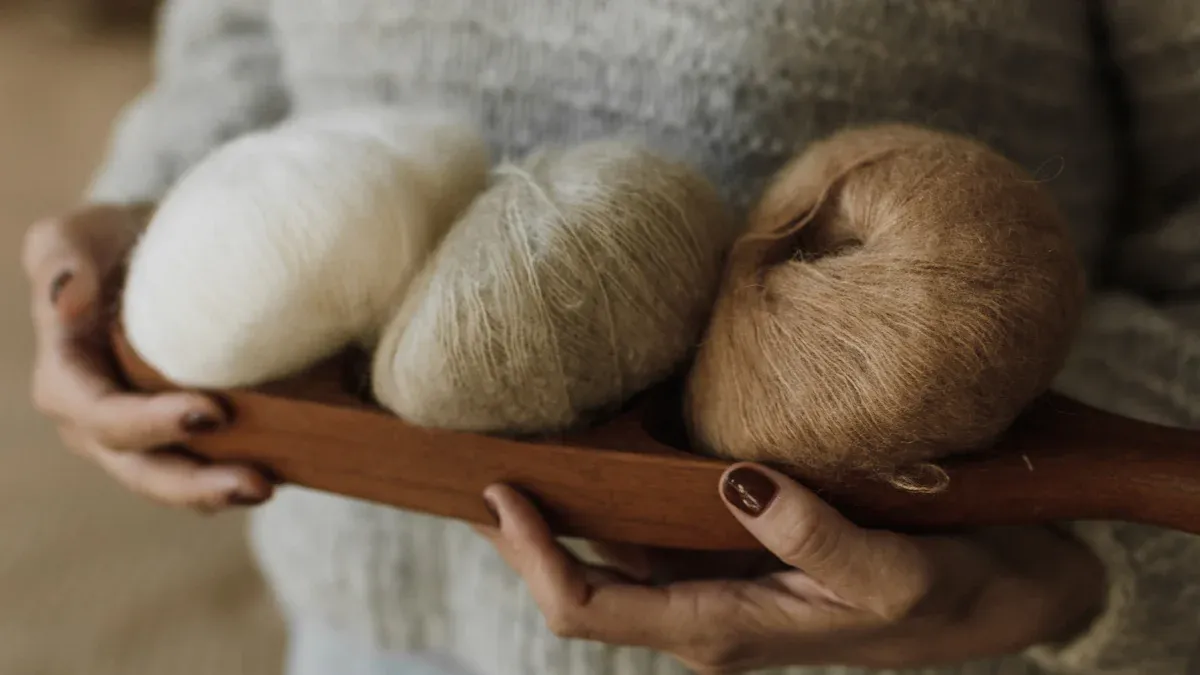
You want to make sure you buy enough yarn for making sweaters, especially for plus-size projects. Running out of yarn halfway can be frustrating. Let’s look at how you can estimate the right amount before you start.
Yardage Estimates by Size
Using Yarn Charts
Yarn charts give you a quick way to check how much yarn you need for different sweater sizes. Most charts show yardage for each size and yarn weight. You can find these charts online or in pattern books. Always check if the chart matches your pattern and yarn type.
Tip: Choose a chart that lists plus sizes. This helps you get a better estimate for your project.
Adjusting for Design
Every sweater is different. If your pattern has cables, lace, or colorwork, you will need more yarn. Add extra yardage if your design uses special stitches or has longer sleeves. It’s smart to buy one extra skein, just in case.
Here’s a simple way to estimate how much yarn you need:
Knit or crochet a swatch with your chosen yarn.
Measure the length and width of your swatch to find the area.
Weigh your swatch in grams.
Divide the weight by the area to get grams per square centimeter.
Measure the area of your finished sweater (body and sleeves).
Multiply the total area by grams per square centimeter to estimate the total yarn weight.
Divide this number by the weight of one skein to find out how many skeins you need.
Round up to the next whole number so you don’t run out.
Factors Affecting Yarn Usage
Stitch Patterns
Some stitch patterns use more yarn than others. Cables, bobbles, and lace all need extra yarn. Simple stitches like stockinette or single crochet use less. If you want a fancy design, plan for more yarn.
Sleeve and Body Length
Longer sleeves and a longer body mean you need more yarn. If you like oversized or tunic-length sweaters, add extra yardage. Short sleeves or cropped styles use less.
Other things can change how much yarn you need:
Colorwork adds to your total because you need yarn for each color.
Swatching uses yarn, so include it in your estimate.
Mistakes happen. You might need to unravel and redo a section, so a little extra yarn helps.
Choosing the best yarn means knowing how much to buy. Planning ahead saves you time and stress. You can enjoy your project from start to finish!
Practical Tips for Success
Checking Gauge
Importance for Plus Sizes
You want your sweater to fit just right. Checking gauge helps you avoid surprises. If you skip this step, your sweater might turn out too small or way too big. For plus-size sweaters, getting the gauge right matters even more. The fit can change a lot if your stitches are off by just a little. You can end up with a sweater that feels tight or hangs loose. Always make a gauge swatch before you start. This simple step saves you time and frustration.
Tip: Gauge swatching is your secret weapon for a perfect fit. Never skip it!
Swatching Tips
Here’s how you can check your gauge like a pro:
Make a gauge swatch using the yarn and needles or hook you plan to use.
Measure the number of stitches and rows in your swatch with a rigid ruler.
If your gauge does not match the pattern, change your needle or hook size. Adjust your tension if needed.
Repeat until your swatch matches the pattern’s gauge.
If your gauge has more stitches per inch, your sweater will be smaller. Fewer stitches per inch means your sweater will be bigger. Adjusting your gauge lets you control the final fit and style.
Yarn Care and Maintenance
Washing and Blocking
You want your sweater to look good and last. Proper care keeps it soft and strong. Remove pills with a sweater stone or comb. Hand wash in cool water with gentle detergent. Soak for about 30 minutes. If you use a washing machine, pick the delicate cycle. Lay your sweater flat on a towel to remove extra water. Dry flat to keep its shape.
Note: Never hang your sweater to dry. It can stretch out and lose its shape.
Preventing Shrinkage
Shrinkage can ruin your favorite sweater. Always wash wool and cashmere before storing. Use knitwear spray between wears to keep it fresh. Store your sweater in breathable bags. Cedar oil in your closet helps protect against moths. Fold your sweater instead of hanging it. This keeps the fibers strong and prevents sagging.
Common Mistakes to Avoid
Wrong Fiber Choice
Picking the wrong yarn can lead to problems. If you do not check the fabric’s characteristics, your sweater might turn out see-through or uncomfortable. Always think about how the yarn feels and how it will look when finished. Choose yarn that matches your needs and the pattern’s requirements.
Underestimating Yardage
Running out of yarn halfway through your sweater project is frustrating. If you underestimate yardage, you might need to buy more yarn later. The new yarn could be a different dye lot, which changes the look of your sweater. Complex stitch patterns use more yarn than you expect. Buy extra yarn for larger sweaters to keep the color consistent and avoid stress.
Tip: Always buy one extra skein. It’s better to have a little left over than not enough.
With these practical tips, you can make a sweater that fits well, feels great, and lasts for years.
You now have the tools to pick the perfect yarn for your next sweater. Remember these key points:
Choose fibers that match the season—cotton for warm days, wool for chilly ones.
Focus on softness and durability for comfort and long-lasting wear.
Use skills like picking up stitches and sewing seams to get a great fit.
“A great sweater yarn strikes the perfect balance between softness, warmth, durability, and elasticity, ensuring the garment holds its shape over time.”
Follow these steps and you will enjoy a sweater that feels good and looks amazing.
FAQ
What yarn weight works best for plus-size sweaters?
DK or worsted weight yarns give you a good balance of warmth and drape. These yarns help your sweater fit well and feel comfortable. Chunky yarns work for oversized styles, but they can feel heavy.
How do you know if a yarn will pill?
Check the label for fiber content and ply. Plied yarns and blends with acrylic or nylon pill less. You can rub a small sample between your fingers to see if fuzz forms.
Can you use cotton yarn for winter sweaters?
Cotton feels cool and soft, but it does not trap heat. If you want a warm winter sweater, pick wool or a wool blend. You can use cotton for layering or lighter sweaters.
How much yarn do you need for a plus-size sweater?
Most plus-size sweaters need 1200–2000 yards, depending on style and stitch. Always check your pattern and buy one extra skein. Yardage charts help you estimate before you start.
What is the easiest yarn to care for?
Acrylic yarn is machine washable and dries fast. Wool blends with superwash treatment also clean easily. Always read the care instructions on the yarn label before washing.
How do you avoid a stiff sweater when crocheting?
Pick lighter yarn weights like DK or sport. Use a larger hook for more drape. Try blends with wool or bamboo for softness. Make a swatch to test the feel before starting.