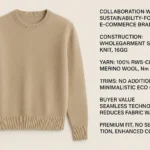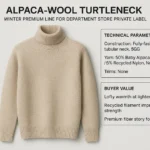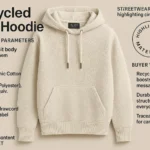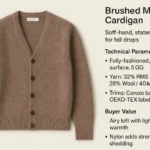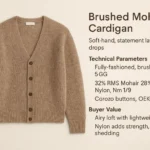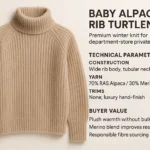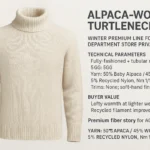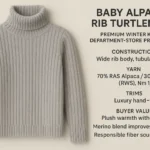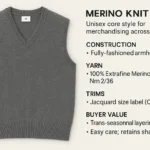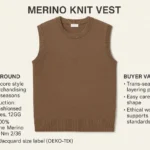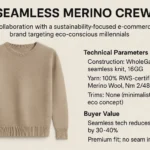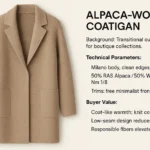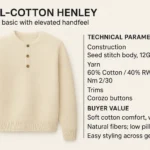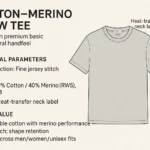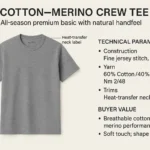

The Responsible Wool Standard has very strict rules for making wool. When you choose products with this standard, you support sheep and the earth. The Responsible Wool Standard emphasizes animal welfare, land use, and fair sourcing. In 2022, only 4.2% of wool in the world met this standard, and in 2023, it increased to 4.8%. The Responsible Wool Standard benefits the planet by ensuring that farms treat animals and nature with care. RWS wool in premium knitwear production allows you to trace the origin of your wool and provides trusted proof for your choices.
Key Takeaways
RWS wool helps animals and supports good farming. Sheep are treated with care.
Picking RWS-certified products helps the earth. It encourages safe land use.
RWS certification lets you track where wool comes from. You can know its origin.
The Responsible Wool Standard stops harmful actions like mulesing. This keeps sheep safe.
RWS-certified wool makes strong, soft knitwear. It lasts a long time.
Buying RWS wool helps workers get fair pay. Workers are treated kindly.
Find the RWS label when you shop. This helps you make smart choices for animals, workers, and the earth.
Choosing RWS wool helps make fashion better for people and the planet.
Responsible Wool Standard Overview
What Is the Responsible Wool Standard
You might wonder why the responsible wool standard matters. This rule tells farmers how to treat sheep and care for land. The Textile Exchange made this standard so you know your wool is ethical. You can check the table below for the official meaning:
Definition of RWS | Description |
|---|---|
This is a worldwide rule about sheep and their land. The Textile Exchange made it to help the textile industry be more sustainable. | |
Responsible Wool Standard (RWS) | This is a certification for wool farmers and sellers. It helps sheep and land by making sure they follow strict rules for animal care, land use, and social responsibility. |
The responsible wool standard checks every step, from farm to finished product. RWS-certified wool comes from many places, like:
Australia
New Zealand
South Africa
USA
Argentina
Uruguay
If you buy products made with 100% responsible wool standard certified lambswool, you help animals and land all over the world.
RWS Certification Process
If you want to know how wool gets RWS certified, here are the steps. The process checks every part of how wool is made. It makes sure the wool follows tough rules. Here is a simple list of the steps:
Step Number | Description |
|---|---|
1 | Application Submission: Fill out a form to see what is needed. |
2 | Quotation: You get a price after you send the form. |
3 | Contract Signing and Payment: Sign papers and pay the fee. |
4 | Submit Documents: Send in documents for review. |
5 | Audit: Someone checks the farm in person, online, or both. |
6 | Audit Follow-up: Fix any problems found during the check. |
7 | Certification Decision: The results are reviewed to decide if you get certified. |
8 | Transaction Certificate: Certificates are given during the certification process. |
The responsible wool standard uses outside checks called audits. These audits look at animal care, land use, and social rules. If a farm does not pass, they must fix the issues before getting certified. This helps you trust that RWS wool is really responsible.
How RWS Differs from Conventional Standards
You may wonder how the responsible wool standard is different from other wool rules. RWS cares about animal welfare, land health, and people. Here are some main differences:
The responsible wool standard protects sheep and stops painful things like mulesing.
RWS helps farms use land in a safe way and bans bad chemicals.
The rule makes sure you can follow the wool from farm to product.
RWS wants workers to be treated well and involved.
Other certifications, like ZQ and SustainaWOOL, have different rules and may not use only certified wool.
Note: The responsible wool standard needs 100% RWS-certified wool and does not allow mulesing. This means you get wool that is good for animals and the earth.
If you pick RWS-certified products, you help animals, people, and nature. You make life better for sheep, farmers, and the planet.
Animal Welfare and the Five Freedoms
Protecting Sheep Welfare
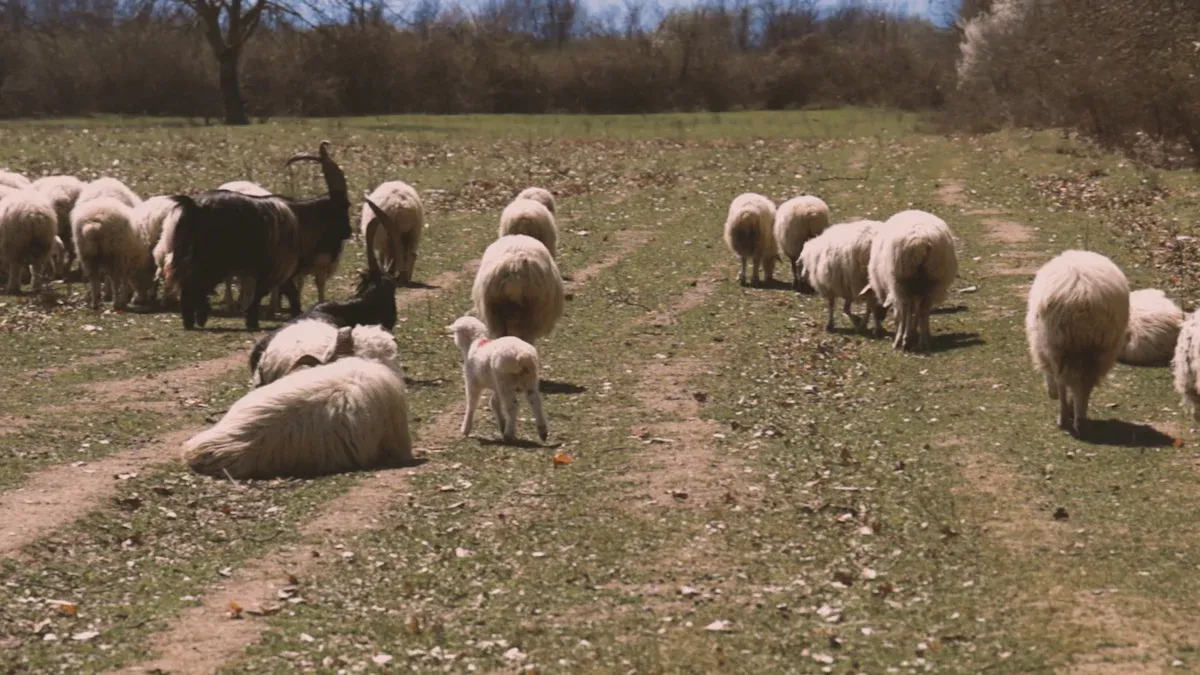
You want to know sheep are treated well for your wool. The Responsible Wool Standard has high rules for animal care on every farm. This means farms must care about sheep first. The standard uses the Five Freedoms to guide how sheep should live.
The Five Freedoms
The Five Freedoms show what good animal care means for sheep. These rules help sheep have a better life. The table below shows how the Responsible Wool Standard covers each freedom:
Freedom from Hunger and Thirst | Freedom from Discomfort | Freedom to Express Natural Behavior | Freedom from Pain, Injury, and Disease | Freedom from Fear and Distress |
|---|---|---|---|---|
Yes | Yes | Yes | Yes | Yes |
When you pick RWS wool, you help animal care. Sheep get enough food and water. They live in safe, clean places. They can act like sheep, such as grazing and walking around. Farms must keep sheep safe from pain, injury, and sickness. The standard also makes sure sheep do not feel scared or upset.
No Mulesing Policy
You may know about mulesing, which hurts sheep to stop flystrike. The Responsible Wool Standard does not allow mulesing to protect sheep. You can trust that RWS wool comes from sheep that do not get hurt this way.
Mulesing is not allowed to keep sheep safe.
Mulesing is always banned.
Many groups and countries want to stop mulesing. Some places ask for pain relief, but rules are not the same everywhere. The Australian Wool Sustainability Scheme tells farms to avoid mulesing. Animal groups and people still want a full ban. When you buy RWS wool, you help sheep get better care.
Independent Auditing for Animal Care
You want proof that farms follow animal care rules. The Responsible Wool Standard uses outside checks to look at every farm. Auditors visit and see how sheep live. They check food, shelter, health, and safety. If a farm does not follow the rules, it must fix problems before it gets certified. This helps you trust your wool comes from farms with strong animal care.
When you buy RWS-certified knitwear, you help animal care from farm to closet. You help sheep live better and support more farms to follow these rules.
Sustainable Land Management
RWS and Land Health
When you pick RWS wool, you help the land. Farms that follow the Responsible Wool Standard take care of soil and plants. These farms do more than just make wool. They also work to protect the earth. RWS farms treat the land better than regular farms. The table below shows how RWS farms help the land:
Evidence Description | Impact on Land Health |
|---|---|
RWS certified farms implement progressive land management methods. | Protects soil health, biodiversity, and native species. |
RWS requires responsible land management practices, minimizing pesticide use and soil erosion. | Enhances soil quality and reduces degradation. |
RWS addresses overgrazing by promoting holistic practices. | Maintains soil health and supports biodiversity. |
When you buy RWS wool, you help keep soil strong. These farms use fewer chemicals, so the earth stays healthy. They stop soil from washing away. You help protect wild plants and animals. RWS farms watch how many sheep eat grass. This keeps the land from getting weak. Because of this, grass and plants can grow for a long time.
Tip: If you buy RWS-certified knitwear, you help farms care for the land. You help keep the earth healthy for the future.
Biodiversity and Grazing Practices
You help nature when you choose wool from RWS farms. These farms use grazing that keeps land and water safe. They do not let sheep eat all the grass in one place. This helps the land heal and lets plants grow back. Healthy soil holds water better, so you help save water too.
Here are some ways RWS farms help nature and use smart grazing:
Good grazing keeps soil healthy.
They help many kinds of plants and animals.
They protect native species.
RWS farms use new ways to care for land. These ways keep soil healthy and help wild plants and animals. You support farms that care about all living things, not just sheep. RWS wants farms to keep the land strong for many years.
RWS farms use new land care methods.
These ways keep soil healthy.
They help many kinds of plants and animals.
You make a difference when you pick RWS wool. Farms work to keep the land safe for all creatures. They use ways that help wild plants and animals live and grow.
Note: RWS cares about keeping land healthy. It uses ways that help many kinds of plants and animals. It works to protect native species.
You help the earth when you pick RWS-certified wool. Farms work hard to keep the land full of life. Your choices help nature and people have a better future.
Ethical Labor and Supply Chain
Fair Working Conditions
You want to know workers are safe and treated well. RWS certified wool makes sure workers have fair jobs. People on RWS farms and in the supply chain get respect. They work in safe places and get fair pay. Health and safety rules keep them from getting hurt. RWS certified wool checks that workers’ rights are followed. This means no forced labor and no child labor.
RWS uses outside checks to make sure rules are followed. Auditors visit farms and factories to see how workers are treated. They look at health, safety, and fair pay. If a place does not follow the rules, it must fix problems before selling RWS certified wool. When you pick RWS certified wool, you help workers have better lives.
Here is a table that shows how RWS certified wool helps people, animals, and the land:
Compliance Aspect | Description |
|---|---|
The Five Freedoms of animal welfare are respected and maintained according to global best practices. | |
Land health preservation | RWS farms apply progressive land management methods to protect soil health, biodiversity, and native species. |
Social welfare protection | Fair labor conditions, workers’ health, and safety are integral to certification. |
Chain of custody | The identity of certified RWS wool is maintained through every step of the supply chain. |
Credible certification | Independent, third-party auditors verify compliance at each stage of production. |
When you buy RWS certified wool, you help protect workers, animals, and the earth.
Traceability in RWS Certified Wool
You want to know where your wool comes from. RWS certified wool lets you follow the wool from farm to sweater. Every step is checked and written down. This helps you trust your knitwear uses only RWS certified wool.
RWS uses different tools to keep wool traceable:
System Type | Description |
|---|---|
Ensures ethical practices in wool production, including animal welfare and land usage. | |
Certification Body | USB Certification provides RWS certification for manufacturers in the supply chain. |
Auditing Process | Producers are audited for documentation, volume reconciliation, and storage management. |
You get many good things from traceability in RWS certified wool:
Traceability makes sure strict rules for animal care, the earth, and people are followed.
It helps you make smart choices because you know where your wool comes from.
This honesty helps you trust the wool is real and good quality.
Brands also get help from traceability. They can show you their products use only RWS certified wool. This makes you trust them more. You can even find British wool from traceable sources, so you have more choices for ethical wool.
RWS certified wool keeps its name through every step. Auditors check papers, storage, and shipping. This chain of custody means you always get what you pay for. You support a system that cares about honesty and doing the right thing.
Tip: Look for labels and ask brands about RWS certified wool. You help make the world better for animals, workers, and the planet.
RWS Wool in Premium Knitwear Production
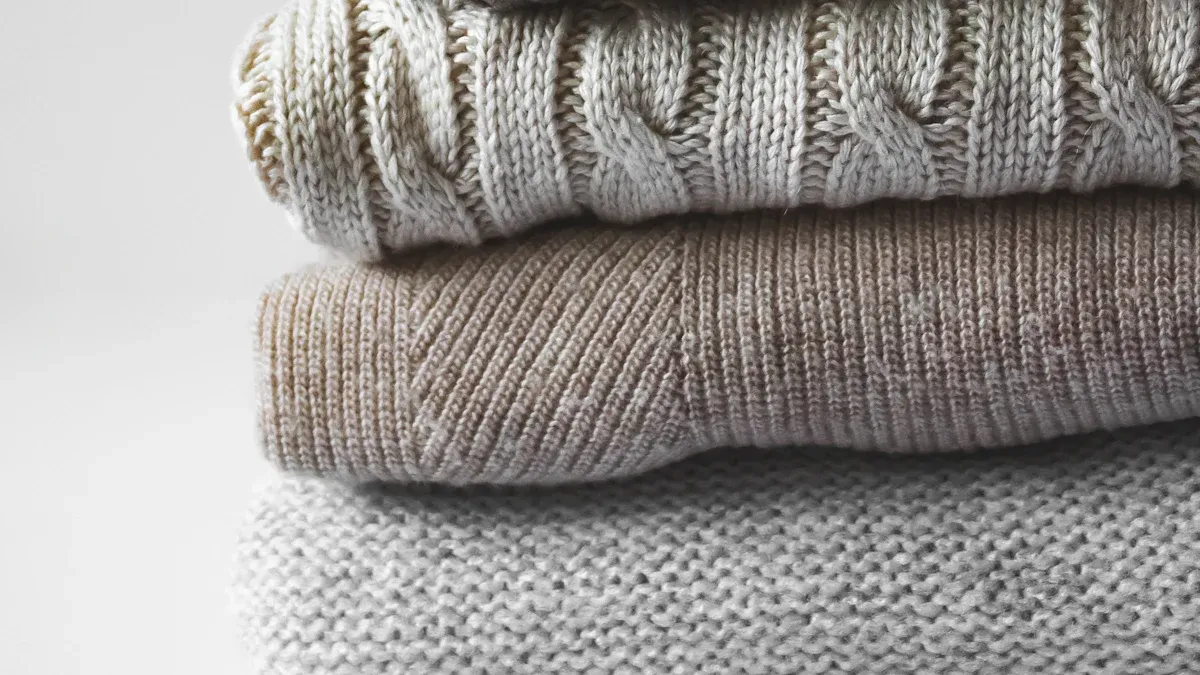
Why Brands Choose RWS Wool
More brands now talk about using RWS wool in their knitwear. They want to show they care about animals, people, and the earth. When you see a sweater or scarf made with this wool, you know the brand made a good choice.
Many top knitwear brands pick this wool for a few reasons:
It helps protect nature and wild animals. Certified farms use land in ways that keep soil and plants healthy.
Workers get safe jobs and fair treatment at every step.
Brands want to make sure sheep are treated well and never hurt by things like mulesing.
Brands get many good things from using this wool:
RWS certification shows products are made with care for land, animals, and workers.
The certification gives proof that the wool is made the right way.
Animals must be treated kindly, with no harmful actions.
When you buy RWS wool in knitwear, you support brands that care about doing the right thing. You help make the whole industry better.
Brands that use RWS wool in knitwear show that fashion can be cool and kind.
Durability and Quality in Knitwear
You want your sweaters and scarves to last a long time. RWS wool in knitwear gives you that. This wool comes from sheep that are well cared for, so the fibers stay strong and soft. You get clothes that feel nice and keep their shape.
RWS wool in knitwear is special because:
The wool is sorted and cleaned to keep it strong.
The fibers do not pill or stretch much, so your clothes look new.
The fabric feels soft on your skin and keeps you warm.
Here is a table that shows what you get with RWS wool in knitwear compared to regular wool:
Feature | RWS Wool in Premium Knitwear Production | Conventional Wool |
|---|---|---|
Animal Welfare | High (no mulesing, ethical care) | Varies |
Fiber Quality | Consistent, strong, soft | Inconsistent |
Durability | Long-lasting, resists wear | May pill or stretch |
Traceability | Full, from farm to product | Limited |
You can trust that RWS wool in knitwear gives you comfort and lasts longer. You get more from every piece you buy.
Ethical Value for Consumers
You help make a difference when you pick RWS wool in knitwear. Your choice supports farms and brands that care about the world. You help protect animals, land, and workers.
Clothes made from RWS wool in knitwear are made the right way from farm to fiber. Less than 1% of wool in the world meets these tough rules. When you choose these products, you show you care about how your clothes are made.
Tip: Look for the Responsible Wool Standard label when you shop. You help make the world better with every buy.
You can feel proud wearing RWS wool in knitwear. You know your clothes support fair treatment, good quality, and a cleaner earth.
Choosing RWS Certified Wool Products
Identifying RWS Certified Knitwear
You want to know your knitwear comes from good places. Look for the Responsible Wool Standard (RWS) label on sweaters, scarves, and hats. Brands put this label on tags or in online descriptions. The RWS logo means the wool follows strict rules for animal care, land health, and fair jobs.
You can check for these things when you shop:
The product description says “RWS certified wool” or “Responsible Wool Standard.”
The brand talks about where their wool comes from.
The label or website shows the RWS logo, which is a blue and white badge.
Some brands let you trace the wool back to the farm. This helps you feel sure about your choice. If you do not see clear info, ask the brand about their wool. Responsible brands will answer and show proof.
Many people have questions about RWS wool. Some think wool does not break down or that shearing hurts sheep. The table below explains these common myths:
Misconception | Explanation |
|---|---|
Wool is a natural fiber that breaks down into organic matter. It does not pollute like fake fibers. | |
Shearing is cruel | Ethical shearing keeps sheep healthy. Trained people shear sheep to lower stress and avoid harm. |
Wool production is environmentally harmful | New wool methods save resources and use renewable energy. Responsible farms protect the land. |
Tip: Always look for the RWS label and ask questions if you are not sure. You help support better ways with every buy.
Tips for Responsible Shopping
You can help by picking RWS certified knitwear. Here are some easy tips for smart shopping:
Pick brands that share info about their wool and certification.
Choose products with clear RWS labels or traceable info.
Ask questions if you do not see proof of certification.
Support brands that use renewable energy and eco-friendly ways.
Wool making has changed a lot. Now, many producers use less water and safe soaps. Farms use natural grazing to keep soil healthy and stop overgrazing. More wool makers use renewable energy to help the planet.
Wool processing saves water and uses safe, biodegradable soaps.
Natural grazing helps the land and keeps sheep healthy.
Renewable energy use is growing in the wool industry.
You help protect animals, workers, and the earth when you pick RWS certified knitwear. Your choices help more brands use good practices. You also get high-quality, long-lasting products that feel nice to wear.
Remember: Every time you pick RWS certified wool, you help make a better future for people, animals, and the planet.
You help animals, land, and people when you choose RWS certified wool. The table below shows the main benefits:
Benefit | Description |
|---|---|
Animal Welfare | Sheep get kind treatment and protection from harm. |
Land Health | Farms use smart grazing to keep soil and plants healthy. |
Ethical Sourcing | You get clear proof of where your wool comes from. |
RWS certified wool lets you support brands that care about the planet. You can trust your knitwear is made with respect for animals and nature. Look for the RWS label to make a positive impact in fashion.
FAQ
What does RWS mean on a wool label?
RWS stands for Responsible Wool Standard. You see this label when the wool comes from farms that treat sheep well and protect the land. The label shows you that the product meets strict rules for animal care and sustainability.
How do you know if wool is RWS certified?
Look for the blue and white RWS logo on the product tag or in the online description. Brands often mention “RWS certified wool.” You can also ask the brand for proof if you do not see the label.
Is RWS wool better for the environment?
Yes! RWS wool comes from farms that use smart grazing and protect soil and plants. These farms use fewer chemicals and help keep nature healthy. You help the earth when you choose RWS wool.
Does RWS wool cost more?
You may pay a little more for RWS wool. The higher price supports better animal care, land health, and fair jobs. Many people think the extra cost is worth it for the benefits.
Can you trace RWS wool back to the farm?
Yes, you can! RWS certification requires full traceability. You can follow the wool from the farm to the finished product. This helps you trust what you buy.
Does RWS wool feel different from regular wool?
RWS wool feels soft and strong. Sheep get good care, so the fibers stay healthy. You get knitwear that feels nice on your skin and lasts longer.
Why do brands choose RWS wool?
Brands pick RWS wool to show they care about animals, people, and the planet. The certification gives proof of ethical practices. You can trust these brands to make responsible choices.