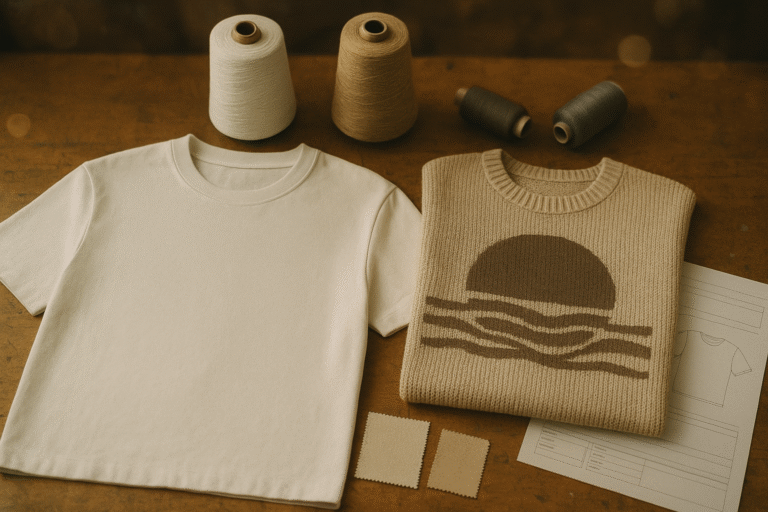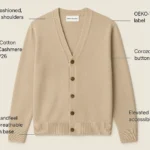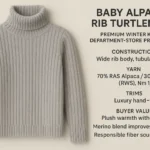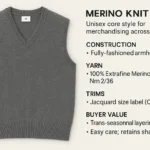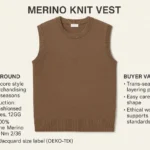

You might wonder about the difference between oem and odm knitwear. This choice changes how brands control their designs. If you pick oem, you control the designs. You also spend more to make special styles. odm lets the manufacturer decide the designs. Brands can make new collections faster and save money. Many clothing brands want to be quick and keep design control. What is the difference between oem and odm knitwear? It changes how brands make products special and set prices. In 2025, what is the difference between oem and odm knitwear? It helps brands pick green ways and follow new trends. You should ask what is the difference between oem and odm knitwear? It helps brands grow and find more buyers.
Factor | Impact on Brand Success |
|---|---|
Design Control | Using eco-friendly materials makes brands look better and matches green trends. |
Investment | Spending more on new designs and materials helps knitwear brands grow. |
Speed to Market | Online shopping helps brands reach people fast and keeps customers happy. |
Key Takeaways
OEM lets brands control the design. This helps them make special and custom products. – ODM lets manufacturers handle the design. This helps brands sell products fast and save money. – Picking OEM costs more at first and takes longer. But it can help a brand stand out. – Choosing ODM is good for brands that want to spend less and move fast with trends. – Brands should think about their design needs and budget before choosing OEM or ODM. – New companies often like ODM because it is safer and faster to start selling. – Big brands may pick OEM to keep their products special and high quality. – Always check manufacturers well and make clear deals to avoid problems.
What Is the Difference Between OEM and ODM Knitwear?
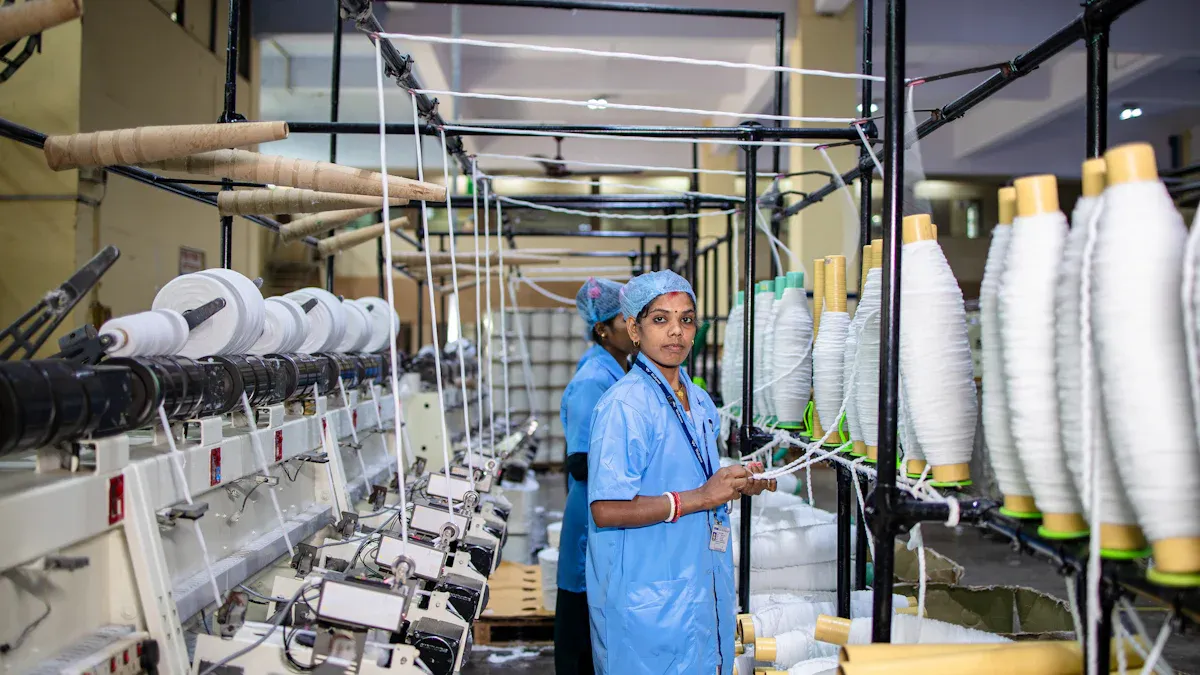
When you look at oem and odm knitwear, you see two ways to make clothes. These models change how you work with a manufacturer. They also change how much you control your designs. Many brands pick oem or odm based on how much they want to help make the clothes. They also think about how fast they want to sell new clothes.
OEM Knitwear: Original Equipment Manufacturing
Client-Driven Design Control
With oem knitwear, you are in charge. You pick how your clothes look and feel. You work with the manufacturer to make sure everything is right. This model gives you the most control over design. You can choose the yarn, colors, and patterns. You can even pick small things like buttons or labels. The manufacturer follows your ideas and helps you make your clothes.
Tip: If you want your clothes to be special and show your brand’s style, oem lets you make something unique.
Customization and Investment
Oem knitwear lets you change almost every part of your clothes. You can ask the manufacturer to use special materials or make new shapes. This means you spend more time and money. You need to pay for design, samples, and sometimes new machines. The process takes longer because the manufacturer follows your plans. Many brands pick oem when they want to make new clothes that no one else has.
Here is a table that shows how oem and odm are different in important ways:
Feature | OEM | ODM |
|---|---|---|
Design Responsibility | Client | Manufacturer |
Customization Level | High | Moderate |
Time to Market | Longer | Shorter |
Cost | Potentially Higher | Lower |
ODM Knitwear: Original Design Manufacturing
Manufacturer-Led Design
Odm knitwear is different. The manufacturer makes the designs first. You pick from their ready-made clothes. You can add your brand’s logo or make small changes. The main design stays the same. This model gives the manufacturer more control over the clothes. You do not need to spend time on design or research. The manufacturer does most of the creative work.
Note: Odm is good if you want to sell clothes fast and do not need to control every detail.
R&D and Rapid Launch
Odm knitwear helps you move quickly. The manufacturer uses their own research to make new clothes. You can pick from these styles and sell your products fast. This model costs less because you do not pay for custom designs or long work times. Many brands use odm when they want to try new trends or add more clothes to their collections.
The table below shows how much the manufacturer and client help with oem and odm:
Model | Client Input | |
|---|---|---|
OEM | High collaboration with detailed design approvals | Extensive input on customization and garment details |
ODM | Limited involvement with pre-designed products | Minimal input, mainly for branding and minor adjustments |
When you compare oem and odm, you see oem lets you control design and details. Odm lets the manufacturer lead, so you can focus on your brand and sales. Both models help brands grow, but they work for different needs in the clothing world.
Key Differences Between OEM and ODM
Design Control Comparison
Design control is important when looking at oem and odm. If you pick oem, you choose every part of your clothes. You decide the yarn, colors, and patterns. You tell the manufacturer what you want. This makes your products different from others. Your clothes stand out in stores. Many brands use oem to look special.
If you go with odm, the manufacturer makes the designs first. You pick from their styles. You can add your logo or change small things. You do not change the main design. Odm is good for brands that want things done fast. You get less control, but you save time.
Tip: Oem lets your brand show off its style. Odm helps you sell new clothes quickly.
Customization vs. Speed to Market
Customization and speed are big differences between oem and odm. Oem lets you make clothes that are one-of-a-kind. You work with the manufacturer for a long time. The process is slow because you need samples and approvals. This is good for brands that want something special.
Odm gives you less choice to change things. You pick from designs that are already made. The manufacturer works fast. You can sell clothes quickly. This helps brands keep up with new trends. Odm is best for brands that want to start selling fast.
Here is a table that shows how oem and odm are different in customization and speed:
Factor | OEM (Original Equipment Manufacturer) | ODM (Original Design Manufacturer) |
|---|---|---|
Degree of Customization | High (unique, tailored products) | Limited (predetermined designs) |
Speed of Production | Slower (more time for customization) | Faster (streamlined processes) |
Market Dynamics | Suitable for stable markets | Ideal for dynamic, fast-changing markets |
Brand Identity | Strong focus on uniqueness | Less emphasis on brand exclusivity |
Financial Resources | Higher investment required | Lower investment needed |
Cost and Investment Factors
Cost and investment are also different for oem and odm. Oem costs more at the start. You pay for making your own designs. You spend money on samples and sometimes new machines. Brands pick oem when they want to grow and be different.
Odm costs less to start. You do not pay much for design or research. You pick clothes that are ready to sell. This means less risk with money. Brands that want to try new styles or grow fast pick odm.
Oem costs more at first, but can help you earn more later.
Odm costs stay low, even if you want better quality.
Odm makers use smart ways to keep costs down.
Odm with white label lets brands make money fast without new designs.
Note: If your brand has lots of money and wants special clothes, oem is best. If you want to save money and move quickly, odm is better.
You can see oem and odm are different in design control, customization, speed, and cost. Oem helps brands make special clothes. Odm helps brands sell fast and save money. Your choice will change how your brand grows.
Original Equipment Manufacturing: OEM Knitwear Explained
Brand Responsibilities
If you pick original equipment manufacturing for your knitwear, you have many jobs. You do not just give your ideas and wait for the clothes. You work with the manufacturer at every step. Your job in oem is active and hands-on. Here are some main things you must do:
You lead the design for each piece.
You find materials that fit your style and quality.
You check and approve samples before making lots of clothes.
You look at the finished clothes to make sure they are good.
You must help from the start to the end. This way, you make clothes that are special and different. Many brands like oem because they get more control. You can change every part, from the yarn to how the clothes fit.
Customization Opportunities
Oem lets you change almost everything in your clothes. You can design every part, from the fabric to the small details. This is not like odm, where you can only change a few things. The table below shows how oem and odm are different for making changes:
Type of Knitwear | Customization Level | Control Over Design | Uniqueness |
|---|---|---|---|
OEM | High | Full control | Unique |
ODM | Limited | Minor tweaks | Less unique |
If you want to start a custom sweater line or make custom sportswear, oem lets you make clothes that show your brand’s style. You can pick special colors, patterns, and even new shapes. This helps your brand stand out from others. Many brands use oem to look strong and offer something new.
Tip: Oem is best if you want your clothes to be special and match your brand’s style.
Investment and Lead Times
You need to spend more money when you pick oem. You pay for design, finding materials, and making samples. You might also need to buy special tools or machines for your designs. This makes oem cost more than odm at first. But you get clothes made just for your brand.
Oem takes more time than odm. You spend more time on design, checking samples, and making sure the clothes are good. This can take months, especially if you want to start a new sportswear line. Many brands are okay with waiting longer because they want control and good quality.
Oem is good for brands that want to grow in the future. You get a strong name for good and special clothes. If you want to be a leader in making clothes, oem lets you do things your way.
Original Design Manufacturing: ODM Apparel Manufacturing
Manufacturer R&D Capabilities
You get many benefits with odm apparel manufacturing. Manufacturers spend money on research and development. This helps you stay ahead in fashion. They look at market trends and try new materials. You get new fabric technology from their work. odm services include design and product testing. You get clothes that bounce back and block UV rays. Sustainable practices are important in odm apparel manufacturing. Manufacturers use eco-friendly materials and methods. They change designs to fit new trends and what people want.
Here is a table that shows the main R&D capabilities you get with odm apparel manufacturing:
R&D Capability | Description |
|---|---|
Market and material research | Looks at trends and picks good materials for clothes |
Innovation in fabric technology | Makes new fabrics that work better |
Design and product testing | Checks for bounce, UV protection, and other features |
Sustainable practices | Uses eco-friendly materials and ways to make clothes |
Trend adaptation | Changes designs to match new styles and what buyers like |
You also get odm services like picking fabrics and making patterns. Manufacturers care about quality control and new ways to be eco-friendly. They help you keep up with new design trends.
Pre-Designed Collections
You save time and work with odm apparel manufacturing. Manufacturers have pre-designed collections for each season. You pick from styles based on trends and many patterns. You get yarn ideas and color choices for your brand. This helps you launch products fast. You do not spend months making designs. odm services let you choose styles that fit your brand’s plans.
You pick from pre-designed collections for each season.
You get styles based on trends and lots of patterns.
You get yarn ideas and color choices.
You launch products faster and save time.
If you want special collections, you can make small changes. You add your logo or change colors. odm apparel manufacturing gives you choices without long waits.
Tip: odm services help you keep up with changes and keep your brand new.
Fast Product Launches
You reach the market faster with odm apparel manufacturing. Manufacturers use designs they already have. You skip the long wait for new styles. You get products ready to sell in less time. odm lets you follow new trends quickly. You do not wait for samples or many changes like with oem. Brands using odm can launch new collections before others.
Here is a table that compares time to market for oem and odm:
Factor | OEM | ODM |
|---|---|---|
Time to Market | Longer, needs samples | Faster, uses existing designs |
You get a big benefit with odm apparel manufacturing. You keep your brand busy and seen. odm services help you launch products fast and meet what customers want. Brands that want to grow quickly often pick odm instead of oem.
Note: odm apparel manufacturing is best for brands that want speed and choices. You can keep up with fashion and offer new products all year.
Choosing OEM or ODM in 2025
Factors for Decision-Making
When you pick oem or odm for your knitwear in 2025, you need to think about a few big things. Each model gives brands different good points. Your choice changes your products, how much you spend, and how fast you can sell.
Design Needs
If you want to control your designs, oem lets you do that. You can make your clothes special by picking every part. This is good if you want your brand to be different. odm lets you choose from styles already made. You can add your logo or change small things. You cannot change the main design. odm is best if you want to sell fast and do not need lots of changes.
Criteria | OEM | ODM |
|---|---|---|
High customization for unique designs | Limited customization, pre-existing designs | |
Cost | Higher production costs | More cost-effective solutions |
Time to Market | Longer lead times | Faster time-to-market |
Resource Management | Requires more resources | Less resource-intensive |
Budget
How much money you have is important. oem needs more money to start. You pay for research, making samples, and special production. This helps you keep your brand special. odm costs less. You use designs that are already made, so you do not pay a lot at the start. odm is good for brands with less money or those trying new ideas.
Aspect | OEM | ODM |
|---|---|---|
Higher due to R&D, tooling, prototyping | Lower, avoids significant R&D expenses | |
Customization | Full control over design and IP | Limited customization on pre-designed products |
Time to Market | Longer due to development processes | Quicker, ideal for startups or new markets |
Time-to-Market
Being quick is important in fashion. If you want to sell fast, odm is better. You pick from ready-made styles and start selling soon. oem takes longer because you work on every detail. Some brands use special tools to make oem faster, but odm is still quicker.
odm helps you follow trends and meet customer needs fast.
oem gives you more control but takes more time.
Brand Positioning
Think about how you want people to see your brand. oem helps you make a strong and special brand. You can sell clothes no one else has. odm lets you move fast and save money. Your clothes might look like others, but you can sell sooner and try new ideas with less risk.
Criteria | OEM (Original Equipment Manufacturer) | ODM (Original Design Manufacturer) |
|---|---|---|
Control over Design | High control, unique brand identity | Limited control, less distinctive |
Uniqueness of Product Offerings | Strong potential for unique offerings | Risk of similarity with competitors |
Investment Requirements | Higher investment in R&D | Lower upfront costs |
Speed to Market | Longer time-to-market | Faster market entry |
Tip: If you want your brand to be special and lead in style, oem is best. If you want to move fast and spend less, odm is a good choice.
Which Model Fits Startups vs. Established Brands?
Startups and big brands need different things. Startups often pick odm because it is quick and not risky. odm lets you try new products, follow trends, and not spend too much. You can order small amounts and change your styles if needed. This helps you not waste money or have extra stock.
Big brands may like oem more. You can spend more to make special clothes and build a strong brand. oem lets you control every part, from design to quality. This helps you earn trust and keep customers coming back.
Example:
A new knitwear startup wants to sell cool sweaters. They pick odm to get products out fast and see what sells. They order small amounts and change styles quickly. A big sportswear brand uses oem to make special clothes with cool features. They spend more time and money but get loyal customers with unique products.
Note: Your goals, money, and brand ideas should help you pick oem or odm. Both models help brands grow, but in different ways.
Practical Tips for OEM and ODM Knitwear Manufacturing

Evaluating Manufacturers
You need to pick the best manufacturer for your knitwear. First, think about what you want. Decide if you need CMT, FPP, OEM, or ODM. Pick the kind of clothes you want to make. Make a list of your favorite companies. Contact each one with your needs and a tech pack. A tech pack shows your designs, sizes, and fabric choices. It helps stop mistakes when making clothes.
Ask good questions when you talk to manufacturers. Here is an easy way to see if a manufacturer is right for you:
Figure out your needs and what clothes you want.
Check and compare your top choices using your tech pack.
Ask about skills, minimum order size, how much they can make, quality checks, certificates, payment rules, and what happens if they break rules.
Tip: Always ask for samples before you order a lot. Samples show you the quality and help you avoid problems.
Negotiating Contracts
You need a strong contract with OEM or ODM manufacturers. A good contract keeps your brand safe and sets clear rules. Use the table below to see what should be in your contract:
Description | |
|---|---|
Scope of Work | Says what the manufacturer will do, like design and making clothes. |
Quality Standards and Inspections | Sets rules for checking quality and what happens if it is bad. |
Pricing and Payment Terms | Lists costs, when to pay, and price changes. |
Intellectual Property Rights | Tells who owns the designs and keeps them safe. |
Production Timelines and Delivery | Sets dates for making and sending products. |
Order Minimums and Reordering Terms | Says the smallest order size and how to order again. |
Liability and Warranty Clauses | Protects you if there are problems or damage. |
Shipping and Logistics | Explains who ships and packs the clothes. |
Termination Clauses | Tells how to end the contract and how much notice you need. |
Dispute Resolution and Jurisdiction | Says how to fix problems and which laws to use. |
Note: Look at every part of your contract carefully. Clear rules help you avoid trouble later.
Common Pitfalls
Many brands make mistakes with OEM or ODM manufacturing. You can avoid problems by learning from these common mistakes:
Picking a factory just because it is cheap.
Not checking past work quality.
Forgetting about real lead times.
Skipping sample checks.
Not planning for easy reorders.
If you guess lead times wrong, you might get delays and lose sales. Not listening to customers can waste products. Always use a tech pack. It gives the manufacturer clear plans and helps stop mistakes.
🚩 Be careful with factories that promise fast delivery but do not show good work. Take time to look at their past jobs and ask for references.
If you follow these tips, you can make better choices and build strong partnerships with your knitwear manufacturer.
You can spot big differences between oem and odm knitwear. oem lets brands control designs and make special products. It costs more and takes extra time. odm helps brands sell quickly and spend less money. You cannot change as much with odm. In 2025, brands should pick oem or odm based on their plans by:
Learning about their market and setting clear rules
Checking if factories can make enough and use green ways
Looking at quality, saving money, and making changes
Handling order sizes with good deals and early orders
The oem and odm market will get bigger as brands want faster work, eco-friendly choices, and new ideas.
FAQ
What does OEM mean in knitwear manufacturing?
OEM stands for Original Equipment Manufacturer. You design your knitwear. The factory makes it for you. You control the look, materials, and details.
What does ODM mean in knitwear manufacturing?
ODM stands for Original Design Manufacturer. You choose from designs the factory already made. You can add your logo or make small changes. The factory controls most of the design.
Which is faster: OEM or ODM?
ODM is faster. You pick ready-made styles. The factory starts production quickly. OEM takes longer because you design everything from scratch.
Can you customize products with ODM?
You can make small changes with ODM. You add your logo or pick colors. You cannot change the main design or shape.
Is OEM more expensive than ODM?
Yes, OEM usually costs more. You pay for design, samples, and special materials. ODM uses existing designs, so you spend less.
How do you choose between OEM and ODM?
Tip: Think about your budget, how much control you want, and how fast you need products. OEM gives you more control. ODM helps you launch products quickly.