

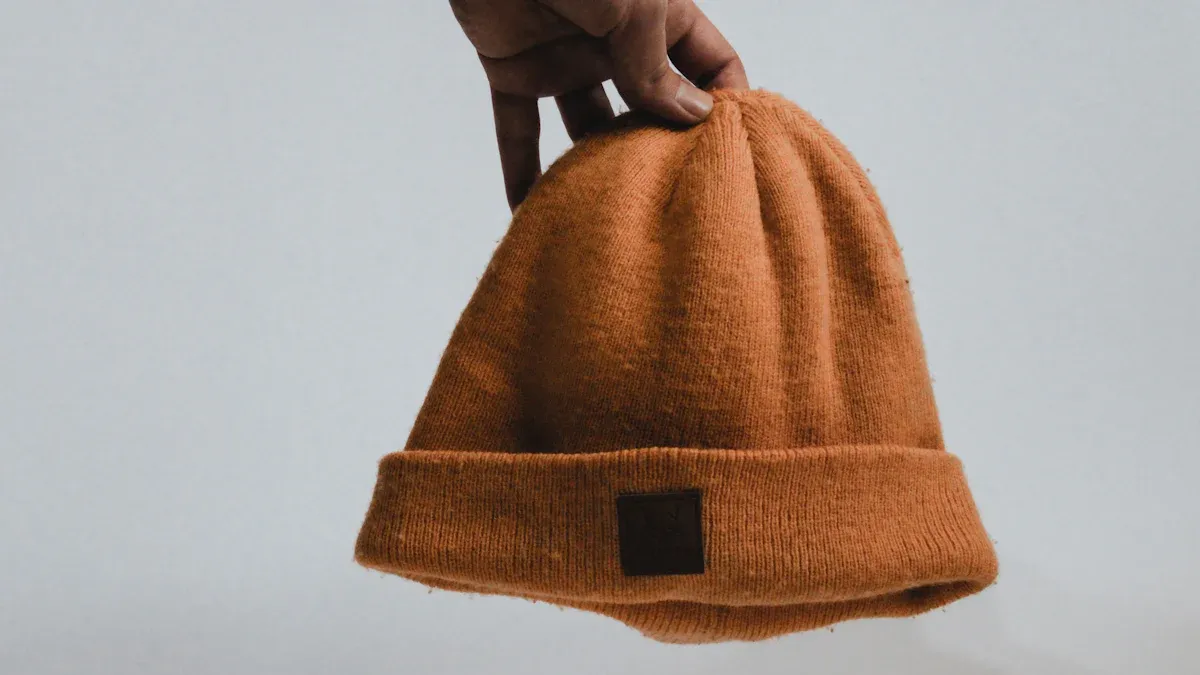
If you want the best winter hat for 2025, you will likely reach for a beanie or a toboggan. Most people find a beanie fits their daily style and city life. The beanie hat brings an effortlessly cool look and feels light, so you can wear it almost anywhere. The toboggan hat, sometimes called a toque, has a thicker, chunkier knit. You get more warmth and insulation with a toboggan, which helps in harsh winter weather. When you compare stocking cap vs beanie, you see the beanie works for casual outings, while the toboggan hat stands up to cold. Some people call the toboggan hat a winter hat, but names change by region. As you read, think about your winter needs, style, and comfort. Beanies vs Toboggans—your perfect winter hat depends on you.
Tip: Try both a beanie and a toboggan hat to see which one matches your winter activities and style.
Key Takeaways
-
Beanies are light and look cool. They are good for casual trips and not-too-cold winter days. Toboggans keep you warmer and cover more of your head. They are best for really cold weather with snow or wind. Think about what you will do in winter before picking a hat. Beanies work well for short trips. Toboggans are better for long times outside. Try both hats to see which one feels best. Pick the one that fits your head and style. Choose hat materials that fit how you wash clothes. Wool is warm but needs gentle washing. Synthetic hats are easier to clean.
Comparison Table
beanies vs toboggans
When you look at beanies vs toboggans, you see some clear differences. You might wonder which hat works best for your winter needs. Here’s a simple table to help you compare the two:
|
Feature |
Beanie |
Toboggan |
|---|---|---|
|
Warmth |
Light to moderate |
High, thick insulation |
|
Fit |
Snug, close to head |
Chunky, sometimes looser |
|
Style |
Casual, trendy |
Classic, cozy |
|
Coverage |
Covers ears |
Covers ears, sometimes neck |
|
Best for |
Mild to cold weather |
Harsh winter, snow, wind |
|
Materials |
Wool, fleece, heavy knits |
|
|
Regional Names |
Beanie, skull cap |
Toboggan, toque, winter hat |
You can see that beanies vs toboggans offer different levels of warmth and style. If you live in a place with mild winters, you might pick a beanie. If you face heavy snow or wind, a toboggan could be your best friend.
Pros and Cons
Let’s break down the pros and cons of beanies vs toboggans so you can decide which hat fits your life.
Beanie Pros:
-
Easy to pack and carry
-
Works with most outfits
-
Feels light and comfortable
Beanie Cons:
-
May not keep you warm in extreme cold
-
Less coverage for neck
Toboggan Pros:
-
Gives you extra warmth
-
Protects ears and sometimes neck
-
Stays put in windy weather
Toboggan Cons:
-
Can feel bulky
-
Might not match every style
Tip: Try wearing both hats during different activities. You’ll notice how beanies vs toboggans perform in real life. Your choice depends on your climate, style, and comfort.
Origins & Terminology
Beanie Origins & Evolution
The beanie has been around for a long time. In the early 1900s, workers wore snug wool caps to stay warm. Sailors and dockworkers called it a “watch cap.” The beanie started as a simple hat for work. Later, it became a cool fashion item. Skaters and artists liked wearing beanies as part of their look. The word “beanie” comes from “bean,” which used to mean “head.” In Britain, workers wore wool caps in the 1400s. The Monmouth Cap was an early beanie.
|
Historical Aspect |
Description |
|---|---|
|
Origin |
The beanie began in the early 1900s with workers. |
|
Evolution |
It changed from a work hat to a fashion item. |
|
Early Names |
People called it a “watch cap” because sailors wore it. |
Fun fact: The beanie was first made to keep workers’ heads warm outside. It was not about style at first.
Toboggan as a Hat — Etymology & History
The word “toboggan” can mean a sled or a hat. It comes from Native American words like Micmac and Abenaki. At first, “toboggan” meant a sled. In the late 1800s, people wore knit hats while sledding. They started calling these hats “toboggan caps.” The name stuck, especially in the southern U.S. By the 1920s, “toboggan” meant a long, wool hat. People wore these hats to stay warm during winter sports.
-
“Toboggan” was first a word for a sled.
-
People wore knit hats while sledding and called them “toboggan caps.”
-
By the 1920s, “toboggan” meant a warm hat in many places.
Regional & Alternative Terms
People use many names for these hats in different places. Regional words make things interesting! In the U.S. and other countries, you might hear different names for beanies and toboggans.
-
Toboggan
-
Woolly hat
-
Wool hat
-
Bobble hat
-
Sock hat
-
Knit hat
-
Poof ball hat
-
Bonnet
-
Sock cap
-
Stocking cap
-
Skullcap
-
Ski hat
-
Chook (Michigan’s Upper Peninsula)
-
Tuque (Canada)
-
Dut (Hartlepool, England)
-
Sipple cap (Amish and Dutch)
Note: If you travel, someone might call your beanie a “tuque” or your toboggan a “bobble hat.” The name changes by region!
Design, Fit & Materials
Beanie Design Features
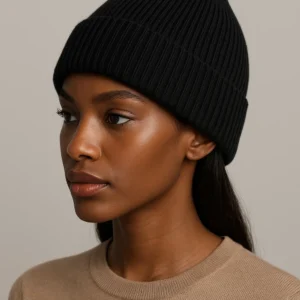
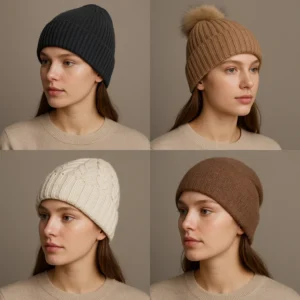
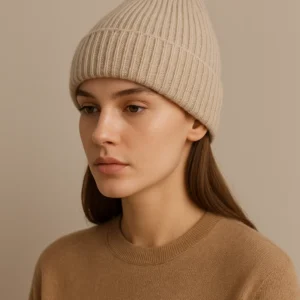
When you look at a beanie, you notice its simple design. Most beanies have a snug fit that hugs your head. This design keeps the hat in place, even if you move a lot. You can find beanies with a folded cuff or a straight edge. Some beanies have a ribbed design, which adds stretch and comfort. Others use a smooth knit for a sleek look. The design often stays low-profile, so you can wear it under a hood or helmet. Many brands offer beanies in bright colors or patterns, letting you show off your style. You might see a pom-pom on top, but the basic design stays the same—easy, light, and practical.
AZKnit Beanie Manufacturer
AZKnit is one of the top OEM beanie suppliers in China, specializing in custom knitted hats for global fashion brands. From ribbed wool beanies to chunky streetwear styles, AZKnit combines advanced 3D knitting technology, sustainable yarns, and precise craftsmanship to deliver soft, warm, and high-quality beanies with flexible MOQ and fast production.
Toboggan Design Features
A toboggan uses a chunkier design. You get a thicker knit, which means more warmth. The design often covers your ears and sometimes dips lower on your neck. Some toboggans have a fleece lining for extra comfort. You might notice a cable-knit design or bold patterns. The design can feel bulkier than a beanie, but that helps block wind and snow. Many toboggans use a rolled cuff, which adds another layer over your ears. The design works well for outdoor adventures or very cold days. You can pick a toboggan with a pom-pom or keep it simple. The design always focuses on warmth and coverage.
Materials & Construction
Wool, merino, acrylic, recycled blends
The material you choose changes how your hat feels and works. Wool gives you excellent warmth and breathability. Merino wool feels soft and keeps you dry. Acrylic is budget-friendly and easy to wash. Cotton feels light and works for cool, not freezing, days. Nylon adds strength and blocks wind. Polyester gives you comfort and resists damage. Some hats use recycled blends for a greener design.
Here’s a quick look at how materials affect warmth and durability:
|
Material |
Warmth Effect |
Durability Effect |
|---|---|---|
|
Wool |
Excellent heat-trapping, breathable, moisture-wicking |
High durability, retains shape and comfort |
|
Acrylic |
Good warmth, budget-friendly |
Lower durability, machine washable |
|
Cotton |
Moderate warmth, comfortable in warm conditions |
Strong and resilient, pilling resistant |
|
Nylon |
Good insulation, wind and water resistant |
Extremely durable, lightweight |
|
Polyester |
Moderate warmth, comfortable feel |
Good durability, resistant to damage |
-
Wool: Keeps you warm, lets your skin breathe, and manages moisture.
-
Acrylic: Saves money, gives decent warmth, and lasts through many washes.
-
Cotton: Feels soft, wicks moisture, and works in mild weather.
-
Nylon: Stands up to rough use, blocks wind, and stays light.
-
Polyester: Feels comfy and holds up well.
Stretch, lining, ribbing, reinforcement
The design of your hat also depends on these features. Stretchy fibers help the hat fit your head shape. A soft lining, like fleece, adds warmth and comfort. Ribbing in the design gives extra stretch and helps the hat stay put. Some hats use reinforced seams, so they last longer. You can find hats with double layers for more warmth. The design details make a big difference in how your hat feels and works for you.
Tip: Try on different designs to see which fit and material feel best for your winter plans.
Warmth & Coverage
beanie vs toboggan
You might wonder which hat is warmer. A beanie keeps your head warm on most winter days. It fits close and holds in heat. You can wear a beanie under a hood or helmet. This makes it good for city walks or quick trips. A toboggan gives you more warmth and covers more of your head. Its thick knit and longer shape block cold wind. You notice the difference in really cold weather. In the beanie vs toboggan choice, the toboggan usually keeps you warmer. It also covers more if you spend lots of time outside.
Ear & Neck Protection
You want your hat to keep your ears and neck warm. In the beanie vs toboggan match, a beanie covers your ears but stops at your head’s edge. Some beanies have a folded cuff for a bit more coverage. But your neck is still open to the cold. A toboggan often goes lower and covers your ears and sometimes your neck. This extra coverage helps a lot in cold weather. If you need even more warmth, try hats like balaclavas, trapper hats, or thermal liners. Here’s a simple table to show how hats protect your ears and neck:
|
Hat Type |
Protection Features |
|---|---|
|
Beanie |
Covers head and ears, limited neck coverage |
|
Toboggan |
Covers head, ears, and sometimes neck |
|
Balaclavas |
Covers head, ears, nose, mouth, and neck; only eyes are exposed |
|
Trapper Hats |
Water-resistant, windproof, adjustable ear flaps |
|
Thermal Liners |
Shoulder length, covers head, ears, and neck; elastic fit retains heat |
Note: For full coverage in very cold weather, you may need more than just a beanie or toboggan.
Best Uses by Weather / Climate (wind, snow, mild cold)
Picking a beanie or toboggan depends on your winter weather. For mild cold, a beanie gives enough warmth and coverage. You can wear a cotton beanie on cool days. Wool or fleece beanies work better for colder days. If it is windy or snowy, you need more coverage. A toboggan’s thick knit keeps you warmer and blocks wind. Experts suggest different hats for each kind of winter weather:
|
Weather Condition |
Recommended Hat Type |
Material Features |
|---|---|---|
|
Cold |
Wool or Fleece Beanie |
Insulation, moisture-wicking |
|
Wind |
Hat with Earflaps |
Extra warmth, wind protection |
|
Snow |
Waterproof Hat |
Weather-resistant, insulation |
|
Mild Cold |
Cotton Beanie |
Acceptable, less ideal than wool |
So, the beanie vs toboggan choice depends on the weather. For harsh winter, snow, or strong wind, a toboggan gives better warmth and coverage. For city life or mild cold, a beanie feels light and easy. Think about your winter plans and pick the hat that covers what you need.
Style Trends 2025

Beanie fashion
You see a lot of new beanie styles in 2025. Fashion experts say you want a beanie that stands out and feels good. The beanie comes in many shapes and textures this year. You might pick a beanie with a chunky knit or a soft, luxe fabric. Some people love a beanie with a slouchy fit, while others go for a beanie with a snug look. You can even find a beanie with hidden pockets or scarf extensions. If you care about the planet, you choose a beanie made from recycled or organic materials. The table below shows the top beanie styles for 2025:
|
Beanie Style |
Description |
|---|---|
|
Textured Beanies |
Tactile designs that make your beanie a sensory experience. |
|
Oversized Slouch Beanies |
Loose fit for a relaxed, cool style. |
|
Multifunctional Beanies |
Features like scarf extensions and hidden pockets for extra use. |
|
Sustainable Beanies |
Eco-friendly materials for a green style. |
|
Luxe Fabric Beanies |
High-end fabrics like cashmere and velvet for a rich style. |
You can see that every beanie style lets you show your personality. Try a new beanie style to match your mood or outfit.
Toboggan trends
The toboggan keeps its classic look, but you notice some fresh trends in 2025. You might see a toboggan with bold patterns or bright colors. Some toboggan styles use thick cable knits for extra warmth. You can pick a toboggan with a pom-pom or a simple, clean top. Many people want a toboggan that covers more of the neck, so you stay warm on cold days. You find toboggan styles with fleece linings or double layers. The toboggan gives you a cozy style that works for outdoor fun or a walk in the snow. You can wear a toboggan with almost any winter coat. Try a toboggan with a fun pattern to add some excitement to your winter style.
Outfit Pairing
You want to know how to pair your beanie or toboggan with your winter outfits. Here are some easy ways to match your hat to your style:
-
For a casual style, wear a beanie with jeans and a T-shirt or leggings and a tunic top.
-
If you want a dressed-up style, try a beanie with tailored pants and a blouse or even a dress.
-
Add scarves, gloves, or a statement necklace to boost your beanie style.
-
Pair a toboggan with a puffer jacket and boots for a sporty style.
-
Try a toboggan with a long coat for a classic winter style.
-
Mix and match your toboggan with bright mittens or a chunky scarf for a playful style.
-
You can layer a beanie under a hood for a sleek style.
-
Choose a toboggan with a bold color to make your style pop.
-
Try a beanie with a patterned sweater for a cozy style.
-
Wear a toboggan with snow pants for a full winter style.
Tip: You can switch between a beanie and a toboggan to match your style and the weather. Try new looks and see which style feels best for you.
Practical Functionality & Use Cases
Wearability & Mobility
You want a hat that moves with you. Beanies feel light and fit close to your head. You can wear a beanie while running, biking, or walking to school. It stays put and does not get in your way. Toboggans give you more warmth, but they feel bulkier. If you play in the snow or go hiking, a toboggan keeps you warm and covers your ears. Some toboggans slip down over your neck, so you get extra protection. Both hats work well for winter sports, but you might pick a beanie for fast movement and a toboggan for long, cold days outside.
Tip: Try moving your head side to side when you try on a hat. You want it to stay in place without feeling too tight.
Extras & Features
Modern hats come with cool extras. You can find beanies with hidden pockets for keys or cash. Some have reflective stripes for safety at night. Toboggans often have fleece linings for extra warmth. You might see hats with built-in Bluetooth speakers, so you can listen to music hands-free. Pom-poms add a fun touch, but you can pick a plain style if you like. Look for hats with double layers or windproof panels if you spend lots of time outdoors.
|
Feature |
Beanie |
Toboggan |
|---|---|---|
|
Hidden Pocket |
✅ |
❌ |
|
Reflective Stripes |
✅ |
✅ |
|
Fleece Lining |
❌ |
✅ |
|
Bluetooth Speakers |
✅ |
✅ |
|
Pom-Pom Option |
✅ |
✅ |
Layering Strategies
Staying warm in extreme cold takes smart layering. You want to trap heat and block wind. Here’s a simple way to layer for the best warmth:
-
Base Layer: Start with a thin hat or headband made from merino wool or synthetic fabric. This layer pulls sweat away from your skin.
-
Insulation Layer: Add a thicker beanie or toboggan. Fleece or down works well to trap heat.
-
Shell Layer: Top it off with a hood or shell that blocks wind and water. Pick a jacket with a hood for extra protection.
-
Head Protection: Always wear a warm hat, like a wool beanie or thick toboggan, to keep heat from escaping.
You can mix and match layers based on the weather. If it gets warmer, take off a layer. If the wind picks up, pull up your hood. Layering helps you stay comfortable all day.
Note: Most body heat escapes from your head. Wearing the right layers keeps you safe and warm, even on the coldest days.
User Preferences
Casual / Everyday Wear
You want a hat that fits your daily life. A beanie works well for most casual days. You can grab it and go. It feels light and easy. You can match a beanie with almost any outfit. Your style can be sporty, relaxed, or even a little bold. A beanie lets you show your style without trying too hard. You can pick a color that matches your jacket or shoes. Some people like a simple look. Others want a bright color or a fun pattern. You can change your style every day with a new beanie. If you like a classic look, a toboggan also works. It gives you more warmth and a cozy style. You can wear it with jeans, boots, or a big sweater. Your style stays comfortable and warm.
Outdoor / Sport / Utility Use
You need a hat that keeps up with your active life. If you run, hike, or play outside, you want a hat that stays put. A beanie fits close to your head. It does not move around when you run or bike. Your style can be simple and sporty. You can pick a beanie with a snug fit for fast movement. If you spend hours outside in the cold, a toboggan gives you more warmth. It covers your ears and sometimes your neck. Your style can be rugged and ready for snow. You can pick a toboggan with a fleece lining for extra comfort. Some hats have features like reflective stripes or ear flaps. Your style can be safe and smart.
Fashion / Statement vs Practical Choice
You can use your hat to make a statement. Your style can be bold, classic, or playful. A beanie gives you many choices. You can pick a bright color, a big pom-pom, or a cool pattern. Your style can stand out in a crowd. If you want a practical hat, you can pick a simple beanie or a warm toboggan. Your style can be about comfort and warmth. Some people like to mix both. You can wear a fun beanie for style and switch to a toboggan for cold days. Your style is your own. You can change it to fit your mood or the weather.
Tip: Try different hats to see which style feels best for you. Your perfect hat matches your life and your style.
Care Tips
Cleaning
You want your beanie or toboggan to look fresh all winter. Cleaning your hat the right way helps it last longer and keeps it soft. Textile care experts say hand-washing works best for delicate materials like wool and cashmere. You protect the shape and elasticity this way. For sturdy hats made from cotton, you can use the washing machine, but always air-dry to keep the shape.
Here’s a simple way to clean your beanie or toboggan:
-
Fill a sink or basin with cold water and add a splash of mild laundry detergent.
-
Dunk your hat in the water until it’s fully soaked.
-
Use your hands to gently work the detergent into the fibers.
If your hat has stains, spot-clean those areas before you wash the whole thing. Never use hot water because it can shrink or damage the fibers. After washing, squeeze out extra water without twisting. Lay your hat flat on a towel to air-dry. You keep the shape and avoid stretching.
Tip: Always check the care label before you wash your hat. Some materials need extra care.
Storage
Storing your beanie or toboggan the right way keeps it looking new for next season. You want to avoid stretching or fading. Start by cleaning your hat to remove dust, lint, or dirt. Use a hat brush or lint roller for quick touch-ups. Make sure your hat is completely dry before you put it away. This prevents mildew and keeps the fabric fresh.
-
Fold your beanie or toboggan neatly. Stacking them in a drawer or bin works better than hanging, which can stretch the fabric.
-
Store your hats in a cool, dry place. Keep them away from humidity, heat, and direct sunlight. This helps the material stay strong and the colors stay bright.
|
Storage Step |
Why It Matters |
|---|---|
|
Clean before storing |
Prevents stains and mildew |
|
Fold, don’t hang |
Keeps shape, avoids stretching |
|
Cool, dry area |
Protects material and color |
Note: If you follow these care tips, your favorite winter hat will stay cozy and stylish year after year.
Decision Guide
beanie vs toboggan checklist
Choosing the right winter hat can feel tricky. You want to stay warm, look good, and feel comfortable. Let’s break down the steps so you can pick the best hat for your needs in 2025.
Step-by-Step Checklist
-
Check Your Climate
-
Do you live somewhere with mild winters? A beanie works well for most days.
-
Is your area cold, snowy, or windy? A toboggan gives you better warmth and coverage.
-
-
Think About Your Activities
-
Will you wear your hat for running, biking, or walking? A lightweight beanie fits under helmets and keeps sweat away.
-
Do you spend hours outside in harsh weather? A thick toboggan protects your ears and neck.
-
-
Consider Your Style
-
Want a hat that matches lots of outfits? A simple beanie in a neutral color looks good with almost anything.
-
Prefer a classic, cozy look? A toboggan brings a traditional style and feels right for rural or outdoor settings.
-
-
Focus on Comfort and Fit
-
Try on both hats. A beanie hugs your head and feels snug. Some people find it tight after a while.
-
A toboggan fits more loosely. It covers more but can let in cold air if it’s too loose.
-
-
Look at Materials and Care
-
Wool hats keep you warm but need gentle washing.
-
Synthetic hats are easy to clean and last longer.
-
-
Decide on Features
-
Do you want a hat with a pom-pom, hidden pocket, or fleece lining? Pick the extras that fit your lifestyle.
-
Tip: Adjust how you wear your beanie or toboggan. Pull it down for more warmth or roll the cuff for a different look.
Decision Points Table
Here’s a quick table to help you compare comfort, fit, and coverage:
|
Feature |
Beanie |
Toboggan |
|---|---|---|
|
Fit |
Snug, may feel tight after long wear |
Relaxed, good for all-day comfort |
|
Coverage |
Covers head and ears, less neck warmth |
Covers head, ears, and neck |
|
Warmth |
Good for mild cold, less for harsh cold |
Best for harsh winter, snow, and wind |
|
Style |
Versatile, matches many outfits |
Classic, cozy, rural look |
Practical Advice for Your Final Choice
-
If you want a hat for everyday wear and style, grab a beanie. You can switch colors and match your mood.
-
If you need a hat for outdoor work or play in freezing weather, pick a toboggan. You get more warmth and protection.
-
For sports, choose a performance beanie. It fits under helmets and keeps you dry.
-
For long walks or snow days, a thick toboggan keeps you cozy.
-
Always check the fit. You want your hat to stay put but not squeeze your head.
-
Pick materials that match your care routine. Wool needs hand washing. Synthetic hats go in the machine.
Note: Try both hats before winter starts. You’ll know which one feels best for your climate, activities, and style.
Quick Flowchart
Is your winter mild?
    Yes → Choose a beanie.
    No → Choose a toboggan.

Do you need a hat for sports?
    Yes → Pick a performance beanie.
    No → Go for warmth and coverage.

Do you want a classic look?
    Yes → Toboggan is your best bet.
    No → Beanie offers more style options.

Do you prefer easy care?
    Yes → Synthetic hat.
    No → Wool hat.
You have the tools to pick the perfect hat for 2025. Think about your climate, your activities, your style, and your comfort. Try different hats and see which one makes you feel great all winter long.
You have a lot to think about when picking a winter hat. The beanie gives you a light feel and fits most city looks. The toboggan brings extra warmth and covers more in harsh winter. You want a hat that matches your style and keeps you comfortable. Your winter activities matter. Some days you need a beanie for a quick walk. Other days, a toboggan is best for snow and wind. You can choose a hat with bright colors or reflective details for safety. Pick wool for warmth or synthetic for easy care. Your winter style can change every day. Try both hats and see which one feels right. Share your favorite winter hat and style in the comments!
-
Choose a beanie for light warmth and easy style.
-
Pick a toboggan for maximum warmth and full coverage.
-
Look for hats in wool or synthetic for the best winter comfort.
-
Try bright colors or reflective details for winter safety.
-
Make sure your hat is easy to care for and fits your winter needs.
FAQ
What is the main difference between a beanie and a toboggan?
You notice the biggest difference in warmth and thickness. A beanie feels lighter and fits close to your head. A toboggan uses a chunkier knit and gives you more coverage for cold days.
Can you wear a beanie in snowy weather?
You can wear a beanie when it snows, but you might feel cold if the wind picks up. For heavy snow or freezing temperatures, you want a hat with more insulation.
How do you keep your winter hat from stretching out?
You keep your hat in good shape by folding it instead of hanging it. Always let it air-dry after washing. Store it in a cool, dry place to protect the fibers.
Which hat works best for outdoor sports?
You pick a beanie for running or biking because it stays put and feels light. For long hikes or snow play, you choose a toboggan for extra warmth and coverage.
How do you clean your winter hat without ruining it?
You wash your hat by hand in cold water with mild detergent. Gently squeeze out water and lay it flat to dry. Always check the care label before you start.