

Damask Fabric is special because it has patterns you can see on both sides. It feels smooth and fancy. People use it in nice homes and cool clothes. Long ago, this fabric showed people were rich. New machines and fake fibers made it cheaper later. Now, damask is in modern styles and regular homes. Many people like damask for its pretty look and long history.
Key Takeaways
Damask Fabric has special patterns you can see on both sides. This makes it a cool choice for home decorations and clothes.
Damask Fabric started in ancient China around 300 B.C. It became well-liked in Europe in the 11th century.
Damask is made with a special weaving method. This makes the fabric strong and long-lasting. It also feels fancy.
You can find Damask Fabric in silk, cotton, and polyester. Each material feels different and lasts a different amount of time.
Damask is useful for many things like tablecloths, curtains, and clothes. It makes any place look more fancy.
Damask Fabric Overview
Definition
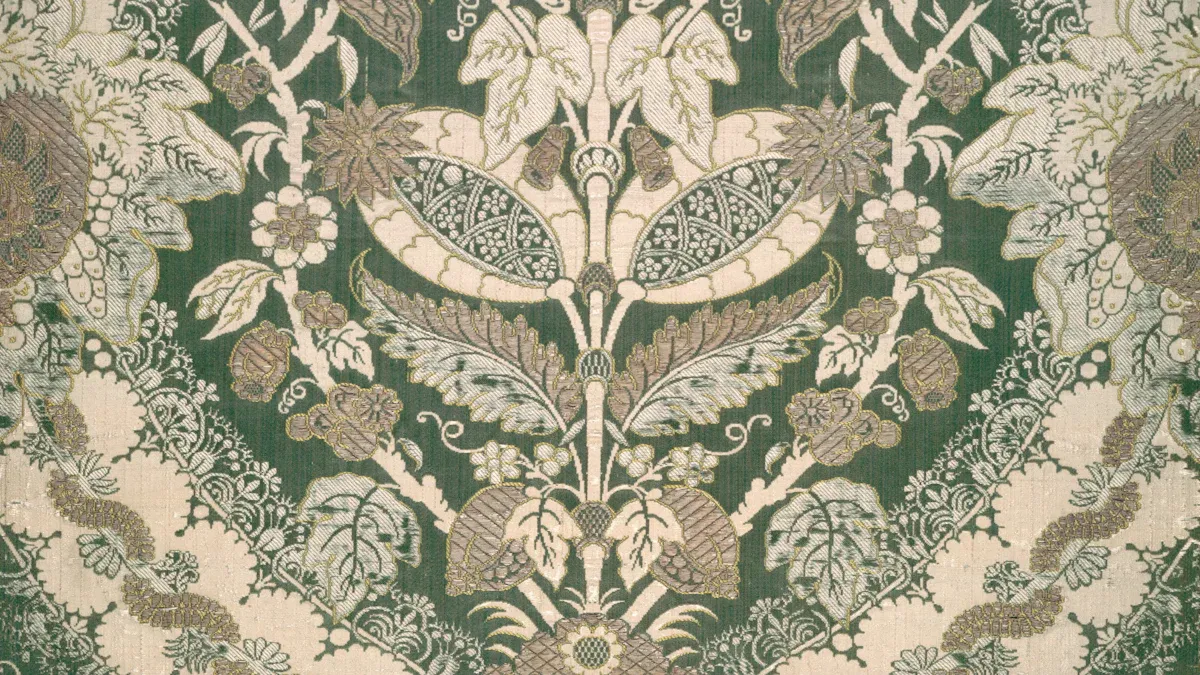
Damask Fabric stands out because of its unique patterns. These patterns show up on both sides of the fabric. The material feels soft and is also very strong. This is because it is woven tightly. Damask Fabric is often used in fancy houses and nice clothes. Experts say it is a rich fabric with detailed designs. Damask Fabric can be made from silk, cotton, wool, or fake fibers. Today, you can find Damask Fabric in many colors and looks.
Here is how top sources explain Damask Fabric:
Source | Definition |
|---|---|
OED | A rich silk fabric woven with elaborate designs and figures, often of a variety of colours. Also applied to figured materials of silk and wool, silk and cotton, or worsted or cotton only, used for furniture-covering, curtains, etc. ‘True damasks are wholly of silk, but the term is now applied to any fabric of wool, linen, or cotton, woven in the manner of the first damasks.’ |
Sewport | Damask fabric is named for Damascus, which is where this textile product originated. Known for its intricate and reversible patterns, damask fabric is prized for its ornateness. Traditionally, damask fabric was made from silk, cotton, or wool, but synthetic damask weaves are now available also. |
Startup Fashion | Damask fabric, named for the city of Damascus, is a fabric woven out of a single weft thread. It may have a variety of potential colors and patterns, making it ideal for a variety of custom projects. Prized for its ornate patterns and feel, it is a luxurious option that can be used in a variety of settings. |
Tip: To find Damask Fabric, look for patterns that match on both sides.
Historical Origins
Damask Fabric has a long and rich past. Its story goes back to old times. The name comes from Damascus, a city in Syria. This city was known for making beautiful patterned cloth. People in China started weaving Damask Fabric around 300 B.C. Traders and travelers helped spread Damask Fabric to new places.
Here are some important facts about Damask Fabric’s history:
People in China made Damask Fabric around 300 B.C.
The fabric came to Europe in the mid-1300s.
The word ‘damask’ first showed up in French records in the 1300s.
Crusaders brought Damask Fabric to Europe in the 11th century.
Different groups helped Damask Fabric grow and change:
Civilization | Contribution to Damask Fabric |
|---|---|
Damascus, Syria | First made damask fabric, famous for its pretty patterns and soft feel. |
China | Started making damask around 300 B.C. before it became a weaving style. |
Europe | Crusaders brought it in the 11th century, and France started weaving it by the 1200s. |
Over time, Damask Fabric became a sign of being rich and important. Kings and nobles used it for clothes and decorating their homes. When new machines were invented, Damask Fabric became cheaper. Today, designers mix old patterns with new styles. You can see Damask Fabric in both classic and modern places now.
Structure & Weaving Technique

What “Damask” Means in Weaving
When you look at Damask Fabric, you see more than just a pretty design. You see a special weaving technique that sets it apart from other textiles. Damask weaving uses a tight structure that makes the fabric strong and long-lasting. You will notice that Damask Fabric usually has one color of yarn. This gives it a classic, elegant look.
Here are some key features that make damask weaving unique:
The weave is tighter and more durable than other fabrics like brocade.
Damask does not have loose threads that fray easily.
You often see Damask Fabric in a single color, which highlights its patterns.
The weaving process creates decorative designs as the fabric is made.
Light reflects off the surface, giving Damask Fabric a shiny, iridescent look.
Tip: If you want a fabric that lasts and looks fancy, Damask weaving gives you both.
Pattern Control & Reversibility
You might wonder how Damask Fabric gets its reversible patterns. The secret lies in the way the threads cross each other. The design uses a combination of satin weave for the pattern and plain, twill, or sateen weave for the background. This method lets you see the pattern on both sides of the fabric. The result is a thick, heavy textile with a glossy shine.
Damask patterns are woven into the fabric, not printed or embroidered.
The weaving technique makes the design visible on both sides.
You get a fabric that feels rich and looks beautiful from any angle.
Jacquard Loom
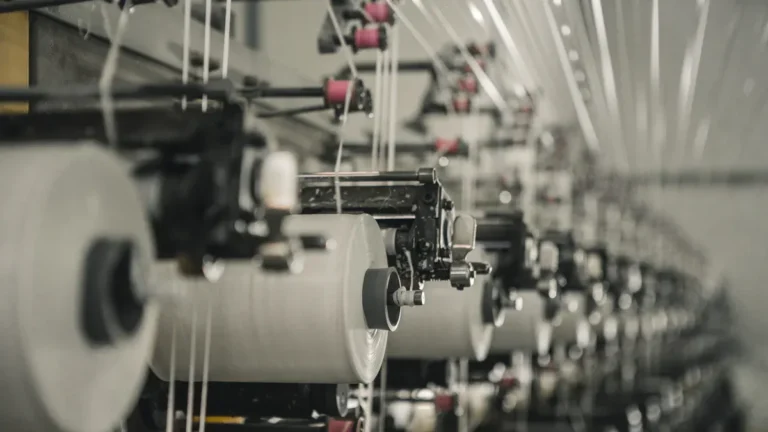
The Jacquard loom changed the way people make Damask Fabric. Before this invention, skilled workers had to weave each pattern by hand. This took a lot of time and effort. The Jacquard loom, invented in the early 1800s, allowed for the control of each warp thread. You could now create complex designs quickly and easily.
The Jacquard loom made Damask Fabric more affordable and available to everyone. You did not need special skills to operate the loom. The machine could produce detailed patterns much faster than manual weaving. This innovation helped bring Damask Fabric into homes and fashion around the world.
Note: The Jacquard loom made it possible for you to enjoy intricate damask patterns without paying a high price.
Weaving Principles: Satin Weave vs Ground Weave
Damask Fabric uses two main weaving styles to create its patterns. The satin weave forms the design, while the ground weave makes up the background. Each style has its own features.
Feature | Satin Weave Description |
|---|---|
Yarn Interaction | Filler yarns pass over several warp yarns and under the fifth. |
Characteristics | Luster, firm, durable, pliable, wrinkle resistant, yarn slippage. |
Weave Type | Satin is warp-faced; Sateen is weft-faced. |
Required Harness | Five harnesses are needed for a satin weave. |
The satin weave gives Damask Fabric its shiny and smooth surface. The ground weave adds strength and stability. By combining these two, you get a fabric that is both beautiful and tough.
Fun Fact: The way the threads cross in Damask weaving makes the patterns pop and the fabric last longer.
Materials
Common Fibers
Damask can be made from many kinds of fibers. Each fiber changes how the fabric feels and looks. In the past, people used silk, cotton, or linen for damask. Today, you also see polyester and acrylic used. Sometimes, wool and viscose are used as well.
Silk makes damask soft, shiny, and smooth. It feels fancy and nice.
Cotton is soft and natural. It costs less than silk.
Linen makes damask crisp and cool. It is good for tablecloths.
Wool gives warmth and texture. Fashion designers use it for clothes.
Polyester and acrylic make damask strong and easy to clean. These fibers keep colors bright and patterns clear.
Synthetic damask is very popular now. It is cheaper and lasts longer than some natural types.
Impact on Properties
The fiber you pick changes how damask feels, looks, and lasts. Here are some ways fibers change the fabric:
Damask is strong because it is woven tightly. This makes it good for furniture.
The patterns help hide stains and marks.
How long damask lasts depends on the fiber, thickness, and quality.
Silk and cotton feel soft and rich but may not last as long.
Polyester is tough, does not fade, and keeps its shape after many washes.
Thin polyester threads show clear, detailed patterns.
You should also think about the environment when you choose a fiber. Different fibers affect the earth in different ways:
Fiber Type | CO2 Impact (kg CO2 eq per kg) | Water Usage (liters per kg) | Pollution Sources |
|---|---|---|---|
Cotton | 16.4 | 10,000 | Pesticides, fertilizers, chemicals |
Linen | 16.7 | Rainwater | Minimal pesticides, dyeing |
Silk | 18.6 | Rainwater | Fertilizers, pesticides, chemicals |
Wool | 80.3 | 800 | Methane, soil degradation |
Polyester | 14.2 | N/A | Microfibers, chemicals |
Acrylic | 21.1 | N/A | Microfibers, chemicals |
Nylon | 20.0 | 750 | Microfibers, chemicals |

Tip: For a fabric that looks nice and lasts long, pick Damask Fabric made with good fibers.
Damask Fabric vs Others
Comparison
Luxury fabrics are all special in their own way. Damask Fabric is pretty and gives good value. It is different from brocade, velvet, and plain weave fabrics. Here are some ways they are not the same:
Damask fabric costs less than brocade. You get nice patterns for less money.
Brocade has shiny threads and very fancy designs. Brocade is harder to make and costs more.
Damask is easier to weave. The Jacquard loom makes patterns fast. Brocade weaving takes longer and needs more skill.
Velvet is soft and thick. Velvet does not have patterns on both sides like damask.
Plain weave fabrics are simple. They do not have shiny looks or detailed patterns.
Damask is a good pick if you want fancy fabric that does not cost a lot.
Unique Qualities
Damask has features you do not find in other fabrics. The way it is woven gives it special traits. These make damask great for clothes and home items. The table below shows what makes damask stand out:
Unique Quality | Description |
|---|---|
Reversible Patterns | You see patterns on both sides. This makes damask useful in many ways. |
Luxurious Texture | Damask feels soft and rich. It is used in fancy things. |
Intricate Designs | The Jacquard loom makes detailed patterns. Each damask piece is special. |
Versatility | Damask works for clothes and home décor. You can use it in many places. |
You can use damask for lots of things. The patterns look nice from every side. The fabric feels smooth and strong. Damask gives a classic style that also fits new trends.
Uses and Care
Uses
You can find Damask Fabric in many places around your home and wardrobe. Its elegant look and strong weave make it a favorite for both decoration and fashion. Here are some common ways you might see it used:
Tablecloths and ceramic storage jars in dining and kitchen areas add a touch of elegance.
Mugs, blankets, and even chandeliers in living rooms use damask patterns for style and warmth.
Retro lampshades with damask details blend old and new designs.
Formal wear, blazers, and coats often feature damask for a sophisticated look.
Scarves and handbags with damask patterns give outfits extra charm.
Curtains, cushions, and bed linens with damask create a luxurious feel in bedrooms and living spaces.
Tip: If you want your home or outfit to stand out, choose damask for its unique patterns and rich texture.
Durability
Damask Fabric lasts a long time when you care for it properly. The tight weave makes it strong, but the fiber type also matters. Here is a quick look at what affects its durability:
Factor | Impact on Durability |
|---|---|
Fiber Type | Silk feels soft but needs gentle care. Polyester lasts longer and resists fading. |
Weave Quality | Tighter weaves make the fabric stronger. |
Usage | Heavy use in furniture or clothing may cause wear faster. |
Care Routine | Gentle cleaning and proper storage help the fabric last. |
You can enjoy damask items for years if you handle them with care.
Care
To keep your damask looking beautiful, follow these simple steps:
Spot-clean spills right away with a mild, water-based detergent.
For deep cleaning, take the fabric to a professional dry cleaner.
Gently brush off dust with a soft brush or dry cloth.
Roll the fabric instead of folding to avoid creases.
Store in a cool, dry place away from sunlight to prevent fading.
Use breathable garment bags for extra protection.
Avoid harsh chemicals; stick to mild cleaners for spot cleaning.
Use a steamer for wrinkles, but keep it at a safe distance.
Always check the care label for special instructions.
Note: Handle damask with care, especially if it is made from silk or used in high-end items. Proper care keeps the patterns bright and the fabric strong.
Design & Aesthetic Qualities
Visual Appeal and Pattern Variety
Damask patterns are easy to spot because they look fancy and detailed. You often see flowers, shapes, or designs from buildings and nature. Some popular damask patterns include gold and blue styles, royal Victorian backgrounds, and floral designs. There are also vintage damask vectors, black and white patterns, golden glitter backgrounds, and abstract styles. Designers use damask in old-fashioned and new places. You might see damask on wallpaper, curtains, or clothes. There are many patterns, so you can pick one that matches your style. Some patterns are bold, while others are soft and simple.
Texture and Tactile Experience
When you touch damask, it feels smooth and nice. The patterns feel a little higher than the rest of the fabric. This makes damask different from flat fabrics. Damask is woven, not printed, so it feels rich on both sides. The special texture makes damask great for fancy things.
Color and Light Interaction
Damask Fabric reacts to light in a cool way. The weaving makes some parts shiny and some parts dull. When light hits damask, the patterns look deep and bright. This makes damask look dramatic and fancy. It is perfect for places where you want to impress people.
Versatility in Style
You can use damask in lots of design styles. It looks good in modern homes and old palaces. Damask fits simple rooms and fancy ones. There are many colors and patterns, so it matches any décor. Damask is thick and strong, so it works for furniture, curtains, and bedding. No matter your style, damask brings elegance and history to your space.
Damask Versus Similar Fabrics
Damask vs Brocade
Damask and brocade are both used in fancy places. They look expensive and stylish. But they are not the same. Damask is made by weaving patterns into the fabric. The patterns are part of the cloth itself. Damask usually has one color. Some parts look shiny, and some look dull. Brocade uses extra threads to make patterns stand out. Brocade patterns can have many colors. The designs feel raised above the fabric.
Here is a table that shows how they are different:
Feature | Brocade | Damask |
|---|---|---|
Weaving Technique | Patterns are made with extra colored threads. | Patterns use different weaves, often one color. |
Reversibility | Usually not reversible; the back looks messy. | Usually reversible; patterns show on both sides. |
Pattern Appearance | Patterns feel raised above the fabric. | Patterns are flat, with shiny and dull areas. |
Tip: Pick damask if you want smooth fabric with patterns on both sides. Choose brocade for bold designs that stand out.
Damask vs Velvet
Velvet feels soft and thick when you touch it. People use velvet for curtains, dresses, and pillows. Velvet has a short, thick pile on its surface. This makes velvet look deep and rich. Damask does not have a pile. Damask looks pretty because of how the threads are woven. You see patterns in damask because of shine and texture. Velvet shows color best. Damask shows patterns best.
Damask vs Plain Weave, Printed & Other Textiles
Damask is different from plain weave and printed fabrics. Damask patterns are woven into the fabric. This means the design is part of the cloth. It is not just printed on top. Damask has a special texture. The look changes when light hits it. Plain weave and printed fabrics have flat surfaces. Their patterns are usually on one side only.
Here is a table to compare them:
Feature | Damask | Plain Weave / Printed Textiles |
|---|---|---|
Pattern Creation | Patterns are woven into the fabric | Patterns are printed on the fabric |
Texture | Detailed woven designs | Usually flat texture |
Visual Effects | Patterns show on both sides | Patterns mostly show on one side |
The weaving process makes the pattern, not printing.
Damask feels different on each side and looks nice from any angle.
Note: If you want fabric that feels rich and looks special, damask gives you beauty and strength.
You now know damask fabric is special for its patterns on both sides. It has a long history and feels fancy. Makers use smart weaving and different fibers to make it strong and pretty. Damask mixes old ways with new styles. It is tough and looks nice in many places. You can see damask in:
Clothes that show someone is important
Home things like pillows and curtains
Tablecloths and items for decoration
Damask is useful and lasts a long time. It works well for fancy and regular life.
FAQ
What makes damask fabric different from printed fabric?
You see damask patterns woven into the fabric, not printed on top. This means the design lasts longer and shows on both sides. Printed fabric only shows the pattern on one side.
Can you wash damask fabric at home?
You can wash cotton or polyester damask at home using cold water and mild detergent. For silk or wool damask, you should use dry cleaning. Always check the care label first.
Is damask fabric good for everyday use?
You get strong and durable fabric with damask. It works well for tablecloths, curtains, and clothing. You can use it daily if you follow care instructions.
Does damask fabric fade easily?
You notice damask made from polyester resists fading. Silk or cotton damask may fade if you expose it to sunlight often. Store damask away from direct light to keep colors bright.
Where can you use damask fabric in your home?
You can use damask for curtains, tablecloths, pillow covers, and upholstery. The patterns add elegance to bedrooms, dining rooms, and living spaces.