
Have you ever stood in the craft aisle, wondering about the differences between embroidery vs sewing when choosing between embroidery floss and sewing thread? Deciding between embroidery vs sewing really comes down to your project’s purpose, the materials you plan to use, and your desired final look. If you’re after vibrant colors or a long-lasting decorative design, embroidery vs sewing leans in favor of embroidery, which offers a bold and natural appearance. Multi-needle embroidery machines can also make it easier to match colors and speed up your work. On the other hand, sewing is ideal for creating items that are durable and practical. So, when considering embroidery vs sewing, think about whether you want to create something beautiful, something functional, or a combination of both.
Key Takeaways
Embroidery puts color and patterns on fabric. It makes fabric look unique. You can use embroidery for decoration.
Sewing connects pieces of fabric together. It helps you make things like clothes or bags. Sewing is good for making strong items.
If you are new, try easy sewing projects first. You can make things like pillowcases. Embroidery takes longer to learn. It can be fun when you get better.
Think about what you want to make. Pick sewing for things you use every day. Pick embroidery for things that look creative.
You can use both sewing and embroidery together. This makes your project strong and nice to look at.
Embroidery Overview
What Is Embroidery
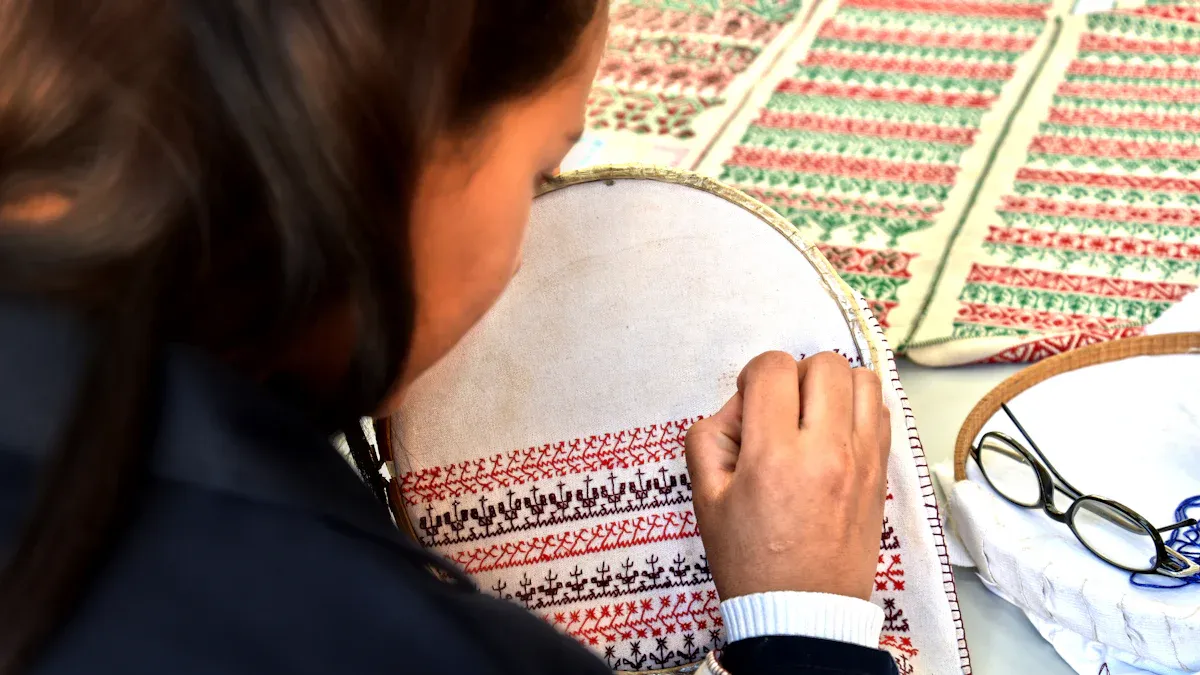
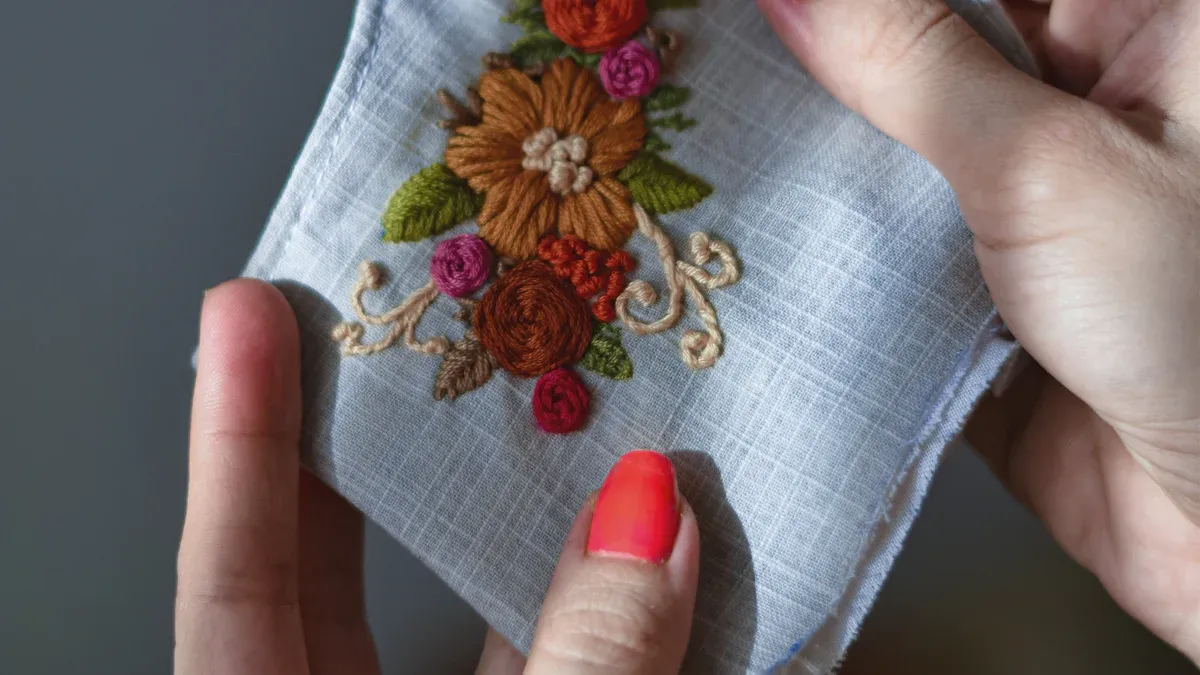
Embroidery is a fun way to decorate fabric. You use a needle and thread to make designs. It can add color and texture to your work. People have done embroidery for thousands of years. In ancient Egypt, people used linen for special events. In China, silk embroidery showed a person’s social rank. The Byzantine Empire used gold and silk threads to make cloth look fancy. Embroidery let women share stories when few people could read or write. Many cultures use embroidery to show pride and keep traditions alive.
Did you know? The Bayeux Tapestry tells the story of the Norman Conquest with embroidery instead of words!
Common Embroidery Techniques
There are many embroidery techniques from different places. Each one has its own look and history. Here are some well-known types:
Stumpwork makes raised, 3D designs and started in England.
Chinese embroidery uses silk threads for detailed animal and flower pictures.
Russian embroidery shows bold shapes and bright red colors.
Native American embroidery uses beads and quills with special meanings.
Technique | Place of Origin | Description |
|---|---|---|
Stumpwork | England | Raised, 3D effects with many stitches |
Chinese Embroidery | China | Fine silk threads, detailed animal designs |
Russian Embroidery | Russia | Geometric shapes, strong colors |
Native American | North America | Beading, quillwork, rich in symbolism |
Embroidery for Beginners
You do not need fancy tools to start embroidery. Use 100% cotton or linen fabric because it is easy to work with. These fabrics help your stitches look neat. You need a needle, thread, and an embroidery hoop. The hoop keeps your fabric tight and your stitches even. You can use embroidery machines to finish projects faster or try harder designs. Many people begin with simple crafts like patches or small pictures. Embroidery is a fun way to join the craft world and make something special by hand.
Sewing Overview
What Is Sewing
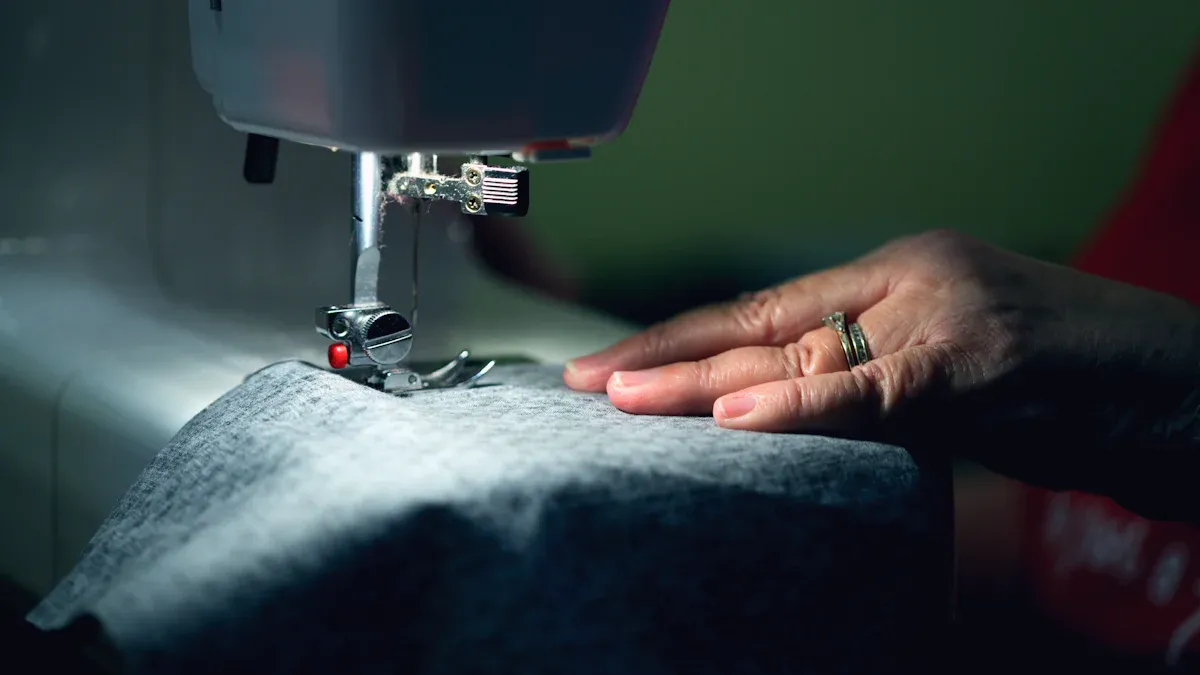
Sewing is the art of joining pieces of fabric together using a needle and thread. You use sewing to make, fix, or decorate clothes and other items. People have practiced sewing for thousands of years. Early humans stitched animal hides for clothing and shelter. Later, as people learned to weave cloth, sewing became even more important. In the Middle Ages, sewing turned into a vital job. Seamstresses and tailors made and repaired garments for everyone.
Sewing lets you create, repair, and even give new life to old clothes. You can turn worn-out items into something useful again.
Basic Sewing Techniques
You will find many sewing techniques in both home and industrial settings. Some methods help you make strong seams, while others add style or finish edges neatly.
Notches help you line up pieces and mark where to fold or sew.
French seams protect delicate fabrics from fraying.
Piping adds a fun, decorative touch to your crafts.
Binding covers raw edges for a clean look.
Flat felled seams work well for thick fabrics like denim.
Here’s a quick look at some common sewing techniques:
Technique | Description | Application |
|---|---|---|
Two threads interlock for a strong seam. | Used in many industries. | |
Chain Stitch | One thread loops through fabric, great for stretchy materials. | Best for stretchy fabrics. |
French Seam | Hides raw edges, perfect for delicate fabrics. | Stops fraying on light fabrics. |
Piping | Adds a decorative edge. | Pillows, cushions, and crafts. |
Binding | Covers and finishes fabric edges. | Garment finishing. |
Flat Felled Seam | Strong, flat seam for thick fabrics. | Jeans and fitted clothes. |
Sewing for Beginners
Starting your sewing journey feels exciting! You do not need fancy tools. A few basics will help you get started:
Fabric cutting shears for neat cuts
Thread snips for trimming threads
Seam ripper for fixing mistakes
Craft shears for cutting paper patterns
Pins and a measuring tape
You should also learn how to thread your sewing machine, read pattern instructions, and take accurate measurements. Practice pinning patterns to fabric and keeping your machine clean. Many beginners start with simple crafts like pillowcases or tote bags. Sewing opens up a world of creative crafts and practical projects you can enjoy for years.
Embroidery vs Sewing
Key Differences
When you compare embroidery vs sewing, you see they have different main jobs. Sewing is for making things. You join fabric to make clothes, bags, or quilts. Sewing makes items strong and useful. Embroidery is for decorating. You add color, texture, and patterns to fabric. Embroidery helps your crafts look special with pretty designs.
Here are the main ways embroidery vs sewing are different:
Sewing lets you build useful things by joining fabric.
Embroidery lets you decorate fabric to make it unique.
Sewing is about making things strong.
Embroidery is about making things look nice.
If you are new to crafts, you may wonder which is easier. Sewing is often simpler for beginners. You can make easy things like pillowcases or bags with just a few tools. Embroidery can seem hard at first because you need to learn stitches. But you can start with easy patterns and get better over time. Both embroidery vs sewing have projects for beginners, so you can pick what you like best.
You might want to know what projects fit each technique. Here is a quick chart:
Embroidery Technique | Common Projects Associated |
|---|---|
Bead and Sequin Embroidery | Fancy clothes, wedding dresses, party gowns |
Chenille Embroidery | Patches, varsity letters, jacket logos |
Cross Stitch | Home décor like pillows, wall art, framed pictures |
Appliqué | Big designs that stand out |
3D Embroidery (Puff) | Hats, jackets, and clothes with bold details |
You use sewing to make clothes, fix rips, or make things like curtains and tablecloths. Embroidery is great when you want to add style or make gifts feel special.
Tip: If you want something useful and pretty, try both embroidery vs sewing in one project!
Tools and Materials
You need different tools and materials for embroidery vs sewing. Knowing what you need helps you choose the right one for your craft.
Category | Sewing Tools/Materials | Embroidery Tools/Materials |
|---|---|---|
Essential Tools | Sewing needles, thread, scissors, measuring tape, pins, iron, (optional) sewing machine | Embroidery needles, embroidery hoop, stabilizers, embroidery floss, small scissors, pattern transfer tools |
Machine Type | Sewing machines made for building things | Embroidery machines made for fancy designs |
Thread Purpose | Strong thread for holding seams | Thread that looks shiny and colorful |
Thread Material | Cotton or polyester | Rayon, polyester, or cotton |
When you sew, you use tools to measure, cut, and join fabric. A sewing machine helps you work faster, but you can sew by hand too. The thread for sewing must be strong. It keeps your projects together and lasting longer.
Embroidery uses special needles and a hoop. The hoop keeps your fabric tight so your stitches stay neat. You use embroidery floss, which comes in many colors and shines. Some projects need stabilizers to stop the fabric from stretching. You might also use tools to put your design on the fabric.
Note: You can start both embroidery vs sewing with just a few simple tools. As you do more crafts, you can get more tools for your kit.
Picking between embroidery vs sewing depends on what you want to make. If you like making things you can use, choose sewing. If you want to turn plain fabric into art, pick embroidery. Many people like both and mix them to make special crafts.
Difference Between Sewing and Embroidery
Function and Purpose
You may wonder why someone picks sewing or embroidery. The main difference is what you want your project to do. Sewing helps you put fabric pieces together. You can make clothes, bags, or quilts. Sewing makes things strong and useful. If your jeans rip, sewing can fix them. You can also sew a new pillowcase.
Embroidery is for making things look nice. It lets you add color and designs to fabric. You can use embroidery to tell a story or show off art. Sewing is like building a house. Embroidery is like painting on the wall. Sewing gives you structure. Embroidery adds style and personality.
Tip: Want your project to look special? Try adding embroidery to your sewing. You get both strength and beauty!
Here’s how threads and results are different:
Embroidery threads are made from rayon or polyester. They shine and make designs stand out.
Sewing threads use cotton or polyester blends. They are strong and last a long time.
Sewing threads hold your project together. Embroidery threads make it look pretty.
Sewing threads are for making and fixing things. Embroidery threads are for decorating.
Learning Curve
You might ask which one is easier to learn. Sewing is usually simpler for beginners. You can start with easy projects like tote bags or pillowcases. You see results fast, which feels good. You learn to thread a needle and use a sewing machine. You also follow simple patterns. Most people learn the basics in a few hours.
Embroidery takes more time and patience. You need to learn different stitches. You also practice making them neat. A beginner embroidery project can take about 7.5 hours. You spend more time on each piece. This is important if you want your design to look great. If you like slow work and making art, embroidery is a good choice.
Technique | Main Purpose | Learning Time (Beginner) | Thread Type | Typical Outcome |
|---|---|---|---|---|
Sewing | Construction, repair | Fast (few hours) | Cotton/poly blends | Durable, functional items |
Embroidery | Decoration, art | Slow (several hours) | Rayon/poly filaments | Decorative, artistic work |
Note: You do not have to pick just one. Many people use both sewing and embroidery. This way, their projects are strong and beautiful. Try both and see which one you like best!
Choosing the Right Technique
Project Goals
Think about what you want your project to do. Do you want to make something useful, like a tote bag or a pillowcase? Sewing works best for building strong, practical items. If you want to add color, patterns, or a personal touch, embroidery lets you decorate your project and show off your style. Ask yourself these questions before you start:
Will you use the finished piece every day or just for decoration?
Do you care more about how the fabric feels or how it looks?
What is your skill level? Try simple patterns if you are new.
Tip: Test your ideas on scrap fabric first. This helps you see what works best for your project options.
Fabric and Thread
The fabric and thread you pick can change how your project turns out. Some fabrics work better for sewing, while others shine with embroidery. Here’s a quick guide:
Feature | Embroidery Thread | Sewing Thread |
|---|---|---|
Weight | Finer (30, 40, 60, 90wt) | Thicker (50–80wt for quilting, 40wt for general sewing) |
Material | Polyester for durability, Rayon for shine | Many materials for strength and durability |
Fabric Compatibility | Finer threads for light fabrics | Thicker threads for heavy fabrics |
Choose fabric that matches your technique. Lightweight cotton or linen works well for embroidery. Heavy denim or canvas is great for sewing sturdy projects.
Time and Budget
You should also think about how much time and money you want to spend. Simple projects like a handkerchief or apron cost less and take less time. More detailed embroidery or large sewing projects need more effort and supplies.
Item | Average Cost (including item) |
|---|---|
Handkerchief | $5 – $10 |
Apron | $10 – $20 |
Baby Blanket | $20 – $30 |
Golf Towel | $10 – $25 |
Design complexity and fabric type can raise the price. If you are unsure, try both embroidery and sewing on small projects. This helps you build skills, boost your confidence, and discover what you enjoy most. You might find that mixing both techniques gives you the best results for your project.
Trying both techniques on small projects can help you relax, improve your focus, and feel proud of what you make.
Combining Embroidery and Sewing
When to Combine
You might wonder when it makes sense to use both embroidery and sewing in one project. Sometimes, you want something that is both strong and beautiful. You can combine these techniques to get the best of both worlds. Here are some projects where mixing embroidery and sewing works really well:
Tote bags
Pillowcases
Quilts
If you sew a tote bag, you can add embroidery to make it stand out. A pillowcase with a stitched border and a colorful embroidery design feels extra special. Quilts often use sewing for the main structure, but embroidery can add names, dates, or fun patterns.
Tip: Try adding embroidery to a simple sewing project. You will see how much personality it brings!
Tips for Blending
Blending embroidery and sewing takes a little practice, but you can do it! Start by learning how to use sewing thread for embroidery. You may need to adjust your machine settings and try out different stitches. Mixing thread types, weights, and finishes can make your project both strong and eye-catching.
You can also use a technique called “tweeding.” This means threading two different colors together to create cool color changes. If you want to fill a big area with embroidery, try making your stitches less dense or make your design a bit bigger. Adding underlay stitches helps keep your fabric smooth and stops it from puckering.
Specialty threads, like variegated or shiny ones, can give your embroidery a unique look. Just handle them gently so they do not break. Here are some quick tips for blending:
Adjust your machine for sewing thread in embroidery.
Mix thread types for strength and style.
Try tweeding for custom color effects.
Use underlay stitches to keep fabric flat.
Handle specialty threads with care.
Note: Combining embroidery and sewing lets you create projects that are both useful and beautiful. You get to show off your skills and make something truly your own.
Other Knit Structures to Consider
Sometimes, embroidery and sewing are not enough for your project. You can try knitting, crochet, or weaving instead. These techniques help you make new kinds of fabric. They add texture and let you create special items. Many people use these crafts for things sewing or embroidery cannot do.
Knitting
Knitting uses two needles and yarn to make fabric. You can make warm, stretchy things like sweaters and socks. Knitting is good for clothes that need to move with you. You can make fancy cable-knit patterns or soft winterwear. If you want something flexible and cozy, knitting is a smart choice.
Craft | Specialty Items | |
|---|---|---|
Knitting | Sweaters, scarves, socks | Cable-knit, winterwear |
Embroidery | Clothing embellishment, décor | Monograms, framed art |
Crochet | Afghans, hats, bags | Amigurumi, jewelry |
Knitting works well for hats and mittens because it stretches and keeps you warm.
Crochet
Crochet uses one hook to pull yarn into loops. You finish each stitch before starting the next. This gives you control and helps you make detailed patterns. Crochet is great for blankets, hats, toys, and lace. You can make amigurumi or add fancy edges to baby clothes. Crochet is always done by hand, so every piece feels special.
Technique | Typical Uses | |
|---|---|---|
Crochet | Uses a hook, only by hand, unique textures | Hats, blankets, toys, lace décor |
Crochet is perfect for making pretty items or trying tricky designs.
Weaving
Weaving crosses threads over and under to build fabric. You use a loom to keep threads straight. Weaving makes strong, flat textiles. You see weaving in rugs, tapestries, and fabric for clothes or furniture. If you want to make your own fabric or try structured designs, weaving is a good choice.
Technique | Typical Uses | |
|---|---|---|
Weaving | Interlacing threads, uses a loom | Fabric for clothes, rugs, furniture |
Weaving is best for making big, flat pieces of fabric or sturdy rugs.
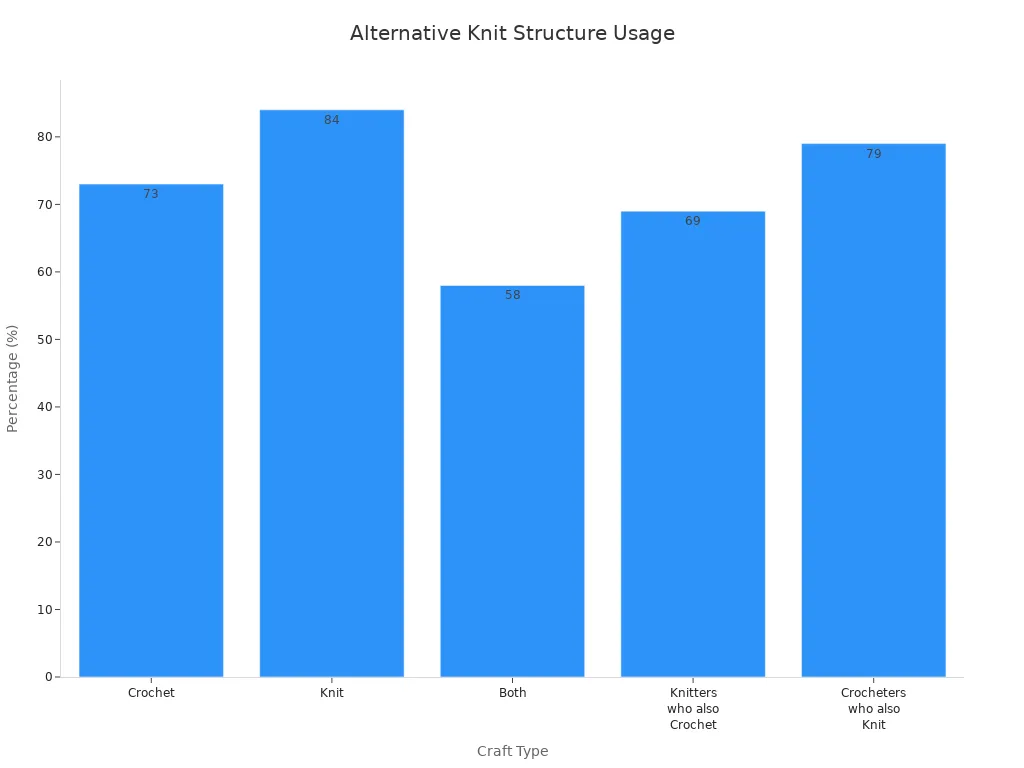
Lots of people like to try these crafts. About 84% of textile crafters knit, and 73% crochet. Many enjoy doing both. If you want something stretchy, textured, or strong and flat, these knit structures can help. Try them if embroidery or sewing do not work for your project. You might find a new favorite craft!
Picking between embroidery and sewing depends on your project. Sewing is good for making things you can use. Embroidery lets you add cool designs and details. Think about what you know and what you want to make. You can begin with simple things like towels, tote bags, or patches.
Important things to think about:
Try out different stitches to find your favorite.
Look at stitch dictionaries to help with embroidery.
Work on getting better and feeling proud of your work.
Don’t forget, be happy with what you make and have fun. Start with small projects, practice a lot, and show off your ideas! ✨
FAQ
What is the main difference between embroidery and sewing?
Embroidery lets you make fabric look pretty with designs. Sewing helps you put fabric pieces together to make or fix things. People use embroidery for art and sewing for making or fixing items.
Can I use a sewing machine for embroidery?
Some sewing machines can do simple embroidery with special settings. For more detailed designs, you need an embroidery machine. You can also do embroidery by hand if you want more control.
Which is easier for beginners: embroidery or sewing?
Sewing is usually easier for people just starting out. You can make easy things like pillowcases or bags. Embroidery takes more practice because you learn different stitches. Both are fun once you get used to them!
What projects can I make with both techniques?
You can sew a tote bag and add embroidery to decorate it. Try making pillowcases, quilts, or even clothes. Using both techniques makes your project strong and stylish.