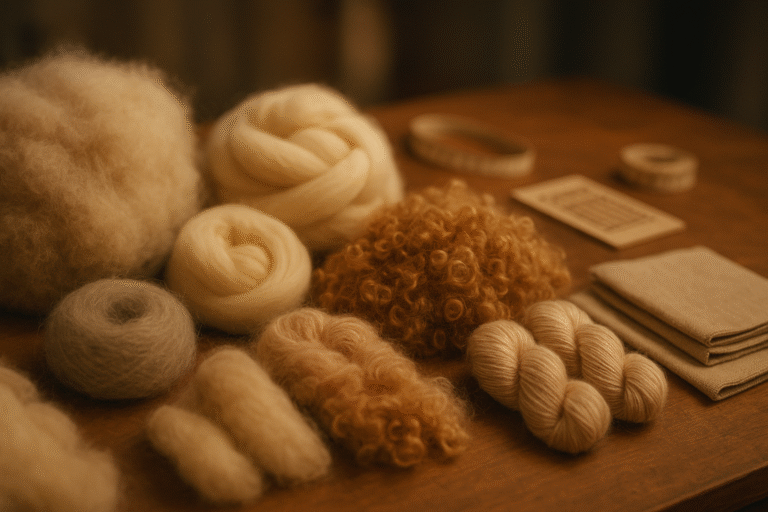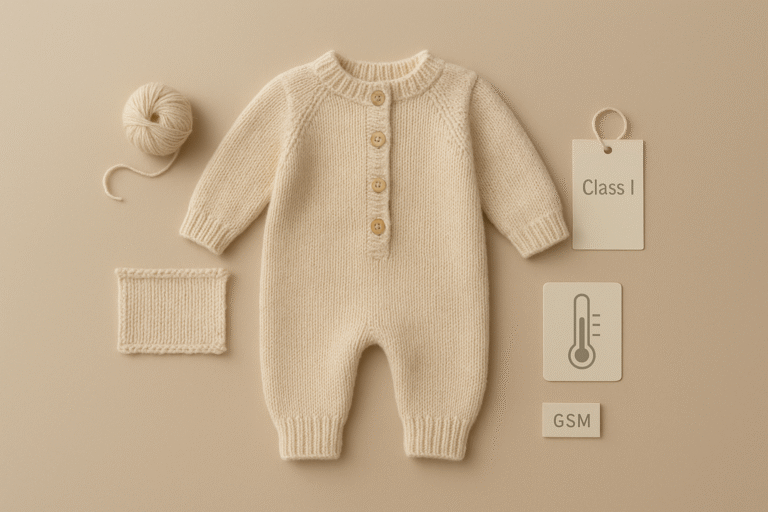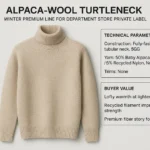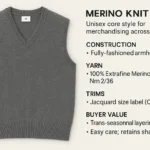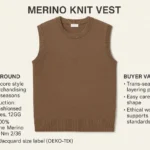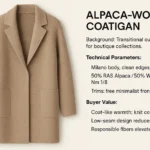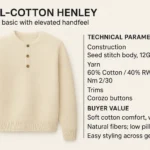

Choosing between Alpaca Wool vs Merino Wool depends on what you need. Alpaca wool keeps you warmer because it has more insulation. Merino wool feels softer for most people with sensitive skin. If you’re considering Alpaca Wool vs Merino Wool, remember that alpaca wool is better if you want something that lasts and is good for the planet. Merino wool works well for sports clothes and costs less money. Think about what is most important to you before you choose.
Need more warmth? Choose alpaca wool.
Want something soft? Go with merino wool.
Care about the earth? Alpaca wool is a good choice.
Key Takeaways
Pick alpaca wool if you want warmth and strength. It keeps you warm in cold weather. It also lasts longer than merino wool.
Pick merino wool if you want softness and many uses. It works well for sports and daily clothes. It often costs less than alpaca wool.
If your skin is sensitive, choose alpaca wool. It is hypoallergenic and does not make you itch. Some merino wool can cause itching.
Think about the environment. Alpaca wool is better for nature. Alpacas graze gently and make less methane.
Think about what you need. For luxury and warmth, pick alpaca wool. For sports and saving money, pick merino wool.
Origins

Alpaca Wool
Alpaca wool has a long history. People in the Andes mountains used it for clothes and warmth. They called it “The Fiber of the gods” because it kept them warm. Alpacas lived in Peru, Ecuador, Chile, Bolivia, and Northwest Argentina. These animals gave people wool and meat. Alpacas were very important in daily life.
Here is a simple table about alpaca wool’s history and regions:
Aspect | Alpaca Wool |
|---|---|
Historical Origins | Used by Amerindians of Peru for thousands of years before Europeans arrived. |
Geographic Regions | Raised in the Andes, in Ecuador, Peru, Chile, Bolivia, and Northwest Argentina. |
Significance | Gave warm clothes and meat; called ‘The Fiber of the gods’. |
Modern Production | Now exported to the US, Australia, and New Zealand; about 6,244 tonnes made in 2021. |
Today, alpaca wool farms are in other countries too. Farmers in the US, Australia, and New Zealand raise alpacas. They sell alpaca wool all over the world.
Merino Wool
Merino wool is popular for soft sweaters and sports clothes. Its story began in Spain. Now, Australia makes the most merino wool. Over 60,000 Australian farmers raise merino sheep. Most farms are family-owned. Families teach each other how to care for the sheep.
Australian farmers have made merino wool better for 200 years.
The industry helps many small towns.
Family farms keep old traditions and help the local economy.
When you pick merino wool, you support farming traditions. This fiber started in Spain, moved to Australia, and now is used everywhere.
Fiber Structure

Alpaca Wool vs Merino Wool
When you look at alpaca wool and merino wool, you see they are different. Alpaca wool has a hollow center. This center holds air and makes warm pockets. It keeps you warmer than merino wool. Merino wool has wavy fibers. These wavy fibers give some warmth, but not as much. Alpaca wool feels smoother because of its special structure. Merino wool feels bouncy because of the waves. You can check the table below to see how each fiber works:
Wool Type | Insulation Effectiveness | |
|---|---|---|
Alpaca Wool | Hollow core captures air, thermal pockets boost warmth. | Warmer, best for extreme cold. |
Merino Wool | Crimped fibers, less air trapping. | Good insulation, less than alpaca wool. |
You get different benefits from alpaca wool and merino wool. Both are natural fibers with their own special features.
Softness
How alpaca wool and merino wool feel is important. Alpaca wool has smoother scales. This means it does not feel scratchy. Many people think alpaca wool is five to ten times smoother than merino wool. Merino wool is thin, but its scales stick out more. Some people feel itchy from merino wool because it has lanolin. Alpaca wool does not have lanolin, so it is good for people with allergies. If you want soft wool, alpaca wool is gentle and smooth. The table below shows how each fiber feels:
Wool Type | Micron Count (µm) | Softness Characteristics | User Experience |
|---|---|---|---|
Alpaca | N/A | Smoother scales, less prickle, hypoallergenic | Feels 5–10 times smoother, preferred for comfort. |
Merino | 12–24 | Fine diameter, more cuticle scales | Can cause irritation for some, contains lanolin. |
Alpaca wool and merino wool both have good points for comfort and softness.
Color Options
Alpaca wool and merino wool come in different colors. Alpaca wool has many natural colors. You can find white, beige, brown, black, and grey. You do not need to dye alpaca wool. This helps the earth by using less dye. Merino wool is usually white. It takes dye well and can be very bright. Studies show sheep wool takes dye faster than alpaca wool. Alpaca wool’s structure makes it harder to dye. Its scales slow down the dye process. Alpaca wool gives you natural color and is better for the planet. You can pick the color and texture you like best.
Tip: If you want natural color and to help the earth, alpaca wool gives you more choices and is better than merino wool.
Warmth
Insulation
If you want to stay warm, wool is a good choice. Alpaca wool is special because of its fiber structure. Each alpaca fiber has tiny air pockets inside. These air pockets trap heat and keep you warm. Even when it gets very cold, alpaca wool helps you stay cozy. In a lab test, people wore alpaca wool in cold rooms. They felt comfortable in more temperatures than with merino wool. At 0°F, alpaca wool kept people warm up to 50°F. Merino wool only worked up to 30°F. This shows alpaca wool gives better insulation. It is a smart pick for cold weather clothes.
If you want to feel warm in freezing weather, alpaca wool keeps you cozy for a long time.
Extreme Weather
You may wonder how these fibers work outside. Both alpaca and merino wool protect you well. But they are best in different ways. Here is what people and tests say:
It keeps you comfy when you move and when you rest.
Wool fibers, like merino, work better than fake materials to keep your body warm.
Merino wool soaks up sweat but does not feel wet. This keeps your skin dry.
Alpaca wool is very warm, but merino wool is better for changing activities. If you want to hike, ski, or run, merino wool helps you stay comfy. If you need warmth for very cold or still times, alpaca wool is the best choice.
Durability
Longevity
When you choose a wool garment, you want it to last. Alpaca wool stands out for its strong fibers. These fibers resist stretching, so your clothes keep their shape even after many wears. You will notice that alpaca wool rarely pills. This means your sweater or scarf looks smooth and new for a long time. Merino wool also lasts well because it has natural elasticity. The fibers bend and then return to their original shape. This helps your clothes stay comfortable and fit well. However, merino wool may pill more than alpaca wool. If you take good care of it, you can reduce pilling and keep your merino wool looking nice.
Tip: If you want a sweater that keeps its shape and looks fresh, alpaca wool is a great choice. Merino wool is also durable, but you may need to watch for pilling.
Care
Taking care of your wool clothing helps it last longer. Both alpaca and merino wool need gentle care. You should wash them by hand and let them dry flat. This keeps the fibers strong and prevents shrinking or stretching. You do not need to wash wool often. Only clean it when it is dirty or at the end of the season.
Here are some care tips for alpaca wool:
Care Instruction for Alpaca Wool | Description |
|---|---|
Hand Washing | Use warm water (10-20 degrees) with a mild shampoo. |
Drying | Lay flat to air dry, avoiding creasing. |
Laundering Frequency | Only launder when necessary or at the end of each Winter season. |
Dry Cleaning | Recommended as a gentle option for laundering. |
Machine Washing | Alpaca wool is resistant but hand washing is preferred. |
For merino wool, you can follow similar steps. Use a gentle detergent made for wool. Always lay your clothes flat to dry. Avoid wringing or twisting the fabric.
Note: Gentle care helps both alpaca and merino wool last for many years. If you treat your wool clothing well, you will enjoy its warmth and softness season after season.
Moisture Management
Breathability
You want your clothes to let your skin breathe, especially when you move a lot. Both alpaca wool and merino wool allow air to pass through their fibers. This helps keep you comfortable in different weather. When you wear alpaca wool, you feel fresh because the fibers have tiny gaps. These gaps let air move in and out. Merino wool also lets air flow, but it does something extra. It moves sweat away from your skin faster. This makes merino wool a top choice for sports and outdoor fun.
Alpaca wool and merino wool both offer good breathability.
Merino wool works better for high-energy activities because it moves moisture away quickly.
You stay dry and cool when you wear merino wool during exercise.
Tip: If you plan to hike, run, or play outside, merino wool helps you stay comfortable by letting your skin breathe and keeping sweat away.
Moisture-Wicking
Moisture-wicking properties matter when you sweat. Merino wool stands out because it can absorb up to 30% of its dry weight in water vapor. This means your shirt or socks will not feel wet, even if you sweat a lot. Merino wool pulls moisture away from your skin and spreads it out so it can dry fast. You stay dry and warm, even during tough activities.
Alpaca wool has different moisture-wicking properties. It does not soak up water as much as merino wool. Instead, alpaca wool repels water. This keeps light rain or snow from soaking in, but it does not move sweat away as well. You might feel damp if you sweat a lot in alpaca wool.
Merino wool is ideal for running, hiking, or any activity where you sweat.
Alpaca wool is more water repellent but less effective at moving sweat away.
Note: Choose merino wool if you need clothes that keep you dry during exercise. Pick alpaca wool if you want something that resists rain and snow.
Skin Sensitivity
Hypoallergenic
If your skin is sensitive, you want gentle fibers. Alpaca wool is a great choice for people with allergies. Alpaca fibers do not have lanolin. Lanolin is a natural oil in sheep’s wool, like merino wool. Some people get itchy or red skin from lanolin. You do not need to worry about this with alpaca wool.
Merino wool has lanolin, which can bother some people’s skin.
If you are allergic to lanolin, alpaca wool is safer.
You can wear alpaca wool close to your skin. It will not cause allergies. This makes it good for scarves, hats, and sweaters.
Tip: If regular wool makes you itchy, try alpaca wool. It is softer and better for people with allergies.
Itchiness
No one wants a sweater that makes them scratch. Alpaca wool feels smooth and soft because of its fiber shape. The scales on alpaca fibers are flatter and smoother than merino wool. This means less rubbing on your skin and less itch.
Alpaca wool’s smooth feel helps stop itchiness, even for sensitive skin.
Merino wool can feel itchy, especially if your skin is sensitive or the wool is not superfine.
Superfine merino wool (under 17.5 microns) can work for sensitive skin, but alpaca wool is usually better.
You will see that alpaca wool feels gentle and comfy, even after hours. Merino wool can also feel soft, especially if you pick superfine types, but some people still feel itchy.
Note: If you want the softest and least itchy wool, alpaca is often best for sensitive skin.
Odor & Protection
Odor Resistance
You want your clothes to stay fresh, especially when you wear them for long hours. Both alpaca wool and merino wool help you fight bad smells. These fibers have natural properties that stop bacteria from growing. Bacteria cause odor when you sweat. Alpaca wool resists odor because its fibers do not trap moisture. You can wear alpaca wool for days, and it will not smell bad. Merino wool also does a great job. It absorbs sweat and keeps bacteria away. Many hikers and athletes choose merino wool for this reason.
Here is a quick comparison:
Wool Type | Odor Resistance Level | How It Works |
|---|---|---|
Alpaca | High | Repels moisture, blocks bacteria |
Merino | High | Absorbs sweat, stops bacteria |
Tip: If you want clothes that stay fresh after many wears, both alpaca and merino wool are smart choices. You do not need to wash them often.
UV & Flame
You need protection from the sun and fire when you spend time outdoors. Alpaca wool and merino wool both give you strong defense. Alpaca wool blocks most UV rays. You get natural sun protection when you wear it. Merino wool also protects you from the sun, but alpaca wool does a better job. If you want extra safety, alpaca wool is the winner.
Both fibers resist flames. Wool does not burn easily. If you hold a flame to alpaca or merino wool, the fabric will char and stop burning once you remove the heat. This makes wool a safe choice for camping or working near fire.
Here are the main benefits:
Alpaca wool gives you better UV protection than merino wool.
Both alpaca and merino wool resist flames and do not melt.
You stay safer in the sun and near fire with wool clothing.
Note: Choose alpaca wool for the best sun protection. Both types of wool help keep you safe from fire.
Sustainability
Environmental Impact
When you think about wool and the environment, there are a few things to consider. You should look at how animals eat grass, how much methane they make, and how the fibers break down in nature. Alpacas and sheep affect the land and air in different ways.
Alpacas eat grass gently. They do not pull up the roots. This keeps the soil healthy and stops erosion.
Sheep, which give us merino wool, eat grass more roughly. They can hurt plants and soil if not watched closely.
Alpacas make less methane than sheep. Methane is a strong greenhouse gas. It traps heat in the air more than carbon dioxide.
Sheep let out about 25 liters of methane every day. This makes merino wool have a bigger effect on the environment.
Here is a table to help you compare:
Animal | Grazing Habits | Methane Emissions |
|---|---|---|
Alpacas | Gentle grazing, preserves soil quality | Produce less methane than sheep |
Sheep | More aggressive grazing, can damage vegetation | Higher methane emissions |
Making merino wool also creates more greenhouse gases. Depending on how it is made, it can release between 7.83 and 35.8 kg of CO2 for each kilogram of wool. There is not as much data for alpaca wool, but because alpacas make less methane, their wool has a smaller carbon footprint.
Both alpaca and merino wool are natural fibers. They break down in the soil and give nutrients back to the earth. Merino wool can break down by 95% in about 15 weeks. Alpaca wool is also used to make things that break down in nature. This helps the planet and means we use less oil.
If you want to help the earth, alpaca wool is usually the better pick.
Certifications
You can check for certifications to make sure your wool is made the right way. These certifications look at how animals are treated, how the land is cared for, and how people are treated.
Certification Name | Requirements |
|---|---|
Responsible Alpaca Standard (RAS) | Evaluates animal welfare, land management, and social requirements for alpaca wool producers. |
Many merino wool makers also follow strict rules, but the Responsible Alpaca Standard is a top example for alpaca wool. Picking certified wool helps you support good practices and makes the wool industry better for the planet.
Price & Value
Cost
When you shop for garments made from alpaca wool or merino wool, you will notice a difference in price. Alpaca wool often costs more than merino wool. You might pay between 10 and 100 euros for one kilogram of alpaca wool. Scarves made from alpaca wool usually cost 80 to 100 euros. Jumpers and ponchos can reach 200 euros. The price goes up for rare colors or very fine fibers. You pay more for luxury garments made from alpaca wool because of their softness and warmth.
Merino wool is more common in performance clothing. You can find a 100-gram ball of merino wool for 10 to 50 euros. Jumpers and cardigans made from merino wool range from 50 to 200 euros. Scarves cost between 20 and 80 euros. The price depends on quality, brand, and how the clothing is made. Both types of wool change in price with market demand, fiber quality, and where the wool comes from.
Here is a quick comparison:
Product Type | Alpaca Wool Price (euros) | Merino Wool Price (euros) |
|---|---|---|
Scarves | 80–100 | 20–80 |
Jumpers/Cardigans | 200 | 50–200 |
Raw Wool (per kg) | 10–100 | N/A |
Yarn (100g ball) | N/A | 10–50 |
Tip: If you want performance clothing at a lower price, merino wool gives you more options. For special garments with a luxury feel, alpaca wool is worth the higher cost.
Availability
You will find merino wool garments in many stores. Merino sheep live in many countries, and farmers produce large amounts of wool each year. This makes merino wool easy to find for performance clothing and everyday clothing. You can buy merino wool garments in most outdoor shops and online.
Alpaca wool is less common. Most alpaca wool comes from South America, and fewer farms raise alpacas worldwide. You may need to look in specialty shops or online stores to find alpaca wool garments. Some regions have more alpaca wool clothing, but it is not as widely available as merino wool. If you want unique garments or natural colors, alpaca wool offers something special.
Merino wool is easy to find for performance and everyday clothing.
Alpaca wool is rarer and often found in specialty shops.
Both types of garments offer warmth, but your choice depends on what you can find and what you want to spend.
Note: If you want the best mix of price, performance, and easy shopping, merino wool is a strong choice. For rare, soft, and warm garments, alpaca wool stands out.
Best Uses
Outdoor & Activewear
You need clothes that work hard when you do. Merino wool is great for outdoor sports. It helps control sweat and keeps smells away. You can wear merino wool for hiking, running, or biking. The fiber soaks up a lot of water vapor, so you stay dry. Merino wool keeps you comfy in hot or cold weather. It works from -5°C to 35°C. You can use it all year.
Alpaca wool is also good for activewear. Its fibers trap air, so you stay warm. Alpaca wool lets your skin breathe better. It dries fast and feels soft on your skin. You can wear alpaca wool as a baselayer in cold places. It keeps you fresh because it fights odor.
Here is a table that shows how merino wool compares to other materials for outdoor clothes:
Performance Metric | Merino Wool | Polyester | Cotton | Viscose |
|---|---|---|---|---|
Moisture Buffering | 96% better | 100% | 45% | 26% |
Temperature Regulation Range | -5°C to 35°C | N/A | N/A | N/A |
Odor Resistance | Yes | No | No | No |
Moisture Absorption Capacity | 1/3 of weight | N/A | N/A | N/A |
Merino wool gives you steady performance for outdoor fun. Alpaca wool gives you more warmth and lets air move. Both are natural and good for the earth.
Tip: Pick merino wool for sports and changing weather. Choose alpaca wool for cold, dry places and strong baselayers.
Luxury & Lifestyle
You want clothes that feel nice and look fancy. Alpaca wool feels soft and smooth. Many people love how it feels. Alpaca wool comes in natural colors like white, brown, and black. You do not need to dye it, so it is better for the earth. Alpaca wool does not pill much and keeps its shape for years. You can wear alpaca wool scarves, sweaters, and ponchos for a fancy look.
Merino wool is also soft and gentle. You find it in nice sweaters, cardigans, and clothes for every day. Merino wool is easy to dye, so you get bright colors and cool styles. It is good for people who want comfort and many choices. You can wear merino wool at home, at work, or when you travel.
Here is a table that compares alpaca wool and merino wool for comfort and how long they last:
Metric | Alpaca Wool | Merino Wool |
|---|---|---|
Fiber Diameter | 15-40 microns | 17-24 microns |
Air Permeability | Higher ventilation | Moderate ventilation |
R-value | Higher insulation | Moderate insulation |
Moisture Management | Limited wicking | Limited wicking |
Drying Time | Similar to merino | Similar to alpaca |
Comfort | Softer feel, less itching | Soft feel, may cause itching |
Alpaca wool gives you a fancy and soft feel. Merino wool gives you style and comfort for every day. Both are natural and help the planet.
Note: Pick alpaca wool for a soft, fancy feel. Choose merino wool for style, color, and many uses.
Alpaca vs. Merino Wool Verdict
You want to know which wool is best for you. Alpaca wool gives you more warmth and feels softer. It is strong and lasts a long time. Alpaca wool is best for baselayers, fancy clothes, and cold weather. It is good for the earth because alpacas eat gently and make less methane. You get natural colors and a smooth feel.
Merino wool is great for outdoor fun. It helps with sweat, keeps you comfy, and fights odor. You find merino wool in sports clothes and everyday wear. It is easy to buy and costs less than alpaca wool. You get comfort and many uses.
Some brands mix alpaca wool with merino wool or Tencel. These blends are stronger and softer. Your clothes last longer. Alpaca wool is strong, so it does not wear out fast. Merino wool fibers lock together and add strength. Blends give you the best of both.
Alpaca wool: Best for warmth, fancy feel, earth-friendly, and sensitive skin.
Merino wool: Best for sports, outdoor wear, many uses, and lower price.
Blends: Good for strength, softness, and lasting longer.
Tip: Think about what you need most. If you want warmth and a fancy feel, pick alpaca wool. If you want clothes for sports and many uses, choose merino wool. Both are natural, good for the earth, and high quality.
Pick alpaca wool if you want extra warmth or a fancy feel. It is also good if you need something gentle for allergies. Merino wool is better if you want clothes for sports or daily use. It also costs less money. Look at the table to help you decide which fiber is best for you:
Factor | Alpaca Wool | Merino Wool |
|---|---|---|
Warmth | Warmer | Good warmth |
Luxury | Silky feel | Premium, less silky |
Sensitivity | Hypoallergenic | May irritate skin |
Versatility | Cozy garments | Everyday, activewear |
Performance | Less moisture control | Superior durability |
Affordability | More expensive | More affordable |
Both types of wool are good for the earth. They come from animals and break down in nature. Alpaca wool needs fewer chemicals and less land for grazing. This helps keep the land healthy.
Merino wool is good for the planet and breaks down over time.
Alpaca wool is gentle on the earth and comes in many natural colors.
Both kinds of wool help keep nature safe.
FAQ
What makes alpaca wool more eco-friendly than merino wool?
You help the planet when you choose alpaca wool. Alpacas graze gently and produce less methane. This supports sustainable practices and keeps the land healthy. Alpaca wool also comes in many natural colors, so you need less dye.
Can you wear alpaca wool or merino wool in summer?
You can wear both fibers in summer. Merino wool works well for hot days because it wicks sweat and keeps you cool. Alpaca wool lets your skin breathe and feels light, so you stay comfortable.
Which wool is best for people with allergies?
You should try alpaca wool if you have allergies. It does not have lanolin, so it rarely causes itching or rashes. Merino wool contains lanolin, which can bother sensitive skin.
How do you care for alpaca wool and merino wool clothing?
You should wash both by hand in cool water. Lay your clothes flat to dry. This keeps the fibers strong and helps your garments last longer. Avoid wringing or twisting the fabric.
Is alpaca or merino wool better for sustainable high performance gear?
You get great results from both. Merino wool is popular for outdoor sports because it manages sweat well. Alpaca wool gives you more warmth and lasts longer. Both support sustainable high performance gear choices.