
You may wonder which is better for your next outdoor trip: fleece vs wool. Both materials help you stay warm in cold weather. Fleece comes from synthetic fibers and feels soft, while wool is a natural material from sheep. You need warm clothing for outdoor clothing, especially when you want a warm winter coat or winter clothing. Each material offers unique performance. Your choice depends on what you want from your clothing and how you plan to use it.
Key Takeaways
Fleece is light, dries fast, and costs less. It is great for easy outdoor fun and for wearing in layers. Wool keeps you very warm and pulls sweat away from your skin. It also does not smell bad easily. Wool is best for long trips in cold or wet places. Think about the weather and how active you will be. Fleece works better when it is wet outside. Wool is best when it is dry and cold. You can use both materials together for the best results. Wear wool close to your skin and fleece over it for more warmth and comfort. Take care of your fleece and wool the right way. This helps them last longer and work well. You will get more use out of your outdoor clothes this way.
Fleece vs Wool Overview

Fleece
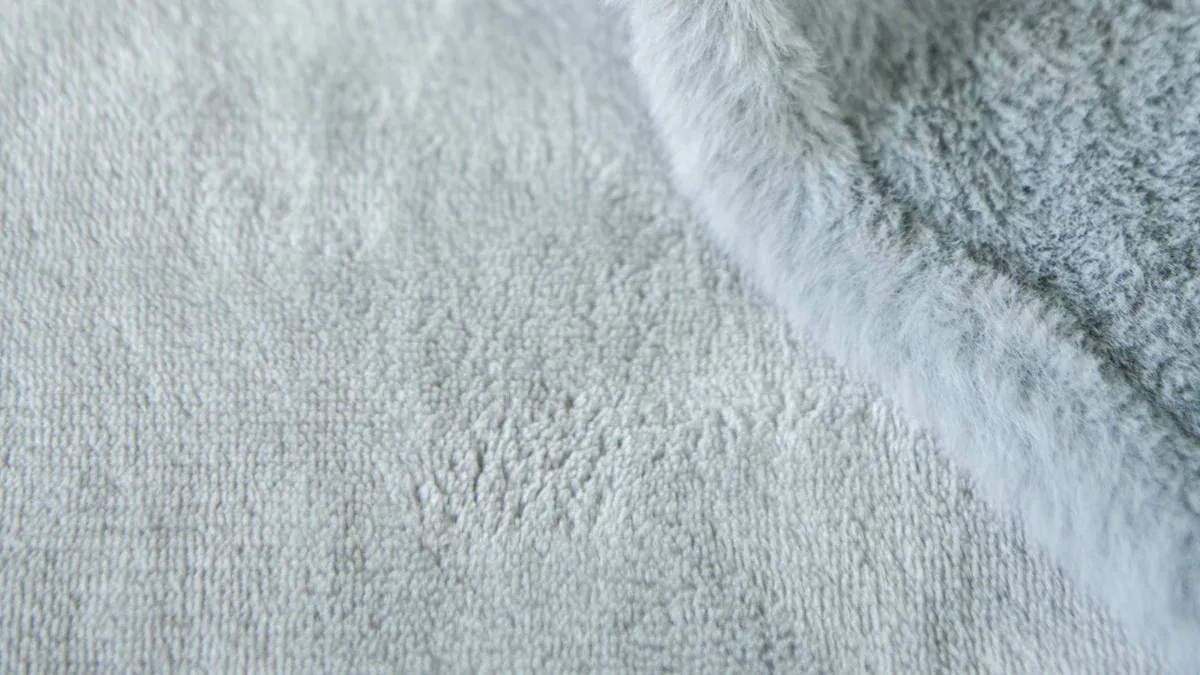
You often see fleece in outdoor clothing because it feels soft, dries quickly, and keeps you warm. Fleece comes from synthetic fibers, usually polyester. This material traps air, which helps you stay warm even when the weather turns cold. You can find many types of fleece, each with special properties. For example, polar fleece is thick and fuzzy, making it great for cold days. Microfleece feels lighter and works well for layering. Sweatshirt fleece has a soft inside and a smooth outside, so you get comfort and style. Terry fleece absorbs water and feels luxurious, while boa or sherpa fleece looks and feels like wool but stays soft after many washes.
Here is a table showing common types of fleece and their main features:
Type of Fleece | Characteristics |
|---|---|
Polar Fleece | Soft, double-sided, mimics wool, made from polyester |
Microfleece | Lightweight, breathable, good for layering |
Sweatshirt Fleece | Soft inside, cotton jersey outside |
Terry Fleece | Absorbs water, luxurious feel |
Boa/Sherpa | Plush, wool-like, keeps texture after washing |
Slub Fleece | Textured, used in athletic wear, cotton and polyester |
You can choose fleece for its warmth, easy care, and quick drying. Many people like fleece for hiking, camping, or just relaxing outside.
Wool
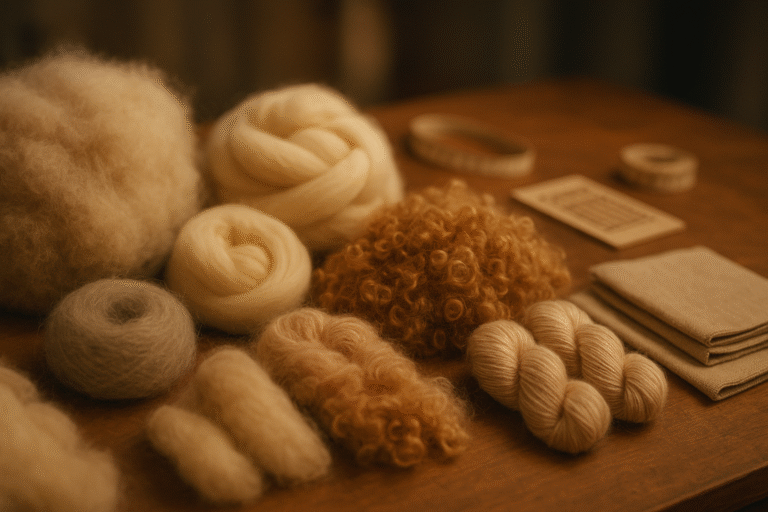
Wool comes from sheep and has natural properties that make it special for outdoor adventures. You get warmth without much weight, and wool can repel water to some extent. Wool fibers trap heat, so you stay warm even if your clothing gets damp. Wool fleece is a popular type because it feels light but keeps you cozy. Wool also resists odors, which helps if you wear your clothing for many days in a row.
You might notice that wool feels different from fleece. Some wool feels soft, while other types feel a bit scratchy. Modern wool clothing often uses fine fibers, so you get more comfort. Wool works well for base layers, sweaters, and hats. You can trust wool to keep you warm, dry, and comfortable during your outdoor trips.
Tip: When you compare fleece vs wool, think about the weather, your activity, and how much care you want to give your clothing. Both materials offer unique benefits for outdoor use.
Warmth and Insulation
Warmth
You need to stay warm when you go outside. Fleece and wool both help keep your body heat in cold weather. Fleece has a bumpy surface that traps air. This air makes a warm layer around you. Wool also traps air inside its fibers. Wool does something extra. It can change with the temperature. This helps you feel good in different weather. People pick these fabrics because they insulate well for outdoor use.
Wool stays warm even when it gets wet. It can soak up water but does not feel damp.
Fleece keeps heat close to your skin. It dries fast if it gets wet.
Insulation
Insulation helps you stay comfortable outside. You want clothes that stop your body heat from leaving. Tests in labs show fleece and wool insulate about the same when dry. Both are good for jackets, hats, and gloves.
Condition | Fleece Insulation | Wool Insulation |
|---|---|---|
Dry | Similar | Similar |
Wet | Significant loss | Significant loss |
Both lose some insulation when wet. Fleece dries faster. This helps it get warm again sooner.
Wet Conditions
You may face rain, snow, or sweat outside. Wool and fleece lose warmth when wet, but act differently. Tests outside show wet wool loses a lot of warmth. You might feel cold if your wool clothes get soaked. Fleece keeps more heat when damp. It dries fast, so you get warm again quickly. If you think it will be wet, fleece may keep you more comfortable.
Tip: Pick fleece if you might get wet. Choose wool for dry, cold days when you want steady warmth.
Moisture and Breathability
Moisture Wicking
When you spend time outdoors, you want clothing that keeps sweat away from your skin. Fleece and wool both act as moisture wicking materials, but they do this in different ways. Fleece pulls sweat from your body and spreads it across the fabric. This process helps sweat evaporate quickly. You stay dry and comfortable, even during high activity. Wool also moves moisture away from your skin. The fibers absorb water vapor and release it into the air. Wool can hold up to 30% of its weight in moisture without feeling wet. This feature keeps you warm and dry in changing weather.
Breathability
You need breathable clothing for outdoor adventures. Fleece lets air move through the fabric, so heat and sweat escape fast. This makes fleece a good choice for high-energy activities. Wool is also very breathable. The natural fibers allow air to flow, which helps regulate your body temperature. You feel cool when it is warm and warm when it is cold. Both fleece and wool are quick-drying, but fleece dries faster after getting wet. Wool takes longer to dry, but it still keeps you warm even when damp.
Here is a quick comparison:
Feature | Fleece | Wool |
|---|---|---|
Breathable | Yes | Yes |
Quick-drying | Very fast | Moderate |
Moisture wicking | Good | Excellent |
Tip: Choose fleece for activities where you sweat a lot and need quick-drying gear. Pick wool if you want steady warmth and breathable comfort in cool weather.
Odor Resistance
You may notice that some clothes smell after a long hike. Wool, especially Merino wool, stands out for odor resistance. The fibers capture and bind odor molecules, so smells do not build up. Merino wool also has natural antimicrobial properties. This means you can wear wool for several days without worrying about odor. Outdoor enthusiasts often prefer wool for multi-day trips. Fleece does not resist odor as well. You may need to wash fleece more often to keep it fresh.
Merino wool prevents odor buildup better than other fabrics.
Wool stays fresh longer, even after heavy use.
Fleece needs more frequent washing to avoid smells.
Comfort and Wear
Softness
You want your outdoor clothing to feel good against your skin. Fleece feels soft and smooth right away. Many people enjoy the gentle touch of fleece, especially when wearing it as a mid-layer or jacket. Wool can feel different. Some types, like Merino wool, feel soft and fine. Other types may feel scratchy at first, but modern processing makes most wool clothing much more comfortable than in the past. If you have sensitive skin, you may prefer fleece for its gentle texture. Wool, especially high-quality Merino, also offers comfort for long days outside.
Weight
Weight matters when you pack for outdoor adventures. Lighter clothing helps you move easily and keeps your backpack light. You can compare the weight of fleece and wool by looking at grams per square meter (GSM):
Fleece Type | |
|---|---|
Lightweight Fleece | 100 |
Midweight Fleece | 200 |
Heavyweight Fleece | 300 |
Light Merino wool: 150-190 GSM
Medium Merino wool: 200-300 GSM
Heavy Merino wool: 300+ GSM
Both fleece and wool come in different weights. Lightweight fleece and light Merino wool work well for base layers. Heavier options add more warmth. You can choose the right weight for your activity and weather.
Layering
Layering helps you stay warm and dry in changing conditions. You need the right materials for each layer. Wool, especially Merino, works well as a base layer. It gives you warmth without bulk and wicks moisture away from your skin. Fleece makes a great mid-layer. It traps heat and dries quickly. You can combine wool and fleece for better performance. For example, wear a wool base layer and a fleece jacket. This system keeps you warm, dry, and comfortable.
Choose fitted but not tight base layers for best results.
Use lightweight wool or fleece for base layers.
Pick mid-layers that trap heat but let air flow.
Tip: Try different combinations of fleece and wool to find the best comfort and warmth for your outdoor adventures.
Durability and Care
Fleece Care
You want your fleece to last and stay soft. Good care helps you keep its warmth and comfort. Follow these tips for best results:
Wash fleece in cold water and avoid high heat in the dryer. High temperatures can shrink the fabric and make it less soft.
Use a small amount of white vinegar in the rinse cycle. This keeps your fleece breathable and absorbent.
Store fleece in a cool, dry place away from sunlight. Do not hang it, as this can stretch the fabric.
Treat stains right away. Blot with a mild detergent and avoid rubbing.
Air out your fleece between washes. This reduces wear from frequent washing.
Mend small holes or loose threads quickly. This helps your fleece last longer.
Use a steamer for wrinkles. Ironing can damage the fluffy texture.
When you buy fleece, choose high-quality cotton or blends. These options give you better durability and comfort.
Wool Care
Wool needs special care to keep its shape and feel. You can follow these steps:
Always read the care label before washing.
Wash wool in cold water with a mild detergent. Hot water or bleach can cause shrinkage.
Lay wool flat to dry. Hanging can stretch the garment.
Turn garments inside out before washing to keep them looking new.
Separate dark and light colors to prevent color bleeding.
Use a soft brush after wearing to remove dirt.
Rest wool for 24 hours before wearing again. This lets the fibers recover.
Store wool clean and dry in airtight containers to protect from moths.
If you care for wool properly, you keep its natural properties and increase its durability.
Longevity
You want your outdoor clothing to last through many adventures. Wool garments often last over 50% longer than cotton. On average, people wear wool items about 79 times before replacing them. Some wool pieces reach up to 109 wears. Fleece also offers good durability, especially if you follow care instructions and mend small issues early. Both fleece and wool can serve you well for years if you treat them right.
Tip: Take time to care for your fleece and wool. This helps you get the most value and comfort from your outdoor gear.
Environmental Impact
Fleece Sustainability
Fleece is a common choice for outdoor clothes, but it can hurt the environment. Fleece is made from polyester, which is a kind of plastic. When you wash fleece, it can lose up to 250,000 tiny fibers. Water plants only catch about 60% of these fibers. Many fibers go into rivers and oceans. If 100,000 jackets are washed in a year, that is like putting 11,900 grocery bags worth of fibers into water. These microfibers do not break down and can hurt fish and other animals.
Note: Fleece does not break down in nature. It can stay in landfills for hundreds of years and adds to pollution. Even if you recycle fleece, it still makes microplastics that last a long time.
Wool Sustainability
Wool is a more natural choice for outdoor gear. Wool comes from sheep and can be replaced as sheep grow more. When you throw away wool, it breaks down in months or years. As it breaks down, it gives nutrients to the soil. Some wool is ethically sourced, which means farmers care for sheep and the land.
Wool breaks down in nature and does not pollute.
Ethical wool helps animals and keeps farms healthy.
Making wool uses less fossil fuel than making fleece.
Wool is better for the planet when you think about the environment. You can help by picking natural fibers and buying from brands that care about animals and nature.
Cost Comparison
Price
When you shop for outdoor clothing, you notice a big difference in price between fleece and wool. Fleece costs less. You can find a good fleece jacket for a low price at most stores. This makes fleece a smart choice if you want to save money or need gear for casual trips. Wool, especially Merino wool, costs more. You pay a higher price for a wool sweater or base layer. The price goes up because wool comes from animals and takes more work to produce.
Material | Average Price Range | Common Uses |
|---|---|---|
Fleece | $20 – $80 | Jackets, mid-layers |
Wool | $60 – $200 | Base layers, sweaters |
Tip: If you want to try outdoor adventures without spending much, start with fleece. If you plan to spend a lot of time outside, think about investing in wool.
Value
You want your outdoor clothing to last and perform well. Fleece gives you good value for short trips or light use. It works well for school, walks, or camping in mild weather. Wool costs more at first, but it lasts longer. Wool resists wear and keeps its shape after many washes. You get better moisture control and warmth in tough conditions. Many outdoor fans choose wool for long hikes or cold weather because it stays fresh and strong. Over time, wool gives you more value for your money, especially if you use it often.
Note: You may pay more for wool, but you get a product that lasts and works better in extreme weather. This makes wool a smart choice for serious outdoor use.
Which Is Better for Outdoor Use
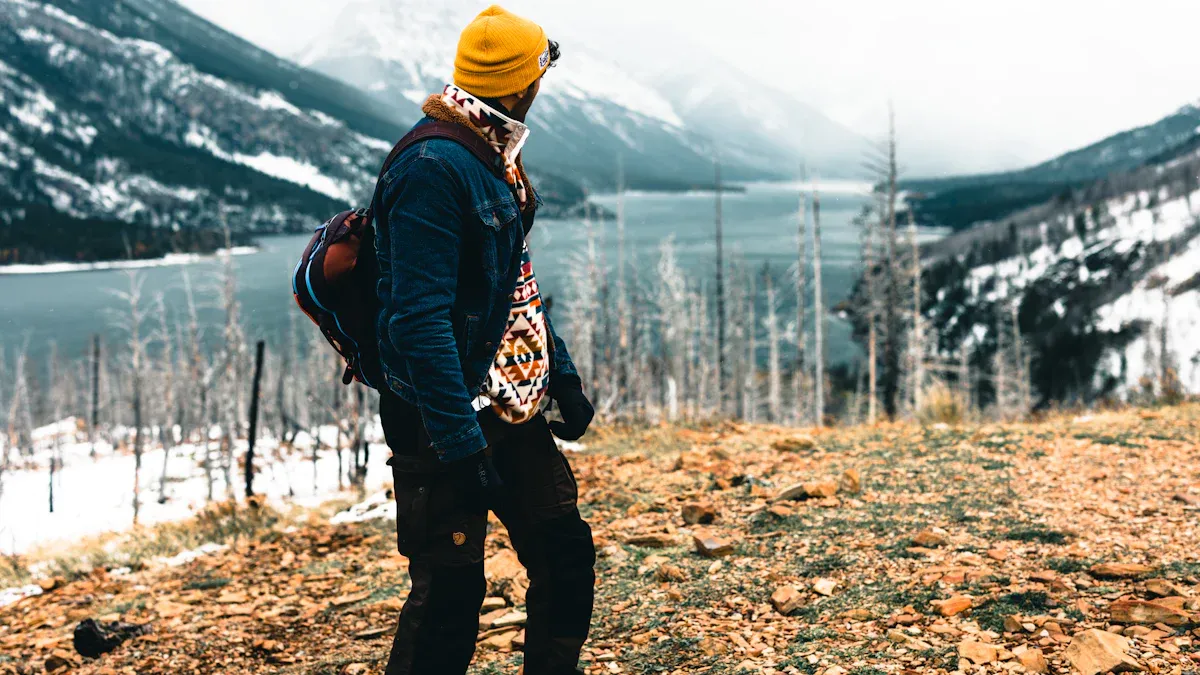
Picking fleece or wool for outdoor trips depends on what you do, the weather, your budget, and how comfy you want to be. You want to stay warm, dry, and cozy. You also want to pick something good for the planet and your money. Let’s see how fleece and wool work in different situations.
Hiking and Camping
If you go hiking or camping, you need clothes that keep you warm and dry. Experts often say wool is best for these trips. Wool gives great warmth and pulls sweat away from your skin. It helps you feel good in cold and wet places because it resists water. You can wear wool for many days and not worry about bad smells. This is helpful on long trips. Fleece costs less and dries fast, but it does not keep you as warm if it gets wet.
Wool is usually picked for its warmth and sweat-wicking.
Wool resists water, so it works well in cold, wet places.
Fleece is cheaper but does not work as well in cold, wet weather.
You can wear wool as your first layer and put a fleece jacket on top. This mix gives you the best of both. Wool keeps you warm and dry. Fleece adds more warmth and dries fast if it gets wet.
High-Intensity Activities
If you like running, biking, or climbing, you need clothes that handle sweat and let you move. Fleece and wool both have good points, but they work in different ways. Fleece dries very fast, so you stay comfy when you move a lot. It is light and easy to pack, which helps if you travel far. Wool pulls sweat off your skin and keeps you warm, but it holds water longer than fleece.
Fleece Characteristics | Wool Characteristics | |
|---|---|---|
Breathability | Not as breathable, better for slow activities | Very breathable, good for sweaty activities |
Warmth | Warm but can get too hot when moving a lot | Stays warm even when wet, good for changing weather |
Durability | Strong, keeps warmth longer | Not as tough but does not smell |
Climate Compatibility | Dries fast in very wet places | Keeps warmth when damp |
Activity Level | Good for easy activities like winter camping | Better for active things like skiing uphill |
You might pick fleece for short, fast trips or as a middle layer. Wool is better for long, active trips when you need warmth and no bad smells. If you sweat a lot, wool helps keep you dry and fresh.
Wool is good at pulling sweat away but holds water longer.
Wool does not smell bad and can be worn many times.
Fleece can start to smell after hard use.
Everyday Use
For daily outdoor stuff, you want clothes that feel nice, last long, and are easy to wash. Many people look at the good and bad sides of both before picking. Wool gives great warmth and lasts a long time, but it needs special care and costs more. Fleece is soft, easy to wash, and costs less, but it may not last as long or keep you as warm in very cold weather.
Wool Advantages | Wool Disadvantages | Fleece Advantages | Fleece Disadvantages | |
|---|---|---|---|---|
Durability | Lasts long and can take rough use | Needs good care or it loses its good features | Lasts long and costs less | May not last as long as wool |
Warmth | Very warm in cold weather | Not as warm if it gets wet | Stays warm even when wet | Not as warm in very cold places |
Weight | Heavier, keeps warm air in | Hard to dry if wet | Light and easy to carry | Not as warm as wool |
Softness | Warm but can feel itchy | Not comfy for sensitive skin | Soft and comfy, feels like cotton | Not as warm as wool |
Moisture Wicking | Keeps you dry, repels water | Can get soaked | Does not soak up water, stays dry | Not as warm when wet |
Ease of Care | Needs special care, best to hand wash | Can get ruined easily | Easy to wash in a machine, low care | Can get ruined by high heat |
Cost | Costs more because there is less of it | Hard to find, so price is higher | Costs less because it is made in factories | May not be as good as wool |
You might pick fleece for daily use if you want something soft, light, and easy to clean. Wool is good if you want warmth, no bad smells, and long-lasting clothes, especially for winter.
Practical Guidance and Versatility
You may still wonder which is best for you. Think about what you do, the weather, your budget, and how much care you want to give your clothes. Wool is best for cold, wet, or long trips when you need warmth and no bad smells. Fleece is best for dry, cold days, hard activities, or when you want something light and cheap.
Material | Ideal Scenarios |
|---|---|
Wool | Long hunts in wet or changing weather. |
Wool | Waiting in one spot while hunting. |
Wool | Hunting trips that last many days. |
Wool | Sitting still or when weight does not matter. |
Fleece | Dry, cold places where light gear is important. |
Fleece | Fast hunts with lots of moving. |
Fleece | Short trips or as a middle layer. |
Fleece | Backpacking and long walks. |
Tip: You do not have to pick just one. Many experts say to have both fleece and wool. Use wool for your first layer and long trips. Add fleece for more warmth or when you need clothes to dry fast. This way, you get the good parts of both and are ready for any outdoor trip.
Now you can make a smart choice for your next adventure. Think about the good and bad sides of each, and pick the best mix for your outdoor clothes.
Pros and Cons
Fleece Pros and Cons
Fleece has many good points for outdoor trips. It feels soft and is comfy to wear. Fleece dries fast if it gets wet. You can pack it easily because it is light. Many people like that fleece keeps them warm and looks nice. Some fleece, like grid fleece, helps control your body heat. Grid fleece is also good for wearing in layers.
Here is a table that shows the main good and bad things about grid fleece:
Pros | Cons |
|---|---|
Lightweight | Less warm than thick fleece |
Packable | Less wind-resistant |
Quick-drying | Can shed microfibers |
Durable | Only semi-breathable |
Versatile | Can be hard to layer |
Comfortable | |
Stylish |
Fleece also has some bad sides. Thick fleece can be big and hard to carry. Fleece does not block wind very well. When you wash fleece, it can lose tiny fibers. These fibers are bad for nature. Some fleece is heavy and takes up more space in your bag.
Tip: Fleece is warm, dries fast, and feels nice. But it can be bulky, lose tiny fibers, and not stop wind well.
Wool Pros and Cons
Wool has many good things for outdoor use. It keeps you warm even if it gets damp. Wool pulls sweat away from your skin. It helps stop bad smells. Merino wool feels soft and helps keep your body at a good temperature. You can wear wool for many days and it will not smell bad.
Here is a quick look at the main good and bad things about wool:
Pros | Cons |
|---|---|
Can feel itchy | |
Warmth | Slow to dry |
Odor resistance | Durability issues |
Wool also has some bad sides. Some wool can feel itchy, especially if your skin is sensitive. Wool dries slower than man-made fabrics. It can wear out faster in spots that rub a lot, like under backpack straps.
Note: Wool is warm, controls sweat, and stops smells. But it can itch, dries slowly, and may not last as long in some spots.
You now know fleece and wool both help with outdoor fun. Wool keeps you warm, even if it gets wet. It does not smell bad and blocks the sun’s rays. Fleece dries fast, feels soft, and costs less money. Many people pick wool for cold, wet days. Fleece is good when you want to dry off fast and feel comfy. Here are the main things to remember:
Wool: water resistant, wicks moisture, durable, odor resistant, sustainable, warm when wet, UV protection.
Fleece: affordable, lightweight, quick-drying, breathable, many warmth levels.
Think about what you need and try both types. Pick what works best so you stay comfy and have fun outside!
FAQ
Is fleece or wool better for wet weather?
You stay warmer in fleece when it gets wet. Fleece dries fast and keeps heat close to your body. Wool also keeps you warm when damp, but it dries slower than fleece.
Can you wash fleece and wool in a washing machine?
You can wash most fleece in a machine with cold water. Wool needs gentle care. Use a wool-safe detergent and cold water. Lay wool flat to dry to keep its shape.
Does wool always feel itchy?
Not all wool feels itchy. Merino wool feels soft and smooth on your skin. If you have sensitive skin, choose fine wool or wear a thin layer under your wool clothing.
Which material is more eco-friendly?
Wool is more eco-friendly. Wool breaks down in nature and comes from renewable sources. Fleece comes from plastic and can shed microfibers that harm the environment.