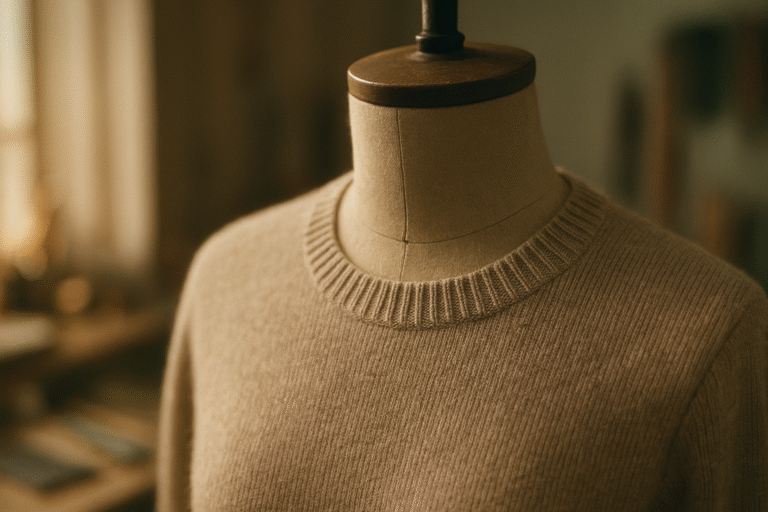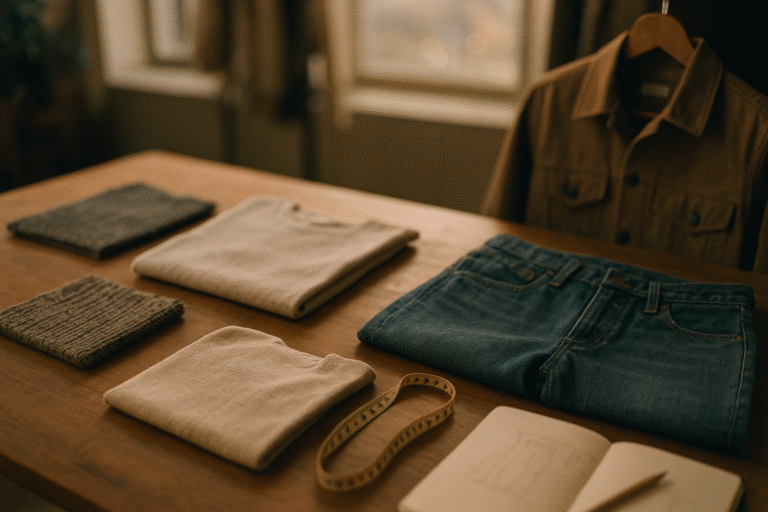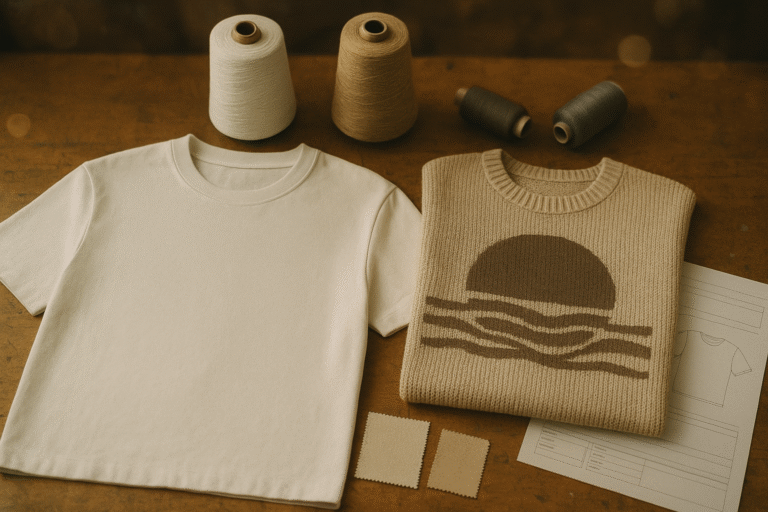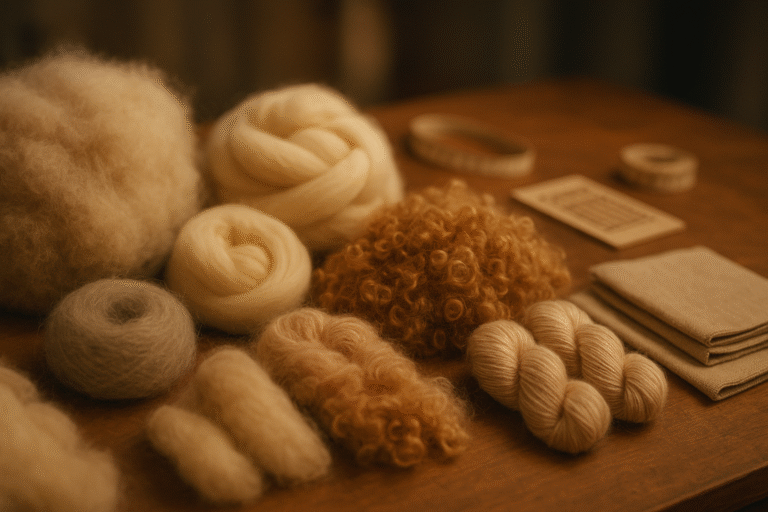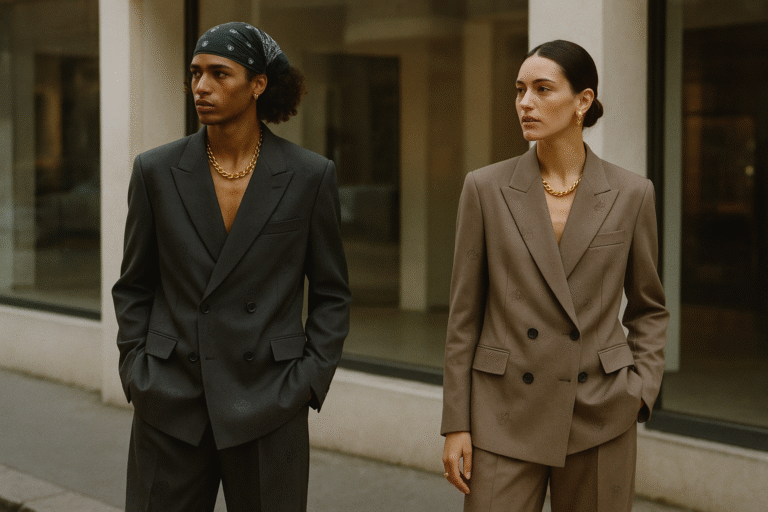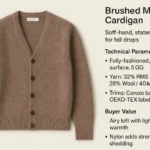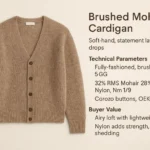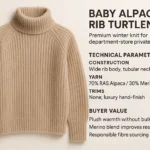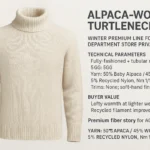

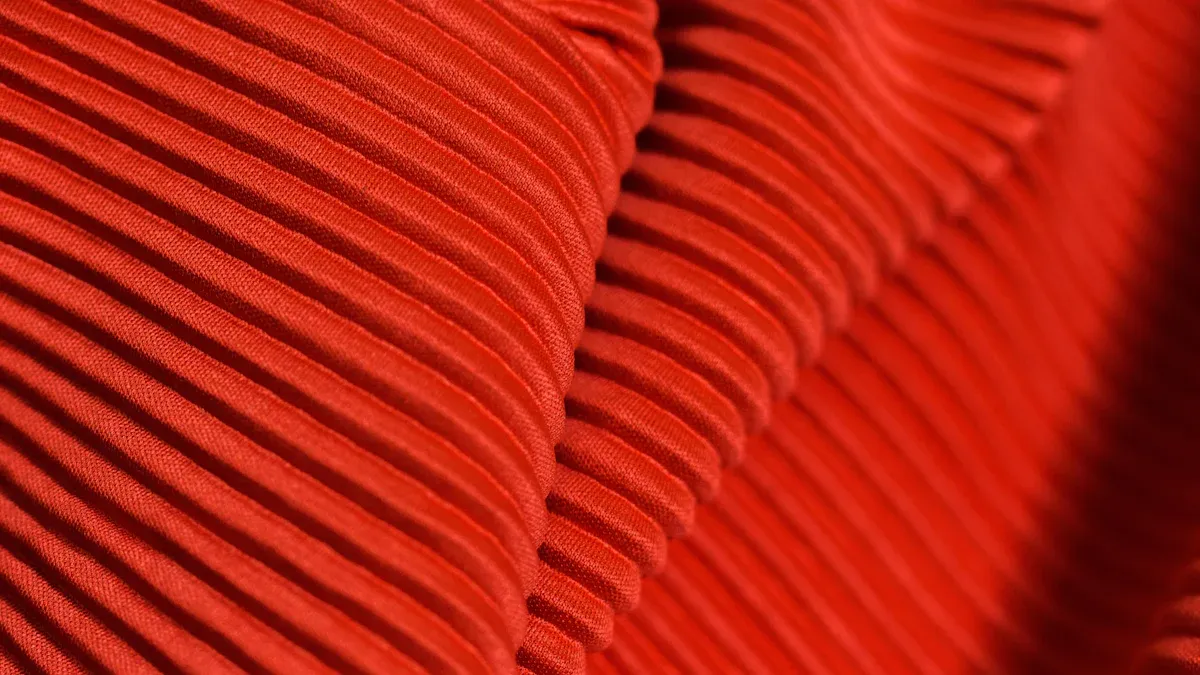
Corduroy Fabric is easy to spot because it has a bumpy texture. It feels soft and looks different from other fabrics. Many things use corduroy because it is strong and comfy. You can find corduroy in lots of places:
-
Trousers, jackets, skirts, and shirts help you stay warm and last long.
-
Upholstery, cushions, and drapery make your home look nice and feel cozy.
Corduroy is tough and looks good, so people like it for clothes and home decorations.
Key Takeaways
-
Corduroy fabric has a special bumpy feel called wales. This makes it look nice and feel soft for clothes and home items. This strong fabric is mostly made from cotton.
-
It keeps you warm and lets air through, so you can wear it in many kinds of weather.
-
Corduroy is useful for many things. People use it for jackets and pants.
-
It is also good for cushions and curtains. It makes rooms and outfits look and feel better.
-
When you buy corduroy, think about how thick it is and what the pattern looks like. Pick the right kind for clothes or home use.
-
If you take care of corduroy and store it well, it keeps its feel and color. This helps it last longer and stay nice.
What Is Corduroy Fabric?
Definition
Corduroy Fabric is easy to notice because it has a bumpy feel. When you touch it, you can feel rows of soft bumps. These bumps are called “wales.” The wales go in the same direction and make the fabric look striped. In the textile industry, people say corduroy has raised cords or wales. These are made by weaving extra fibers into the main fabric. This weaving makes loops. The loops get cut to make the ridges you see and feel. Most corduroy today is made from cotton. Sometimes, it is mixed with polyester or a little spandex to make it stretchy. In the past, people used cotton, linen, wool, or cashmere to make different textures and drapes.
Corduroy Fabric is simple to spot because it has a soft, bumpy surface. This special structure makes it warm, soft, and nice to use for many things.
Key Features
You can tell corduroy by how it looks and feels. Here are some main things that make it different from other fabrics:
-
Distinctive Ridges: The top has raised lines called wales. These lines make the fabric feel bumpy. The wales can be thick or thin, which changes how it feels.
-
Soft and Velvety Touch: The fabric feels smooth and soft, almost like velvet. This makes it comfy to wear, especially when it is cold.
-
Variety in Style: Corduroy comes in many sizes and weights. You can get wide wale for a bold look or fine wale for a softer feel.
-
Durability: The way it is woven makes corduroy strong and tough. It lasts a long time, so you see it in clothes and furniture.
-
Moisture Absorption: Corduroy soaks up moisture well. This helps keep you comfy.
-
Versatility: Corduroy comes in many types. Some have spandex to stretch or printed designs for more style.
|
Feature |
Description |
|---|---|
|
Texture |
Raised, stripy ridges (wales) |
|
Material |
Mostly cotton, sometimes polyester or spandex |
|
Comfort |
Soft, warm, and gentle on the skin |
|
Durability |
Strong and long-lasting |
|
Style Options |
Wide range of wale sizes and printed patterns |
Corduroy Fabric gives you comfort, style, and strength all together. You can use it for many things like pants, jackets, cushions, and drapes. The special ridged texture not only looks cool but also feels nice to touch.
History of Corduroy
Ancient Origins
Corduroy’s story began long ago in ancient Egypt. In Al-Fustat, people made strong fabric by hand around 200 AD. They called this fabric fustian. Fustian was made from linen and cotton. It did not look just like today’s corduroy. But it was important for what came next. The weavers did not use machines. They used their hands to make tough cloth that lasted a long time. Their skills and the materials they picked helped start the history of textiles. Over time, other places learned from Al-Fustat’s ways of making fabric.
Al-Fustat was very important in making fustian. Fustian later became the base for corduroy fabric. The weaving styles and fiber choices from that time helped make corduroy’s texture and strength.
Evolution Over Time
Corduroy was first worn by kings and rich people. In Europe, it was seen as fancy and special. Royalty and nobles liked to wear corduroy clothes. Then the Industrial Revolution happened. Factories in England learned to cut the pile and make the ridges. This made corduroy easier to make and cheaper to buy. Soon, workers and students wore corduroy because it was strong and comfy. Corduroy moved from palaces to regular people’s lives. Now, you see it in school uniforms, work clothes, and casual outfits.
Modern Use
Today, corduroy is used in many ways. Designers pick bright colors like teal, mustard, and pastels. Corduroy comes with wide or narrow ridges. Some brands mix corduroy with leather or denim for new looks. In home décor, you can use corduroy for pillows or cushions. Many people like deep colors such as navy and emerald for a modern style. Corduroy looks good in both modern and boho rooms. You can match it with wood or leather for a cool space.
-
Try mixing textures for a new style.
-
Use bright corduroy pieces to stand out.
-
Start with small things if you want to try corduroy at home.
Corduroy has changed a lot since it started in Egypt. Now, you can enjoy its warmth, style, and strength in clothes and home décor.
Corduroy Fabric Structure
Weave and Wale Formation
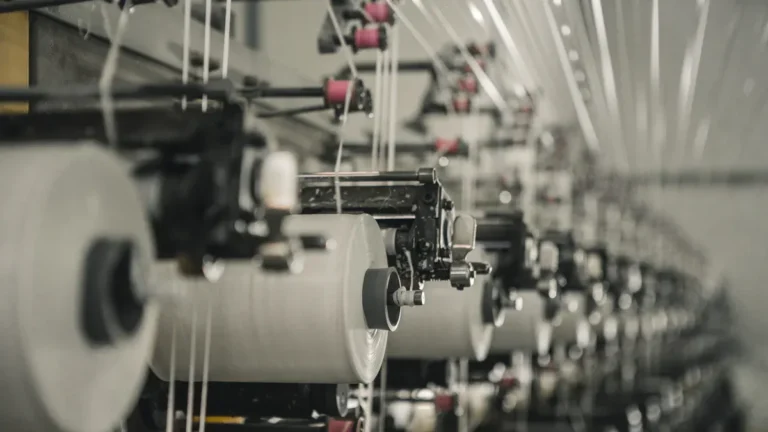
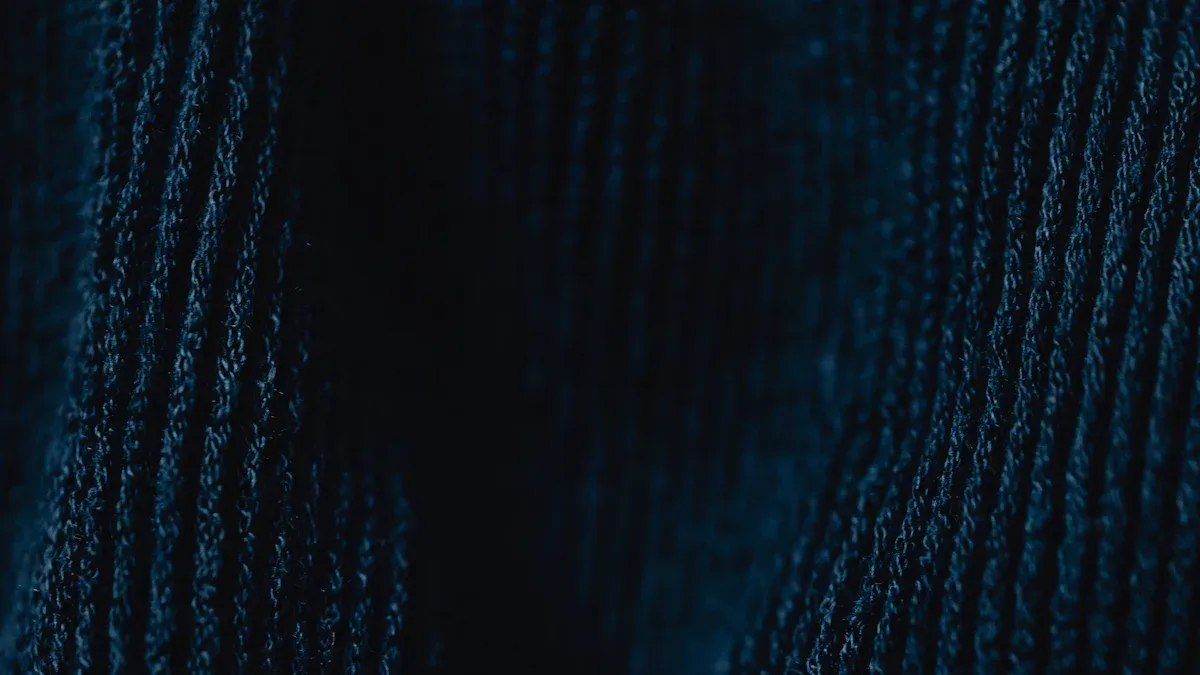
When you look at corduroy fabric, you see rows of raised lines. These lines are called wales. The wales give the fabric its bumpy feel and striped look. You get this special texture through a careful process. First, you use two types of yarn. One yarn forms the wales, and the other makes the base. Next, you weave the fabric on a loom. The weaving can be plain or twill, depending on the style you want. After weaving, you shear the fabric. Shearing cuts the loops and makes the wales stand up evenly. This process creates the soft, ridged surface you can touch.
|
Step |
Description |
|---|---|
|
Preparation of Yarn |
Involves using two types of yarn: one for warp (wales) and another for weft (picks). |
|
Weaving |
The fabric is woven using an air jet loom, with variations in structure (plain or twill). |
|
Shearing |
The woven fabric is sheared to create uniform pile lengths, forming the raised ‘cord’ texture. |
Materials and Fiber Composition
You often find corduroy fabric made from cotton. Cotton gives the fabric a soft touch and makes it comfortable to wear. Sometimes, you see blends with synthetic fibers like polyester. These blends can add stretch or make the fabric last longer. Most corduroy today uses cotton, but you might also find some with a mix of fibers.
-
Synthetic blends, such as polyester, are also used occasionally.
Finishing and Processing
After weaving and forming the wales, you need to finish the fabric. Finishing steps help the fabric look better and last longer. First, machines cut the pile to make the ridges clear and even. Then, you dye the fabric. You can use different dyeing methods to get bright or deep colors. Next, you brush the fabric to lift the pile and shear it again for a smooth feel. Some treatments, like singeing or mercerizing, make the fabric stronger. You can also add water-repellent finishes to protect the fabric.
-
Cutting the Pile: Specialized machines cut through the loops to create the ridged texture.
-
Dyeing and Coloring: Various dyeing methods are used, including piece dyeing, yarn dyeing, and pigment dyeing.
-
Brushing and Shearing for Texture: The fabric is brushed to lift the pile and sheared for uniformity.
-
Additional Treatments: Techniques like singeing, mercerizing, and applying water-repellent finishes enhance durability and appearance.
Tip: When you choose corduroy fabric, check the wales and finishing. A smooth, even surface means good quality.
Key Properties of Corduroy
Texture & Appearance
When you touch corduroy, you feel lines called wales. These lines go straight across the fabric. They make corduroy look special. The fabric feels soft and smooth, almost like velvet. This makes it different from other fabrics. You can pick corduroy with thick or thin wales. It depends on what style you like. Corduroy colors stay bright after many washes. The fabric keeps its shape for a long time.
Tip: Wide wale corduroy gives a bold look. Fine wale corduroy is softer and more gentle.
Durability & Strength
Corduroy Fabric is very tough and strong. You can wear it many times and it still looks nice. The way it is made helps stop rips and tears. People use corduroy for pants, jackets, and furniture. It lasts longer than many other fabrics. Look at the table to see how corduroy compares to denim and twill:
|
Test Type |
Corduroy Performance |
Denim Performance |
Twill Performance |
|---|---|---|---|
|
Tensile Strength |
Better |
Moderate |
Moderate |
|
Tear Strength |
Better |
Moderate |
Moderate |
|
Dimensional Stability |
Better |
Moderate |
Moderate |
|
Color Fastness to Rubbing |
Excellent |
Moderate |
Moderate |
Corduroy is stronger than denim or twill. Your clothes and home items last longer with corduroy.
Comfort & Warmth
Corduroy feels warm and cozy when you wear it. The thick ribs help trap heat close to your body. This keeps you warm in cold weather. Corduroy is mostly made from cotton. Cotton feels soft and gentle on your skin. You can wear corduroy jackets and pants to stay comfy when it is chilly.
-
Corduroy fabric keeps you warm and cozy.
-
The ribbed texture helps hold in heat.
-
Cotton fibers make it soft and comfortable.
Breathability & Moisture Handling
Corduroy lets air move through the fabric. This helps you stay cool and comfy. Cotton and Tencel blends help control your body temperature. You do not get too hot or too cold. Corduroy also handles sweat well. Tencel soaks up sweat and keeps you dry. Cotton helps pull moisture away from your skin.
-
Breathability: Air moves through easily to keep you cool.
-
Moisture Management: Tencel and cotton soak up and move sweat away.
-
Comfort: Corduroy feels good to wear in many seasons.
Corduroy Fabric gives you style, strength, comfort, and breathability. You can use it for clothes and home décor that last and feel nice.
Applications
Fashion
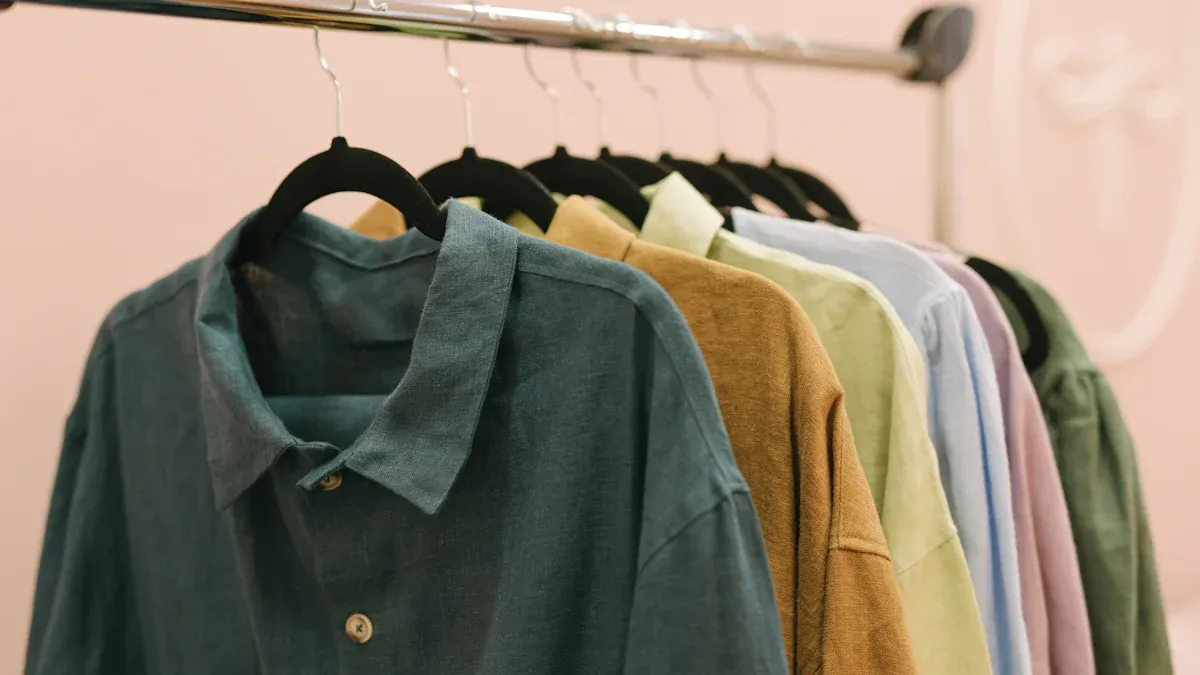
Corduroy is seen a lot in fashion today. Many people pick it for jackets and pants. It is soft and looks cool. Designers like to use it for many styles. You can find corduroy in lots of colors and wale sizes. It works for both old and new looks.
-
Pants made from corduroy feel comfy and last long.
-
Brands use corduroy for shirts and skirts too.
People want fabrics that are good for the planet. Corduroy matches this trend. Many young people choose eco-friendly fabrics. Old-fashioned styles are popular again, and corduroy is a big part of this.
Tip: Try wearing a corduroy jacket or pants for comfort and style.
Interiors
Corduroy Fabric makes your home warm and stylish. You can use it in many ways to add texture. It helps your space feel cozy. The table below lists some home items made from corduroy:
|
Product Type |
Description |
|---|---|
|
Corduroy Upholstery |
Sofas and chairs that are comfy and strong |
|
Corduroy Cushions |
Adds style and depth to your room |
|
Corduroy Curtains |
Makes windows look nice and keeps rooms warm |
|
Corduroy Throw Pillows |
Soft pillows for beds or sofas |
|
Corduroy Wall Coverings |
Gives walls a cool and textured look |
|
Corduroy Tablecloths/Runners |
Makes dining tables feel cozy and special |
|
Corduroy Accent Pieces |
Ottomans or bean bags for a fun touch |
You can change your furniture with corduroy covers. Corduroy curtains keep rooms warm and look fancy. Pillows and small pieces make any room more fun.
Other Uses
Corduroy is used for more than just clothes and homes. Car makers use it for seat covers and trim. It is strong and has a cool old look. Some companies use corduroy for work clothes and gear. They treat it to resist water and let air pass through. This makes it good for outdoor wear and uniforms. Corduroy is also used for bags and hats. People like to reuse old corduroy for small things.
Note: Corduroy’s special texture and strength make it great for many uses.
Care
Cleaning
Corduroy fabric needs gentle care to keep its texture and color. You should always check the care label before washing. Some corduroy items can go in the washing machine, but others need special cleaning. Turn your garments inside out to protect the soft ridges. Use cold water for dark colors and warm water for light shades. Pick a gentle cycle to avoid damage. Skip harsh chemicals like bleach or strong fabric softeners. These can weaken the fibers and fade the color.
If you spill something, blot the spot with a clean, dry cloth. Do not rub the stain. Rubbing can crush the wales and make the fabric look worn. If you need to use water or a cleaner, apply a small amount and blot again. Dry the area with a fresh cloth or let it air dry.
You can air dry corduroy to keep its shape and texture. If you use a dryer, choose a low heat setting. Iron your corduroy inside out with a pressing cloth. Use medium-high heat or steam to remove wrinkles without flattening the ridges.
Quick Cleaning Tips:
-
Turn garments inside out before washing.
-
Use gentle cycles and mild detergents.
-
Air dry or use low heat.
-
Iron inside out with a pressing cloth.
Tip: Always blot spills instead of rubbing to protect the fabric’s nap.
Storage
Proper storage helps corduroy last longer and look good. You can fold or hang corduroy items to keep their shape. Use breathable garment bags to shield them from dust and pests. Avoid stuffing your closet or drawers. Overcrowding can crush the wales and cause wrinkles.
Store corduroy in a cool, dry place with good air flow. Ventilation prevents moisture and mildew. Choose canvas or cotton storage bags instead of sealed plastic. These allow the fabric to breathe and stay fresh. If you stack corduroy, lay items flat to avoid long-term compression.
Storage Checklist:
-
Hang or fold corduroy to maintain shape.
-
Use breathable bags for protection.
-
Allow space for air circulation.
-
Keep storage areas dry and well-ventilated.
Note: Proper storage keeps corduroy soft, clean, and ready to wear.
Buying & Quality Tips
Choosing the Right Corduroy
When you shop for corduroy, you need to think about how you will use it. Corduroy comes in many styles and thicknesses. Some work better for clothes, while others fit home décor. You should also look at the pattern and brand. The table below can help you decide:
|
Factor |
Description |
|---|---|
|
Purpose |
Decide if you need corduroy for clothing or home decoration. Each use needs a different style. |
|
Pattern Design |
Pick patterns you like, such as classic floral or modern geometric shapes. |
|
Texture and Thickness |
Think about how soft and warm you want the fabric to feel. |
|
Quality and Brand |
Choose well-known brands for better color and longer-lasting fabric. |
|
Cost-effectiveness |
Look for good deals or mid-range brands to get the best value for your money. |
Tip: Always match the fabric’s thickness and pattern to your project for the best results.
Quality Indicators
You can spot high-quality corduroy by checking a few key things:
-
Appearance: The velvet strips should look even and shiny. The fabric should look smooth and neat.
-
Feel: Good corduroy feels soft, smooth, and a bit stretchy.
-
Texture: The best corduroy uses pure cotton or linen. It should feel thick and strong.
-
Durability: Check if the fabric resists wrinkles and rubbing. The color should not fade easily.
-
Professional Certifications: Trusted brands often follow strict quality rules.
Note: Run your hand along the wales. High-quality corduroy feels even and does not shed fibers.
Cost & Value
Corduroy gives you good value because it lasts a long time and looks stylish. The price can change based on several things:
-
Raw material costs, how the fabric is made, and shipping all affect the price.
-
Corduroy usually costs about the same as other strong fabrics, but it often lasts longer.
-
The market for corduroy is growing, especially in fashion and furniture.
-
Economic factors like inflation and consumer income can make prices go up or down.
-
Always check for straight ribs and ask about shrinkage before you buy.
Tip: Investing in quality corduroy saves you money over time because you will not need to replace it often.
AzKnit Corduroy Expertise
Brand Background and Legacy
AzKnit is a leader in corduroy fabric. The company started more than 30 years ago. It began as a small textile mill. AzKnit grew bigger and became well-known for Corduroy Fabric. Many designers and brands trust AzKnit. The company won awards for making good fabric and new ideas. AzKnit always works hard to make fabric that lasts a long time.
Innovative Manufacturing Techniques
AzKnit uses new machines to make Corduroy Fabric. The company has modern looms and cutting tools. These help make wales that are soft and even. AzKnit uses dyes that are safe for the earth. They also save water when making fabric. The fabric looks nice and is better for the planet. AzKnit checks every batch for color and strength. You get fabric that meets high standards.
Note: AzKnit’s finishing process keeps the ridges smooth. The colors stay bright, even after many washes.
Product Range and Quality Standards
AzKnit makes many kinds of Corduroy Fabric. You can choose wide wale, fine wale, or stretch corduroy. There are lots of colors and patterns to pick from. AzKnit checks each roll for mistakes before shipping. The company follows strict quality rules. This means the fabric feels soft and lasts long. AzKnit also makes special orders for custom projects.
|
Product Type |
Features |
Best Use |
|---|---|---|
|
Wide Wale |
Thick, bold ridges |
Jackets, upholstery |
|
Fine Wale |
Soft, narrow ridges |
Shirts, children’s wear |
|
Stretch Corduroy |
Added spandex for flexibility |
Pants, skirts |
Industry Impact and Recognition
AzKnit helps shape the corduroy market. The company works with top fashion and furniture brands. AzKnit starts new trends in color and texture. The company won awards for green manufacturing and design. Many groups praise AzKnit for high quality. When you pick AzKnit, you support a brand that leads in Corduroy Fabric.
Corduroy stands out because you get both style and strength. People have used it for centuries, from ancient Egypt to today’s fashion runways. You can find corduroy in jackets, pants, furniture, and even bags. Its ribbed texture feels soft and keeps you warm.
-
You can choose from many colors and patterns.
-
Eco-friendly options make it a smart choice.
Try adding corduroy to your wardrobe or home. You will enjoy its comfort and timeless look.
FAQ
What makes corduroy different from velvet?
Corduroy has raised ridges called wales. Velvet feels smooth all over. You can see and feel the lines on corduroy. Velvet looks shiny and flat. Corduroy is stronger and lasts longer.
How do you keep corduroy from losing its texture?
Turn your corduroy inside out before washing. Use a gentle cycle and mild detergent. Air dry or use low heat. Avoid ironing directly on the wales. This keeps the ridges soft and even.
Can you wear corduroy in warm weather?
Yes, you can wear corduroy in warm weather. Choose fine wale corduroy or blends with Tencel. These types feel lighter and let air move through. You stay cool and comfortable.
Does corduroy shrink after washing?
Corduroy can shrink if you use hot water or high heat. Always follow the care label. Wash in cold or warm water. Air dry or use low heat to keep the size right.
Is corduroy eco-friendly?
Many brands use organic cotton or recycled fibers for corduroy. These choices help the planet. Look for eco-friendly labels when you shop. You support better farming and less waste.
Corduroy Fabric in 2025 Fashion Trends
Corduroy fabric is making a major comeback in 2025. Top fashion designers have featured corduroy prominently in their Fall/Winter 2025/26 collections. Luxury brands like Zegna, Brunello Cucinelli, Giorgio Armani, Chanel, and Tory Burch showcased corduroy in their runway shows. This marks corduroy’s evolution from workwear to high-fashion staple.
The current corduroy trend pulls inspiration from the 1980s and 1990s fashion eras. Nostalgia drives much of corduroy’s renewed popularity. Young consumers seek authentic, vintage-inspired clothing that stands the test of time. The fabric’s retro appeal combined with sustainable qualities makes it perfect for modern fashion.
Trending Corduroy Colors for 2025
Fashion designers are moving beyond traditional earthy tones. Popular corduroy colors for 2025 include:
- Mustard yellow – Bold and eye-catching for statement pieces
- Burgundy – Rich and luxurious for elegant looks
- Teal – Fresh and modern color choice
- Navy – Classic and versatile for any outfit
- Emerald green – Deep and sophisticated tone
- Pastel shades – Soft colors for spring corduroy pieces
Types of Corduroy Wales
Understanding different wale sizes helps you choose the right corduroy for your project. Wales are the ridges you see and feel on corduroy fabric. The number of wales per inch determines the fabric’s texture and appearance.
| Wale Type | Wales Per Inch | Best Uses | Characteristics |
|---|---|---|---|
| Pinwale (Fine Wale) | 16+ wales | Shirts, children’s wear, lightweight garments | Soft, smooth texture with narrow ridges |
| Standard Wale | 11-15 wales | Pants, skirts, everyday clothing | Medium texture, most common type |
| Wide Wale | 6-10 wales | Jackets, upholstery, cushions | Bold ridges, durable and thick |
| Jumbo Cord | Under 6 wales | Statement pieces, home décor | Very thick ridges, dramatic appearance |
Sustainable Corduroy: Eco-Friendly Manufacturing
Corduroy fabric aligns perfectly with the growing demand for sustainable fashion. Modern corduroy production uses eco-friendly methods that reduce environmental impact.
Organic Cotton Corduroy
Organic cotton corduroy offers significant environmental benefits. Organic cotton uses 91% less water than conventional cotton. Farmers grow organic cotton without pesticides or synthetic fertilizers. This protects soil health and reduces chemical pollution.
Recycled Fiber Options
Some manufacturers create corduroy from recycled polyester. They repurpose plastic bottles into stylish fabric. This gives waste materials a second life and reduces landfill content. Recycled corduroy maintains the same quality as traditional options.
Water-Saving Production
Modern corduroy factories use advanced water-saving technologies:
- Closed-loop water systems – Recycle water during production
- Waterless dyeing – New technology reduces water usage by up to 95%
- Renewable energy – Solar and wind power replace fossil fuels
According to the Ellen MacArthur Foundation, textile waste fills one garbage truck every second. Corduroy’s durability helps fight this problem. A well-made corduroy piece lasts for years, reducing the need for replacements.
Corduroy Market Growth and Trends
The global corduroy fabric market shows strong growth. Market research reveals impressive numbers:
- Market value in 2023: $1.2 billion USD
- Projected value by 2032: $2.1 billion USD
- Expected growth rate: 4.5% CAGR from 2026-2033
This growth reflects increasing consumer interest in durable, sustainable fabrics. The fashion industry’s shift toward timeless pieces benefits corduroy significantly.
How to Style Corduroy in 2025
Corduroy offers incredible versatility for modern styling. Here are current trends:
Mixing Textures
Pair corduroy with contrasting materials for visual interest:
- Corduroy + Leather – Create edgy, sophisticated outfits
- Corduroy + Denim – Mix textures for casual cool style
- Corduroy + Silk – Combine for elegant contrast
- Corduroy + Knit – Layer for cozy winter looks
Corduroy Pants Styling Tips
Casual Look: Pair wide-wale corduroy pants with oversized sweaters and sneakers for relaxed weekend style.
Business Casual: Combine fine-wale corduroy trousers with button-down shirts and loafers for office-appropriate outfits.
Elegant Evening: Style corduroy pants in rich colors like burgundy or navy with silk blouses and heels.
Corduroy vs Velvet: Key Differences
Many people confuse corduroy with velvet. While both feature soft pile surfaces, they differ significantly:
| Feature | Corduroy | Velvet |
|---|---|---|
| Texture | Ridged lines (wales) running vertically | Smooth, uniform pile in all directions |
| Durability | Very durable, resists wear | More delicate, can crush easily |
| Maintenance | Easy to care for, machine washable | Often requires dry cleaning |
| Best Uses | Everyday clothing, upholstery | Formal wear, decorative items |
| Price Point | Generally more affordable | Usually more expensive |
| Seasonality | Primarily fall/winter fabric | Can be worn year-round |
Choose corduroy for practical, durable clothing and furniture. Select velvet when you want luxurious, formal aesthetics.