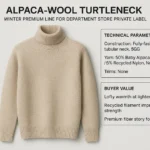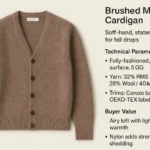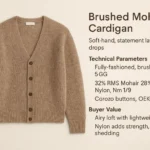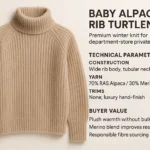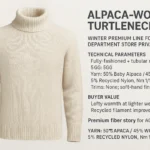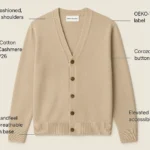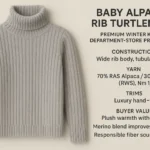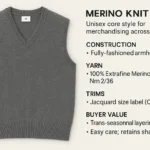

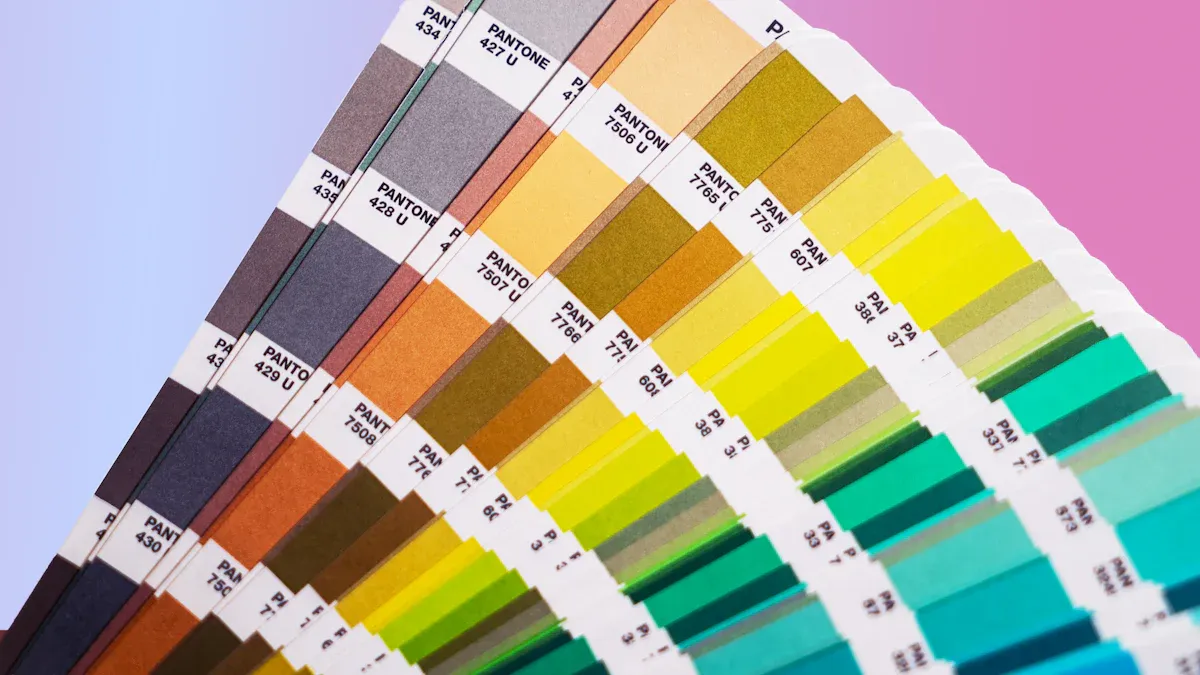
Ensuring that all your knitwear looks the same color can be a challenging task. Even a slight variation in color can lead to noticeable differences in your items. To achieve better results, it’s essential to implement batch control, digital color management, and rigorous quality checks. Experts have discovered that utilizing a four-primary grid-based mixing model along with advanced spinning systems is effective in maintaining yarn color consistency.
To learn how to ensure knitwear color consistency in bulk orders, you must prioritize careful control and regular inspections. By employing reliable methods, you can keep your knitwear colors uniform across all pieces.
Key Takeaways
Pick the best dyeing method so color spreads evenly on yarn.
Use batch control to watch each step and keep colors the same.
Talk clearly with suppliers and use digital tools for color standards.
Check quality often during production to find color problems early.
Choose yarn with the same dye lots to stop color changes in knitwear.
Teach your team how to match colors and measure them for better quality.
Use digital color systems to follow and keep color right all the time.
Write down color checks and dye lots to avoid errors and keep colors the same.
How to Ensure Knitwear Color Consistency in Bulk Orders
Key Steps for Color Consistency
If you want your knitwear to look the same color, you need to follow some easy steps. Textile experts have a process that helps you get good results. The table below lists the best steps for keeping colors the same:
Step | Description |
|---|---|
Pick the right dyeing method for your yarn and the look you want. This helps make the color even. | |
Apply the Dye | Make sure you put the dye on evenly. This helps the color stay strong and not fade. |
Check the colors carefully. Make sure they match and look the same. This keeps your standards high. |
You should use clear pictures to look at colors closely. Smart computer programs help you find small color changes. You can use models to guess color problems before they happen. Using the same color checks every time helps you meet your color goals.
Tip: Always look at your color standards before you start making new items. This helps you avoid mistakes and keeps your colors the same.
Batch Control Essentials
Batch control is very important for keeping knitwear colors the same. You need to keep each batch separate and watch every step. Batch control helps you get better results. You can:
Make your work faster
Do less rework
Have fewer mistakes
Keep the quality the same every time
Small changes in how you make things can change the color. You need to watch the temperature and how you dye the yarn. If the chemicals change, the color can look different. Dyeing by hand can make colors uneven. Machines help keep colors the same.
Note: Small factories may have trouble keeping things steady. You should buy tools that help you control these things.
Communication Across Supply Chain
Talking with others helps you keep knitwear colors the same. You need to talk with suppliers, dye houses, and people who check quality. When everyone shares news, you can stop problems and keep colors the same.
You should use computer systems to help manage colors. These systems help you control color changes and keep your color rules clear. Special machines can make a digital copy of your colors. This helps everyone match the same color.
Share your color rules with everyone.
Use computer tools to check color data.
Meet often to talk about color goals.
Alert: If you do not talk clearly, you might lose color consistency and make expensive mistakes.
If you follow these steps, you can learn how to keep knitwear colors the same in big orders. You will get better results, make fewer mistakes, and people will trust your brand more.
Importance of Color Consistency
Brand Identity Impact
You build your brand with every color choice. When you keep colors consistent, people recognize your products right away. Colors act as silent ambassadors for your brand. They help customers feel connected to your company. You see this with famous brands like McDonald’s and Coca-Cola. Their colors never change, so people trust them and remember them. If you want your knitwear to stand out in the world of sustainable fashion, you must pay attention to color consistency.
Consistent color schemes make your brand easy to spot.
Customers trust brands that keep their colors the same.
Colors help people feel emotions about your brand.
Strong color identity makes your products memorable.
Using tools like spectrophotometers helps you check colors and keep your brand strong.
You can use color to show your values. If you care about sustainable fashion, you can choose colors that match your message. When you keep those colors steady, you show customers that you care about quality and the environment.
Customer Satisfaction
Your customers want knitwear that looks good and lasts. If the color fades or changes after a few washes, people get upset. They might return the product or complain. You lose their trust, and they may not buy from you again.
Color fades after a few washes or stains other clothes, leading to customer complaints and returns. This reduces repeat purchases, damages brand image, and increases claim costs.
You need to make sure your colors stay bright and true. Happy customers come back for more. They tell their friends about your brand. When you focus on color consistency, you build a loyal group of buyers.
Financial Risks of Inconsistency
Color mistakes cost you money. If your knitwear colors do not match, you may have to redo orders or offer refunds. You spend more on fixing problems than on making new products. Your brand reputation suffers, and you lose sales.
You also risk losing business partners who expect high standards. In the world of sustainable fashion, buyers want products that look the same every time. If you cannot deliver, you miss out on big orders. Keeping colors consistent helps you avoid these risks and keeps your business strong.
Yarn Selection and Dye Lot Management
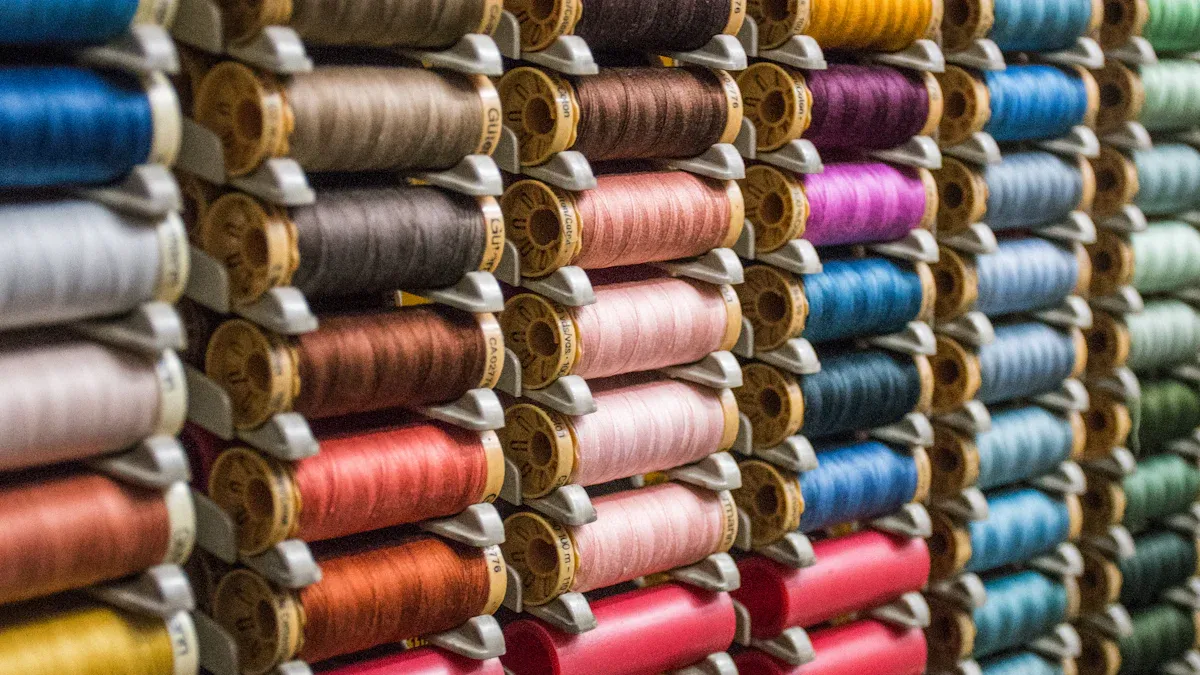
Picking the right yarn is the first thing you should do. This helps your knitwear colors look the same. You must watch dye lots and how your suppliers handle them. The yarn you pick changes how your project looks in the end. It also affects how well the colors match.
No Dye Lot Labels
Some yarns have a label that says “no dye lot.” These yarns are made to keep colors steady in every batch. This is helpful if you need more yarn for a big order. You can trust the color will look the same. But even “no dye lot” yarns can be a little different. Sometimes, new yarn does not match what you already have. This can change how your knitwear looks, especially for big projects. Always check new yarn with your old yarn before you start.
Tip: Buy enough yarn at the start. If you need more later, compare it to your old yarn to see if the color is the same.
Minimum Dye Lot Requirements
You should plan how much yarn you need before you buy. This helps you avoid mixing different dye lots. When you buy yarn, look at the dye lot numbers. If you shop online, ask the seller if all the yarn is from the same dye lot. Keep the yarn label until you finish your project. This helps you find the same dye lot if you need more. You can also write down details about your yarn in a notebook. Write the brand, type, color, and dye lot. This helps you keep track and avoid mistakes.
Here are some good ways to manage dye lots:
Use one dye lot for the body and another for the sleeves.
Try joining yarns with the Russian join or spit splice to blend colors.
Start each skein at a different spot if you use variegated yarns.
If you see color changes, add stripes or color blocks to make it look planned.
Supplier Coordination
Working with your suppliers helps you keep colors the same. Tell them the color you want by using standards like Pantone. Give your suppliers clear color details and measurement data. This helps everyone know your color goals. Good communication stops mistakes and keeps your color matching easy.
Pick the exact color for your product using color standards.
Share your color needs and measurement data with your suppliers.
Note: Good teamwork with suppliers helps you keep colors the same and stops surprises during production.
If you follow these steps, you will have fewer color problems in your big knitwear orders. Careful planning, smart buying, and clear talking help you get the best results.
Dyeing Process Control
Standardized Formulations
You need to use the same recipes for every batch. These recipes help you match colors each time you dye. Using the same fabric and dye helps you get better results. Always check your color with lab dip tests before making a lot. This step shows if the color matches your goal.
Using the same recipes keeps fabric the same.
Lab dip tests check color before you dye a lot.
New dyeing machines help you put dye on evenly.
Pick good colourants for every batch. These colourants make colors strong and even. Digital imaging systems help you look at dyed fabrics for color sameness. AI tools give you feedback to help you change dyeing steps right away. These methods help you meet rules and keep customers happy.
Tip: Always match your fabric, dye, and process steps. This helps you lower color changes and get good results.
Equipment Calibration
You must keep dyeing machines and color testing tools working well. Checking them often helps your machines work the same way each time. This step is important for getting the right color. If you skip checks, colors may change or quality may drop.
Calibration Schedules
Make a plan to check and fix your machines. Test your machines before each big order. Write down dates and results in a notebook. This helps you find problems early and keep machines working well.
Dyeing Process Control | Benefits |
|---|---|
Recut lab dips before bulk dyeing | |
Group similar yarn lots during knitting | Keeps dye the same in all lots |
Use easy-to-dye colors for mixed lots | Lowers risk of color problems |
Keep strict lab checks before dyeing | Makes color more accurate |
Troubleshooting
If you see color problems, check your machines first. Look for damage or things that are worn out. Clean your machines and check them again if needed. You can also run small dye batches to test color. Small batches help you find problems before you dye everything.
Mini Dye Batch Benefits | Description |
|---|---|
Better color accuracy | Makes sure big dyeing matches the color you want |
Fewer fixes needed | Lowers the need to dye again because of mistakes |
Faster work | Helps you plan and finish orders faster |
Environmental Factors
You must watch temperature and humidity in your dyeing room. Hot dye baths make dye go into fabric faster. If humidity changes, it can make color matching harder. The fabric’s surface can change how light bounces, which makes colors look different.
Use good colourants to help lower problems from changes in the room. Careful checks and tests help you keep colors the same, even when things change.
Note: Always control your dyeing room. Keeping temperature and humidity steady helps you get the color you want every time.
Quality Control Procedures
Multi-Stage Quality Checks
You need to check your knitwear colors at many steps. First, look at the raw materials. Next, check during dyeing. Last, review the finished products. Each step helps you find problems early. You can fix them before customers see them.
AI uses smart computer programs to look at pictures. These programs find small color changes that people might miss. AI checks lots of pictures fast. It can spot patterns and color problems in dyeing or making knitwear.
AI systems help approve colors and lower mistakes from tired eyes. You can trust AI to follow strict color rules. They use color spaces like RGB, HSV, and LAB to make color checks better.
AI checks colors and lowers mistakes from tired workers.
AI uses set rules for color checks, so every check is the same.
AI works with RGB, HSV, and LAB for better color control.
AI can also guess future color problems by looking at old data. This helps you pick the right dyes and fabrics before you start. Using both people and AI makes your quality checks strong.
Automated Sensors for Defect Detection
Automated sensors help you find problems fast and keep colors right. These sensors use cameras and special lights to scan fabric. They find tiny flaws and color changes people may not see. You get quick and steady results with these tools.
Automated sensors find problems faster and more often.
They cut down on mistakes and watch fabric in real time.
High-tech cameras spot small flaws and color changes.
Machines like Uster Quantum 3 and BarcoVision Cyclops find over 85% more problems in factories.
Using machines and cameras helps find both fabric and color problems early.
High-tech cameras and real-time checks make your work faster and better. Cameras scan all the fabric and find even tiny color issues. You can fix problems right away without stopping work. This keeps your quality checks strong and your knitwear looking good.
Staff Training for Color Accuracy
You must train your team to keep colors right and quality high. Training teaches your team how to match shades, measure colors, and use lab tools. Your staff learns how to follow color rules and spot problems early.
Topic Covered | Description |
|---|---|
Easy steps to make lab dips and match colors. | |
Shade Matching | How to match shades for knitwear in real life. |
Color Measurement | How to use tools to check color accuracy. |
Intensive Hands-on Activities | Practice using lab tools in real textile labs. |
Networking Opportunities | Meet and learn from others in the textile field. |
You should let your team practice and learn from experts. Staff who know how to test can find color problems before customers do. When everyone knows their job, your quality checks get better. Working together helps keep your knitwear colors the same and your quality high.
Tip: Train your staff often and talk clearly to help them keep color and quality standards high.
Digital Color Management Systems
Digital color management systems help you keep knitwear colors the same. You use these systems to check and match colors. They help you control colors from start to finish. These tools make sure your knitwear looks good every time.
Color Management Software
You can pick from many color management software programs. These programs help you match colors and check quality. They also help you work faster. Some popular programs are ColordesQ, Datacolor, X-Rite Color iQC, SpectraVision by Datacolor, and PantoneLIVE.
These tools make matching colors easier. AI systems check garment colors with digital standards. This helps you avoid mistakes and get the right color for big orders. ColordesQ lets you work with suppliers and brands. You can share and approve color standards quickly. You see updates on color jobs and sample checks right away. The software tests colors under different lights. This helps you know your knitwear will look good everywhere.
Match Textile helps you save color recipes. You use these recipes to keep colors the same in big orders. The software gives you feedback fast, so you can fix problems quickly.
Tip: Use color measurement tools with your software. This helps you check colors and keep your standards high.
Digital Textile Color Programs
Digital textile color programs have many helpful features. These features help you keep colors steady when you make knitwear. You can see the features in the table below:
Feature | Description |
|---|---|
Accurate Color Evaluation | Uses spectral data for clear color checks. |
Color Standard Management | Lets you make and manage digital color standards for each product. |
Visual and Digital Comparisons | Shows color comparisons and simulates different lighting. |
Batch Tracking and Reporting | Tracks color data for each batch and helps you spot changes. |
Real-Time Quality Feedback | Gives feedback fast, so you can fix color problems right away. |
User-Friendly Interface | Easy to use, so your team can learn quickly. |
Data Integration | Connects with other systems for better teamwork and tracking. |
You use these programs to compare colors and track batches. They help you get feedback and work faster. The easy design helps your team make fewer mistakes.
Auditing and Record Keeping
You need to check and audit your color systems often. This helps you keep colors steady over time. You check color consistency in every batch. This makes sure your knitwear looks the same. Good records help you find problems early and fix them before customers see them.
Make auditing a regular part of your work.
Keep records of color checks and batch results.
Compare colors from different batches to find changes.
This helps you work better with your team and suppliers. You build trust and keep your brand strong. Auditing and record keeping are smart choices. They help you save time and money later.
Note: Regular audits and clear records help you keep color consistency and talk better with your team.
Troubleshooting and Common Mistakes
Typical Dyeing Errors
Color problems can happen in big knitwear orders. Many things can cause these mistakes. You should know what to watch for so you can fix problems fast.
Shade changes or uneven dye spots can happen if you mix different fiber types or use different dyes.
If you change the dyeing process, the color may not match your standard.
Weather, humidity, and temperature in your factory can change how colors look.
Dyeing by hand may give you different results than using machines.
Different fiber types soak up dyes in their own way, so you may see color changes.
The dye you pick can change how the final color looks.
Water quality and special care for some fabrics can also change the color.
Tip: Always check your materials and your factory before you start dyeing. This helps you stop common mistakes.
Solutions for Color Variation
You can fix color problems if you follow the right steps at every stage. Use a clear plan to keep your colors the same.
Stage | Actions |
|---|---|
Pre-Dyeing | Check fabric and garments, do lab dips, and get shade approval. |
During Dyeing | Watch production closely, do quality checks, and keep the process steady to stop shade changes. |
Post-Dyeing | Check finishing steps and look at products before packing. |
You should also:
Do checks inside your company and with buyers before packing your knitwear.
Keep dyeing reports and shade charts neat so you can look at them later.
Note: Good records help you find problems and fix them before your knitwear goes to customers.
Client Communication
You need to talk clearly with your clients about color consistency. Good communication builds trust and helps you fix problems fast.
Share spectral data with suppliers using color measurement software.
Give clients exact color details, like RGB values and CIE lab* numbers, plus your allowed differences.
Share data on color performance, like color fastness standards.
Include the instrument settings and light sources you use for checking colors.
Alert: If you keep your clients updated, you show you care about quality. This helps you keep strong business relationships.
You can stop confusion and expensive mistakes by sharing clear color data and updates. When you work together, you fix problems faster and keep your knitwear looking good.
You can keep knitwear colors the same by using batch control. Digital color management helps you find color changes early. Strong quality checks are important for every order. Digital tools let you see problems before they get worse. You should look at the fabric to make sure it is good. Test colorfastness so the color does not fade. Always check barcode and size labels to stop mix-ups. Regular tests help you find uneven dyeing or shrinkage. If you do these things, customers will trust you. You also keep your brand safe.
Checklist for Color Consistency:
Inspect fabric quality
Test colorfastness
Check barcode and size labels
Review dyeing results
FAQ
What causes color differences in bulk knitwear orders?
Color differences can happen for many reasons. Dye lots might change from batch to batch. Yarn types can be different. Dyeing methods may not always be the same. Even small changes in temperature or humidity can change the color.
How can you check color consistency before shipping?
You should use tools to measure color. Compare samples under different lights. Always look at your color standards. Keep records for every batch you make.
Why do you need to keep dye lot numbers?
Dye lot numbers help you know which yarn batch you used. If you need more yarn, you can match the color. This helps stop unwanted color changes in your knitwear.
What tools help you manage color digitally?
You can use color management software like Datacolor or PantoneLIVE. These programs help you check, match, and record colors for every order.
How often should you calibrate dyeing equipment?
You should check and calibrate your machines before every big order. Regular checks help you find problems early. This keeps your colors the same.
What should you do if you find a color mistake?
Act quickly. Stop making more items and check what went wrong. Fix the problem and test a small batch before you start again. This saves you time and money.
Can you fix color fading after washing?
You cannot fix fading after washing. You can stop fading by testing colorfastness before you ship. Always use good dyes and follow care instructions.