
When you compare jacquard fabric vs cotton, you notice many differences. Each fabric has its own look, feel, and use in clothing and home items. Jacquard fabric is made with a special weaving method that creates detailed patterns, while cotton comes from a plant and feels soft, allowing air to pass through. Cotton jacquard is now the most popular type, as people appreciate it for both comfort and style. Here is how their features compare:
Feature | Jacquard Fabric | Cotton |
|---|---|---|
Definition | Intricate patterns woven on special looms | Natural fiber from plants |
Comfort | Can feel structured | Soft and comfortable |
Key Takeaways
Jacquard fabric has detailed patterns woven into it. This makes it look fancy for formal clothes and home decorations. Cotton feels soft and lets air pass through. It is simple to clean and great for daily clothes and things at home. Jacquard fabric costs more because it is harder to make. Cotton is cheaper and you can find it almost anywhere. Jacquard fabric lasts a long time and stays strong. Cotton can wear out faster but gets softer each time you wash it. Pick jacquard for special events or to decorate your home. Choose cotton if you want comfort and easy use every day.
Jacquard Fabric vs Cotton Overview
Jacquard Fabric
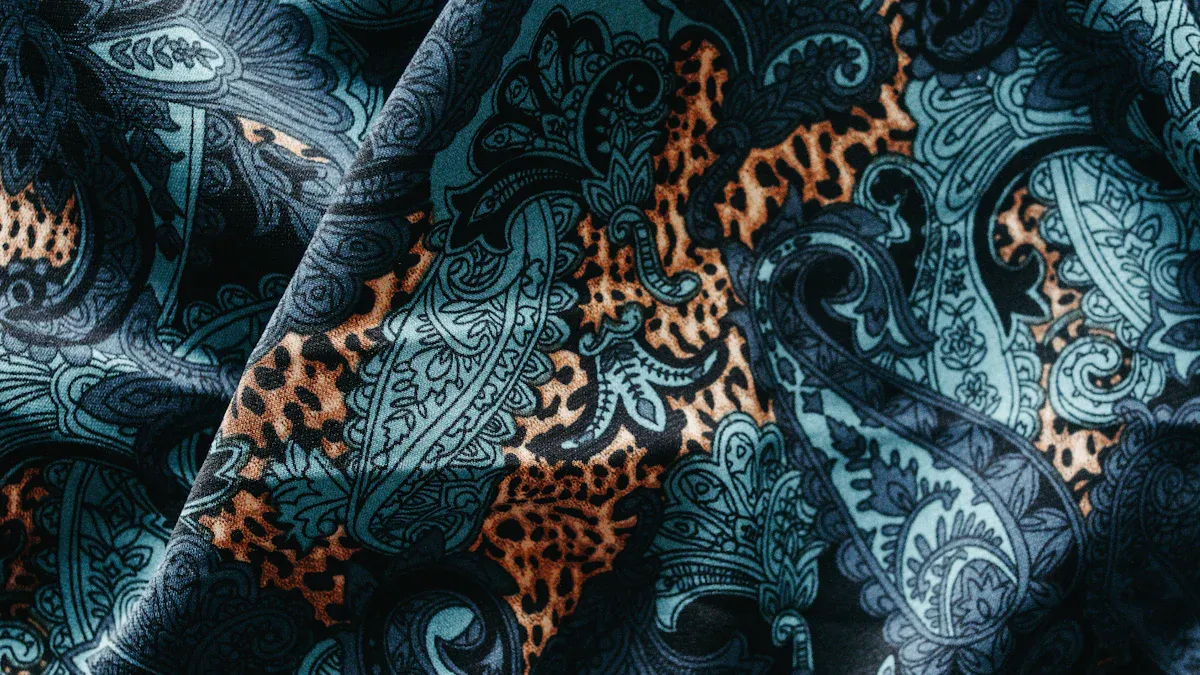
Jacquard fabric is not just plain material. It has special patterns and textures. These patterns are made by weaving with a jacquard loom. The loom helps make pictures and designs in the fabric. The designs are part of the fabric, not just printed on top. You see jacquard fabric in fancy clothes and home decorations.
Note: Jacquard fabric can use cotton, silk, polyester, wool, or blends. Each fiber makes the fabric feel different. Cotton jacquard feels soft and lets air through. Silk jacquard is shiny and smooth. Polyester jacquard is strong and easy to clean.
Here is a simple chart to show how jacquard fabric and cotton are different:
Feature | Jacquard Fabric | Cotton Fabric |
|---|---|---|
Origin | Made with a special loom | Comes from the cotton plant |
Pattern | Has fancy woven patterns | Has plain or simple weaves |
Texture | Feels bumpy because of raised designs | Feels soft or smooth |
Breathability | Changes with weave and fiber | Lets air pass through easily |
Absorbency | Changes with weave and finish | Soaks up water well |
Durability | Lasts long, depends on fiber | Lasts long but wrinkles easily |
Comfort | Can be comfy, sometimes less airy | Very soft and comfy |
Versatility | Used for fancy and special things | Used for many everyday things |
Cost | Costs more because of weaving | Costs less and is easy to buy |
Making jacquard fabric is harder than making cotton fabric. Workers need special skills and machines. This makes jacquard fabric cost more and be less common. You often see jacquard fabric in luxury stores, especially in Europe and Asia. People there like detailed designs and cool textures.
Jacquard fabric is strong and looks nice. It is good for things that need to look fancy, like curtains, dresses, or pillows. If you want something that stands out, jacquard fabric is a good choice.
Cotton Fabric
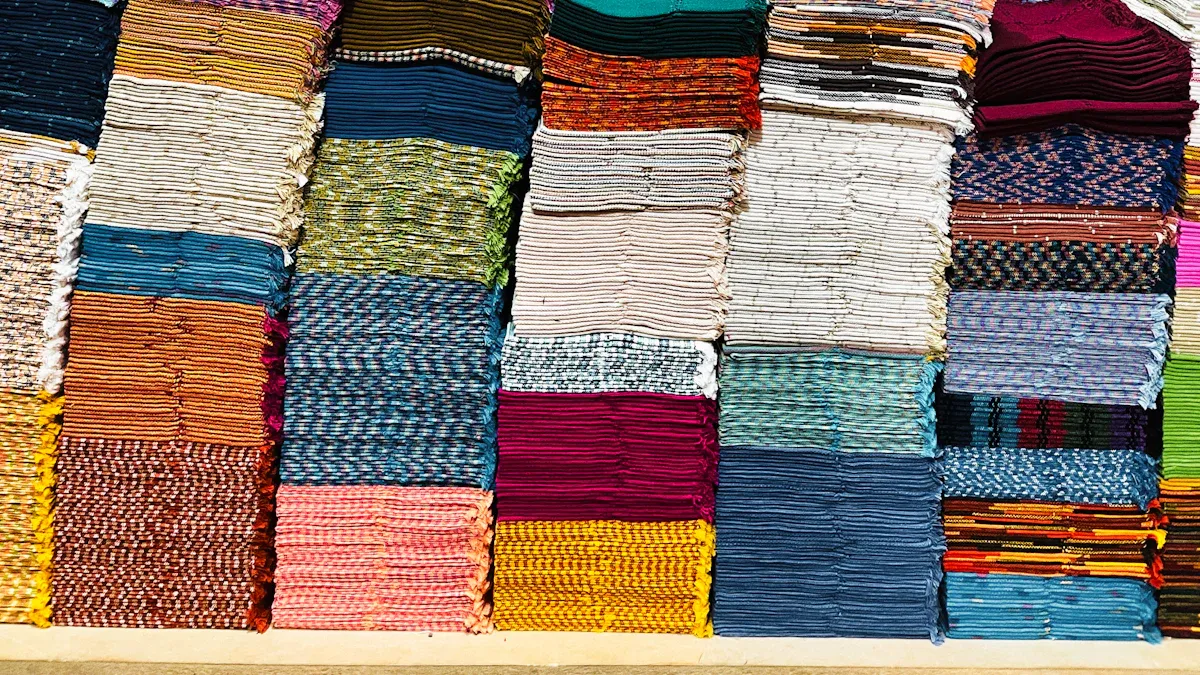
Cotton fabric is very popular all over the world. Cotton comes from a plant that grows in warm places. People have used cotton for a long time. It feels soft, lets air through, and soaks up sweat. You find cotton in shirts, sheets, and more.
Cotton comes in different types. Each type has its own features:
Type of Cotton | Properties | Characteristics |
|---|---|---|
Upland Cotton | Short fibers, 20-30 microns wide | Most common, makes most cotton sold |
Pima Cotton | Long, strong fibers, very soft | Extra-long, mostly grown in the U.S. |
Egyptian Cotton | Very soft, strong, shiny, 18-20 microns wide | Grown in Egypt, known for luxury |
Sea Island Cotton | Very long and fine fibers, 10-15 microns wide | Rare, expensive, grown in the West Indies |
Organic Cotton | Like upland, grown without chemicals | Good for the planet and health |
Colored Cotton | Grows in green, brown, or red colors | No dyes needed, better for nature |
Bt Cotton | Changed to fight bugs | Needs less bug spray, grows more |
Pima cotton feels fancy and does not pill.
Egyptian cotton is very soft and strong, great for sheets.
Organic cotton is best if you care about nature.
Upland cotton is used most, but is not as soft as Pima or Egyptian cotton.
Cotton fabric is easy to wash and costs less than jacquard. You can use cotton for clothes, towels, and bedding. Cotton is very useful. You find it in plain weaves, twills, and even cotton jacquard. Cotton jacquard mixes comfort with pretty patterns.
When you look at jacquard fabric vs cotton, each has good points. Jacquard fabric gives style and detail. Cotton fabric gives comfort and is good for daily use. Pick the one that fits your needs—beauty and texture, or softness and air flow.
Origins and Weaving
Jacquard Weaving
Jacquard weaving has a story about invention and change. Joseph-Marie Jacquard made the Jacquard loom in 1804. This machine changed how people made patterned fabric. Before this loom, workers made designs by hand. It took a lot of time. The Jacquard loom used punched cards to guide each thread. This helped make hard patterns faster and with fewer mistakes. In 1801, Jacquard showed his loom at a Paris show. The loom made detailed designs without needing a draw boy. Now, one person could run the loom and make pretty jacquard fabric.
The Jacquard loom did more than make weaving faster. It made fancy fabric cheaper for more people. The punched cards also helped inspire early computers. Today, jacquard weaving affects both fashion and technology.
The loom let you control each warp thread. This made new patterns possible.
You could make detailed designs easily. This made jacquard fabric special for clothes and home items.
The process gave designers and makers more ways to be creative.
Cotton Weaves
Cotton’s story starts with wild plants long ago. Ancient people used wild cotton fibers thousands of years ago. Later, farmers learned to grow cotton and pick plants with better fibers. Cotton was grown in at least four places, each with its own wild plant. This made types like Pima and upland cotton.
Farmers made cotton better by picking the best plants.
Cotton is used in many weaves, like plain, twill, and satin.
Cotton weaves give soft, airy, and strong fabric for daily use.
Cotton weaving uses easy methods, but some styles are advanced. Cotton gives comfort and can be used in many ways. That is why people like it for clothes and home things.
Material Composition
Jacquard Cotton
Jacquard cotton is special because of how it is made. The weaving method lets you put patterns into the fabric. These patterns are not just on top, but inside the fabric. Jacquard cotton is often mixed with other fibers. This makes it stronger and gives it a different feel. Pure cotton fabric is usually not mixed with other materials. Cotton jacquard feels soft and lets air pass through. It works well for things like curtains and furniture covers. People also use it for dresses and everyday clothes. It is comfy and looks nice. Jacquard cotton gives you both style and usefulness in one fabric.
Tip: If you want comfort and cool patterns, jacquard cotton is a good choice for clothes and home items.
Cotton Fabric Types
There are many kinds of cotton fabric. Each kind has its own feel and look. The way you weave cotton changes the fabric. Here is a table that shows how they are different:
Fabric Type | Characteristics |
|---|---|
Sateen | Feels smooth and shiny, thick, does not wrinkle much, and hangs nicely. People use it for fancy bed sheets. |
Percale | Feels cool and crisp, lets air through, feels nice on skin, looks simple, and wrinkles more. |
Muslin | Is light, soft, and thin, has a plain weave, uses fine yarn, feels a bit fuzzy, and has fewer threads per inch. |
Pick sateen if you want a shiny and smooth sheet. Percale is good if you like cool and crisp sheets for hot nights. Muslin is soft and light, so it works for crafts or summer clothes. Each cotton fabric gives you something different. You can pick what fits your needs. The way each fabric is made depends on the weave and the kind of cotton used.
Properties
Texture and Patterns
When you touch jacquard fabric, you notice its unique texture right away. The loom weaves intricate patterns directly into the material, so you feel raised designs instead of a flat surface. These patterns can look very detailed, almost like artwork. Cotton usually feels smooth or soft, depending on the weave. You see simple textures in cotton, but jacquard stands out with its bold, woven designs. If you want fabric that adds style and catches the eye, jacquard gives you more options.
You can choose from many patterns with jacquard, from classic florals to modern shapes. Cotton offers comfort, but jacquard brings extra flair to your clothes or home.
Comfort and Breathability
You might wonder how these fabrics feel when you wear or use them. Cotton feels soft and gentle on your skin. It lets air move through, which helps you stay cool. This property, called breathability, makes cotton a favorite for hot weather or bedding. Jacquard can feel a bit thicker or more structured, depending on the fibers used. Some jacquard fabrics use cotton, so they keep the comfort and breathability you love.
In tests, cotton pillowcases felt comfortable and stayed cool, especially in humid rooms.
Jacquard pillowcases kept their texture and warmth after many washes, but felt less airy than plain cotton.
Both fabrics can feel soft, but cotton usually wins for breathability.
If you want comfort and coolness, cotton is a great choice. If you want a mix of comfort and style, try cotton jacquard.
Durability
Durability means how well a fabric holds up over time. Jacquard stands out for its strength. The woven patterns do not fade or peel, even after many washes. This makes jacquard a smart pick for items you use every day, like upholstery or curtains. Cotton is also strong, but it can show wear faster, especially after repeated washing. You might see fuzziness or wrinkles on cotton over time.
Fabric Type | Durability Under Use | Care Instructions |
|---|---|---|
Jacquard | Strong due to woven structure | Avoid rubbing rough articles; hand wash in cold water with special detergent. |
Cotton | Generally durable | Can withstand machine washing but may wear out faster than jacquard with repeated use and washing. |
You get long-lasting results with jacquard, but you need to care for it gently. Cotton is easier to wash, but it may not last as long if you use it every day.
Tip: If you want fabric that keeps its look and strength, jacquard is a reliable choice. For easy care and comfort, cotton works well.
Advantages and Disadvantages
Jacquard Fabric Pros and Cons
When you look at jacquard fabric, you see many reasons why people choose it for fashion and home use. Here are some of the main advantages:
You get a fabric that lasts a long time. Jacquard fabric resists stains, pilling, and fading, so it keeps looking new.
The patterns stay bright and do not peel off because they are woven into the fabric.
You can use jacquard in busy places, like hotels or living rooms, because it stands up to wear and tear.
The fabric feels light, soft, and breathable, so you stay comfortable.
You see beautiful, three-dimensional designs that make your clothes or home stand out.
Jacquard fabric gives you a unique style. The raised patterns add depth and make each piece special.
However, jacquard fabric also has some disadvantages you should know:
You may pay more for jacquard because making it needs special looms and skilled workers.
You need to care for it carefully. Some jacquard fabrics need dry cleaning or gentle washing.
If you do not store it right, the patterns can get damaged.
Sometimes, the colors may fade, and cleaning can be tricky.
Cotton Fabric Pros and Cons
Cotton is a favorite for many reasons. Here are the main advantages:
Cotton is natural and eco-friendly. It breaks down in nature and is a good choice for the planet.
You feel cool and comfortable because cotton lets air move through.
The fabric feels soft and gentle on your skin, which is great if you have allergies.
Cotton lasts a long time and gets softer each time you wash it.
It soaks up sweat and moisture, keeping you dry.
You can wash cotton in a machine, so it is easy to care for.
Cotton works for many things, from clothes to curtains.
It does not trap dust or allergens, so it is safe for people with allergies.
Cotton holds color well, so your clothes and sheets look bright.
You help the environment when you pick cotton because it is sustainable.
Tip: If you want a fabric that is easy to use every day, cotton is a smart choice.
Cotton also has some disadvantages:
Growing cotton uses a lot of water and many pesticides, which can harm the earth and people.
Factories use chemicals to dye and bleach cotton, which can pollute water and weaken the fabric.
Cotton can wear out faster if you do not wash it gently.
The whole process of making cotton fabric leaves a big carbon footprint.
Comparison Table
Here is a table that shows the most important differences between jacquard fabric and cotton fabric:
Feature | Jacquard Fabric | Cotton Fabric |
|---|---|---|
Texture & Feel | Raised, quilted, or patterned surface | Soft, smooth, and airy |
Visual Depth & Design | Patterns woven into the fabric, 3D effect | Simple weaves or surface prints |
Durability & Longevity | Patterns do not fade or peel, very durable | Can fade or peel, less durable |
Maintenance | Needs special care, sometimes dry cleaning | Easy to wash, low maintenance |
Cost | Higher due to special weaving | Lower, widely available |
Eco-Friendliness | Depends on fiber used | Natural, biodegradable, sustainable |
Comfort | Light, soft, and breathable | Very soft, cool, and gentle on skin |
When you compare jacquard fabric vs cotton, you see that each has its own advantages and disadvantages. Jacquard gives you style and strength, while cotton offers comfort and easy care. You can pick the fabric that fits your needs best.
Care Requirements
Jacquard Fabric Care
You need to take special care of jacquard fabric to keep it looking beautiful. The right steps help your jacquard bedding and other items last longer. Follow these tips from textile care experts:
Know Your Fabric: Always check the label. Jacquard fabric can be made from cotton, silk, or synthetic blends. Each type may need different care.
Regular Maintenance: Use a vacuum with a soft brush to remove dust. This keeps dirt from settling deep into the fabric.
Spot Cleaning: If you spill something, blot it right away with a clean, white cloth. For stains, use a mild detergent. Test any cleaner on a hidden spot first.
Hand Washing: For delicate jacquard, fill a basin with lukewarm water and add a gentle detergent. Swirl the fabric gently. Do not rub or twist it.
Dry Cleaning: If the fabric is very dirty, take it to a professional cleaner. Tell them what the fabric is made of.
Ironing Tips: Iron on the correct setting for your fabric. Place a cloth between the iron and the jacquard. Avoid using steam, which can harm the patterns.
Tip: Always store jacquard items in a cool, dry place to prevent damage.
Cotton Care
Cotton is easy to care for, but you still need to follow some best practices to keep it soft and strong.
Choose a gentle, color-safe detergent. This protects the fibers.
Wash in cold or warm water. Hot water can shrink cotton.
Sort your laundry by color. This stops colors from bleeding.
Treat stains as soon as you see them. Use a stain remover before washing.
Dry on low or medium heat, or hang items to air dry. This helps keep their shape.
Take clothes out of the dryer while they are still a little damp. Smooth out wrinkles with your hands.
Remember: Good care keeps your cotton items looking fresh and feeling comfortable.
Applications
Fashion Uses
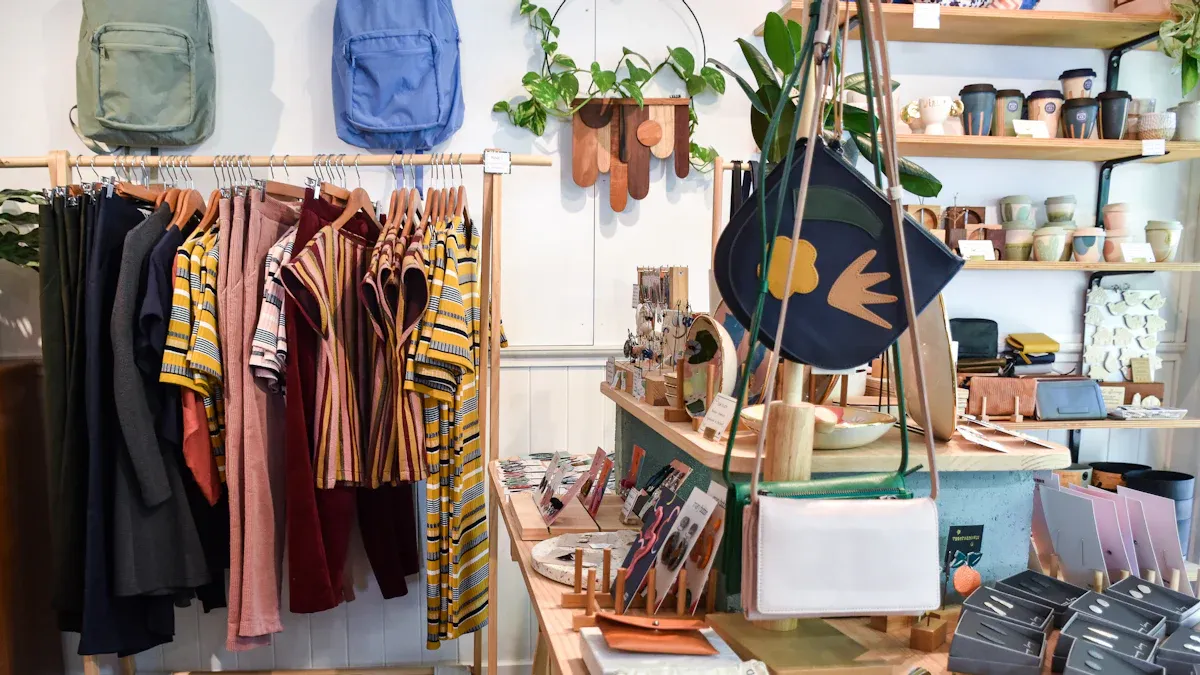
Jacquard fabric and cotton are used in many clothes. Designers use jacquard for fancy blouses, skirts, and dresses. They also use it for jackets and suits. Jacquard patterns make each item look special and stylish. Cotton is great for shirts and casual dresses. People wear cotton for everyday outfits. You also find cotton in scarves and ties. The table below shows how both fabrics are used in fashion:
Application Type | Examples |
|---|---|
Clothing | Blouses, skirts, dresses, jackets, suits |
Accessories | Handbags, wallets, belts, scarves, ties |
Jacquard is popular for formal clothes because it looks textured. Cotton gives comfort and works for many daily outfits.
Home Textiles
These fabrics are used for home decorations and textiles. Jacquard fabric is good for covering chairs, sofas, and ottomans. You often see jacquard in curtains and cushion covers. It is also used for bedspreads. Cotton jacquard is soft and looks nice, so people like it for bedding. Cotton is used for sheets, pillowcases, and tablecloths. Both fabrics can be used in many ways at home.
Jacquard fabric works well for furniture and curtains.
Cotton jacquard is a good pick for bedding.
Cotton is often used for sheets and tablecloths.
You can make your home cozy and stylish with these fabrics.
Choosing Between Jacquard and Cotton
Think about a few things before you pick a fabric. Look at the quality, design, care, price, and the seller. Jacquard has a special texture and is strong. Its patterns last a long time and do not peel. This is good for things you want to keep looking nice. Cotton costs less and is easy to wash. Jacquard costs more because it is harder to make. Cotton is best for things you use every day and want to clean easily. Jacquard is better for fancy events and pretty home items. Cotton is good for casual clothes and common home uses.
Tip: Pick jacquard for special projects that need style and strength. Choose cotton if you want comfort, easy care, and many uses.
When you look at jacquard fabric and cotton, you notice they are different. Jacquard fabric has fancy designs and lasts a long time. Cotton feels soft and is easy to take care of. The table below can help you pick which one you want:
Feature | Jacquard Fabric | Cotton |
|---|---|---|
Durability | Long-lasting | Needs more care |
Design | Complex patterns | Simple, soft feel |
Cost | Higher | More affordable |
Care | Gentle cleaning needed | Easy to wash |
Pick jacquard fabric if you want something that looks fancy and stays nice for a long time. Choose cotton if you want something soft and simple to wash. Decide what is most important to you—how it looks or how easy it is to use every day.
FAQ
What makes jacquard fabric different from printed fabric?
Jacquard fabric has patterns woven into the material. Printed fabric shows designs on the surface only. You get longer-lasting patterns with jacquard.
Tip: Woven designs do not fade as quickly as prints.
Can you machine wash jacquard fabric?
You should check the care label first. Many jacquard fabrics need gentle washing or dry cleaning. If you use a machine, choose a delicate cycle and cold water.
Always air dry to protect the texture.
Is cotton fabric good for people with allergies?
Yes, cotton is hypoallergenic. You avoid skin irritation and feel comfortable. Cotton does not trap dust or allergens easily.
😊 Cotton bedding helps you sleep better if you have allergies.
Which fabric is better for summer clothing?
Cotton works best for summer. You stay cool because cotton lets air pass through. Jacquard can feel heavier, unless it uses cotton fibers.
Choose lightweight cotton for hot days.
Does jacquard fabric cost more than cotton?
Yes, jacquard fabric usually costs more. You pay extra for the special weaving and detailed patterns.
Fabric Type | Average Cost |
|---|---|
Jacquard | Higher |
Cotton | Lower |