
When you bring sweaters into the United States, it’s important to know what documents are needed for importing sweaters. These include the Bill of Lading, Commercial Invoice, Packing List, Importer Security Filing, Customs Entry Form 7501, Customs Bond, and Certificate of Origin. You should also check if any permits or licenses are required.
Having the right labels and care instructions is also part of what documents are needed for importing sweaters, as they help your shipment comply with regulations and avoid costly delays. Understanding what documents are needed for importing sweaters will make the process much smoother.
Key Takeaways
You need some important documents to import sweaters into the U.S. These include a Commercial Invoice, Packing List, and Customs Entry Form 7501.
The Commercial Invoice must show details like what the sweaters are, how much they cost, and where they come from. Make sure it matches your Packing List.
A Packing List helps customs check your shipment. List all sweaters, their weights, and sizes in detail.
The Importer Security Filing (ISF) is needed for ocean shipments. You must file it at least 24 hours before your cargo leaves the foreign port.
The Customs Entry Form 7501 is needed for every shipment. Fill it out correctly to avoid delays and fines.
A Certificate of Origin might be needed to show where your sweaters were made. Check if your shipment needs this document.
You must follow strict labeling rules for sweaters. Include care instructions and the country of origin. Mistakes can cause fines.
Use a checklist to make sure you have all the right documents. This helps you avoid delays and keeps your shipment moving.
What documents are needed for importing sweaters?
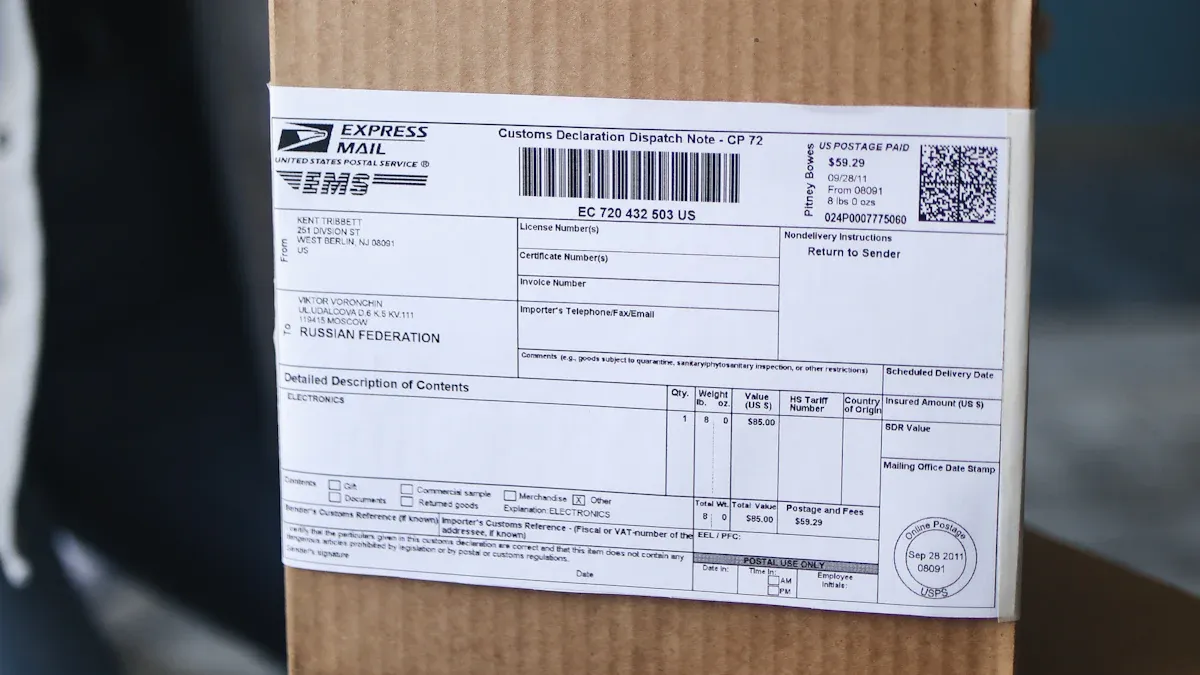
If you want to import sweaters, you need certain documents. Each document is important for bringing in clothes. These papers help you follow the rules and avoid delays. They also help your sweaters get through customs without problems. Let’s look at the main documents you need to import clothes into the United States.
Commercial Invoice
The commercial invoice is very important for importing clothes. It tells U.S. Customs and Border Protection what you are sending. It also says who is sending and getting the sweaters. Customs uses this paper to check your paperwork. They also use it to figure out the right tariff with the harmonized tariff schedule.
Required Details
Your commercial invoice must have these things:
A clear description of each sweater and the harmonized code.
The number and value of all sweaters in the shipment.
The country where the sweaters were made and where they will be sold.
Seller’s name and address.
Importer’s and buyer’s names and addresses.
Invoice number, customer reference, and how you are shipping.
The U.S. port where the sweaters will enter.
The price, type of money, and any extra charges.
All information must be in English or have a good English translation.
Tip: Check that your invoice matches your packing list and other papers. This helps you avoid problems with customs and following the rules.
Common Mistakes
People often make mistakes on their commercial invoices. Here are some common errors and how to stop them:
Forgetting important details like the harmonized code or country of origin.
Using the wrong HS code, which can cause problems and delays.
Not matching product descriptions on all documents.
Sending invoices that are not in English.
Not including the U.S. port of entry or buyer’s details.
If you make these mistakes, your shipment could be delayed or cost more. Your shipment might even be held at the border. U.S. Customs and Border Protection can fine you up to $10,000 for mistakes. Always check your documents to make sure they are correct and complete.
Packing List
The packing list is another important paper for importing clothes. It helps customs and shipping workers check what is in each box. If you want to know what documents are needed for importing sweaters, always include the packing list.
Shipment Contents
Your packing list must have:
A list of every sweater in each package.
The weight and size of each package.
Details about what is in each box or container.
Put a copy of the packing list inside and outside each package. This helps customs check your shipment faster.
Formatting Tips
Make your packing list clear and easy to read. Use simple tables or lists to show what is inside. Make sure the details match your commercial invoice. If the information does not match, you could have delays or extra checks. Always use English for your packing list.
Air Waybill/Bill of Lading
When you ship sweaters, you need an air waybill or a bill of lading. These papers show you shipped the goods. They also help with customs when importing clothes.
Transport Information
The air waybill is for air shipments. The bill of lading is for sea shipments. Both must have:
Shipper’s and consignee’s names and addresses.
Description of the sweaters and how many there are.
Shipping route and how you are shipping.
Date of shipment and when it should arrive.
Here’s a quick comparison:
Factor | Bill of Lading (BOL) | |
|---|---|---|
Nature | Non-negotiable | Can be negotiable |
Ownership | Does not transfer | Acts as a title document |
Speed | Faster, no originals | Slower, needs originals |
Mode of Transport | Air freight | Sea freight |
Clearance | ID verification only | Needs original signed copy |
Verification Steps
Before you send your sweaters, check that all details match your other papers. Make sure the product descriptions, numbers, and addresses are correct. This helps you avoid problems with customs. If you use the wrong paper or forget something, your shipment could be delayed or rejected.
Note: Always keep copies of your shipping papers. You may need them for customs, paperwork, or to answer questions from the Consumer Product Safety Commission or Federal Trade Commission.
If you follow these steps and fill out each paper carefully, importing clothes is much easier. You also lower your risk of delays, fines, or extra tariffs. Remember, what documents are needed for importing sweaters? You always need the commercial invoice, packing list, and shipping papers. These are the most important papers for importing clothes.
Importer Security Filing (ISF)
The Importer Security Filing, or ISF, is a special requirement for ocean shipments. You must file this document before your sweaters leave the foreign port. The ISF helps U.S. customs know what is coming into the country. If you do not file the ISF on time, your shipment can face big delays or even penalties.
Ocean Shipments
You need to file the ISF for every ocean shipment. This rule does not apply to air shipments. The ISF tells customs about the sweaters, the shipper, the buyer, and the route. You must include details like the name and address of the seller, the buyer, the manufacturer, and the container stuffing location. These requirements help customs check for safety and security.
Filing Deadlines
You must file the ISF early. The deadline is 24 hours before the cargo loads onto the vessel at the port of origin. If you miss this deadline, your shipment may not leave the port or may be held at arrival. Here is a quick look at the deadline:
Requirement | Deadline |
|---|---|
ISF Filing |
Always double-check your ISF for accuracy. Mistakes can cause customs to hold your sweaters or charge you a fine.
Customs Entry Form 7501
The Customs Entry Form 7501 is the main document for bringing sweaters into the United States. You must fill out this form for every shipment. This form tells customs all the important details about your sweaters and your shipment.
Declaration Process
You must submit Form 7501 when your sweaters arrive. You give this form to customs at the port of entry. The form shows the value, type, and origin of your sweaters. You must also include the name of the importer and the shipping details. Customs uses this form to decide if your shipment meets all requirements and to collect any duties or taxes.
Key Fields
Form 7501 has many fields. You must fill out each one correctly. Here are the main fields you need to know:
Field Name | Description |
|---|---|
Entry Number | An 11 digit alphanumeric code assigned to the importer by the CBP. |
Entry Type | A two-digit code specific to the type of entry being filed. |
Summary Date | The date the entry was filed with the CBP in MM/DD/YYYY format. |
Surety Number | A three-digit numeric code identifying the surety company. |
Bond Type | A single-digit numeric code indicating the type of bond required. |
Port Code | The US port code from where the merchandise entered the country. |
Entry Date | The date on which the goods were released from CBP custody. |
Importing Carrier | The name of the carrier or vessel that brought the goods into the US. |
Mode of Transport | The mode of transportation by which the import shipment entered the US. |
Country of Origin | The country where the goods were manufactured or produced. |
Importer Number | The unique identification code used by the CBP for the importer. |
Check every field for accuracy. If you make a mistake, customs may delay your shipment or ask for more information.
Certificate of Origin
The Certificate of Origin proves where your sweaters were made. Some shipments need this document to meet requirements from the importing country or to get lower tariffs. You may also need it if your customer asks for proof of origin.
When Needed
You need a Certificate of Origin in these cases:
Requirement Type | Description |
|---|---|
Importing Country Regulations | Some countries require COs for certain product categories, while others demand it universally. |
Customer Requests | A CO may be needed based on specific requests from customers. |
Check the requirements for your shipment before you send your sweaters. If you do not include the right documents, customs may hold your shipment.
Preparation Steps
To prepare a Certificate of Origin, follow these steps:
Get the correct form from your chamber of commerce or trade group.
Fill in the name and address of the exporter and importer.
List the sweaters and their country of origin.
Sign and date the form.
Have the chamber of commerce or a notary stamp the document if needed.
Tip: Always keep a copy of the Certificate of Origin for your records. This helps you answer any questions from customs or your customers.
Preparing import documents
Commercial Invoice Preparation
A commercial invoice is very important for sweater imports. You must make it carefully to follow all rules and avoid delays at customs.
Itemized Descriptions
List each sweater style, color, and size by itself. Give a clear description for every item. This helps customs know what you are bringing in. Check that your descriptions match your packing list and other papers. If you use codes or short forms, explain them so customs can understand.
Value Declaration
You need to show the value of each sweater. Write the price you paid or will pay. Add up the total value for all sweaters. Customs uses this to figure out taxes and duties. Make sure your invoice shows the type of money and any extra costs, like shipping or insurance. To do this well, follow these steps:
Use a simple and neat format.
Put full buyer and seller information.
Follow all legal rules for your shipment.
List delivery and payment terms, like Incoterms.
Use technology to help avoid mistakes.
Add your company logo and contact details.
Keep copies of every invoice you make.
Update your invoice template when rules change.
Tip: Keep your invoices in order. This helps you answer questions from customs or customers.
Packing List Preparation
A packing list helps customs and shipping workers check your shipment. You must make it right to follow all rules and get your sweaters cleared fast.
Quantity and Weight
Write the number of packages and how many sweaters are in each. Show the weight and size for every package. Add the total weight and volume for everything. This helps customs check your shipment quickly.
Packaging Details
Your packing list should have all important details. Here is a table to help you remember what to put:
Detail | Description |
|---|---|
Date | When you made the packing list |
Shipper and exporter contact | Your contact information |
Consignee contact | Receiver’s contact information |
Origin address | Where the sweaters started |
Destination address | Where the sweaters are going |
Total number of packages | Count of all packages |
Detailed description of packages | What is inside each package |
Volume and weight of packages | Size and weight of each package |
Total volume and weight | Size and weight for the whole shipment |
Commercial invoice number | Invoice number for this shipment |
Note: Make sure your packing list matches your invoice and follows all customs rules.
Air Waybill/Bill of Lading Preparation
You need an air waybill for air shipments or a bill of lading for sea shipments. These papers show you shipped the sweaters and help with customs.
Shipper/Consignee Info
Write the full names and addresses of the shipper and the consignee. Add contact details for both people. Customs needs this for tracking and delivery.
Transport Details
Put all transport details to follow the rules. Your paper should show the route, where the shipment leaves and arrives, and a tracking number. Add a description of the sweaters, how many there are, and their weight. The air waybill or bill of lading also proves the carrier got your goods and will deliver them.
Remember: Correct and complete papers help you avoid delays and follow all import rules.
ISF Filing Steps
The Importer Security Filing is very important for ocean shipments. You must follow the rules to avoid delays and fines. Filing the ISF lets U.S. Customs know what is coming before your sweaters get there.
Electronic Submission
You have to send the ISF online using the ACE portal. This keeps your information safe and helps customs work faster. Here are the steps you should follow:
Collect all the needed information:
Manufacturer name and address
Seller name and address
Buyer name and address
Ship-to name and address
Container stuffing location
Consolidator’s name and address
Importer of record number
Country of origin
Commodity Harmonized Tariff Schedule number
Send the ISF at least 24 hours before the ship leaves for the U.S.
Use the ACE portal to send your ISF online.
If you need to change something, fix or cancel the ISF before the ship gets to the U.S.
Tip: Always save a copy of your ISF. This helps you show customs you followed the rules if they ask.
Data Accuracy
It is important to use correct information for import rules. Check every detail before you send the ISF. Mistakes can make your shipment late or cost you money. Look at names, addresses, and codes for errors. Make sure the information matches your other papers. If you find a mistake, fix it right away in the ACE portal.
Customs Entry Form 7501 Completion
Customs Entry Form 7501 is also important for import rules. You must fill out this form the right way to get your sweaters through customs.
Required Fields
You need to fill in many parts on Form 7501. These include the value of your sweaters, the right HS code, and the receiver’s address. You must also give contact details and information about the shipment. Always check what each part needs before you send the form.
Submission Process
Give Form 7501 to U.S. Customs when your sweaters arrive. You can send it online or on paper, depending on your broker. Try not to make mistakes that can slow down your shipment:
Use the right HS code for sweaters.
Put the correct receiver address.
Give the right contact details.
Check your Automated Export System information.
Label dangerous items the right way, if you have any.
Attach the form and barcode the right way.
Follow all import rules.
Do not think your sweaters are duty-free without checking.
Note: Checking Form 7501 carefully helps you follow the rules and avoid delays.
Certificate of Origin Preparation
A Certificate of Origin shows where your sweaters were made. This paper helps you follow import rules and may help you pay less tax.
Verifying Origin
You need to prove where your sweaters came from with the right papers. Customs might ask for different types of proof. Here is a table showing what you can use:
Documentation Type | Description |
|---|---|
Commercial Invoices | Shows the manufacturer and the origin of the goods. |
Sewing Tickets | Helps confirm the Manufacturer Identification for apparel products. |
Mill Certificates | Used for home textiles to confirm fabric origin. |
Additional Records | Customs may request more documents based on the product type. |
Check which papers fit your shipment. Keep them ready in case customs asks for more proof.
Authentication
You must sign and date the Certificate of Origin. Sometimes, you need a stamp from your chamber of commerce or a notary. This step proves your paper is real. Always keep a copy for your records. Doing these things helps you follow import rules and avoid shipment problems.
Labeling requirements for importing sweaters
When you import sweaters into the United States, you must follow strict labeling requirements. These rules help protect consumers and make sure everyone knows what they are buying. If you do not follow the correct labeling, you can face large fines or even legal trouble. Let’s break down the main labeling requirements for sweaters.
Care Labeling Rule
Care Instructions
You must include care instructions on every sweater. The Care Labeling Rule says you need to tell buyers how to wash, dry, and iron the sweater. This helps people keep their clothes in good shape. You should use clear words and symbols that anyone can understand.
Tip: If you skip care instructions, your sweaters may not pass customs. Always double-check your labels before shipping.
Label Placement
You need to put the care label where it is easy to find. Most sweaters have the label sewn into the neck or side seam. The label must stay attached for the life of the sweater. Make sure the writing does not fade or wash away.
Country of Origin Marking
Labeling Standards
The country of origin must appear on every sweater. The Textile Fiber Products Identification Act requires you to show where the sweater was made. You must use English and make the marking easy to see. If your sweater has wool or fur, you must also follow the Wool Products Labeling Act or the Fur Products Labeling Act.
Requirement | Details |
|---|---|
Language | English |
Visibility | Easy to find and read |
Material-specific laws | Wool and fur have extra labeling rules |
Compliance Tips
Check your labels for mistakes before shipping. If you use the wrong country or hide the marking, you can get fined. Fines can reach up to $16,000 for each violation. Some companies have paid millions for not following labeling rules. Always keep records of your labeling to show customs if needed.
Fiber Content Disclosure
Textile Regulations
You must tell buyers what fibers are in the sweater. The law says you can only use generic fiber names, like cotton, wool, or polyester. You must list the fibers in order from most to least by weight. The label must be on the sweater when you sell it.
Required Information
Follow these steps for correct fiber content labeling:
Attach the fiber label before selling the sweater.
Use only generic fiber names.
List fibers in order by weight, from highest to lowest.
Make sure your labeling does not mislead buyers.
Note: If you do not follow these rules, you could face fines or even criminal charges for serious violations.
Labeling requirements protect both you and your customers. Always check the latest rules before importing sweaters. Careful labeling helps you avoid delays, fines, and unhappy buyers.
Common mistakes in importing clothes
When you start importing clothes, you may run into some common mistakes. These errors can slow down your shipment or even cause customs to hold your goods. If you know what to watch for, you can avoid problems and save money.
Incomplete Documentation
Missing Info
You must fill out every part of your import documents. If you leave out important details, customs may delay your shipment. Some of the most frequent mistakes include missing signatures, not dating your forms, or forgetting to include required statements. Customs needs these details to process your shipment. You should also check that you have included the correct commodity codes and clear product descriptions. Vague or missing information can confuse customs officers and lead to extra checks.
Here are some common missing items:
Signatures or dates on invoices and forms.
Detailed sweater descriptions.
Correct harmonized codes.
Origin declarations for your sweaters.
Proper use of Incoterms.
If you miss any of these, you may face delays or extra costs.
Unreadable Copies
Customs officers must be able to read your documents. If you send blurry or faded copies, they may not accept them. Always use clear, high-quality scans or prints. Make sure all writing is easy to read. If customs cannot read your paperwork, they may hold your shipment until you send better copies. This can lead to storage fees or even return shipping costs.
Incorrect Data Entry
Typos
Small mistakes can cause big problems when importing clothes. Typos in names, addresses, or numbers can confuse customs. You should always double-check your forms before you send them. Even a simple spelling error can slow down your shipment.
Wrong Codes
Using the wrong codes for your sweaters is a common error. Customs uses these codes to decide how much duty you must pay. If you use the wrong code, you may pay too much or too little. Customs may also fine you or hold your shipment for review. Always check that you use the correct harmonized tariff code for each item.
Late Submissions
ISF Delays
You must file your Importer Security Filing (ISF) on time for ocean shipments. If you miss the deadline, customs can delay your shipment or charge you a penalty. The ISF must be filed at least 24 hours before your sweaters leave the foreign port. Late filings are a common reason for delays when importing clothes.
Permit Expiry
Some shipments need special permits or licenses. If your permit expires before your shipment arrives, customs will not release your goods. Always check the dates on your permits and renew them if needed. Keeping track of your paperwork helps you avoid costly mistakes.
Tip: Working with a customs broker can help you avoid these errors. Brokers know the rules and can check your documents for mistakes.
If you pay attention to these common mistakes, you can make importing clothes much easier. Careful preparation helps you avoid delays, fines, and extra costs.
Labeling Errors
Labeling errors can cause big problems when you import sweaters. Customs officers check every label to make sure you follow the rules. If you miss a label or use the wrong information, your shipment may get delayed or rejected. You can also face fines or extra costs. Let’s look at two common labeling mistakes and how you can avoid them.
Missing Care Labels
Care labels tell buyers how to wash, dry, and iron sweaters. The Federal Trade Commission (FTC) requires care labels on all clothing sold in the United States. If you forget to add care labels, customs may not let your sweaters enter the country.
You should always check that every sweater has a care label. The label must show clear instructions. Use words or symbols that people understand. Place the label where buyers can see it easily, like inside the neck or side seam.
Here are some tips to help you avoid missing care labels:
Make a checklist for your packing process.
Inspect each sweater before shipping.
Train your staff to check for care labels.
Use a sample label to show what is required.
Note: Missing care labels can lead to fines up to $16,000 for each violation. You can also lose customers if they do not know how to care for their sweaters.
Incorrect Origin Marking
You must show the country where each sweater was made. Customs uses this information to check if you follow trade laws. The label must use English and be easy to read. If you use the wrong country or hide the marking, customs may hold your shipment.
Common mistakes include:
Using abbreviations instead of the full country name.
Placing the label where it is hard to find.
Printing the label in a color that blends with the fabric.
Forgetting to update the label when you change suppliers.
Here is a table to help you check your origin marking:
Requirement | What You Should Do | What to Avoid |
|---|---|---|
Language | Use English | Do not use foreign words |
Visibility | Place label where it is easy to see | Do not hide the label |
Accuracy | Use the correct country name | Do not use abbreviations |
Durability | Make sure label stays attached | Do not use weak adhesives |
Tip: Always keep records of your labeling process. If customs asks for proof, you can show your documents and avoid delays.
Labeling errors can cost you time and money. You should double-check every label before you ship your sweaters. Good labeling helps you follow the rules and keeps your customers happy.
Importing clothes checklist
When you want to import sweaters, you need a simple checklist. This helps you stay organized and not make mistakes. Use this checklist before you send sweaters to the United States.
Pre-Import Checklist
Document Collection
Start by getting all the papers you need. Collect each paper before you go to the next step. If you miss a paper, you might have delays or pay more money. Here is a table to help you remember what to get:
Step Type | Details |
|---|---|
Mandatory | 1. Importer of Record: Name, address, contact details. |
2. Consignee: Beneficiary of the shipment. | |
3. Manufacturer: Name and address of the sweater manufacturer. | |
4. Country of Origin: Where the sweaters were made. | |
5. Harmonized Tariff Schedule (HTS): Proper coding for the sweaters. | |
6. Container Packing Details: Information on packing of the sweaters. | |
Optional | – Shipping Method: Air, ocean, or ground. |
– Return Address: Useful for returns or defective merchandise. |
Check off each item as you get it. This keeps your work easy and helps you not forget anything.
Verification Steps
After you get your papers, you need to check each one. Look at every detail. Make sure names, addresses, and codes are the same on all papers. If you see a mistake, fix it before you ship. Double-check the country of origin and the HTS code. These details help customs clear your sweaters without trouble.
Tip: Use a checklist or spreadsheet to keep track. This helps you find missing or wrong information fast.
Final Review
Accuracy Check
Before you send your sweaters, look at your papers one more time. Check for spelling mistakes, missing signatures, or wrong codes. You want every detail to be right. Here are some important things to check:
Key Point | Description |
|---|---|
Customs Declaration | Send customs data online, say what goods you have, their value, and where they are from. |
Sampling Inspection and Tax Payment | Customs may check your sweaters and you must pay taxes and duties. |
Customs Release and Goods Pickup | Pick up your sweaters after customs lets them go, and remember inspections are needed for selling. |
Check that your packing list matches your invoice. If you use a customs broker, ask them to look at your papers too.
Compliance Confirmation
Make sure your shipment follows all U.S. import rules. Check that your labels meet the Care Labeling Rule, country of origin marking, and fiber content rules. Make sure you filed your Importer Security Filing (ISF) on time for ocean shipments. Look at your permits and licenses to see if they are still good.
Note: Careful checking and following the rules help you avoid delays, fines, and unhappy customers. If you use this checklist, importing sweaters is easier and safer.
Troubleshooting import issues
When you bring sweaters into the country, problems can happen. Sometimes paperwork is wrong or customs takes too long. You can fix most problems if you know what to do. This part will show you how to fix document mistakes, deal with delays, and get help from experts.
Resolving Document Errors
If your import papers have mistakes, customs may stop your sweaters. You need to fix errors quickly so your shipment is not held up.
Contacting Customs
If you find a problem, tell customs right away. You can call or email the port where your sweaters are. Customs officers will say what they need to fix the mistake. Always keep your reference numbers and copies of your papers ready. Acting fast helps you avoid longer waits.
Amending Submissions
You can fix mistakes by sending new papers or updating online forms. Customs systems let you fix mistakes for the whole job or just one item. The table below shows the types of errors you might see:
Error Type | Description |
|---|---|
Job level errors | Big mistakes that stop the whole import job. Found in GetDetailsAsync endpoints. |
Item level errors | Mistakes in single rows of your data. Logged but do not stop the whole process. Found in GetItemErrorsAsync endpoint. |
Check your customs portal for error messages. Fix job level mistakes first, then look at item level mistakes. Always check your changes before you send them again.
Handling Delays
Delays at customs can cost you money and make customers unhappy. You can stop delays if you follow the right steps.
Expedite Requests
If your sweaters get stuck, you can ask customs to speed things up. You must explain why your sweaters are needed fast. Customs may move your shipment faster if you give good reasons and all the right papers.
Preventative Measures
You can stop most delays by getting ready early. The table below lists ways to help your sweaters move through customs faster:
Strategy | Explanation |
|---|---|
Make sure all your papers are correct so you do not have delays. | |
Importer Security Filing (ISF) | Send ISF papers at least 24 hours before loading to avoid problems. |
Consistent Tariff Information | Use digital forms to keep the same info on all papers and avoid mistakes. |
Country-Specific Import Requirements | Learn and follow each country’s rules to stop delays. |
Correct Declaration of Cargo Value | Write the right value for your sweaters to avoid fines and problems. |
Planning for Duties and Taxes | Know who pays taxes and duties so you do not have delays. |
Preparation for Random Inspections | Keep your papers ready and plan for checks to save time. |
Leverage Customs Preclearance | Use preclearance programs to get your sweaters delivered faster. |
Work with Experienced Customs Brokers | Work with customs brokers who know the rules and can help you. |
Check your papers before you ship. Plan for inspections and know who pays taxes and duties.
Getting Help
Sometimes you need experts to help with customs problems. There are many resources to help you with sweater imports.
Customs Brokers
Customs brokers know the rules and can help fix mistakes or delays. You can hire a broker to check your papers, file forms, and talk to customs for you. Brokers work with customs often and know how to solve problems fast.
Support Resources
You can use different resources to learn more about importing sweaters:
Priority Trade Issue: Textiles. This gives tips on following rules and trade deals for sweaters.
Capacity Building. Customs teaches importers how to spot trade fraud.
Trade Intelligence. This helps you find unfair trading and fix rule-breaking.
International Verifications and Enforcement Operations. Customs works with other countries to check rules and stop fraud in sweater imports.
You can visit the customs website or ask your broker for more help. These resources help you stay updated and avoid problems later.
Tip: Always keep records of your talks with customs and any changes to your papers. Good records help you fix problems faster and keep your imports moving.
You need many papers and clear labels to bring sweaters into the United States. Always look over your papers and labels before you send your sweaters. The table below lists the main label rules you must follow:
Requirement | Description |
|---|---|
Fiber Content | List what the sweater is made of, from most to least. |
Country of Origin | Show where the sweater was made on the front of the label. |
Care Instructions | Give simple steps for washing and taking care of the sweater. |
Manufacturer Identity | Show the company name or ID number. |
Legibility | Make sure all words are easy to read. |
Stay up to date by:
Checking rules from CBP, FTC, and CPSC.
Getting help from a licensed customs broker.
Reading new updates from these groups about safety and labels.
Use your checklist and ask for help if you are not sure. Rules can change, so always look for new updates.
FAQ
What is the most important document for importing sweaters?
You need the commercial invoice. Customs uses this paper to check your shipment and decide taxes. Always make sure your invoice matches your packing list.
Do you need a customs broker to import sweaters?
You do not need a broker, but hiring one helps you avoid mistakes. Brokers know the rules and can handle paperwork for you.
How do you label sweaters for U.S. import?
You must show care instructions, fiber content, and country of origin. Labels must use English and stay attached to the sweater.
What happens if you miss the ISF filing deadline?
Customs may delay your shipment or charge you a penalty. You must file ISF at least 24 hours before your sweaters leave the foreign port.
Can you use abbreviations for country of origin labels?
No, you must write the full country name in English. Customs does not accept abbreviations or foreign words.
What should you do if customs holds your shipment?
Contact customs at the port. Ask what documents or corrections they need. Fix mistakes quickly to release your sweaters.
How do you check if your documents are complete?
Tip: Use a checklist. Compare every document for matching names, codes, and addresses. Double-check for missing signatures or dates.
Are there extra rules for wool or fur sweaters?
Yes. You must follow the Wool Products Labeling Act or Fur Products Labeling Act. These laws require special labels and extra details.