
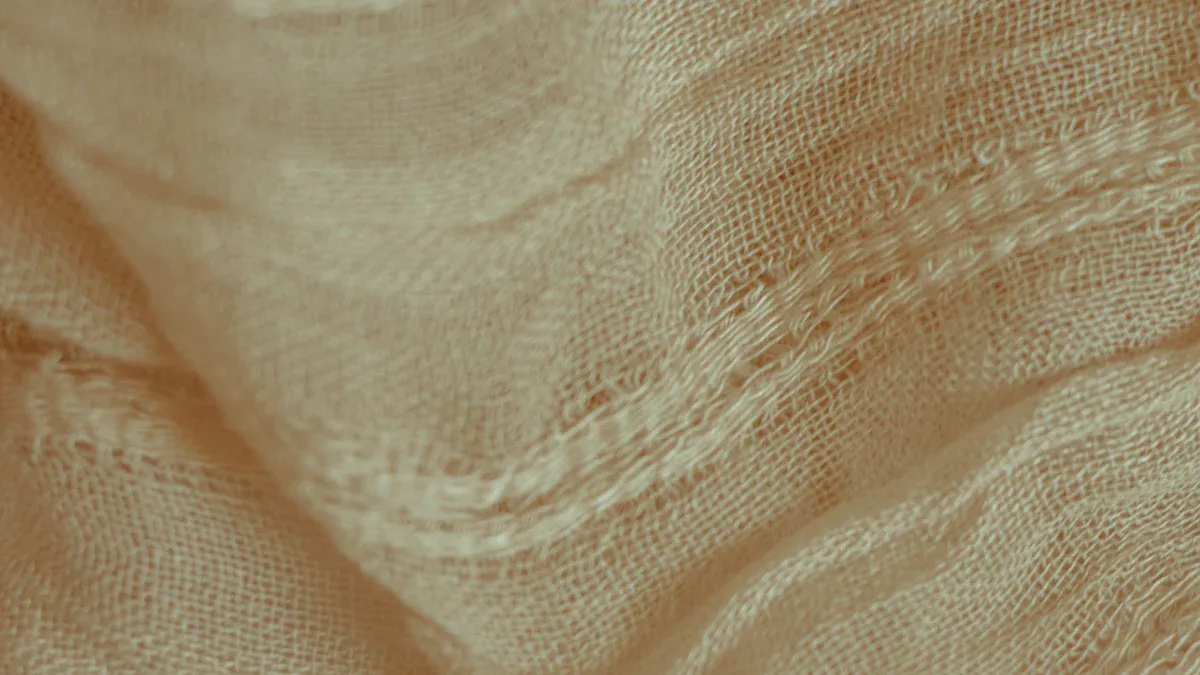
Gauze fabric is thin and see-through. It has an open weave and feels soft on your skin. People use it for baby blankets, summer clothes, and medical dressings. It lets air pass through and soaks up moisture well.
Gauze fabric is popular for many reasons:
It feels light
It is comfortable to wear
It soaks up liquids
The market for sterile gauze dressings was $1.4 billion in 2024. This number keeps getting bigger. Gauze fabric is used in many ways, as you can see below:
Application Area | Common Uses |
|---|---|
Medical | |
Fashion | Summer dresses, blouses, shirts |
Home Décor | Curtains, bedding, table linens |
Industrial | Air and water filtration systems |
Key Takeaways
Gauze fabric is light and lets air pass through. This makes it great for summer clothes and baby things. The open weave in gauze lets air move around. It helps you stay cool and comfy when it is hot. Cotton gauze feels soft and is kind to your skin. Many people pick it for sensitive skin and baby stuff. Gauze fabric can be used in many ways. You can use it for clothes, home decorations, and even in medicine. Double gauze is even softer and soaks up more. It is perfect for baby blankets and clothes. Taking care of gauze fabric is simple. Wash it in cold water and do not use high heat. This keeps the fabric nice. Some brands use eco-friendly choices. They use organic cotton or recycled stuff. You can use gauze fabric for fun DIY projects. Make baby wraps or home decorations with it.
Gauze Fabric Characteristics
Lightweight and Sheer
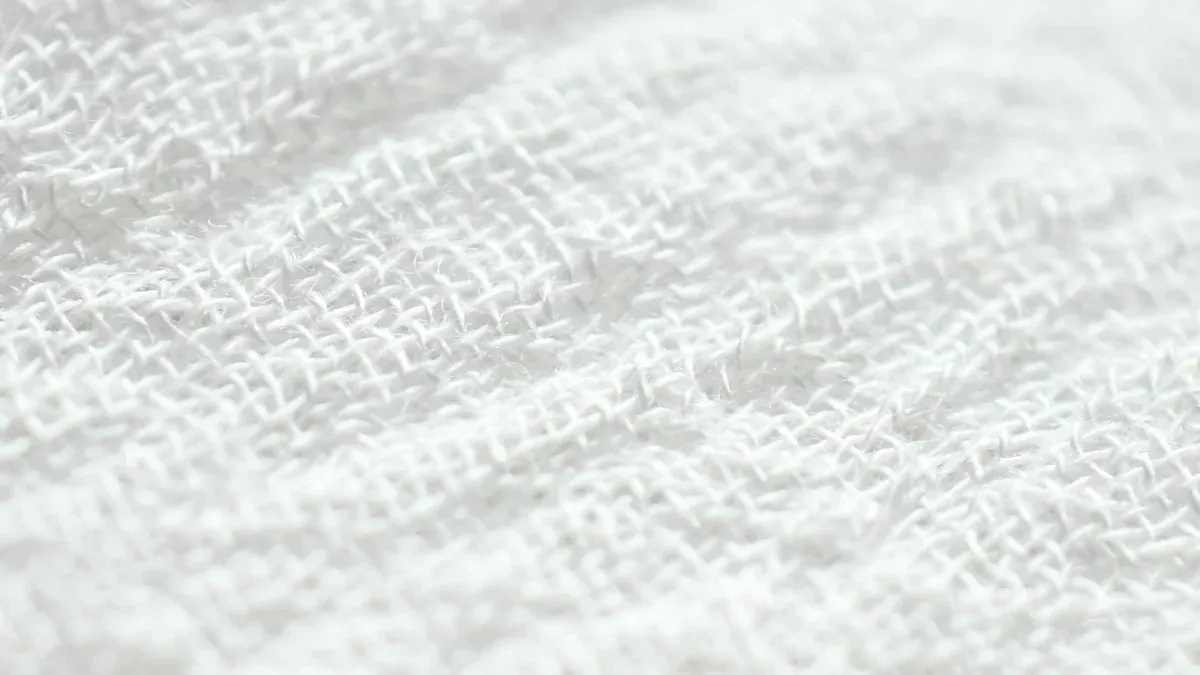
You notice the difference when you touch gauze fabric. It feels thin and light in your hands. The fabric lets light pass through, so you can see shapes and colors behind it. This semi-sheer quality makes it perfect for summer clothing and baby blankets. You might compare gauze fabric to other lightweight textiles, such as voile or chiffon. The table below shows how they stack up:
Fabric | Transparency | Weight (GSM) |
|---|---|---|
Gauze | Semi-sheer | 30-80 |
Voile | Semi-sheer | 50-70 |
Chiffon | High sheer | 20-40 |
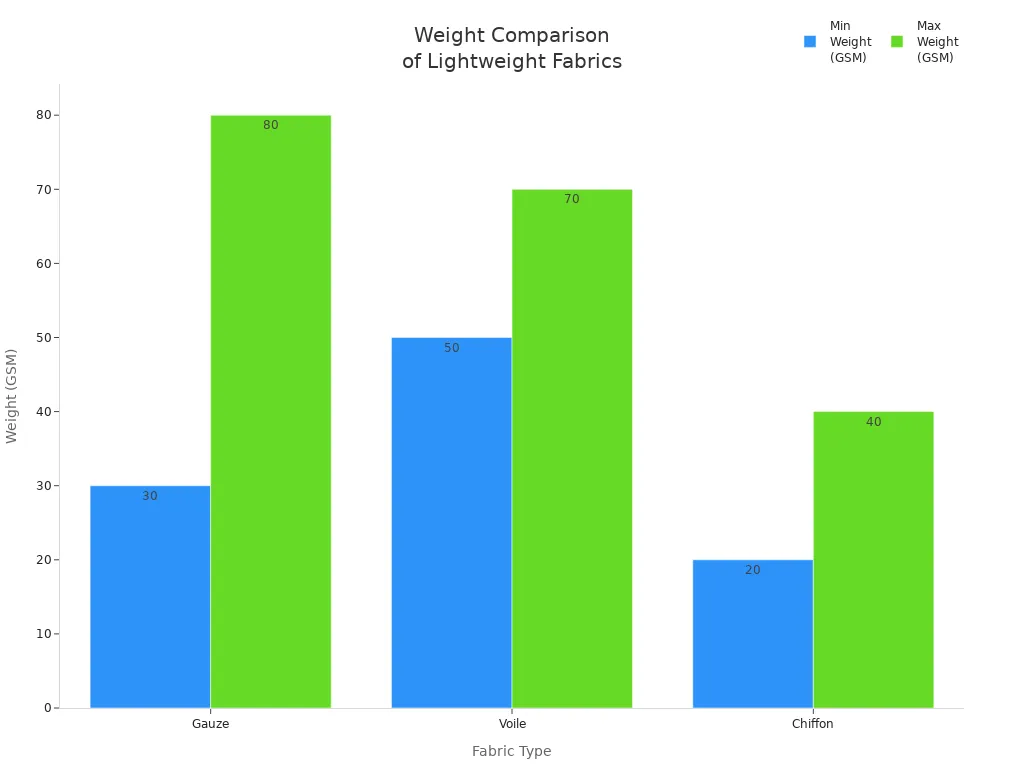
You see that gauze fabric sits between voile and chiffon in terms of weight and transparency. Cotton gauze feels especially soft and gentle, which is why you often find it in baby products.
Open Weave Structure
Gauze fabric stands out because of its open weave. You can spot tiny gaps between the threads. This structure gives the fabric its airy feel and makes it very flexible. The open weave also affects how you use gauze fabric in daily life:
You get better breathability and lightness, which helps in making cool garments and accessories.
Durability changes with thickness; heavier gauze fabric lasts longer and blocks more light.
In medical settings, the open weave lets air reach wounds, helping them heal faster.
The weave balances softness with strength, so you can use gauze fabric for fashion, home, or medical needs.
You find that cotton gauze often uses this open weave to create soft, breathable wraps and swaddles.
Breathability and Comfort
You feel comfortable when you wear gauze fabric. The open weave lets air move freely, so your skin stays cool. Many experts agree that gauze fabric is one of the most breathable textiles. A study in the Journal of Wound Care found that wounds covered with breathable non-woven gauze healed 23% faster than those with non-breathable covers. Non-woven gauze can be even more breathable than woven types because of how it is made.
Tip: If you want clothing that keeps you cool in hot weather, choose gauze fabric. You will enjoy the comfort and softness all day.
You see why cotton gauze is a favorite for summer dresses, scarves, and baby wraps. The fabric keeps you comfortable and dry, even when the temperature rises.
Crinkled Texture
When you touch gauze fabric, you notice its crinkled texture right away. This texture makes gauze stand out from smooth fabrics like cotton poplin or satin. The crinkles give the fabric a soft, airy feel. You might find that cotton gauze stretches a little, which adds to its comfort. The crinkled surface also helps the fabric stay breathable. You can see the difference in style when you compare crinkle double gauze to smooth fabrics. Crinkle double gauze looks relaxed and casual. It feels very soft and light against your skin. The crinkles add a unique look that many people find attractive. You get a fabric that feels cozy and looks stylish at the same time.
The crinkled texture of gauze fabric not only boosts comfort but also gives your clothes and home items a special, laid-back charm.
Material Options
You can find gauze fabric made from several different materials. Each material changes how the fabric feels and works. Here are the most common options:
Cotton gauze feels light, soft, and breathable. You often use it for summer clothes, baby blankets, and light curtains. Cotton gauze is comfortable and eco-friendly.
Single and double gauze come in different thicknesses. Single gauze is thin and airy. Double gauze has two layers, making it softer and more absorbent. You might pick double gauze for baby products or crafts.
Blended gauze fabrics sometimes mix cotton with other fibers like rayon. These blends can add extra softness or stretch.
You can choose the right gauze fabric based on what you need. If you want something cool and gentle for hot weather, cotton gauze is a great choice. For projects that need more strength or a special feel, try a blend or double gauze.
Types of Gauze Fabric
Cotton Gauze
Cotton gauze is used in hospitals and homes. It has a crinkled texture and loose weave. This makes it soft and lets air pass through. Cotton gauze feels gentle on your skin. People use it for summer clothes and baby blankets. It is also good for home décor. Hospitals use cotton gauze for wound dressings and bandages. Air can reach the skin through the fabric.
Cotton gauze is made from only cotton fibers. The loose weave makes it less absorbent. It is not as strong as other types. Sometimes, it leaves lint behind when used for wounds. Still, it is light and comfortable for wraps and clothing.
Tip: Pick cotton gauze if you want cool and soft fabric. It works well for warm weather and sensitive skin.
Here is a table that compares cotton gauze and non-woven gauze:
Property | Cotton Gauze (Woven) | Non-Woven Gauze |
|---|---|---|
Softness | Less soft | Softer |
Absorbency | Less absorbent | More absorbent |
Durability | Less durable | More durable |
Double Gauze
Double gauze fabric is soft and strong. It has two thin layers joined together. This makes it airy and comfortable. You get breathability and moisture-wicking. Double gauze is stronger than single gauze. The double layer makes it less see-through. You can use it for dresses, shirts, and baby items.
Double gauze gets softer after each wash. It stretches a bit, so clothes feel comfy. The crinkled look gives a relaxed style. You do not need to iron it. Double gauze is gentle and safe for sensitive skin.
It keeps you cool with great breathability.
Two layers make it strong and not see-through.
The soft feel is perfect for baby wraps and summer clothes.
It stretches naturally for easy movement.
Cheesecloth
Cheesecloth is a type of gauze with a loose weave. It is made from cotton or linen. People use cheesecloth in kitchens to strain liquids. It helps make cheese and wrap herbs. You can also use it for cleaning and crafts. Cheesecloth works as a light bandage too.
Cheesecloth comes in many grades. Some have open weaves, others are very fine. Each grade is good for different jobs. Low grades are best for cleaning and crafts. High grades are better for straining and dressmaking.
Grade | Weave Type | Typical Uses |
|---|---|---|
10 | Open weave | Straining, cleaning, crafts |
40 | Medium weave | Cooking, cleaning, crafts |
60 | Fine weave | Cooking, straining, polishing |
80 | Extra fine weave | Cheese making, dress making, polishing |
90 | Ultra fine weave | Filtering, dress making, alternative to butter muslin |
Note: Pick the right cheesecloth grade for your job. Finer weaves are best for filtering and delicate work. Open weaves are good for kitchen tasks.
Each type of gauze fabric has its own use. The weave, material, and grade change how you use them every day.
Muslin Gauze
Muslin gauze is soft and light. It is made from cotton or linen. This fabric feels gentle on your skin. Air moves through it easily. People like muslin gauze for summer clothes. It keeps you cool and comfy. The weave is loose, so it is very breathable.
Muslin gauze feels different than cotton gauze or double gauze. Here are some things that make muslin gauze special:
It uses cotton or linen, so it feels natural.
It is light and airy, great for hot days.
You can use it for clothes, swaddles, and crafts.
The loose weave makes it extra comfy.
Other gauze fabrics, like medical gauze, focus on soaking up liquids and letting air in for wounds. Double gauze has two layers for more softness and strength. Muslin gauze gives you a simple, airy choice for everyday clothes and home items.
Rayon and Blends
Rayon gauze and blended gauze give you more style choices. Rayon comes from plants but feels smooth like silk. You might pick rayon gauze for clothes that look fancy and hang nicely. Blended gauze mixes rayon with cotton or other fibers. This makes new textures and stronger fabric.
Here is a table that compares rayon gauze and cotton gauze:
Feature | Rayon Gauze | Natural Fiber Gauze (e.g., Cotton) |
|---|---|---|
Feel | Silky, soft, and smooth | Soft and comfy |
Weight | Light and airy | Heavier, but still airy |
Durability | Weak when wet, can stretch/shrink | Strong and absorbs well |
Care | Wrinkles fast, needs gentle wash | Easy to wash, keeps its shape |
Ideal Use | Fashion, flowy dresses | Medical, summer clothes |
Rayon gauze feels cool and soft. It keeps your skin dry and looks nice. The fabric holds color well after washing. But rayon gauze can rip when wet and gets wrinkled fast. You need to wash it gently and not pull it too much.
Blended gauze mixes the good parts of each fiber. Some blends feel soft like cotton but hang like rayon. These blends work well for clothes, scarves, and home items.
Sterile and Surgical Gauze
Sterile and surgical gauze are important in hospitals and clinics. You see these types in first aid kits too. Makers follow strict rules to keep sterile gauze safe for wounds. The fabric must pass tests before you use it.
Here is a table that shows how these rules help keep you safe:
Compliance Measures | Impact on Medical Safety |
|---|---|
Lots of testing and checking | Stops infections in hospitals |
Records of cleaning and sterilizing | Helps people trust medical products |
Regular checks and inspections | Makes sure products are safe and work well |
You can trust sterile gauze to protect cuts and help them heal. The open weave lets air reach your skin. The clean fabric keeps germs away. Nurses and doctors use these every day because they meet high safety rules.
Tip: Always use sterile gauze for cuts, burns, or surgery. It helps stop infection and helps you heal faster.
Sterile and surgical gauze are not like cotton gauze or double gauze. They focus on safety, soaking up liquids, and letting air in. This makes them the best choice for medical care.
Types of Gauze Textiles
Medical and Surgical Gauze
You see medical gauze in hospitals and clinics. It is also in first aid kits. This fabric helps you take care of wounds. It keeps cuts and burns clean. Medical gauze comes as pads, rolls, and sponges. Sterile gauze covers wounds and stops germs. It helps wounds heal faster. Medical gauze soaks up blood and fluids well. You use it to clean wounds or stop bleeding. Sterile gauze does not stick to your skin. You can take it off with less pain.
Surgical gauze is a special kind of medical gauze. You find it in operating rooms. Doctors use it during surgery. It soaks up blood and protects tissues. Sterile gauze must follow strict safety rules. You can trust it for wound care.
Here is a table that shows how medical gauze compares to other types of gauze textiles:
Feature | Medical/Surgical Gauze | Other Types of Gauze Textiles |
|---|---|---|
Composition | Primarily made from cotton or synthetic fibers | May include various materials like cotton, linen, and silk |
Function | Designed specifically for wound care | Used for various applications such as apparel and home décor |
Absorbency | High absorbency for blood and exudates | Varies, generally lower absorbency |
Adherence to Wounds | Specifically designed to adhere to wounds | Not designed for medical adherence |
Medical Applications | Used in hospitals for wound management | Not typically used in medical settings |
Tip: Always pick sterile gauze for open wounds. It lowers infection risk and helps your skin heal.
Apparel and Fashion Gauze
You find gauze fabric in many clothes. Designers like it because it feels light. You can wear gauze dresses and blouses in warm weather. Scarves made from gauze keep you cool. The fabric lets air move through and keeps you comfy. Cotton gauze is good for humid days. It soaks up sweat. You can pack gauze clothes easily. They do not take much space in your bag. You can wash and dry them at home. This makes them easy to care for.
You see it in flowy dresses, blouses, and scarves.
Many people like the simple look of gauze clothing.
You can choose gauze for comfort and style. The fabric fits many fashion trends like minimalist and boho-chic.
Home and Utility Gauze
You use gauze fabric at home for many things. Sheer gauze curtains let sunlight in. They also give you privacy. You can decorate tables with gauze runners. Gauze works well for mosquito nets and canopies. The fabric is light but strong. You can sew gauze into many home projects.
Here is a table that shows common uses for gauze in the home:
Application Type | Description |
|---|---|
Home Textiles | Curtains & Drapes: Sheer polyester gauze offers privacy while allowing natural light. |
Table Decor: Used for runners, overlays, and event decoration. | |
Mosquito Nets & Canopies: Lightweight yet strong enough for daily use. | |
Characteristics | Lightweight, breathable, moisture-absorbent, excellent air circulation. |
Versatile for various sewing projects, extensively used in medical settings. | |
Ideal for summer apparel due to airy qualities. |
You can see that gauze textiles have many uses. Medical gauze helps you care for wounds. Fashion gauze keeps you cool and stylish. Home gauze adds comfort and beauty to your space.
How Gauze Fabric Is Made
Weaving Process
You start making gauze fabric by preparing the yarn. This step decides how strong and soft your fabric will feel. If you use high-quality yarn, your gauze will last longer and stay breathable. The weaving process uses a loom to create an open mesh. This mesh gives gauze its airy feel and lets air move through easily. You notice the tiny gaps between the threads. These gaps help keep the fabric light and cool.
Here are the main steps in the weaving process:
Preparation of Yarn: You choose and prepare yarn that is soft and strong. This step affects the final fabric’s quality.
Weaving on the Loom: The loom weaves the yarn into an open, airy mesh. This creates the signature look and feel of gauze.
Bleaching: You bleach the fabric to make it white and clean. This step also softens the fabric.
Finishing Touches: You add special touches to improve the texture. This gives gauze its soft, crinkled surface.
The open weave from the loom is what makes gauze fabric so breathable and comfortable.
Materials Used
You often see gauze fabric made from 100% cotton. Cotton comes from plants and feels soft against your skin. Many factories use high-quality imported American cotton. This cotton has long, white fibers and very few impurities. You get a fabric that is gentle, strong, and safe for sensitive uses.
100% cotton: Most common for medical gauze rolls and baby blankets.
High-quality American cotton: Used for its softness and strength.
Long, white fibers: Make the fabric smooth and free from rough spots.
Meets safety standards: Good gauze fabric follows rules like YY0331 and EN14079, which means it is safe for medical use.
You might also find gauze made from blends, such as cotton mixed with rayon. These blends can add extra softness or stretch, but cotton remains the top choice for most uses.
Finishing Steps
After weaving, you finish the gauze fabric to make it soft, strong, and beautiful. You use several methods to improve the fabric:
Calendering and Pressing: You smooth out wrinkles and flatten the fabric for a neat look.
Washing and Softening Treatments: You wash the fabric to remove any leftover dirt. Softening treatments make the fabric feel gentle and easy to drape.
Dyeing and Printing: You add colors or patterns to the fabric. This step keeps the fabric’s light feel while making it look bright and fun.
Embellishments: You can add embroidery or beading for a special touch.
Quality Control: You check each piece to make sure it meets high standards.
Finishing Chemicals: You sometimes use chemicals to make the fabric stronger, less likely to wrinkle, and able to keep its color.
Tip: Good finishing steps make gauze fabric last longer and feel even softer.
You see that each step in making gauze fabric matters. The right yarn, careful weaving, and smart finishing all help create a fabric that is soft, airy, and ready for many uses.
Uses of Gauze Fabric
Clothing and Baby Items
You see gauze fabric in many types of clothing. This fabric feels soft and light, making it perfect for warm weather. You can wear loose-fitting blouses, pajamas, and casual dresses made from gauze fabric. The open weave lets your skin breathe, so you stay cool on hot days. Many people choose gauze fabric for summer clothing because it does not trap heat.
When you look at baby items, you find muslin gauze used in many products. Parents pick this fabric for swaddle blankets, bibs, burp cloths, sleep sacks, changing pad covers, and soft toys. You want your baby to feel safe and comfortable. Muslin gauze helps with that because it is gentle and non-allergenic. It gets softer every time you wash it, so your baby enjoys more comfort as time goes on.
Swaddle blankets
Bibs and burp cloths
Sleep sacks
Changing pad covers
Soft toys and comforters
You benefit from gauze fabric in clothing and baby items because it is:
Highly breathable, keeping babies and adults cool.
Highly absorbent, removing moisture quickly.
Softer after every wash, which means more comfort.
Gentle and safe for sensitive skin.
You can trust gauze fabric for both your clothing and your baby’s needs.
Medical and Surgical Uses
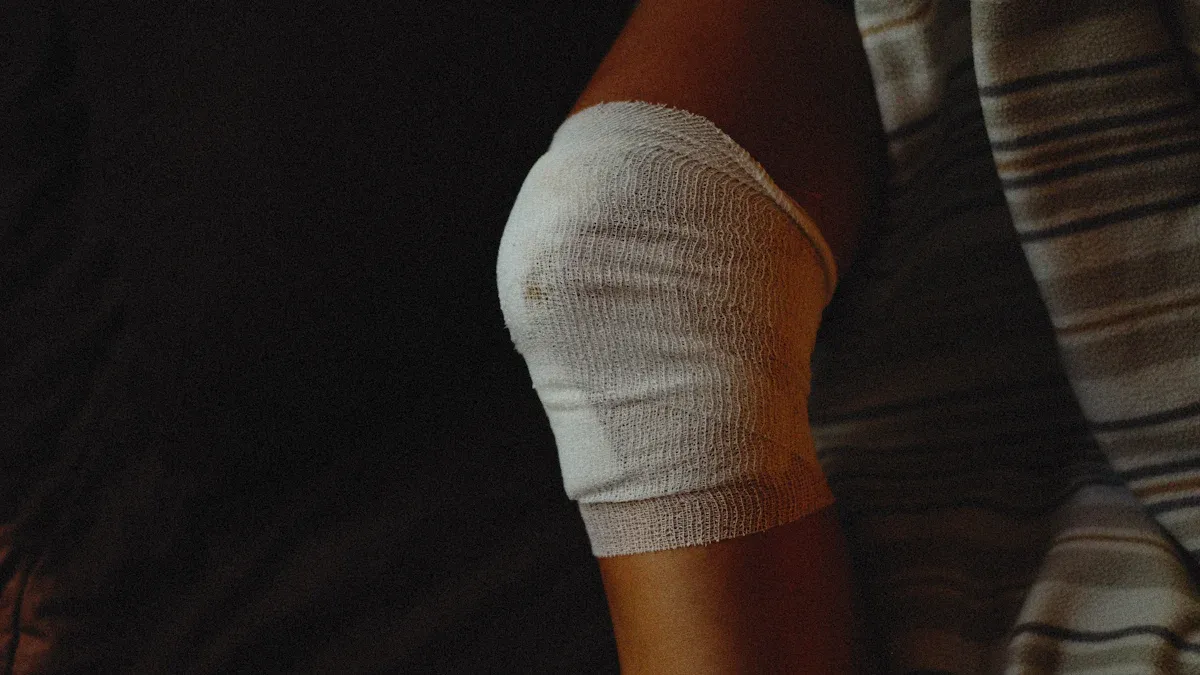
You find gauze fabric in every hospital and clinic. Doctors and nurses use it for bandages, wound dressings, and packing wounds. The open weave lets air reach the skin, which helps wounds heal. You see gauze fabric in surgical settings because it is easy to use and always available. You can wrap bandages around cuts, burns, or surgical sites to protect them.
Gauze fabric works well for medical use, but sometimes it sticks to wounds and makes dressing changes painful. In some cases, modern dressings like foams or alginates work better for comfort and healing. Still, you see gauze fabric used for bandages in most healthcare settings because it is familiar and effective. You can layer gauze to make thicker bandages for heavy bleeding or use thin layers for light wounds.
You rely on gauze fabric for bandages, wound care, and surgical needs. It remains a key part of healthcare supplies.
Home and Kitchen Uses
You use gauze fabric in your home for many tasks. In the kitchen, you can use it as a substitute for cheesecloth. The open weave makes it great for straining and filtering when you make cheese, yogurt, or butter. You may need to layer the gauze fabric to get the right thickness for your recipe. This helps you strain liquids or infuse flavors into dishes.
Straining cheese, yogurt, or butter
Filtering stocks and broths
Bundling herbs for soups
Covering food to keep insects away
You also use gauze fabric for cleaning and polishing. It works well for dusting or wiping surfaces because it is soft and absorbent. In home décor, you see gauze fabric in curtains, table runners, and even as a light cover for furniture. You can sew it into many household items because it is easy to work with and looks airy.
You find that gauze fabric is versatile. You use it for clothing, baby items, medical use, and many home and kitchen tasks. This fabric adapts to your needs and makes daily life easier.
Crafts and DIY
You can unlock your creativity with gauze fabric. This material works well for many crafts and DIY projects. The soft texture and open weave make it easy to handle. You can cut, sew, dye, or layer gauze fabric to create unique items for your home or gifts.
Gauze fabric gives you a gentle touch. You can use it for crafts that need softness and comfort. Many people choose gauze for baby gifts, home décor, and personal care items. You can find inspiration in simple projects that use gauze in new ways.
Here are some creative ideas for using gauze fabric in crafts and DIY:
Muslin Cloths: You can make muslin cloths by cutting and stitching gauze. These cloths work well as baby gifts. They feel soft and gentle on delicate skin.
Quilt Backing: You can use gauze as a backing for quilts. The fabric adds warmth and softness. Your quilt feels cozy and light.
Wash Cloths: You can sew reusable wash cloths from gauze. These cloths help you remove makeup or clean your face. They suit sensitive skin and reduce waste.
Sleep Mask: You can create a sleep mask with gauze fabric. The mask feels comfortable and blocks light. You may sleep better with this simple project.
More Ideas: Many crafters use double gauze for even more projects. You can find ideas like scarves, reusable napkins, and lightweight bags.
Tip: You can dye gauze fabric with natural colors. Try using tea, coffee, or plant-based dyes for a custom look.
You can also use gauze fabric for seasonal crafts. You may wrap gifts with gauze for a rustic style. You can make ghost decorations for Halloween or create airy garlands for parties. The fabric holds paint and glue well, so you can add beads, sequins, or embroidery.
Here is a table with more ways to use gauze fabric in crafts:
Project Type | Description | Skill Level |
|---|---|---|
Baby Swaddles | Soft wraps for newborns | Beginner |
Table Runners | Light, airy décor for tables | Beginner |
Sachet Bags | Small bags for potpourri or gifts | Intermediate |
Wall Hangings | Layered art pieces for home décor | Intermediate |
Costume Accessories | Scarves, veils, or wings for dress-up | Advanced |
You can start with simple projects and move to more advanced ones as you gain confidence. Gauze fabric does not fray much, so you can cut shapes without worrying about edges. You can sew by hand or use a machine.
Note: Always wash gauze fabric before starting your craft. This helps set the shape and removes any residue.
Gauze fabric opens up many possibilities for DIY. You can make gifts, home items, and personal care products. The fabric’s softness and versatility help you create projects that feel special and look beautiful. 😊
Caring for Gauze Fabric
Taking good care of gauze fabric helps you keep it soft, clean, and long-lasting. You want your gauze items to look and feel their best, whether you use them for clothing, baby blankets, or home décor. Here are some simple steps for caring for gauze fabric.
Washing Tips
Gauze fabric needs gentle washing to stay soft and avoid shrinking. You can follow these tips to protect your fabric:
Wash gauze fabric in cold water. Cold water keeps the fibers strong and prevents shrinkage.
Use a gentle cycle on your washing machine. This cycle protects the delicate weave.
Add a splash of vinegar to the first wash. Vinegar helps set the color and stops fading.
Wash gauze items separately. This prevents damage from rougher fabrics or zippers.
Choose a mild detergent. Harsh chemicals can weaken the fibers.
Tip: Always check the care label before washing. Some gauze fabrics need extra care.
Drying and Ironing
Drying gauze fabric the right way keeps its texture and shape. You want to avoid high heat and rough handling.
Tumble dry on low heat or lay the fabric flat to dry. Low heat protects the fibers and keeps the crinkled look.
Air drying works well for gauze. Lay the fabric flat to prevent wrinkles and keep its shape.
Avoid ironing gauze fabric. Ironing can flatten the crinkles and distort the weave.
Drying Method | Effect on Gauze Fabric |
|---|---|
Air Dry (Flat) | Preserves shape and texture |
Tumble Dry (Low) | Keeps softness, prevents shrinkage |
High Heat Dry | Can damage fibers, cause shrinkage |
Ironing | Distorts crinkles, weakens weave |
Note: If you need to remove wrinkles, use your hands to gently smooth the fabric while it is damp.
Storage Advice
Storing gauze fabric the right way helps you avoid damage and discoloration. You want your fabric to stay fresh and ready to use.
Keep gauze fabric away from direct light. Light can fade colors and weaken fibers.
Store in a cool, dry place. Aim for temperatures between 65-75°F and humidity between 45-55%.
Use polypropylene containers or wrap the fabric in acid-free tissue. Avoid wood or acidic materials that can harm the fabric.
Fold gauze items loosely. Tight folds can leave marks or stretch the weave.
Tip: If you store gauze for a long time, check it every few months for signs of mold or fading.
Caring for gauze fabric is easy when you follow these steps. You keep your gauze items soft, bright, and ready for everyday use. 😊
Why Gauze Fabric Is Popular
Comfort and Versatility
Gauze fabric feels soft when you touch it. The gentle texture is nice on your skin. Many people pick gauze for clothes because it is not heavy. You can wear shirts, dresses, or scarves all day. The open weave lets air move through. This keeps you cool and dry. Gauze is used for baby blankets and wraps. It does not bother sensitive skin.
Gauze fabric works for many things. You can sew loose clothes for summer. You can layer it for warmth in cold weather. Gauze is found in home décor like curtains and table runners. People use it for crafts and DIY projects too. The fabric stretches and hangs well. You can make lots of styles. Gauze is also used in hospitals for patient comfort.
Gauze fabric is flexible. You can use it for clothes, home décor, and medical needs.
Seasonal Benefits
Gauze fabric helps you in every season. In hot weather, you want clothes that keep you cool. Gauze lets air pass through, so you sweat less. You can wear gauze shirts and dresses outside. The fabric soaks up moisture, so you stay dry. This is good on humid days.
In cold months, you can layer gauze for warmth. You might wear a gauze scarf or wrap over other clothes. Gauze does not trap heat, so you do not feel stuffy. You can use gauze for light blankets or throws at home. Gauze fabric is useful all year.
Summer: Gauze clothes keep you cool and dry.
Fall and Spring: Layer gauze for comfort.
Winter: Use gauze wraps and scarves for gentle warmth.
😊 Gauze fabric helps you feel good in every season.
Eco-Friendly Choices
You help the earth when you pick eco-friendly gauze fabric. Many brands make gauze from organic cotton or recycled fibers. These choices use less water and fewer chemicals. You support good farming and fair work when you buy certified gauze.
You can check for labels that show gauze is safe for you and the planet. Here is a table with common certifications and what they mean:
Certification Name | Purpose |
|---|---|
Oeko-Tex Standard 100 | Makes sure fabrics do not have harmful chemicals. |
Global Recycled Standard (GRS) | Checks recycled content and responsible sourcing. |
Organic Content Standard (OCS) | Tracks organic materials from start to finish. |
Better Cotton Initiative (BCI) | Supports better cotton farming. |
Fair Trade Certification | Promotes fair pay and safe working conditions. |
Eco-friendly gauze fabric is good for your health and the planet. You cut down on waste and pollution when you buy certified products. Many people now choose gauze for clothes and home items because it fits their values.
Tip: Look for these labels when you shop for gauze fabric. Every purchase helps the planet.
You discover that gauze fabric stands out for its softness, breathability, and easy care. You can use it for clothing, baby items, home décor, and medical needs. The fabric feels gentle on your skin and keeps you comfortable in every season.
Try adding gauze fabric to your next project or wardrobe. You may find new ways to enjoy its comfort and style.
FAQ
What is the difference between single and double gauze?
Single gauze has one thin layer. Double gauze has two layers joined together. Double gauze feels softer and is less see-through. You often use double gauze for baby blankets and clothing.
Can you use gauze fabric for sensitive skin?
Yes, you can. Gauze fabric feels soft and gentle. Many people use it for baby products and for people with allergies. Choose 100% cotton gauze for the best comfort.
How do you prevent gauze fabric from shrinking?
Wash gauze fabric in cold water. Use a gentle cycle. Air dry or use low heat in the dryer. Always check the care label before washing. This helps keep the fabric from shrinking.
Is gauze fabric good for summer clothing?
Yes, gauze fabric works well for summer. The open weave lets air move through. You stay cool and dry. Many people choose gauze for shirts, dresses, and scarves in hot weather.
Can you dye gauze fabric at home?
You can dye gauze fabric at home. Use fabric dye or natural dyes like tea or coffee. Wash the fabric first. Follow the dye instructions for best results. Cotton gauze takes color well.
What are common uses for gauze fabric in the kitchen?
You use gauze fabric to strain liquids, make cheese, and bundle herbs. It works well for filtering stocks and covering food. Choose the right weave for your kitchen task.
Does gauze fabric wrinkle easily?
Gauze fabric can wrinkle, especially after washing. The crinkled texture hides most wrinkles. You do not need to iron it. Smooth the fabric with your hands while it is damp.
How do you store gauze fabric to keep it fresh?
Store gauze fabric in a cool, dry place. Keep it away from sunlight. Fold it loosely. Use acid-free tissue or a clean container. Check the fabric every few months for mold or fading.