
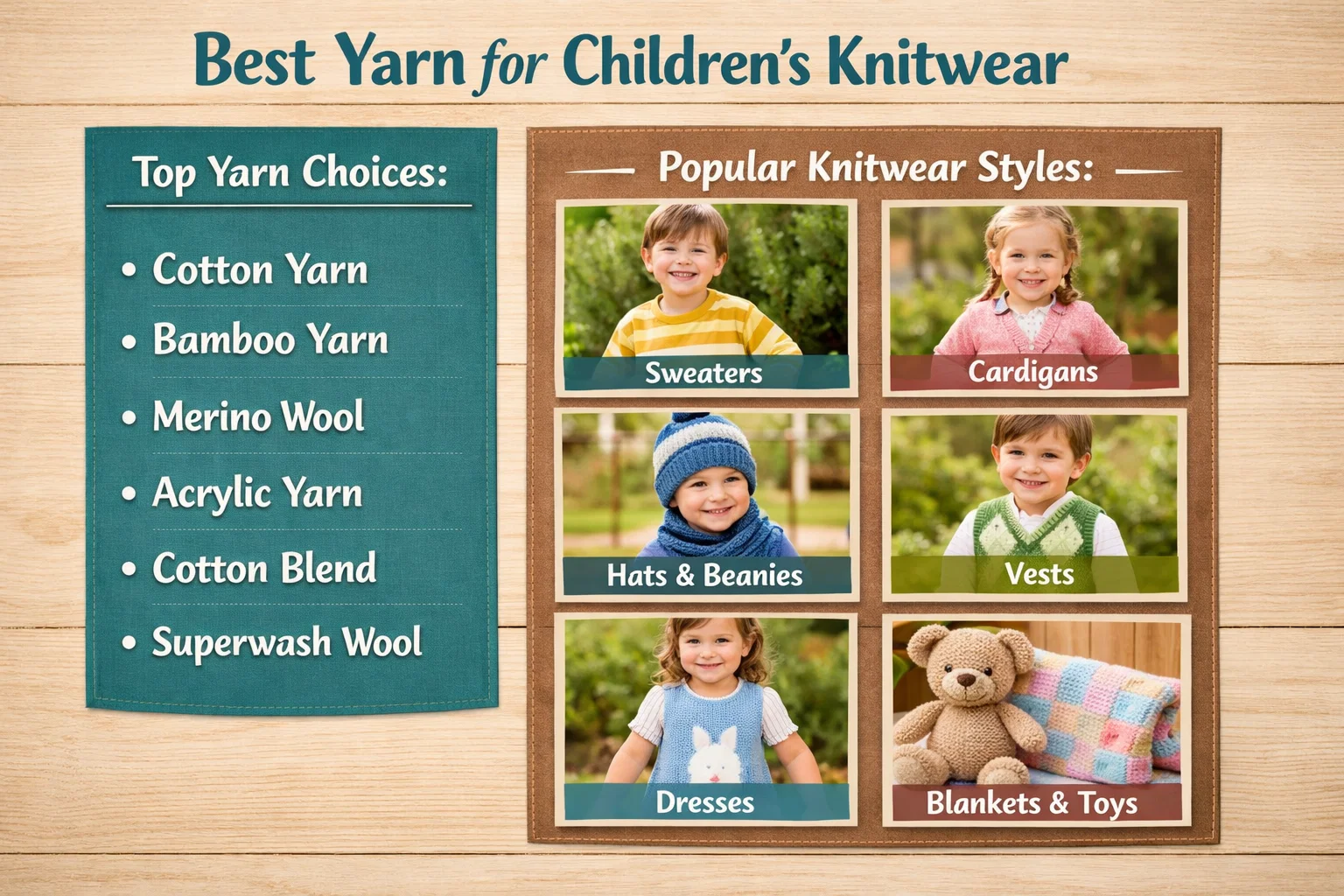
Choosing the right yarn for your child’s knitwear matters more than you might think. You probably ask yourself, what is the best yarn for children’s knitwear? Many parents and knitters look for softness, safety, and durability first. Natural fibers like wool and cotton feel gentle and breathable, making them popular picks. Softness becomes even more important if your child has sensitive skin. Some people also care about using organic or recycled yarn to help protect the planet. As you read, think about your child’s comfort and what suits their daily life best.
Key Takeaways
-
Pick soft yarns like organic cotton or merino wool. This helps keep children comfortable.
-
Check for safety labels like GOTS and OEKO-TEX®. These show the yarn does not have bad chemicals.
-
Choose strong yarns that last through play and washing. Superwash wool or acrylic blends are good choices.
-
Use yarns you can wash in a machine. This makes cleaning your child’s clothes easier.
-
Knit a small piece to test the yarn’s comfort. Make sure it does not bother your child’s skin.
-
Stay away from yarns with loose fibers or harsh chemicals. This helps stop choking and skin problems.
-
Think about what colors and textures your child likes. This helps them enjoy wearing the knitwear.
-
Use a simple checklist when picking yarn. This helps you make safe and smart choices for your child’s knitwear.
What Is the Best Yarn for Children’s Knitwear?
When you ask yourself, what is the best yarn for children’s knitwear?, you want answers that make sense for your family. You probably want something soft, safe, and easy to care for. You also need yarn that can handle playtime, spills, and lots of washing. Let’s break down the qualities you should look for and why your choice matters so much.
Key Qualities of the Best Yarn
You might feel overwhelmed by all the options in the store. Here’s what you should focus on when you wonder, what is the best yarn for children’s knitwear?
-
Softness: Kids have sensitive skin. Soft yarns like organic cotton and merino wool feel gentle and cozy.
-
Safety: You want to avoid harmful chemicals. GOTS-certified organic cotton keeps your child safe from skin irritation and allergies.
-
Durability: Children run, jump, and play. Treated merino wool and sturdy blends stand up to frequent washing and daily wear.
-
Ease of Care: Busy parents need easy solutions. Machine washable yarns save you time and effort.
Tip: If you want a quick answer to what is the best yarn for children’s knitwear?, look for yarns labeled as soft, safe, and machine washable.
Textile experts also recommend merino for infant garments because it’s soft and easy to clean. Other good choices include Vintage, Chatswood, Mahana, Eros, and Pearl Lustre. Cozy & Snug yarns made from New Zealand fleeces work well for older kids who need extra durability.
Why Yarn Choice Matters
You might wonder why your decision matters so much. The answer is simple. The right yarn keeps your child comfortable and safe. It also makes your handmade clothes last longer.
-
Acrylic yarn lasts a long time and resists wear. It’s great for rough play, but it can feel hot and less comfortable in summer.
-
Cotton yarn feels soft and lets skin breathe. It’s perfect for sensitive skin, but it may wear out faster if you wash it a lot or leave it in the sun.
-
Your choice depends on how your child will use the garment, the weather, and their skin needs.
Note: When you ask, what is the best yarn for children’s knitwear?, think about your child’s daily life. Do they play outside? Do they have allergies? Do you need something that goes in the washing machine?
If you keep these qualities in mind, you’ll find the best yarn for your child’s knitwear. You’ll make something that feels good, lasts long, and keeps your child safe.
Comfort and Softness
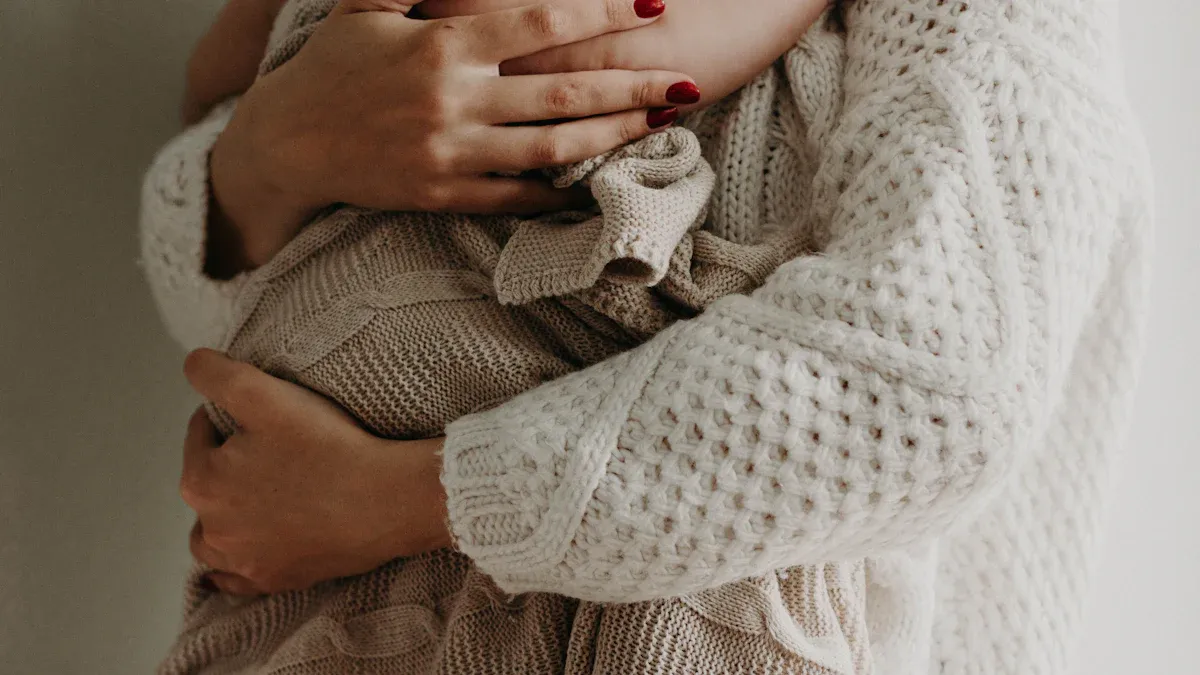
Soft Fibers for Kids
When you pick yarn for your child’s clothes, you want it to feel soft. Kids notice if sweaters are scratchy. You should pick fibers that feel gentle. Textile experts say fine merino wool and organic cotton are best for comfort. Here is a comparison:
|
Factor |
Wool (Merino) |
Cotton (Organic) |
|---|---|---|
|
Softness |
Very soft (fine merino); avoid coarse wools |
Naturally soft; ideal for sensitive skin |
|
Allergy Risk |
Low (with fine merino); test for sensitivity |
Very low; widely hypoallergenic |
Ultra-fine merino wool, under 17.5 microns, feels extra soft. Studies show kids with eczema often do better with superfine merino than cotton. You can trust these fibers to keep your child comfy all day.
Tip: If your child says their clothes itch, try softer yarn. Organic cotton or superfine merino wool can help.
Avoiding Itchiness
You want your child to enjoy wearing their knitwear. They should not want to take it off. Itchiness comes from rough textures, strong dyes, and some chemicals. Here are the main causes:
|
Cause Type |
Specific Causes |
|---|---|
|
Irritants |
Dyes (like AZO dyes), Formaldehyde, Flame Retardants, Rough or Abrasive Textures |
|
Allergens |
Latex, Nickel, Some Textile Dyes |
|
Fabric Types |
Polyester, Nylon |
You can avoid these problems by picking yarn from natural fibers. Check labels for safe dyes. Always wash new clothes before your child wears them. This helps remove leftover chemicals.
Note: If your child has sensitive skin, avoid polyester and nylon. These fabrics can cause irritation.
Hypoallergenic Yarn Options
Some kids need extra care because their skin reacts to some fibers. Doctors suggest a few hypoallergenic yarns for sensitive skin. Here is a quick guide:
|
Yarn Type |
Description |
|---|---|
|
Acrylic and Microfiber |
Synthetic yarns that do not irritate kids allergic to animal fibers. They are strong and easy to wash. |
|
Bamboo |
Soft, light, and eco-friendly. Made from 100% rayon from bamboo. Good for sensitive skin. |
|
Cotton and Blends |
Easy to wash and lets skin breathe. Great for warm weather. Comes in many colors and textures. |
|
Linen, Hemp, and Flax |
Plant-based yarns that are soft and strong. Good for light projects. |
|
Silk |
Smooth and gentle on skin. Good for sensitive skin, but can be slippery to knit. |
You can find soft yarn in many types. You do not have to use scratchy sweaters. Try bamboo or cotton blends for summer. Acrylic and microfiber are easy to wash and last a long time.
Callout: Always test a small piece of yarn on your child’s skin first. This helps you avoid problems and keeps your child happy.
Safety in Yarn Selection
When you knit for kids, safety is most important. You want every sweater, hat, or blanket to feel safe. It should not bother your child’s skin. Let’s talk about non-toxic dyes, allergens, and fiber shedding.
Non-Toxic and Safe Dyes
Kids’ skin is more sensitive than adults’ skin. You should pick yarn with safe dyes and gentle processing. Many brands now follow strict rules to keep out harmful stuff. Look for these certifications when you shop:
-
GOTS (Global Organic Textile Standard): This label means the yarn has at least 70% certified organic fibers. It also bans bad chemicals, dyes, and heavy metals.
-
OEKO-TEX® Standard 100: This certification checks every part of the garment for over 100 harmful chemicals. It’s a good choice for kids with sensitive skin.
-
Fair Trade Certified: This label means safe working conditions and no child labor. It also means the product avoids dangerous chemicals.
-
Better Cotton Initiative (BCI): This group works to make cotton farming safer and better for the earth.
Tip: If you see OEKO-TEX® Standard 100 on the label, you can trust the yarn is safe for daily use, even for babies.
Allergen Awareness
Some kids react to certain chemicals or fibers. You can help stop itchy rashes or allergies by knowing what to avoid. Here are some common allergens found in yarns:
-
Alkylphenols
-
Phthalates
-
Short-chain chlorinated paraffins (SCCPs)
-
Polybrominated diphenyl ethers (PBDEs)
-
Azo dyes
-
Tributyltin
-
Perfluorinated compounds
-
Chlorobenzenes
-
Cadmium, lead, mercury
You can lower the risk by picking hypoallergenic materials. Merino wool, organic cotton, linen, hemp, and eco-friendly silk are good for sensitive skin. Try not to use harsh chemicals in yarn or laundry products.
Note: Always check the label for information about chemicals and allergens. If your child has allergies, test a small patch before making a full garment.
Fiber Shedding and Choking Hazards
Young kids like to touch and put things in their mouths. Loose fibers or shedding yarn can be a choking hazard, especially for babies and toddlers. You should pick yarn that stays together and does not shed much. Smooth, tightly spun yarns are best for baby clothes and blankets.
-
Do not use fuzzy or loosely spun yarn for babies.
-
Check finished clothes for loose threads before giving them to your child.
-
Wash new knitwear before first use to remove loose fibers.
You want your child’s knitwear to last through play and many washes. Picking safe, high-quality yarn helps protect your child and makes your handmade pieces last longer.
Durability and Longevity
Withstanding Play and Wash
Kids love to run, jump, and play. Their clothes need to keep up. When you knit for children, you want something that stands up to daily adventures and lots of laundry. Some yarn types work better than others for this. Take a look at this table to see which ones hold up best:
|
Yarn Type |
Benefits/Characteristics |
Ideal Projects |
|---|---|---|
|
Acrylic |
Colorful, easy care, ideal for everyday items. |
Baby blankets, toys, and afghans. |
|
Nylon |
Adds durability and elasticity when blended. |
Reinforced socks and wearable items. |
|
Polyester |
Adds strength, shape retention, and is wrinkle-resistant. |
Children’s clothing and outdoor wear. |
|
Superwash Wool |
Machine washable, prevents felting, durable for frequent use. |
Kids and baby clothes needing frequent washing. |
You might notice that superwash wool is a favorite for kids’ garments. It lets you toss sweaters and hats in the washing machine without worry. This type of yarn uses special methods, like coating fibers with a polymer or using an acid bath, to stop felting and keep the fabric soft. Cotton blends also work well. They feel gentle on skin and stay strong after many washes.
If you want to pick a yarn that lasts, try these popular brands:
-
Lion Brand Vanna’s Choice: Smooth texture, resists pilling, stays soft.
-
Red Heart Super Saver: Affordable, tough, and great for everyday use.
-
Caron One Pound: Plush feel, good for big projects, holds up after washing.
-
Bernat Premium: Tightly twisted, resists snags, perfect for baby items.
Tip: Always check the label for “machine washable” or “easy care.” This saves you time and keeps your child’s clothes looking new.
Pilling and Wear
You want your child’s knitwear to look nice, even after many trips through the washer and dryer. Pilling—those little fuzzy balls—can make clothes look old fast. Some yarns resist pilling better than others. The way the yarn is made, the fibers used, and the finishing process all matter.
Here are some things that help prevent pilling and wear:
-
Yarns with higher linear density, like polyester/wool or polyester/cotton, last longer.
-
Compact yarns pill less than ring-spun yarns.
-
Interlock knit fabrics resist abrasion better than jersey knits.
-
Woven fabrics usually pill less than knits.
If you want to avoid pilling, look for tightly spun yarns and blends with nylon or polyester. These hold their shape and stay smooth. Many parents choose Red Heart Super Saver or Lion Brand Vanna’s Choice because they keep looking good, even after lots of use.
Note: Wash new knitwear inside out and use gentle cycles. This helps reduce pilling and keeps your child’s clothes looking fresh.
Choosing the right yarn means your handmade pieces will stay soft, strong, and ready for every adventure.
Ease of Care
Machine Washable Yarns
You want your child’s clothes to look good after every wash. Machine washable yarns make life easier. You can toss these items in the washer without worry. Many parents love superwash wool, cotton blends, and acrylic for this reason. These yarns keep their shape and softness, even after many cycles.
If you use 100% cotton yarns like Mallo or Beam, you can wash them in the machine. They get softer after the first wash. Sometimes, Mallo shrinks a bit, but that makes it even cozier. Always check the label before washing. Some yarns need cold water and a gentle cycle.
Tip: Use a mild detergent and skip bleach or fabric softener. This keeps your child’s knitwear looking bright and feeling soft.
Stain Resistance
Kids spill things. It happens every day. You want yarn that stands up to stains. Acrylic and some cotton blends resist stains better than others. These fibers do not soak up spills as fast as wool. That means you can clean up messes before they set.
Here are a few ways to keep stains away:
-
Wash clothes soon after spills.
-
Use a gentle stain remover that is safe for kids.
-
Choose darker colors for play clothes.
If you pick yarn that is easy to wash, you will not stress about stains. Your child can play, eat, and explore without worry.
Drying and Maintenance
Drying matters as much as washing. Some yarns need special care after you wash them. You want your child’s clothes to last, so follow these simple steps.
Most Bernat Blanket Yarns are machine washable. Use a gentle cycle with cold water and a mild detergent. Avoid bleach or fabric softener. After washing, lay flat on a clean towel or drying rack to dry.
Here is a quick guide for drying popular children’s yarns:
|
Yarn Type |
Washing Method |
Drying Method |
|---|---|---|
|
General |
Lay flat to dry |
|
|
Big Cotton |
Machine wash |
Tumble dry |
|
Summer |
Machine wash |
Tumble dry |
Cotton yarns can handle machine washing and drying. You can air dry or tumble dry on low. Always lay wool items flat to dry. This keeps them from stretching or losing shape.
Note: Check your yarn label for the best care instructions. Good care helps your child’s knitwear stay soft and last longer.
Yarn Types for Children’s Knitwear
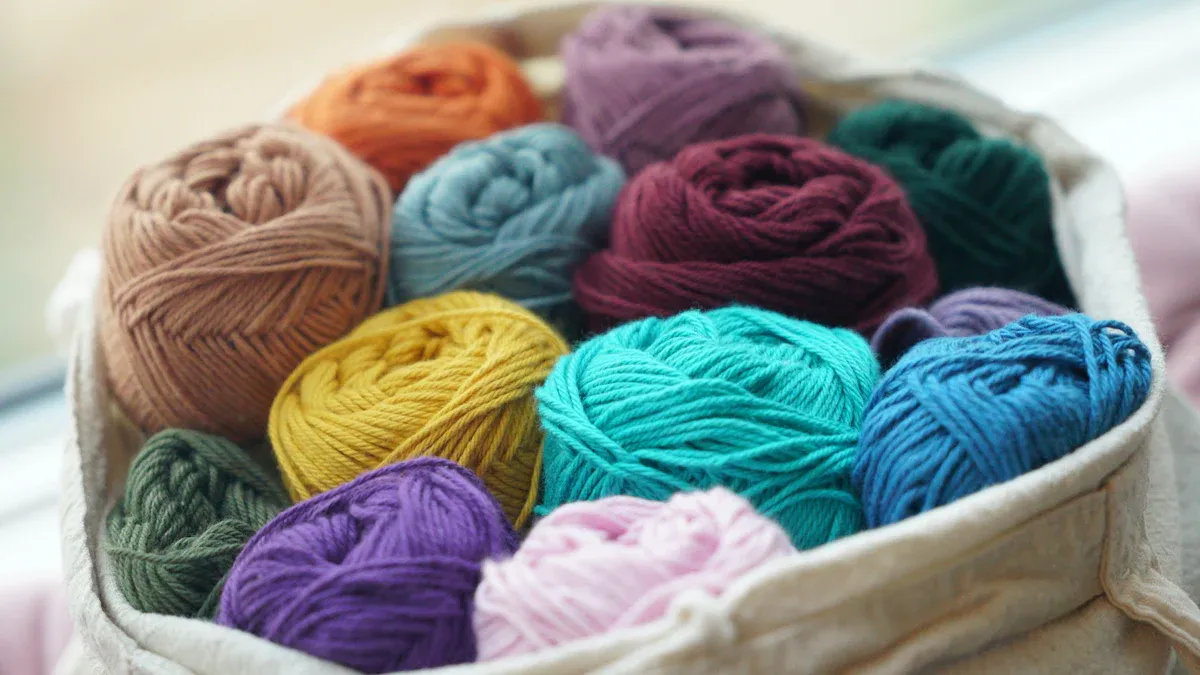
Choosing the right yarn can feel tricky. You want something soft, safe, and tough enough for play. Let’s look at some popular yarn types for kids’ clothes and see what makes each one special.
Superwash Wool
Superwash wool is a favorite for many parents. You can wash it in the machine, which saves time. It feels soft and smooth, so kids love wearing it. The colors look bright and stay pretty after many washes.
Pros of Superwash Wool
-
You can toss it in the washer and dryer. No hand washing needed.
-
The yarn feels silky and gentle on skin.
-
Sweaters and hats keep their color, even after lots of laundry.
-
Great for busy families who want easy care.
Tip: Superwash wool works well for socks, hats, and items that get dirty fast.
Cons of Superwash Wool
-
Sometimes, it stretches out or loses its shape. Fitted sweaters may not hold up as well.
-
The yarn can feel less springy and may not bounce back after washing.
-
Making the yarn machine-washable uses chemicals, which is not great for the planet.
Note: If you want a sweater that keeps its shape, you might want to try a different yarn.
Non-Superwash Wool
Non-superwash wool is the classic, natural version. It keeps you warm and holds its shape well. Some people love the rustic feel, especially for special pieces.
Pros of Non-Superwash Wool
-
This yarn is fire-retardant and safe for kids.
-
It keeps its shape and feels sturdy.
-
Many families pass down these garments for years.
-
Perfect for cold weather and outer layers.
Callout: Non-superwash wool is great for heirloom knits you want to treasure.
Cons of Non-Superwash Wool
-
It can feel scratchy, especially for babies or kids with sensitive skin.
-
Some children may have allergies to wool.
-
You need to wash it by hand and lay it flat to dry. This takes extra time.
-
The yarn can pill, making little fuzzy balls on the surface.
Cotton Yarns
Cotton yarn is a go-to for many parents. It feels gentle and lets skin breathe. You can use it for summer clothes, blankets, and even toys.
Pros of Cotton
-
It lets air flow, so your child stays cool.
-
The yarn stretches with movement, perfect for active kids.
-
You can wash it in the machine, which makes life easier.
-
Cotton is hypoallergenic, so it’s safe for most children.
Tip: Cotton yarn is a smart pick for warm weather or if your child has allergies.
Cons of Cotton
-
Cotton is not as soft as wool or bamboo.
-
It can lose shape over time, especially if stretched.
-
The yarn may feel heavy when wet.
-
Some cotton yarns shrink a little after washing.
Here’s a quick table to help you compare these yarns:
|
Yarn Type |
Safety Features |
Softness Features |
Durability Features |
|---|---|---|---|
|
Superwash Wool |
Machine-washable |
Very soft and smooth |
Can stretch with washing |
|
Non-Superwash Wool |
Fire retardant, resilient |
Can be scratchy |
Holds shape, may pill |
|
Cotton |
Hypoallergenic |
Less soft than wool or bamboo |
Durable, great stitch definition |
You can pick the yarn that fits your child’s needs and your family’s routine. Each type has something special to offer.
Acrylic and Blends
Acrylic yarns and blends show up everywhere in kids’ knitwear. You see them in sweaters, hats, and blankets. Why do so many parents pick acrylic? You get bright colors, soft textures, and easy care. Acrylic yarns cost less than most natural fibers, so you can make more for less.
Pros of Acrylic
Acrylic yarns make life simple. You toss them in the washing machine, and they come out looking new. You do not need special detergents or gentle cycles. Acrylic resists shrinking and felting, so your child’s clothes stay the same size and shape. If your child has allergies, acrylic works well because it does not contain lanolin or animal fibers.
Here’s a quick look at how acrylic compares to wool:
|
Property |
Acrylic Yarns |
Natural Fibers (Wool) |
|---|---|---|
|
Yes, inherently soft and free of lanolin |
No, can cause irritation in sensitive skin |
|
|
Ease of Care |
Machine washable, resistant to shrinkage |
Requires delicate handling and specialized care |
|
Maintenance |
Less prone to felting, mold resistant |
Prone to felting, requires special detergents |
You get peace of mind with acrylic. You do not worry about stains or mold. You can let your child play outside and not stress about their clothes.
Tip: If you want yarn that stands up to messy play and frequent washing, acrylic is a smart choice.
Cons of Acrylic
Acrylic has a few downsides. It does not breathe as well as cotton or bamboo. Your child might feel hot in acrylic during summer. Some acrylic yarns feel squeaky or plasticky, especially the cheaper ones. They may pill after many washes, so the clothes look worn out faster.
Acrylic is not the best choice for babies who put everything in their mouths. Some loose fibers can shed, which is not safe for infants. Acrylic also comes from petroleum, so it is not eco-friendly.
Note: If you care about the environment, you might want to look for recycled acrylic blends or choose plant-based yarns.
Bamboo and Plant-Based Yarns
Bamboo yarns and other plant-based options like hemp and linen offer something special. You get soft, smooth textures and gentle care for sensitive skin. Bamboo yarn feels cool and light, perfect for summer clothes.
Pros of Bamboo
Bamboo yarns bring many benefits. You help the planet when you choose bamboo. Bamboo grows fast, needs little water, and does not need pesticides. You get yarn that feels soft and does not irritate your child’s skin. Bamboo contains “bamboo kun,” which fights bacteria and keeps clothes fresher. The yarn pulls moisture away from the skin, so your child stays dry during play. Bamboo even blocks harmful UV rays, giving extra protection outdoors.
Here’s a table showing what bamboo and plant-based yarns offer:
|
Benefit Type |
Description |
|---|---|
|
Bamboo grows quickly, requires minimal water, and does not need pesticides or fertilizers. |
|
|
Hypoallergenic |
Bamboo yarn is gentle on sensitive skin, making it ideal for children’s clothing. |
|
Antibacterial |
Contains ‘bamboo kun’, which reduces bacteria significantly compared to cotton. |
|
Moisture-wicking |
Draws moisture away from the skin faster than cotton, keeping children dry during activities. |
|
UV Protection |
Offers natural UV protection with a UPF rating of 50+, blocking 98% of harmful rays. |
|
Low Carbon Footprint |
Bamboo cultivation has a smaller carbon footprint compared to traditional materials like cotton. |
Callout: Bamboo yarns work well for kids with allergies or eczema. You get comfort and peace of mind.
Cons of Bamboo
Bamboo yarns cost more than acrylic or cotton. You may find them slippery to knit, which can be tricky for beginners. Some bamboo yarns stretch out and lose shape after washing. You need to lay bamboo garments flat to dry, so they do not sag.
Bamboo yarns sometimes blend with rayon or other fibers. Always check the label to make sure you get pure bamboo if your child has sensitive skin.
Tip: Try a small project first to see how bamboo yarn feels and behaves. You might love the results for summer tops or lightweight blankets.
Yarn Weight and Project Suitability
Choosing the right yarn weight can make your project a success. Yarn weight means how thick or thin the yarn is. You might see words like “fingering,” “DK,” or “worsted” on the label. Each one works best for different types of children’s knitwear.
Fingering and DK Weight
Fingering weight yarn feels light and soft. You can use it for baby clothes and delicate items. Babies have sensitive skin, so this yarn keeps them comfortable. It makes thin, gentle fabric that works well for spring and summer.
DK weight yarn sits in the middle. It gives you a balance of warmth and flexibility. You can use DK yarn for sweaters, cardigans, and baby blankets. It feels light but still cozy. Many parents like DK yarn for fall and spring clothes.
Here’s a quick look at how these yarns compare:
|
Yarn Weight |
Characteristics |
Best For |
|---|---|---|
|
Fingering Weight |
Lightweight, soft, gentle on skin |
Baby clothes, delicate items |
|
DK Weight |
Warm, flexible, not too heavy |
Sweaters, cardigans, blankets |
Tip: If you want a soft sweater for cool weather, DK yarn is a great choice. For tiny baby hats or booties, try fingering weight.
Worsted Weight for Kids
Worsted weight yarn feels thicker and stronger. You can use it for sturdy garments, hats, and winter wear. This yarn stands up to rough play and lots of washing. Worsted weight makes warm sweaters and cozy blankets. It is a good all-purpose yarn for kids who play outside or need extra warmth.
You might like worsted weight if you want your project to last. It holds up well, even after many trips through the washer and dryer.
Here’s a table to help you see which yarn weight fits your project:
|
Yarn Weight |
Suitable Projects |
|---|---|
|
Fine Weight |
Baby and children’s clothes, accessories |
|
DK Weight |
Sweaters, cardigans, baby blankets |
|
Worsted Weight |
Afghans, sweaters, hats, winter garments |
Note: Worsted weight yarn is perfect for winter sweaters and blankets that need to be tough and warm.
Matching Yarn to Patterns
You want your finished project to look and feel right. Always check your pattern for the recommended yarn weight. Designers test patterns with certain yarns, so using the right weight helps your project turn out well.
Here’s how you can match yarn to patterns:
-
Read the pattern’s yarn weight suggestion.
-
Choose a yarn with the same weight for best results.
-
Make a small test swatch to check your gauge.
-
If you want to change yarn weight, adjust your needle size and check the fit.
Callout: Matching yarn weight to your pattern saves time and avoids surprises. You get the right size and feel every time.
You can pick fingering, DK, or worsted weight yarn based on your child’s needs and the project you want to make. The right yarn weight helps your knitwear stay comfortable, durable, and just the way you want.
Practical Yarn Selection Tips
Balancing Softness and Durability
When you start knitting for kids, you want their clothes to feel soft but also last through play and washing. Finding the right balance between softness and durability can feel tricky. Some knitters say you can pick the softest yarn for scarves or hats because these items do not get heavy use. But when you make a sweater, you need something that feels gentle on the skin and also stands up to daily wear.
You might notice that wool gives great stitch definition and feels warm. It works well for toys and sweaters, but you need to wash it with care unless you choose superwash. Blended yarns, like cotton-acrylic or wool-nylon, give you the best of both worlds. They feel soft and stay strong, so your child can wear their new sweater again and again.
Here are some tips to help you balance softness and durability:
-
Choose wool for warmth and stretch, but check if it needs special washing.
-
Use softer yarn for accessories, but pick stronger yarn for sweaters and clothes that get lots of use.
If you want your knitting to last, think about how your child will use the item. Sweaters need to handle rough play and many washes, so look for yarn choices that promise both comfort and toughness.
Reading Yarn Labels
Yarn labels give you a lot of helpful information. When you shop for yarn, take a moment to read the label before you buy. You will see details about fiber content, weight, care instructions, and even the best needle size for knitting.
Here’s what you should look for on a yarn label:
|
Label Info |
What It Tells You |
|---|---|
|
Fiber Content |
What the yarn is made from |
|
Yarn Weight |
How thick or thin the yarn is |
|
Care Instructions |
How to wash and dry your project |
|
Dye Lot Number |
Helps match colors for big projects |
|
Recommended Needles |
Best size for knitting this yarn |
If you want your new sweater to turn out just right, match the yarn weight and fiber to your patterns. Always check if the yarn is machine washable, especially for kids’ clothes.
Tip: If you see “superwash” on the label, you can usually wash the sweater in the machine.
Testing for Comfort
Before you start a big project, test the yarn for comfort. Kids notice if something feels scratchy or stiff. You can knit a small swatch and let your child touch it. Ask them if it feels soft or if it bothers their skin.
Try these steps for testing comfort:
-
Knit a small square with your chosen yarn.
-
Let your child wear it against their skin for a few minutes.
-
Watch for any signs of itching or redness.
-
Wash the swatch as you would the finished sweater to see if it changes.
If your child likes how it feels, you can start knitting with confidence. This simple test helps you avoid making a whole sweater that your child will not want to wear.
Callout: Always test new yarn choices before starting big projects. Your child’s comfort comes first!
What to Avoid
When you pick yarn for your child’s knitwear, you want to make smart choices. Some yarns look nice on the shelf but cause problems later. Let’s talk about what you should avoid so your projects turn out great and your child stays happy.
1. Scratchy or Rough Fibers
Kids notice when something feels scratchy. You might see a pretty yarn, but if it feels rough, your child will not want to wear it. Stay away from coarse wools, mohair, or yarns with a “hairy” texture. These can itch or even irritate sensitive skin.
Tip: Always touch the yarn before you buy. If it feels rough to you, it will feel even worse to your child.
2. Yarns with Loose Fibers or Excessive Shedding
Some yarns shed tiny fibers. These can get in your child’s mouth, nose, or eyes. Babies and toddlers put everything in their mouths, so loose fibers can be a choking hazard. Avoid fuzzy yarns like angora, alpaca, or loosely spun acrylics for young children.
3. Yarns with Harsh Chemicals or Strong Dyes
You want to keep your child safe. Some yarns use strong dyes or chemicals that can cause allergies or rashes. If you see a strong smell or very bright, unnatural colors, be careful. Look for yarns with safety certifications like OEKO-TEX® or GOTS.
4. Difficult Care Instructions
Busy parents do not have time for hand washing or special drying steps. Some yarns shrink, felt, or lose shape if you wash them wrong. Avoid yarns that say “dry clean only” or “hand wash only” unless you love extra laundry work.
5. Yarn That Pills Easily
Pilling means little balls form on the surface of the fabric. Some yarns pill after just a few washes. This makes clothes look old and worn out. Avoid loosely spun yarns or those with short fibers. Choose tightly spun or blended yarns for better results.
6. Trendy or Novelty Yarns
Yarns with glitter, sequins, or fancy textures look fun, but they often feel uncomfortable. They can also snag or break easily. Kids need clothes they can play in, not just look at.
Here’s a quick table to help you remember what to avoid:
|
Yarn Type/Feature |
Why to Avoid |
|---|---|
|
Scratchy fibers |
Cause itching and discomfort |
|
Loose or shedding yarns |
Choking hazard, messy |
|
Strong dyes/chemicals |
Can trigger allergies or rashes |
|
Hand-wash only yarns |
Hard to care for, not practical |
|
Easily pilling yarns |
Clothes look old quickly |
|
Trendy/novelty yarns |
Uncomfortable, not durable |
Callout: When in doubt, pick simple, soft, and safe yarns. Your child will thank you for it!
You can avoid these common mistakes and make knitwear your child will love to wear every day.
Recommended Yarns for Children
Top Choices and Brands
You want the best for your child’s knitwear. Many parents and knitters trust certain brands because they deliver comfort, safety, and durability. Here are three top picks that stand out in reviews and expert recommendations:
-
KnitPicks Mighty Stitch
This yarn feels soft and gentle. You can wash it in the machine, so it fits busy family life. The color range is huge, so you can find shades your child loves. -
Premier Yarns Anti-Pilling Everyday Worsted
You get a yarn that resists pilling and stays smooth after many washes. It works well for sweaters, hats, and blankets. The texture feels nice, and you do not have to worry about fuzz. -
Cascade 220 Superwash
This yarn is 100% wool and holds its shape. You can wash it in the machine. Many knitters use it for heirloom pieces that last for years.
Tip: Try a small project with these brands first. You can see how the yarn feels and looks after washing.
Budget-Friendly Picks
You do not need to spend a lot to make cozy knitwear for kids. Some brands offer great quality at a lower price. Here is a table to help you compare budget-friendly options:
|
Brand |
Features |
Price Range |
|---|---|---|
|
Lion Brand Vanna’s Choice |
Soft, durable, easy care |
$ |
|
Red Heart Super Saver |
Tough, colorful, machine washable |
$ |
|
Caron Simply Soft |
Silky texture, good stitch definition |
$ |
You can find these yarns in most craft stores. They work well for sweaters, hats, and blankets. You get bright colors and soft textures without breaking the bank.
Note: Budget yarns often come in large skeins. You can finish big projects with fewer joins.
Eco-Friendly Options
If you care about the planet, you have choices. Eco-friendly yarns use organic fibers or recycled materials. Some brands focus on gentle dyes and sustainable farming. Here are a few options to consider:
|
Brand/Type |
Eco Feature |
Best For |
|---|---|---|
|
Blue Sky Organic Cotton |
100% organic cotton |
Baby clothes, blankets |
|
Rowan Purelife |
Natural dyes, organic wool |
Sweaters, hats |
|
Berroco Remix |
Recycled fibers |
Everyday wear |
You help the environment when you pick these yarns. Your child gets safe, soft clothes, and you support better farming and production.
Callout: Eco-friendly yarns may cost more, but you get peace of mind and lasting quality.
You can choose from top brands, budget picks, or eco-friendly options. Your child’s knitwear will feel soft, look great, and last through every adventure.
Common Mistakes to Avoid
You want your handmade projects for children to turn out great. Sometimes, small mistakes can make a big difference. Let’s look at a few common slip-ups and how you can steer clear of them.
Ignoring Care Instructions
You might feel excited when you find a beautiful yarn for your next project. Before you start, check the care instructions. Some yarns need gentle washing or special drying. If you ignore these steps, your child’s sweater might shrink or lose its shape. Busy families need easy-care options. Machine washable yarn saves you time and stress. Always read the label and follow the washing advice. If you pick a yarn that needs hand washing, ask yourself if you have time for that extra step.
Tip: Wash a small swatch first. You can see how the yarn reacts and avoid surprises later.
Choosing Trend Over Practicality
Trendy yarns and patterns look fun in the store. You might see bright colors, sparkly textures, or fancy stitches. Children need clothes that feel comfortable and last through play. If you choose a complicated pattern or a delicate yarn, your child might not want to wear it. Simple, seamless designs work best for active kids. Soft cotton or bamboo blends keep skin happy and avoid itchiness. Practical choices mean your child can dress themselves and move freely.
Here’s a quick table to help you compare:
|
Trendy Choice |
Practical Choice |
|---|---|
|
Glitter yarn |
Soft cotton blend |
|
Complicated cables |
Simple stockinette |
|
Tight fit |
Flexible sizing |
Callout: When you pick yarn and patterns, think about how your child will use the garment. Comfort and durability matter more than fashion.
Overlooking Child’s Preferences
You want your child to love what you make. Sometimes, adults choose colors or styles they like, but children have their own ideas. Ask your child about their favorite colors or textures. Let them touch the yarn before you start. If your child says a sweater feels itchy, try a softer option. Patterns with easy dressing features, like buttons or stretchy necklines, help children put on clothes by themselves.
-
Listen to your child’s feedback.
-
Choose patterns that match their daily activities.
-
Pick yarn that feels good against their skin.
Note: Children grow fast. Check sizing charts and pick patterns with room to grow. Flexible designs last longer and keep your child comfortable.
You can avoid these common mistakes by focusing on care, practicality, and your child’s needs. Your projects will look better, feel softer, and make your child smile.
Final Yarn Selection Checklist
Step-by-Step Guide
You want to feel confident when you pick yarn for your child’s knitwear. Here’s a simple checklist you can follow every time you shop for yarn or start a new project:
-
Think About the Project
Decide what you want to make. Is it a sweater, hat, or blanket? Each project needs a different yarn type and weight. -
Check for Softness
Touch the yarn. Rub it against your wrist or neck. If it feels soft to you, your child will probably like it too. -
Look for Safety Labels
Find yarns with certifications like OEKO-TEX® or GOTS. These labels mean the yarn is free from harmful chemicals. -
Read the Care Instructions
Look at the label. Make sure you can wash and dry the yarn easily. Machine washable yarns save you time. -
Test for Allergies
If your child has sensitive skin, knit a small swatch. Let your child wear it for a few minutes. Watch for any redness or itching. -
Check Durability
Choose yarns that resist pilling and shedding. Tightly spun yarns and blends with nylon or acrylic last longer. -
Pick the Right Weight
Match the yarn weight to your pattern. Fingering for baby clothes, DK for sweaters, worsted for blankets. -
Consider the Season
Use cotton or bamboo for summer. Pick wool or blends for winter. -
Ask Your Child
Show your child the yarn. Let them pick colors or feel the texture. Kids love to help!
Tip: Take a photo of the yarn label before you throw it away. You can always check the details later.
Questions to Ask
Before you buy, ask yourself these questions. They help you make the best choice for your child and your project.
|
Question |
Why It Matters |
|---|---|
|
Is this yarn soft enough for my child’s skin? |
Comfort keeps kids happy. |
|
Does the yarn have safety certifications? |
You want to avoid harmful chemicals. |
|
Can I wash and dry this yarn easily? |
Busy days need easy-care clothes. |
|
Will this yarn hold up to play and washing? |
Durability means longer-lasting knitwear. |
|
Is my child allergic to any fibers? |
Hypoallergenic yarns prevent rashes. |
|
Does the yarn match my pattern’s weight? |
The right weight gives the best fit. |
|
Does my child like the color and feel? |
Kids wear what they love. |
Callout: If you answer “yes” to most of these questions, you’ve found a great yarn for your project!
You can use this checklist every time you shop for yarn. It helps you make smart choices and create knitwear your child will love to wear.
You want your child’s knitwear to feel soft, safe, and easy to care for. Remember these top tips:
-
Pick yarn that feels gentle on skin.
-
Check for safety labels and easy washing.
-
Choose colors and textures your child loves.
Have a favorite yarn or a question? Drop a comment below! You can make great choices. Trust yourself and enjoy every stitch. 😊
FAQ
What yarn is safest for a baby?
You want yarn that feels soft and gentle. Choose organic cotton or superwash wool. These yarns avoid harsh chemicals. Always check for safety labels. Your baby’s skin stays happy and healthy with these choices.
Can I use regular wool for baby sweaters?
You can use regular wool, but it may feel scratchy. Superwash wool works better for baby sweaters. It feels soft and you can wash it in the machine. Your baby will love the comfort.
How do I wash knitwear for a baby?
Always check the yarn label. Most baby items need gentle washing. Use cold water and mild soap. Lay the knitwear flat to dry. This keeps your baby’s clothes soft and in good shape.
What yarn weight should I use for baby projects?
Fingering or DK weight yarn works best for baby clothes and blankets. These yarns feel light and gentle. Your baby stays cozy without feeling too hot or heavy.
Are acrylic yarns safe for a baby?
Acrylic yarns are safe for most babies. They wash easily and resist stains. Some babies have sensitive skin, so test a small patch first. If your baby has allergies, choose cotton or bamboo yarn instead.
How can I prevent pilling on baby sweaters?
Pick tightly spun yarns or blends with nylon. Wash baby sweaters inside out on a gentle cycle. Avoid rough play while wearing them. This helps your baby’s sweaters look new longer.
What colors are best for baby knitwear?
Soft pastels and light colors look great on a baby. These shades feel gentle and calming. Bright colors work too, but always check that the dyes are safe for your baby’s skin.
Can I knit for a newborn baby?
Yes, you can knit for a newborn baby. Use the softest yarn you can find. Make sure the clothes have no loose threads. Your baby will feel warm and loved in handmade items.
Tip: Always test yarn on your baby’s skin before starting a big project. Your baby’s comfort comes first!