
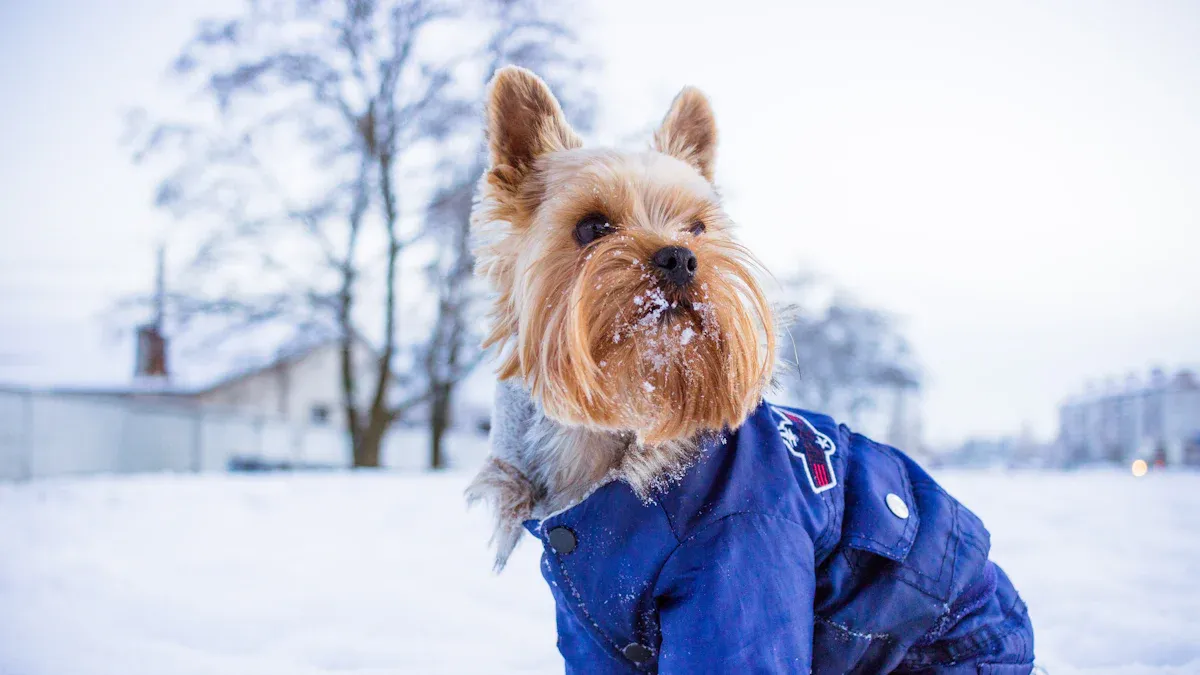
You might look at your dog and wonder, “When does a dog need a sweater?” The answer depends on more than just the forecast. Cold weather can feel harsh for some dogs, especially those with single-layer coats like Poodles. Smaller dogs lose heat faster than bigger ones, and both puppies and senior dogs have trouble staying warm. During winter, you may notice that older dogs and those under 10 kg move less outside. If you want quick answers, keep an eye on the temperature and watch for signs that your dog feels chilly.
Key Takeaways
Check the temperature outside. Dogs need sweaters when it is colder than 45°F (7°C). Small dogs or dogs with short hair get cold faster.
Look for signs your dog is cold. Shivering means your dog feels cold. If your dog lifts its paws, it may be cold. If your dog does not want to go outside, it might need a sweater.
Think about how active your dog is. Dogs that run and play make more body heat. These dogs may not need a sweater right away. Less active dogs get cold faster. Bring a sweater if you will be outside for a long time.
Change your dog’s clothes if the weather changes. Watch how your dog acts when the temperature goes up or down. Make sure your dog does not get too hot.
Make sure your dog is comfortable. Pick a sweater that fits your dog well. Use soft materials so your dog stays warm. Do not let your dog get too hot in the sweater.
When Does a Dog Need a Sweater in Cold Weather?
At What Temperature Does a Dog Need a Coat?
You probably ask yourself, “at what temperature does a dog need a coat?” This question pops up every time you see the weather drop. Most dogs start to feel chilly when the temperature falls below 45°F (7°C). If you have a small dog or one with short hair, you should pay extra attention. These dogs lose heat faster and may need a sweater even before it gets that cold. When the thermometer hits 32°F (0°C), almost every dog faces a real risk. Even breeds with thick fur can struggle to stay warm. You want to avoid hypothermia and frostbite, so checking the forecast is a smart move.
Let’s look at what science says about dogs and cold weather. Here’s a quick table that shows how researchers study the effects of coats and vests on dogs:
Findings | Details |
|---|---|
Study Focus | Role of vests in heat-related illness of working dogs |
Recommendations | Dogs should work in cooler temperatures and wear protective vests safely |
Cooling Vests | Help dogs cool down faster after intense work |
Temperature Findings | Dogs took longer to return to baseline temperature in summer than in winter |
Conclusion | No evidence that wearing Kevlar vests increases overheating risk |
You might wonder, “when does a dog need a sweater?” The answer depends on your dog’s breed, age, and health. Research shows that larger dogs can benefit from winter coats because their body temperature runs a bit cooler than smaller dogs. Wearing a coat helps regulate body temperature and protects vital organs. If you have a senior dog or a puppy, you should be extra careful. These dogs have a harder time keeping warm and may need a sweater more often.
Does My Dog Need a Coat for Outdoor Walks?
You step outside and ask, “does my dog need a coat?” The answer changes based on what you plan to do. If your dog loves to run and play, they produce more body heat. Active dogs may not need a sweater at the same temperature as those who prefer slow walks. If your dog spends a long time outside, even during winter, they are more likely to need a sweater. Here are some things to consider:
Active dogs stay warmer because they move around a lot.
Less active dogs get cold faster and may need a sweater sooner.
If you plan a long walk or outdoor playtime, bring a coat for your dog just in case.
Short trips outside may not require a sweater, but always watch for signs of shivering or discomfort.
You might ask, “when does a dog need a sweater?” If you notice your dog lifting their paws, shivering, or trying to head back inside, it’s time to grab that coat. You want to keep your dog safe from hypothermia and frostbite, especially during winter months. If you’re unsure, use this simple checklist:
Tip: If the temperature is below 45°F (7°C), and your dog is small, short-haired, a puppy, or a senior, you should put a sweater on them before heading outside.
You don’t want to guess when does a dog need a sweater. Instead, check the weather, think about your dog’s activity level, and watch how long you stay outside. If you follow these steps, you’ll know exactly at what temperature does a dog need a coat and when your dog needs a sweater. This way, you keep your furry friend comfortable and safe all winter long.
Which Dog Breeds Need to Wear Coats?

When you wonder which dog breeds need coats, think about your dog’s size, age, and health. Some dogs do fine in cold weather, but many need extra help in winter. Let’s look at which dogs are most at risk.
Small and Short-Haired Breeds
Small dogs and dogs with short hair get cold fast. Their bodies are small, so they lose heat quickly. Their fur does not keep them warm enough. You might see Chihuahuas, Italian Greyhounds, and Miniature Pinschers shiver when it is cold. These breeds need a sweater or coat when it gets chilly.
Here’s a simple table showing how coat thickness and size affect warmth:
Coat Characteristic | Effect on Heat Retention |
|---|---|
Shorter Coat | Loses heat more easily |
Thinner Coat | Loses heat more easily |
Less Undercoat | Stores less heat |
Thicker Coat | Keeps heat in better |
If your dog is small or has thin fur, keep a sweater ready for cold walks.
Puppies and Senior Dogs
Puppies and older dogs need more care in cold weather. Their bodies do not keep them warm as well as healthy adult dogs. You may see them shake or curl up to get warm. Cold weather can make arthritis worse and make moving harder.
Older dogs have trouble staying warm because their bodies do not work as well.
Cold weather makes arthritis worse and movement painful.
Older pets have less fat and thinner fur, so they do not stay warm easily.
Their immune systems are weaker, so they can get sick more often in cold weather.
Puppies and senior dogs can get hypothermia more easily because their bodies do not control heat well.
Puppies and senior dogs have trouble keeping warm because their bodies are still growing or getting weaker.
If you have a puppy or an older dog, watch for signs that they are cold in winter.
Health and Size Factors
Health problems and body size matter when thinking about which dogs need coats. Dogs with arthritis or diabetes can have trouble staying warm. Thin dogs and dogs with short noses lose heat faster. You should think about these things before going outside.
Factor | Impact on Staying Warm |
|---|---|
Coat type | Thick double coats (like Huskies) keep heat better than single, short coats (like Greyhounds). |
Age | Puppies and older dogs have more trouble keeping warm. |
Physical characteristics | Short noses and small bodies make it harder to keep heat. |
Health conditions | Problems like arthritis and diabetes make it harder for dogs to stay warm. |
Cold weather can make arthritis worse and cause more stiffness. Studies show dogs can get intervertebral disc disease (IVDD) more often in winter. Small dogs lose heat faster because of their body shape, and thin dogs get cold quicker than heavier ones.
If your dog is small or has health problems, put a coat on them for every winter walk. This helps stop hypothermia and keeps your dog safe and comfortable.
Signs Your Dog Is Cold
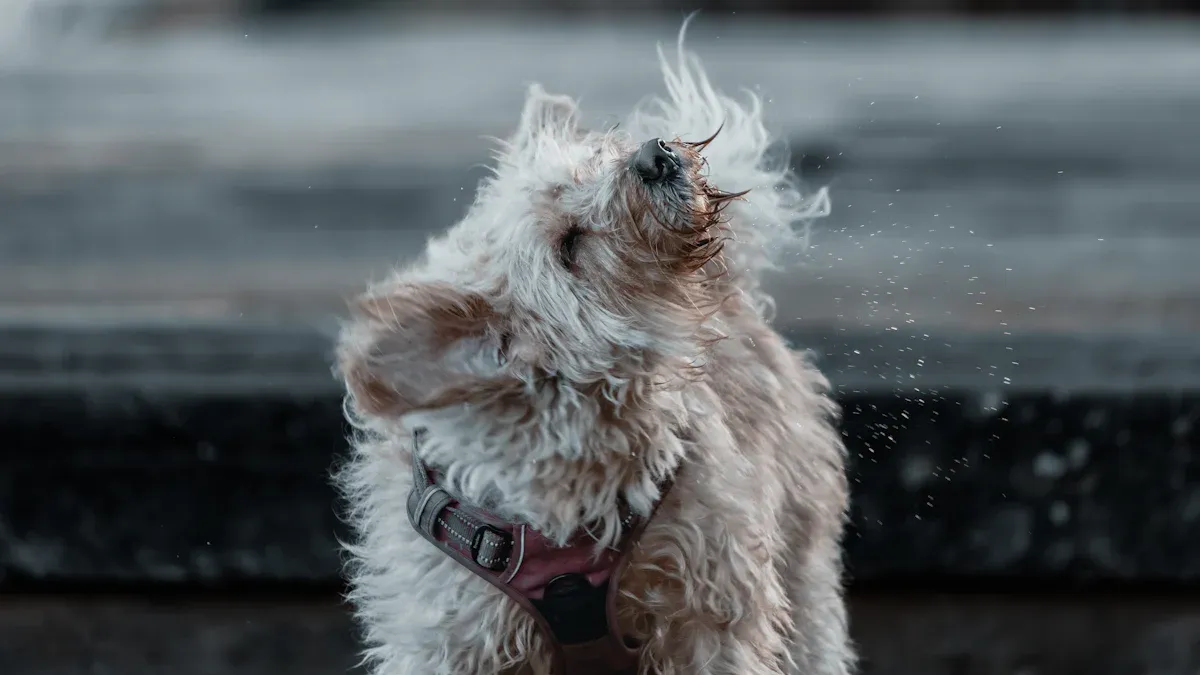
You want your dog to stay happy and healthy during winter. Sometimes, it can be hard to tell if your pup feels cold. Dogs show clear signs that they are uncomfortably cold, and you can spot these if you know what to look for. Here’s a simple checklist to help you decide if you need a sweater for your dog.
Physical Signs (Shivering, Paw Lifting)
Physical changes are often the first clues. When your dog feels chilly, you might notice:
Shaking or shivering
Hunched posture with a tucked tail
Whining or barking
Lifting paws off the ground
Weak pulse or difficulty walking
Shivering is a strong sign that your dog feels cold. Small breeds, puppies, and seniors shiver more often in cold weather. If your dog starts shivering outside and stops when you bring them in, that means they probably need a sweater. Paw lifting is another early warning. Cold ground can make your dog pick up their feet or walk funny. If you see these signs, put a sweater on your dog before heading out again.
Behavioral Signs (Curling Up, Reluctance to Go Outside)
Dogs also change how they act when they feel cold. You might see:
Curling up tightly when sleeping
Refusing to go outside
Restlessness or pacing
Lethargy or low energy
Seeking out warm spots like beds or heaters
Licking or chewing their paws
If your dog curls up in a tight ball or hides in warm places, they are trying to keep warm. Some dogs refuse to go outside in winter because they remember how cold it feels. Others may seem restless or tired. These behaviors are all signs that your dog could get hypothermia or even frostbite if left in the cold too long.
Tip: Always watch for chilly dogs during winter walks. If you spot any of these signs that they are uncomfortably cold, it’s time to need a sweater. Keeping an eye out helps you protect your pup from winter dangers.
Avoid Overdressing and Overheating
Signs Your Dog Is Too Warm
You want your dog to stay cozy, but sometimes a sweater can make them too hot. Overheating happens if your dog wears a coat for too long, especially when the weather warms up. This can be dangerous and lead to serious health problems. Watch for these signs that your dog is getting too warm:
Heart beating faster than normal
Bright red or pale gums and tongue
Weakness or acting tired
Vomiting or diarrhea
Confusion or acting strange
Collapse or even seizures
If you notice any of these symptoms, take off your dog’s sweater right away. Move your dog to a cool spot and give them fresh water. Dogs with thick fur, breathing problems, or extra weight can overheat faster. You should always keep an eye on your dog when they wear extra layers.
Tip: Learn the signs of heat stress and heatstroke. Quick action can save your dog’s life.
Adjusting for Changing Weather
Weather can change fast, especially during winter. You need to adjust your dog’s clothing to keep them comfortable. Here are some easy ways to make sure your dog stays safe:
Think about your dog’s lifestyle and where you live before choosing a coat.
Add layers when it’s cold. Remove them as the temperature rises.
Check the climate, your dog’s activity level, and how long you plan to stay outside.
Let your dog get used to warmer weather slowly.
Give your dog cool water, shade, and take breaks during walks.
Dogs need different clothing for different days. If the sun comes out or the wind stops, your dog may not need a sweater anymore. Always watch your dog and adjust their clothing as needed. You keep your dog happy and healthy by paying attention to the weather and their behavior.
You want to keep your pet warm, so remember the key temperature thresholds: 32°F (0°C) and 45°F (7°C). Small or short-haired breeds need extra care, while double-coated dogs handle cold better. Use a checklist for quick decisions:
Match insulation to your dog’s coat.
Look for easy-to-clean materials.
Pick bright colors for visibility.
Stay flexible and watch your dog’s behavior. When you pay attention, you help your dog stay safe and comfortable all winter.
FAQ
How do I measure my dog for a sweater?
Use a soft tape measure. Measure your dog’s chest at the widest part, then the length from neck to tail. Check the size chart on the sweater label. If your dog is between sizes, pick the larger one for comfort.
Can my dog wear a sweater indoors?
You can let your dog wear a sweater inside if your home feels cold. Watch for signs of overheating. Remove the sweater if your dog starts panting or seems restless.
How often should I wash my dog’s sweater?
Wash your dog’s sweater once a week or when it gets dirty. Use gentle detergent. Air dry the sweater to keep it soft and in good shape.
What if my dog hates wearing sweaters?
Try a lightweight, soft sweater first. Let your dog sniff and explore it. Give treats and praise when your dog wears it. Start with short periods and increase the time as your dog gets used to it.