You see mesh fabric in many clothes today. This material has an open-weave structure that lets air flow easily. Mesh fabric feels light and keeps you cool, which makes it popular in both fashion and sportswear. In the past decade, the fashion industry has used more mesh fabric because people want quick-drying and comfortable clothes. Big brands use it to make sports gear that helps you perform better. As a result, demand keeps rising and new styles appear every year.
Key Takeaways
Mesh fabric has a special open weave. This lets air move through it. It helps you stay cool and comfy in hot weather. It also helps during exercise or sports. This material is light and strong. It dries fast, so it works well for sports clothes. Mesh fabric can be used in many ways. People use it for fashion, like dresses and tops. It is also used in medical and industrial places. Picking mesh fabric can help the planet. If it is made from recycled stuff, it cuts down on waste. It also helps the environment. To take care of mesh fabric, wash it gently in cold water. Let it air dry to keep it lasting long and holding its shape.
Mesh Fabric Overview
What Is Mesh Fabric
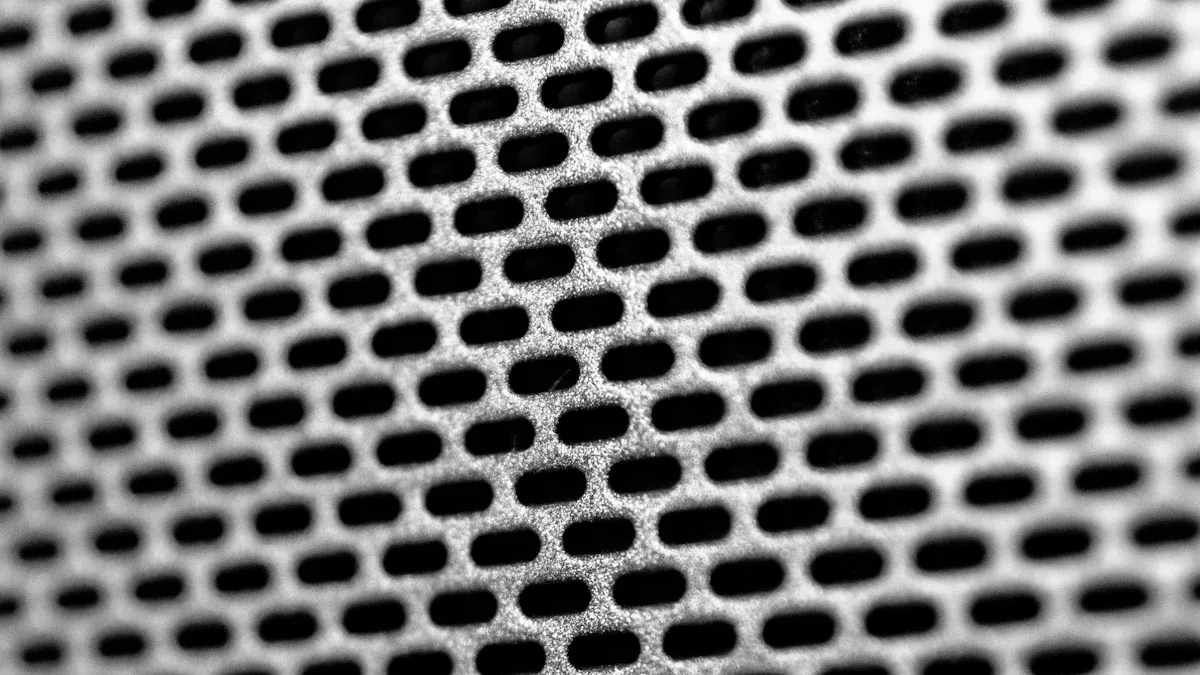
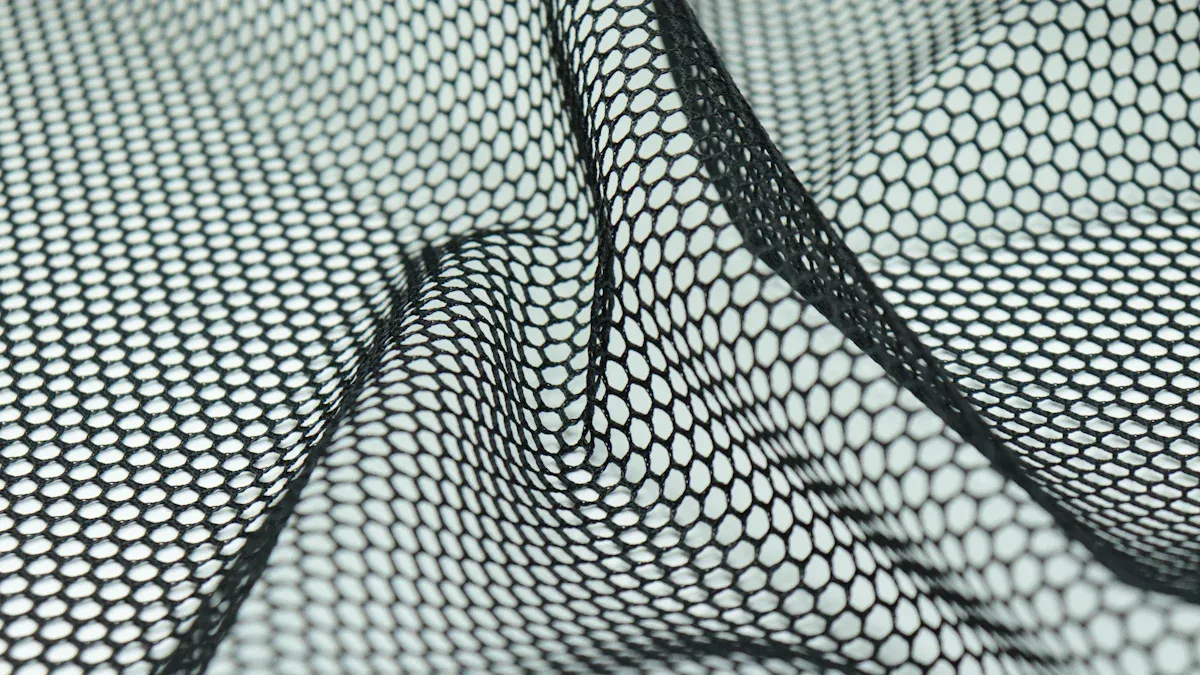
Mesh fabric has an open-weave design with many tiny holes. These holes let air and light move through the fabric. Mesh fabric feels lighter than most other fabrics. It lets your skin breathe and stay cool. You can find mesh fabric in sportswear, shoes, and fashion tops. The open spaces help you feel comfortable when you are active. Mesh fabric gives great ventilation and feels soft. That is why people like it for clothes that need to handle heat and sweat.
Key Features
Mesh fabric has many important benefits that make it special. Here are some main fabric characteristics you should know:
Breathability: The open weave lets air move easily. This helps control your body temperature and keeps you cool.
Lightweight: Mesh fabric is very light. It is easy to wear and move in.
Durability: This material does not tear easily. It can be used many times and stays strong.
Quick-Drying: Mesh fabric dries much faster than most other fabrics. This is good if you sweat or get wet.
Flexibility: The fabric moves with your body. You can stretch and bend without feeling tight.
Tip: Mesh fabric is simple to wash and keeps its shape after many washes.
Here is a table that shows how mesh fabric compares to other fabrics:
Characteristic | Mesh Fabric | Cotton | Polyester | Nylon |
|---|---|---|---|---|
Breathability | Highly breathable, great for hot days | Not as breathable | Not as breathable | Not as breathable |
Lightweight | Very light and comfy | Heavier and less flexible | Smoother but heavier than mesh | Strong but can feel hot |
Durability | Strong and hard to tear | Wears out faster in tough spots | Durable and resists wrinkles | Very durable and tough |
Quick-Drying | Dries fast because of open weave | Dries slowly | Dries at a medium speed | Dries at a medium speed |
Softness | Not as soft as natural fibers | Soft and cozy | Not as soft as cotton | Not as comfy as cotton |
Color Retention | Keeps color well | Fades more quickly | Keeps color very well | Keeps color well |
Environmental Impact | Higher impact from synthetic fibers | Breaks down but uses lots of resources | Higher carbon footprint | Takes a long time to break down |
Origins and Evolution
Mesh fabric has a long history. People in ancient India and Western countries made net fabrics first. These were used in fancy clothes and special events. In India, royal women wore net sarees before the Mughal period. These fabrics showed wealth and luxury.
In the late 1800s, inventors started making fake threads. A Swiss chemist named Audemars made artificial silk from mulberry tree bark. At the same time, Sir Joseph Swan made rayon. Rayon was liked because it was soft and soaked up moisture. These new inventions changed fabric from natural to synthetic fibers.
By the middle of the 1900s, engineers wanted materials that could stretch and stay strong. They mixed spandex with other yarns. This made mesh fabrics that could stretch and move with you. Today, mesh fabric is used in many clothes, like sports jerseys and dresses. It is popular because it is comfy, flexible, and strong.
Structure, Composition & Manufacturing
Yarn Materials
Mesh fabric is made by picking the right yarns. Different yarns help make mesh fabric special. The most used yarns in mesh textiles are:
100% Polyester
100% Nylon
Nylon Polyester Blends
Cotton
Spandex
Each yarn gives mesh fabric its own features. Polyester and nylon make mesh strong and light. Cotton makes it soft and comfy. Spandex lets the fabric stretch and move with you. You can see how these yarns change mesh fabric in the table below:
Material | Properties | Performance Impact |
|---|---|---|
Polyester | Durable, lightweight, moisture-wicking, wrinkle and stain resistant | Excellent for sportswear and industrial applications |
Nylon | Strong, elastic, stretchable, abrasion resistant | Ideal for performance clothing and bags |
Cotton | Soft, can be blended for comfort | Enhances comfort in casual wear and medical textiles |
How Mesh Fabric Is Made
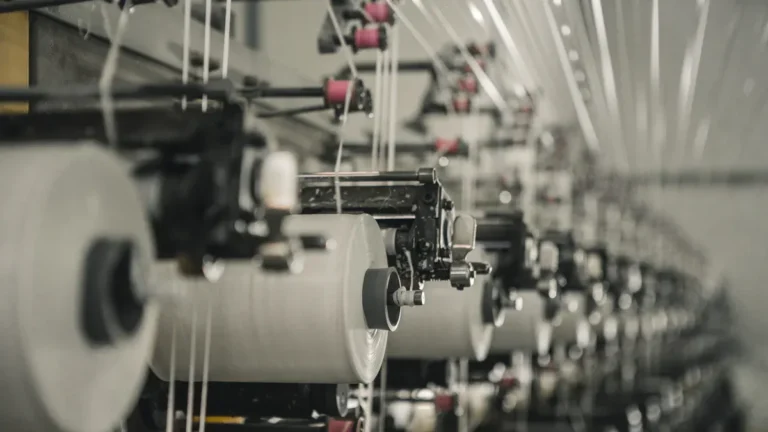
Mesh fabric is made using modern machines. First, yarn is prepared. Most times, polyester or nylon is used. The yarn can be dyed or treated. Next, machines knit the yarn into a mesh pattern. This step makes the open holes in the fabric. Then, the fabric goes through heated rollers. This helps the fabric keep its shape and stay stable. Last, workers cut, sew, and pack the fabric for clothes and other uses.
Each step in making mesh fabric is important. These steps help mesh fabric stay strong and flexible. Mesh fabric is ready for many different uses after these steps.
Finishing & Functional Treatments
After making mesh fabric, more steps are done to improve it. These steps help the fabric look better and work better. Some common treatments are:
Washing and drying to clean and change how it looks
Heat setting to keep the shape and stop shrinking
Calendering to make the fabric smooth and flat
Dyeing to give bright and lasting colors
Coating for UV protection and to control moisture
Spraying to add dyes or chemicals
Surface changes for better sticking
Plasma, flame, or corona treatments to change the surface
Some mesh fabrics get special treatments for sportswear. Moisture-wicking finishes help the fabric dry fast and keep you comfy. Antimicrobial treatments stop bacteria from growing. This keeps your clothes fresh and stops bad smells. These features help you stay cool and dry when you exercise. Mesh fabric with these treatments also helps control heat and stops you from getting too hot.
Benefits of Mesh Fabric
Breathability and Comfort
When you wear breathable mesh fabric, you feel a big difference. The open-weave design lets air move in and out. This keeps your skin cool and dry. Good airflow is important for comfort, especially when you exercise or it is hot outside. Breathable mesh fabric moves sweat away from your skin. The sweat goes to the outside of the fabric. This helps sweat dry fast, so you feel fresh and comfy. Studies show that air mesh fabric lets more air pass through than other fabrics. You get better breathability and less sweat stays on your skin.
Here is a table that shows how people feel about comfort during exercise and rest:
Fabric Type | Comfort Level During Exercise | Comfort Level in Static Conditions | Notes |
|---|---|---|---|
Polyester Mesh | High | High | Keeps you cool and dry, especially on arms & back. |
Tencel Single Jersey | Moderate | Moderate | Good, but not as breathable as mesh. |
Tip: Pick breathable mesh fabric for sports and outdoor fun. You will feel cooler and more comfortable.
Durability and Versatility
Breathable mesh fabric is strong and flexible. You can stretch and move without it ripping. Mesh fabric lasts a long time, even if you wear it a lot. This makes it a smart choice for sports clothes and uniforms. Mesh fabric works for many things. Sports brands use it for jerseys and shorts. Fashion designers add mesh to dresses and tops for style and comfort. You also see breathable mesh fabric in shoes, bags, and medical bandages.
Sportswear uses breathable mesh fabric for activewear.
The automotive industry uses it for seat covers and filters.
Medical fields use it for bandages and braces.
Industrial sectors use it for filtration and safety gear.
New ideas, like 3D spacer mesh, show how useful this fabric is in new industries.
Value and Performance
Breathable mesh fabric gives you great value. It is very strong, lets air flow, and can be used in many ways. The cost is not too high. This makes it a top choice for fashion and sportswear. Mesh fabric is tough, flexible, and lasts a long time.
Attribute | Mesh Fabric | Other Fabrics (Cotton, Polyester, Nylon) |
|---|---|---|
Durability | High | Moderate to Low |
Breathability | Excellent | Varies |
Versatility | High | Moderate |
Cost | Moderate | Varies |
Breathable mesh fabric works well outside and for sports. It does not tear easily, blocks UV rays, and can have treatments to stop germs and smells. You can trust mesh fabric to keep you safe and comfortable.
Mesh Fabric vs Other Fabrics
Mesh vs Cotton
When you look at mesh fabric and cotton, you see big differences. Cotton is a natural fiber. It feels soft and gentle on your skin. People like cotton for daily clothes. Mesh fabric lets more air move through. You feel cooler and drier in mesh, especially when you play sports or it is hot outside. Tests show mesh fabric lets much more air pass than cotton.
Fabric Type | Air Permeability (L/m²/s) |
|---|---|
Mesh Fabric | |
Cotton | 100 – 300 |
Cotton comes from plants and breaks down in nature. But it needs lots of water and chemicals to grow. Mesh fabric is made from synthetic fibers. It lasts longer but does not break down fast. Here are some important points about the environment:
Cotton can break down and comes from plants, but uses lots of water and chemicals.
Mesh fabric takes more energy to make and can pollute, but it lasts longer.
Cotton is easier to recycle or compost than synthetic fabrics.
Mesh vs Polyester & Nylon
Mesh fabric is different from polyester and nylon in many ways. Polyester and nylon are very strong. Mesh fabric often uses these fibers to make it tough and stretchy. This helps your clothes resist tearing and dry fast. Here is a table to show the differences:
Material | Durability | Moisture Management |
|---|---|---|
Polyester | Excellent durability, suitable for high-wear applications | Low moisture absorption, quick-drying |
Nylon | High abrasion resistance, ideal for rugged products | Higher moisture absorption, slower drying |
How soft a fabric feels is also important. Nylon feels softer and smoother than polyester. It is good for clothes that touch your skin. Polyester is getting softer, but still feels rougher.
Fabric | Softness | Tactile Feel |
|---|---|---|
Nylon | Naturally softer | Smooth texture |
Polyester | Improved softness | Rougher texture |
Color Retention and Care
Mesh fabric keeps its color well, even after many washes. Polyester mesh stays bright and fresh, even in sunlight. This makes it great for sportswear and fashion that needs to look good for a long time.
To take care of mesh fabric, follow these tips:
Always read the care label.
Wash by hand in cold water or use a gentle machine cycle.
Do not twist; press out water gently.
Let it air dry away from sunlight so it does not fade.
Use low heat to iron, and put a cloth between the iron and fabric.
Hang or lay flat to store so it keeps its shape.
Tip: For stains, blot gently and use mild soap. Keep mesh fabric in a cool, dry place.
Mesh fabric gives you better airflow, keeps its color, and is easy to care for. It is a good choice for active people and clothes that last a long time.
Manufacturing and Sustainability
Sustainable Manufacturing
You help the planet when you pick sustainable fabric. Making mesh fabric starts with choosing fibers. Then, workers spin, weave or knit, finish, and check the fabric. Many companies now use eco-friendly ways to make mesh fabric. Factories use more biodegradable materials and waterless dyeing. They also use renewable energy like solar or wind. These steps lower harm to the environment and make production fairer.
Sustainable Practice | Description |
|---|---|
Biodegradable Fabrics | Use of materials that decompose naturally, reducing landfill waste. |
Waterless Dyeing Techniques | Methods that eliminate water usage in dyeing processes, conserving resources. |
Renewable Energy Integration | Utilizing solar, wind, or other renewable sources to power manufacturing. |
There are money rewards for using green methods. Companies get tax breaks and help for making things locally. These rewards make more companies choose eco-friendly ways.
Environmental Impact
Mesh fabric’s effect on nature depends on the materials used. Polyester and nylon are synthetic fibers. They use lots of energy and make waste. If you pick recycled polyester, you help cut plastic waste. This also saves natural resources. The process starts by collecting old plastic items. These are sorted and made into new fibers. This cuts fashion waste and lowers carbon emissions. Using recycled polyester means less oil is needed and fewer greenhouse gases. You help the earth by picking plant-based or recycled fabrics.
Circular Design and Reuse
You can help the earth by picking mesh fabric made from recycled or biodegradable materials. Recycling turns old plastic into new fabric. This saves energy and helps stop fast fashion waste. Biodegradable mesh fabric breaks down on its own. It does not fill up landfills. Plant-based fabrics and fair ways of making fabric also help the planet. When you pick green fabric, you help cut waste and keep the earth clean.
Mesh Fabric in Clothing
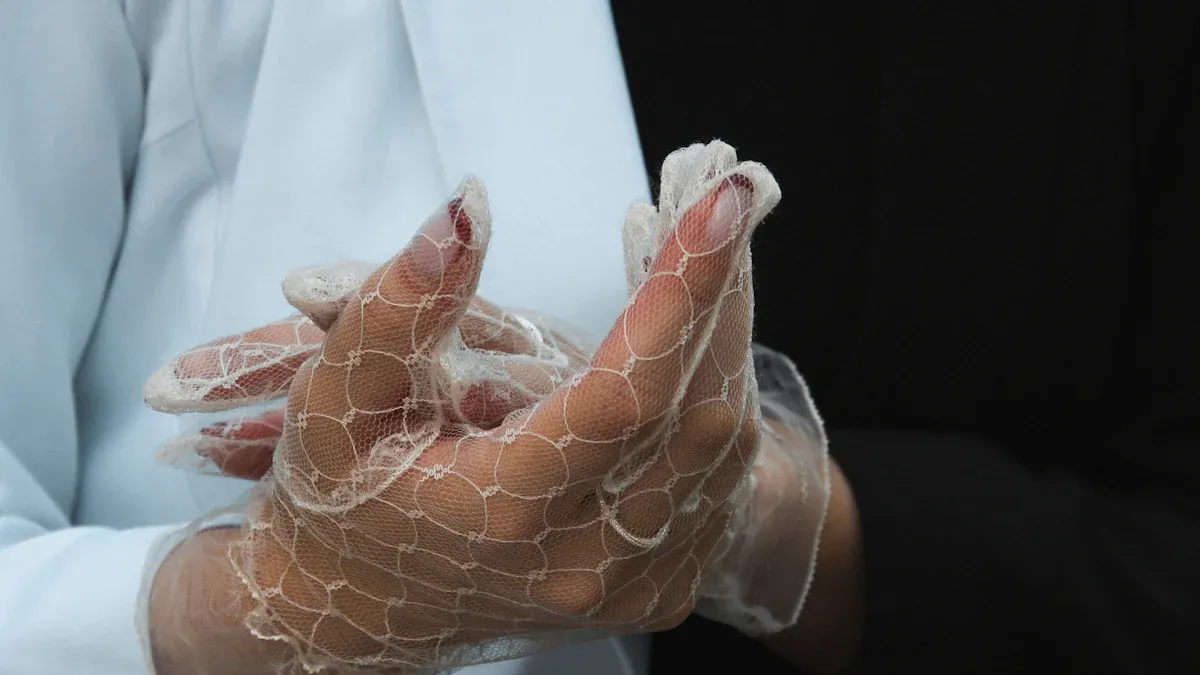
Common Fashion Applications
Mesh fabric is used in many clothes. Fashion designers pick it for style and comfort. Here are some ways mesh fabric is used:
Athleisure wear like leggings and tank tops lets air in and looks cool.
Evening gowns have mesh panels for a new look.
Mesh tops or bodysuits are good for layering under jackets or shirts.
Bags and shoes use mesh for a modern style.
Lingerie and shapewear use mesh for a soft feel and smooth fit.
Designers like mesh fabric because it keeps you cool and dry. Mesh clothes are light and move with you. You also see mesh in linings, shoes, and sportswear. These uses show mesh fabric is very useful in fashion.
Technical & Industrial Uses
Mesh fabric is not only for fashion. It is used in technical and work clothes too. Sportswear uses mesh to help you stay cool and dry. Medical clothes like bandages and braces use mesh for comfort and support. Car seats and filters use mesh in the auto industry. Work uniforms and safety gear often have mesh panels for airflow. Fashion designers also use mesh in work and safety clothes.
Pricing
Mesh fabric clothing comes in many prices. You can find cheap clothes for daily use and expensive designer pieces. Here is a table to compare:
Clothing Type | Price Range | Value for Money |
|---|---|---|
Sportswear | $15 – $60 | High |
Athleisure | $20 – $80 | Good |
Evening Dresses | $50 – $300+ | Premium |
Accessories | $10 – $100 | Moderate to High |
Mesh fabric clothing gives you good value. You can find something for any budget.
Care Tips
To keep mesh fabric clothes nice, wash them gently in cold water. Use a mesh bag to protect them. Let them air-dry so they do not shrink or fade. Do not use high heat when ironing. Store them flat or hang them up to keep their shape.
If you follow these tips, your mesh fabric clothes will last longer. Mesh fabric stays strong and keeps its color if you care for it well.
You now know why mesh fabric is special. It has an open weave and a long history. Mesh fabric has many good things about it. You can look at other fabrics and see mesh is more breathable. It is also strong and dries fast. Makers use different fibers and treatments to make mesh fabric. You find mesh fabric in sports, fashion, and work clothes. Some mesh fabrics are better for the earth. Mesh fabric comes in many prices, so anyone can buy it. It is easy to take care of and lasts a long time.
Pick mesh fabric if you want clothes that are useful and good for the planet.
FAQ
What makes mesh fabric different from regular fabric?
Mesh fabric has an open weave with small holes. This design lets air move through easily. You feel cooler and drier when you wear mesh. Regular fabric does not allow as much airflow.
Can you wear mesh fabric every day?
Yes, you can wear mesh fabric daily. Many people choose mesh for sports, school, or casual outfits. Mesh feels light and comfortable. You can layer it with other clothes for extra style.
How do you wash mesh fabric?
Always use cold water and a gentle cycle. Place mesh items in a laundry bag to protect them. Air-dry your mesh clothes to keep them in good shape.
Is mesh fabric safe for sensitive skin?
Mesh fabric made from cotton or soft blends feels gentle on your skin. If you have sensitive skin, check the label for natural fibers. Avoid rough or stiff mesh to prevent irritation.
What are some creative uses for mesh fabric?
Sports jerseys and shorts
Fashion tops and dresses
Shoe panels and bags
Laundry bags and organizers
Mesh fabric works well in many products because it is strong and breathable.