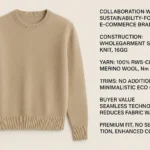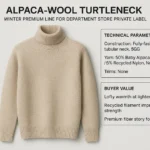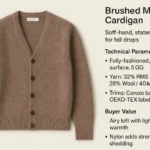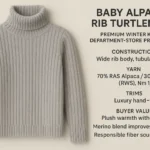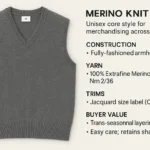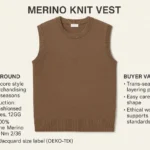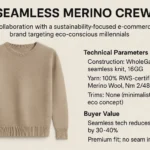


You might ask yourself, does yarn twist affect the softness of sweaters? The answer is yes. Yarn twist changes how a sweater feels when you touch it. A soft sweater can make you feel cozy and happy. The way yarn is spun and twisted plays a big role in comfort and durability. When you know what makes your sweater soft, you can pick the best ones for your needs.
Key Takeaways
Yarn twist significantly affects the softness of sweaters. Low twist yarn feels fluffy and soft, while high twist yarn feels firmer.
When shopping for sweaters, check the yarn twist. Low twist yarn is ideal for comfort, while high twist yarn offers durability.
Understanding yarn types helps you choose the right sweater. Wool provides warmth, while cotton feels cool and light.
Perform a touch test in stores. Soft sweaters often use low twist or single-ply yarns, which feel gentle against the skin.
Care for your sweaters properly. Use cold water and mild detergent to maintain softness and prevent damage.
Avoid pilling by selecting high twist yarn. It keeps fibers locked in place, ensuring your sweater stays smooth longer.
Consider fiber length when choosing yarn. Long fibers require less twist for strength, making them suitable for soft sweaters.
Balance softness and durability by blending yarns. Mixing high and low twist yarns can give you the best of both worlds.
What is yarn twist

Yarn twist basics
How yarn is spun
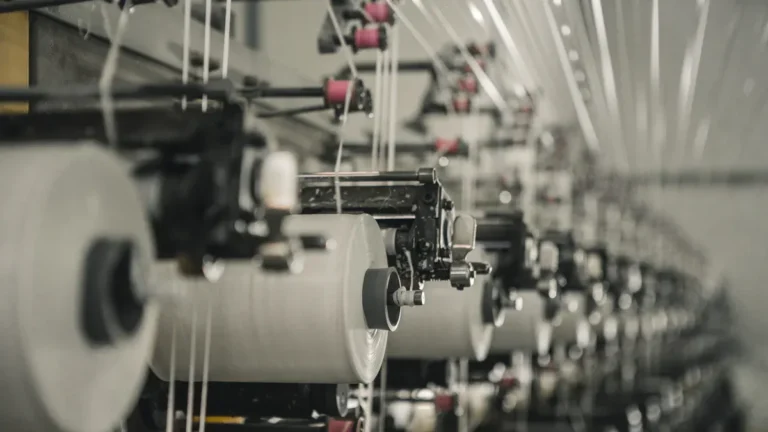
When you look at a sweater, you see the result of many steps in the knitting process. One important step is spinning. Spinning takes loose fibers, like wool, and turns them into yarn. You do this by twisting the fibers around the yarn’s axis. This twist holds the fibers together and gives the yarn its strength. If you use less twist, the yarn feels fluffy and soft. If you use more twist, the yarn feels tighter and stronger.
Knitting with wool or other fibers starts with spinning. You can spin yarn by hand or with a machine. The amount of twist you add during spinning changes how the yarn behaves. For example, a low twist makes the yarn feel puffy and light. A high twist makes the yarn feel smooth and firm.
Types of twist
You might notice that not all yarn looks the same. The twist direction is one reason for this. There are two main types of twist direction: S twist and Z twist. If you look closely at the yarn, you can see the angle of the fibers. S twist slants in one direction, while Z twist slants the other way. Some knitters and crocheters prefer to use S twist singles plied with Z twist yarns. This combination can help reduce splitting during knitting.
The number of twists in yarn, measured in turns per inch or meter, also matters. This number affects the yarn’s strength and appearance. Low twist yarns look fluffy and soft. High twist yarns look shiny because the fibers are packed tightly together.
Why twist matters
Yarn twist plays a big role in how your sweater feels and looks. The twist direction and the amount of twist both change the texture of the fabric. When you use low twist yarn in knitting, you get a sweater that feels soft and comfortable. High twist yarn gives you a sweater that feels firmer and sometimes a bit rougher.
Research shows that higher twist levels make the fabric stiffer and less compressible. Lower twist levels make the fabric softer and more pleasant to touch.
You can see the effects of twist in this table:
Twist Level | Effect on Yarn Properties |
|---|---|
None or Very Low | Minimal strength, fluffy appearance |
Low | Moderate strength, slightly more defined appearance |
Average | Balanced strength and appearance |
High | Increased strength, shiny surface due to compression |
When you choose yarn for knitting, think about how much twist you want. If you want a soft, cozy sweater, look for low twist wool yarn. If you want a sweater that lasts longer and keeps its shape, try a high twist yarn. The twist direction can also affect how easy the yarn is to work with during knitting.
Does yarn twist affect the softness of sweaters?
When you ask, “does yarn twist affect the softness of sweaters?” you look for answers about what makes your favorite sweater feel just right. The answer is yes. The way yarn is twisted during spinning and knitting changes how soft, strong, and comfortable your sweater feels. You can feel the difference every time you put on a sweater made with a different twist.
Low twist vs. high twist
Softness and drape
If you want a sweater that feels soft and gentle, you should look for low twist yarn. Low twist means the fibers are loosely spun, so the yarn feels fluffy and light. This type of yarn gives sweaters a soft touch and a cozy drape. You will notice that these sweaters feel gentle against your skin and move easily with your body. High twist yarn, on the other hand, feels tighter and firmer. The fibers are packed closely together, which makes the yarn less soft but more supportive.
Here is a table that shows the difference between low twist and high twist yarns in sweaters:
Yarn Type | Twist (TPI) | Softness Characteristics |
|---|---|---|
Low Twist | 10-15 TPI | Ultra-soft and fluffy, ideal for blankets and toys |
High Twist | 25-35 TPI | Stiffer hand feel, good rebound and pilling resistance, suitable for supportive clothing |
When you choose low twist yarn for knitting, you get a sweater that feels soft and drapes nicely. High twist yarn creates a sweater that holds its shape better but feels less soft.
Low twist yarn gives you:
More softness
Better drape
A cozy, gentle feel
High twist yarn gives you:
Less softness
Firmer drape
A supportive, structured feel
Strength and durability
You might wonder if softness comes at a cost. Low twist yarn feels soft, but it is not as strong as high twist yarn. When you wear a sweater made with low twist yarn, you enjoy comfort, but the sweater may not last as long. High twist yarn makes sweaters stronger and more durable. These sweaters resist stretching and keep their shape after many washes.
Textile engineering studies show that:
A higher yarn twist improves strength but may reduce flexibility.
Twist levels shape the texture — low-twist yarns create soft fabrics, while high-twist yarns are ideal for crisp textures like crêpe.
Moisture absorption is better with low-twist yarns, making them perfect for absorbent products like towels.
Twist direction and level add aesthetic appeal, creating unique patterns and fabric finishes.
So, when you pick a sweater, you balance softness and durability. If you want a sweater that feels soft and cozy, choose low twist yarn. If you want a sweater that lasts longer, high twist yarn is a better choice.
Impact on comfort
Does yarn twist affect the softness of sweaters? Yes, but it also affects comfort in many ways. When you wear a sweater, you want it to feel good all day. The twist in the yarn changes how the sweater feels on your skin, how it moves, and how it handles moisture.
Laboratory tests compare the comfort levels of sweaters made with different yarn twists. Here are some findings:
Study | Findings |
|---|---|
Ozdil et al. | Increased yarn twist leads to higher thermal absorptivity and water vapour permeability, resulting in a cooler feel. |
Prakash et al. | Observed increased air and water vapour permeability with decreased yarn linear density and increased loop length. |
Mishra et al. | Found that physical properties of fabrics were affected by yarn linear density and relaxation stages. |
Oglakcioglu et al. | Investigated channeled and hollow polyester fibres, showing high air permeability and moisture transfer suitable for hot climates. |
You can see that high twist yarn makes sweaters feel cooler and more breathable. Low twist yarn holds warmth and feels softer, which is great for cold days. The twist also affects how much the sweater absorbs moisture. Low twist yarn absorbs more, so it feels comfortable when you sweat or when the weather changes.
Does yarn twist affect the softness of sweaters? Yes, and it also changes how the sweater handles pilling and abrasion. Low twist yarn feels soft but can pill more easily. High twist yarn resists pilling and stands up to rubbing, so your sweater looks new for longer.
When you choose a sweater, think about how you want it to feel. Do you want maximum softness and comfort? Pick low twist yarn. Do you want a sweater that stays strong and looks good after many wears? High twist yarn is the answer.
Tip: When shopping for sweaters, touch the fabric and check the label for twist information. You can feel the difference in softness and comfort right away.
Does yarn twist affect the softness of sweaters? Absolutely. The twist in the yarn shapes every part of your sweater experience, from the first touch to how long it lasts in your closet.
Fiber length and yarn twist
Staple length effects
When you start knitting, you might notice that not all fibers are the same length. The length of the fiber, called the staple length, changes how you spin and twist yarn for your projects. You can find both long and short fibers in the world of knitting.
Long vs. short fibers
Long fibers and short fibers behave differently when you use them for knitting. Here are some key points to help you understand:
Shorter fibers need more twist per inch to stay together. If you use short fibers, you must twist the yarn tightly so it does not fall apart.
Longer fibers can hold together with less twist. You do not need to twist the yarn as much to make it strong.
A short staple fiber usually measures up to 2.5 inches. You will need to use a tighter twist for these fibers.
A long staple fiber is longer than 2.5 inches. You can use a looser twist, and the yarn will still be strong.
For example, a 3-inch staple fiber may need about 6 twists per inch, while a 7-inch fiber may only need 3 twists per inch.
When you choose fibers for knitting, think about how the staple length will affect the yarn. If you want a soft sweater, you might pick long staple fibers and use less twist. If you want a strong sweater, you might use short staple fibers and add more twist.
Twist and fabric feel
The way you twist yarn during knitting changes how your sweater feels. The twist you use shapes the texture and comfort of the fabric. If you use a high twist, the yarn becomes stronger but less flexible. This can make your sweater feel firmer and less stretchy. If you use a low twist, the yarn feels softer and absorbs more moisture. This makes your sweater feel gentle and cozy.
You will notice that the tactile feel of your sweater depends on the balance between twist and fiber length. Low twist yarns create soft fabrics, which are perfect for comfort in sweaters. High twist yarns give you a crisp texture, which some people like for structure. The twist also affects how much moisture the fabric can absorb. Lower twist yarns absorb more, making them great for sweaters you wear on cool, damp days.
When you knit, you control the twist and the fiber length. This lets you decide how your finished sweater will feel. If you want a sweater that feels soft and warm, choose long staple fibers and use a gentle twist. If you want a sweater that holds its shape and lasts longer, use short staple fibers and add more twist during spinning and knitting.
Tip: When you shop for yarn, check the label for fiber length and twist information. This helps you pick the best yarn for your next knitting project.
Durability and pilling
When you knit a sweater, you want it to last. The way you use yarn and twist during knitting can change how long your sweater stays looking new. Some sweaters start to look worn out after a few wears. Others keep their shape and softness for years. Understanding how twist affects durability and pilling helps you make better choices when knitting or buying sweaters.
Twist and sweater lifespan
Abrasion resistance
Sweaters face a lot of rubbing, especially at the elbows and under the arms. This rubbing is called abrasion. If you use high twist yarn in your knitting, you make the sweater stronger. The fibers stay packed together, so the yarn does not break or fray easily. High twist yarn helps your sweater resist everyday wear and tear. When you use low twist yarn, the fibers are loose. This makes the sweater feel soft, but it can wear out faster. You might see fuzz or thin spots after a short time.
Pilling prevention
Pilling happens when small balls of fiber form on the surface of your sweater. You often see pilling where your sweater rubs against itself or other clothes. The level of twist in your yarn changes how much your sweater pills. Textile research shows this clear pattern:
Pilling Tendency | |
|---|---|
Low Twist | Higher Pilling |
High Twist | Lower Pilling |
If you want a sweater that stays smooth, choose high twist yarn when knitting. High twist keeps the fibers locked in place, so they do not break free and form pills. Low twist yarn feels soft, but it lets fibers escape more easily. This leads to more pilling, especially after washing or heavy use.
Trade-offs between softness and strength
When you pick yarn for knitting, you face a choice. High twist yarn gives you strength and durability. The fibers press tightly together, making the yarn tough. Your sweater will last longer and resist pilling. However, this tight twist can make the fabric feel stiff. You might notice less softness when you touch the sweater.
Low twist yarn feels soft and gentle. It lets the fibers move and drape, which gives your sweater a cozy feel. Many people love this softness, especially for scarves or baby clothes. But low twist yarn is not as strong. Your sweater may stretch out, pill, or wear thin faster.
You can see this trade-off in many types of knitting. High-twist yarns work well for structured sweaters that need to hold their shape. Low-twist yarns shine in projects where you want maximum softness. When you plan your next knitting project, think about how you want your sweater to feel and how long you want it to last.
Tip: If you want both softness and strength, try blending yarns or using special knitting techniques. Some knitters use a mix of high and low twist yarns to get the best of both worlds.
Choosing soft sweaters

Reading labels
When you shop for sweaters, you often see labels with important information. These labels help you understand what makes a sweater feel soft or last longer. You should always check the label before you buy.
Yarn type and twist info
Yarn labels show the fiber content. This tells you if the sweater uses wool, cotton, acrylic, or another fiber. Each fiber has its own qualities. Wool keeps you warm and feels soft. Cotton feels cool and light. Acrylic can be soft but may not last as long.
The fiber type changes how the sweater drapes and how warm it feels. You want to look for fibers that match your needs.
Some labels mention the yarn twist or if the yarn is single-ply or plied. Single-ply yarns feel very soft but may pill more. Plied yarns use several strands twisted together. These feel less soft but last longer and resist pilling.
You may not always find twist details on every label. If you do, use this information to choose the right sweater for you.
Touch test
You can learn a lot by touching sweaters in the store. The way the yarn is twisted changes how the fabric feels. If you run your hand over the sweater, you might notice it feels springy, sleek, bumpy, or smooth. A looser twist often feels fluffier and softer. A tighter twist feels firmer and smoother. The direction of the twist, like S twist or Z twist, also changes the texture. You can use your sense of touch to find sweaters that feel just right for you.
Shopping tips
You want to find sweaters that feel soft and last a long time. Here are some tips to help you:
Check the label for fiber content. Look for soft and warm yarn if you want a cozy sweater.
Feel the fabric. Soft sweaters often use low twist or single-ply yarns. These feel fluffy and gentle.
If you want a sweater that lasts longer, look for plied yarns. These resist pilling and keep their shape.
Use this table to compare your options:
Yarn Type | Softness | Durability | Pilling Resistance |
|---|---|---|---|
Single-ply | Very soft | Less durable | Higher tendency to pill |
Plied | Less soft | More durable | Better resistance to pilling |
Tip: If you want both softness and strength, try sweaters that blend different fibers or use a mix of yarn types.
You can find the perfect sweater by reading labels, using your sense of touch, and knowing what to look for in yarn twist and fiber type.
Caring for soft sweaters
Washing and storing
You want your soft sweaters to stay cozy and gentle for as long as possible. The way you wash and store them makes a big difference. Sweaters made with low twist yarns need extra care because their fibers are loose and delicate. If you use the wrong washing method, you can make the yarn tighten or lose its softness.
Here are some simple steps to help you wash your sweaters the right way:
Use cold water. Cold water keeps the fibers relaxed and prevents shrinking.
Choose a mild, pH-neutral detergent. Harsh soaps can damage delicate fibers.
Turn your sweater inside out before washing. This reduces wear on the outside.
Hand wash or use a mesh laundry bag in the washing machine. Gentle washing protects the yarn.
Never wring or twist wet sweaters. Squeeze out water gently with a towel.
Lay your sweater flat to dry. Hanging can stretch the fabric and ruin its shape.
If you follow these steps, you help your sweater keep its softness and shape. Wool-safe detergents and gentle cycles also protect the fiber structure. You should avoid overloading the washing machine because too much friction can make the yarn pill or lose its gentle feel.
Proper storage is just as important as washing. You should always fold your sweaters instead of hanging them. Hanging stretches the yarn and can make your sweater lose its shape. Store your sweaters in breathable cotton bags to prevent moisture buildup. Add natural moth repellents, like cedar chips, to keep pests away. Make sure your sweaters are clean before storing them for a long time. Dirt and odors attract moths and can damage the fibers.
Natural fibers like wool and cashmere attract moths, which feed on the fabric and leave holes. Knitwear is more delicate than regular fabrics and stretches if hung for long periods.
Preserving softness
You can keep your sweaters soft and cozy with a few easy routines. Textile experts recommend these steps:
Skip fabric softener and use a tablespoon of white vinegar in the rinse cycle. Vinegar softens fibers and removes detergent residue.
Wash in cold or lukewarm water and handle gently. This prevents shrinkage and keeps the yarn elastic.
Air dry your sweaters flat. Heat from dryers can shrink and distort the fabric.
Fold sweaters neatly and store them in breathable containers. This keeps them from stretching and losing their shape.
Give your sweaters a professional clean once in a while. Professional cleaning removes buildup and restores softness.
Refresh your sweaters between washes by airing them out or using steam. This keeps them fresh without extra washing.
Softness loss often happens when fibers become entangled or compressed. The direction of yarn twist affects this. If the surface fibers align in the same direction, they can tangle and make the fabric firmer. When fibers cross over, they move more freely and keep the sweater soft.
If you care for your sweaters with gentle washing, careful storage, and regular maintenance, you help them stay soft and comfortable for years. Your favorite sweater will feel just as cozy every time you wear it.
Yarn twist truly shapes how soft your sweaters feel. Textile science shows that loosely twisted yarns make fabrics softer and more flexible, while tightly twisted yarns feel firmer. When you shop or care for sweaters, think about these key points:
Low twist yarns give you softness and comfort.
Medium twist balances strength and softness.
High twist adds strength but can feel stiff.
Misconception | Explanation |
|---|---|
More twist means softer yarn | Higher twist actually makes yarn firmer and less soft. |
S-plied yarns are always easier to work with | Twist direction and method matter more than ply type. |
All yarns with a Z twist are soft | Softness depends on total twist and construction. |
Understanding yarn twist helps you find sweaters that feel just right. Enjoy the comfort and warmth of your favorite cozy sweaters! 🧶
FAQ
How does yarn twist affect sweater softness?
Yarn twist changes how soft your sweater feels. Low twist yarn feels fluffy and gentle. High twist yarn feels firmer and less soft. You can feel the difference when you touch the fabric.
Can you see yarn twist in a finished sweater?
You can spot yarn twist by looking closely at the fabric. Loosely twisted yarn looks puffy and soft. Tightly twisted yarn looks smooth and shiny. You may notice the direction of the twist as well.
Does yarn twist impact pilling?
Yarn twist affects pilling. Sweaters made with low twist yarn pill more easily. High twist yarn keeps fibers locked in place, so your sweater resists pilling and stays smooth longer.
What yarn twist is best for sensitive skin?
You should choose low twist yarn for sensitive skin. This yarn feels soft and gentle. It reduces irritation and feels comfortable all day. Wool blends with low twist work well for most people.
How do you care for sweaters with low twist yarn?
You should wash sweaters with low twist yarn gently. Use cold water and mild detergent. Lay the sweater flat to dry. Avoid wringing or twisting the fabric. This keeps your sweater soft and prevents damage.
Can you find yarn twist information on sweater labels?
Some labels show yarn twist or ply details. You may see terms like “single-ply” or “plied.” If the label does not mention twist, you can feel the fabric or ask the store staff for more information.
Does yarn twist affect sweater warmth?
Yarn twist changes warmth. Low twist yarn traps more air, so your sweater feels warmer and cozier. High twist yarn feels cooler and less fluffy. You can pick the twist based on your comfort needs.