


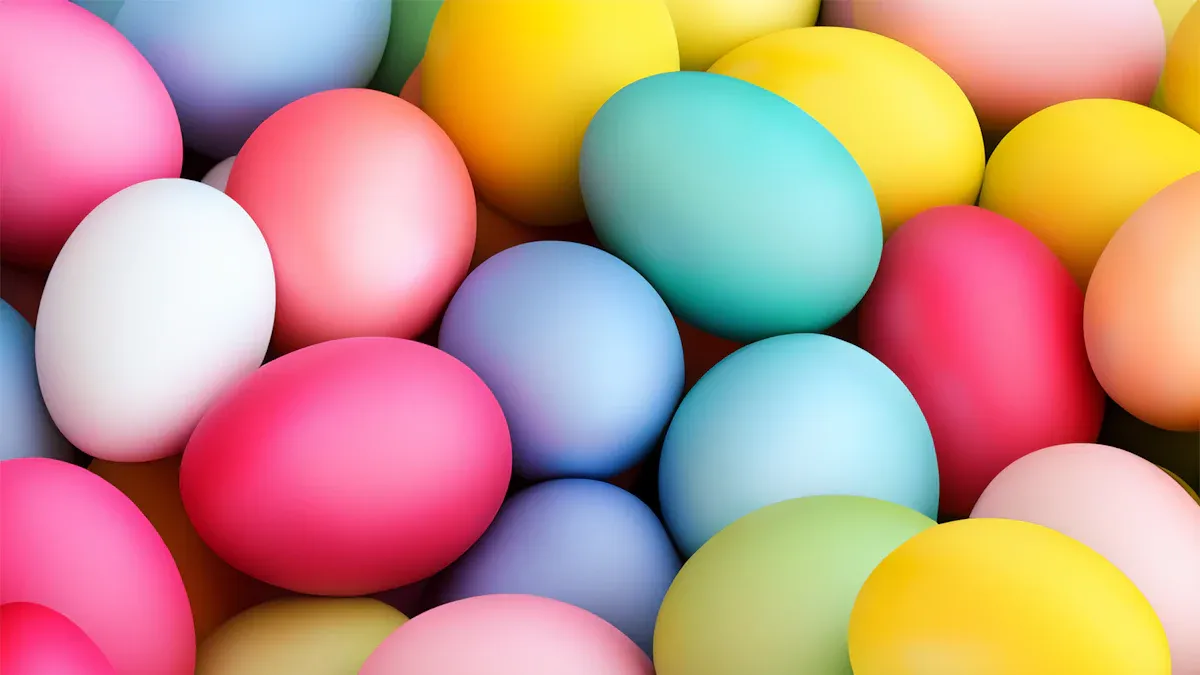
You may ask, what are the easter colours and why do they matter? The main traditional easter colours are white, gold, purple, pink, yellow, green, blue, and red. White signifies purity and resurrection in easter traditions. Gold and yellow represent glory and joy. Purple evokes thoughts of royalty and reflection during easter. Pink symbolizes love and renewal. Green stands for new life and hope. Blue signifies peace and faith. Red serves as a reminder of sacrifice. When you observe easter decorations or activities, take note of these traditional easter colours. Ask yourself what are the easter colours you see, and contemplate what each one signifies. What are the easter colours you incorporate into your own celebrations? White is frequently seen in church, clothing, and easter eggs, highlighting its importance. What are the easter colours that make your family’s traditions unique? White and the other colours enhance your easter celebration with meaning.
Key Takeaways
Easter colors like white, gold, and purple have special meanings. White stands for purity and resurrection. Gold means glory and joy.
You can use these colors in your Easter celebrations. Use white for decorations and clothes to show purity. Add yellow to bring joy.
Think about what each color means during Easter. Purple helps you remember sacrifice. Green stands for new life and hope.
Try traditional activities like dyeing eggs. Use red to show sacrifice. Pastel colors stand for new life and happiness.
Remember what colors mean when you plan your Easter decorations. Each color makes the celebration better. Colors connect you to Easter traditions.
Traditional Easter Colors and Their Meanings
White – Purity and Resurrection
White is seen everywhere at Easter time. It stands for purity and the resurrection of Jesus. Long ago, early Christians dressed new members in white on Easter Sunday. This showed their new life and clean hearts. Today, you can spot white in church decorations, candles, and Easter lilies. Many people wear white clothes to celebrate Easter. In some cultures, families use white cloth in their Easter baskets before bringing them to church for blessings.
Aspect | Description |
|---|---|
Historical Origin | Early Christians put new members in white clothes on Easter Sunday. |
Symbolism | White clothes meant purity and a new start, which connects to Easter today. |
Modern Practice | Now, people wear new clothes for Easter celebrations. |
White is the main liturgical color for Easter.
The Easter Lily is a white flower that stands for the resurrection of Jesus Christ.
Gold/Yellow – Glory and Joy
Gold and yellow are bright Easter colors. They stand for glory, joy, and hope from the resurrection. You often see gold in church banners, priest clothes, and decorations. Yellow makes you think of the sun and new life. Daffodils bloom in spring with yellow petals and show rebirth and happiness. Gold has been used in churches for a long time to show holiness and God’s greatness.
Gold shows God’s holiness and greatness, adding to the feeling of victory and hope.
Easter banners often use white and gold for purity and glory.
Daffodils stand for rebirth and joy at Easter.
Purple – Reflection and Royalty
Purple is a special Easter color for reflection and royalty. In the Bible, purple means royalty, wealth, and power. It also reminds us of suffering and sacrifice. Long ago, purple dye was rare and costly, so only kings and important people wore it. During Lent, you see purple in church clothes and altar covers. This color helps you remember Jesus’s sacrifice and the need to be humble.
Purple stands for royalty, wealth, power, suffering, and sacrifice.
The Old Testament talks about purple in the Tabernacle and Temple, showing its royal meaning.
During Lent, purple is used for penance and getting ready.
On Easter Sunday, purple changes to white, showing the move from reflection to celebration.
Pink – Love and Renewal
Pink brings love and renewal to Easter. Churches use pink on Laetare Sunday, which is the fourth Sunday of Lent. This color makes you think of joy, hope, and new beginnings. Pink decorations and flowers at church or home help you feel happy and ready for a fresh start at Easter.
Aspect | Description |
|---|---|
Tradition | Used on Laetare Sunday, the fourth Sunday of Lent. |
Symbolism | |
Emotional Aspect | Reminds you of the joy and renewal that come with Easter. |
Pink is often seen in Easter decorations, showing the new start of spring.
Green – New Life and Hope
Green is a key Easter color because it means new life and hope. You see green in grass, leaves, and plants that come back in spring. Churches use green in flower displays, often with white lilies and roses. Green reminds you that Easter is about starting over and looking ahead.
Green is used in church decorations with palm leaves, eucalyptus, and lots of greenery.
These displays show renewal and peace.
Blue – Peace and Faith
Blue brings peace and faith to Easter. This color is often linked to the Virgin Mary, showing innocence and trust. When you see blue in Easter decorations, it reminds you to stay calm and believe in the Easter message. Blue also helps you feel the peaceful side of the holiday.
Color | Significance |
|---|---|
Blue | Stands for peace and innocence, often linked to the Virgin Mary and the purity of Easter. |
Red – Sacrifice
Red is a strong Easter color that means sacrifice. In many traditions, people dye eggs red to remember the blood Jesus shed on the cross. Early Christians in Mesopotamia colored eggs red to honor Christ’s sacrifice. In Greece, dark red eggs stand for the blood of Christ. Churches use red on Palm Sunday to show Jesus’s entry into Jerusalem and remind you of His sacrifice.
Evidence Description | Connection to Easter |
|---|---|
Coloring eggs red shows the kind of death Jesus died—a bloody death. | Shows the link between red and the sacrifice of Christ. |
Early Christians colored Easter eggs red for Christ’s blood. | Reminds people of Christ’s sacrifice. |
Dark red eggs in Greece stand for the blood of Christ on the cross. | Shows the connection between red and sacrifice. |
Red is used on Palm Sunday and in church decorations to show Jesus’s sacrifice and the change from Lent to Easter joy.
You can see that each Easter color has a special meaning. When you decorate, dress up, or celebrate, you keep these traditions alive.
How Easter Colors Are Used in Traditions
Easter Decorations and Symbols
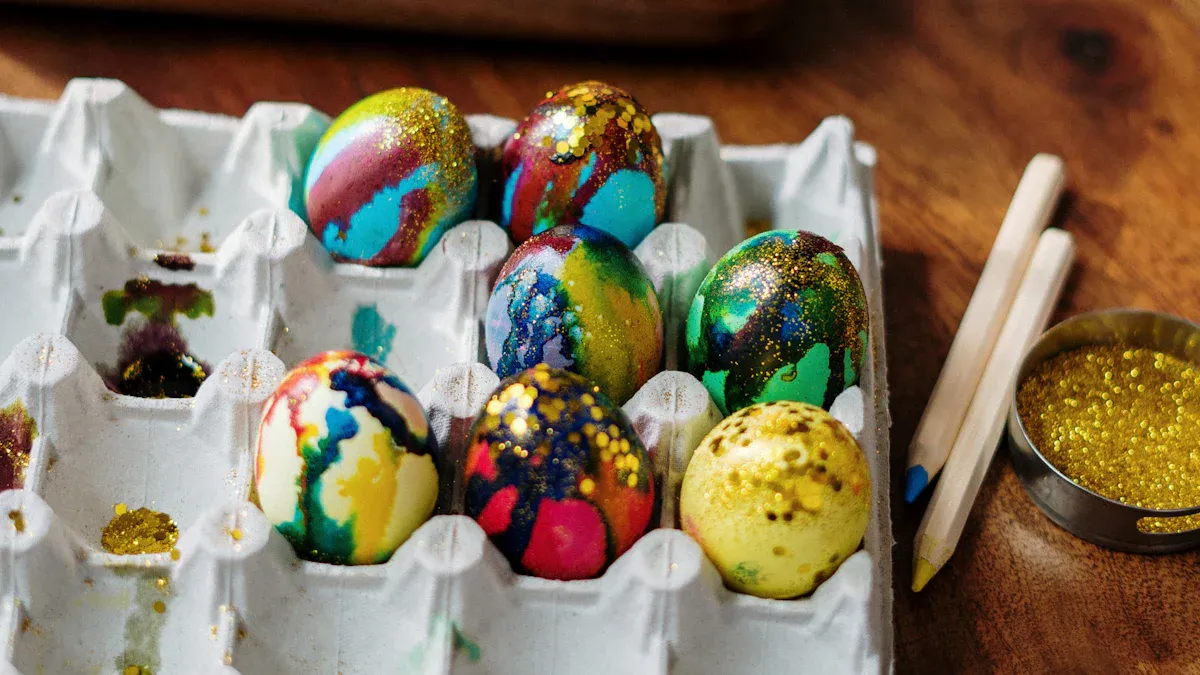
You can make your home feel like Easter by using colors in decorations. Many families put out bright Easter eggs and cute bunnies. Colorful flowers like daffodils and lilies look great on the table. Green plants, such as palm leaves or fresh grass, bring a spring feeling. They remind you of new life and hope. Each color has a special meaning for Easter.
Color | Meaning |
|---|---|
White | Purity & Renewal |
Yellow | Joy & Hope |
Purple | Royalty & Spirituality |
Pink | Love & Celebration |
Green | Growth & New Life |
Red | Sacrifice & Love |
Easter symbols like eggs and lilies use these colors. They show the promise of forever life and the happiness of Christ. When you use these things at home, you make Easter more joyful.
Clothing and Church Celebrations
At Easter, you see many colors in church and clothes. Churches use purple during Lent to show thinking and spiritual wealth. On Palm Sunday, red is used to remind you of sacrifice. Good Friday often has a plain altar to show the serious part of the week. On Easter Sunday, white and gold are used for purity and winning. You might wear new clothes in these colors to join the fun. Churches are filled with white lilies and yellow decorations, bringing happiness and hope.
Color | Significance |
|---|---|
Purple | Represents penitence, remembrance, royalty, and spiritual wealth. |
Every color in church means something important. These colors help you learn what each part of the tradition stands for.
Easter Eggs and Pastel Colors
Easter eggs are a fun way to use colors for the holiday. You can dye eggs red to remember sacrifice, especially in Orthodox Christian groups. Many families use light colors like pink, blue, and green to decorate eggs. These colors show new life and happiness. Some people use scratching or wax to make special designs. The eggs stand for new life and Easter joy. You can put them in baskets or use them for egg hunts to make Easter more fun.
Red eggs stand for sacrifice and the blood of Christ.
Pastel eggs show new life, hope, and Easter joy.
Decorating eggs lets you join the tradition and be creative.
Easter color traditions help you enjoy the season with meaning and happiness.
What Are the Easter Colours for Each Day?
Lent, Holy Thursday, Good Friday, and Easter Sunday
During the easter season, you see different colors for each special day. These colors help you understand the meaning behind each event. The church uses a set of traditional colors to guide you through the journey from Lent to easter sunday.
Day | Color | Meaning |
|---|---|---|
Lent | Purple | Fasting, penance, and prayer. This color helps you reflect and prepare for easter. |
Holy Thursday | White | Purity and grace. You remember the Last Supper and the gift of service. |
Good Friday | Black | Mourning and the Crucifixion. You pause to honor the sacrifice of Jesus. |
Easter Sunday | White, Gold | White shows purity and new life. Gold celebrates the glory and triumph of the resurrection. |
You notice purple during Lent as you focus on reflection. On Holy Thursday, white reminds you of the purity in Jesus’s actions. Good Friday brings black, a color that marks a time of sadness and respect. When easter sunday arrives, white and gold fill the church, showing joy and the victory of new life. These colors guide your feelings and help you connect with each part of the easter season.
Symbolic Colors for Special Easter Events
Special events during the easter season use colors with deep meaning. The church chose these colors long ago to help you remember important lessons.
White stands for purity, light, and the resurrection of Jesus Christ.
Violet or purple means sorrow, penance, and royalty.
Pink shows joy and love, especially on certain Sundays.
Green brings hope and the promise of rebirth.
Red reminds you of sacrifice and the mission of God’s people.
Tip: When you plan easter color palette ideas for your home or church, think about what each color means. You can use these traditional colors to make your easter season more meaningful.
Many Christian groups use these same colors. The meanings come from old traditions and stories in the Bible. When you see these colors, you join a long history of easter celebrations. Each color helps you remember the story of easter and the hope of rebirth that comes with it.
When you know what each color means, Easter feels special. Purple is used during Lent and shows penitence. White is for Easter and stands for purity. Green makes you think of growth and new life. Here is a table that explains what each color means:
Color | Significance |
|---|---|
Purple | Symbolizes penitence (Lent) |
White | Represents purity (Easter) |
Green | Signifies growth (Ordinary Time) |
You can pick these colors for decorations, clothes, or family fun. Every color you choose adds meaning and joy to Easter. Let these colors help you make your Easter traditions special.
FAQ
What are the most common colors used for easter?
You often see white, gold, purple, pink, yellow, green, blue, and red during easter. These colors appear in decorations, clothing, and church services. Each color has a special meaning that helps you understand the story of easter.
Why do people dye eggs for easter?
People dye eggs for easter to celebrate new life and hope. The egg stands for the resurrection. Many families use bright or pastel colors to decorate eggs. This tradition lets you express creativity and remember the meaning of easter.
How do churches use colors during the easter season?
Churches use different colors for each part of the easter season. You see purple during Lent, white on Holy Thursday, black on Good Friday, and white or gold on easter Sunday. These colors help you follow the journey from reflection to celebration.
Can you use pastel colors for easter decorations?
Yes, you can use pastel colors for easter decorations. Pastel shades like light pink, blue, green, and yellow create a soft, joyful look. These colors make your home feel bright and welcoming for easter celebrations.