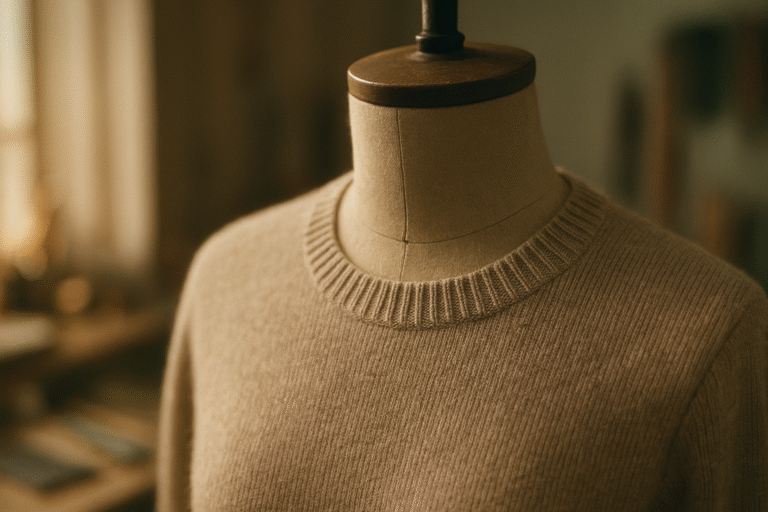
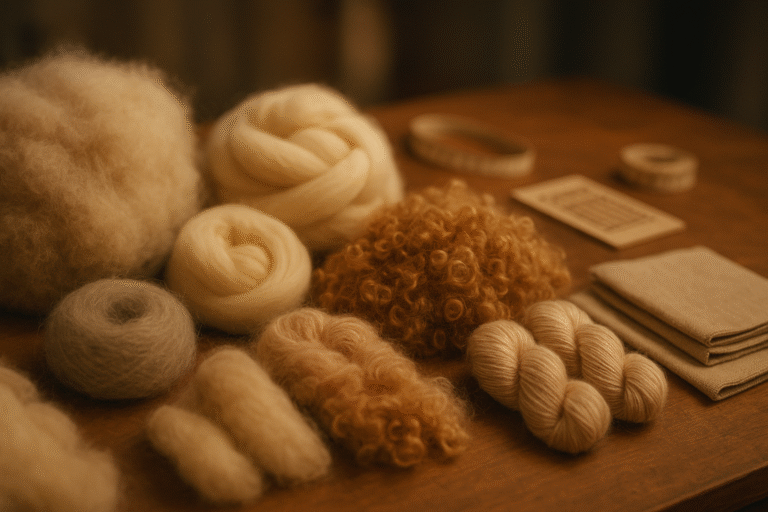
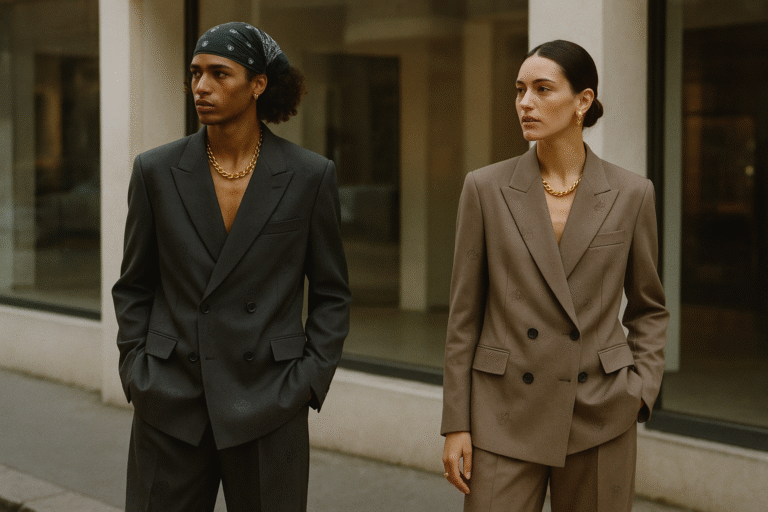
When you shop, you see many types of sweaters. Some are crewneck, cardigan, or turtleneck. Each type has a special neckline and fit, serving different purposes. You might choose a pullover because it feels cozy, or you might pick a cardigan to wear over other clothes. Understanding the various types of sweaters helps you select the best one to match your style and needs.
The material of the sweater is very important. Wool is strong and lasts a long time. Studies indicate that wool sweaters outlast others, with some people wearing wool jumpers for more than 14 years. Wool does not easily retain odors, so you do not need to wash it often, and it stays looking nice for a long time. If you care for your sweater and choose good material, it will last for years.
Feature | Wool Sweater | Cotton Sweater |
|---|---|---|
Average Lifespan | 7.1 years | Shorter |
Odor Resistance | High | Low |
Wears per Garment | Over 200 | Fewer |
Here, you get helpful tips for picking the right sweater. You can find one for any event, weather, or style, considering the different types of sweaters available.
Key Takeaways
Learn about different sweaters like crewneck, cardigan, and turtleneck. This helps you pick what fits your style and needs best. Wool sweaters last a long time and do not smell easily. They are a smart choice for your closet. Think about what the sweater is made of. Wool keeps you warm. Cashmere feels soft and fancy. Cotton lets air in and is good for warmer days. Each one works for different weather. Layering sweaters is important for many outfits. You can wear sweaters with different shirts and jackets for new looks. Take care of your sweaters. Wash them in cold water and let them dry in the air. This keeps their shape and makes them last longer. Pick sweaters that show your style. You can choose bright patterns or simple colors to show who you are. Cardigans and pullovers are good choices because you can wear them for casual or fancy events. Try sweaters made from special fibers like alpaca and mohair. These give your sweaters a cool feel and extra warmth.
What Is a Sweater?
A sweater is a cozy, knitted garment that keeps you warm and comfortable. You usually wear it over a shirt or top, especially when the weather turns chilly. In American English, you might hear people use the word “sweater” for both cardigans and pullovers. In British English, people often say “jumper” instead, but they use “cardigan” for a different style. This can get confusing if you shop online or travel, so it helps to know these terms.
Key Features
When you look at the different types of sweaters, you notice a few things they all have in common. Sweaters are made from yarn, which can be wool, cotton, cashmere, or synthetic fibers. The yarn gets knitted together to create a soft, stretchy fabric. You can find sweaters in many shapes and sizes, but most share these features:
Long sleeves that cover your arms and keep you warm.
A body that fits over your torso, sometimes loose and sometimes snug.
Necklines that come in many styles, like crewneck, V-neck, or turtleneck.
Some sweaters pull over your head, while others open in the front with buttons or zippers.
You might also see sweaters with ribbed cuffs, hems, or collars. These details help the sweater fit better and keep out the cold. Some sweaters have patterns or textures, like cables or stripes, which add style and personality.
Tip: If you want a sweater that lasts, look for one with tight, even stitches and strong seams. This means it will hold its shape and keep you warm for many seasons.
Sweater vs. Other Knitwear
You may wonder how sweaters compare to other knitwear. The word “sweater” covers a lot of ground, especially in American English. It includes both pullovers and cardigans. Pullovers go on over your head, while cardigans open in the front. Here’s a quick look at how these items differ:
Item | Construction Method | Use |
|---|---|---|
Sweater | General term that includes pullovers and cardigans | Versatile for layering and warmth |
Pullover | Worn by pulling over the head | Typically worn as a standalone piece |
Cardigan | Features front closure (buttons, zippers) | Can be worn open or closed for style |
You will also find that pullovers and cardigans can have set-in sleeves, which give a more tailored look, or drop-shoulder sleeves, which feel relaxed. Pullovers are great when you want a simple, classic look. Cardigans work well if you like to layer or want to adjust your warmth throughout the day.
When you explore the many types of sweaters, you discover that each one has its own purpose and style. Knowing these differences helps you pick the right sweater for any occasion.
Sweater Materials and Fabrics
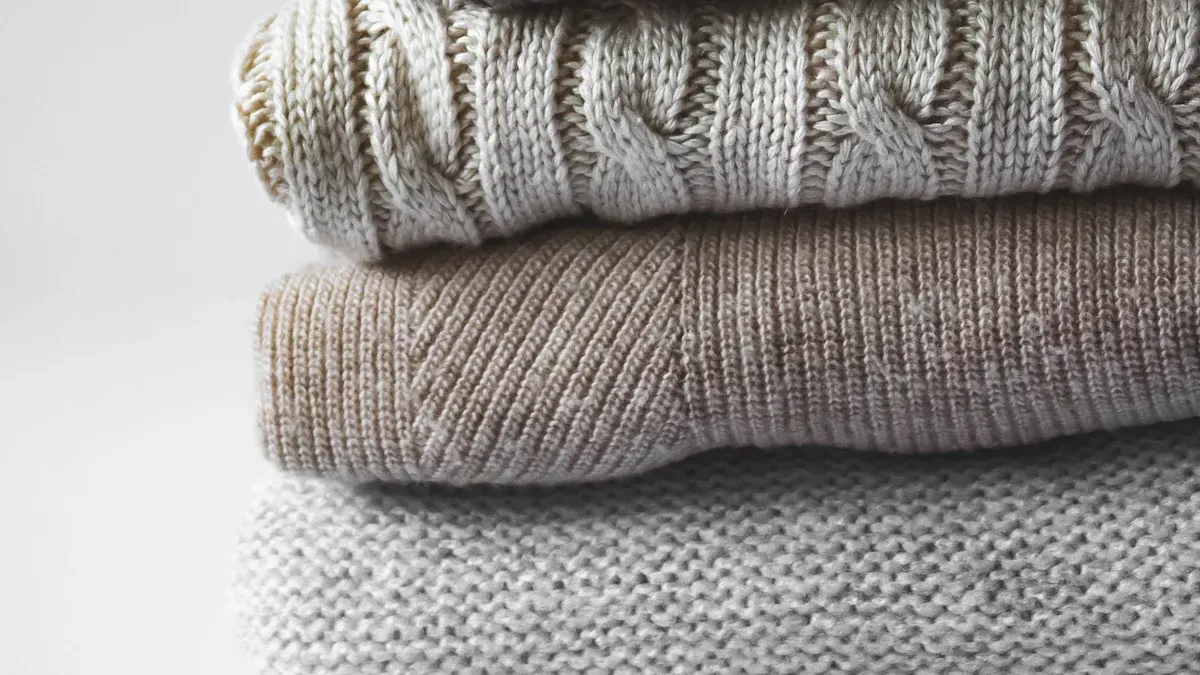
When you look at different types of sweaters, you notice that the fabric makes a big difference. Sweater materials affect how warm, soft, and durable your sweaters feel. Some sweater fabrics work better for cold weather, while others suit mild days or layering. Let’s explore the most popular options.
Wool Varieties
Wool sweaters are famous for their warmth and strength. Wool fibers stretch and bounce back, so your sweater keeps its shape even after many wears. Tiny bends in the wool trap air, which helps keep you warm.
Merino Wool
Merino wool feels soft and light. You get a high warmth-to-weight ratio, so you stay cozy without feeling bulky. Merino wool is gentle on your skin and works well for layering. Many people choose merino for outdoor sweaters because it is comfortable and durable.
Lambswool
Lambswool comes from young sheep. It feels soft and fine, but the warmth and durability depend on the breed. Lambswool sweaters are often ultra-soft, making them a good choice if you want comfort. They may not last as long as merino, but they feel great for everyday wear.
Aran Wool
Aran wool is thick and sturdy. You find it in classic fisherman sweaters with chunky cables. Aran wool gives excellent insulation, so you stay warm even in cold, windy weather. These sweaters feel coarse but resist sagging and stretching.
Here’s a quick look at how these wool types compare:
Wool Type | Warmth | Softness | Durability |
|---|---|---|---|
Merino Wool | High warmth-to-weight ratio | Very soft, can be as soft as cashmere | Good durability, lightweight |
Lambswool | Variable warmth, depends on breed | Softness varies, often ultra fine | Less durable than Merino |
Aran Wool | Excellent insulation properties | Generally coarse, less soft | Highly durable, resists sagging and stretching |
Cashmere
Cashmere sweaters feel luxurious and soft. Cashmere comes from the undercoat of cashmere goats. You notice the difference as soon as you touch it. Cashmere sweaters keep you warm without feeling heavy. They offer top-notch thermal resistance, so you stay comfortable even on chilly days.
You might see cashmere sweaters priced much higher than wool or cotton. Some cost $200 from direct-to-consumer brands, while luxury brands charge $800 or more. The price reflects the quality and the brand. If you care for your cashmere sweaters, they can last for decades. Many people find that the cost per wear is lower over time because these sweaters hold up so well.
Tip: If you want the feel of cashmere but need a lower price, look for blends with wool or silk. You still get softness and warmth.
Cotton
Cotton sweaters are popular for their breathability and comfort. Cotton feels cool and soft, making it a good choice for spring or fall. The thermal properties of cotton depend on how the sweater is knitted. Rib and interlock knits keep you warmer than single jersey types. Cotton sweaters are easy to care for and work well if you want a lighter layer.
Here’s how the global market for sweater fabrics looks:
Material | Market Size (2025) | Market Share | Projected Growth (CAGR) | Projected Size (2034) |
|---|---|---|---|---|
Cotton | 525.31 million | 40% | 9.14% | 1153.35 million |
Synthetic Fibers | 445.51 million | 34% | 9.14% | 978.35 million |
Others | 342.46 million | 26% | 9.14% | 751.67 million |
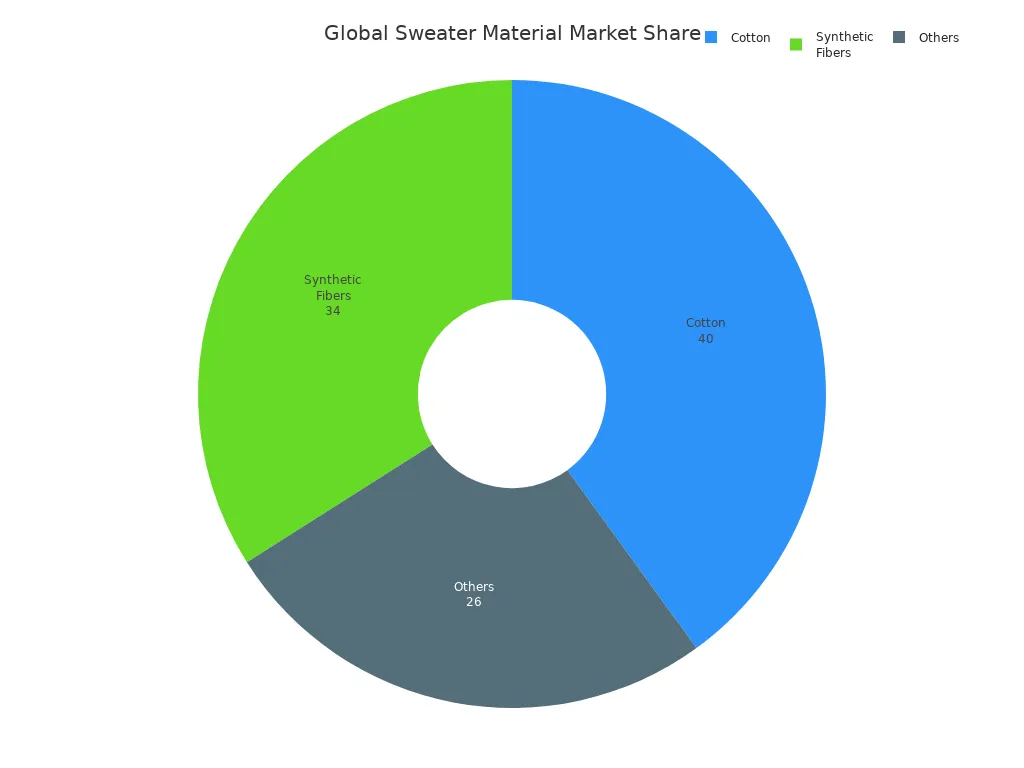
When you pick sweaters, think about the climate, your comfort, and how you plan to wear them. Wool sweaters work best for cold days. Cashmere sweaters give you luxury and warmth. Cotton sweaters suit mild weather and layering. Each fabric brings something special to your wardrobe.
Synthetics and Blends
You see a lot of sweaters made from synthetic fibers like acrylic, polyester, and nylon. These materials come from petroleum, but many brands now use recycled plastics to make them. Synthetics can feel soft and light, and they often cost less than wool or cashmere. You might like these sweaters if you want something easy to wash and quick to dry.
Blended sweater fabrics mix natural and synthetic fibers. For example, you might find a cotton-polyester blend or a wool-acrylic blend. These blends give you the best of both worlds. You get the warmth and breathability of natural fibers, plus the strength and easy care of synthetics.
Here are some things to know about synthetics and blends:
Synthetics last a long time and resist shrinking.
Blends can feel softer and stretchier than pure wool.
Many synthetic sweaters keep their color after many washes.
Some blends are not biodegradable, so they stay in landfills for a long time.
Sweaters made from recycled polyester help reduce plastic waste.
When you think about the environment, both natural and synthetic fibers have pros and cons:
Natural fibers can lead to deforestation, high water use, and pesticide use.
Synthetic fibers use less water and can be made from recycled materials.
Natural fibers break down in nature, but blends with synthetics do not.
Synthetic fibers can last hundreds of years in landfills and may release microplastics.
Making synthetic fabrics can involve chemicals that are bad for people and the planet.
Tip: If you want to help the environment, look for sweaters made from recycled materials or certified eco-friendly blends.
Specialty Fibers
Some sweaters use special fibers that feel unique or offer extra benefits. You might see alpaca, mohair, silk, or bamboo on sweater labels. These fibers give you new textures and styles.
Alpaca: Alpaca sweaters feel soft and warm. They do not itch like some wool sweaters. Alpaca fibers are strong and resist pilling.
Mohair: Mohair comes from Angora goats. It feels silky and shiny. Mohair sweaters are light but very warm.
Silk: Silk adds shine and smoothness. Sweaters with silk feel cool and soft against your skin.
Bamboo: Bamboo fibers make sweaters that breathe well and feel soft. Bamboo grows fast, so it is a greener choice.
You also see sweaters made by hand or by machine. Hand-knit sweaters cost more because they take a lot of time to make. Each one has a unique pattern and a special fit. You might notice small differences in the stitches, which add charm. Machine-knit sweaters look very neat and even. They cost less and are easy to find in stores.
Here’s a quick comparison:
Type | Price | Look & Feel | Special Features |
|---|---|---|---|
Hand-knit | Higher | Unique, cozy, charming | Custom fit, rare patterns |
Machine-knit | Lower | Even, smooth, consistent | Mass-produced, affordable |
If you want a sweater that stands out, try one with specialty fibers or a hand-knit design. These sweaters can become your favorites for years.
Different Types of Sweaters by Neckline
Crewneck
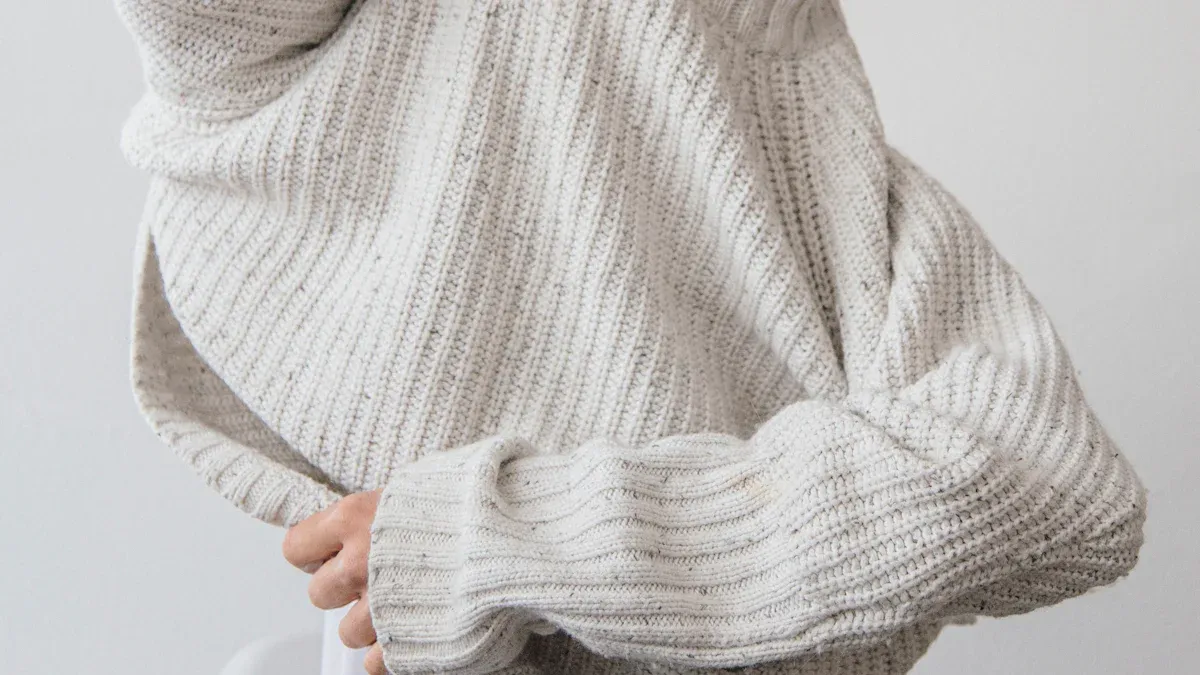
You probably see the crew neck sweater everywhere. This style has a round neckline that sits right at the base of your neck. It does not have a collar or any extra fabric. You can wear a crew neck sweater with almost anything—jeans, skirts, or even dress pants. This makes it a timeless essential in your closet.
Crew neck sweaters give you a laid-back look.
You can dress them up or down for school, work, or weekends.
This style works for all ages and body types.
You can layer a shirt underneath or wear it alone.
A crew neck sweater fits well under jackets and coats. You get a neat look without extra bulk. Many people love this style because it feels comfortable and never goes out of fashion. If you want a classic piece, start with a crew neck sweater.
V-Neck
A v-neck sweater has a neckline shaped like the letter “V.” This style opens up your neck and gives you a longer, leaner look. You can wear a v-neck sweater over a collared shirt or by itself. It works well for both men and women.
Women often choose v-necks that are not too deep and have a generous cut. These look stylish and feel comfortable.
Men usually pick solid colors and classic v-neck sweater styles for a sharp, simple look.
Many people like v-necks for their versatility. You can wear them for work, school, or casual days.
Athleisure trends make v-neck sweaters popular with all age groups. You get comfort and style in one piece.
If you want to try different types of sweaters, a v-neck sweater is a great choice. It flatters many face shapes and lets you show off a necklace or shirt collar.
Turtleneck
A turtleneck sweater covers your neck with a high, close-fitting collar. You can fold the collar down or scrunch it up for extra warmth. This style is perfect for cold weather and gives you a sleek, modern look.
Benefit | Description |
|---|---|
Keeps you toasty warm | |
Great layering piece | Works well under other garments for added warmth. |
Classic silhouette | Timeless style that remains fashionable. |
Provides a sleek effect | Creates a streamlined look when fitted. |
Many people wear turtleneck sweaters during winter. You might feel freezing without neck coverage, so this style helps you stay comfortable. Some people look for extra length in the collar for better coverage. You can use a turtleneck as a liner under wool sweaters for even more warmth. This style is a must-have if you live in a cold place or want a polished look.
Tip: If you want to try new sweater styles, start with these three necklines. They work for many outfits and keep you comfortable all year.
You can find many types of sweaters with these necklines. Each one brings something special to your wardrobe.
Mock Neck
You might see a mock neck sweater and wonder how it compares to a turtleneck. The mock neck sits higher than a crewneck but does not fold over like a turtleneck. It covers part of your neck, giving you extra warmth without feeling tight or bulky. Many people like mock neck sweaters because they look sleek and modern.
Mock necks work well for layering. You can wear them under jackets or coats. They fit nicely with casual outfits, but you can also dress them up for work or school. If you want a sweater that feels comfortable and looks stylish, try a mock neck. This neckline suits most face shapes and body types. You get a clean look that works for many occasions.
Tip: If you feel too warm in a full turtleneck, a mock neck gives you a similar style with less coverage.
Shawl Collar
Shawl collar sweaters stand out because of their high, rounded collar. The collar wraps around your neck and adds a touch of rustic elegance. You get extra warmth, especially on chilly days. The design feels cozy and looks classic.
People who spend time outdoors often choose shawl collar sweaters. Hunters and outdoorsmen like this style because the collar keeps the neck warm and the pullover design makes layering easy. You can move freely without feeling restricted. Shawl collar sweaters do not have buttons, so you can slip them on quickly. This makes them perfect for colder climates where you need to add layers fast.
If you want a sweater that looks refined but still feels practical, the shawl collar is a great choice. You can wear it with jeans for a relaxed look or pair it with dress pants for a more polished outfit. The collar draws attention to your face and shoulders, giving you a strong, confident appearance.
Feature | Shawl Collar Sweater |
|---|---|
Collar Style | |
Warmth | Excellent |
Popular Regions | Colder climates, outdoors |
Best For | Layering, rustic elegance |
Boat Neck
Boat neck sweaters offer a wide, high neckline that stretches from one shoulder to the other. This style highlights your face and collarbones, giving you a sophisticated look. You might notice that boat necks do not dip down like V-necks or scoop necks. Instead, they create a straight line across your shoulders.
The boat neck gives you a graceful posture and elegant vibe.
You can wear it for casual outings or formal events.
Many fashion icons and royalty favor this neckline for its timeless appeal.
The boat neck works well with necklaces or scarves, letting you show off accessories.
Unlike other necklines, it draws attention upward, making you look poised.
If you want a sweater that feels versatile, the boat neck is a smart pick. You can pair it with skirts, trousers, or jeans. The neckline suits many body types and adds a touch of class to any outfit. Try a boat neck sweater when you want to stand out with simple elegance.
Popular Sweater Styles and Fits
When you look at your closet, you probably see a few favorite sweaters. Each one has a different fit and style. Some keep you warm on a cold day. Others help you look sharp for a special event. Let’s break down the most popular sweater styles so you can pick the right one for any occasion.
Pullover
A pullover is one of the most classic types of sweaters. You put it on by pulling it over your head. This style does not have buttons or zippers. Pullovers come in many shapes, from fitted to loose. You can find them with crewnecks, v-necks, or turtlenecks.
You might wear a pullover when you want to feel cozy and relaxed. It works well for casual days, like going to the park or hanging out at home. Many people love pullovers because they are easy to wear and always look neat. You can pair them with jeans, leggings, or even skirts.
Pullover sweaters are perfect for everyday wear.
They add a soft, warm layer to your outfit.
You can find them in cotton, wool, cashmere, and blends.
If you want a simple, go-to sweater, a pullover is a smart choice. You can dress it up with a scarf or keep it casual with sneakers.
Cardigan
A cardigan opens in the front, so you do not need to pull it over your head. This style is great for layering. You can slip it on when you feel chilly and take it off when you warm up. Cardigans come in many shapes and lengths. Some are fitted, while others are loose and drapey.
You might wear a cardigan to school, work, or a family gathering. It looks good with dresses, pants, or even shorts. Cardigans work for both casual and dressy outfits. You can use them to add color or texture to your look.
Tip: Cardigans are perfect for layering. You can wear them over a t-shirt or blouse and take them off easily if you get too warm.
Button-Up
The button-up cardigan is a classic. You close it with buttons down the front. This style gives you control over how much you want to cover up. You can button it all the way for warmth or leave a few buttons open for a relaxed look.
Button-up cardigans fit well in both casual and formal settings. You might wear one to a meeting or a dinner. They also work for playdates and family events. Many people like button-up cardigans because they are easy to style and adjust.
Open-Front
Open-front cardigans do not have buttons or zippers. You just throw them on and go. This style feels relaxed and comfortable. Open-front cardigans often have a draped look, which adds movement to your outfit.
You might choose an open-front cardigan for a cozy day at home or a quick trip to the store. They work well with leggings, jeans, or dresses. If you want a sweater that is easy to layer and style, try an open-front cardigan.
Here’s a quick look at some popular sweater styles and their features:
Sweater Style | Material | Size Range | Care Instructions |
|---|---|---|---|
Striped Pullover | Alpaca, polyamide | XXS–XXL | Dry-clean only |
Fitted Cardigan | Recycled cashmere | XS–XXL | Hand-wash cold, lay flat to dry |
Classic Cardigan | Cashmere blend | XS–XXL | Hand-wash, dry-clean |
Lightweight Wool Sweater | Wool | XS–XL | Hand-wash, lay flat to dry |
You can see that different types of sweaters come in many materials and fits. This helps you find the best one for your needs.
Vest
A vest is a sleeveless sweater. You wear it over a shirt or blouse. Vests keep your core warm but let your arms move freely. This style works well for layering in fall or spring. You can find sweater vests in fitted or loose shapes.
You might wear a vest to add style to your outfit without feeling too hot. Vests look great with button-down shirts or turtlenecks. Some people wear them for a preppy look, while others use them for extra warmth.
Sweater vests are easy to layer.
They work for both casual and dressy outfits.
You can find them in wool, cotton, or blends.
If you want to try something new, add a vest to your sweater collection. It gives you a fresh way to style your clothes and stay comfortable.
Oversized
Oversized sweaters have become a favorite for many, especially if you like comfort and style. You get a loose, relaxed fit that feels cozy and easy to wear. This style matches the athleisure and casual fashion trends you see everywhere. When you put on an oversized sweater, you look laid-back but still put together.
You can style oversized sweaters with leggings or skinny jeans. This creates a cool outfit that feels effortless. Many younger people choose this look because it works for school, weekends, or just hanging out with friends. You do not have to worry about feeling restricted. The extra room lets you move freely and layer other clothes underneath.
Tip: Try tucking the front of your oversized sweater into your jeans. This gives your outfit shape and keeps it from looking too baggy.
Here’s why you might love oversized sweaters:
They feel soft and roomy.
You can layer them over shirts or turtlenecks.
They work for all body types.
You get a trendy look with very little effort.
If you want a sweater that feels like a warm hug, oversized is the way to go.
Cropped
Cropped sweaters stop above your waist or just at your belly button. This style changes the way your whole outfit looks. You can pair a cropped sweater with high-waisted pants or skirts. This combo makes your legs look longer and your waist look smaller.
People of all ages enjoy cropped sweaters, but they are especially popular with those who like modern, stylish outfits. You get a balanced look that feels fresh and fun. Cropped sweaters let you show off a cool belt or a layered shirt underneath.
Cropped sweaters work well for warmer days.
You can wear them over dresses or long shirts.
They add a playful touch to your style.
If you want to try something new, grab a cropped sweater. You will see how it changes your look in a good way.
Tunic
Tunic sweaters are longer than regular sweaters. They usually cover your hips and sometimes reach your mid-thigh. You get extra coverage, which makes tunics perfect for wearing with leggings or skinny jeans. This style feels comfortable and looks flattering on many body types.
You can wear a tunic sweater when you want to feel cozy but still look neat. Many people choose tunics for work, travel, or relaxing at home. The longer length keeps you warm and gives you confidence if you want to cover your hips or stomach.
Feature | Tunic Sweater Benefit |
|---|---|
Length | Covers hips and upper thighs |
Best Pairing | Leggings, skinny jeans |
Comfort Level | Very high |
Occasions | Work, travel, casual days |
Note: If you want a sweater that feels like a dress but is easy to move in, a tunic is a great pick.
Tunic sweaters help you stay comfortable and stylish all day.
Hoodie
You probably own a hoodie or have seen someone wear one almost every day. Hoodies stand out because they have a hood attached to the neckline. This hood gives you extra warmth and shields your head from wind or light rain. You can pull the hood up when you feel chilly or want to hide from the weather.
Most hoodies use soft fabrics like fleece or cotton blends. These materials feel gentle on your skin and keep you cozy. Hoodies usually have a roomy fit, so you can wear them over t-shirts or even other sweaters. This makes them perfect for layering in cold weather.
Here’s why people love hoodies:
The hood offers extra protection for your head and ears.
The fabric feels soft and comfortable, great for relaxing or outdoor activities.
The loose fit lets you move easily and layer clothes underneath.
You can wear a hoodie to school, the gym, or just hanging out with friends. Some hoodies have pockets in the front, which are handy for keeping your hands warm or carrying small items. If you want a sweater that mixes comfort, style, and function, a hoodie is a smart pick.
Tip: Try a hoodie under a jacket for extra warmth on really cold days.
Quarter-Zip & Full-Zip
Quarter-zip and full-zip sweaters give you more ways to adjust your comfort. A quarter-zip sweater has a zipper that goes down partway from the neck. You can zip it up for warmth or leave it open for a relaxed look. Full-zip sweaters have a zipper that runs all the way down the front. You can wear them open or closed, just like a jacket.
Let’s compare these two zipper sweater styles:
Feature | Quarter-Zip | Full-Zip |
|---|---|---|
Style | Sporty and simple | Functional and outdoorsy |
Convenience | Easy adjustment for warmth | Convenient for layering |
Use Cases | Suitable for casual wear | Ideal for outdoor and active wear |
Dressiness | More casual | Less dressy, not suitable for formal wear |
Quarter-zip sweaters work well for school, sports, or casual days. You can pull the zipper up if you feel cold or open it if you get too warm. Full-zip sweaters are great for layering. You can throw one on over a t-shirt or take it off quickly if the weather changes. Many people choose full-zip styles for hiking, camping, or outdoor play.
If you want a sweater that’s easy to put on and take off, try a full-zip. If you like a sporty look and want to control your warmth, a quarter-zip is a good choice.
Aran/Fisherman Sweater
Aran or fisherman sweaters have a rich history and a unique look. These sweaters come from the Aran Islands in Ireland. People there made them for fishermen and farmers who needed to stay warm and dry. The thick wool and tight stitches help block wind and keep in heat.
You can spot an Aran sweater by its chunky cables and textured patterns. Each stitch tells a story about the land, sea, or family who made it. These patterns often show symbols of luck, safety, or hard work.
Here’s what makes Aran sweaters special:
They started on the Aran Islands and show off Irish heritage and clan identity.
The sweaters connect to the lives of fishermen and farmers, showing their bond with the sea and land.
Each pattern has a meaning, passed down through families for generations.
Aran sweaters became a symbol of Ireland. People around the world now wear them for their style and history. In the past, families used the patterns to identify fishermen lost at sea. Today, you can wear an Aran sweater to feel cozy and show off a piece of tradition.
Note: If you want a sweater that stands out and tells a story, try an Aran or fisherman sweater. You get warmth, style, and a link to Irish culture.
Hand-Knit Sweater
Have you ever worn a sweater that feels like a work of art? When you slip on a hand-knit sweater, you notice something special right away. Each stitch comes from someone’s hands, not a machine. You see tiny differences in the pattern, and you feel the warmth that only comes from real craftsmanship.
Hand-knit sweaters stand out in today’s world. Most clothes you find in stores are made by machines. They look perfect, but they can feel cold and impersonal. A hand-knit sweater tells a story. You see the time and care put into every row. You wear a piece that’s truly unique.
Garments have become so standardized and driven by cost-effective industrial manufacturing that it’s hard not to be charmed by a hand-made garment, especially one that shows the irregularities and imperfections of hand knitting as compared to a machine knit.
You might wonder why people love hand-knit sweaters so much. Here’s what makes them different:
Every hand-knit sweater carries the rhythm of human hands. Each stitch is shaped with intention.
You get a piece of art, not just a piece of clothing. It reflects time, care, and elegance that lasts through every season.
When you choose a hand-knit sweater, you pick individuality over mass production. You show off your style and personality. No one else will have the exact same sweater as you. That’s true luxury—something that goes beyond logos or designer labels.
Hand-knit sweaters are celebrated for their irregularities and imperfections. These details reflect human skill and creativity.
The craftsmanship adds beauty and makes each sweater feel authentic.
Many people prefer hand-knit sweaters because they want something unique and personal.
You can wear a hand-knit sweater for many occasions. It works for cozy nights at home, special gatherings, or even outdoor adventures. The thick yarn keeps you warm, and the patterns often tell a story. Some sweaters use traditional designs passed down through families. Others show off modern styles and bold colors.
If you want a sweater that feels special, try a hand-knit one. You support artisans and celebrate creativity. You get comfort, warmth, and a piece of fashion history. Next time you shop, look for the little signs of handwork—uneven stitches, textured patterns, and a fit that feels just right. You’ll know you’re wearing something made with heart.
Sweater Types by Function
Everyday Casual
You want comfort when you relax or run errands. Everyday casual sweaters help you feel cozy and look good at the same time. You can grab a pullover or a long sweater for a laid-back day. These sweaters work well with jeans, leggings, or even sweatpants. You do not have to think too much about your outfit. Just pull on your favorite sweater and go.
A sweater dress is a great choice for weekends. It gives you warmth and style in one piece. You can wear it with boots or sneakers. If you like to lounge at home, a long sweater feels like a soft blanket. You can curl up on the couch or read a book and stay warm.
Here are some popular types of sweaters for casual days:
Pullover: Easy to wear and always comfortable.
Long sweater: Perfect for errands or relaxing at home.
Sweater dress: Great for a quick, stylish look.
Tip: Keep a few casual sweaters in your closet. You will always have something easy to wear.
Dressy & Office
You want to look sharp at work or for special events. Some sweaters help you dress up without feeling stiff. A v-neck sweater gives you a clean, classic look. You can wear it over a collared shirt for business casual days. If you want something more polished, try a roll-neck sweater. It looks sophisticated and keeps you warm during meetings.
A sweater dress also works for the office. You can add a belt or a blazer to make it look more formal. Sweaters with fine knits and simple colors fit well in dressy settings. You can mix and match them with skirts or dress pants.
Here’s a table to help you see which sweater types fit each setting:
Sweater Style | Common Functions | Perfect For |
|---|---|---|
V-neck Sweater | Can be styled casually or formally | Office wear or business casual |
Sweater Dress | Offers warmth and style in one piece | Day-to-night transitions or casual weekends |
Roll-neck Sweater | Essential for colder days, sophisticated | Office meetings or stylish day out |
Long Sweater | Comfort combo for laid-back days | Weekend errands or lounging at home |
You can use different types of sweaters to match your work style. Try a v-neck for meetings or a sweater dress for a day that goes from office to dinner.
Outdoor & Performance
You need extra warmth and protection when you spend time outside. Outdoor and performance sweaters keep you comfortable in cold or windy weather. Look for sweaters made from wool or blends that hold heat. A roll-neck or turtleneck sweater covers your neck and blocks the wind. These styles work well for hiking, camping, or playing sports.
Some sweaters have zippers or hoods for more function. You can zip up if you feel cold or open up if you get too warm. Performance sweaters often use special fabrics that dry fast and stretch as you move. You can wear them alone or layer them under a jacket.
Turtleneck: Keeps your neck warm on chilly days.
Hoodie: Adds a hood for extra coverage.
Quarter-zip: Lets you adjust your warmth.
Note: Choose outdoor sweaters that fit well and let you move easily. You will stay warm and enjoy your time outside.
You can find many sweater types for every part of your life. From relaxing at home to working in the office or exploring outdoors, there is a sweater for every need.
Holiday & Statement
You know that some sweaters just make you smile. Holiday and statement sweaters bring fun and excitement to your wardrobe. These sweaters stand out because they show off bold colors, playful patterns, or special designs. You might wear them for a party, a family gathering, or just to spread cheer.
Holiday sweaters are famous for their festive spirit. You see them everywhere during the winter months. Many people love to wear sweaters with snowflakes, reindeer, or Christmas trees. Some even light up or play music! Ugly sweater parties have become a big trend. You can join in by picking the wildest, silliest sweater you can find. These sweaters help you celebrate and make memories with friends and family.
Statement sweaters go beyond holidays. You can wear them any time you want to express yourself. Maybe you like bright stripes, animal prints, or big logos. Some sweaters have funny sayings or pictures. Others use unique textures, like pom-poms or sequins. When you wear a statement sweater, you show off your personality. You let everyone know you are not afraid to stand out.
Here are some ideas for holiday and statement sweaters:
Classic Holiday Sweater: Features snowmen, Santa, or winter scenes.
Light-Up Sweater: Uses tiny lights for extra sparkle.
Themed Sweater: Shows off your favorite movie, cartoon, or sports team.
DIY Statement Sweater: Lets you add patches, pins, or your own art.
Bold Pattern Sweater: Uses stripes, polka dots, or animal prints.
Tip: If you want to make your own statement, try customizing a plain sweater. You can sew on patches, add glitter, or use fabric paint. This way, your sweater is one of a kind.
You do not have to wait for a special event to wear these fun sweater types. You can brighten up a regular day with a cheerful design. People will notice your sweater and probably smile. You might even start a conversation or make a new friend.
Holiday and statement sweaters also make great gifts. You can pick a design that matches someone’s hobbies or favorite colors. When you give a sweater like this, you show that you care and pay attention to what makes them happy.
Here’s a quick table to help you choose:
Sweater Type | Best For | Fun Features |
|---|---|---|
Holiday Sweater | Parties, family events | Festive patterns, lights |
Statement Sweater | Everyday, school | Bold prints, slogans |
DIY Sweater | Creative projects | Custom decorations |
So, next time you want to add some excitement to your outfit, reach for a holiday or statement sweater. You will feel cheerful, confident, and ready to spread good vibes wherever you go.
How to Choose the Right Sweater
Climate & Season
When you pick out sweaters, you want to think about the weather and where you live. Some sweater types work better for certain climates. If you live in a windy place, tightly woven sweaters help block the breeze. Wool sweaters are perfect for wet, cold days because they keep you warm even if they get a little damp. Cashmere feels soft and cozy, so it’s a great choice for cold winter months. If you ever visit a place with arctic winters, qiviut sweaters are the warmest you can find.
Tightly woven sweaters block wind.
Wool keeps you warm in wet, cold weather.
Cashmere is best for chilly winters.
Qiviut is top-notch for freezing arctic conditions.
You can switch up your sweaters as the seasons change. Lighter cotton or bamboo sweaters work well for spring and fall. In summer, you might want a loose, breathable sweater for cool evenings.
Tip: Always check the weather before you choose your sweater for the day. You’ll stay comfortable and look great.
Personal Style
Sweaters let you show off your personality. You can pick bright colors, bold patterns, or classic shades. Some people love chunky knits, while others like smooth, simple designs. Think about what makes you feel confident and happy.
Try different necklines like crewneck, v-neck, or turtleneck to see what suits your face shape.
Pick colors that match your favorite outfits or make your eyes stand out.
Look for details like buttons, zippers, or fun textures to add interest.
You can mix and match sweater types to fit your mood. Maybe you want a playful cropped sweater one day and a long, cozy tunic the next. There’s no wrong way to wear sweaters—just choose what feels right for you.
Fit & Comfort
You want your sweater to feel good all day. The right fit makes a big difference. A snug fit looks stylish and keeps you warm, but you should still move easily. The chest should hug your body without feeling tight. Check the length of the sleeves and the bottom of the sweater—they should cover you without bunching up.
Different necklines, like turtlenecks or funnel necks, add comfort and warmth.
The volume of the sweater changes how it feels. Oversized sweaters feel relaxed, while fitted ones look sharp.
The fabric matters, too. Wool is warm and cozy, but you might like cotton or blends for lighter comfort.
Choose colors and style elements that make you feel good and match your look.
Note: Try on a few sweaters before you buy. Move your arms and check the fit in a mirror. You’ll find the perfect one for your style and comfort.
Versatility & Layering
You want sweaters that work for more than one outfit or occasion. That’s where versatility comes in. When you pick a versatile sweater, you get more value from your closet. You can wear it to school, work, or even a weekend trip. Some sweaters look great with jeans, while others pair well with skirts or dress pants. You can change your whole look just by switching what you wear underneath or over your sweater.
Layering is a smart way to stay comfortable all day. You can add or remove layers as the weather changes. Start with a light t-shirt or tank top. Put on a sweater over that. If it gets cold, add a jacket or coat. When you go inside, just take off a layer. You stay warm without feeling bulky.
Here are some easy ways to layer sweaters:
Wear a crewneck sweater over a collared shirt for a classic look.
Try a cardigan over a t-shirt or dress for quick style.
Put a turtleneck under a vest or blazer for extra warmth.
Use a thin pullover as a base, then add a chunky knit on top for cold days.
Tip: Choose sweaters in neutral colors like gray, navy, or beige. These shades match almost everything in your closet. You can mix and match without much effort.
Let’s look at a table to see which sweater styles work best for layering:
Sweater Style | Best for Layering? | Works With… |
|---|---|---|
Crewneck | Yes | Shirts, jackets, scarves |
Cardigan | Yes | Tees, blouses, dresses |
Turtleneck | Yes | Vests, blazers, sweaters |
Hoodie | Sometimes | Jackets, coats |
Vest | Yes | Shirts, turtlenecks |
You don’t need a lot of sweaters if you pick the right ones. A few good pieces can give you many outfit choices. Try different combinations to see what you like best. You might find a new favorite look.
Note: If you want to travel light, pack sweaters that layer well. You can create new outfits every day without bringing your whole closet.
Layering also helps you adjust to different temperatures. You stay cozy outside and cool inside. You can always add a scarf or hat for even more warmth and style.
So, when you shop for sweaters, think about how you can wear them in different ways. Look for styles that layer easily. You’ll get more use out of each sweater and always feel ready for rhatever the day brings.
Sweater Care Tips
Washing & Drying
You want your favorite sweater to last as long as possible. Washing it the right way makes a big difference. Always check the care label before you start. Some sweaters need special attention, so the label tells you what works best.
Most sweaters do better with cold water. Warm or hot water can shrink your sweater and make the colors fade. Cold water keeps the fabric safe and helps you save energy. If you use a washing machine, pick the gentle or hand-wash cycle. This protects the yarn and stops your sweater from stretching out.
When it’s time to dry, skip the high heat. High temperatures can damage the fibers and cause shrinkage. Air-drying is the safest choice. Lay your sweater flat on a clean towel and shape it back to its original form. If you hang it up, the weight of the water can stretch it out. Drying flat keeps your sweater looking new.
Tip: Always use cold water and gentle cycles for washing sweaters. Air-dry them flat to prevent stretching and shrinking.
Storing
Storing your sweaters the right way helps them keep their shape and stay fresh. Hanging a sweater in your closet might seem easy, but it can stretch out the shoulders and ruin the fit. Folding is much better. Button up any buttons, smooth out wrinkles, and fold the sleeves into the middle before folding the sweater in half. This keeps it neat and prevents stretching.
You can stack folded sweaters in a covered plastic bin. Put heavier sweaters at the bottom and lighter, delicate ones on top. This stops the heavier sweaters from flattening the softer ones. Choose a cool, dry place for storage. A bedroom closet shelf or a climate-controlled attic works well. Avoid damp or warm spots, since moisture can damage the fabric.
If you want to keep your sweaters smelling fresh, add a few cedar blocks or silica gel packets to your storage bin. These help absorb moisture and keep away moths.
Note: Folding sweaters and storing them in a cool, dry place helps them last longer and keeps them looking great.
Pilling & Snags
Sweaters sometimes get little balls of fuzz called pills. You see these most often on areas that rub together, like under the arms or along the sides. Pilling happens when fibers break and tangle up. You can remove pills with a sweater comb or a fabric shaver. Gently brush or shave the pills away, but don’t press too hard.
Snags are another problem. If your sweater catches on something sharp, you might see a loose thread. Don’t pull the snag. Instead, use a crochet hook or a blunt needle to push the thread back through to the inside of the sweater. This keeps the outside looking smooth.
Here’s a quick table to help you handle pilling and snags:
Problem | What to Do |
|---|---|
Pilling | |
Snags | Push thread inside with a needle |
Tip: Take care of pills and snags right away. Your sweaters will look better and last longer.
Longevity
You want your favorite sweaters to last for years, right? Good news—you can make that happen with a few smart habits. Sweater longevity means getting the most wear out of each piece while keeping it looking fresh and feeling cozy. Let’s talk about how you can help your sweaters stand the test of time.
First, pay attention to how often you wash your sweaters. Washing too much can wear out the fibers. Most sweaters don’t need a wash after every wear. If your sweater smells fine and looks clean, just fold it and put it away. Spot clean small stains with a damp cloth instead of tossing the whole sweater in the wash.
Next, rotate your sweaters. If you wear the same one every day, it will show signs of wear faster. Try to switch things up. Give each sweater a break between wears. This helps the fabric recover and keeps the shape looking good.
Here are some simple habits that boost sweater longevity:
Let sweaters rest: Don’t wear the same sweater two days in a row.
Handle with care: Put on and take off sweaters gently. Avoid yanking sleeves or stretching the neck.
Watch for jewelry: Rings, bracelets, and watches can snag the yarn. Take care when putting on or removing your sweater.
Keep sweaters away from rough surfaces: Avoid leaning on brick walls or sitting on rough benches. These can cause pilling or snags.
Tip: If you see a loose thread, don’t pull it! Use a needle or crochet hook to tuck it back inside.
You can also help your sweaters last by storing them the right way during the off-season. Clean your sweaters before packing them away. Use breathable storage bags or boxes. Add cedar blocks or lavender sachets to keep moths away.
Let’s look at a quick table for sweater longevity do’s and don’ts:
Do’s | Don’ts |
|---|---|
Rotate sweaters | Over-wash |
Fold, don’t hang | Pull on loose threads |
Spot clean when possible | Store dirty |
Use gentle detergents | Expose to direct sunlight |
Remember, a little care goes a long way. When you treat your sweaters with respect, they reward you with years of comfort and style. You’ll save money, reduce waste, and always have a cozy favorite ready to wear. So, start these habits today and watch your sweaters last season after season!
You now know the main types of sweaters and what makes each one special. Picking the right sweater means thinking about material, fit, and your style. Use this guide to spot the best sweaters for your needs. Take a look at your closet or try shopping with your new knowledge. You will feel more confident choosing the perfect sweater for any season.
FAQ
What are the main types of sweaters?
You will find crewneck, v-neck, turtleneck, cardigan, pullover, hoodie, and vest. Each style has a unique neckline, fit, and use. Try different types of sweaters to see which ones you like best.
How do I pick the right sweater for my body type?
You should try on different fits. Oversized sweaters feel relaxed. Fitted styles show your shape. Tunics give more coverage. Choose what feels comfortable and makes you feel good.
Can I wash all sweaters in the washing machine?
Not all sweaters can handle machine washing. Always check the care label first. Many need hand washing or gentle cycles. Air-drying helps keep their shape and softness.
What is the warmest sweater material?
Wool keeps you very warm. Cashmere also feels cozy and soft. For extreme cold, look for qiviut or thick Aran knits. These materials trap heat and block wind.
How do I stop my sweater from pilling?
Wash your sweater inside out. Use a gentle cycle. Avoid rubbing against rough surfaces. Remove pills with a fabric shaver or sweater comb. This keeps your sweater looking new.
Are sweaters good for layering?
Yes! You can layer a sweater over shirts or under jackets. Cardigans and vests work well for changing temperatures. Layering helps you stay comfortable all day.
Can I wear sweaters year-round?
You can wear lightweight cotton or bamboo sweaters in spring and summer. Save wool and cashmere for fall and winter. Choose the right weight for the season.