
If you want to convert women’s size to men, you just need a simple formula. For tops, subtract 21 from women’s clothing sizes to get men’s clothing sizes. For pants, add 21 to the women’s number. Always use measurements for the best results. Charts help you match your fit perfectly. This reference guide can make shopping easier for women and men. You might notice brand differences, so check each clothing label. When you shop online, pay close attention to the conversion steps.
Key Takeaways
Use easy formulas to change women’s sizes to men’s. Take away 21 for tops. Add 21 for pants.
Always look at size charts for each brand. Sizes can be very different between brands.
Correct measurements are important. Measure your chest, waist, hips, and inseam for the best fit.
Know the fit types: slim, regular, and relaxed. Pick clothes that match your style and comfort.
Tailoring can help clothes fit better. Think about changing clothes that almost fit you.
Women’s Size to Men – Key Differences
Sizing Systems Explained
You might wonder why converting women’s size to men feels tricky. The sizing systems for women and men use different rules. Most brands design men’s clothing with straighter cuts and broader shoulders. Women’s clothing highlights curves, with narrower waists and wider hips. You often see extra darts or seams in women’s garments for shaping.
Here’s a quick look at how a medium men’s size compares to a large women’s size:
Men’s Size | Women’s Size | |
|---|---|---|
Medium | Large | Broader shoulders, longer sleeves for men; emphasizes curves for women with narrower waists and wider hips. |
Men’s clothing is cut straighter with broader shoulders.
Women’s clothing emphasizes curves with narrower waists and wider hips.
Women’s garments may include more darts or seams for shaping.
Measurement Units and Fit Styles
You’ll notice that measurement units and fit styles change depending on where you shop. Different countries use their own sizing standards. For example, the US and UK have separate codes for women and men. France and Germany also use unique designations. Take a look at this table to see how sizing standards differ:
Country | Women’s Size Designation | Men’s Size Designation |
|---|---|---|
UK | BS 3666:1982 | BS 6185:1982 |
US | PS 42-70 | PS 45-71 |
France | AFNOR EXP G 03-002 | AFNOR EXP G 03-003 |
Germany | DOB-Verband | N/A |
Russia | N/A | GOST R 53230-2008 |
Fit styles also vary. You’ll find slim, regular, and relaxed fits for both women and men. These styles affect how the clothing feels and looks on your body. Always check the fit type before you buy.
Why Sizes Differ
You might ask why sizes for women and men are so different. The answer goes back in history. For a long time, women’s clothing was custom-made. Mass production for women’s garments didn’t start until the 1920s. During World War II, the Women’s Army Corps survey helped create a standard sizing system for women. This system used common body measurements but didn’t cover every body shape. In 1939, a big study tried to fix sizing gaps, but it missed many groups of women. Men’s clothing had more demand earlier, especially during wars, so their sizing systems developed faster. That’s why you see separate sizing rules today.
If you use this guide, you’ll understand the main differences and make smarter choices when converting sizes.
Convert Women’s Clothing Sizes to Men’s – Charts & Formulas

You want to know how to convert women’s clothing sizes to men’s. This guide gives you the formulas, tables, and tips you need. You’ll see how shirts, sweaters, jackets, pants, and shoes compare. You’ll also learn how sizing changes by brand and country.
Tops and Jackets Conversion
When you look at shirts, sweaters, and jackets, you’ll notice that sizing depends on height and body circumference. Most brands use a formula: subtract 21 from the women’s size to get the men’s size. For example, if you wear a women’s size 40, you would look for a men’s size 19. This method works for most tops, but you should always check the size chart for each brand.
Tip: Brands like Levi’s, GAP, Zara, H&M, Nike, and Adidas have their own sizing rules. SizeChartLab lets you compare sizes between these brands quickly.
Here’s a chart to help you with clothing size conversion for tops and jackets:
Women’s Size | Men’s Size | Common Fit (US) | Notes |
|---|---|---|---|
34 | 13 | XS | May run short in sleeve length |
36 | 15 | S | Check chest measurement |
38 | 17 | M | Good for average build |
40 | 19 | L | Longer sleeves, broader shoulders |
42 | 21 | XL | May fit loose on smaller frames |
The size number often refers to height in centimeters, which affects garment length.
The type refers to body circumference, which changes the fit around your chest and waist.
Tops and pants use different types, so you need separate conversions.
You’ll see that the clothing size conversion chart helps you match your measurements to the right size. Always use a conversion chart when you shop for shirts or sweaters.
Pant Size Conversion
Pant size conversion uses a different formula. You add 21 to the women’s size to get the men’s size. For example, if you wear a women’s size 10, you would look for a men’s size 31. This method works for most pants, but sizing can change by brand and style.
Here’s a simple chart for pants:
Women’s Pant Size | Men’s Waist Size | Common Fit (US) | Notes |
|---|---|---|---|
6 | 27 | Slim | May fit tight at hips |
8 | 29 | Regular | Good for straight build |
10 | 31 | Relaxed | More room at waist |
12 | 33 | Loose | Best for wider hips |
14 | 35 | XL | May need tailoring |
The formula ‘add 21’ is popular, but not always reliable. Brands and styles can change the fit.
You should try on different styles because pants can fit differently.
The clothing size conversion chart for pants helps you find the best match.
Pant size conversion is easier when you use a size chart. You’ll see equivalencies like women’s 10-12 matching men’s 32-34 waist. Always check the conversion chart before you buy.
Shoe Size Conversion
Women’s to men’s shoe size conversion is simple. There’s usually a 1.5 to 2 size difference. If you wear a women’s size 8, you’ll need a men’s size 6 or 6.5. Shoe sizes can change by brand, so you should check the size chart for each pair.
Here’s a quick chart for shoes:
Women’s Shoe Size | Men’s Shoe Size | Notes |
|---|---|---|
6 | 4 | May run narrow |
7 | 5 | Good for slim feet |
8 | 6-6.5 | Most common conversion |
9 | 7-7.5 | Check width for comfort |
10 | 8-8.5 | May need to size up for athletic shoes |
Shoe sizes vary by brand, so always check the conversion chart.
In the UK, shoe sizes for men and women differ from US sizes.
The EU uses centimeters, so you’ll see different numbers on the size chart.
Note: The most widely accepted equivalency is a 1.5 to 2 size difference between women’s and men’s shoes. Always use a clothing size conversion chart for shoes.
Regional and Brand Differences
You’ll notice that clothing size conversion charts change by region. In the UK, women’s size ranges look similar to the US, but men’s sizes run from 5 to 14. The EU uses centimeters, and French sizes differ from German sizes. In Mexico, sizes are also based on centimeters, and women’s sizes range from 26 to 40.
Region/Country | Women’s Size Range | Men’s Size Range | Notes |
|---|---|---|---|
UK | Similar to US | 5 to 14 | Slight variations in measurements |
EU | Based on cm | Varies by country | French sizes differ from German sizes |
Mexico | Based on cm | Similar to US | Sizes may fit differently than expected |
Over time, clothing size conversion formulas have changed. Early sizing systems came from measurements of soldiers, which led to differences across brands and countries. Today, men’s sizes use chest measurements, while women’s sizes use numbers and labels. This ongoing evolution means you should always check the conversion chart and size chart before you buy.
You can use this guide to convert women’s clothing sizes to men’s with confidence. Always look for a clothing size conversion chart, try on different styles, and check the fit for shirts, sweaters, pants, and shoes.
Step-by-Step Guide for Converting Women’s Clothing to Men’s
Taking Accurate Measurements
Getting the right fit starts with accurate measurements. You need to measure your body before you try to convert women’s clothing sizes to men’s. Here’s how you can do it:
Wrap a measuring tape around the fullest part of your chest or bust. Keep the tape straight and don’t pull too tight.
Find your waist by looking for the smallest part, usually just above your belly button. Measure around this spot.
Stand with your feet together. Measure the widest part of your hips, making sure the tape goes over your buttocks.
For pants, measure your inseam from the top of your inner thigh to your ankle.
For women’s to men’s shoe size conversion, measure your foot length by placing a ruler on the floor. Put your heel at the start and measure to your longest toe.
You’ll want the right tools for these measurements. Here’s a quick chart:
Tool/Device | Description |
|---|---|
Measuring tape | Flexible and perfect for body measurements |
Ruler | Good for measuring foot length and straight lines |
Measuring stand | Helps with long garments and vertical measurements |
Using the Conversion Chart
Once you have your measurements, grab a size chart for clothing size conversion. Match your numbers to the chart. This helps you pick the right size when you convert women’s clothing to men’s. A size chart makes shopping easier and helps you avoid returns. You’ll feel more confident buying online or in-store.
A chart helps you see what size to buy.
You can make faster decisions with clear sizing info.
You’ll return fewer items because you know what fits.
Handling In-Between Sizes
Sometimes your measurements fall between two sizes. Don’t worry—this happens a lot with pant size conversion and other clothing. Here’s what you can do:
Try tailoring for a custom fit.
Watch out for brand differences in sizing.
If you read customer reviews, you’ll learn more about how clothing fits. Remember, women’s size to men can change by brand, style, and cut. Always check the chart and try on clothes when you can.
Tips for the Best Fit When Converting
Brand Variations
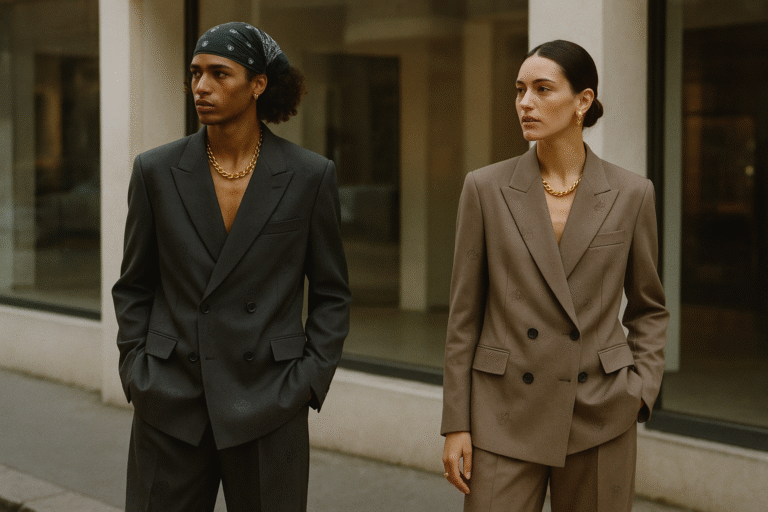
You probably noticed that every brand seems to have its own rules for sizes. When you try to convert women’s clothing sizes to men’s, you might find that a men’s medium matches a women’s large. This is a good starting point, but you should always check the size chart for each brand. Clothing from different brands can fit differently, even if the label says the same size. Men’s clothing usually has straighter cuts and broader shoulders, while women’s clothing highlights curves. These differences mean you need to pay close attention to measurements and fit.
Subtract 21 from women’s tops and jackets to get the men’s size.
Add 21 to the waist size in inches for pants.
Adjust for chest width and shoulder fit when switching tops.
For women’s XL, try a men’s L for a better fit.
When converting women’s pants, check the length and hip width.
Tip: Sizing systems started changing in the early 1900s. Brands still use different measurements, so always use a chart before you buy.
Fit Types (Slim, Regular, Relaxed)
Fit types can make a big difference in how clothing feels. You want the perfect fit, so it helps to know what each style means.
Slim fit hugs your body and works well for lean or athletic builds.
Regular fit gives you more room and suits almost everyone.
Relaxed fit feels loose and comfy, great for casual days.
If you like a tighter look, go for slim fit. If you want something classic, regular fit is your best bet. Relaxed fit is perfect when you want extra comfort.
Online vs. In-Store Shopping
Shopping online and in-store both have their pros and cons. Online stores give you lots of choices, but you can’t try things on before you buy. In-store shopping lets you test the fit and see how the clothing looks on you. Always check the size chart and read reviews when shopping online. This helps you avoid returns and saves time and money.
Feature/Benefit | Description |
|---|---|
Facilitates purchases | Helps you buy clothing from different countries or brands using size charts. |
Ensures right fit | Makes it easier to pick the correct size and avoid returns. |
Saves time and money | Good measurements and charts help you shop smarter and spend less. |
Note: If you fall between sizes, pick the larger one for comfort or consider tailoring for the best fit.
Solving Fit Issues in Converting Women’s Clothing to Men’s
Adjusting for Body Shape
When you start converting women’s clothing to men’s, you might notice some fit problems. Your body shape plays a big role in how clothing feels. Men’s clothing usually has straighter cuts and broader shoulders. Women’s clothing highlights curves, with narrower waists and wider hips. If you have wider hips, you may need to size up in the waist when picking pants. Some people have longer or shorter legs compared to their torso, so the length of pants can change how they fit. You should also think about rise preference. High-rise or low-rise pants can make a big difference in comfort and style.
Here are some common fit issues you might face:
Men’s medium often matches a women’s large, but the fit can still feel off.
The stretch and style of fabrics affect how clothing fits.
Women’s pants often have more shaping seams, so men’s pants may feel looser at the hips.
Tip: Always check your measurements against a chart before you buy. This helps you avoid surprises.
When to Tailor
Sometimes, you find clothing that almost fits but needs a little help. Tailoring can fix many conversion problems. If a shirt or pair of pants fits the widest part of your body, a tailor can adjust the rest. It’s easier to make clothing smaller than bigger, so buy items that fit your largest area. You should tailor clothing you wear often, even if it’s not expensive. A good tailor can make your clothes look and feel better.
Here’s when tailoring works best:
Garments are close to fitting but need small changes.
You want to improve the look and comfort of your favorite items.
You need adjustments for regular wear.
Signs of Good Fit
You want your clothing to feel comfortable and look great. After conversion, check for these signs of a good fit:
Your measurements match the clothing, especially for pants.
The hips feel right, not too tight or loose.
The rise suits your style and comfort.
The shoulders and chest fit well without pulling or sagging.
If you see these signs, you’ve picked the right size. You can use a chart to double-check your choices. Good fit means you feel confident and comfortable every time you wear your clothes.
You now have a complete guide for converting women’s sizes to men’s. Just remember to use the formulas for tops and pants, and always check a size chart before you buy. Measurements help you get the right fit and make shopping easier. Many shoppers say clear measurement methods and diagrams help them pick the best sizes and avoid returns. Try on clothes when you can, and check return policies for peace of mind. Bookmark this page so you can find your perfect fit every time!
Product measurements help you get a specific fit and lower return risks.
Diagrams and clear size chart info make shopping less confusing.
FAQ
What if my measurements fall between two sizes?
You should pick the larger size for comfort. You can always tailor clothes for a better fit. If you shop online, check the return policy before you buy.
Do all brands use the same conversion formulas?
No, brands use different sizing systems. Always check the brand’s size chart. Some brands run smaller or larger than others. When in doubt, measure yourself and compare.
Can I use the same formula for jackets and shirts?
Yes, you can subtract 21 from the women’s size for both jackets and shirts. Still, check the fit in the shoulders and chest. Some styles may fit differently.
How do I convert women’s shoe sizes to men’s?
Just subtract 1.5 to 2 sizes from your women’s shoe size. For example, a women’s 8 usually equals a men’s 6 or 6.5. Always try shoes on if you can.
Is it safe to buy converted sizes online?
Tip: Always read reviews and check the store’s return policy. Use your measurements and the brand’s chart. This helps you avoid surprises and makes online shopping safer.