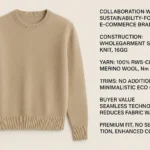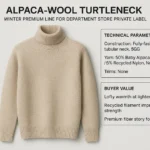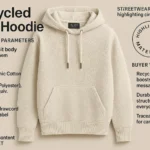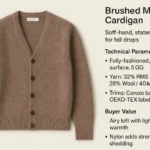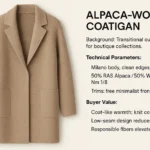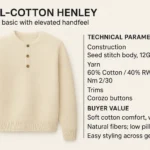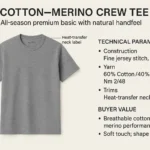

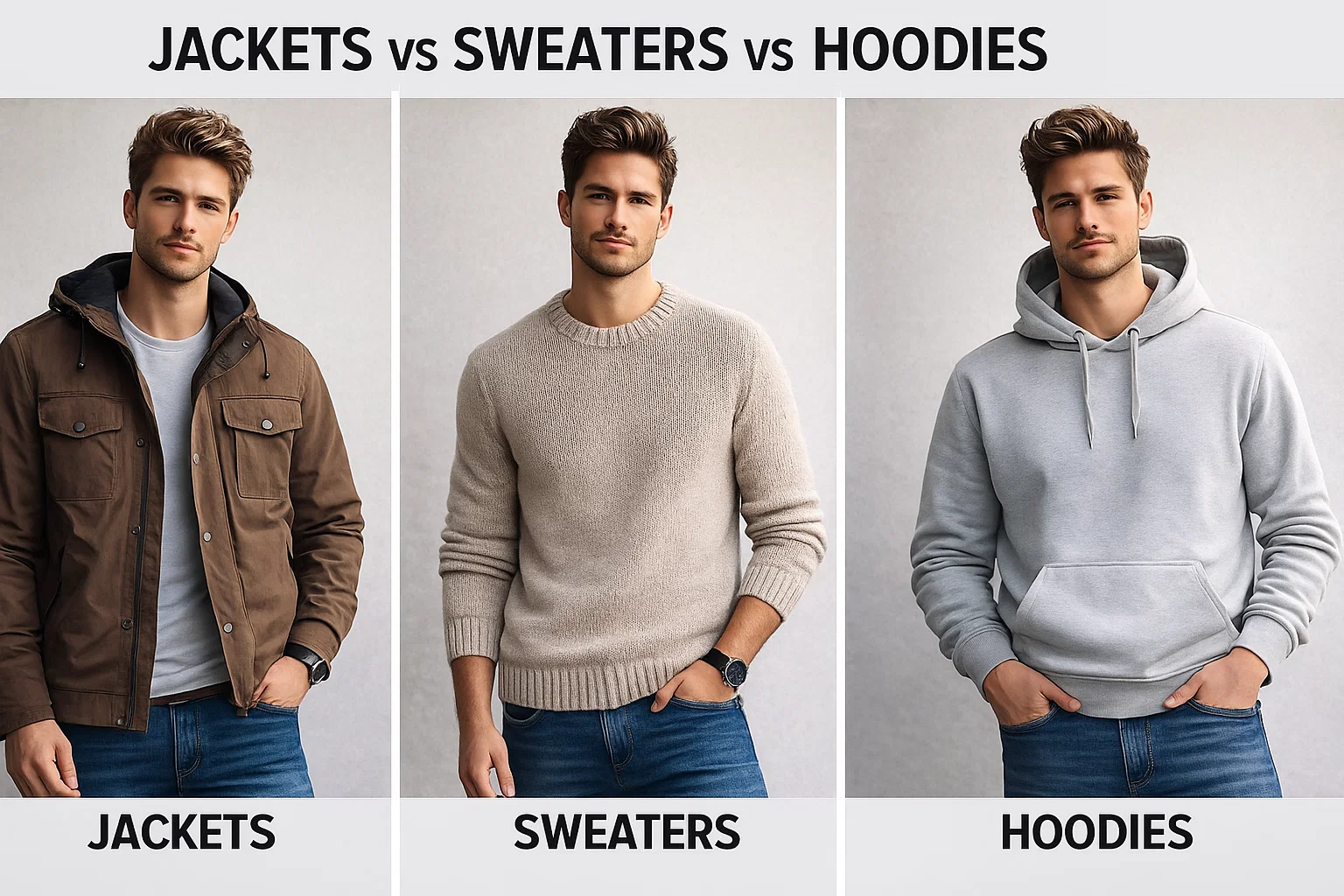
You might wonder what makes jackets, sweaters, and hoodies different. Each one has its own look, feel, and purpose. Jackets keep you safe from wind and rain. Sweaters wrap you in warmth. Hoodies give you comfort and a casual vibe. Take a look at their main materials:
|
Material |
Market Share (%) |
|---|---|
|
36.2 |
|
|
Fleece |
Significant |
|
Wool |
Niche choice |
|
Leather |
Smaller share |
|
Other |
Growing |
If you compare jackets vs sweaters, jackets often use leather or denim for tough weather, while sweaters stick to wool or cotton for cozy warmth. Hoodies usually use cotton or fleece for softness. You can choose what fits your day, whether you need protection, warmth, or a relaxed style.
Key Takeaways
-
Jackets keep you safe from wind and rain. They are best for outdoor fun when the weather is bad.
-
Sweaters keep you warm and feel soft. They are great for wearing inside or on cool days. Pick wool or cashmere if you want to feel extra cozy.
-
Hoodies are comfy and look relaxed. They have a hood to keep your head warm. Hoodies are good for relaxing or hanging out with friends.
-
Layering helps when the weather changes. Wear a thin sweater first. Put on a hoodie next. Add a jacket on top for the most comfort.
-
Think about eco-friendly materials when you shop. Hemp and corn fiber look nice and help the earth.
Jackets vs Sweaters vs Hoodies
Jacket Overview
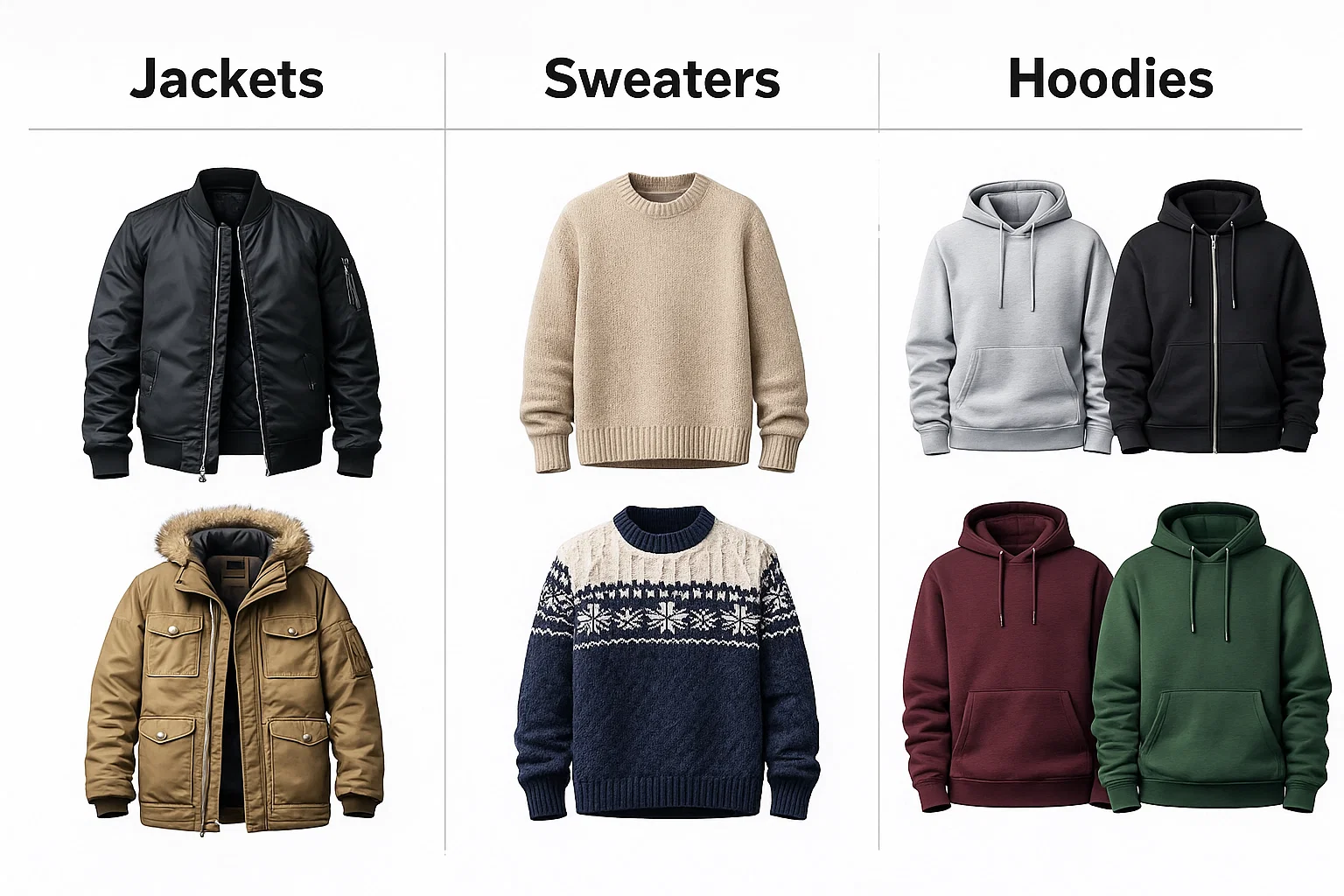
When you think of a jacket, you think of something to wear outside. A jacket helps block wind, rain, or cold. There are many kinds of jackets. Each one has its own look and job. Some jackets are tough for bad weather. Others, like the Harrington, look smart and neat. Blazers are formal and good for work or special days. Puffers and peacoats are warm for winter. Rain jackets help you stay dry.
Jackets use different materials and ways to make them. Some have synthetic fleece to keep you warm. Cotton canvas makes jackets strong. Cotton fleece feels soft and comfy. How a jacket is made is important too. Some have fused parts for a firm shape. Others use half canvas or full canvas for more comfort and movement.
Tip: Try to have a few jackets for different times and needs!
Sweater Overview
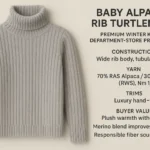
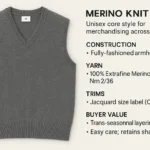
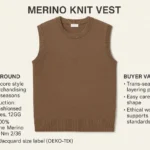
A sweater feels soft and cozy. It is great for cold days. You wear it when you want to feel warm but not heavy. There are many sweater styles. You can find one that fits your taste. Pullovers are easy to put on. Aran or fisherman’s sweaters are thick and warm. Argyle knits have cool patterns. Running sweaters help you stay cool when you move. Sweater vests and sweater dresses give you even more choices.
Sweaters use many fibers. Wool keeps you warm. Cotton is light and lets air in. Acrylic makes sweaters soft. Some sweaters use polyester to last longer. Spandex gives stretch. Each fiber changes how the sweater feels and how warm it is.
Note: Pick a thin sweater if you want to wear a jacket over it.
Hoodie Overview
A hoodie is easy to spot because it has a hood. It feels relaxed and comfy. You wear a hoodie when you want to feel cozy. You can wear it at home or out for a chill day. Most hoodies have a big pocket in front. Hoodies do not fit tight like jackets. They feel more like sweaters but have a hood for extra warmth.
There are many hoodie styles. Pullover hoodies are good for teams and events. Full-zip hoodies are nice for layering. Oversized hoodies look trendy and loose. Short-sleeve hoodies are good for warm days. Fitted hoodies look modern and neat.
|
|
JACKET |
SWEATER |
HOODIE |
|---|---|---|---|
|
Front closure with zipper or buttons |
Knitted or crocheted |
Hooded, often with big front pocket |
|
|
Hood? |
Sometimes |
No |
Yes |
|
Uses/Formality |
Casual, semi-casual, semi-formal, camping, sports |
Semi-casual, semi-formal, formal |
Casual, loungewear, sports, camping |
Key Differences
When you look at jackets, sweaters, and hoodies, you notice some key differences right away. These differences show up in the materials, how each piece is made, and the special features you find on each one. Let’s break it down so you can pick the best option for your needs.
Materials
The material you choose changes how your clothing feels and works. You want to stay warm, dry, and comfortable, right? Take a look at this table to see what each type usually uses:
|
Aspect |
Hoodie |
Sweater |
Jacket |
|---|---|---|---|
|
Material |
Cotton, polyester, cotton-poly blends, fleece |
Wool, cotton, cashmere, synthetic fibers (like polyester, acrylic) |
Leather, denim, nylon, cotton |
A jacket often uses leather, denim, or nylon. These materials block wind and rain. You get more protection from the weather. A sweater uses wool, cotton, or cashmere. These fibers trap heat and give you lots of warmth. You feel cozy, especially on cold days. A hoodie usually uses cotton or fleece. These fabrics feel soft and keep you warm, but they do not block wind or rain as well as a jacket.
Tip: If you want extra warmth, pick a sweater made from wool or cashmere. For rainy days, grab a jacket with nylon or leather.
Construction
How each garment is built makes a big difference in how long it lasts and how well it keeps you warm. Here are some things you should know:
-
Polyester in jackets and hoodies helps them last longer and keeps out water.
-
Reinforced stitching in jackets and hoodies means they can handle rough use.
-
Jackets often have water-resistant coatings and thermal insulation. These features help you stay dry and hold in warmth, even in harsh weather.
-
Sweaters use knitting or crocheting. This makes them stretchy and soft, but they might not last as long if you wear them a lot outside.
You will notice that a jacket feels sturdy and tough. It stands up to wind and rain. A sweater feels soft and stretchy. It gives you warmth but needs gentle care. A hoodie sits in the middle. It feels cozy and lasts a long time, but it does not protect you from heavy rain or wind like a jacket.
Note: If you want something for outdoor adventures, a jacket is your best bet. For indoor warmth, a sweater or hoodie works great.
Design Features
The design of each piece helps you decide when and how to wear it. Here’s a quick look at what makes each one special:
|
Garment Type |
Key Design Features |
|---|---|
|
Hoodie |
Attached hood, drawstrings, kangaroo pocket, ribbed cuffs and waistband, zip-up option |
|
Sweater |
Knitted or crocheted, long-sleeved, made from wool, cotton, or cashmere, many styles and textures |
|
Jacket |
Zippers or buttons, collars, pockets, adjustable cuffs, weather-resistant layers |
-
Hoodies stand out with their hoods, drawstrings, and big front pockets. You get extra warmth for your head and hands. Hoodies feel casual and relaxed.
-
Sweaters come in many styles. Some have thick cables, others look smooth and simple. You can find sweaters for warmth, style, or both.
-
Jackets have lots of extras. You see zippers, buttons, collars, and special linings. These features help you stay warm and dry. Some jackets even have removable liners for more warmth.
You can see the key differences in every detail. Jackets focus on protection and durability. Sweaters give you warmth and comfort. Hoodies offer a mix of warmth and casual style. When you know what each one does best, you can pick the right layer for any day.
Jacket vs Sweater
Function and Use
When you think about jacket vs sweater, you probably wonder which one works best for different weather. A jacket gives you more protection from wind and rain. You can count on it when the weather turns breezy or cloudy. A sweater feels soft and warm, but it does not block wind as well. If you want to stay cozy on a sunny but cool day, a sweater is a great pick.
Take a look at this table to help you decide:
|
Condition |
Temperature Range |
Preferred Clothing |
|---|---|---|
|
Breezy and cloudy |
60°F feels like 50°F |
Jacket preferred |
|
Sunny |
55°F feels like 70°F |
Sweater preferred |
|
Windy |
Varies significantly |
Jacket preferred |
You see, the jacket vs sweater debate often comes down to functionality. A jacket keeps you dry and shields you from the elements. A sweater traps heat and feels comfortable indoors or on mild days. If you plan to spend time outside in unpredictable weather, a jacket is your best friend. For indoor warmth or layering, a sweater wins.
Tip: Always check the weather before you choose between a jacket vs sweater. You want the right functionality for your day!
Style and Occasions
You have lots of choices when it comes to style. The jacket vs sweater question also depends on where you plan to go. A jacket looks sharp and works for many occasions. You can wear it to work, on weekends, or for outdoor adventures. A sweater feels more relaxed but can look dressy with the right outfit.
Here are some common occasions for each:
-
Work: A jacket over a collared shirt looks professional. A sweater jacket gives you warmth without bulk.
-
Weekend: Both jacket and sweater work for casual outings. Try a sweater with jeans for a laid-back look. A jacket pairs well with graphic tees or hoodies.
-
Outdoor Adventures: A jacket offers flexibility and protection. You can layer it with shirts or base layers. A sweater keeps you warm but may not handle rough weather.
The jacket vs sweater choice lets you show off your personal style while meeting your needs for functionality. You can mix and match both for different looks. Try a sweater under a jacket for extra warmth and style. You get the best of both worlds!
Sweater vs Jacket
Warmth and Comfort
When you compare a sweater vs jacket, you want to know which one keeps you warmer and feels better. A sweater gives you soft warmth. You feel cozy when you wear it indoors or on a cool day. Wool and cotton sweaters trap heat close to your body. They feel gentle on your skin and let you move easily.
A jacket can take warmth to the next level. Many jackets use special insulation to keep you warm, even in cold weather. Some, like the Patagonia DAS Light Hoody or Arc’teryx Atom Hoody, get high marks for warmth and comfort. You find soft inner fabrics, adjustable hoods, and handy pockets in these jackets. The Rab Xenair Alpine stands out for comfort and fit. You can move freely, which helps during outdoor activities like hiking or climbing.
-
Jackets often have:
-
Insulation for extra warmth
-
Features like hoods and pockets for comfort
-
Good fit for easy movement
-
-
Sweaters offer:
-
Soft, cozy feel
-
Breathable warmth
-
Flexible fit for daily wear
-
If you need to stay warm outside, a jacket is your best friend. For indoor comfort or mild days, a sweater feels just right.
Durability and Care
You want your clothes to last. The sweater vs jacket debate also comes down to how you care for each one. A jacket usually handles rough use. You can wear it outside, and it stands up to wind and rain. Most jackets need simple care. You can wipe off dirt or spot clean. Some jackets go in the washing machine, but always check the label.
A sweater needs more gentle care. Wool sweaters should not be washed often. Air them out after wearing. For small stains, use a damp cloth instead of washing the whole sweater. Store sweaters flat so they do not stretch. Always make sure your sweater is clean and dry before you put it away. When you wash a sweater, use a gentle cycle or hand wash. Lay it flat to dry and reshape it if needed. Remove pilling with a bobble remover or by hand.
-
Sweater care tips:
-
Air out after use
-
Spot clean for stains
-
Store flat, not hanging
-
Hand wash or gentle cycle
-
Lay flat to dry
-
-
Jacket care tips:
-
Spot clean or wipe down
-
Machine wash if allowed
-
Store on a hanger
-
If you want something easy to care for, a jacket wins. If you love softness and warmth, a sweater is worth the extra effort. The sweater vs jacket choice depends on your needs for comfort, warmth, and how much care you want to give.
Types and Variations
Jacket Types
You have so many jacket options to choose from, each with its own style and purpose. Here are some of the most popular jacket types you’ll see around the world:
-
Puffer jacket: This jacket has padded construction and keeps you warm in cold weather. It looks stylish and feels cozy.
-
Motorcycle jacket: Made of leather, this jacket is tough and protects you while riding. It’s also a fashion favorite.
-
Peacoat: This classic jacket was first worn by sailors. It gives you warmth and a timeless look.
-
Varsity jacket: You might see this jacket at schools. It has contrasting sleeves and a sporty vibe.
-
Raincoat: This jacket uses waterproof materials to keep you dry on rainy days.
-
Bomber jacket: Lightweight and waist-length, this jacket has elastic cuffs and a cool, casual style.
-
Parka: This jacket is longer and often has a fur-trimmed hood. It’s perfect for cold, wet weather.
-
Denim jacket: A casual jacket that works well in mild weather and never goes out of style.
Tip: Try different jacket types to match your mood, the weather, or your outfit!
Sweater Styles
Sweater styles come in many shapes and fits. You can pick a sweater for any occasion, from casual to formal. Here’s a quick look at some common sweater styles:
|
Sweater Style |
Fit Description |
Functionality Description |
|---|---|---|
|
Crew Neck |
Round neck, versatile fit |
Works for casual or formal looks |
|
V-Neck |
Tighter fit, finer material |
Great for layering with collared shirts |
|
Turtle Neck |
Covers the neck, snug fit |
Good for formal events and cold days |
|
Cowl Neck |
Stylish, loose neckline |
More for style than for warmth in rain |
|
Hoodies |
Medium-sized hood, casual fit |
Perfect for relaxed days or even at work |
You can wear a crew neck sweater over a shirt for a classic look. A v-neck sweater lets you show off a tie. Turtle necks keep your neck warm and look sharp. Cowl necks add a stylish twist. Hoodies give you a laid-back feel.
Note: Pick a sweater style that matches your comfort and the event you’re going to.
Hoodie Variations
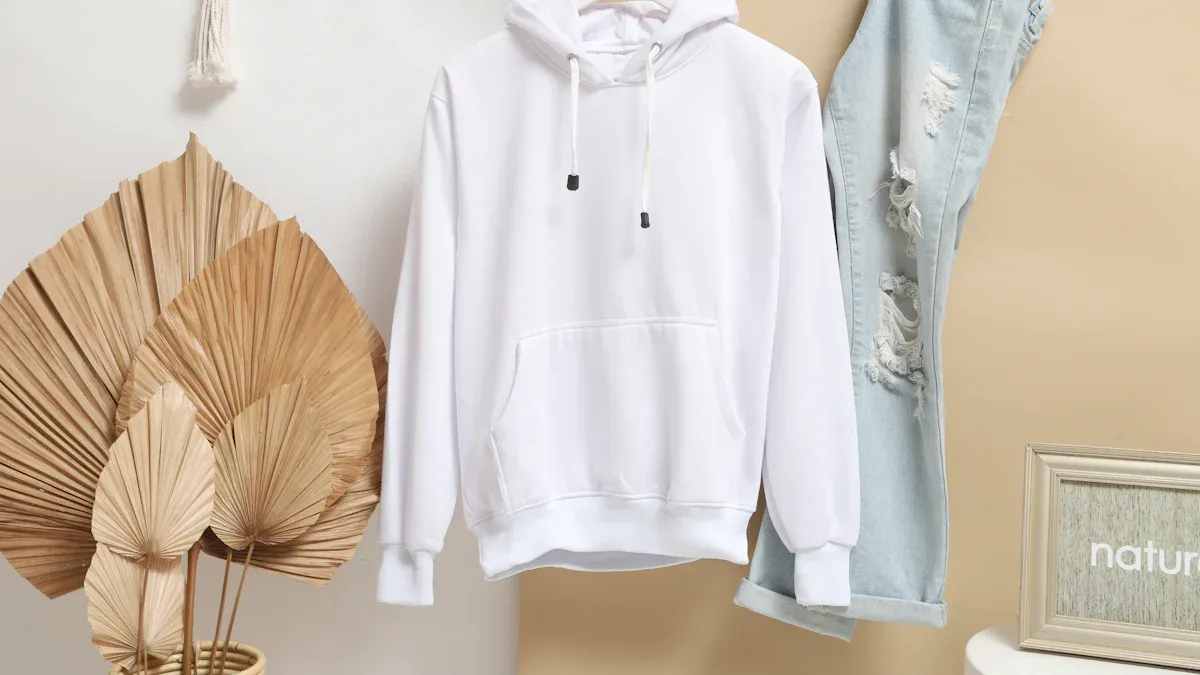
Hoodies come in all shapes and sizes. You can find a hoodie for every mood and activity. Check out these popular hoodie variations:
|
Type of Hoodie |
Distinguishing Characteristics |
|---|---|
|
Pullover Hoodie |
Classic style, kangaroo pocket, drawstring hood |
|
Zip-Up Hoodie |
Can be worn open or zipped, great for layering |
|
Quarter-Zip Hoodie |
Sleek look, mixes pullover and zip-up styles |
|
Slim-Fit Hoodie |
Athletic fit, stretch-friendly fabrics |
|
Oversized Hoodie |
Relaxed fit, popular in streetwear |
|
Cropped Hoodie |
Shorter length, pairs with high-waisted bottoms |
|
Athletic Hoodie |
Performance fabrics, moisture-wicking |
|
Fleece Hoodie |
Warm and soft, perfect for cold days |
|
Graphic Hoodie |
Features prints and artwork, stands out in a crowd |
You might like a pullover hoodie for everyday comfort or a zip-up hoodie for easy layering. Oversized hoodies feel extra cozy, while cropped hoodies look trendy. Athletic hoodies help you stay cool and dry during sports.
Try mixing hoodie styles with your favorite jacket or sweater for a fresh look!
History and Evolution
Jackets
You might not realize how much the jacket has changed over time. In the late 1700s and early 1800s, the spencer jacket became popular. People liked it because it matched the high-waisted dresses of the time. Designers made different versions for both indoor and outdoor use. This shift showed that women wanted clothes that looked good but also worked for daily life.
As years passed, the lounge suit appeared in the 1850s and 1860s. At first, it was just for relaxing. By the 1900s, it turned into a more formal jacket. World War II changed things again. People had to save fabric, so suits and jackets became simpler and slimmer. The gray flannel suit from this time still looks a lot like the jackets you see today.
-
The spencer jacket set the stage for practical fashion.
-
The lounge suit moved from casual to formal.
-
World War II made jacket designs lean and simple.
-
Modern jackets keep many of these classic features.
Sweaters
Sweaters have a rich story, too. They started as undergarments but soon became outerwear. In the 1920s, new yarns and weaving made sweaters softer and more stylish. Designers took ideas from art and sports to create new looks.
|
Year |
Milestone/Style Change |
Material/Design Influence |
|---|---|---|
|
1925 |
V-neck women’s sweater |
Cubist art shapes |
|
1929 |
Zig zag V-neck sweater |
Art Deco patterns |
|
1920s |
From undergarment to outerwear |
Better yarn and weaving |
|
1920s |
Sporty, boyish look |
Copied from menswear |
|
1920s |
Cardigan jacket |
Coco Chanel’s twist on men’s jackets |
|
1922 |
Fair Isle sweater |
Prince of Wales’ golf style |
|
1928 |
“Trompe l’oeil” sweater |
Elsa Schiaparelli’s design |
You can see how the sweater changed with each decade. Designers like Coco Chanel and Elsa Schiaparelli made the sweater a fashion must-have. Today, you find sweaters in every color, pattern, and fit.
Hoodies
The hoodie has a cool history. It first became popular in the Bronx, New York. Hip hop artists and graffiti writers loved the hoodie because it gave them a sense of privacy. Breakdancers liked it, too, since it let them move freely. The hoodie also became a symbol for young people who wanted to stand out or stay hidden.
|
Cultural Factor |
Description |
|---|---|
|
Hip hop culture |
Hoodie became a uniform for MCs and graffiti artists. |
|
Athletic culture |
The film Rocky made the hoodie famous in sports. |
|
High fashion |
Designers like Norma Kamali brought the hoodie to the runway. |
-
The hoodie gave artists and dancers freedom.
-
It became a sign of dignity and defiance for many youth.
-
High fashion designers helped the hoodie reach new crowds.
You can see how the jacket, sweater, and hoodie each have their own journey. They all started with simple uses but grew into fashion icons you wear today.
Layering and Hybrid Options
Layering Tips
Layering helps you stay comfortable when the weather changes. You can mix a sweater, hoodie, and jacket to get the right amount of warmth. Try wearing a sweater under suit jacket for a smart look at school or work. If you want extra warmth, put a jacket over sweater. This combo works well on chilly mornings or windy afternoons.
Here are some easy ways to layer:
-
Start with a light sweater as your base.
-
Add a hoodie for more warmth and a relaxed style.
-
Top it off with a jacket to block wind or rain.
-
Use soft and warm materials close to your skin for comfort.
Tip: Choose thin layers so you can move easily and take off a piece if you get too hot.
Layering lets you adjust your outfit all day. You can take off your jacket indoors or keep your sweater on when it gets cool outside. Try different combos to see what feels best for you.
Hybrid Garments
Hybrid design gives you the best of both worlds. You get the warmth of a sweater and the protection of a jacket. Sweater-jackets use stretchy fabrics and smart panels. They help you move freely and stay comfy during activities like hiking or biking.
Check out this table to see how hybrid jackets compare to regular options:
|
Benefit |
Description |
|---|---|
|
Hybrid jackets use insulated and breathable panels. You stay warm but do not overheat. |
|
|
Enhanced Freedom of Movement |
Stretchy materials and smart design let you move easily. Great for sports and outdoor fun. |
|
Effective Protection Against Wind and Light Precipitation |
Windproof and water-repellent finishes keep you dry and comfy in many weather conditions. |
Hybrid design works well for busy days. You do not need to switch between a sweater and a jacket. You get comfort, warmth, and protection in one piece. Try a hybrid jacket if you want something new and practical for your closet.
Styling and Branding
Personal Style
You have lots of ways to style jackets, sweaters, and hoodies. Each one lets you show your personality and try new looks. If you want to stand out, mix and match different pieces for cool styles. Here are some popular ways people wear these clothes:
-
Indie Sleaze: Wear a big jacket with ripped jeans and a graphic tee. Add chunky boots and lots of jewelry for a bold look.
-
Coquette: Pick a soft sweater with lace or flower prints. Bows and pearls make it even sweeter.
-
Mob Wife: Choose a fur jacket and big jewelry. Fancy fabrics and animal prints make you look fancy.
-
Soft Girl: Try a pastel hoodie or short sweater. Pair it with skirts or dresses for a cute, 90s look.
You can layer a sweater under a jacket or put a hoodie over a dress. These ideas help you try new styles and make smart fashion choices every day.
Branding and Customization
Brands know you want clothes that feel special. Many companies let you design your own jackets, sweaters, and hoodies. You can add your name, pick colors, or choose cool prints. This makes your style unique.
|
Trend |
Description |
|---|---|
|
Projected Increase |
More people want custom clothes, especially young people. |
|
Tech Advancements |
New printing lets brands make detailed designs on any piece. |
-
When celebrities wear a certain hoodie or sweater, it often becomes popular.
-
Big brands like Adidas and Nike use famous people to show off new styles.
-
Companies use customer info to offer jackets and sweaters that fit your life and local trends.
You get more style choices and can compare brands before you buy. This helps you pick the best fashion for you.
Eco-Friendly Choices
You can help the planet with your style. Many jackets, sweaters, and hoodies now use eco-friendly materials. These choices are good for Earth and still look nice. Some common green fibers are:
-
Corn fiber: Used in jackets and sports clothes.
-
Hemp fiber: Grows fast and needs less chemicals.
-
Lenpur fiber: Soft, keeps you dry, and breaks down naturally.
-
Lyocell fiber: Made from wood pulp in safe ways.
-
Jute and pineapple fiber: Strong and works for many styles.
-
Ramie fiber: Lasts long and needs no bug sprays.
-
Seacell fiber: Has seaweed that is good for your skin.
-
Soy-based fiber: Made from tofu leftovers and takes color well.
-
Nettle and sting fiber: Strong, soft, and does not burn easily.
Picking these materials gives you more style options and helps the Earth. You can enjoy your favorite jacket or sweater and care for nature. Next time you shop, check the label for these fibers and compare to find the best one for you.
You now know how to pick the right jacket, sweater, or hoodie for any day. When it gets cold, grab a jacket with insulation or a sweater made for cold weather. For chilly mornings, layer a sweater under a jacket to stay warm. Use this table to match your choice to the season:
|
Clothing Type |
Best Season |
Description |
|---|---|---|
|
Sweater |
Fall to Spring |
Great for cold days and layering. |
|
Hoodie |
Transitional Weather |
Easy to wear under a jacket. |
|
Jacket |
All Year |
Try mixing textures and colors. Add a scarf or hat for extra style. Explore brands like tentree or Everlane for eco-friendly options. Hybrid outerwear keeps you ready for cold or changing weather. Have fun and stay cozy!
FAQ
What is the main difference between jackets, sweaters, and hoodies?
You notice jackets protect you from wind and rain. Sweaters keep you warm and cozy. Hoodies give you comfort with a casual look. Each one has unique style variations for different needs.
When should you wear a hoodie instead of a sweater?
You grab a hoodie when you want a relaxed vibe or need a hood for extra warmth. Sweaters work better for dressy events or when you want fashionable sweaters that look sharp.
How do you choose high-quality sweaters?
You check the label for natural fibers like wool or cashmere. You feel the fabric for softness and look at the stitching. High-quality sweaters last longer and feel better on your skin.
What are the best options for layering in cold weather?
You start with a thin sweater, add a hoodie for warmth, and finish with a jacket. This combo lets you adjust your outfit all day. You stay comfortable no matter how cold it gets.
Can you wash jackets, sweaters, and hoodies the same way?
You wash hoodies and most jackets in the machine. Sweaters need gentle care. You hand wash or use a delicate cycle. Always read the tag before cleaning to keep your clothes looking new.